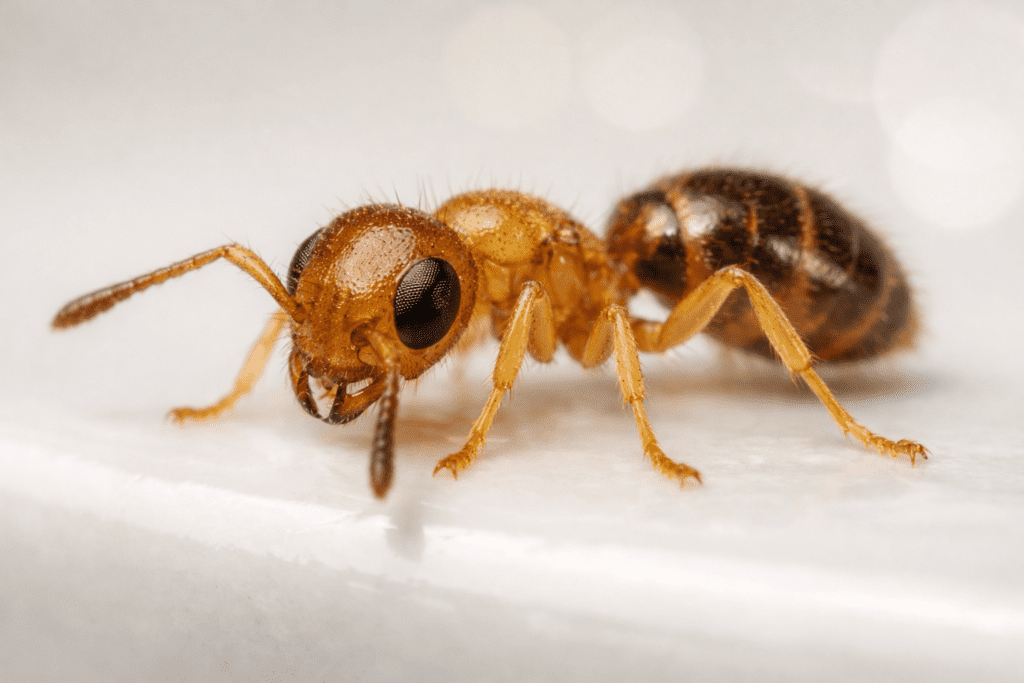
If you keep finding fire ant mounds in the lawn, the honest answer is that no single product does the whole job. The cheap first move costs nothing: walk the yard and mark the mounds, then plan to treat in the early evening when workers forage. The fix that lasts is two products working together, a slow broadcast bait that the ants carry down to the queen, plus a fast mound treatment for the one mound by the steps you cannot wait on. For our own yard we keep a bag of bait and one mound granule on hand, nothing more. Most roundups rank a single “fastest killer” first; that is the setup that keeps failing, and the comparison below shows why.
The durable yard fix is two tools, not one: a slow broadcast bait that kills the colony over weeks, plus a fast mound treatment for the mounds you cannot wait on.
- Do first (free): Mark the mounds and treat at dusk when ants are foraging; never knock a mound flat first.
- Best for the whole yard: A broadcast fire ant bait spread two or three times a year, watered in only if the label says so.
- Skip: Relying on a single fast mound killer alone; it clears one mound and leaves the hidden colonies behind.
Why one product never wins
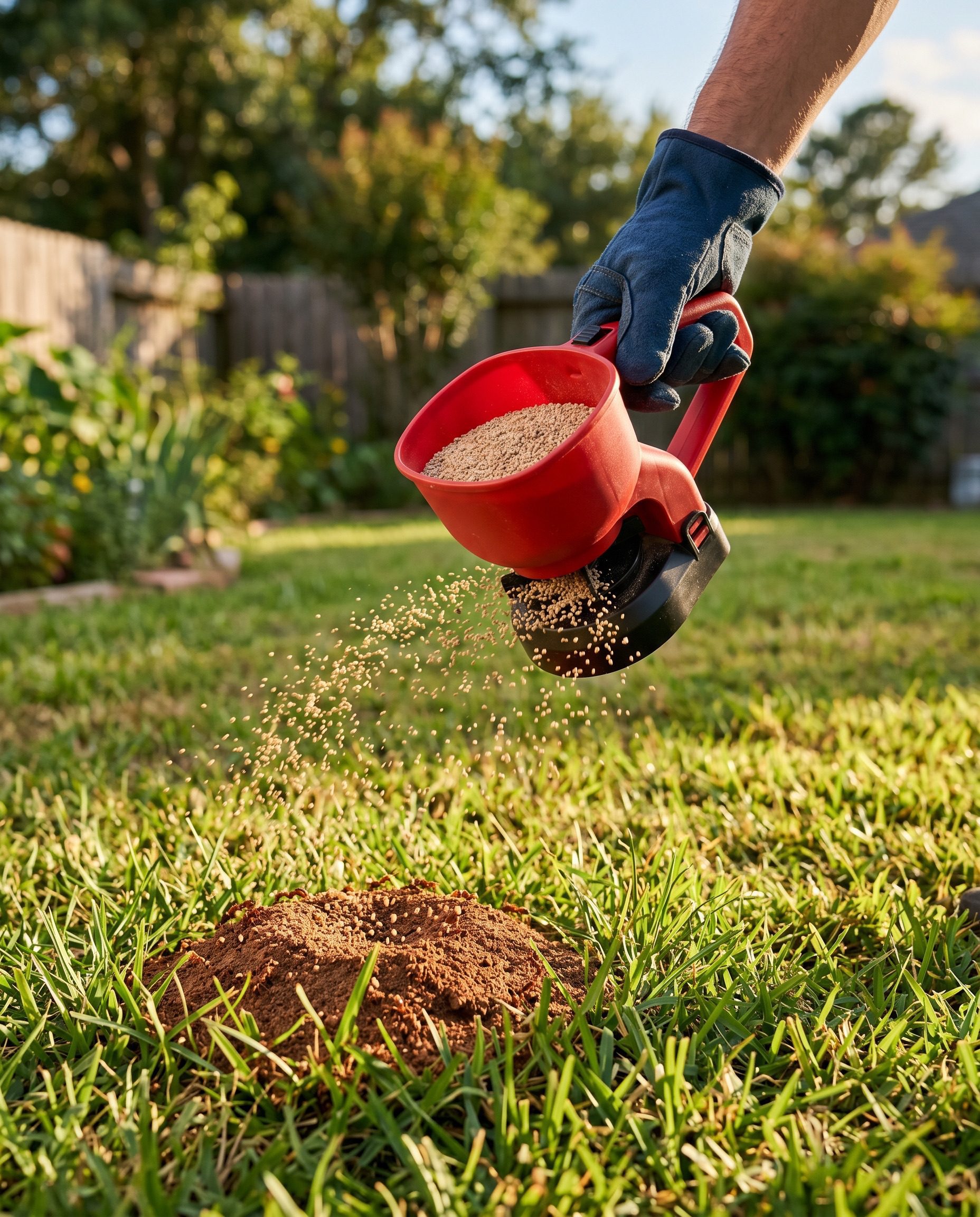
Fire ants are a colony problem wearing a mound disguise. The mound you see is the chimney; the queen and most of the workers sit below it, and a single nest can hold a huge number of ants. University of Florida notes a mated queen can lay roughly 800 to 1,000 eggs a day, which is why a colony rebuilds fast if she survives. Kill the visible mound and miss her, and the nest simply relocates a few feet over.
That biology is the whole reason the University of Florida’s guidance on managing imported fire ants leans on bait. Workers carry the bait granules back underground and feed them to the queen and brood, so the slow poison reaches the part of the colony you can never reach with a trowel. Bait is the only tool that travels to the queen. A drench, by contrast, only soaks the dirt you pour it on.
So the products solve two different problems. A broadcast bait is the area fix that works on mounds you have not even spotted yet. A mound treatment is the spot fix for the nest that landed next to the patio and needs to be gone before the weekend. You want both because you have both problems.
Slow bait vs fast drench
Here is the trade most lists hide. Bait is cheap, covers ground, and reaches hidden nests, but it is slow. Mississippi State Extension reports that broadcast baits, applied two to three times a year, give about 80 to 90 percent control, while warning it can take two to six weeks to see it, because the ants have to share the bait down to the queen first. If you want the yard quiet for a barbecue this weekend, bait alone will disappoint you.
A mound treatment flips every one of those traits. It is faster and more certain on the mound you pour it on, but it does nothing for the rest of the yard and costs more per nest. Most granular drenches need to be watered in to carry the active ingredient down into the nest, so read that step carefully; baits are the opposite and should stay dry. The popular “kills in minutes” mound products are real, they just answer a smaller question than the package implies.
The mistake that wastes money is buying only the fast one. You chase mounds all summer, each new mound is a fresh purchase, and the colonies you never saw keep producing more. The Texas A&M two-step method exists precisely to end that loop: bait the whole area, then spot-treat the stragglers. Pair the two and you stop refilling the cart.
Who should not DIY at all: if mounds are inside a slab, against the home’s foundation, or the yard is overrun beyond a weekend’s work, bring in a licensed pro rather than escalating chemicals.
How the two-step works
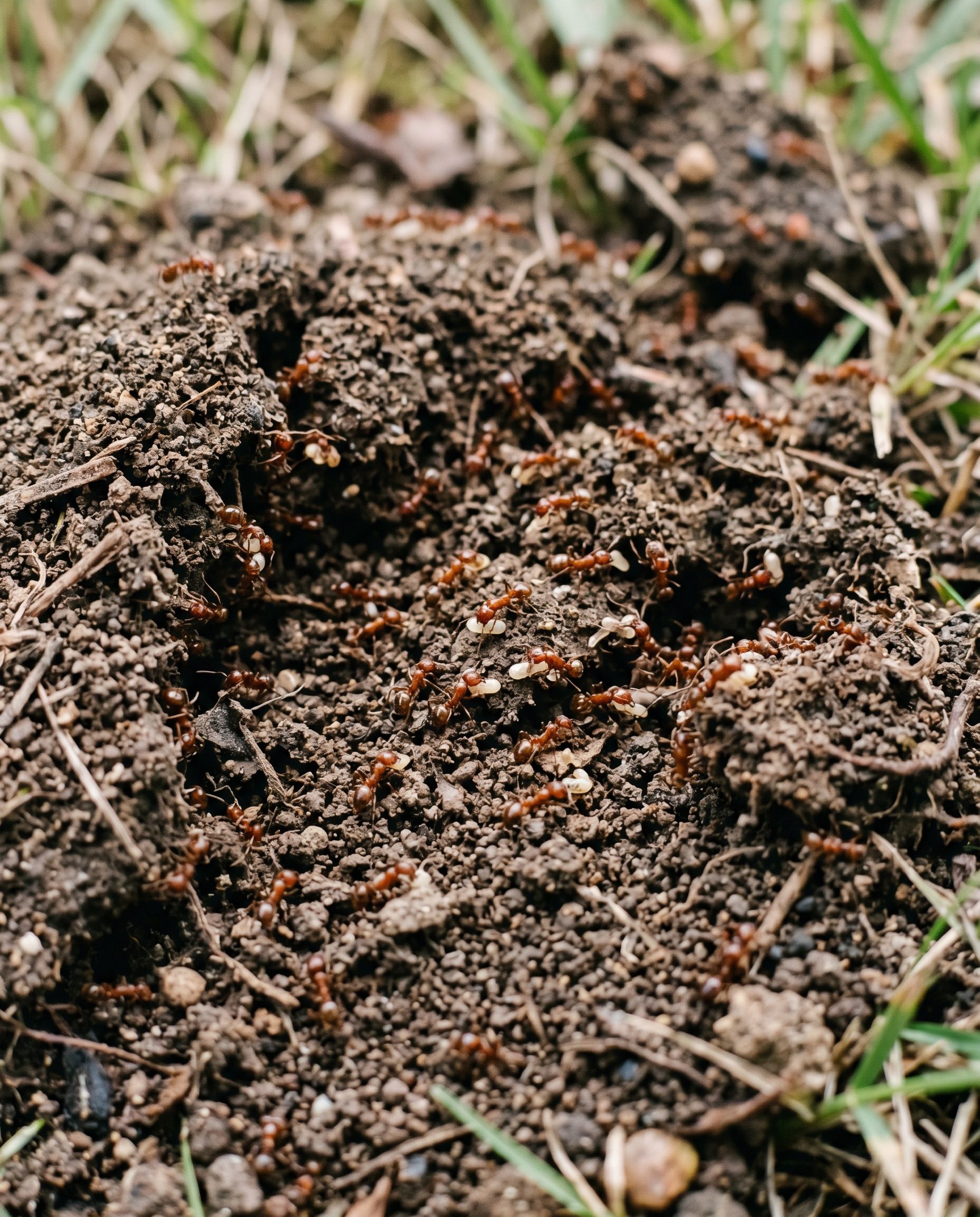
Step one is the broadcast bait, and timing matters more than brand. Spread it across the whole yard with a handheld spreader in the early evening when workers are foraging, on dry grass, and do not water it in unless the label tells you to. In the South this works spring through fall; a fall application before the colony slows down sets up a quieter next spring. Keep the bait dry on the shelf too, since rancid oil stops attracting ants.
Step two comes after the bait has had time to spread. Mississippi State advises you wait several days, then spot-treat any mound still active so foragers carry the bait down first instead of scattering at the disturbance. Sprinkle the granular treatment over and around each mound per the label, then water it in if the product calls for it. Do not rake or stomp the mound before treating; that just splits the colony and sends the queen deeper.
A registered pesticide comes with legal instructions, and under federal law the label is the law. Follow the rate, the site, and the re-entry timing on the product, and lean on the EPA’s safe pest control guidance if a label term is unclear. Do not invent your own mix ratio, and never reach for gasoline, bleach, or homemade brews on a mound; they do not work better and they poison your soil.
A few constraints worth keeping front of mind. Keep children and pets off treated areas until granules are watered in and the surface is dry, and keep bait and drench away from vegetable beds, fish ponds, and pet bowls. If a person or animal swallows product, contact a doctor, your vet, or your local poison control center, and you can read the NPIC pesticide-safety information for what to do after an exposure. Because broadcast products are spread outdoors, do not apply over open blooms and avoid drift to flowering plants, which protects the bees and other beneficial insects working your yard; the EPA’s pollinator pages cover this if you treat near a garden.
Pick by the job
The cleanest way to choose is to match the tool to the problem in front of you, not to the loudest claim on the bag.
| Tool | Best for | Watch-out |
|---|---|---|
| Broadcast bait | The whole yard, including mounds you cannot see | Slow; allow 2 to 6 weeks, keep it dry |
| Granular mound drench | One active mound you need gone fast | Usually needs watering in; treats only that mound |
| Dry acephate mound dust | Mounds where you cannot water in | Strong odor; outdoor mound use only, follow the label |
If the picks below feel like a lot, remember the logic: the bait is your standing yard program, and the mound product is the thing you grab when one nest will not wait.
The picks
InsectoGuide is reader-supported. As an Amazon Associate we earn from qualifying purchases at no extra cost to you.
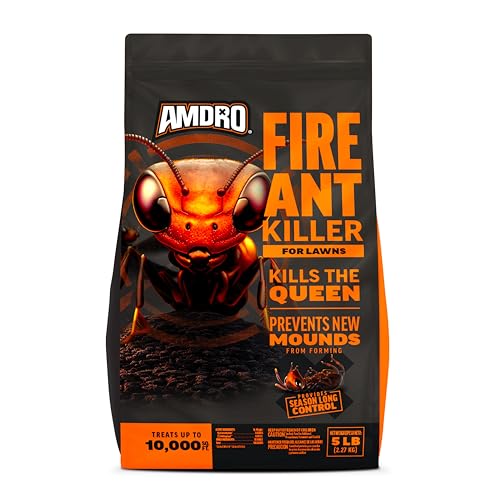
A broadcast bait foragers carry down to the queen, for the whole lawn at once.
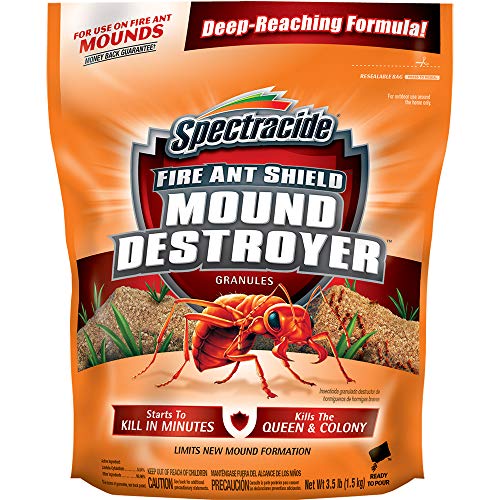
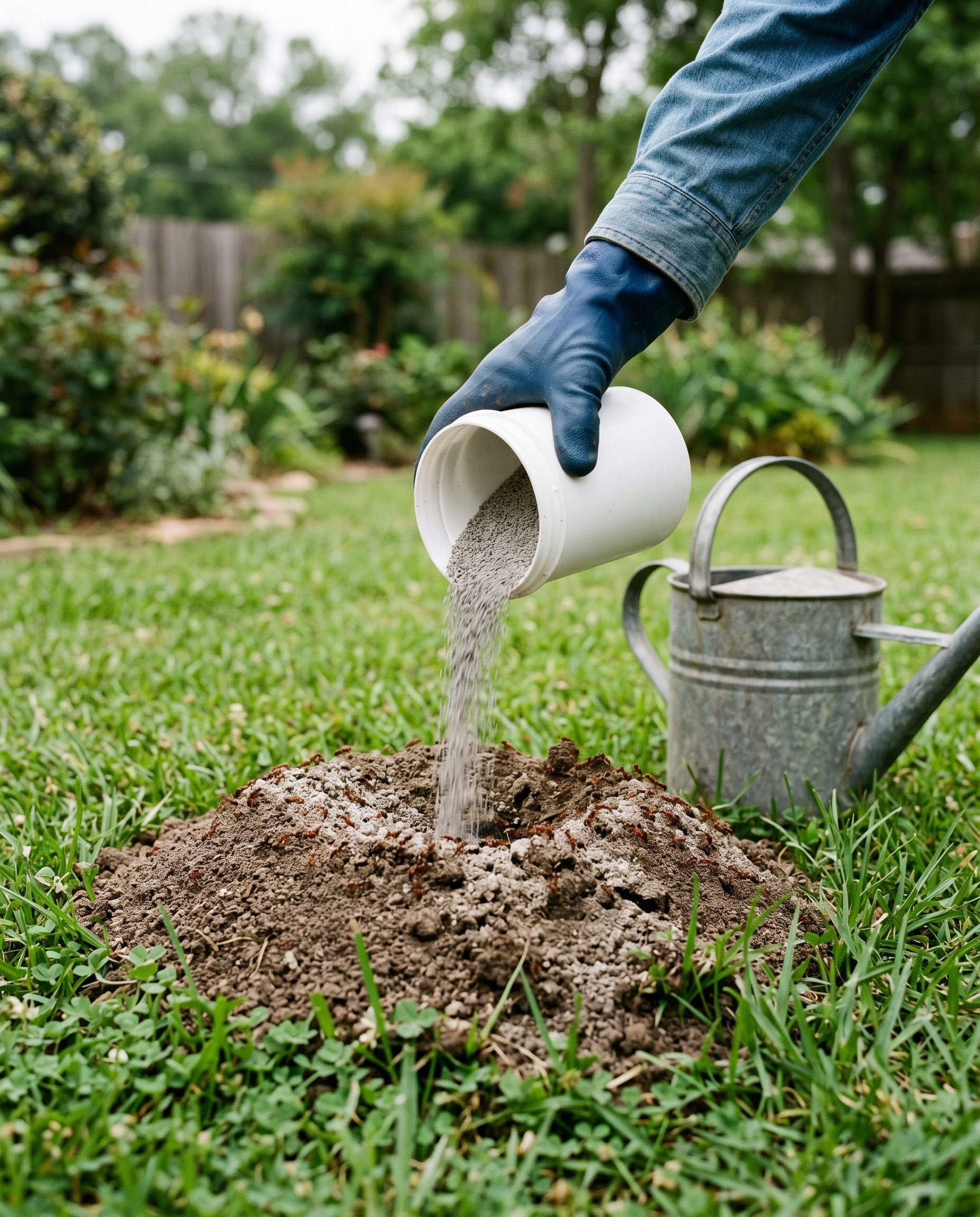
A fast water-in drench for the single mound that cannot wait on bait.
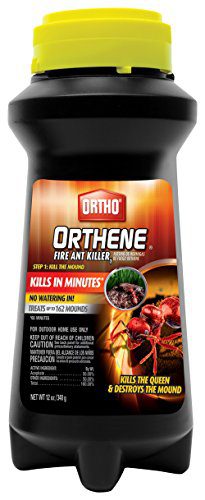
A dry acephate powder for mounds when you cannot water in a drench.
Common questions
Does a single “fastest” fire ant killer work?
It works on the mound you treat and nothing else. Because the queen and most of the colony sit below ground and she keeps laying, a fast drench leaves the rest of the yard producing new mounds. Pairing a broadcast bait with spot mound treatment is the two-step approach Extension programs recommend.
How long until bait works?
Plan on patience. Mississippi State reports broadcast baits take two to six weeks to reach full effect because workers must share the bait down to the queen, which is also why baiting gives about 80 to 90 percent control rather than an instant result.
Should I water in fire ant bait?
No. Baits should stay dry to keep attracting foragers. It is the mound granules and drenches that usually need watering in, so the two product types want opposite handling; read each label and do not assume they behave the same.
Is it safe around kids and pets?
Keep children and pets off treated areas until granules are watered in and the surface has dried, and keep product away from food gardens, ponds, and pet bowls. For any swallowed product, contact a doctor, your vet, or your local poison control center.
When should I treat for the season?
In the South, spring through fall works, and a fall broadcast before the colony slows down sets up a quieter spring. Treat mounds in the early evening when ants are foraging, and never disturb a mound right before treating it.
Are fire ant stings dangerous?
Most stings cause a sore, itchy pustule, but a small share of people react severely. Watch for signs of a serious allergic reaction such as trouble breathing, throat or tongue swelling, dizziness, or hives spreading fast; get emergency medical help right away and use a prescribed epinephrine auto-injector if you have one. The NIH MedlinePlus fire ants page covers when a reaction needs care.
Final verdict
The best fire ant killer is not a product, it is a pairing. Do the free step first: mark the mounds and treat at dusk. Run a broadcast bait as your standing yard program two or three times a year so the colony, queen included, takes the slow poison underground, and keep one mound treatment on hand for the nest that lands by the door and will not wait. Skip the trap of buying only a “fastest” mound killer; it clears one mound and ignores the colonies you cannot see, which is exactly how people end up treating the same yard all summer. Match the tool to the job and the yard stays quiet.
If you want the full walkthrough, see our guide on how to get rid of fire ants in the yard, the broader best outdoor ant killers for lawns and gardens, and what to do when they move inside in how to get rid of ants in the house.