Finding bed bugs in car upholstery can feel unsettling, especially after travel, a rideshare, or hauling luggage. The good news is that cars are usually a temporary stop for bed bugs, not their favorite long-term home. Still, they can survive for months without feeding and hide in tight seams you rarely inspect. This guide shows how to confirm what you are seeing, where to look first, and how to remove them safely using steps that work in a vehicle.
Quick answer: can bed bugs live in a car?
Yes, bed bugs in car interiors are possible. They usually get there by hitchhiking on bags, clothing, blankets, or used furniture, then hide in protected crevices until they can feed again.
Here’s the fastest way to assess your situation:
- Most likely hiding spots: seat seams, under seats, floor mat edges, trunk liners, and between the seat back and cushion
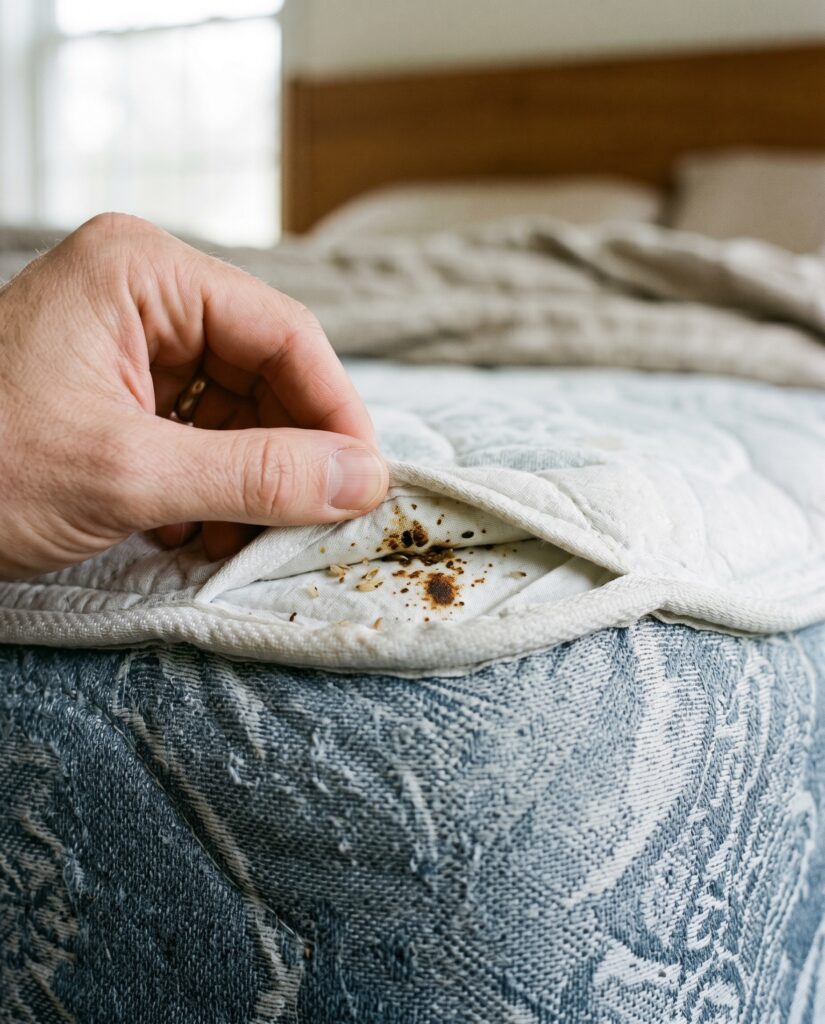
- What you might notice first: itchy welts after a drive, tiny dark specks (fecal spots), or rusty smears (crushed bugs)
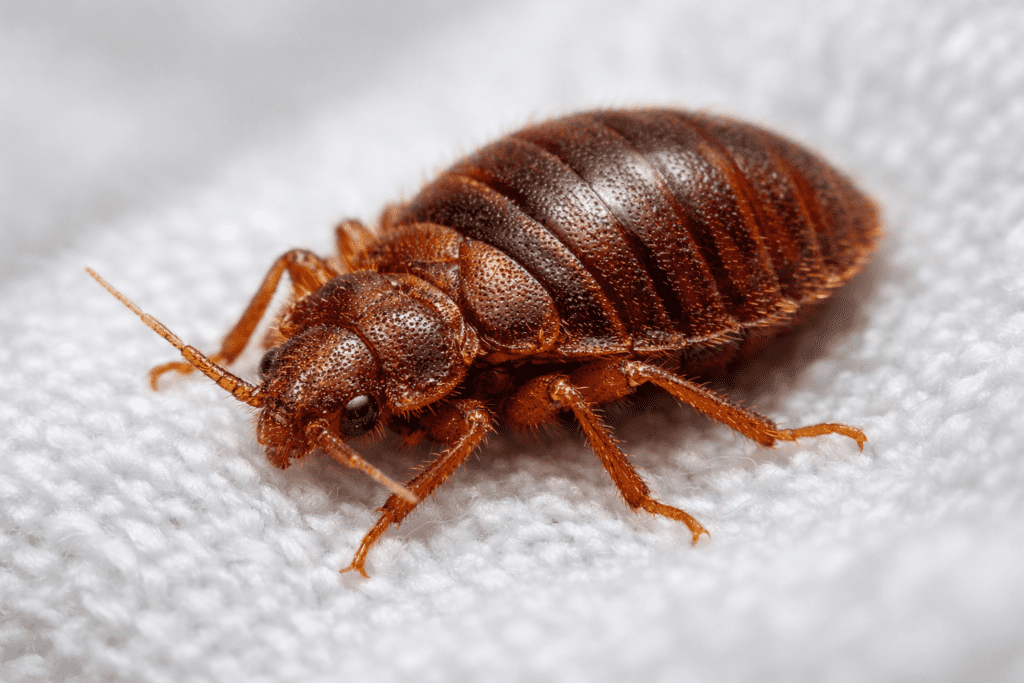
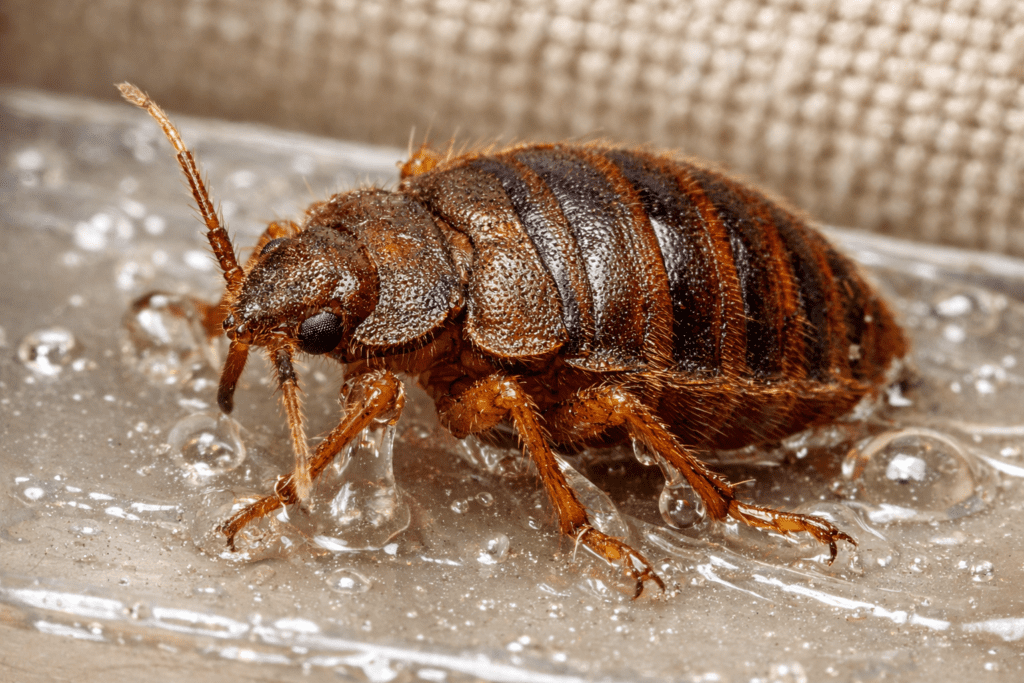
- What bed bugs look like: flat, oval, reddish-brown adults about 5-7 mm (apple-seed sized); pale nymphs are smaller and harder to see
- Do they jump or fly? No. They crawl and prefer to stay hidden
- Immediate next step: inspect, vacuum thoroughly, and treat with heat or steam before they spread to your home
If you are unsure whether bites are from bed bugs or something else, compare patterns using Mosquito Bites vs Bed Bugs, Fleas, Spiders & Ticks.
Why bed bugs end up in cars (and why cars are not ideal)
A common misconception is that bed bugs “start” in vehicles. In reality, bed bugs (Cimex lectularius) are classic hitchhikers. They move like a slow, determined commuter, not a sprinter. If an infested suitcase rides in your trunk or a jacket from a hotel room lands on your back seat, bed bugs can transfer and hide.
Cars are not ideal long-term habitats for three main reasons:
- Frequent disturbance: doors open, people shift in seats, and sunlight heats and cools surfaces daily.
- Less predictable access to a host: bed bugs prefer to feed when a host stays still for long periods, usually at night.
- Temperature swings: car interiors can get very hot in summer and quite cold in winter, stressing bugs and eggs.
That said, stress does not equal elimination. Public health guidance notes bed bugs can persist as long as they find sheltered cracks and occasional access to a blood meal. The King County public health bed bug guidance emphasizes that bed bugs hide in tight spaces close to where people rest or sit, which absolutely includes vehicle seating.
What “survival” looks like in a vehicle
Bed bugs can survive months without feeding under favorable conditions. In a car, that means they may wait out long gaps between rides. Warmth from sun exposure or residual heat near the engine area can also help them persist.
Use this quick “risk snapshot” to judge how likely your car is involved:
| Situation | Risk of bed bugs moving into the car | Why it matters |
|---|---|---|
| You stayed in a hotel recently | High | Luggage and clothing are common transfer routes |
| You transported used furniture or mattresses | High | Bed bugs cling to fabric folds and seams |
| You drive rideshare or taxi | Medium to high | Frequent passengers increase hitchhiking chances |
| You have a known home infestation | Medium | Bugs can move on bags, coats, and laundry |
| You rarely have passengers and no travel | Low | Cars do not “generate” bed bugs |
Actionable takeaway: If you suspect exposure, treat the car immediately. Early action is simpler than chasing a spread into your home.
How to identify bed bugs in a car: signs, look-alikes, and where to inspect
If you only look at the seat surface, you may miss them. Bed bugs prefer tight, dark seams where fabric meets plastic or metal. Think of them as insects that choose the “zipper line” instead of the open field.
Start your inspection when the car is parked in bright light. A headlamp or phone flashlight helps.
Where to look first (high-yield spots)
Use this checklist in order:
- Driver and passenger seat seams – especially piping, stitching, and the gap between seat back and bottom cushion
- Under seats – rails, brackets, and the underside fabric panel
- Floor mats and carpet edges – where debris collects and edges curl
- Center console cracks – around trim, cup holders, and seat belt anchors
- Trunk seams – spare tire well edges, trunk liner folds, and cargo straps
What you are looking for
Bed bug evidence is often easier to find than the bugs themselves:
- Fecal spots: tiny black dots that look like ink specks and may smear when damp
- Blood spots: rusty-red smears from crushed bugs after a ride
- Shed skins: translucent, papery shells nymphs leave behind as they grow
- Eggs: tiny, whitish, about 1 mm, often glued in hidden seams
- Live bugs: flat and oval; adults are reddish-brown and about apple-seed size
If you notice bites, remember that skin reactions vary widely. Some people get obvious itchy welts, while others show little to no reaction. Bite timing matters too. If you only itch after drives, that points toward the vehicle. If you wake up itchy, your home may be involved.
Bed bugs vs common car “look-alikes”
This mini chart helps you avoid false alarms:
| Bug | Common in cars? | Key difference |
|---|---|---|
| Bed bug | Uncommon but possible | Flat, oval, hides in seams; no jumping |
| Flea | Possible | Jumps; often linked to pets and carpeting |
| Carpet beetle adult | Common | Rounder, patterned, does not bite like bed bugs |
| Tick | Possible | Attaches firmly to skin; not typically found in seat seams |
| Cockroach nymph | Possible | Longer antennae, faster movement, different droppings |
Actionable takeaway: If you find fecal specks plus shed skins in seat seams, treat it as bed bugs until proven otherwise.
Bed bugs in car treatment: step-by-step plan that actually works
The best vehicle plan uses a simple principle: remove what you can, then kill what remains with heat or steam. Spraying random chemicals inside an enclosed cabin is risky and often ineffective. Many insecticides are not labeled for vehicle interiors, and misuse can create exposure hazards for passengers.
For a practical overview of what to look for and common removal approaches, consumer health guidance like Healthline’s overview of bed bugs in vehicles aligns with what pest professionals recommend: inspection, cleaning, and targeted heat-based control.
Step 1: Bag and isolate items before you treat
Before you do anything else, stop the spread.
- Remove jackets, blankets, child car-seat covers, and loose items.
- Seal them in plastic bags before carrying them indoors.
- Launder and dry on the hottest safe setting. Heat is what kills all life stages.
Pro tip: If you recently traveled, treat luggage too. A suitcase left untreated can reinfest the car after you clean it.
Step 2: Vacuum like you mean it (and dispose safely)
Vacuuming is excellent for physically removing bugs, shed skins, and debris that protects them. Use a crevice tool and go slowly.
Focus on:
- seat seams and piping
- under-seat fabric panels
- floor mat edges and carpet seams
- trunk liner folds
After vacuuming:
- Immediately seal vacuum contents in a bag and discard outside.
- If using a canister vacuum, empty into a bag, seal it, then wash the canister area.
Step 3: Use steam for seams and fabric cracks
Steam is one of the most effective DIY tools for vehicle infestations because it kills on contact when done correctly.
Steam tips that matter:
- Use a steamer designed for pest work if possible.
- Move slowly – about 1 inch per second – along seams to allow heat penetration.
- Avoid blasting with high airflow that could scatter bugs deeper into cracks.
- Let surfaces dry fully to prevent mildew.
Step 4: Heat the car interior (sun can help, but verify temperatures)
A sealed car in direct sun can reach lethal temperatures in some climates, but it is not guaranteed. The goal is sustained heat high enough to kill bed bugs and eggs.
General heat guidance from pest control education sources, including practical thresholds discussed by The Bed Bug Doctor’s vehicle guidance, supports what entomologists emphasize: heat works when it is hot enough, long enough, and reaches the hiding places.
Use this heat-treatment checklist:
- Park in full sun on a hot day.
- Close windows and doors.
- Use a cab thermometer placed near seat seams, not just the dashboard.
- Aim for interior temps above about 45°C (113°F) for a sustained period.
- Rotate the car’s position if one side stays shaded.
If you cannot reliably reach lethal temperatures, steam plus meticulous vacuuming is usually more dependable for light infestations.
Step 5: Skip DIY chemical “bombs” inside cars
Foggers and improvised fumigation in vehicles can be dangerous. They also tend to push bed bugs deeper into hiding rather than solving the problem.
If you believe you need insecticides, it is safer to consult a professional who can choose products and application methods appropriate for a vehicle.
Treatment effectiveness at a glance
| Method | Best for | Strength | Limitation |
|---|---|---|---|
| Vacuuming | Immediate reduction | Fast, non-chemical | Does not reliably kill eggs in deep cracks |
| Steam | Seams and fabric | Kills on contact | Requires slow, careful technique |
| Sun/heat | Whole-cabin kill | Non-chemical | Temperature can be uneven and weather-dependent |
| Professional service | Moderate to severe cases | Most reliable | Cost and scheduling |
Actionable takeaway: For most early cases, vacuum + steam + heat (when verifiable) is the most practical combination.
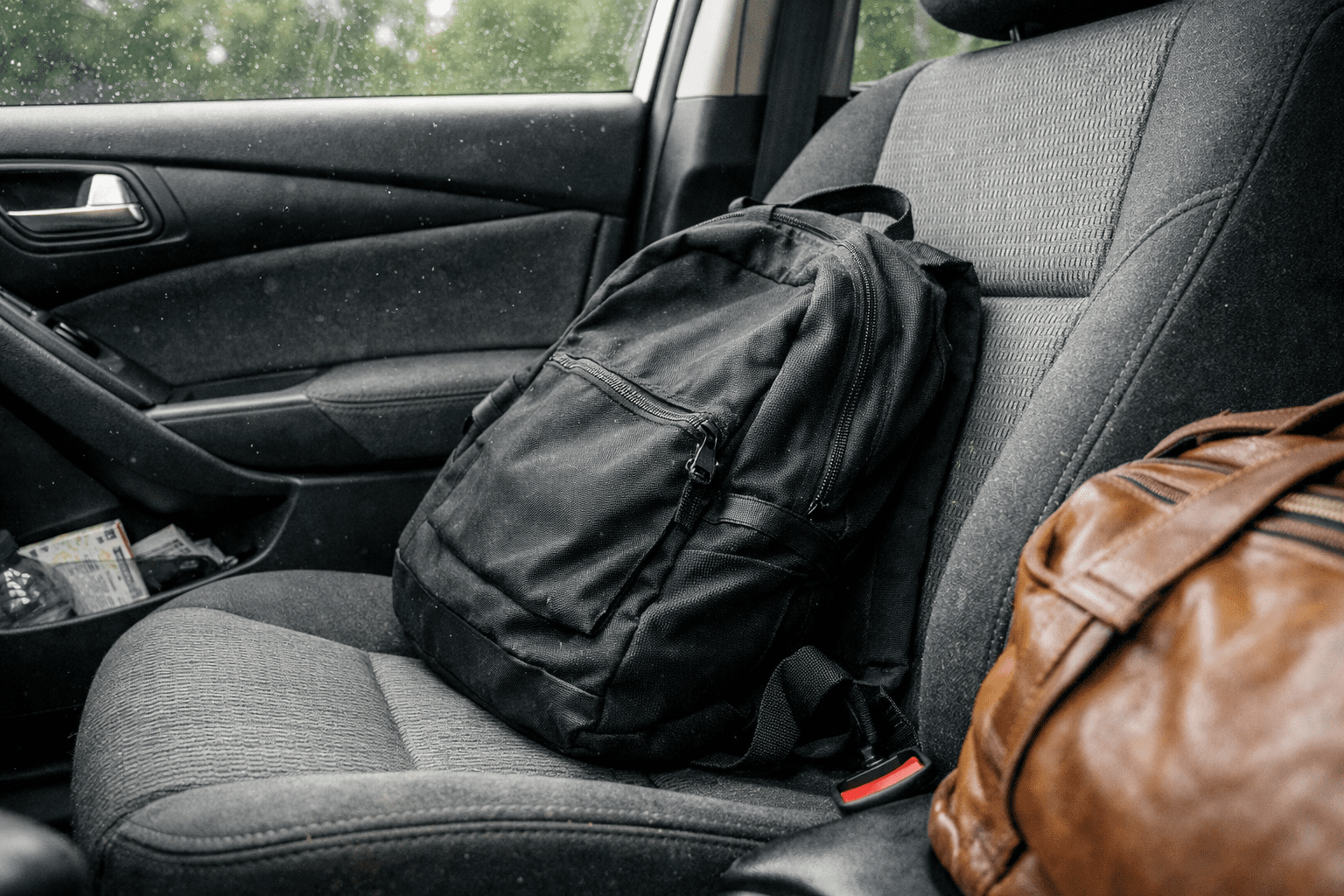
When to call a pro (and what professional vehicle treatment involves)
EcoSMART Organic Bed Bug Killer, 14 oz
This organic bed bug killer is safe for use in cars and can help readers treat their vehicles without harsh chemicals.
Some infestations are bigger than they look. A single pregnant female or a few hidden eggs can restart the problem weeks later. If you have repeated signs after two thorough DIY treatment rounds, professional help is usually the fastest path to a clean vehicle.
Signs DIY is not enough
Consider calling a licensed pest management professional if:
- You keep finding new fecal spots or shed skins after cleaning.
- Multiple passengers are getting bites after rides.
- You drive for work (rideshare, taxi, delivery) and cannot risk spread.
- The car has complex upholstery, deep crevices, or child seats you cannot fully disassemble.
- You also suspect a home infestation. Treating only the car often fails if the source is indoors.
What pros typically do differently
Professional services vary, but effective programs often include:
- Detailed inspection with experience spotting low-level evidence
- Commercial heat treatment using controlled heaters and sensors to reach lethal temps throughout the cabin
- Targeted insecticide applications in cracks and voids where appropriate and labeled
- Follow-up inspection to confirm elimination
Vehicle work is specialized because of electronics, airbags, and material sensitivity. A professional will avoid damaging components while still reaching the hidden zones bed bugs prefer.
Health and safety notes
Bed bugs are not known to transmit disease in the way mosquitoes can, but bites can cause itching and secondary skin infections from scratching. If you develop severe swelling, blistering, or signs of infection, contact a healthcare provider.
If you want to reduce itchy bites from other common pests during travel season, see Natural Mosquito Repellents That Actually Work and Best Mosquito Repellent Candles & Coils. Those tools will not solve bed bugs, but they can reduce confusion when you are trying to identify what is biting you.
Actionable takeaway: Repeated evidence after careful treatment is the clearest sign to bring in a professional.
Preventing bed bugs from hitchhiking into your car (travel, used items, and daily habits)
Prevention is mostly about interrupting the hitchhiking route. Bed bugs do not care if a car is clean or messy, but clutter gives them more hiding places and makes inspection harder.
Travel habits that cut your risk
If you travel often, use these simple routines:
- Keep luggage off beds in hotels. Use a rack or hard surface.
- Bag travel clothes in sealable plastic bags, especially on the return trip.
- Inspect seams of suitcases and backpacks before loading them into the car.
- Change clothes after high-risk stays and bag the worn outfit until it can be dried on high heat.
Used furniture and “free curb finds”
Transporting secondhand furniture is one of the fastest ways to bring bed bugs into a vehicle. Even short trips are enough.
If you must move used items:
- Wrap upholstered furniture in plastic sheeting before loading.
- Avoid placing items directly on car seats.
- Treat or inspect items outdoors before bringing them inside.
Weekly car habits that help
These are small steps, but they make a real difference:
- Vacuum seats and floor edges regularly, especially after passengers.
- Reduce clutter like spare blankets, extra clothes, and fabric bags.
- Store emergency clothing in sealed plastic rather than loose in the trunk.
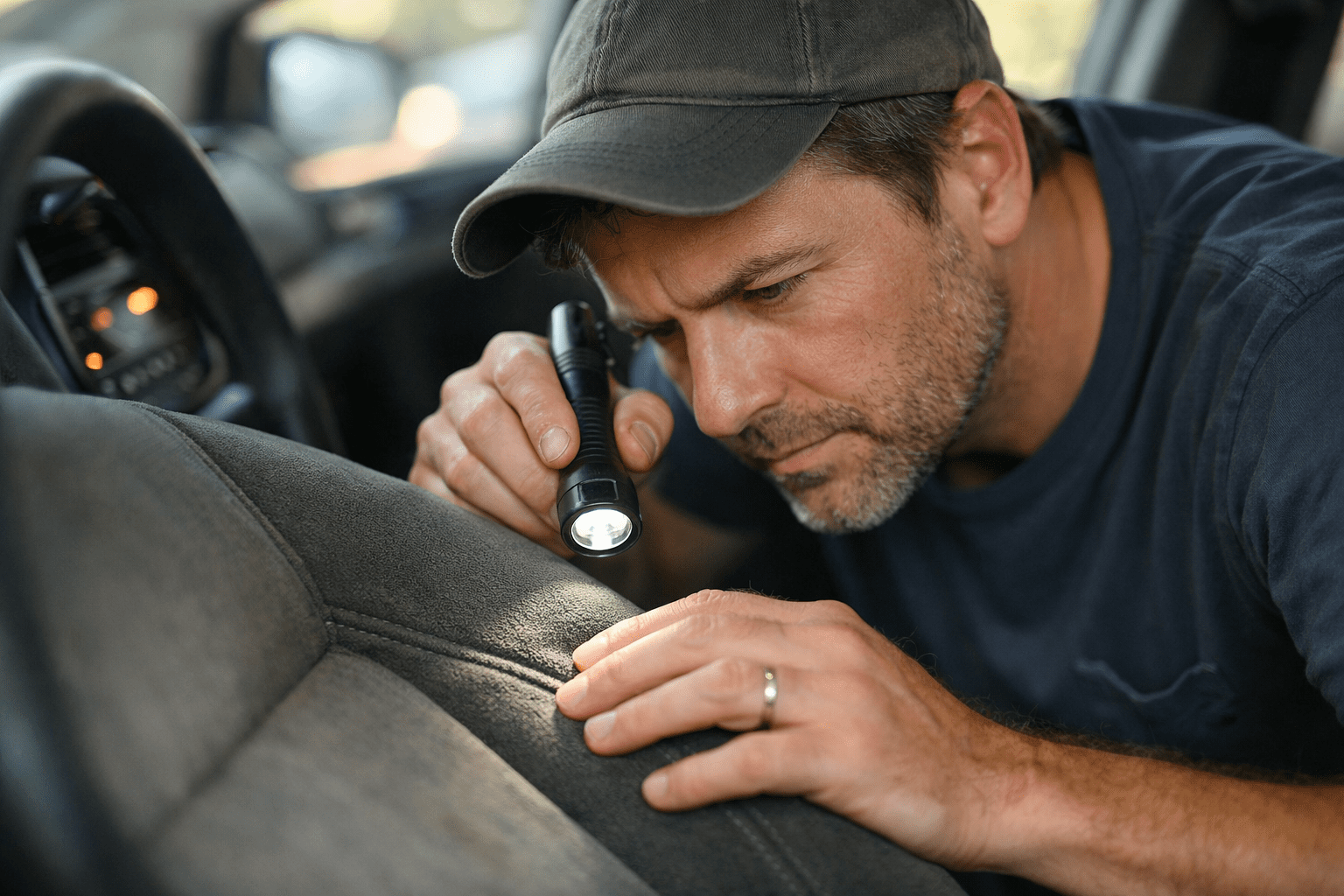
- After a suspected exposure, do a 5-minute seam inspection with a flashlight.
Quick prevention checklist (printable-style)
| Habit | How often | Why it works |
|---|---|---|
| Vacuum seat seams and under seats | Weekly | Removes hitchhikers before they settle |
| Bag and heat-dry travel clothes | After trips | Heat kills all life stages |
| Inspect luggage seams | After trips | Stops reintroducing bugs |
| Avoid unwrapped used upholstery | Always | Prevents high-risk transfers |
Actionable takeaway: The easiest infestations to solve are the ones you prevent by treating luggage and clothing first.
Key takeaways (and what to do next)
Bed bugs in vehicles are uncommon, but they are absolutely possible, especially after travel or transporting used items. The most reliable DIY approach is to inspect carefully, vacuum thoroughly, then use steam and verified heat to kill what remains. Avoid improvised chemical treatments inside the cabin, and call a professional if signs persist after repeated efforts or if you suspect your home is also involved.
Next step: do a focused inspection of seat seams and under-seat areas today, then treat immediately if you find evidence. If you are still unsure what caused bites, compare symptoms and patterns using Mosquito Bites vs Bed Bugs, Fleas, Spiders & Ticks.
As an Amazon Associate, I earn from qualifying purchases. Product recommendations are based on real reviews and independent research.