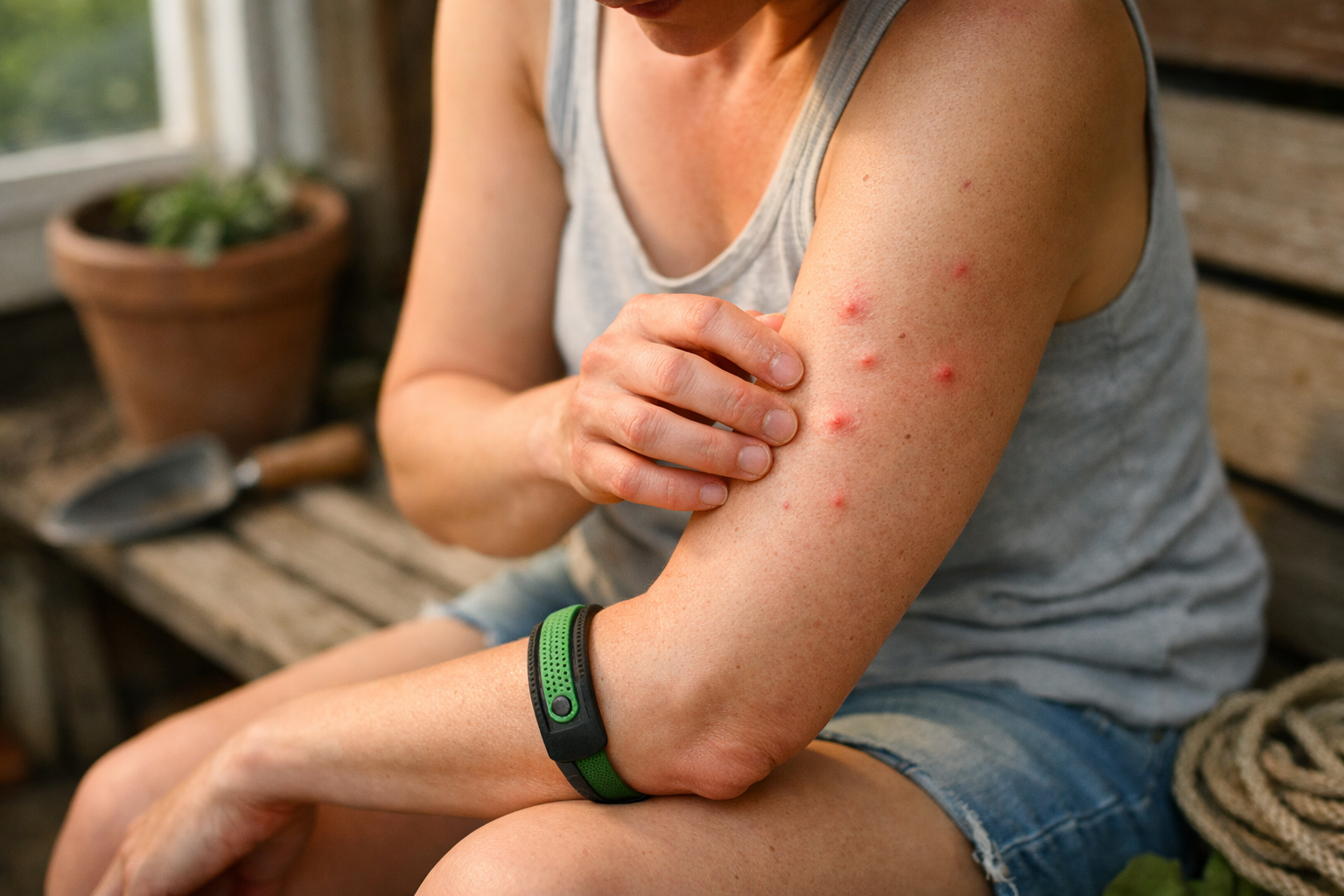
Finding bites even though you’re wearing mosquito repellent bracelets can feel frustrating, especially when the package promises “hands-free protection.” Here’s the straight answer: most wristband-style repellents don’t protect your whole body in real-world conditions. In this guide, you’ll learn what studies actually found, why bracelets usually fall short, and what to use instead for hikes, backyard evenings, and travel. You’ll also get practical tips for kids, sensitive skin, and high-mosquito areas.
Quick Answer: Do mosquito repellent bracelets work?
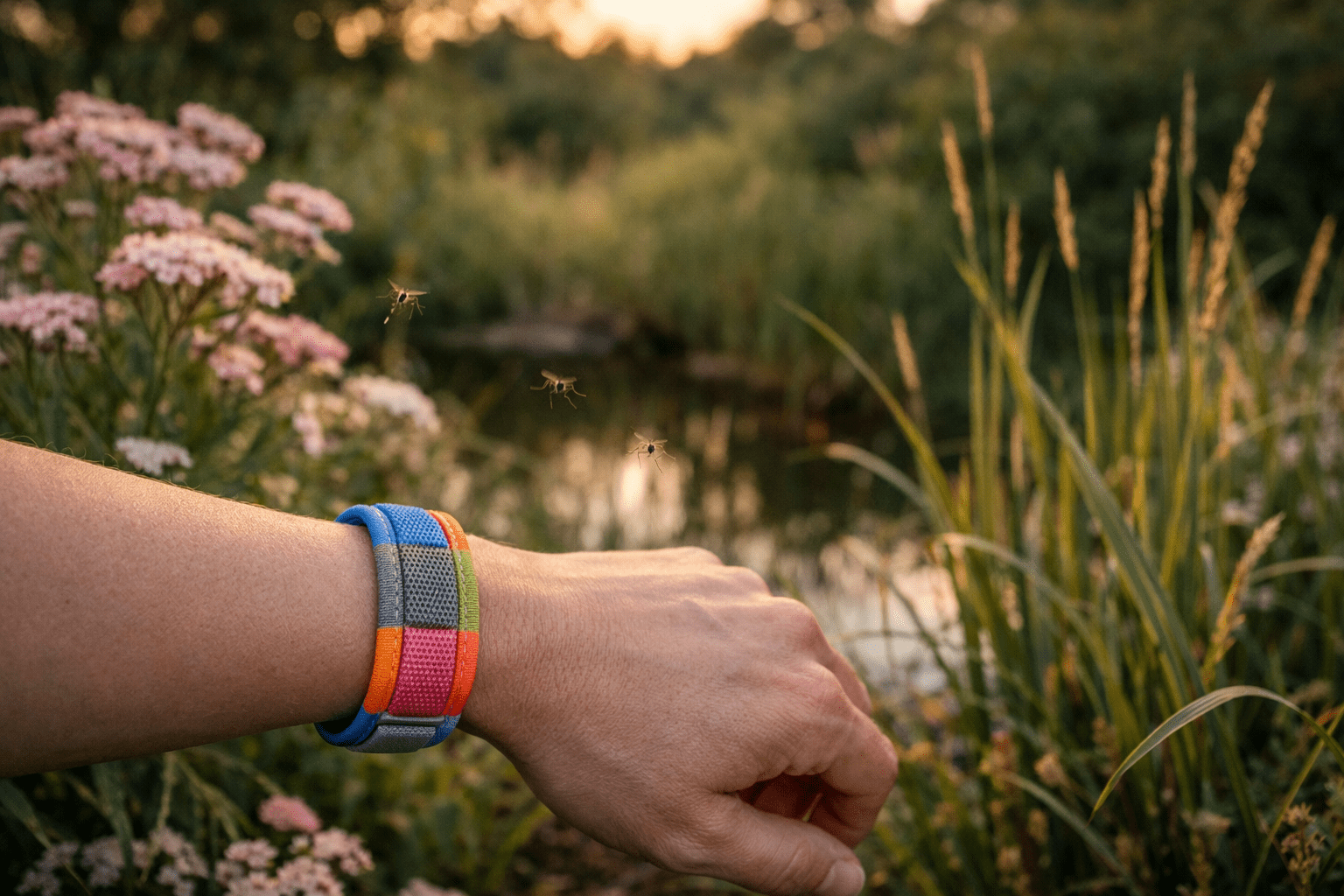
Most mosquito repellent bracelets offer little to no reliable bite protection beyond the immediate area near the band. They can smell strong, but they rarely create a protective “bubble” around your body.
What to know at a glance
- Effectiveness: Usually limited; mosquitoes still land and bite exposed skin (arms, legs, face).
- Best use case: As a minor add-on when you’re also using proven repellents.
- Why they fail: Repellent concentration in the air is too low and too localized.
- What works better: Topical DEET, picaridin, or oil of lemon eucalyptus (PMD) and permethrin-treated clothing.
- Exception category: Some clip-on active devices (not typical bracelets) can reduce bites near the device.
Fast decision table
| If you need… | Bracelet alone? | Better option |
|---|---|---|
| Reliable protection for a backyard dinner | Not recommended | Topical repellent + yard control |
| Protection for hiking/camping | Not recommended | Treated clothing + topical on exposed skin |
| A low-mess add-on for kids | Maybe (as add-on) | Kid-safe topical + clothing coverage |
| Disease-risk areas (dengue, malaria, West Nile) | No | Proven repellents + clothing + nets |
Mosquito repellent bracelets: what science says about effectiveness
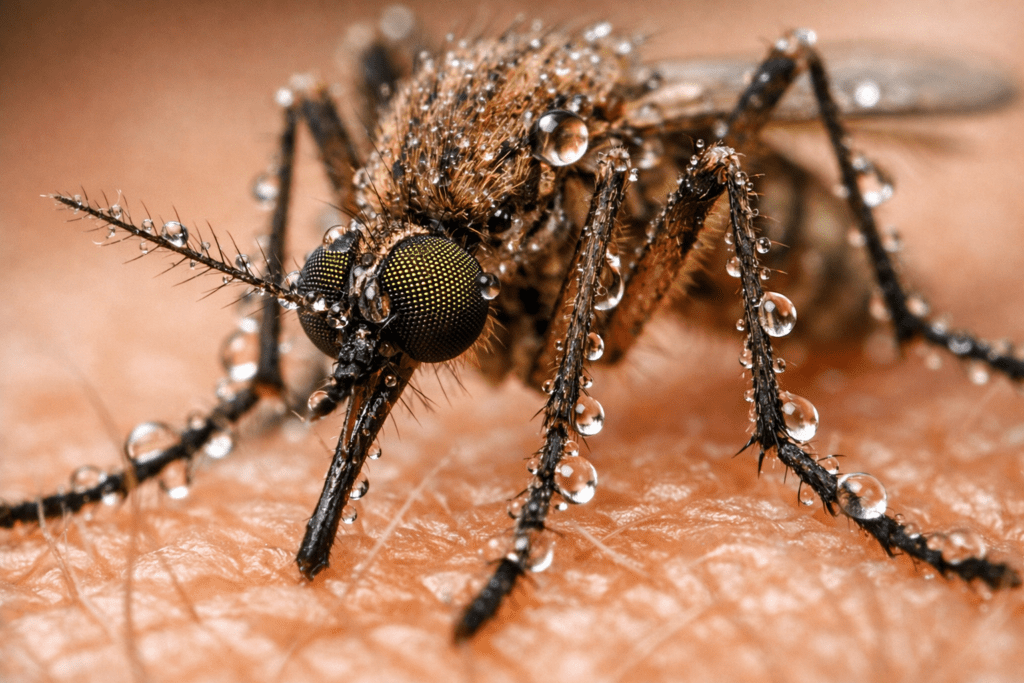
If bracelets worked the way marketing suggests, they would create a wide “no-fly zone” around your body. The problem is that mosquitoes don’t need to fly through your wrist area to find you. They can lock onto your breath, skin odor, and heat from several feet away, then land directly on ankles, calves, or the back of your neck.
Multiple controlled tests have found that passive wristbands do not reduce mosquito attraction enough to prevent bites. For example, a peer-reviewed evaluation in Journal of Insect Science tested several wearable products and concluded that bracelet-style devices generally did not provide adequate protection, likely because the emitted dose was too low to matter in the air around a person. The study also noted that some active, clip-on products performed better than passive bracelets, which is an important distinction when you’re shopping.
Field and lab work on essential-oil wristbands has shown a similar pattern: you might see a small reduction in landings close to the band, but mosquitoes still land on the forearm and other exposed skin. In practical terms, that means you can wear a bracelet and still get peppered with bites on your legs.
To keep this grounded in real-world use, here’s what entomologists look for when judging repellency:
- Bite prevention, not just “mosquitoes avoided the wrist”
- Consistency over time (sweat, wind, and movement matter)
- Coverage area (does it protect your whole body or only a few inches?)
Visual check: what “effective” typically looks like in studies
- Strong reduction in landings or bites on multiple body areas
- Protection that lasts hours, not minutes
- Performance comparable to registered topical repellents
For a deeper look at how mosquitoes home in on people (and why a wrist-only cloud is a tough strategy), see How Mosquitoes Find, Bite & Feed on You.
Why bracelets usually fail (and when they might help a little)
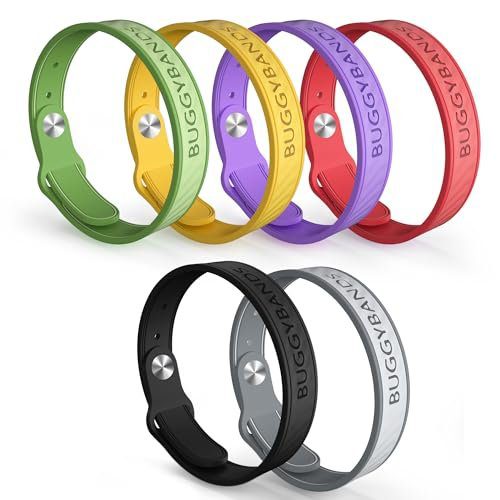
BuggyBands Mosquito Repellent Bracelets, 6 Pack Silicone Mosquito Repellent Bands with DEET Free, Natural & Waterproof Bug Wristbands for Kids and Adults, Outdoor Traveling Protection
These mosquito repellent bracelets are a popular choice for those looking for a hands-free option, making them relevant to the discussion about the effectiveness of such products.
Think of mosquito attraction like a trail of signals. Your breath releases carbon dioxide, your skin releases odors, and your body gives off heat. A bracelet is trying to “mask” or repel that entire signal trail using a small amount of volatile ingredients released from one spot. That’s a tall order.
The core issue: concentration and delivery
Most wristbands rely on essential oils (citronella, peppermint, geraniol, lemongrass) that evaporate into the air. But evaporation is not the same as protection. To repel mosquitoes, the active ingredient must reach a threshold concentration in the air where mosquitoes are flying and landing.
In many cases, the bracelet’s scent is noticeable to humans but still too diluted to stop mosquitoes. Wind, arm movement, and outdoor airflow disperse the chemicals quickly. The result is a tiny zone near the wrist, while ankles and calves remain easy targets.
Coverage problem: mosquitoes don’t “approach via wrist”
Mosquitoes commonly bite:
- Ankles and lower legs (especially at dusk)
- Elbows and knees (thin skin, easy access)
- Neck and hairline
A bracelet can’t reasonably protect all those zones unless the active ingredient spreads across your skin or forms a stable cloud around your whole body.
Time problem: the “strong smell” fades fast
Many botanical volatiles dissipate quickly. Even if a bracelet seems helpful for the first 10 to 20 minutes, protection often drops as the oils evaporate. Re-sealing the band may preserve scent, but it does not guarantee effective airborne concentration when you’re actually outdoors.
Visual element: quick “failure points” checklist
- Passive release (no controlled output)
- Too little active ingredient in the air
- Disperses in wind and open spaces
- Protects only near the band
- Performance varies by mosquito species and humidity
When a bracelet might offer minor value
A bracelet can sometimes serve as a small add-on when:
- You’re in a low-mosquito area
- You’re already using a proven topical repellent
- You want a reminder cue to reapply repellent (a surprisingly common real-life benefit)
But if you’re trying to prevent bites reliably, bracelets should not be your only line of defense.
What works better than bracelets: proven repellents and smart layering
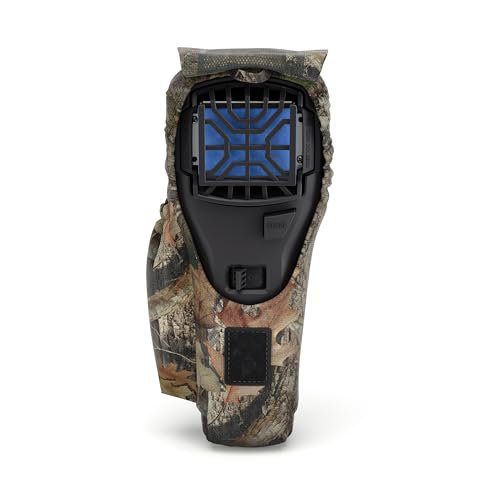
Thermacell Mosquito Portable Repeller; Includes 12-Hour Refill; 15 Foot Zone of Protection; Highly Effective Mosquito Repellent; Deet Free Bug Spray Alternative; Scent Free
This clip-on repellent device is mentioned as an exception that can reduce bites near the device, providing a better alternative to traditional bracelets.
When readers ask what actually works, the best answer is boring but true: use products with strong evidence and consistent performance. That generally means topical repellents with well-studied actives and, when needed, treated clothing.
Research comparing repellents repeatedly finds that registered topical products outperform passive wearables. A good starting point is InsectoGuide’s breakdown of active ingredients in Best Mosquito Repellents 2025: DEET vs Picaridin vs Natural, which matches product choice to setting and sensitivity.
Topical repellents with the best track record
Look for these actives on the label:
- DEET (often 10 to 30% for most situations)
- Picaridin (commonly 10 to 20%, less odor, good feel)
- Oil of lemon eucalyptus (PMD) (effective for many users, not for very young children)
- IR3535 (common in some regions, effective when formulated well)
These work because they form a protective layer on the skin mosquitoes are trying to land on, not just the air near your wrist.
Visual element: quick “choose your repellent” guide
- Short backyard time (1 to 2 hours): 10-20% picaridin or 10-30% DEET
- Sweaty hikes / humid evenings: 20% picaridin or 25-30% DEET
- Natural-leaning option with evidence: PMD (oil of lemon eucalyptus) where appropriate
- High bite pressure (marsh, lake, dusk): stronger topical + clothing strategy
Permethrin-treated clothing: a major upgrade for outdoor time
Permethrin is applied to clothing (not skin) and can reduce bites by deterring or killing mosquitoes that land on fabric. It’s especially useful for:
- Socks, pants, and long sleeves
- Camping, fishing, yard work
- Areas where mosquitoes swarm legs and ankles
For safety and correct use, follow guidance from sources like the U.S. Environmental Protection Agency’s information on permethrin-treated clothing.
Layering: the most reliable real-world approach
If mosquitoes are intense, don’t rely on one tactic. Combine:
- Treated clothing for legs and socks
- Topical repellent on exposed skin (hands, neck, face perimeter as directed)
- Timing and habitat awareness (dusk, shade, standing water)
This “layering” approach is also helpful if you’re trying to minimize how much topical product you use overall.
What about kids and sensitive skin?
Parents often buy bracelets because they feel safer than sprays. The goal makes sense, but the method usually disappoints.
For age-appropriate options and practical application tips, use Best Mosquito Repellent for Babies & Kids: Safe Options. It covers what to use, what to avoid, and how to apply repellent correctly without overdoing it.
Bracelets vs clip-ons, patches, and “natural” wearables: what to know before buying
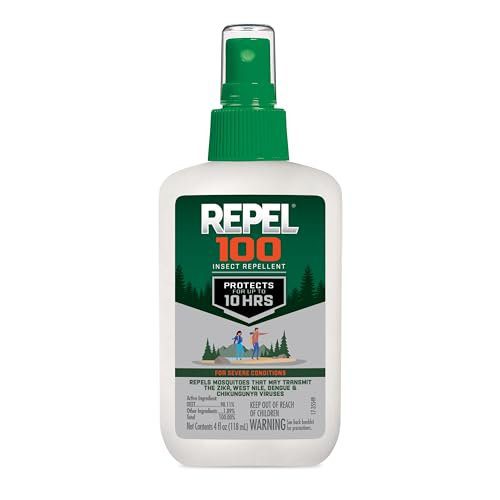
Repel 100 Insect Repellent, 4 Ounces, With DEET, 10-Hour Protection Long-Lasting Insect Repellent Pump Spray Repels Mosquitoes, Ticks, Gnats, Biting Flies, Chiggers And Fleas
This topical repellent contains DEET, which is recommended in the article as a more effective solution for mosquito protection.
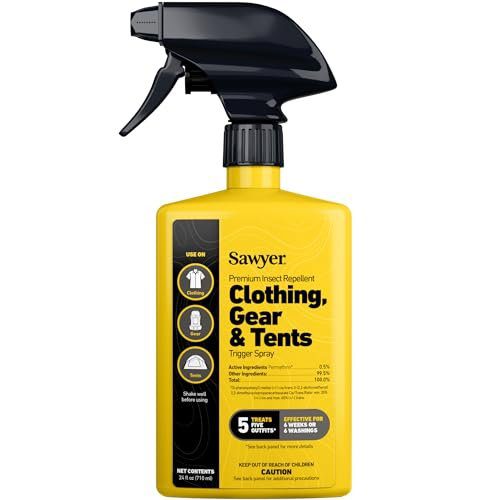
Sawyer Products SP657 Premium Permethrin Insect Repellent for Clothing, Gear & Tents, Trigger Spray, 24-Ounce
This product is suggested for treating clothing to enhance mosquito protection, aligning with the article’s advice on effective mosquito control.
Stores group these products together, but they work differently. Understanding the category can save you money and bites.
Traditional wristbands: passive and localized
Most bracelets are either:
- Impregnated with essential oils, or
- Refillable with oil inserts
Because they release ingredients passively, their effective zone is small. If you’re expecting full-body protection, the product design is working against you.
Clip-on devices: sometimes better, but not the same thing
Some clip-ons actively disperse an insecticide or repellent ingredient into the air near the device. In at least one comparative study, a metofluthrin-based clip-on reduced mosquito attraction more than passive wearables. That said:
- Performance depends on distance and air movement
- They may work best when you’re relatively stationary
- They are not “bracelets,” even if marketed as wearable
If you’re considering an active device, read the label carefully and use it as directed. Also consider your setting: a breezy beach is very different from a calm patio.
Stickers and patches: similar limitation, different format
Repellent stickers and patches face the same physics problem as bracelets. They rely on passive release, which often fails to protect beyond a small area. Reporting from the University of Sydney’s coverage of wristbands and stickers research highlights that these products are not a reliable way to prevent mosquito bites.
Visual element: wearable product reality check
| Product type | How it releases | Typical real-world protection |
|---|---|---|
| Bracelet wristband | Passive scent | Low, localized |
| Sticker/patch | Passive scent | Low, localized |
| Clip-on active device | Active release | Can help near device, varies outdoors |
| Topical repellent | On-skin barrier | High when applied correctly |
| Treated clothing | On-fabric treatment | High for covered areas |
Common misconceptions to drop
- “Citronella always works.” Many citronella formats perform poorly outdoors, especially in wind.
- “If I can smell it, it’s working.” Human noses detect scent at levels that may not repel mosquitoes.
- “Natural means equally effective.” Some botanicals can help, but many do not last long without proper formulation.
Practical mosquito control plan (bracelet-friendly, but bite-focused)
If you already bought bracelets, you don’t have to throw them away. Just use them in a plan that prioritizes what prevents bites.
Step-by-step for a backyard, patio, or BBQ
- Reduce mosquitoes at the source: Dump standing water (birdbaths, buckets, clogged gutters).
- Add targeted yard tools if needed: Fans on patios help because mosquitoes are weak fliers.
- Use proven personal protection: Apply a topical repellent to exposed skin.
- Use bracelets only as an add-on: Treat them like a minor supplement, not the main shield.
If you want to go beyond sprays and treat the yard strategically, see Best Mosquito Traps for Yard and Patio [Tested]. Traps won’t replace repellent on your body, but they can reduce local pressure in some setups.
Step-by-step for hiking, camping, and fishing
- Wear long sleeves and long pants when practical.
- Treat clothing or buy permethrin-treated options.
- Apply topical repellent to hands, neck, and any exposed skin.
- Reapply based on label directions, especially after sweating or swimming.
When to skip bracelets entirely
Avoid relying on bracelets as primary protection when:
- You’re traveling to areas with mosquito-borne disease risk
- You’re in peak season (often late spring through early fall, depending on region)
- You’ll be out at dusk near water, marsh, or shaded vegetation
For region-specific disease and prevention guidance, the U.S. Centers for Disease Control and Prevention mosquito bite prevention guidance is a reliable reference.
Visual element: “good, better, best” protection stack
- Good: Topical repellent only
- Better: Topical + long clothing
- Best: Topical + permethrin clothing + smart timing + yard source reduction
Conclusion: Are mosquito repellent bracelets worth it?
Mosquito repellent bracelets are convenient, but convenience is not the same as protection. Most wristbands don’t release enough active ingredient to defend your whole body, so bites still happen where mosquitoes prefer to land. For reliable results, use a proven topical repellent and consider permethrin-treated clothing, especially for legs and socks.
Next step: choose an evidence-based active ingredient using Best Mosquito Repellents 2025: DEET vs Picaridin vs Natural, then learn the “why” behind mosquito behavior in How Mosquitoes Find, Bite & Feed on You.
As an Amazon Associate, I earn from qualifying purchases. Product recommendations are based on real reviews and independent research.