How Far Can Mosquitoes Fly? Range and Travel Distance
Finding mosquitoes in your yard often feels like a mystery – did they hatch in your own gutter, or fly in from a swamp miles away? The answer depends on species, weather, and what the mosquito was doing that day. In general, mosquito flight range is surprisingly local: many common “backyard” mosquitoes spend their lives within a few hundred meters of where they emerged. Still, some species can travel several kilometers, and wind or human transport can move them far beyond what they can fly on their own.
Most mosquitoes do not roam far, but there are important exceptions. Here’s the simplest way to think about mosquito flight range in real life:
\
\
Typical backyard/container breeders (often Aedes): about 100-200 m (330-660 ft) from where they hatch under routine conditions, especially in neighborhoods
\
After a blood meal: movement often stays near the host and resting sites, with measured averages around ~100 m in field work
\
Mobile wetland/floodwater species: commonly 1-3+ km (0.6-2+ miles) and sometimes much farther
\
Upper-end self-powered records (species-dependent):10 km is documented for some vectors, and tens of kilometers appear in historical reports for certain coastal mosquitoes
\
“Cheat codes” for distance:high-altitude winds and hitchhiking in cars/planes/cargo can move mosquitoes far beyond their normal range
\
\
If you’re getting bitten at home, odds are high the source is nearby water-holding sites on your property or a neighbor’s.
\
Mosquito Flight Range: What “Typical” Really Means (and Why It’s Often Close to Home)
\
If you could watch a mosquito’s week like a GPS track, it would look less like a road trip and more like a tight loop between a few key places: a shady resting spot, a sugar source (nectar), a host, and a place to lay eggs. That daily routine is why most mosquitoes stay local even when they technically can fly farther.
\
Field studies that estimate routine movement repeatedly land in the “short neighborhood radius” zone for many species. For example, a blood-meal tracking study (using known host locations) reported average post-blood-meal movement around 107 m, with a maximum of 170 m, across several mosquito species. That’s a powerful reminder that the mosquito biting you is often operating within the distance of a few houses, not a few towns. This work is summarized in a paper available through the National Library of Medicine (PMC) mosquito dispersal review.
\
Why many mosquitoes don’t go far even if they can
\
A mosquito’s “range” is limited by everyday constraints:
\
\
Energy and dehydration risk: hot, dry conditions push mosquitoes to rest more and fly less.
\
Resting habitat: they prefer shaded, humid spots like shrubs, under decks, and dense vegetation.
\
Host availability: if humans or pets are nearby, there’s little reason to travel.
\
Egg-laying needs: females often return to familiar water sources they can find quickly.
\
\
Think of it like a person running errands. If the grocery store, pharmacy, and coffee shop are all on your block, you probably won’t drive 10 miles.
\
Quick visual: Routine movement vs. “headline” distances
\
\
\
\
Mosquito movement type
\
What it looks like
\
Typical scale
\
\
\
\
Daily host-seeking and resting
\
Short hops, lots of pauses
\
Tens to hundreds of meters
\
\
\
Local dispersal from breeding sites
\
Spreads through a neighborhood
\
Hundreds of meters to a few km
\
\
\
Long-distance dispersal (species-specific)
\
Occasional big moves
\
Several km to tens of km
\
\
\
Wind or human transport
\
Unplanned relocation
\
Potentially very far
\
\
\
Actionable takeaway: If you want fewer bites, focus first on nearby breeding and resting sites, not distant wetlands.
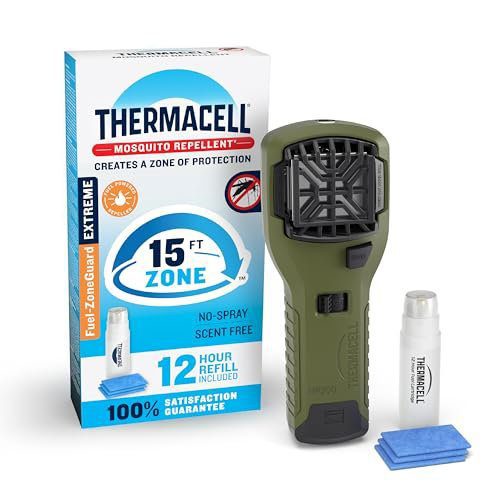
This portable mosquito repeller can help readers protect themselves from mosquito bites while enjoying outdoor activities, especially considering the article discusses mosquito behavior and flight range.
\
Pros: Effectively reduces or eliminates mosquito presence within a small, roughly 15-foot outdoor zone when users remain relatively stationary · No on-skin application required (DEET‑free, scent‑free, no oily residue), making it convenient and more comfortable than sprays or lotions · Compact and portable with simple operation and quick warm‑up time (about 10–15 minutes) for camping, patios, and other outdoor activities
\
Cons: Protection zone is limited and highly dependent on conditions (wind, open areas, heavy mosquito pressure), so some users still experience bites · Ongoing cost of fuel cartridges and repellent mats can add up quickly for frequent or long-duration use
Thermacell · ⭐ 4.4 (21,000+ reviews) · $19–$25 depending on color
\
Thermacell’s Patio Shield Mosquito Repeller (12‑hour cartridges) is widely rated around 4.4/5 stars with over 21,000 Amazon reviews, and most users report that it effectively keeps mosquitoes away in a small, defined area without sprays, scent, or open flame. It’s easy to use and portable, making it a strong pick for patios, decks, and outdoor seating, though its protection radius is limited and performance can drop in windy conditions. Because ongoing refill costs can be significant, it’s best suited to people who regularly relax or entertain in a specific outdoor spot and want a convenient, low-mess alternative to topical repellents rather than a whole-yard solution.
\
Pros: Very effective at creating a mosquito-free zone for small patios and seating areas when there is little wind · Odorless and flameless alternative to candles or sprays, with no skin application required · Compact, cordless, and easy to use with simple cartridge and mat replacement
\
Cons: Protection radius is limited (about a 15-foot zone) and performance drops noticeably in windy conditions · Refill cartridges and mats can become expensive with regular use, and some users report inconsistent runtime vs. the advertised 12 hours
\
\
Check Price on Amazon →\
\
\
\
\
\
“Mosquito” is a big category. Flight distance varies widely because different mosquitoes evolved for different habitats. Some are homebodies that thrive in containers near people. Others are built for finding new habitat when wetlands flood or dry.
Species closely tied to people and small containers tend to stay close to where they hatch. Research and field observations commonly place Aedes aegypti and similar backyard Aedes within roughly 100-200 m in routine dispersal. Australian suburban work discussed by entomologist Cameron Webb highlights frequent recaptures within that range and fewer beyond it, summarized in Cameron Webb’s evidence-based overview of mosquito flight distances.
\
These are the mosquitoes most likely to be supported by:
\
\
Plant saucers, buckets, toys, tarps
\
Rain barrels without screens
\
Clogged gutters
\
Any container holding water for a week or more
\
\
2) Medium-range fliers (many Culex and some Anopheles)
\
Many species still remain relatively local, but can connect neighborhoods and habitats across a wider area. A scientific overview in Science notes that most mosquitoes fly near the ground at about 1-1.5 m/s, and that “most… stay within 5 km of their birthplace” under normal conditions, while acknowledging big exceptions when wind gets involved. See the reporting in Science magazine on high-altitude windborne mosquito movement.
\
3) Long-range wetland and floodwater mosquitoes (kilometers are normal)
\
Saltmarsh and floodwater Aedes can be a different story. In Australian studies, Aedes vigilax was recaptured out to 3 km with an average around 0.83 km, showing routine neighborhood-to-suburb movement. Historical work on Aedes taeniorhynchus reported flights on the order of tens of kilometers.
\
Quick comparison chart: Who’s likely biting you?
\
\
\
\
Situation
\
Likely mosquito type
\
What flight range implies
\
\
\
\
Bites only in your yard, day and dusk
\
Container breeders (Aedes)
\
Breeding is probably within a few houses
\
\
\
Heavy biting after rain, across town
\
Floodwater Aedes
\
Source could be 1-3+ km away
\
\
\
Bites near wetlands/coast, strong seasonal waves
\
Saltmarsh species
\
Buffers alone often fail without area-wide control
\
\
\
Actionable takeaway: Identifying the mosquito group changes the plan. Container breeders respond best to source reduction at home. Wetland species often require community or municipal control.
\
\ \
\
\
Image alt text: Mosquito flight range comparison chart showing backyard Aedes vs wetland mosquitoes and typical travel distances.
\
What Changes a Mosquito’s Travel Distance? Blood Meals, Wind, Weather, and Landscape
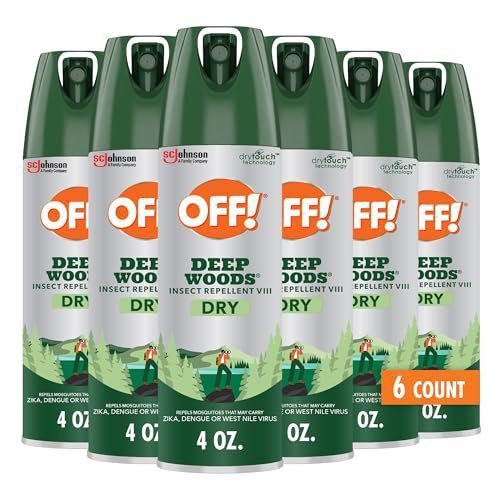
This insect repellent is specifically designed for outdoor use, making it relevant for readers who want to prevent mosquito bites while outdoors, as discussed in the article.
\
Pros: Provides long-lasting protection (up to about 8 hours) against mosquitoes, ticks, gnats, and other biting insects · Dry, non-greasy aerosol formula that feels light on skin and doesn’t stain clothing · Convenient, compact spray cans that are easy to carry for hiking, camping, fishing, and other outdoor activities
\
Cons: Aerosol spray pattern can be wasteful, with some users reporting much of the product disperses into the air instead of onto skin · Does not work equally well for everyone, with some reviewers still experiencing bites from mosquitoes, flies, or ticks even after heavy application
Repel 100 Insect Repellent (4 oz, 98.11% DEET) is a compact, high-strength bug spray that Amazon reviewers consistently rate around 4.6/5 across 12,000+ reviews for its exceptional, long-lasting protection against mosquitoes, ticks, and other biting insects in severe conditions, making it a strong recommendation for camping, backpacking, and travel to buggy regions, with the important caveats that its very high DEET level can feel oily, smell strong, irritate sensitive skin, and damage plastics, so it is best used sparingly, on exposed skin or clothing as directed, and avoided for young children or casual everyday use.
\
Pros: Extremely effective at repelling mosquitoes, ticks, and other biting insects, even in heavily infested or tropical areas · Long-lasting protection (many users report 8–10+ hours) so reapplication is less frequent than lighter DEET products · Compact 4 oz pump bottle that travels easily and allows targeted application instead of an aerosol mist
\
Cons: Very high DEET concentration (98.11%) can feel oily, have a strong chemical smell, and may irritate sensitive skin · Can damage or discolor plastics, synthetic fabrics, watch bands, and gear if not applied carefully
\
\
Check Price on Amazon →\
\
\
\
\
\
A mosquito’s “maximum flight distance” makes good trivia, but it’s not the number that matters most for your backyard. What matters is how far mosquitoes travel while doing the basics: feeding, resting, and laying eggs. Several factors can shrink or expand that daily radius.
\
Blood meals usually shorten movement
\
After feeding, a female mosquito is heavier and often shifts into “hide and digest” mode. In the zoo-based blood-meal distance study described in the National Library of Medicine (PMC) dispersal paper, average post-blood-meal distances were around ~107 m. That aligns with the common experience that mosquitoes often rest nearby after biting, in shaded vegetation or under structures.
\
Practical implication:
\
\
If you’re getting bitten on a patio, check for resting cover within 10-30 feet: dense shrubs, tall grass, ivy, clutter under decks.
\
\
Wind can turn short flights into long relocations
\
Most mosquitoes fly low, where winds are weaker and more chaotic. But if they get lofted higher, winds can carry them far. High-altitude sampling and reporting summarized in Science magazine’s coverage of windborne mosquitoes suggests that wind-assisted movement may help explain long-distance spread of mosquito-borne pathogens in some regions.
\
Practical implication:
\
\
If your area gets sudden mosquito pressure after a weather shift, wind patterns may be part of the story, especially near wetlands or agricultural areas.
\
\
Temperature and humidity shape activity windows
\
Mosquitoes are small and dry out easily. Hot, windy, low-humidity conditions often reduce flight and increase resting. Warm, humid evenings can do the opposite, expanding activity and bite pressure.
\
Use this to your advantage:
\
\
Schedule outdoor time when mosquitoes are less active.
\
Run fans on patios. Even modest airflow can disrupt their low-speed approach.
\
\
Landscape “stepping stones” make travel easier
\
Mosquitoes don’t like crossing open, sunny, dry spaces. But a line of shaded yards, alley vegetation, drainage ditches, and irrigated landscaping can act like a corridor.
\
Quick checklist: features that can extend local movement
\
\
Continuous shrubs/hedges between properties
\
Irrigated lawns and garden shade
\
Storm drains and catch basins
\
Greenbelts and creek lines
\
\
Actionable takeaway: Don’t only remove water. Reduce the shady resting habitat close to seating areas, and add airflow.
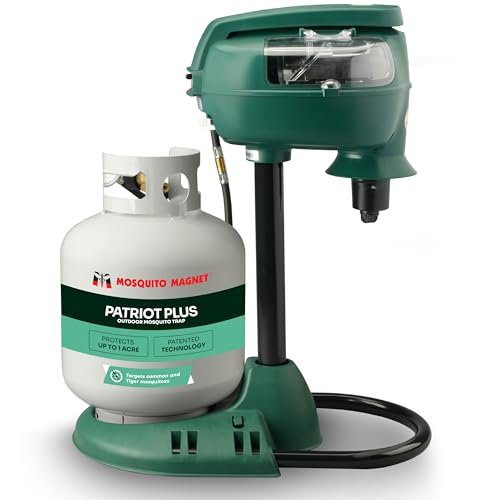
This mosquito trap can help eliminate mosquitoes in the yard, addressing the issue of mosquito sources nearby, as mentioned in the article.
\
Pros: Effectively reduces mosquito populations over a wide area (up to about 1 acre) when run continuously for several weeks · Odorless, relatively quiet operation that can be left outdoors in various weather conditions · Simple, one-touch start and straightforward maintenance (emptying the net, replacing propane and attractant every ~3 weeks)
\
Cons: Ongoing operating cost and maintenance burden due to frequent propane and attractant refills · Performance is highly location- and setup-dependent; some users report poor results if placement or conditions are not ideal, leading to mixed satisfaction
Summit Responsible Solutions Mosquito Dunks (6‑count) are a highly rated, widely used biological mosquito control option on Amazon (about 4.7/5 stars with well over 19,000 reviews). Reviewers consistently report strong reductions in mosquito larvae when they’re used correctly in standing water, appreciate their simple drop‑in application and ability to be split for smaller containers, and value that the BTI active ingredient is targeted and generally considered safe for pets, birds, fish, and other wildlife. Complaints usually stem from situations where other breeding sources weren’t treated or where water conditions limit effectiveness, rather than from safety concerns. For a health‑oriented blog, they can be credibly recommended as a non‑chemical, low‑toxicity tool to reduce mosquito populations around the home when combined with basic preventive measures and personal repellents.
\
Pros: Highly effective at reducing or eliminating mosquito larvae in standing water (birdbaths, ponds, rain barrels) · Very easy to use and dose (just drop in water; can be broken into pieces for smaller containers) · Long‑lasting and targeted biological control (BTI) that’s generally considered safe for pets, wildlife, and beneficial insects when used as directed
\
Cons: Some users see limited results when there are additional untreated breeding sites nearby, leading them to feel it “doesn’t work” · Can crumble or break apart in handling, and effectiveness can be reduced in heavily polluted or fast‑flowing water
\
\
Check Price on Amazon →\
\
\
\
\
\
A common frustration goes like this: “I dumped every bucket and cleaned the gutters. Why am I still getting bitten?” The answer is usually one of three things: hidden water, nearby sources across property lines, or a species that naturally travels farther.
\
The neighborhood radius problem
\
Even a short-range mosquito that typically stays within 100-200 m can cross multiple yards easily. That means your control efforts can be undermined by:
\
\
A neighbor’s clogged gutter
\
Unmaintained birdbaths or plant saucers
\
A neglected pool or hot tub cover holding water
\
Items tucked behind sheds where water collects unnoticed
Image alt text: Home mosquito control checklist showing container dumping, gutter cleaning, and trimming shrubs to reduce nearby mosquito flight activity.
\
Can Mosquitoes Travel Farther by Hitchhiking? Cars, Planes, and the Spread of Invasive Species
\
When people ask how mosquitoes get “all the way here,” the answer is often not flight. It’s transport.
\
Mosquitoes can move long distances as stowaways in:
\
\
Cars and trucks (especially when doors open near resting habitat)
Even if a species has a short routine range, human transport can:
\
\
Introduce it to a new city or region
\
Create new local breeding pockets
\
Change biting patterns and disease risk
\
\
This is especially relevant for invasive Aedes mosquitoes, which often thrive in human-made containers and urban heat.
\
Visual: Natural flight vs. human-assisted movement
\
\
\
\
Movement type
\
Typical distance
\
What you can do
\
\
\
\
Self-powered routine movement
\
Local neighborhood
\
Remove standing water, reduce resting sites
\
\
\
Wind-assisted movement
\
Variable, can be far
\
Expect surges after weather shifts
\
\
\
Human-assisted transport
\
Potentially very far
\
Prevent water in tires/containers, support local surveillance
\
\
\
Practical takeaway: If you travel or camp, do a quick “bug check” before packing. Also avoid storing water-holding items like tires uncovered outdoors.
Conclusion: The Real-World Meaning of Mosquito Flight Range
\
Most mosquito problems are local. For many common species, mosquito flight range during everyday life is often hundreds of meters, not miles, which is why removing nearby standing water can make a noticeable difference. At the same time, some wetland and floodwater mosquitoes routinely travel kilometers, and wind or human transport can move mosquitoes much farther than they can fly alone.
\
Next step: do a fast inspection of water sources and resting cover within 200 m of where bites happen, then coordinate with neighbors if pressure stays high.
Sophia Carter covers insect diversity and ecology on InsectoGuide: what a species is, how it lives, and what it is actually doing in a garden or a house before anyone decides it is a problem. The guides start from the assumption that most insects a reader meets are harmless, and say so where that is true. Biology and control practice are anchored to university extension entomology programmes, and the source is linked in the text rather than listed at the bottom.
If mosquitoes keep finding you indoors, stop reaching for the aerosol can. Indoor mosquitoes are a find-the-source and exclude problem, not a spray-the-air problem. They…

 \
\ \
\ \
\ \
\ \
\


Pingback: How Many Times Can a Mosquito Bite You? Find Out!| Insecto Guide