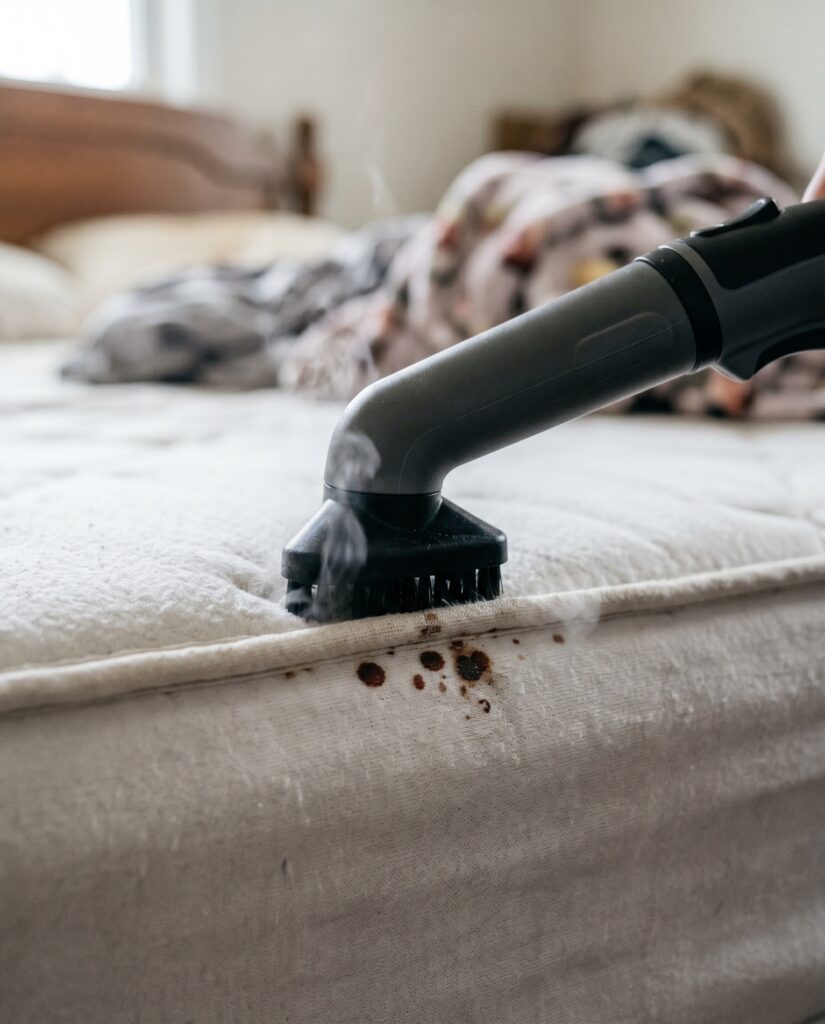
Finding bed bugs is stressful, and one question usually comes next: “If I leave for a while, will they die off?” The honest answer is that bed bug lifespan can be surprisingly long, especially in cooler indoor conditions. Some bed bugs can survive for months without feeding, which is why “starving them out” often fails. This guide explains how long bed bugs live at each life stage, what changes their survival time, and what actually works to end an infestation.
Quick answer: how long can bed bugs live without feeding?
Bed bugs (common bed bug, Cimex lectularius) must feed on blood to grow and reproduce, but they can survive long stretches without a meal by slowing their metabolism.
Here’s the practical range most homeowners should plan around:
- Young nymphs (1st-2nd instar): often weeks to a couple months without food
- Older nymphs (3rd-5th instar): commonly 3-5 months, sometimes longer in cool conditions
- Adults: often 3-7 months at typical indoor temperatures; longer is possible in ideal lab-like conditions
Bottom line: Bed bug lifespan without food is long enough that vacating a room or home rarely solves the problem. A faster, more reliable plan uses monitoring plus targeted treatment.
Bed bug lifespan by life stage (and why “starving them out” is unreliable)
Bed bugs don’t all “last” the same amount of time. Their survival depends on life stage, body reserves, and whether conditions let them conserve energy. Think of it like a phone battery: a brand-new phone (a young nymph) drains quickly, while a phone in low-power mode (an older nymph or adult in a cool room) can last much longer.
Starvation survival chart (realistic homeowner ranges)
| Life stage | What it looks like | Common survival without food | What changes it most |
|---|---|---|---|
| 1st-2nd instar nymphs | Tiny, pale to translucent, pinhead-sized | Weeks to ~2-3 months | Warmth speeds metabolism; dryness stresses them |
| 3rd-5th instar nymphs | Larger, more visible, tan to brown | ~3-5 months (sometimes longer) | Cooler temps extend survival; hiding spots reduce water loss |
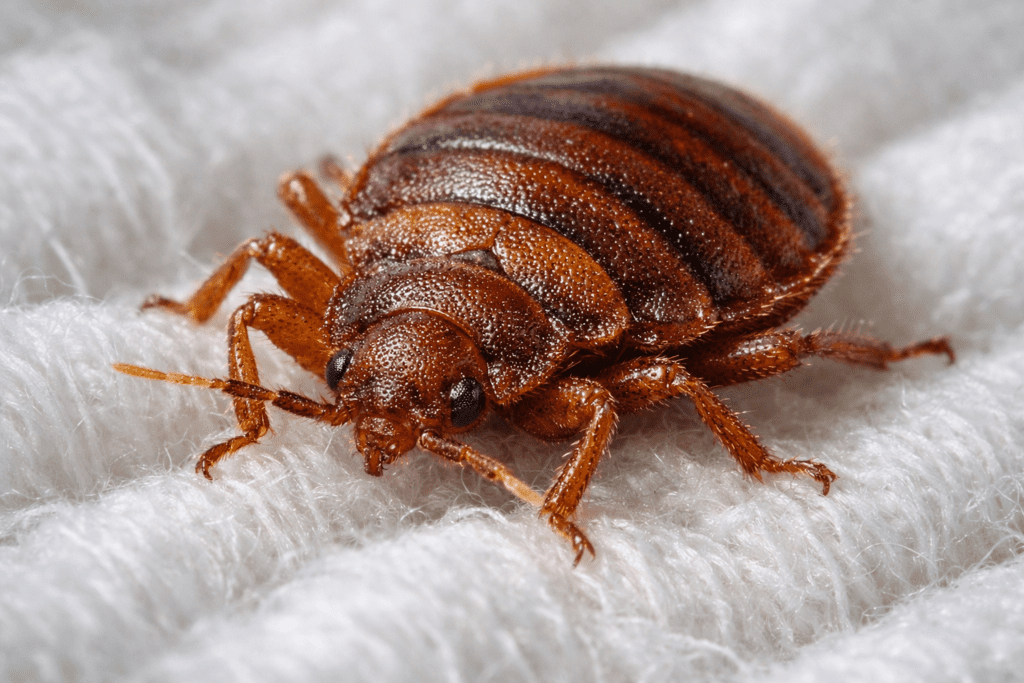
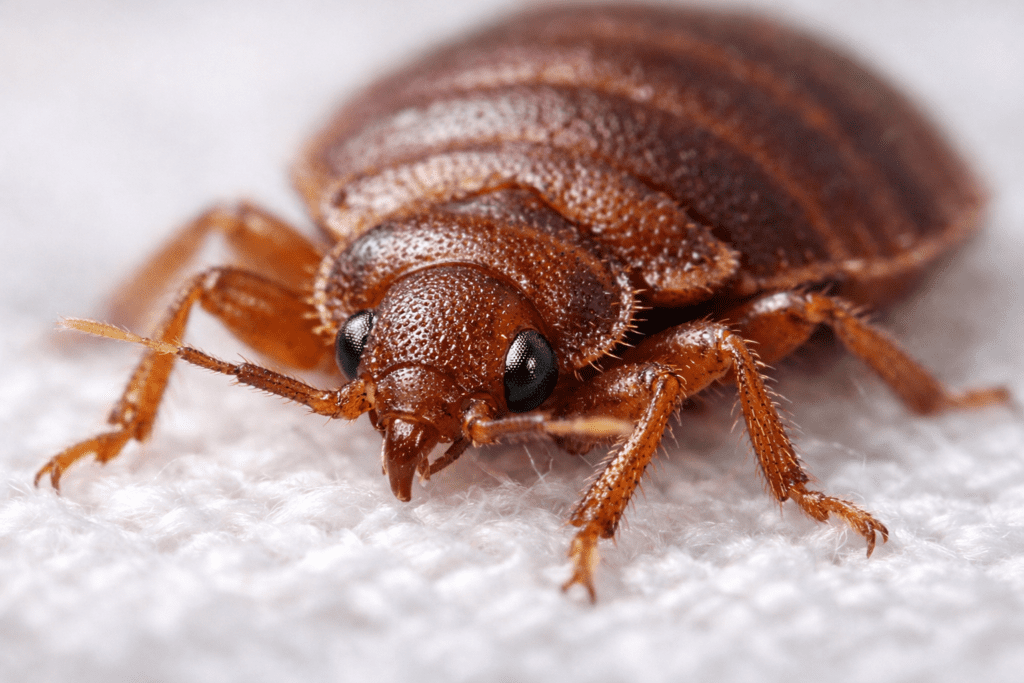
| Adults (male/female) | Apple-seed sized, reddish-brown | ~3-7 months typical indoors | Temperature and strain differences |
Why leaving a home vacant often fails
A common plan is “We’ll go away for a month and they’ll starve.” The problem is that many bed bugs can wait you out.
Here’s what also works against you:
- They hide extremely well in seams, cracks, baseboards, and furniture joints, reducing activity and energy use.
- They can disperse from adjacent units in apartments or multi-family housing.
- Feeding isn’t daily. At room temperature, bed bugs often feed every several days, not every night.
Research summarized in a peer-reviewed review available through the National Institutes of Health (NIH) PubMed Central shows survival without feeding varies widely by temperature and strain, and that older nymphs can be especially resilient.
Quick takeaway you can act on
If your plan relies mainly on time and vacancy, replace it with a measurable approach:
- Monitor every 7-10 days (interceptors, visual checks, fresh fecal spotting).
- Treat actively (heat, targeted insecticides, or professional IPM), then re-check.
What affects bed bug survival the most: temperature, humidity, and strain
Hot Shot Bed Bug and Flea Killer, 1 Gallon
Hot Shot Bed Bug and Flea Killer 1 Gallon is a ready-to-use insecticide that kills bed bugs, eggs, fleas, and ticks on contact, suitable for baseboards, mattresses, and luggage, but no Amazon ASIN, ratings, or pricing could be verified from available search results; consider checking Amazon directly for current details before recommending.[1][2][3]
Two homes can have the “same” infestation and see very different survival times. That’s because bed bugs are ectotherms (cold-blooded). Their metabolism speeds up in warmth and slows in cooler conditions, changing how fast they burn through stored energy.
The biggest factors (ranked)
- Temperature: the main driver of how long bed bugs live without feeding
- Humidity and dehydration risk: dry air can shorten survival
- Life stage and body size: older nymphs and adults generally last longer
- Strain differences (field vs lab): some populations show different starvation tolerance patterns
Temperature: the “low power mode” effect
In moderate cool conditions, bed bugs often live longer without food because they move less and use less energy. In extreme temperatures, they die faster.
A practical way to think about it:
- Moderately cool indoor temps can extend survival.
- True freezing conditions can be lethal faster, but the details matter (how cold, how long, and whether bugs are insulated inside walls or furniture).
Pest management guidance commonly notes that extreme heat kills bed bugs quickly. For example, pest control education resources like Orkin’s bed bug feeding and behavior overview explain typical feeding intervals and why bed bugs can persist between meals.
Humidity and hiding: dehydration is a silent killer (sometimes)
Bed bugs lose water over time. Good hiding spots help them conserve moisture, especially in:
- mattress seams and tufts
- box spring interiors
- behind baseboards and trim
- screw holes and furniture joints
That’s one reason clutter and lots of harborages can make infestations harder to eliminate.
Visual: “conditions checklist” for longer vs shorter survival
Bed bugs tend to survive longer when:
- temperatures are cool to mild
- they have tight cracks to hide in
- disturbance is low (vacant rooms, unused furniture)
They tend to die sooner when:
- temperatures are very hot or very cold for sustained periods
- harborages are removed (decluttering, sealing cracks)
- treatments force movement and exposure
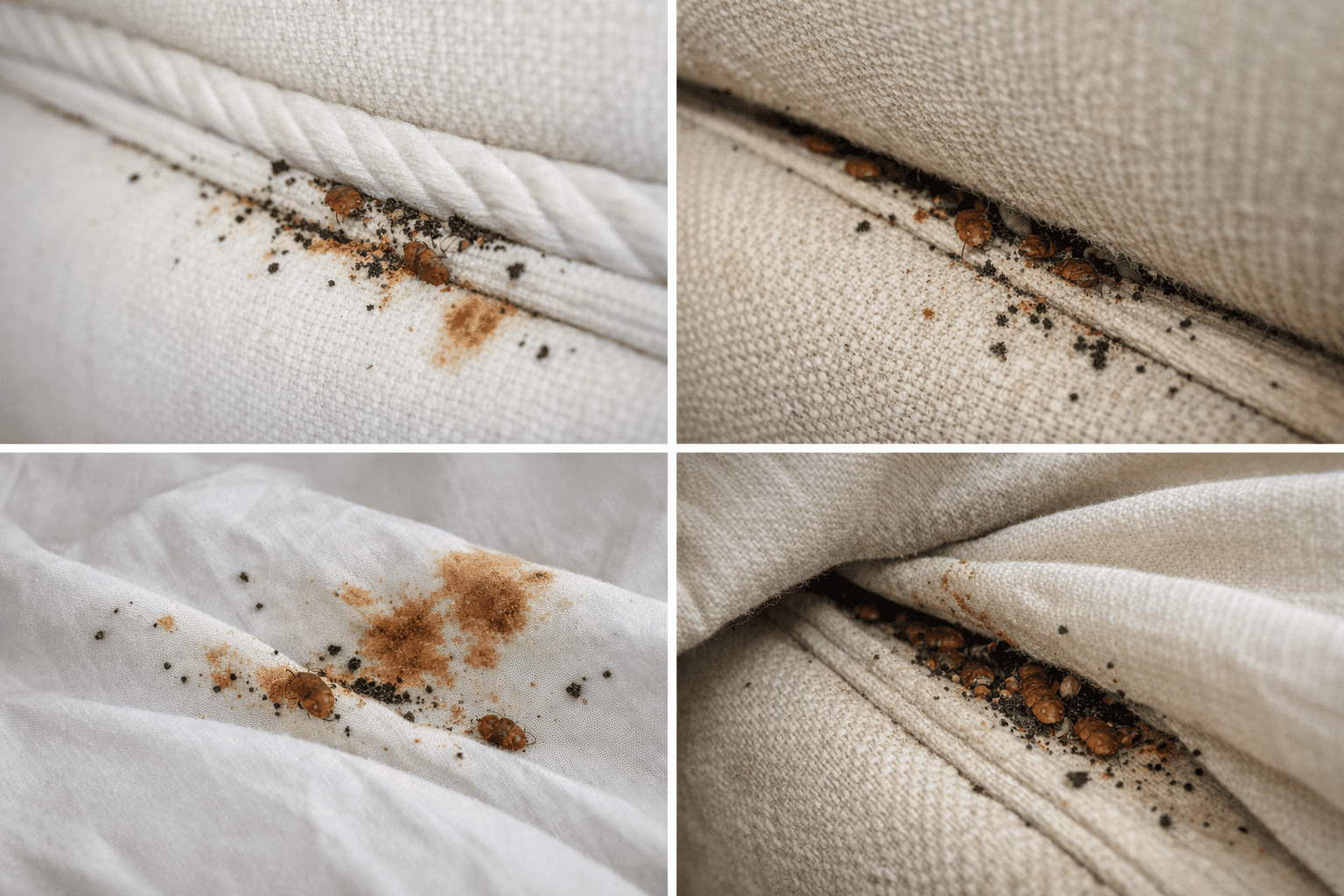
Image alt text: Bed bug survival factors chart showing temperature, humidity, and life stage effects on how long bed bugs live without food.
Bed bug life cycle basics: how long they live when feeding normally
EcoSMART Organic Bed Bug Killer, 14 oz
EcoSMART Organic Bed Bug Killer (14 oz) is a plant-based aerosol spray using peppermint oil, rosemary oil, and 2-Phenethyl Propionate to kill bed bugs, eggs, and dust mites on mattresses and carpets; it’s promoted as safe for use around children and pets with a fresh scent, though no Amazon ratings, reviews, or third-party tests were located in the results[1][2].
It’s easier to understand bed bug lifespan without food once you know the “normal” timeline. Bed bugs develop through five nymph stages (instars) before becoming adults. Each nymph stage requires a blood meal to molt into the next stage.
Typical life cycle (at common indoor temperatures)
- Egg: laid in cracks and crevices, often near sleeping areas
- Nymphs (5 instars): must feed to grow; smaller stages are more vulnerable
- Adult: mates and feeds; females need blood meals to produce eggs
According to the Virginia Department of Agriculture and Consumer Services bed bug biology guide, bed bugs are most active at night and prefer to stay close to hosts, which is why beds and couches are common hotspots.
Why feeding changes everything
When bed bugs can feed regularly:
- development speeds up
- females lay more eggs
- populations grow quickly and spread outward from the bed
When they cannot feed:
- nymphs may stall because they cannot molt
- females reduce or stop egg production
- bugs remain hidden longer, waiting for an opportunity
Visual: life stage ID and what it means for control
| Stage you find | What it suggests | Best next step |
|---|---|---|
| Eggs only (rare to spot) | established harborage nearby | focus inspection in cracks and seams |
| Tiny nymphs | recent feeding nearby; active breeding | increase monitoring frequency and treat harborages |
| Mixed nymphs + adults | established infestation | consider professional IPM or whole-room heat |
| Adults only (uncommon alone) | possible introduction or spread from another room | inspect adjacent rooms and shared walls |
Actionable takeaway
If you’re seeing multiple sizes, don’t wait. That pattern usually means the infestation has been present long enough that “time off-host” won’t end it.
If you’re trying to confirm bites vs other pests, compare patterns and symptoms in Mosquito Bites vs Bed Bugs, Fleas, Spiders & Ticks. It helps you avoid treating the wrong problem.
What actually works: faster ways to beat bed bugs than waiting them out
Bed Bug Interceptor Traps, 4 Pack
These traps help monitor and prevent bed bug infestations, which is crucial for understanding how to manage bed bugs that can survive without food for extended periods.
Starvation is slow and uncertain. A better plan attacks bed bugs where they hide and removes the conditions that let them persist. Most successful programs follow integrated pest management (IPM): combine monitoring, physical removal, and targeted treatments.
Step-by-step IPM plan (homeowner-friendly)
-
Confirm activity
- Look for live bugs, shed skins, eggs, and black fecal spotting near seams and cracks.
- Use interceptors under bed legs to track movement.
-
Reduce harborages
- Declutter around sleeping areas.
- Pull beds slightly away from walls.
- Seal obvious cracks where practical.
-
Use heat and laundering strategically
- Wash and dry bedding on high heat (follow fabric care labels).
- Heat is one of the fastest kill methods when applied correctly.
-
Vacuum correctly
- Vacuum seams, tufts, bed frames, and baseboards.
- Immediately seal and discard the vacuum contents.
-
Choose treatment type
- Non-chemical: steam for seams and edges, encasements, interceptors
- Chemical (carefully): use products labeled for bed bugs and follow instructions
- Professional: recommended for multi-room infestations, apartments, or repeat failures
Visual: “Do this, not that” control checklist
Do this:
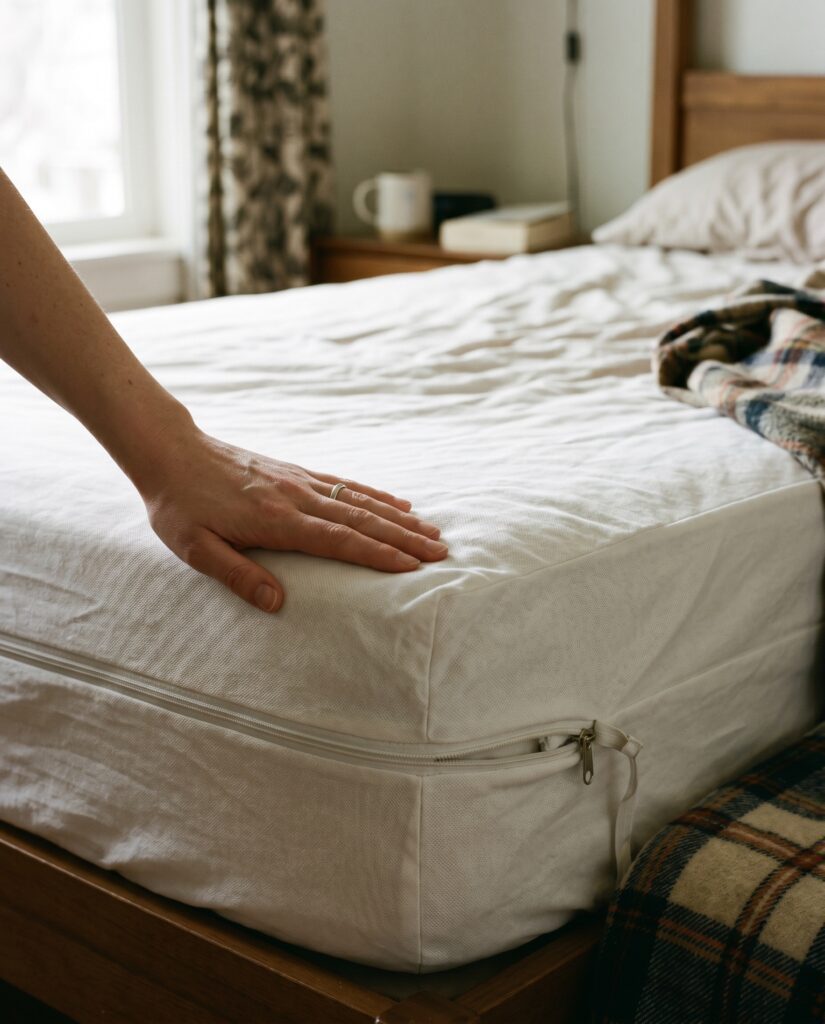
- Encase mattress and box spring (after treatment) to trap survivors and simplify inspections.
- Re-inspect every 7-10 days for at least several cycles.
- Treat the bed frame, headboard, and nearby cracks, not just the mattress.
Not that:
- Don’t rely on foggers. They often scatter bed bugs deeper into hiding.
- Don’t move untreated items room-to-room. It spreads the infestation.
- Don’t assume an empty room is safe after a few weeks.
When to call a professional
Consider professional help if:
- you see bed bugs in more than one room
- you live in a multi-unit building
- bites or sightings continue after two focused treatment cycles
- you cannot find the primary harborage (common with couches and wall voids)
Many pest control teams use heat, targeted residuals, and monitoring together because bed bugs can persist long enough that single-method approaches fail.
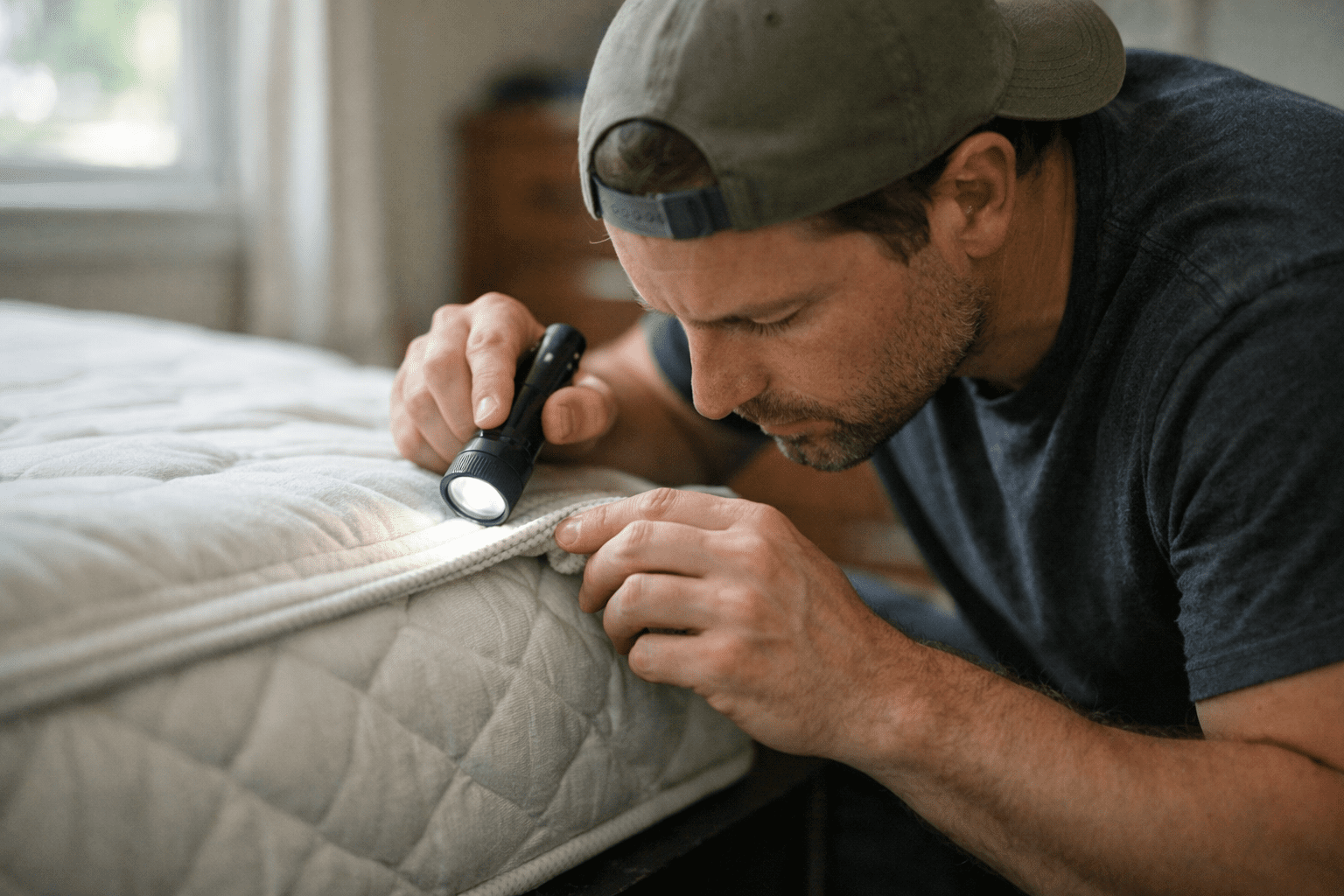
Image alt text: Technician performing bed bug heat treatment with temperature monitoring equipment to reduce bed bug survival.
Common myths about bed bug lifespan (and what to believe instead)
Bed bug information online is full of extremes. Some claims are technically possible in controlled conditions but misleading for real homes.
Myth 1: “Bed bugs always live a year without feeding.”
Reality: Some studies and reports show very long survival under ideal cool conditions, but modern research emphasizes that survival varies widely by temperature, life stage, and population. The review available via NIH PubMed Central describes how strain and conditions can change outcomes, and why averages are often much shorter than the most-cited extremes.
What to do: plan for months, not days, and use active control.
Myth 2: “If I leave for a few weeks, they’ll die.”
Reality: A few weeks is rarely enough. In many homes, bed bugs can persist well beyond that window, especially adults and older nymphs.
What to do: treat before leaving (or immediately upon return), and keep monitoring.
Myth 3: “Cold always helps bed bugs survive.”
Reality: Mild cool can extend survival, but true freezing for long enough is lethal. The catch is that indoor items (mattresses, walls, furniture) insulate bugs, and many homes never reach lethal cold throughout the infestation zones.
What to do: don’t count on seasonal cold. Use verified treatment methods.
Myth 4: “All bed bug stages survive the same.”
Reality: young nymphs generally die sooner, while older nymphs and adults tend to last longer.
What to do: if you find tiny nymphs, treat urgently – you’re seeing active reproduction.
Visual: quick myth vs reality table
| Claim | Reality | Best response |
|---|---|---|
| “Just wait them out.” | Often fails due to long survival | Use IPM and monitor weekly |
| “Only adults matter.” | Nymphs show active breeding | Treat harborages and re-check |
| “Bites prove bed bugs.” | Many insects cause similar marks | Confirm with inspection and monitors |
Conclusion
Bed bug lifespan is long enough that time alone is a risky strategy. In real homes, many bed bugs can survive for months without feeding, especially in cooler, undisturbed hiding spots. The most reliable approach is to confirm activity, reduce hiding places, apply heat or targeted treatments, and monitor on a weekly schedule until you see consistent zero activity.
Next step: if you’re still unsure whether bites point to bed bugs or another pest, use our comparison guide, Mosquito Bites vs Bed Bugs, Fleas, Spiders & Ticks. And if you’re curious how other common pests compare in longevity, see Mosquito Life Cycle: From Eggs to Adults.
As an Amazon Associate, I earn from qualifying purchases. Product recommendations are based on real reviews and independent research.