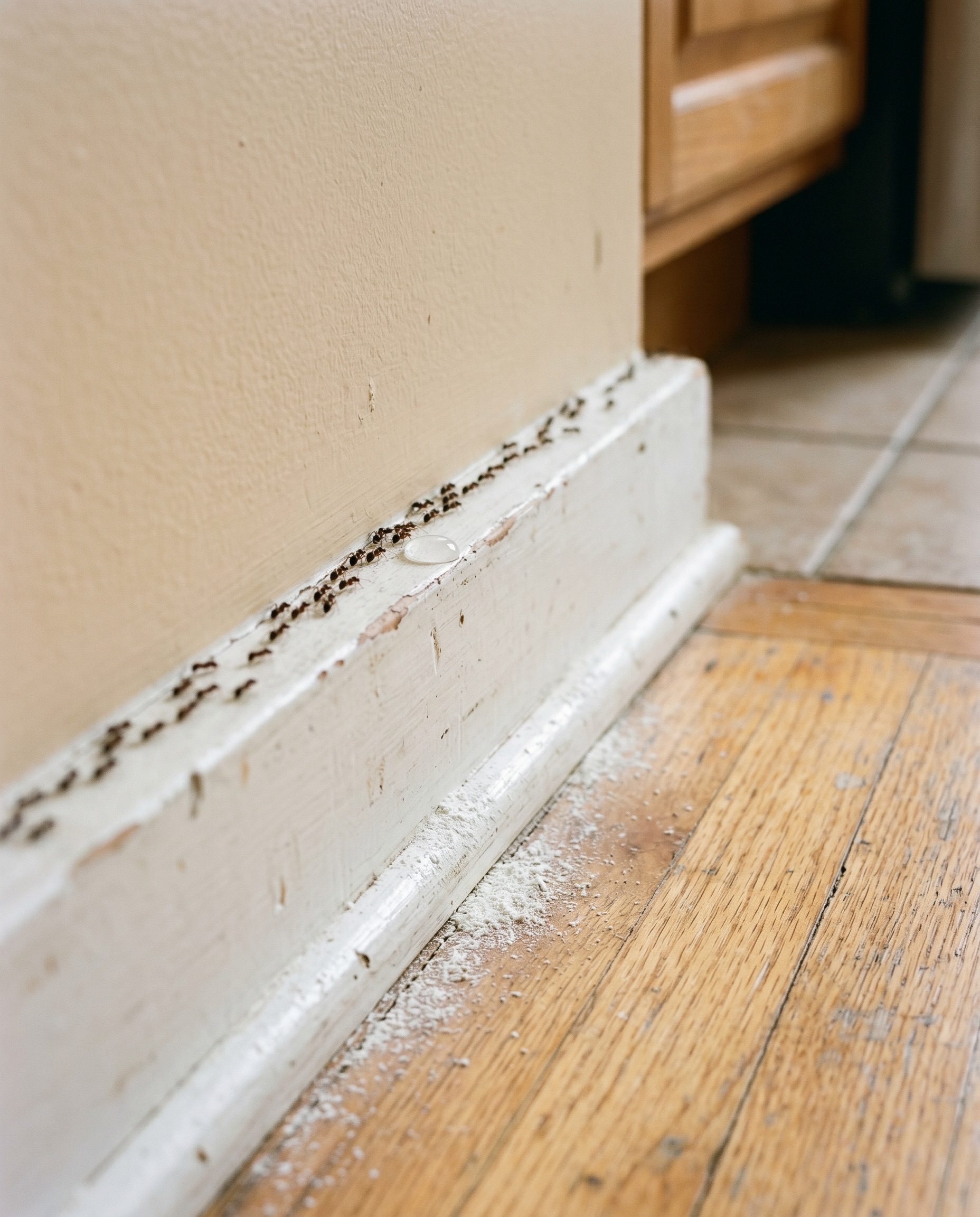
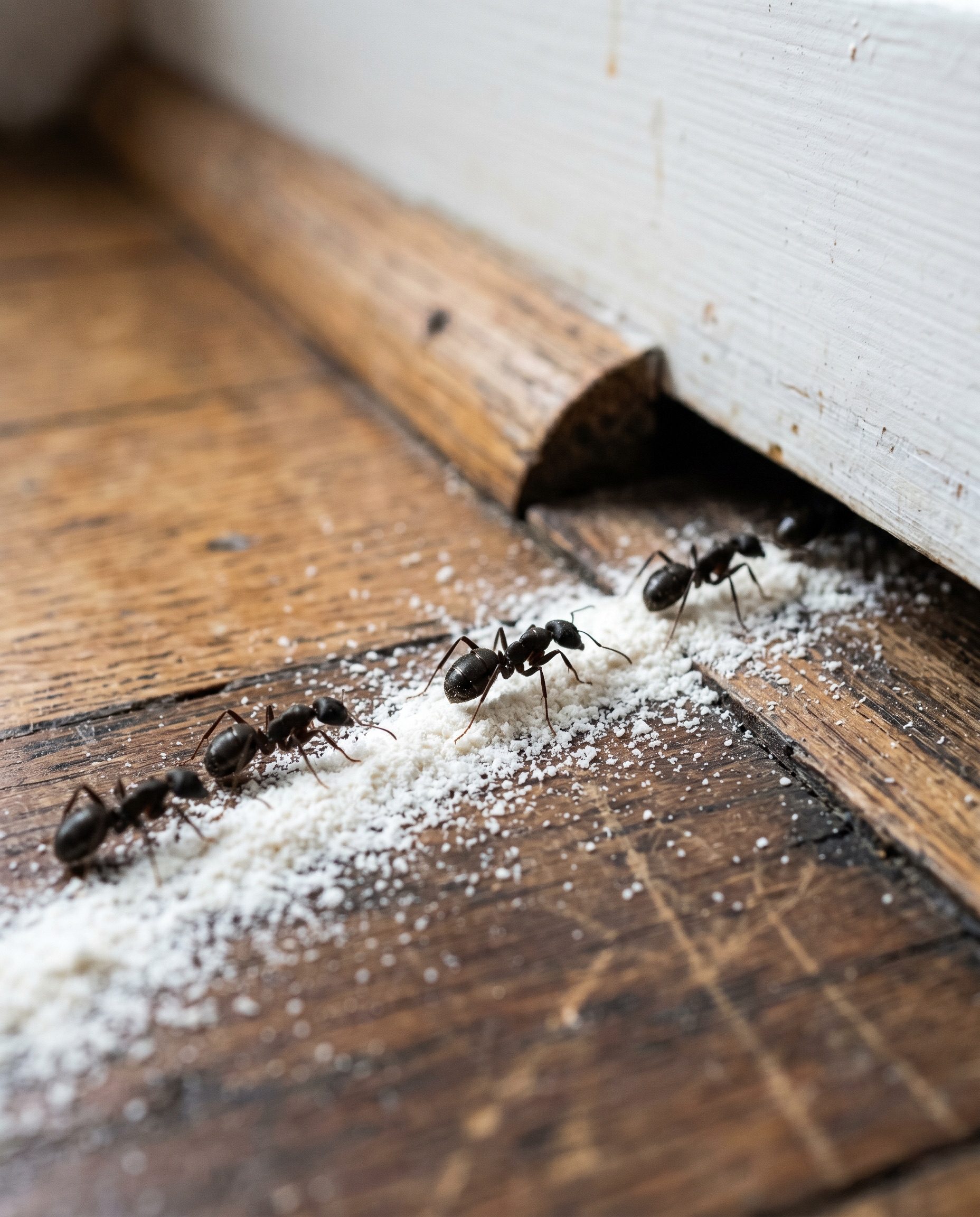
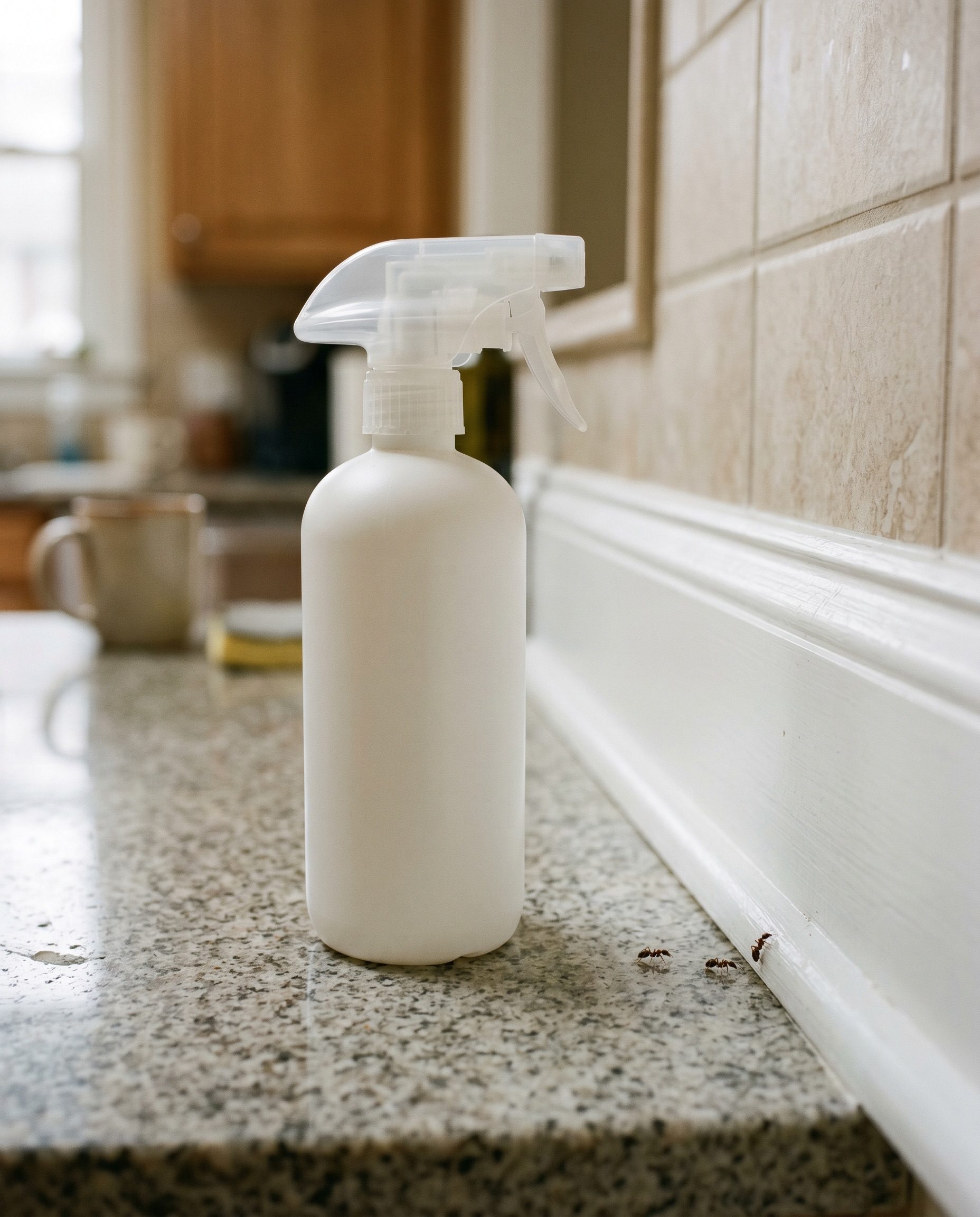
Finding ants in the kitchen or along a baseboard usually sparks the same question: what actually works without turning your home into a chemical zone? The most effective natural ant repellents are strong-smelling plant compounds – especially cinnamon, peppermint, and certain aromatic “aldehydes” – that disrupt how ants follow scent trails. This guide breaks down which natural options have real research behind them, how to mix a practical ant control spray, where to apply it for best results, and when repellents should be paired with baits for long-term control.
Quick Answer: What natural ant repellents work best?
If you want ants to avoid an area (not necessarily kill them), these options consistently perform well in tests and real-world use.
Best natural ant repellents (most reliable first):
- Cinnamon essential oil – strong, dose-dependent avoidance in lab and field settings; often a top performer.
- Peppermint oil – one of the best “household” repellents in distance and time-to-food trials.
- Tea tree oil – can fully deter ants from accessing treated bait in simple access tests.
- Lemon juice (diluted) – useful as a trail disruptor and barrier, especially when reapplied.
- Citronella and related plant aromatics – moderate repellency, helpful outdoors and around entry points.
- Ethyl anthranilate and anisaldehyde-type compounds – strong repellency in field applications (more niche, but promising).
Fast-use DIY spray (general purpose):
- 1 cup (240 ml) water
- 10-20 drops essential oil (peppermint or cinnamon)
- Optional: 1-2 teaspoons lemon juice
Shake, spray on trails and entry points, and reapply after cleaning.
Why natural ant repellents work (and why “smell” matters)
Ants don’t navigate like we do. They move through your home using chemical information – scent trails laid down by worker ants, plus airborne odors from food and nesting sites. A good repellent doesn’t need to “poison” ants to be effective. It just needs to scramble their decision-making.
Research on plant-derived repellents shows many work by interfering with ant olfaction – essentially their smell-based guidance system. Think of an ant trail like a GPS route. Repellents act like signal jammers that make the route unreliable, so ants hesitate, detour, or abandon the path.
What the research says about top performers
Several studies highlight a few standouts:
- Cinnamon essential oil repeatedly shows strong avoidance responses. In olfactometer testing (a device that measures insect odor choice), cinnamon oil repelled a large majority of ants compared to the control arm, outperforming several other plant compounds. Field tests also show it can reduce ant-related damage when used in certain applications. Evidence summarized in a National Library of Medicine open-access study supports cinnamon oil and related aromatics as high-performing repellents.
- Peppermint often beats common pantry “repellents.” A student research project comparing household substances found peppermint performed best in distance and time-to-food measures, ahead of lemon and cayenne. See the data in the USC California Science and Engineering Fair project report.
- Tea tree oil can be a powerful deterrent in access tests, with ants avoiding treated bait under certain conditions. Results are reported in Texas A&M’s Insects in Texas (InStarS) journal.
A quick “repellent vs. control” comparison chart
Use this as a practical mental model when choosing what to try first.
| Repellent type | Typical result | Best place to use it |
|---|---|---|
| Cinnamon oil | Strong avoidance and trail disruption | Entry points, baseboards, pantry edges |
| Peppermint oil | Strong avoidance, good barrier behavior | Windowsills, door thresholds, trash area |
| Tea tree oil | Strong deterrence in access tests | Around bait stations (as a “no-go” zone) |
| Lemon juice (diluted) | Moderate repellency, good trail wiping | Counter trails, sink edges, quick reapplication |
| Citronella-type oils | Moderate repellency | Outdoor edges, patios, garage doors |
Actionable takeaway
If you only try one repellent first, start with cinnamon or peppermint. They are widely available, easy to apply, and supported by multiple lines of evidence.
For broader ant management planning, pair repellents with a strategy from our guide to ant control methods so you are not just “moving the problem” from one room to another.
Natural ant repellents you can use today (ranked by practicality)
Plant Therapy Cinnamon Essential Oil 10 ml
Cinnamon essential oil is highlighted in the article as a top performer for repelling ants due to its strong avoidance response.
Majestic Pure Peppermint Essential Oil 4 oz
Peppermint oil is mentioned as one of the best household repellents for ants, making this product highly relevant.
ArtNaturals Tea Tree Essential Oil 4 oz
Tea tree oil is noted in the article for its ability to deter ants, making it a suitable product recommendation.
Lemon Essential Oil by Healing Solutions 10 ml
Insufficient search results to verify the exact Amazon product page or gather real customer data, ratings, or third-party testing; product exists as per brand site but ASIN could not be confirmed on Amazon.com. Cannot recommend without verified Amazon metrics.
Most people don’t need a chemistry set – they need something that fits real life: safe around kids and pets when used correctly, easy to apply, and effective enough to notice within a day.
Below are the most practical options, plus how to use each one without wasting time.
1) Cinnamon essential oil (and why it’s a top pick)
Cinnamon oil is consistently strong in controlled tests, and it tends to hold up better than many “nice smelling” oils. In a study exploring non-toxic household products, cinnamon oil increased the time ants took to exit a treated area compared with controls, and higher concentrations increased repellency. The results are summarized in Emerging Investigators research on ant repulsion.
How to use it (simple and effective):
- Add 10-20 drops cinnamon essential oil to 1 cup (240 ml) water.
- Add 1-2 drops of mild dish soap to help the oil mix.
- Shake well before each use.
- Spray lightly along:
- Baseboards where ants travel
- Under-sink plumbing entry points
- Window tracks
- Around pet food areas (avoid spraying directly on bowls)
Pro tip: If you see a defined trail, wipe it first with warm soapy water, then apply the spray. Removing the trail pheromone makes repellents work faster.
2) Peppermint oil (best “household” barrier option)
Peppermint is a go-to for a reason: it’s easy to find, smells clean to most people, and in comparative trials it can outperform common kitchen staples. Use it where ants “test” boundaries, like thresholds and corners.
Peppermint barrier method (cotton ball technique):
- Put 5-10 drops peppermint oil on a cotton ball.
- Place it in:
- Cabinet corners
- Behind the trash can
- Near the point where the trail disappears into a crack
- Replace every 2-3 days, or sooner if it dries out.
3) Lemon juice (best for trail wiping and quick resets)
Lemon juice is not always the strongest repellent by itself, but it’s useful because it’s water-based, easy to reapply, and helps remove trail residues when used as a wipe.
Quick lemon wipe recipe:
- Mix 1 part lemon juice to 10 parts water
- Wipe counters, backsplash edges, and the sink rim
- Reapply after heavy cooking or cleaning
4) Tea tree oil (use carefully, but effective)
Tea tree oil can deter ants strongly in some setups. It’s also a common irritant for pets if misused, so treat it like a “targeted tool,” not an all-over air freshener.
Best use: Apply small amounts to cotton balls and place them out of reach of pets and children, near entry points.
5) Newer plant-derived compounds (promising, less common)
Some of the strongest repellency data involves aromatic compounds you may not keep in a kitchen cabinet. For example, benzaldehyde derivatives such as 2-methoxybenzaldehyde show broad repellency across multiple pest ant species in lab comparisons. This work is reported in a study published in the Journal of Economic Entomology.
For most homeowners, these are more “what’s coming next” than a first purchase. Still, they help explain why certain plant smells outperform others: small changes in chemistry can produce big changes in ant behavior.
Quick “what to buy” checklist
If you’re standing in a store (or shopping online), prioritize:
- Cinnamon essential oil (Cinnamomum species)
- Peppermint essential oil (Mentha piperita)
- A small spray bottle and mild dish soap
- Cotton balls for targeted placement

How to make an ant control spray that actually holds up in real homes
A repellent spray fails for three predictable reasons: it’s too weak, it’s applied in the wrong places, or it’s used without basic sanitation and exclusion. The good news is that small adjustments usually fix all three.
A reliable DIY ant control spray (2 options)
Option A: Cinnamon or peppermint spray (best all-around)
- 1 cup (240 ml) water
- 10-25 drops cinnamon or peppermint essential oil
- 1-2 drops mild dish soap (emulsifier)
- Shake vigorously before spraying.
Option B: Cinnamon + lemon combo (great for trails and edges)
- 1 cup (240 ml) water
- 10-20 drops cinnamon essential oil
- 1-2 teaspoons lemon juice
- Optional: 1 drop dish soap
Shake and apply to trails and entry points.
Research suggests cinnamon’s repellency rises with concentration, and lemon can contribute useful trail-disrupting effects in practical setups, as described in Emerging Investigators research on household repellents.
Where to spray (the “ant highway” map)
Instead of spraying randomly, target the places ants must pass through:
- Entry points: around door sweeps, window frames, weep holes, pipe penetrations
- Trail edges: baseboard-wall seams, cabinet-to-wall seams
- Resource zones: trash can footprint, recycling area, pet feeding area (spray nearby, not on bowls)
- Moisture zones: under-sink corners, behind toilets, near shower plumbing access
How often to reapply
Natural sprays don’t last like residual insecticides. Plan on:
- Daily for 3-5 days when activity is high
- Then 2-3 times per week
- Immediately after mopping, heavy wiping, or rain (for outdoor thresholds)
A simple “spray + seal + clean” routine (10 minutes/day)
Use this checklist for one week and most minor infestations drop sharply:
- Wipe trails with warm soapy water.
- Spray your chosen repellent along the trail edges and entry points.
- Store sweets and proteins in sealed containers.
- Dry the sink at night and fix drips.
- Seal obvious cracks with caulk (after you confirm the trail location).
Actionable takeaway
Repellent spray works best as a traffic-control tool. If ants keep returning, it usually means the colony still has steady food or water access, or there’s an unsealed entry point nearby.
If you need a deeper plan for yard pressure and perimeter control, see our guide to outdoor ant control solutions.
Organic ant deterrents outdoors: plants, barriers, and long-lasting options
Outdoor ant activity often increases in warm months when colonies expand and food is abundant. Repellents can help, but outdoors you also need durability and smart placement. Wind, UV light, irrigation, and rain all reduce how long oils remain effective.
Ant repellent plants: what they can (and can’t) do
Aromatic plants can reduce ant scouting around patios and garden edges, especially when leaves are brushed or crushed and release more volatiles. They won’t eliminate a colony on their own, but they can make high-traffic areas less attractive.
Common choices include:
- Mint family plants (peppermint, spearmint)
- Lavender
- Citronella grass and related aromatic grasses
If you like the “plant-based perimeter” concept, our guide to mosquito repellent plants also covers how to place aromatic plants for real-world airflow and coverage (many of the same placement rules apply).
Outdoor placement ideas (simple landscape map)
Use this quick map to decide where plants and repellents matter most:
| Outdoor zone | What to do | Why it helps |
|---|---|---|
| Patio edges and door thresholds | Spray peppermint/cinnamon weekly, add potted mint nearby | Reduces scouting near entry points |
| Trash and compost areas | Use cotton balls with peppermint nearby (covered from rain) | Ants recruit heavily to food waste |
| Garden beds near the house | Keep mulch 6-12 inches away from foundation | Limits hidden nesting and moisture |
| Irrigation boxes/tubing areas | Focus on physical protection and targeted repellents | Ants can nest near warm, moist hardware |
Longer-lasting “built-in” repellency (what research is exploring)
Field work has tested incorporating certain repellents into materials like polyethylene used in irrigation components. In one study, treatments involving cinnamon oil and other aromatic compounds reduced ant-related damage compared to untreated controls over months, suggesting some repellents can remain effective longer when protected inside a material matrix. See details in a National Library of Medicine open-access study and the related publication record in PubMed.
Most homeowners won’t retrofit irrigation tubing, but the takeaway is useful: repellents last longer when they’re sheltered from sun and wash-off. Outdoors, that means applying sprays under ledges, inside cracks, and in covered areas.
Actionable takeaway
Outdoors, combine repellents with habitat tweaks. Reduce moisture, pull mulch back from the foundation, and keep food waste sealed. Repellents then become a helpful extra layer instead of the only line of defense.

Common myths about natural ant repellents (and what to do instead)
A lot of frustration comes from expecting repellents to behave like instant-kill products. Let’s clear up the most common misunderstandings so you can pick the right tool.
Myth 1: “All essential oils work about the same”
Reality: performance varies widely by compound and by ant species. Research comparing different plant chemicals finds some options strongly repel while others perform only slightly better than a control. Work reported in the Journal of Economic Entomology highlights how small chemical differences can change repellency across multiple pest ant species.
What to do: start with cinnamon or peppermint before experimenting with trendy blends.
Myth 2: “Natural means it will kill the colony”
Reality: most natural options are deterrents, not colony eliminators. They change where ants walk. They don’t reliably remove queens, brood, and satellite nests.
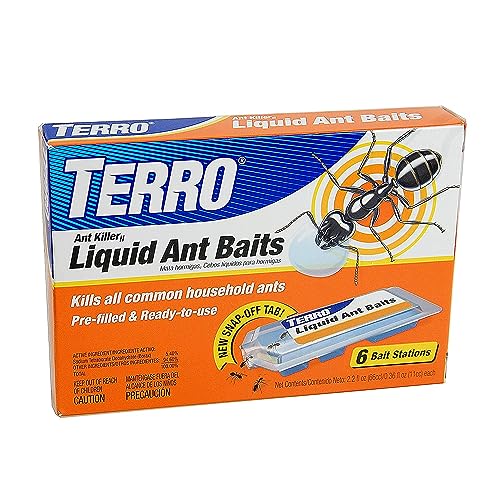
What to do: use repellents to stop ants entering living spaces, but use baiting or targeted treatment if you need colony-level control. Our roundup of ant control methods explains when baits outperform sprays.
Myth 3: “Vinegar and cayenne are the best home remedies”
Reality: they can help with trail wiping or short-term disruption, but they often underperform compared with peppermint in comparative trials. See the comparison approach in the USC science fair project report.
What to do: if you like vinegar, use it as a cleaner first, then apply a stronger repellent at entry points.
Myth 4: “If I repel them, the problem is solved”
Reality: ants may simply reroute, especially if food and water remain available.
What to do: pair repellents with:
- food storage upgrades
- nightly sink drying
- sealing cracks
- outdoor perimeter checks
Myth 5: “Natural products are always risk-free”
Reality: essential oils are concentrated chemicals. Some can irritate skin, eyes, and airways, and certain oils can be risky for pets if used carelessly.
What to do: ventilate, spot-test surfaces, keep oils away from children and pets, and avoid spraying directly on food-contact surfaces.
When to call a professional
Consider professional help if:
- ants return daily for 2+ weeks despite cleaning and sealing
- you suspect carpenter ants (possible wood damage risk)
- you see multiple trails in different rooms (possible multiple colonies)
- you have fire ants or painful stinging species outdoors
A pro can identify the species and nest structure, which determines whether repellents, baits, or targeted treatments make the most sense.
Conclusion: The simplest plan that works
The best natural ant repellents are the ones that reliably disrupt trails and keep ants from re-entering – especially cinnamon and peppermint-based approaches. Use them like traffic control: wipe trails, spray entry points, and reapply consistently for a week. Then lock in results by sealing cracks and removing food and moisture cues.
If you want to go beyond indoor sprays, build a perimeter strategy using our guide to outdoor ant control solutions. And if you’re comparing plant-based options across pests, our article on natural repellents that actually work helps set realistic expectations for what “natural” can and can’t do.
As an Amazon Associate, I earn from qualifying purchases. Product recommendations are based on real reviews and independent research.