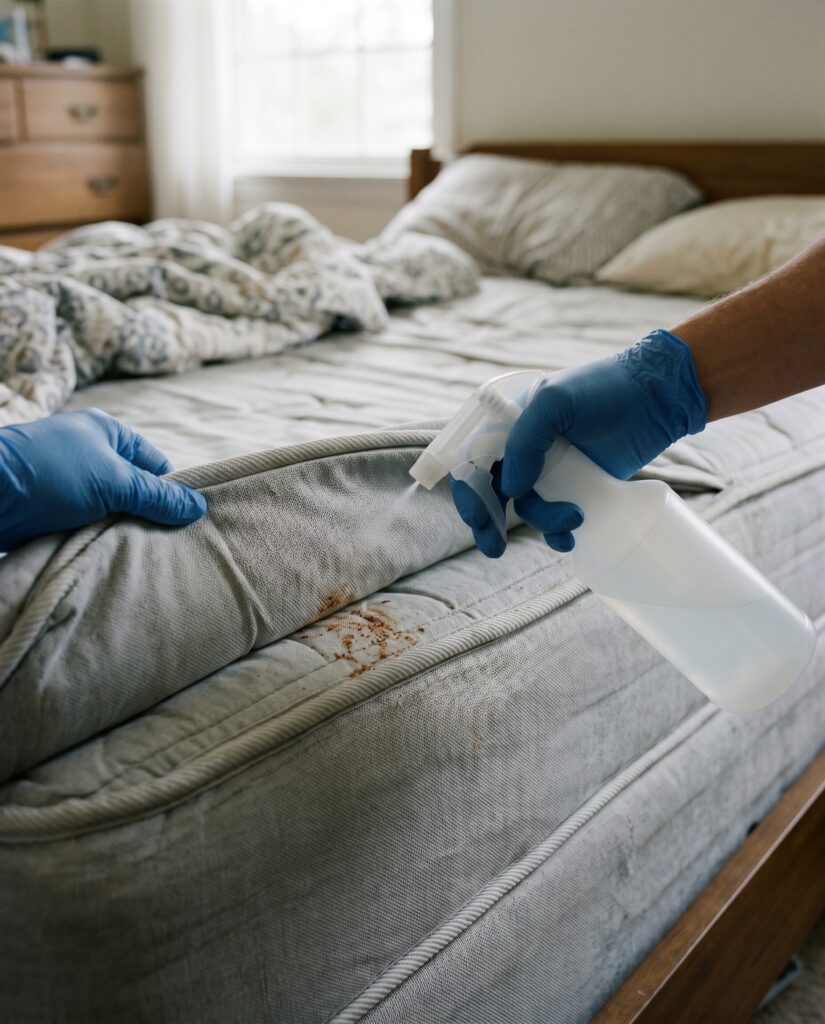
Waking up with itchy bites can send you straight to the same question: fleas vs bed bugs – which one is it? The good news is you can usually tell them apart quickly once you know what to look for. Fleas are tiny jumpers that often arrive with pets and linger in carpets and bedding. Bed bugs are flat, reddish-brown crawlers that hide close to where people sleep. Below is a fast, practical guide to identification, bite patterns, and the next steps that actually work.
\
The companion pieces to this one are Dust Mites vs Bed Bugs and Baby Bed Bugs: What Do Nymphs Look Like?.
Quick answer: fleas vs bed bugs (fast ID checklist)
\
If you need a quick call before you deep-clean the house, use these high-signal clues.
\
Most reliable differences (not just bites):
\
- \
- Movement: Fleas jump; bed bugs crawl.
- Where you find them: Fleas show up in carpets, pet bedding, and along baseboards. Bed bugs hide in mattress seams, headboards, and furniture cracks near sleepers.
- Who they prefer: Fleas prefer cats and dogs first; bed bugs prefer humans.
- What the “dirt” looks like: Flea dirt looks like pepper and can smear reddish when wet. Bed bug spots look like ink-like dots or rusty stains on sheets and seams.
\
\
\
\
\
Fleas vs bed bugs at a glance
\
| Feature | Fleas | Bed bugs |
|---|---|---|
| Typical size | 1.5 to 4 mm (about 1/16 to 1/8 in) | 4 to 7 mm (about 3/16 to 1/4 in) |
| Body shape | Narrow, side-compressed | Oval, flat (swells after feeding) |
| Color | Dark brown to black | Reddish-brown (darker after feeding) |
| Best clue | Powerful hind legs, fast jumping | Flat body, hides in seams and cracks |
| Peak activity | Often noticed daytime, especially on pets | Mostly nighttime feeding |
\
Fleas vs bed bugs: how they look and move (the fastest way to tell)
\
Most people try to diagnose by bite marks first. That’s understandable, but it’s also where misidentifications happen. Skin reactions vary widely, and some people show little to no reaction at all. Entomologists and pest professionals generally agree: body shape, movement, and hiding location are more dependable than bite appearance.
\
What fleas look like up close (and why they’re built to jump)
\
Fleas (order Siphonaptera) are wingless and laterally compressed, meaning they look thin from the front but tall from the side. That narrow profile helps them slip through fur like a fish through reeds.
\
Key flea ID traits:
\
- \
- Size: about 1.5 to 4 mm
- Color: dark brown to nearly black
- Legs: oversized hind legs designed for jumping
- Behavior: they often launch away when disturbed
\
\
\
\
\
A practical test: place a suspected flea on a white paper towel. If it’s a flea, it may “pop” out of sight with a jump. According to guidance from Orkin’s bed bug vs flea identification overview, the jumping behavior is one of the clearest tells homeowners notice.
\
What bed bugs look like (and why they’re so good at hiding)
\
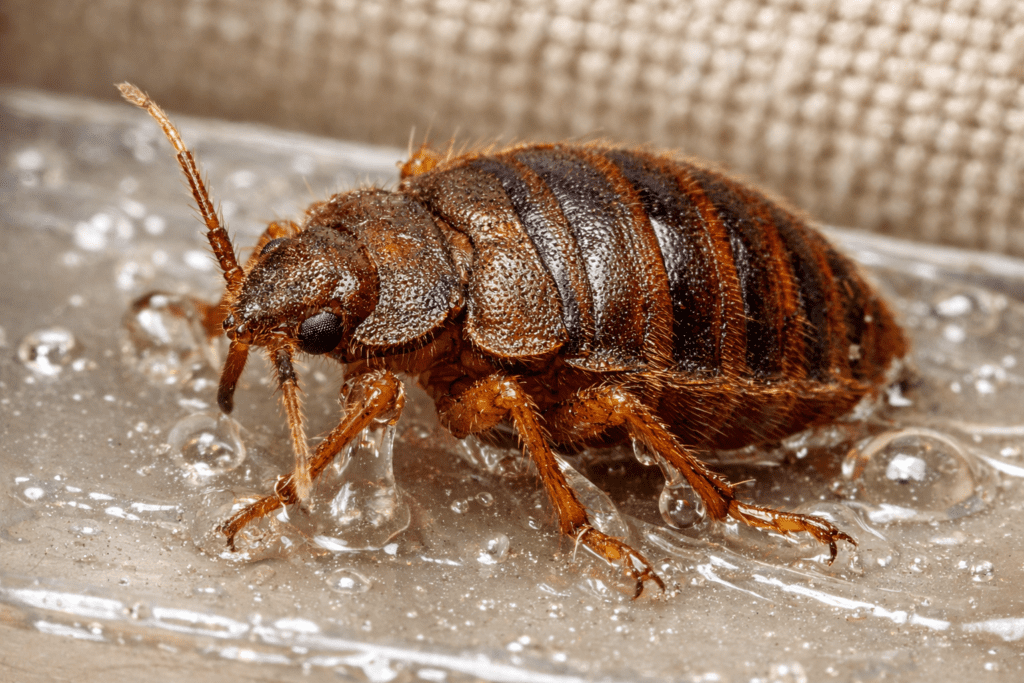
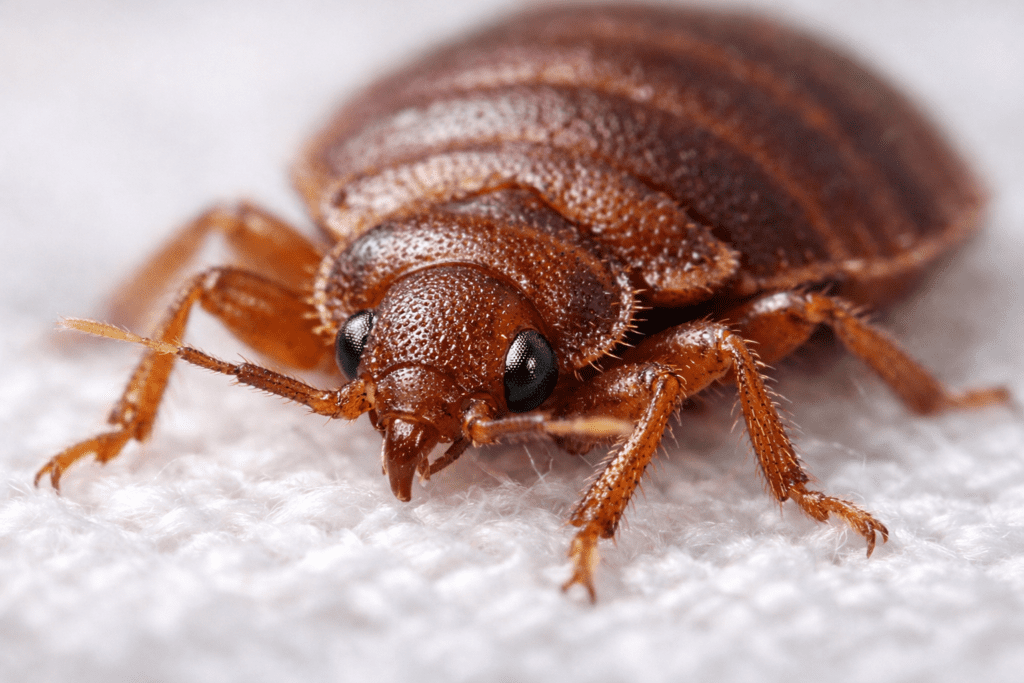
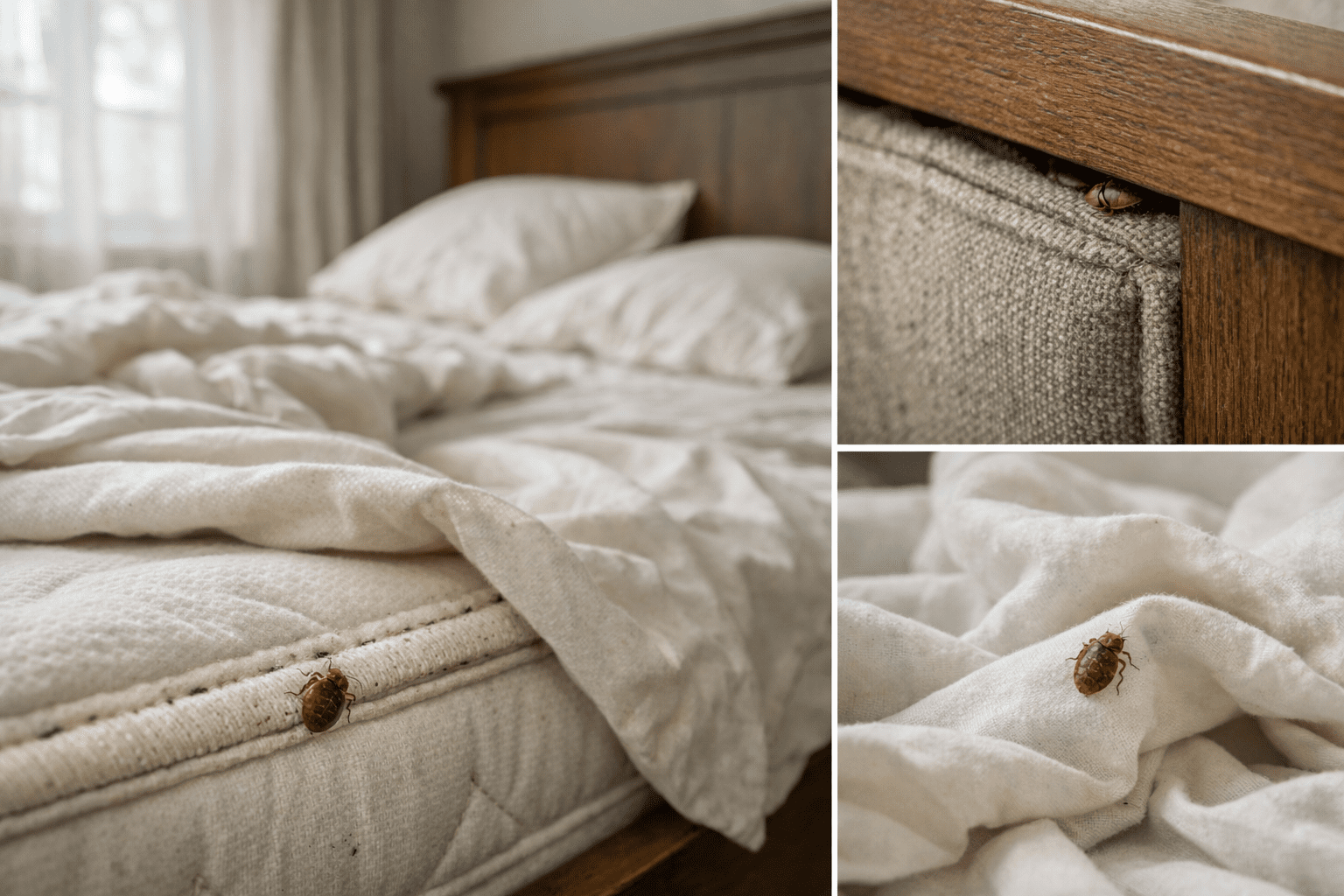
Bed bugs (common bed bug, Cimex lectularius) are true bugs in the order Hemiptera. They’re flat, broad, and oval, which lets them wedge into seams and cracks thinner than a credit card edge.
\
Key bed bug ID traits:
\
- \
- Size: about 4 to 7 mm
- Color: reddish-brown, turning darker after a blood meal
- Movement: crawling only – no jumping, no flying
- Hiding style: tight crevices near where people sleep
\
\
\
\
\
Think of bed bugs as “crack specialists.” They don’t live on your body like lice. They feed, then retreat to their hiding spots.
\
Quick “capture and confirm” steps (simple, no special tools)
\
If you’re not sure what you saw, confirmation beats guessing.
\
- \
- Use clear tape to pick up the insect (or a shed skin) and stick it to a note card.
- Use a flashlight and magnifier to check shape:
- \
- Flea: thin, bristly, big back legs
- Bed bug: flat, seed-like oval body
\
\
\
- Note the location where you found it:
- \
- On pet, pet bedding, carpet edge = flea suspicion rises
- Mattress seam, headboard crack = bed bug suspicion rises
\
\
\
\
\
\
\
Visual checklist (printable logic):
\
- \
- Jumps + pets scratch + carpet “pepper” = likely fleas
- Crawls + bedroom stains + seam hiding = likely bed bugs
\
\
\
For bite-focused comparisons, InsectoGuide’s Bed Bug Bites vs Flea Bites vs Mosquito Bites can help you narrow patterns, but treat bites as supporting evidence, not the final verdict.
\
Where they live in your home (and why that matters for control)
\
\
\
\
If fleas and bed bugs were roommates, they’d argue about real estate. Fleas concentrate where pets rest and where humidity supports developing larvae. Bed bugs cluster within a few feet of sleeping humans because they want quick access to a blood meal and a safe retreat.
\
Flea hotspots: the “pet zone” and the floor level
\
Adult fleas feed on animals, but most of the population is often off the pet. Eggs fall into the environment, larvae develop in protected areas, and pupae wait for vibrations and carbon dioxide to signal a host.
\
Common flea hiding and development areas:
\
- \
- Pet bedding and crates
- Carpet edges and under furniture
- Couch cushions where pets nap
- Shaded, humid spots (fleas do better with higher humidity)
\
\
\
\
\
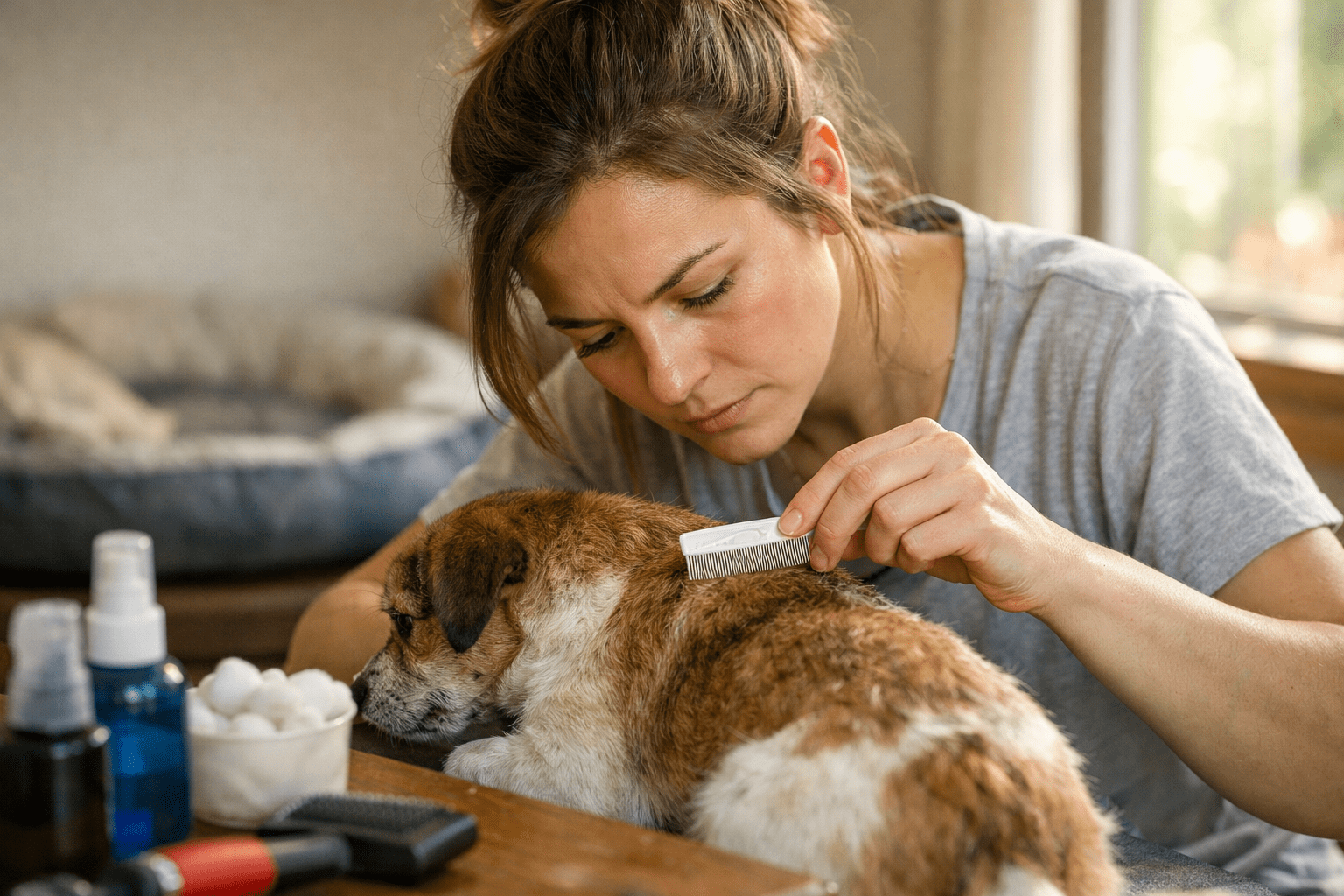
A simple home check for flea dirt:
\
- \
- Comb your pet over a white paper towel.
- Look for black specks.
- Add a drop of water.
- If it turns reddish-brown, it’s likely digested blood (classic flea dirt).
\
\
\
\
\
If your main clue is bites, pair this with our guide on Flea Bites on Humans: Identification & Treatment Guide for what bites can and can’t tell you.
\
Bed bug hotspots: seams, cracks, and “near the sleeper”
\
Bed bugs prefer tight spaces near where people sleep because feeding is risky. The faster they can feed and hide, the better.
\
High-yield inspection locations:
\
- \
- Mattress seams, piping, and tags
- Box spring corners and fabric underside
- Headboards (especially wall-mounted)
- Bed frame joints, screw holes, slats
- Nightstands and upholstered furniture within 3 to 8 feet
\
\
\
\
\
\
Signs you’re looking for:
\
- \
- Fecal spots – tiny dark dots that can look like marker ink
- Shed skins – pale, papery exoskeletons
- Eggs – small, whitish, and often tucked into cracks
- Rusty stains on sheets from crushed, recently fed bugs
\
\
\
\
\
Travel is a common route for bed bugs. They hitchhike in luggage, used furniture, and even backpacks. Many public health and extension sources emphasize inspection and physical removal as core steps, including recommendations aligned with EPA guidance on bed bug control.
\
Quick room-by-room comparison chart
\
Use this to decide where to focus your first 30 minutes of inspection.
\
| Room/Area | Fleas most likely | Bed bugs most likely |
|---|---|---|
| Bedroom mattress seams | Uncommon | Very common |
| Carpet and rugs | Very common | Possible but less common |
| Pet bedding | Very common | Uncommon |
| Baseboards and floor cracks | Common | Possible |
| Couch where humans nap | Common | Common |
\
 \
\\
\
Image alt text suggestion: “Fleas vs bed bugs comparison showing flea side profile and bed bug flat oval body near mattress seam.”
\
Bites and symptoms: what they can tell you (and what they can’t)
\
\
\
\
\
\
\
\
\
EcoSMART Organic Bed Bug Killer, 14 Ounce\
\
\
This organic bed bug killer is suitable for readers who are concerned about bed bugs and prefer eco-friendly solutions, aligning with the article’s focus on identification and treatment.
\
\
\
\
Check Price on Amazon →\
\
\
\
\
\
Bites are often the reason people search, but bite patterns are not a perfect diagnostic tool. Two people in the same bed can react differently, and some people show almost no visible marks. Still, bites can provide useful clues when combined with location and inspection signs.
\
Typical flea bite patterns
\
Flea bites often show up quickly, sometimes within minutes. They’re commonly concentrated on the lower body because fleas live and develop near floor level.
\
Common flea bite clues:
\
- \
- Small red bumps, sometimes with a faint halo
- Clusters rather than neat lines
- Often on ankles, lower legs, and waistline
- Itching can be immediate and intense
\
\
\
\
\
If you’re trying to separate bites from other pests, InsectoGuide’s Mosquito Bites vs Bed Bugs, Fleas, Spiders & Ticks is a helpful visual comparison.
\
Typical bed bug bite patterns
\
Bed bug bites may itch right away, but many people notice them hours or even days later. Bed bugs feed at night, so bites are often found after waking.
\
Common bed bug bite clues:
\
- \
- Welts or raised bumps that may be larger than flea bites
- Often on arms, shoulders, neck, back, and exposed skin
- Can appear in lines or grouped clusters (the “breakfast-lunch-dinner” pattern is common, but not guaranteed)
\
\
\
\
Symptom overlap and when to seek medical advice
\
Both pests can trigger:
\
- \
- Local swelling and redness
- Hives-like reactions in sensitive individuals
- Secondary skin infections from scratching
\
\
\
\
Fleas can also carry pathogens depending on region and host animals. Bed bugs are not considered proven vectors of human disease in typical household settings, but heavy infestations can contribute to sleep loss and, rarely, anemia in vulnerable individuals.
\
If you have signs of infection (spreading redness, warmth, pus), severe allergic symptoms, or bites on a young child with significant swelling, contact a healthcare professional.
\
Quick “bites + evidence” decision tool
\
Use bites only as a supporting clue.
\
- \
- Bites mostly on ankles + pet scratching + flea dirt = fleas more likely
- Bites on arms/shoulders + stains in mattress seams + shed skins = bed bugs more likely
- No bites but you see bugs or stains = still treat as an active problem (many people don’t react)
\
\
\
\
For a deeper bite-by-bite breakdown, see Signs of Bed Bugs: How to Identify an Infestation alongside the bite comparison resources above.
\
How to get rid of fleas vs bed bugs (what works in real homes)
\
Control fails when the plan doesn’t match the biology. Fleas have a life cycle that includes eggs, larvae, pupae, and adults – and pupae can be stubborn. Bed bugs hide in protected cracks and may resist common insecticides. The best results come from an integrated approach: physical removal, targeted treatments, and follow-up.
\
Flea control: treat the pet and the home (both are required)
\
If you only treat carpets, fleas can keep feeding and reproducing on the pet. If you only treat the pet, immature stages in the home can keep emerging.
\
A practical flea plan:
\
- \
- Vet-approved pet treatment
Use products recommended by your veterinarian, especially in homes with cats (some dog products are unsafe for cats). - Hot-wash and hot-dry pet bedding
Wash on hot and dry on high heat. Repeat weekly during the initial knockdown. - Vacuum daily for 10 to 14 days
Focus on carpet edges, under furniture, and pet resting zones. Immediately dispose of the bag or empty the canister outdoors. - Use an IGR where appropriate
Insect growth regulators (IGRs) help stop eggs and larvae from developing into biting adults. This is often the difference between “better” and “gone.” - Address outdoor sources
Shaded areas where pets rest outside can maintain flea populations, especially in warm seasons.
\
\
\
\
\
\
Visual checklist for flea success:
\
- \
- Pet treated on schedule
- Bedding washed weekly
- Vacuum routine maintained
- Follow-up after 2 weeks to catch late-emerging adults
\
\
\
\
\
Bed bug control: focus on seams, cracks, and heat
\
Bed bugs are tough because they hide where sprays often don’t reach. Many infestations persist because people treat only the mattress surface and miss the bed frame, headboard, and nearby furniture.
\
A practical bed bug plan:
\
- \
- Reduce clutter near sleeping areas
Fewer hiding spots means better inspection and treatment coverage. - Hot-wash and hot-dry bedding
Heat is one of the most reliable tools. Many professionals target lethal temperatures, and household dryers on high heat can help for fabrics that tolerate it. - Vacuum slowly and precisely
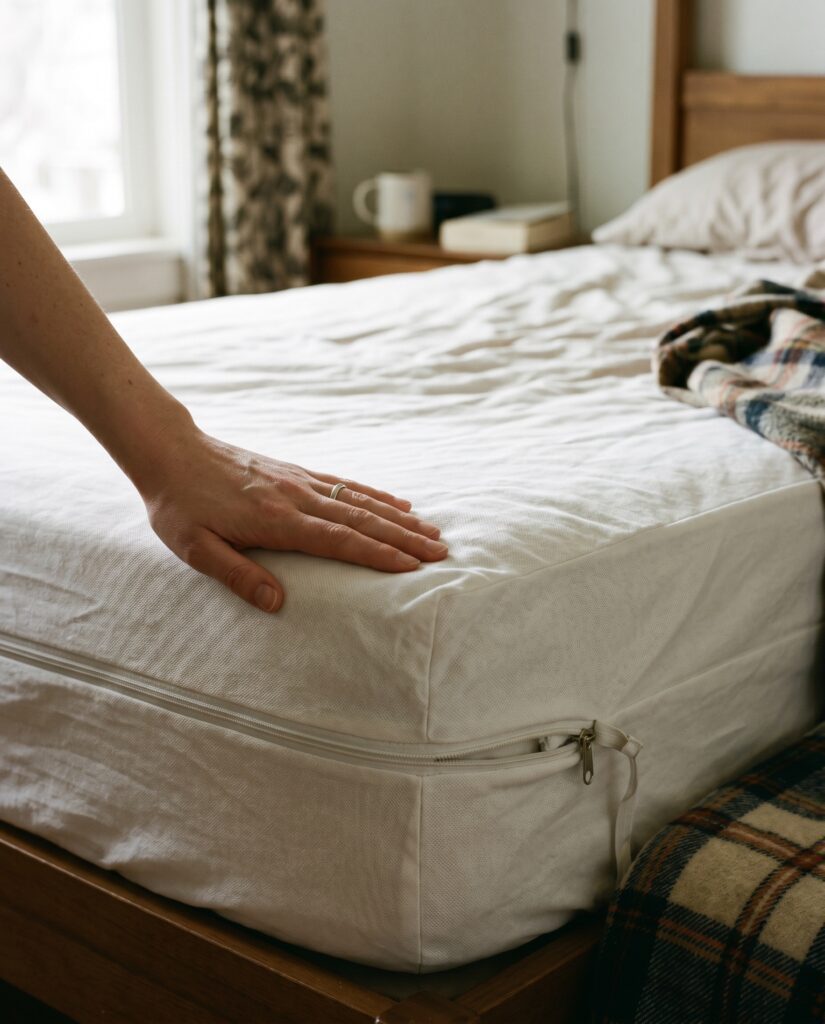
Seams, tufts, bed frame joints, and baseboards. Dispose of contents in a sealed bag. - Use mattress and box spring encasements
Encasements trap bugs inside and remove hiding places outside. They also make inspections faster. - Consider professional heat or targeted treatment
For established infestations, professional help is often the fastest route. The EPA’s bed bug control recommendations emphasize careful, multi-step methods and avoiding unsafe pesticide use indoors.
\
\
\
\
\
\
When to call a professional (and why it’s not “giving up”)
\
Call a licensed pest management professional if:
\
- \
- You see bed bugs in more than one room
- You’ve treated twice and activity continues
- You live in a multi-unit building (apartments, condos)
- Someone in the home is medically vulnerable
\
\
\
\
\
Bed bug work, in particular, can require specialized tools and experience to reach hidden harborages and manage resistance patterns.
\
Common misconceptions that waste time
\
Here are the mistakes that most often prolong infestations:
\
- \
- “Bites alone tell me which pest it is.”
Not reliably. Inspection evidence is more trustworthy. - “Bed bugs jump.”
They don’t. If it jumped, suspect fleas. - “Fleas only live on the pet.”
Adults feed on pets, but eggs and larvae develop in the environment. - “If I can’t find bugs, it’s not bed bugs.”
Early infestations can be hard to spot. Look for fecal dots, shed skins, and seam activity.
\
\
\
\
\
 \
\\
\
Image alt text suggestion: “Bed bug signs on mattress seam showing dark fecal spots and shed skins compared with flea dirt on white paper towel.”
\
Key takeaways: fleas vs bed bugs (and your next step)
\
Fleas and bed bugs both bite, but they leave different clues. Fleas are tiny jumpers tied to pets and floor-level habitats like carpets and pet bedding. Bed bugs are flat crawlers that hide in mattress seams, headboards, and cracks near where people sleep.
\
Do this next:
\
- \
- Inspect the most likely zones first (pet areas for fleas, bed seams for bed bugs).
- Look for physical evidence (flea dirt that smears red, or bed bug spots and shed skins).
- Start a control plan that matches the pest’s biology, or bring in a pro if the infestation is spreading.
\
\
\
\
For bite-based comparisons and photos, continue with Bed Bug Bites vs Flea Bites vs Mosquito Bites and then confirm with Signs of Bed Bugs: How to Identify an Infestation.
\
As an Amazon Associate, I earn from qualifying purchases. Product recommendations are based on real reviews and independent research.