Gardening can be incredibly rewarding, but few things are as disheartening as discovering your thriving plants have become an all-you-can-eat buffet for pests. If you're looking for an effective, chemical-free way to protect your vegetables and flowers, insect netting and row covers are game-changers. These physical barriers create a protective shield around your plants, keeping out a wide array of common garden invaders while allowing light, air, and water to pass through. This guide will walk you through how these essential tools work, how to choose the right type for your garden, and the best practices for installation to ensure a bountiful, pest-free harvest.
Bottom line: Insect netting and fabric row covers are highly effective physical barriers that protect garden plants from a wide range of pests and can offer microclimate benefits. Choosing the right type depends on your specific needs:
- Insect Netting (Mesh): Best for insect exclusion with maximum airflow, ideal for summer pest control on brassicas, carrots, and cucurbits. More durable and typically lasts 5+ seasons.
- Fabric Row Covers: Offer both insect protection and 2-8°F of frost protection, promoting earlier growth. Suitable for spring greens and early warm-season crops. Less durable, lasting 2-3 seasons.
- Installation: Must be installed immediately after planting or before pests arrive, and sealed securely at the edges to prevent entry.
- Pollination: Remove covers from insect-pollinated crops during bloom, or hand-pollinate, to ensure fruit set.
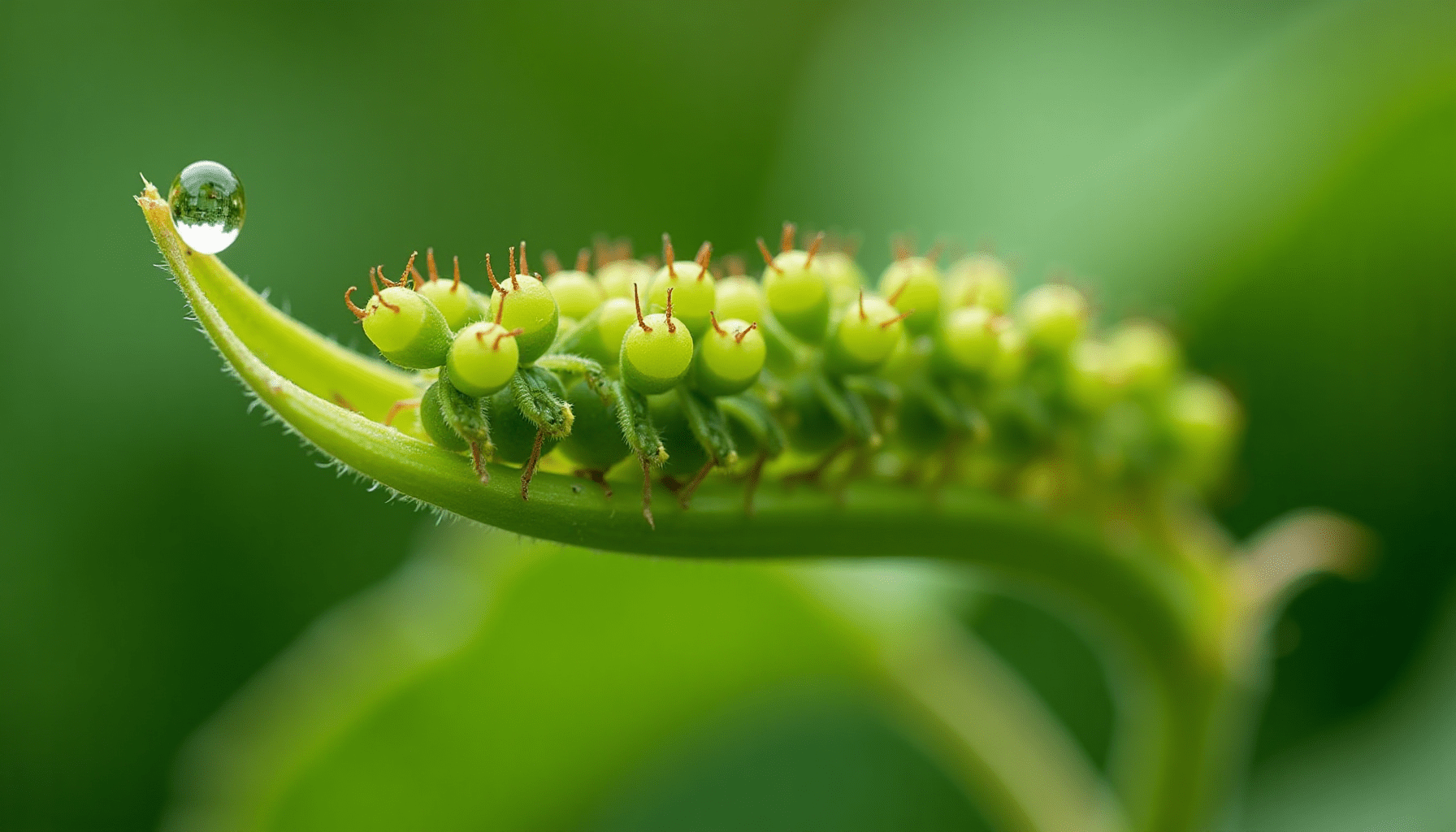
Netting basics
At its core, insect netting and row covers act as a physical shield, creating a barrier between your vulnerable plants and the insects that want to feed on them or lay eggs. This simple yet powerful mechanism is a cornerstone of Integrated Pest Management (IPM), especially in organic gardening, by significantly reducing or even eliminating the need for chemical sprays.
Research has consistently shown the effectiveness of these barriers. For instance, trials on cabbage in the UK demonstrated that insect-proof mesh could reduce infestations from pests like the cabbage root fly and increase yields by up to 50–80% compared to unprotected crops, depending on the season and pest pressure. The University of Minnesota Extension notes that fine mesh insect netting can completely exclude many pests when properly sealed, particularly beneficial for crops like brassicas and carrots.
How These Barriers Protect Your Plants
The primary way insect netting and row covers work is by preventing adult insects from reaching your plants to feed or lay eggs. This is crucial for pests like the cabbage moth, squash vine borer, onion maggot, and various leafminers, whose larvae cause significant damage after eggs are laid on host plants. By blocking the adults, you break their life cycle in your garden. For pests that crawl, such as cutworms or some slugs, sealing the edges of the cover thoroughly can also prevent their entry.
Beyond pest control, these covers offer secondary benefits:
- Microclimate Modification: Lightweight fabric row covers can raise the soil and air temperature by 2–8°F, depending on their weight, and increase humidity. This warmer, more stable environment can lead to earlier and higher yields for warm-season crops like tomatoes, peppers, and melons, especially when planted early in the season, as highlighted by Utah State University Extension.
- Reduced Stress: They can protect delicate seedlings from wind, hail, and intense sunlight, offering a gentler start to the growing season.
- Disease Prevention: In some cases, by excluding insect vectors like aphids and leafhoppers, covers can reduce the transmission of certain plant viruses, though this depends heavily on the mesh size and how meticulously the cover is sealed.
Types of Garden Covers
While often used interchangeably, "insect netting" and "row covers" refer to slightly different materials, each with specific strengths:
- Floating Row Covers (Fabric): These are lightweight, spunbonded polypropylene or polyester fabrics that are draped directly over plants. As plants grow, they gently lift the cover. They are excellent for early-season frost protection (adding 2–8°F of warmth) and insect exclusion for low-growing, compact crops like lettuce, spinach, carrots, and radishes.
- Hoop-Supported Row Covers / Low Tunnels: Here, the fabric (either spunbonded or mesh) is supported by hoops made of wire, PVC, or metal conduit, creating a tunnel. This method offers better airflow, prevents abrasion on delicate foliage, and is easier to manage for taller or longer-season crops such as tomatoes, peppers, and eggplants.
- Insect Netting (Mesh): Made from woven or knitted polyethylene mesh, this material is generally more durable and allows for superior airflow compared to spunbonded fabrics. It's specifically designed for insect exclusion during warmer seasons when frost protection isn't a priority. It's often referred to as "insect barrier" or "agricultural insect netting" and is highly effective against a broad range of pests.
- Plastic Film Row Covers: While less common in home gardens, clear or perforated plastic films are used commercially primarily for heat gain and season extension rather than insect exclusion. They require careful ventilation to prevent overheating.
These tools are widely recommended by agricultural extension programs and the USDA as "mechanical" or "physical" controls within IPM, proving their value in reducing or replacing insecticide use, particularly in organic production.
Choose a barrier
Selecting between fabric row covers and dedicated insect netting depends on your primary gardening goals and local climate. Each has distinct advantages and ideal applications.
Insect Netting: For Pure Pest Exclusion
If your main challenge is keeping pests off plants during the warmer months, and you don't need significant frost protection, insect netting is likely your best choice.
- Pros:
- Excellent Airflow: The open mesh design allows for superior air circulation, significantly reducing the risk of overheating your crops, even in hot climates.
- Durability: Typically made from UV-stabilized polyethylene, insect netting is much more durable and tear-resistant than spunbonded fabric, often lasting 5+ seasons.
- Visibility: The mesh allows you to easily see your plants and monitor for any pests that might have found their way inside.
- Cons:
- Cost: Generally more expensive upfront than lightweight fabric row covers.
- Minimal Frost Protection: Offers very little insulation against cold temperatures.
Ideal for: Protecting brassicas (cabbage, broccoli, kale) from caterpillars and cabbage root fly; carrots from carrot rust fly; alliums from onion maggots; and cucurbits from cucumber beetles and squash vine borers during their vulnerable stages in summer.
Fabric Row Covers: For Frost Protection and Early Growth
When you need a dual-purpose solution that offers both early-season frost protection and insect exclusion, fabric row covers are invaluable.
- Pros:
- Frost Protection: Depending on the weight, they can add 2–8°F of protection, safeguarding tender plants from unexpected cold snaps.
- Early Growth: The microclimate created by the cover can warm the soil and air, leading to faster growth and earlier harvests in spring or fall.
- Affordability: Generally less expensive and widely available at garden centers.
- Cons:
- Durability: Less durable than insect netting, typically lasting 2–3 seasons with careful handling.
- Overheating Risk: Can trap too much heat if left on during hot periods, especially medium or heavy weights.
- Abrasion: If left directly on plants, wind can cause the fabric to rub and damage tender leaves.
Ideal for: Giving spring greens (lettuce, spinach, arugula) and root crops (radish, turnip, beet) a head start in cooler climates. Also great for early planting of warm-season crops like tomatoes, peppers, and squash to protect them from flea beetles and cold stress.
Selecting Weight and Mesh Size
The effectiveness of your chosen barrier hinges on selecting the appropriate weight for fabric covers or mesh size for netting.
For Fabric Row Covers:
- Lightweight (approx. 0.5–0.6 oz/yd²): Provides modest frost protection (2-4°F) and excellent insect exclusion. Allows 85–95% light transmission, making it suitable for continuous use without severely limiting light.
- Medium Weight (approx. 0.9–1.0 oz/yd²): Offers stronger frost protection (4-6°F) and around 70–80% light transmission. Best for short-term use during cold spells or to boost early growth.
- Heavyweight (1.5–2.0+ oz/yd²): Designed for significant frost protection (6-8°F) and season extension in late fall. Not typically used for continuous summer insect control due to potential heat buildup and reduced light.
For Insect Netting:
- 20 Mesh (approx. 0.85 mm openings): This is a good general-purpose mesh size. It effectively excludes larger insects like cabbage butterflies, cucumber beetles, and squash bugs while allowing excellent airflow.
- 30–50 Mesh (smaller openings): For targeting smaller pests such as flea beetles, some aphids, leafminers, and thrips, finer mesh sizes are necessary. Keep in mind that finer meshes can slightly reduce airflow and may require more careful installation to prevent tears. Commercial suppliers like Farm Plastic Supply and Bootstrap Farmer often provide detailed specifications and recommendations for various mesh sizes.
Install it right
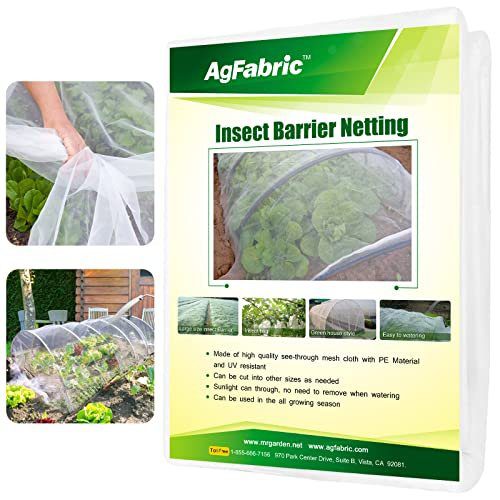
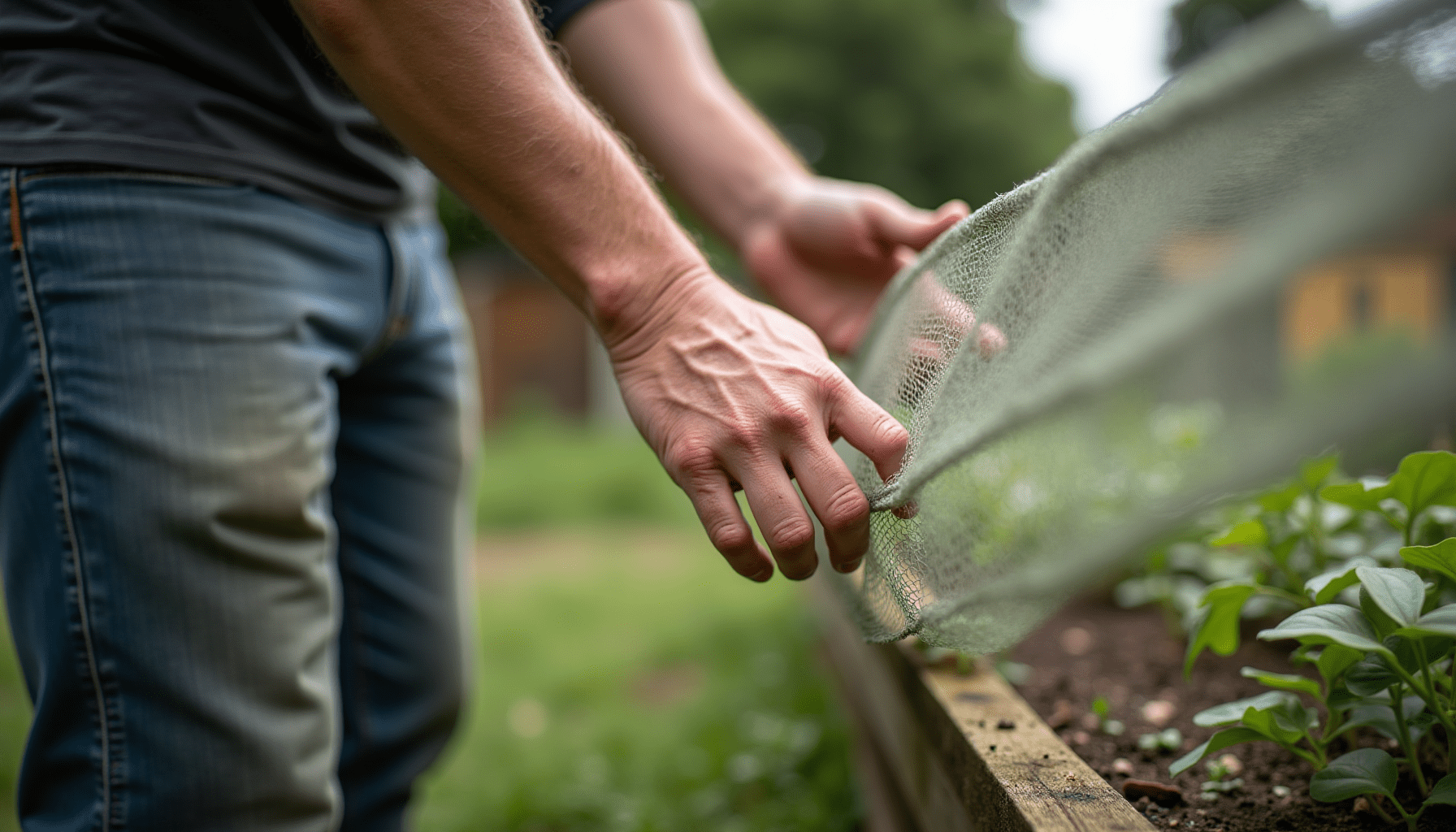
This fine mesh insect netting is ideal for creating a physical barrier against a wide range of garden pests, as described in the article. Its durability and small mesh size make it effective for protecting crops like brassicas, carrots, and cucurbits while allowing light and air.
- Provides effective insect and bird protection while still allowing water and sunlight to pass through
- Can be cut and customized to fit different garden sizes and setups
- A practical, non-chemical alternative for protecting vegetables and plants
- Material can be fiddly to install and often needs extra framing, clips, or staples to secure properly
- May be more durable in some conditions than others, with users noting it can degrade if not UV-stabilized or handled carefully
Proper installation is crucial for the success of any garden barrier. A small gap can render your efforts useless, allowing pests to sneak in and undo your hard work.
General Installation Principles
- Timing is Everything: Install covers immediately after seeding or transplanting, or before you anticipate pests will become active. The goal is to prevent pests from ever reaching your plants.
- Inspect Thoroughly: Before covering, inspect all seedlings and potting soil to ensure no pests are already present. You don't want to trap pests inside your protective barrier.
- Seal the Edges: This is perhaps the most critical step. Use soil ridges, sod pins, rocks, bricks, or boards to weigh down the edges of the netting or fabric every 2-3 feet. Pay extra attention to the ends of rows, as these are common entry points for pests.
Using Hoops and Frames
While lightweight fabric can "float" directly on low-growing crops, using hoops is often recommended, especially for insect netting or taller plants. Hoops provide several benefits:
- Better Airflow: Keeps the cover off the foliage, allowing for better air circulation and reducing the risk of fungal diseases.
- Prevents Abrasion: Protects tender leaves from rubbing against the fabric in windy conditions.
- Accommodates Growth: Allows plants to grow to their full size without being restricted.
Hoop Materials: Common materials include bent wire, PVC pipe, metal conduit, or black poly sprinkler pipe. Some gardeners use rebar stakes driven into the ground, then slip PVC hoops over them for easy setup and removal, a technique often demonstrated by gardening experts like those from the University of Maryland Extension.
Height: Plan the height of your hoops to accommodate the mature size of your plants, allowing extra slack for growth and airflow. A typical low tunnel might range from 18–36 inches tall.
Securing and Access
- Attach Firmly: Use clips, binder clamps, or snap clamps to secure the fabric or netting to the hoops.
- Easy Access: Leave enough extra material at the ends of your rows to fully close them, but also to easily open and close for weeding, watering, and harvesting.
- Watering: Most lightweight fabrics and all insect netting are permeable to water, so overhead irrigation or rain will reach your plants. If hand watering, simply lift one side temporarily and re-seal it carefully afterward.
Maintenance and Monitoring
Even with the best installation, occasional checks are important:
- Regular Inspection: Periodically lift the covers to inspect for any pests that might have found their way in, or for signs of disease or heat stress.
- Pest Control Under Covers: If pests are found, remove any severely infested plants. For minor infestations, spot treat with organic-approved insecticides (like Bacillus thuringiensis for caterpillars) and then re-cover.
- Animal Damage: Keep an eye out for larger animals like deer, cats, or rodents that might tear covers or lift edges. Additional fencing or weights may be needed.
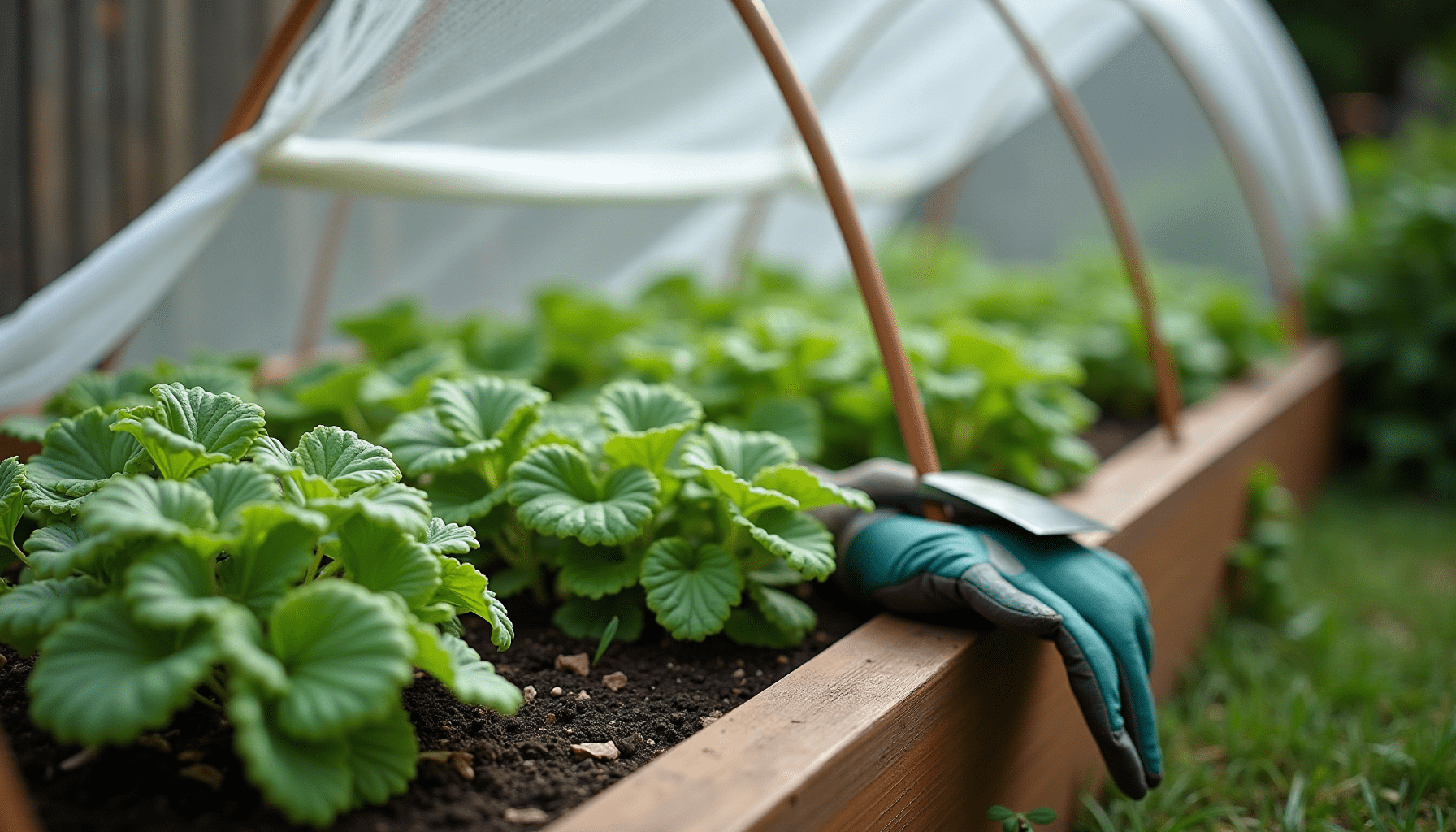
Crop-Specific Guidance
- Brassicas (Cabbage, Broccoli, Kale): Cover from planting until harvest to protect against imported cabbageworm, cabbage looper, and cabbage root maggot. Insect netting is preferred for long-term summer use.
- Carrots and Parsnips: Cover at sowing and keep sealed through the carrot rust fly's flight periods. Rotate beds to avoid soil-borne pest reservoirs.
- Cucurbits (Cucumbers, Squash, Melons): Cover immediately after planting to protect from cucumber beetles (which can transmit bacterial wilt) and squash vine borers. Crucially, remove covers at the first sign of flowering to allow pollinators to access the blooms. Alternatively, you can hand-pollinate under the covers if you wish to keep them on longer. To learn more about supporting beneficial insects, check out our guide on How to Attract Pollinators to Your Garden.
- Solanaceous Crops (Tomatoes, Peppers, Eggplant): Use lightweight fabric or tunnels for early-season protection against cold stress and flea beetles. Remove or vent the covers as the weather warms and plants outgrow the barriers.
Common myths
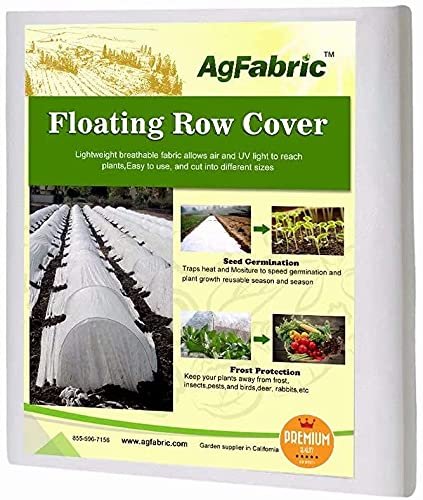
This lightweight floating row cover provides dual benefits of insect protection and light frost protection (2-8°F), making it perfect for extending the growing season for spring greens and early warm-season crops, as highlighted in the article.
- Provides reliable frost and cold protection for plants, helping extend the growing season
- Lightweight 0.55 oz fabric allows good light and air transmission so plants continue to grow well under cover
- Large 10×15 ft size and 2-pack format offer good coverage and value for multiple beds or raised gardens
- Material can tear or develop holes if handled roughly or exposed to sharp edges or strong winds
- Some users find it difficult to keep the covers securely in place without additional clips, stakes, or weights
Despite their widespread use and proven effectiveness, some misconceptions about insect netting and row covers persist. Let's clarify some common misunderstandings.
- "Row covers always cause overheating." This is a frequent concern, but it's not universally true. Lightweight fabric covers and insect netting are designed to allow adequate airflow. Overheating primarily occurs when heavy-weight covers or plastic films are used continuously during hot weather without proper ventilation. In fact, in many climates, lightweight covers can benefit plants by stabilizing temperatures and reducing wind stress, as noted by Susan's in the Garden.
- "Plants can't get enough light under covers." Lightweight fabrics typically transmit 85–95% of available light, which is generally sufficient for most plant growth. Many crops actually grow faster under covers due to the reduced environmental stress and warmer microclimate. Light reduction becomes a concern only with very heavy covers or plastic films used continuously on high-light-demand crops during long, sunny days.
- "Insect netting or covers will keep all pests out." While highly effective when installed correctly, these barriers are not 100% foolproof. Pests can occasionally be introduced on transplants that were already infested, or very small pests might slip through larger mesh sizes or tears in the fabric. They significantly reduce pest pressure, but meticulous installation and occasional monitoring are still needed.
- "You can put covers on any crop at any time." The timing of cover use is critical and depends on the crop's biology. For insect-pollinated crops like squash, melons, and cucumbers, covers must be removed once flowering begins to allow pollinators access, or manual pollination must be performed. Some heat-sensitive crops, like certain lettuce varieties, may struggle under covers in intense mid-summer heat.
- "Row covers replace all other pest management." Row covers are a powerful tool, but they are best used as part of a broader Integrated Pest Management (IPM) strategy. Experts still recommend combining them with practices like crop rotation, selecting resistant varieties, proper sanitation, and scouting. For example, if you have issues with beneficial insects, consider how covers might impact them – for instance, ladybugs are natural predators, and you can learn more about their diet in our guide Beneficial Insects: 20 Bugs You Want in Your Garden.
- "Insect netting is only for organic gardeners." While heavily promoted in organic systems due to its chemical-free nature, conventional growers also use netting and row covers. They are a valuable tool for reducing reliance on insecticides, protecting beneficial insects and pollinators, and managing pesticide resistance, benefiting all types of gardeners.
- "Covers are too expensive for home gardeners." The initial cost of covers can seem like an investment, but many materials are reusable for multiple years. The value of saved crops, reduced pest damage, and the avoidance of pesticide purchases often offsets the upfront expense. Additionally, DIY frames using recycled materials like wire or PVC pipe are widely recommended by gardening educators, making them more accessible.
Final picks
Insect netting and row covers are indispensable tools for any gardener seeking to protect their plants from pests naturally and effectively. By creating a physical barrier, these covers not only prevent insect damage but can also offer microclimate benefits, leading to healthier, more productive gardens. Whether you're battling persistent flea beetles, preventing squash vine borers, or simply aiming for an earlier harvest, understanding the different types of covers and how to properly install and maintain them will significantly enhance your gardening success.
Remember to choose the right cover for your specific needs, install it meticulously, and integrate it into a holistic pest management strategy. With a little planning, you can enjoy a flourishing garden, free from the worries of common insect invaders. For more tips on managing garden pests, explore our guides on How to Get Rid of Garden Ants Without Harming Plants and Best Mosquito Repellent Plants for Your Garden.
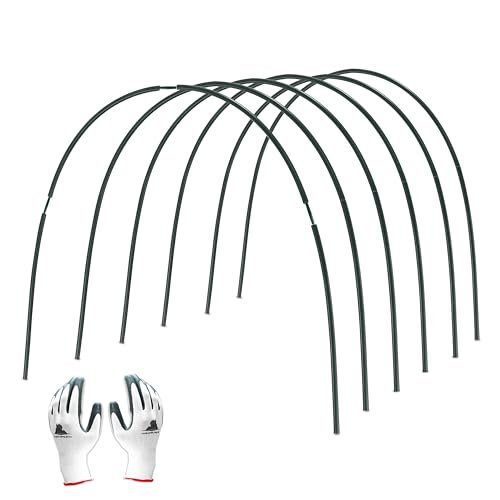
Garden hoops are essential for supporting both insect netting and fabric row covers, preventing them from resting directly on plants and ensuring proper airflow. This 10-pack provides ample support for various garden bed sizes.
- Easy to assemble and customize for different bed sizes by connecting multiple hoops together
- Sturdy enough for many reviewers to feel it holds up well through growing seasons
- Useful for protecting plants and supporting row covers/netting across seasons
- Some reviewers report the hoops/connectors can break or fail under stress
- Durability can be disappointing for heavier use, with a few complaints about stems or support pieces damaging the cover
As an Amazon Associate, I earn from qualifying purchases. Product recommendations are based on real reviews and independent research.