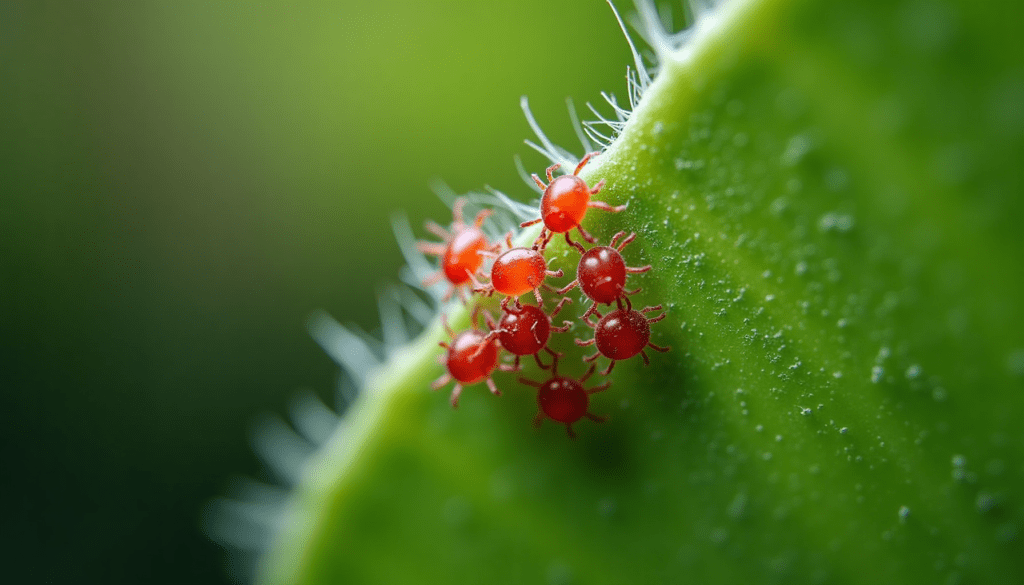
When tiny, itchy bites appear seemingly out of nowhere, and you can’t spot the culprit, it’s natural to feel a sense of unease. If you’ve been experiencing mysterious skin irritations, especially after birds have nested nearby, you might be dealing with bird mites in house. These microscopic hitchhikers are primarily parasites of birds, but when their avian hosts abandon nests or die, they often disperse into homes in search of a new blood meal. Understanding how to identify these elusive pests and implement effective control strategies is key to reclaiming your peace of mind and your home.
Bottom line:
If you suspect bird mites in your house, here’s what to do first:
- Locate and remove any active or abandoned bird nests near your home, especially those on window ledges, in eaves, or vents.
- Thoroughly clean affected areas by vacuuming carpets, furniture, and windowsills, and washing all linens in hot water.
- Seal entry points like cracks, gaps, and unsealed vents to prevent further mite entry.
- Monitor for continued activity and consider professional pest control if the infestation persists.
How to Identify Bird Mites
Spotting bird mites can be tricky due to their tiny size and translucent appearance, but knowing what to look for can confirm if these are the pests causing your discomfort. Correct identification of bird mites is a crucial first step, as their bites can often be mistaken for those of other common household pests.
Visual Clues
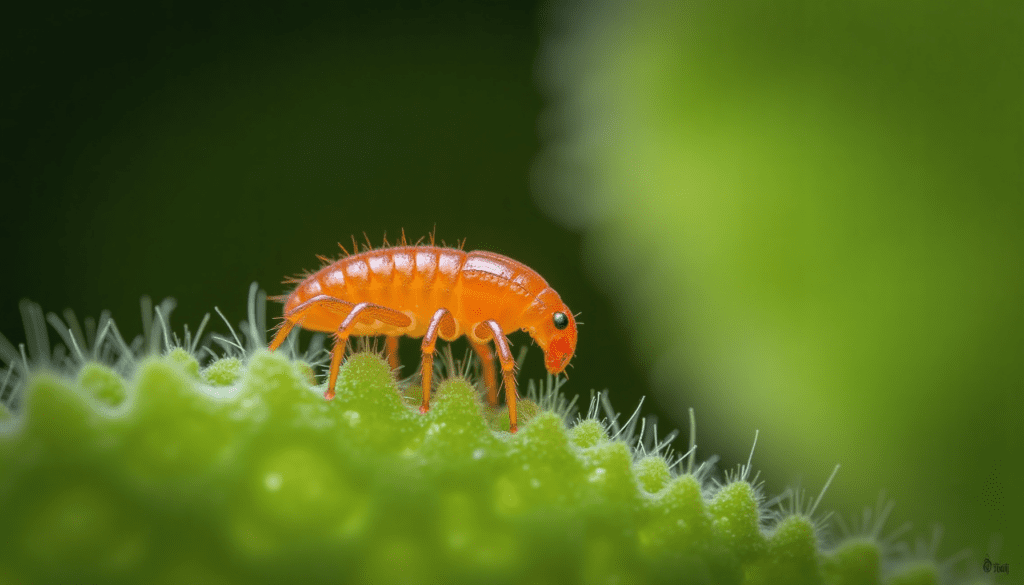
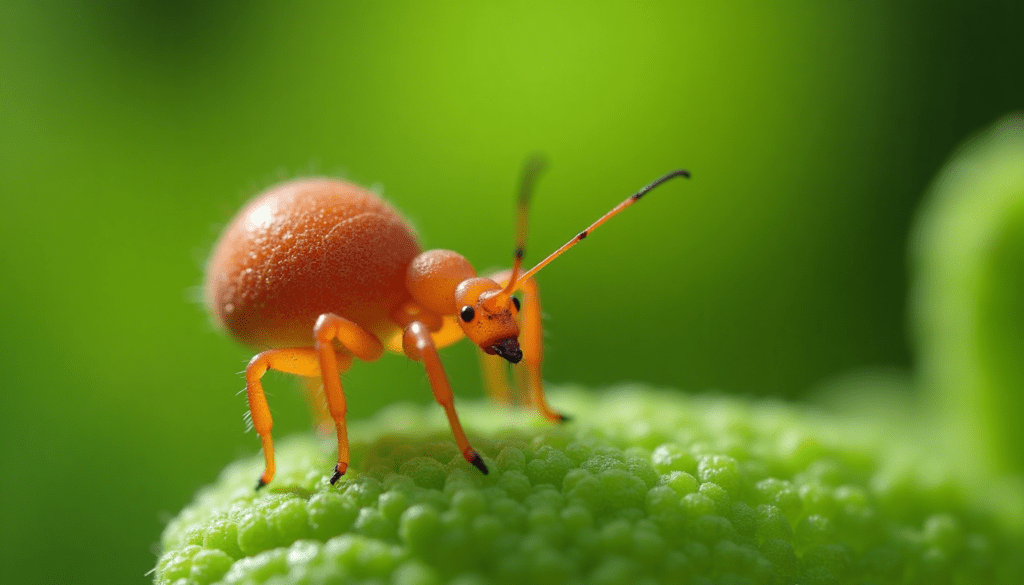
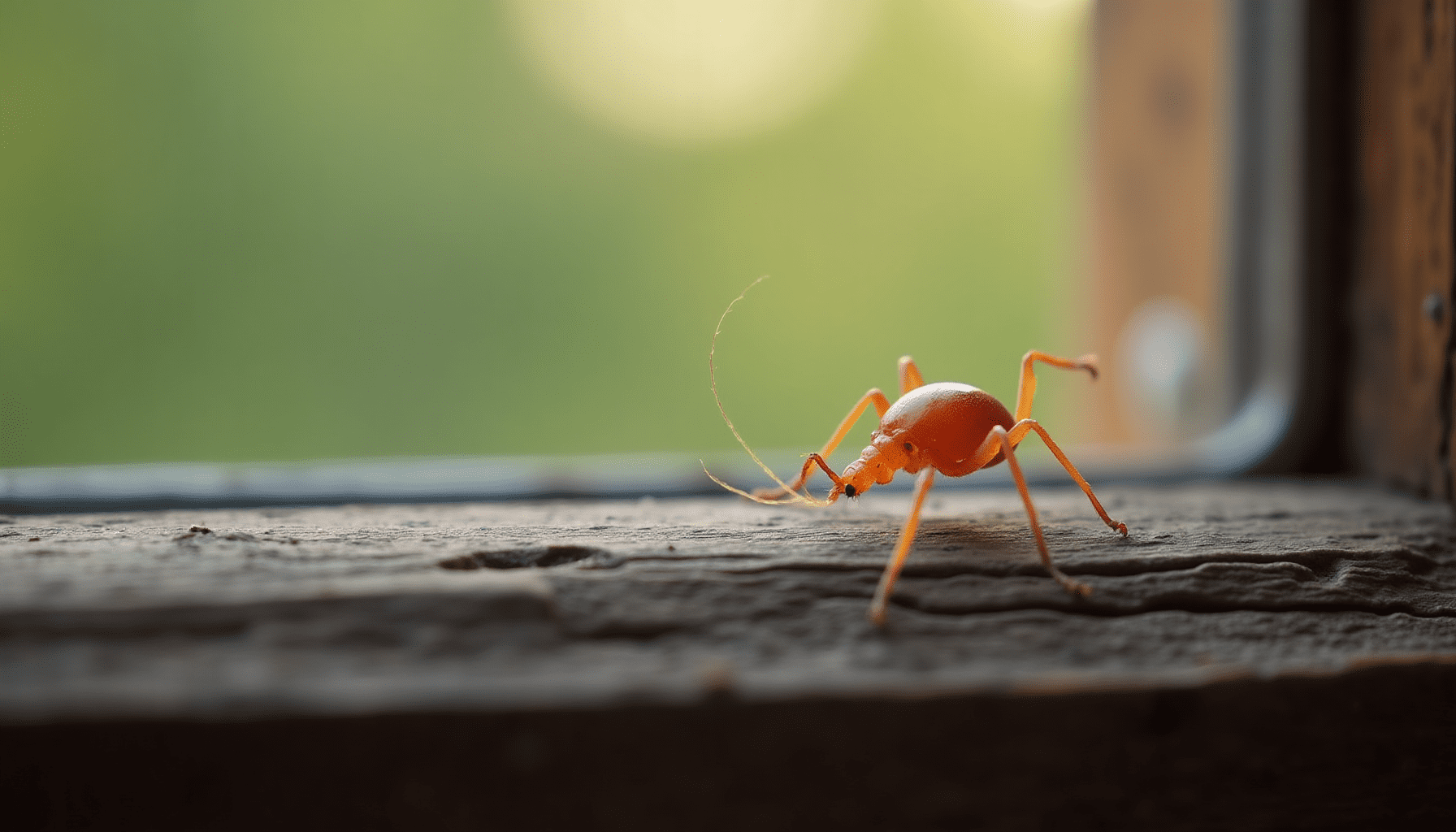
Adult bird mites are incredibly small, typically measuring about 0.5 to 1 millimeter long, which is roughly 1/32 of an inch. While they are just visible to the naked eye as tiny moving specks, a magnifying glass can greatly aid in their detection. Initially, they appear whitish, grayish, or translucent. However, after they’ve had a blood meal, they can turn a darker reddish-brown color, making them slightly easier to spot. These arachnids (not insects) have an oval or ovoid body and eight legs, which you might be able to discern under magnification.
Look for these tiny movers on light-colored surfaces such as:
- Window sills and frames
- Walls and ceilings, especially near windows or vents
- Bed linens, headboards, and curtains in affected rooms
- Around light fixtures
Behavioral Signs
Bird mite infestations often appear suddenly, particularly in late spring or early summer. This timing coincides with when young birds fledge and abandon their nests, or when adult birds leave a nest. Without their primary bird hosts, the mites are forced to seek new sources of blood, leading them indoors. The infestation is usually concentrated in rooms or areas of the house that are closest to where a bird nest was located on the exterior wall or roof.
A key behavioral clue is the pattern of bites and the sensation they cause. People often report intense itching and a “crawling” sensation on their skin, especially at night when mites are more active. Unlike some other pests, you might not see the mites on your body during the day, as they tend to hide in crevices and come out to feed.
Common Places to Inspect
To confirm the presence of bird mites, a thorough inspection of both your home's exterior and interior is necessary.
Outside your home, check:
- Roof eaves, soffits, and gutters
- Attic, bathroom, and dryer vents
- Chimneys
- Balcony beams, awnings, and window ledges
- Areas under solar panels or air conditioning units where birds might roost
Inside your home, focus on:
- The tops of curtains and window frames
- Cracks around baseboards, particularly on the side of the house closest to where nests were present
- Bed frames, headboards, and couch seams in rooms where bites are occurring
If you observe many small mites near a bird nest on your building, this is a strong indicator of a bird mite presence.
Professional Identification
Because many types of mites look similar, distinguishing bird mites from other species like rodent mites or even dust mites can be challenging for the untrained eye. Entomologists at institutions like the University of Minnesota Extension emphasize that correct identification is essential for effective control. If you're unsure, collect a few specimens using clear tape or by carefully sweeping them into a small jar. You can then submit these samples to your local Cooperative Extension office, a university entomology lab, or a reputable pest control company for definitive identification. This step ensures you are treating the correct pest.
Bird Mite Bites & Human Health
Discovering you have tiny, biting pests in your home can be alarming, but understanding the nature of bird mite bites and their impact on human health can help alleviate concerns. While bird mites are a nuisance, they pose a very low risk of disease transmission to humans.
Appearance and Symptoms of Bites
Bird mite bites typically manifest as small, red, itchy bumps on the skin. Sometimes, a tiny central red dot, or punctum, might be visible. These bites can appear on any exposed skin, such as arms, neck, and face, but they might also be found on areas covered by clothing. The most common symptom is intense itching, often described as a burning sensation or tiny pinpricks. Many people also report a persistent "crawling" sensation on their skin, even when no mites are visible.
It's important to note that bird mite bites can closely resemble those of other common pests, including flea bites, bed bug bites, or even mosquito bites. This similarity makes visual diagnosis unreliable without finding and identifying the actual mite. For a comprehensive comparison of different insect bites, you might find our guide on Bed Bug Bites vs Flea Bites vs Mosquito Bites helpful.
Home Care for Bites
Fortunately, bird mites do not complete their life cycle on humans and cannot reproduce using human blood. They are primarily a nuisance, and their bites are generally not medically serious. To manage the symptoms and prevent secondary issues:
- Wash the skin: Take a thorough shower with soap, paying attention to all body areas, and shampoo your hair to dislodge any mites that may be present on your skin or scalp.
- Relieve itching: Apply over-the-counter anti-itch creams containing 1% hydrocortisone, or use calamine lotion. Oral antihistamines, such as cetirizine or loratadine, can also help reduce itching and any associated allergic reactions, as recommended by sources like Healthline.
- Prevent infection: Avoid scratching the bites, as this can break the skin and lead to secondary bacterial infections. Keep your nails trimmed. If you have any open sores from scratching, clean them gently with mild soap and water, and apply an antiseptic if necessary.
When to See a Doctor
While most bird mite bites resolve with home care, it's advisable to see a healthcare provider if you experience:
- Signs of a bacterial infection, such as spreading redness, warmth, swelling, or pus around the bites.
- A severe or persistent rash that doesn't improve with over-the-counter treatments.
- Any systemic symptoms, though these are extremely rare with bird mite bites.
It's reassuring to know that the University of Minnesota Extension states that "Bird mites have not been found to transmit any diseases to people." While some medical reports have speculated about very rare instances of pathogen exposure from certain bird mite species, the overall expert consensus is that the risk of disease transmission to humans is low and not comparable to that of ticks or mosquitoes.
Eliminating Bird Mites from Your Home
Successfully getting rid of bird mites in your house requires a systematic approach that targets the source, eliminates existing mites, and prevents future infestations. The key is to remember that these mites are associated with birds, so removing their primary hosts is paramount.
Step 1: Find and Remove the Bird/Nest Source
This is the most critical step. Bird mites enter homes because they've been displaced from their bird hosts or nests.
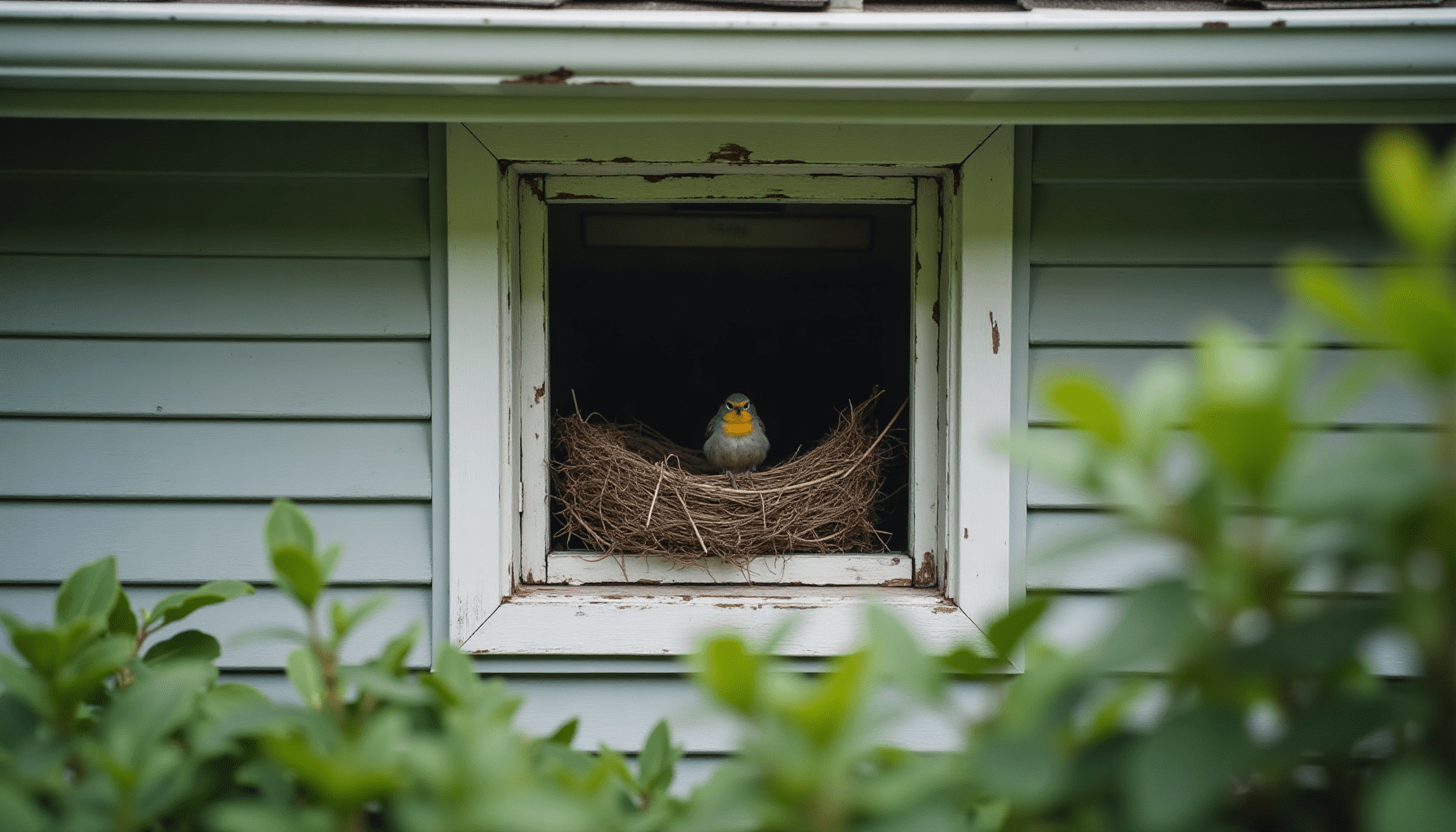
- Inspect thoroughly: Carefully check the exterior of your home for any active or abandoned bird nests. Common locations include roof eaves, soffits, gutters, vents (bathroom, dryer, attic), chimneys, window ledges, and under solar panels. Also, look for any signs of dead birds in or near these areas.
- Remove nests: Once you've located a nest, you can remove it only if it's abandoned or if the nesting season is over and there are no eggs or young of protected species present. In the U.S., many songbirds are federally protected, meaning it's illegal to disturb their active nests. However, nests of pigeons, starlings, and house sparrows can generally be removed at any time. When in doubt, consult a local wildlife agency for guidance.
- Dispose of dead birds: If you find a dead bird, use gloves to handle it, double-bag it, and dispose of it according to local regulations. Always wash your hands thoroughly afterward.
Step 2: Seal Entry Points
After removing the source, it’s vital to prevent mites (and new birds) from re-entering your home.
- Repair and cover: Seal any gaps in soffits, fascia, and roof edges.
- Install barriers: Place bird-proof covers on vents and caps on chimneys.
- Caulk cracks: Seal cracks and openings around windows, doors, and utility penetrations with caulk. This creates a physical barrier against tiny mites.
Step 3: Physical Removal and Cleaning
Once the source is addressed and entry points are sealed, focus on eliminating the mites already inside your home.
- Vacuuming: Use a strong vacuum cleaner with a hose attachment to thoroughly clean carpets, rugs, baseboards, upholstered furniture, window sills, frames, and any crevices near suspected mite entry points. Immediately after vacuuming, dispose of the vacuum bag or empty the canister contents outside in a sealed bag to prevent mites from escaping. Some experts, like the University of Minnesota Extension, even suggest freezing the vacuum bag contents to kill any mites.
- Wiping: Wipe down all hard surfaces (floors, walls, shelves, countertops) with a damp cloth or microfiber cloth. Rinse cloths in hot water with detergent after each use.
- Laundering: Wash all bedding, curtains, and clothing from affected rooms in hot water (at least 140°F/60°C if the fabric allows) and dry them on high heat. The heat is crucial for killing mites and their eggs.
- Decluttering: Reduce clutter, as stacks of papers, boxes, and other items provide additional hiding spots for mites.
Step 4: Targeted Chemical Control (When Appropriate)
While physical removal is often sufficient, targeted chemical applications can provide an extra layer of defense, especially for persistent infestations.
- Exterior perimeter treatment: Applying an insecticide around exterior entry points (windows, doors, vents, eaves) can help deter mites from entering. Products containing pyrethroids like permethrin, beta-cyfluthrin, or deltamethrin are often recommended for perimeter treatments. Always read and follow product label directions carefully.
- Interior treatments: For indoor use, broad spraying is generally not recommended. Light, targeted treatments by licensed professionals in cracks, crevices, or around window frames may be used. Given their tiny size and ability to hide in structural cavities, professional pest management, such as that offered by Orkin, is often more effective for large or stubborn infestations.
- Non-chemical dusts: Diatomaceous earth (DE) can be applied in cracks and crevices to desiccate mites. However, it must be used carefully to avoid respiratory irritation. Silica gel dusts are also used professionally for mite control.
Step 5: Monitor & Repeat
Persistence is key. Continue to monitor for mites daily by checking window sills and other surfaces. Maintain frequent vacuuming and laundering for at least 1 to 3 weeks after the initial nest removal. If mites continue to appear, re-inspect your property for any missed nests or new bird activity. If the problem persists despite your efforts, it's wise to consider professional pest control. They can help confirm the mite species and apply more targeted treatments. Our guide on Signs of Bed Bugs: How to Identify an Infestation and How to Get Rid of Bed Bugs: Complete Step-by-Step Guide offers further insights into managing other common household pests, highlighting the importance of proper identification and a multi-pronged approach.
Preventing Future Bird Mite Infestations
Once you've successfully eliminated bird mites from your home, the next step is to implement strategies that prevent them from returning. Proactive measures are often the most effective way to maintain a mite-free environment.
Bird-Proofing the Structure
Making your home less appealing or accessible to birds is the primary method of prevention.
- Install deterrents: Consider installing bird spikes, netting, or sloped covers on ledges, eaves, or other areas where pigeons, sparrows, or starlings tend to roost or build nests.
- Block access points: Seal any gaps under roof tiles, along the edges of balconies, or around ventilation openings with hardware cloth or appropriate screening. This not only keeps birds out but also prevents mites from entering through these small openings.
- Maintain exterior: Regularly inspect and repair any cracks or holes in your home's exterior, including siding, foundations, and around utility pipes.
Managing Backyard Poultry and Pet Birds
If you keep backyard chickens, other poultry, or pet birds, they can be a potential source of bird mites.
- Regular inspection: Routinely inspect your birds and their coops or aviaries for signs of mites. Mites can cause irritation, feather loss, and reduced egg production in birds.
- Veterinary consultation: Consult with a veterinarian about approved mite control products safe for your birds, such as specific acaricides or dust bath additives.
- Hygiene: Clean cages and coops frequently. Promptly remove old nesting materials and bedding, as these are prime hiding spots for mites.
General Housekeeping and Environmental Control
Maintaining a clean and less hospitable indoor environment can also help deter mites.
- Regular cleaning: Consistent vacuuming, dusting, and wiping down surfaces reduce potential hiding spots and can remove any stray mites that might enter.
- Reduce clutter: Less clutter means fewer places for mites to hide and makes cleaning more effective.
- Humidity control: Mites, including bird mites, are susceptible to desiccation. Keeping indoor humidity moderate to low can make your home a less favorable environment for their survival, as noted by sources like Study.com.
By combining these bird-proofing and hygiene strategies, you can significantly reduce the risk of future bird mite infestations. For broader pest prevention strategies that apply to various crawling insects and arachnids, our guide on Can Ticks Live Indoors? Prevention & Control Guide offers additional valuable insights.
Common Bird Mite Misconceptions
When dealing with tiny, elusive pests, it's easy for misinformation to spread. Clearing up common misconceptions about bird mites can help you approach an infestation with accurate knowledge and more effective solutions.
Myth 1: “Bird mites are microscopic and impossible to see.”
Fact: While bird mites are very small, they are generally visible to the naked eye as tiny moving specks, typically around 0.5 to 1 millimeter long. A magnifying glass helps, but they are not so tiny that they are invisible like dust mites.
Myth 2: “Once you get bird mites, they live on you forever.”
Fact: This is a common fear, but it's untrue. Bird mites are not adapted to live or reproduce on humans. They may bite humans multiple times in search of a blood meal, but they cannot sustain their life cycle on human blood. Once the bird nest source is removed and your home is thoroughly cleaned, the mites will eventually die out.
Myth 3: “Bird mites transmit serious diseases to humans like ticks do.”
Fact: There is no strong scientific evidence that bird mites commonly transmit diseases to people. While their bites are intensely itchy and can lead to secondary bacterial infections from scratching, they are not recognized as major vectors for human diseases, unlike ticks or mosquitoes. The University of Minnesota Extension confirms they have not been found to transmit diseases to humans.
Myth 4: “If you have itchy bites, it must be bed bugs or fleas, not bird mites.”
Fact: Bird mite bites can indeed closely resemble those of other pests, leading to frequent misdiagnosis. The key to accurate identification lies in the environmental context: look for recent bird nesting activity near your home, consider the seasonal timing (often late spring/early summer), and note the sudden appearance of tiny mites near windows or ceilings. Professional identification of the actual mite is crucial for effective treatment.
Myth 5: “Spraying pesticides inside once will solve the problem.”
Fact: Relying solely on pesticides, especially if misapplied, is usually insufficient for bird mites. Without first removing the bird nests and sealing potential entry points, mites will continue to enter and re-infest your home. Pesticides should be used judiciously and as part of a comprehensive integrated pest management plan, often targeting exterior entry points or applied by professionals for interior issues, as advised by experts like Orkin.
Myth 6: “These mites are coming from my mattress or dust; they must be dust mites.”
Fact: This is a critical distinction. Dust mites (Dermatophagoides spp.) are microscopic, do not bite, and feed on skin flakes, primarily triggering allergies and asthma. Bird mites, on the other hand, are visible, bite humans, and are directly associated with birds and their nests. They are two entirely different types of mites with distinct behaviors and impacts.
Conclusion
Encountering bird mites in your house can be an unsettling experience, but with the right knowledge and a systematic approach, you can effectively identify, eliminate, and prevent these tiny pests. The most crucial steps involve locating and removing the bird nest source, thoroughly cleaning your home, and sealing any potential entry points. While their bites are itchy and a nuisance, bird mites do not typically pose a serious health threat to humans and cannot establish a long-term infestation on people.
By understanding their behavior and implementing a comprehensive strategy, you can quickly bring relief to your home. Remember, if the infestation persists or you're unsure about identification, don't hesitate to consult with a professional pest control service. For more insights into managing various household pests and protecting your home, explore our other resources, such as guides on Signs of Bed Bugs: How to Identify an Infestation or How to Get Rid of Bed Bugs: Complete Step-by-Step Guide.
Recommended Products
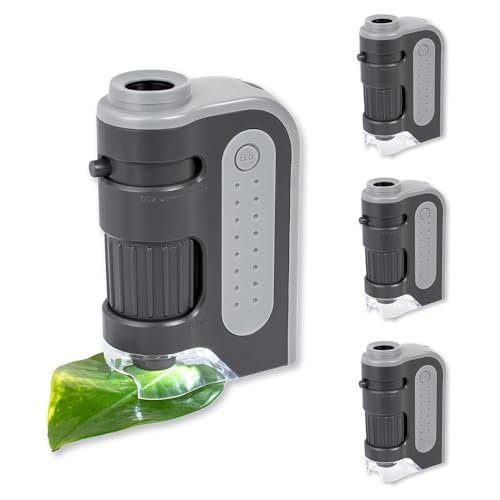
The article explicitly states that bird mites are tiny and a magnifying glass can greatly aid in their detection. This pocket microscope provides the necessary magnification to identify these elusive pests.
- Excellent magnification and image clarity for a small, inexpensive pocket microscope
- Very compact, lightweight, and portable design that’s easy to carry and use on the go
- Built‑in LED illumination provides a bright, clear view of specimens
- Short focal distance makes it tricky to use and requires holding the microscope very close and steady over the subject
- Primarily optimized for flat subjects; can be harder to use on irregular or three-dimensional objects
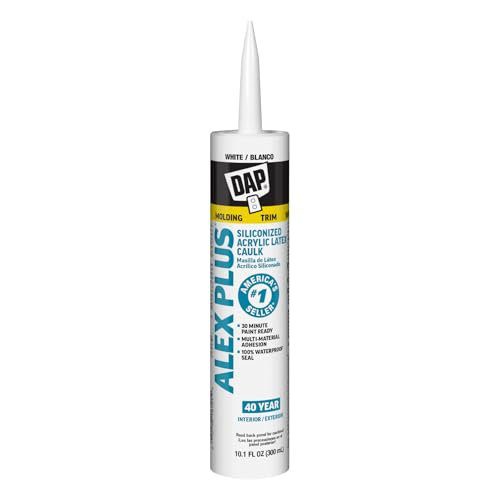
The article emphasizes the importance of 'Seal entry points like cracks, gaps, and unsealed vents to prevent further mite entry.' This caulk is a practical solution for sealing these entry points.
- Easy to apply, tool, and clean up with water, even for beginners
- Provides a durable, flexible, and waterproof seal that adheres well to common building materials
- Paintable in a relatively short time without flashing or bleeding through most paints
- Some users report shrinkage or cracking over time, especially with larger gaps or heavy movement
- Occasional complaints about longer-than-expected cure time or issues with adhesion in less-than-ideal surface prep or conditions
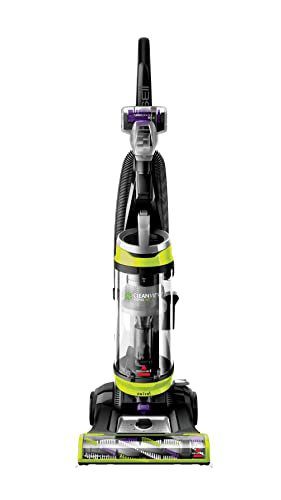
The article recommends 'Thoroughly clean affected areas by vacuuming carpets, furniture, and windowsills.' A powerful vacuum with a HEPA filter is crucial for effectively removing microscopic mites and their debris from household surfaces.
- Strong suction and Triple Action Brush Roll work very well for picking up pet hair and embedded dirt on carpets and rugs
- Swivel steering and relatively light weight make it easy to maneuver around furniture and tight spaces
- Large, easy‑to‑empty dirt tank with bagless design reduces the hassle and cost of replacement bags
- Can be loud and the brush roll cannot be turned off, making it less ideal for some hard floors or delicate rugs
- Hose and attachments are somewhat short and awkward, leading to tipping or limited reach for above‑floor cleaning
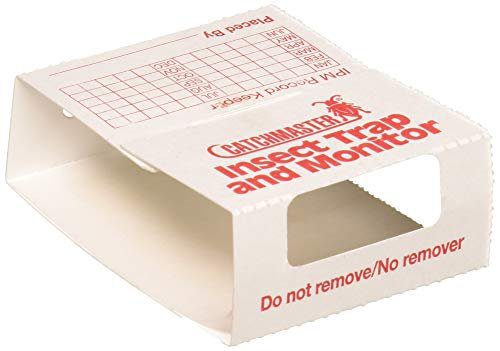
The article advises to 'Monitor for continued activity.' These sticky traps can be placed in suspected areas to catch tiny mites, helping to confirm their presence, identify hot spots, and monitor the effectiveness of control efforts.
- Strong adhesive with pre-baited attractant helps catch insects quickly.
- Versatile, easy-to-use design can be folded into a triangular trap or used flat for monitoring.
- Good value and convenient bulk pack size for homes, garages, and other problem areas.
- Glue boards can collect dust and dirt, which reduces effectiveness over time.
- Must be checked frequently; otherwise trapped pests may die or the board may become unhygienic and need replacing.
As an Amazon Associate, I earn from qualifying purchases. Product recommendations are based on real reviews and independent research.