Finding yourself covered in tiny, intensely itchy red bumps after spending time outdoors can be a frustrating experience. These unwelcome souvenirs are often the result of chigger bites, a common nuisance in many parts of the world, especially during warm, humid months. Understanding how to identify these irritating bites, prevent them, and effectively treat them is key to enjoying your outdoor adventures without the lasting itch. This guide from InsectoGuide.com will walk you through everything you need to know about chigger mites and how to find relief.
Bottom line:
Chigger bites are intensely itchy red bumps caused by the larval stage of tiny mites (Trombiculidae) that attach to skin and inject digestive enzymes. They do not burrow. To manage chigger bites:
- Wash immediately with soap and water after outdoor activity to remove mites.
- Apply topical anti-itch creams (calamine, hydrocortisone) and oral antihistamines for relief.
- Prevent infection by avoiding scratching.
- Prevent future bites by wearing protective clothing and using repellents (DEET on skin, permethrin on clothing) in grassy or wooded areas.
If you want the wider context, How to Get Rid of Spider Mites on Indoor Plants is the natural next read.
How to Identify Chigger Bites
Recognizing chigger bites is the first step toward effective treatment. These tiny pests leave a distinct mark, often causing significant discomfort. Knowing what to look for can help you differentiate them from other common insect bites.
Typical Appearance and Location
Chigger bites typically manifest as small, red, intensely itchy bumps on the skin. They can sometimes resemble tiny pimples or blisters, or even small hives. What makes them particularly distinctive is their pattern and location. You'll often find them:
- In clusters or lines: This reflects where multiple larvae attached and fed.
- Around tight clothing: Common areas include waistbands, sock lines, bra lines, and where elastic bands press against the skin.
- In skin folds or areas of thin skin: Behind the knees, around the ankles, in the groin, and armpits are frequent targets.
The itching usually begins a few hours after exposure, often developing later in the day or overnight, long after you've left the chigger-infested area. This delayed reaction means you might not even realize you've been bitten until the irritation sets in, as noted by AFC Urgent Care.
How Chigger Bites Differ from Other Common Bites
Distinguishing chigger bites from other insect bites is important for proper treatment and prevention. Here's a quick comparison:
- Mosquito Bites: Usually larger, individual welts scattered on exposed skin (arms, legs). While itchy, they typically don't cluster as tightly as chigger bites in concealed areas.
- Flea Bites: Often appear on the lower legs and ankles as small, red spots, sometimes with a central red punctum. They can occur in groups, but are more frequently found on exposed lower extremities.
- Bed Bug Bites: Typically found in clusters or lines on exposed skin (arms, shoulders, neck, face) after sleeping indoors. You might also find other signs of bed bugs, such as blood spots or shed skins, in your bedding.
- Scabies: Causes intense itching, especially at night, and often involves visible burrow tracks in the skin, commonly in finger webs, wrists, waist, and buttocks. Scabies is highly contagious and requires prescription treatment.
For a broader understanding of how various insect bites compare, you can explore our guide on how chigger bites compare to other common insect bites.
Understanding Chigger Bites: What's Really Happening?
To effectively deal with chigger bites, it helps to understand the biology behind them. These tiny creatures are often misunderstood, leading to many myths about how they feed and cause irritation.
The Chigger Mite and Its Feeding Habits
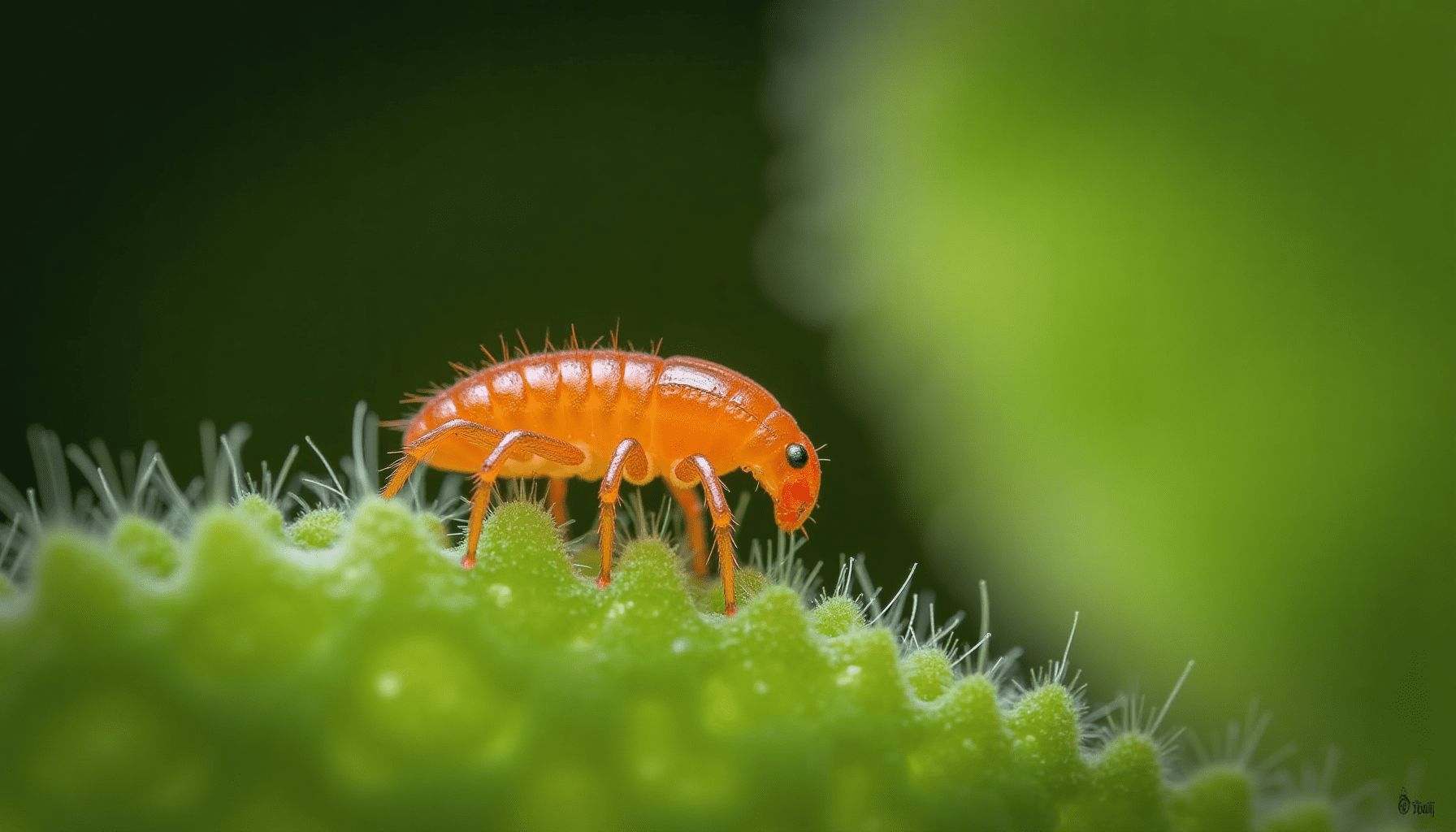
Chiggers are not insects but rather the larval stage of certain mites belonging to the family Trombiculidae, commonly known as "harvest mites" or "red bugs." It's only these microscopic larvae—about 0.2 mm long and often invisible to the naked eye—that bite humans and other animals. Adult chigger mites live in the soil and feed on smaller arthropods, not people, as explained by the Texas A&M AgriLife Extension Service.
When a chigger larva encounters a host, it attaches to the skin, often preferring areas where clothing is tight or skin is thin. Contrary to popular belief, chiggers do not burrow into the skin or suck blood. Instead, they inject digestive enzymes that break down skin cells. The mite then forms a hardened feeding tube called a "stylostome" through which it ingests the liquefied tissue. This feeding process typically lasts a few hours to a couple of days, but most chiggers are dislodged by scratching or bathing long before they finish.
Why Chigger Bites Itch So Intensely
The intense itching and rash associated with chigger bites are not from the mite itself chewing or crawling under the skin. Instead, the symptoms are your body's allergic and inflammatory reaction to the digestive enzymes and the stylostome left behind. This reaction can persist for several days, even after the chigger mite has detached or been removed. The resulting red bumps and welts are a testament to your immune system's response.
Disease Risk in the United States
A significant concern with many arthropod bites is the potential for disease transmission. Fortunately, chiggers in the United States are generally not known vectors of human disease. While some species of trombiculid mites in other parts of the world (particularly Asia) can transmit scrub typhus, this is not a concern with the chigger species typically found in North America.
The primary health risk associated with chigger bites in the U.S. is the potential for secondary bacterial infection. Constant scratching can break the skin, allowing common bacteria like Staphylococcus or Streptococcus to enter and cause infection. Signs of a secondary infection include increasing redness, warmth, tenderness, pus, or fever, as noted by Carilion Clinic. If you notice these symptoms, it's important to seek medical attention.
Effective Chigger Bite Treatment and Relief
Once you've identified chigger bites, the next priority is finding relief from the intense itching and preventing complications. There's no "antidote" required for the mite itself, as they either fall off or are washed away. The focus of treatment is on managing symptoms and promoting healing.
Immediate Decontamination Steps
The most crucial step after potential exposure to chiggers is decontamination. As soon as you come indoors:
- Remove and Wash Clothing: Strip off all clothing and wash it promptly in hot water to kill any remaining mites.
- Shower with Soap and Water: Take a thorough shower or bath with soap and water. Gently scrub your skin with a washcloth to help dislodge any chigger larvae that might still be attached. This simple act, supported by advice from Children's Health, can significantly reduce the number and severity of bites.
Symptom Relief for Itchy Bites
Once the mites are removed, the lingering itch from chigger bites needs to be addressed. A combination of topical and oral treatments can provide relief:
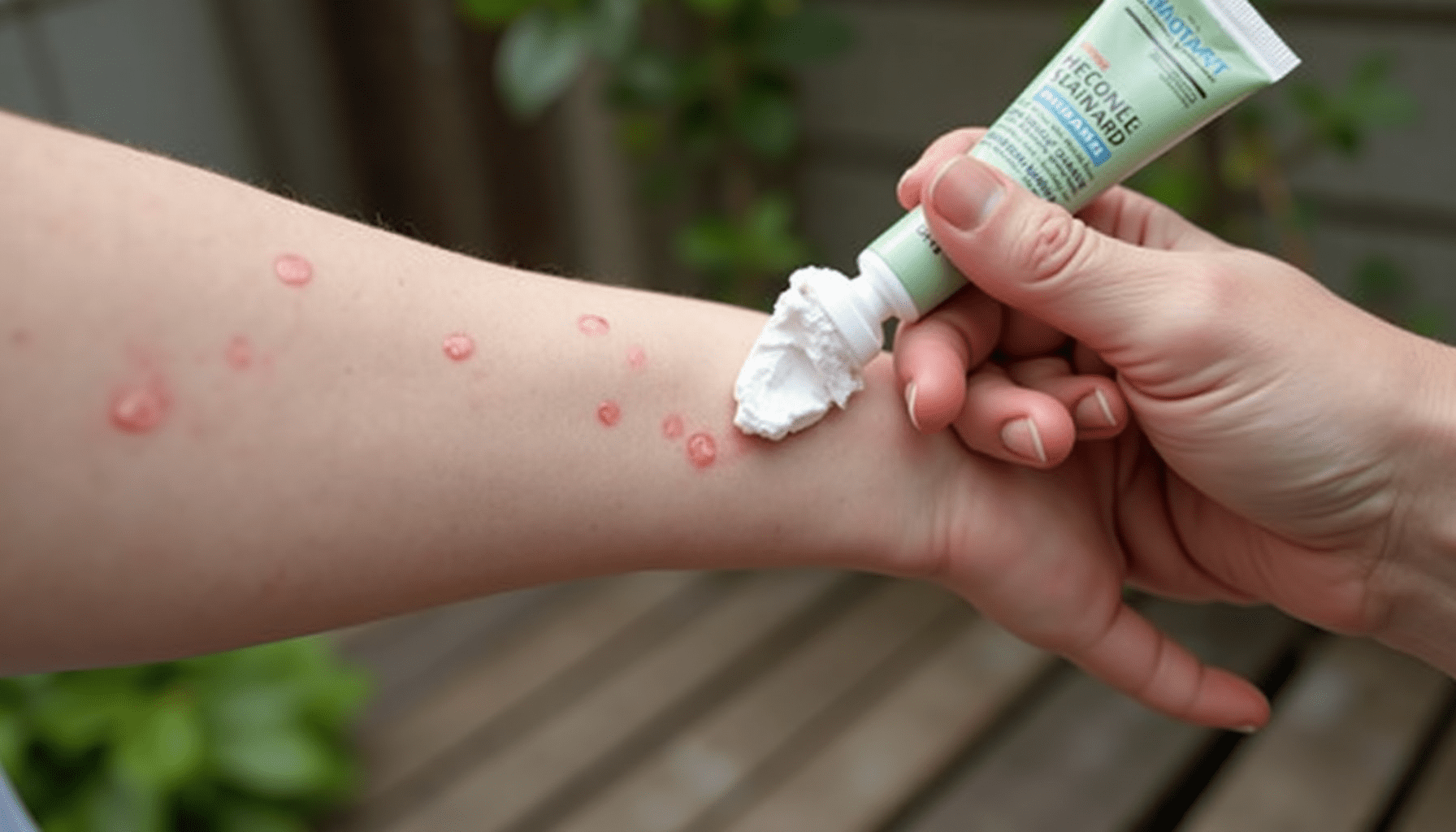
- Topical Anti-Itch Creams:
- Calamine lotion: A classic remedy that helps soothe irritated skin.
- Hydrocortisone cream (1% OTC): Reduces inflammation and itching.
- Menthol or camphor-based lotions: Provide a cooling sensation that can temporarily numb the itch.
- Oral Antihistamines: Over-the-counter antihistamines like diphenhydramine (Benadryl) or non-drowsy options can help reduce the body's allergic reaction and alleviate itching. Always follow label directions, especially regarding potential drowsiness.
- Cold Therapy: Applying cool compresses or ice packs (wrapped in cloth, never directly on skin) to the affected areas can reduce swelling and numb the itch.
For a more comprehensive guide on managing various insect bites, check out our article on effective insect bite treatment and relief strategies.

Preventing Secondary Infection
The most common complication of chigger bites is secondary bacterial infection, usually caused by scratching. To prevent this:
- Avoid Scratching: Keep fingernails short. If the itch is unbearable, consider covering severely itchy spots with a light bandage, especially at night, to prevent unconscious scratching.
- Antiseptic/Antibiotic Ointment: If the skin is broken from scratching, apply an over-the-counter antiseptic or antibiotic ointment to prevent infection.
When to See a Doctor
While most chigger bites resolve on their own with home care, there are instances when medical attention is warranted:
- Signs of Infection: If you notice increasing redness, warmth, swelling, pus, or fever, these are indicators of a potential bacterial infection that may require prescription antibiotics.
- Worsening Bites: If the bites do not improve after about two weeks, or if they worsen despite home treatment.
- Severe Symptoms: Extensive rash, trouble sleeping due to intense itch, or signs of a severe allergic reaction (though rare with chiggers).
- Uncertain Diagnosis: If you're unsure if the bites are from chiggers or another pest, a medical professional can provide an accurate diagnosis. WebMD advises seeking care for persistent or worsening symptoms.
Preventing Chigger Bites: Your Best Defense
The best way to deal with chigger bites is to avoid them altogether. Proactive prevention strategies can significantly reduce your risk of exposure, especially if you enjoy spending time in chigger-prone environments.
Avoiding High-Risk Habitats
Chiggers thrive in specific environments. They are common in grassy, brushy, weedy, or wooded areas, particularly where there is tall grass, dense vegetation, or along the edges of forests and fields. They are especially abundant in warm, humid months, from late spring through early fall, and in moist areas near lakes, streams, and shaded ground cover.
To prevent chigger bites, entomologists recommend:
- Stay on Trails: When hiking, stick to established paths and avoid brushing against tall grass, weeds, and dense undergrowth.
- Be Mindful of Season and Weather: Exercise extra caution during warm, humid periods when chigger activity is highest.
Physical Barriers: Protective Clothing
Creating a physical barrier between your skin and chiggers is a highly effective prevention method:
- Cover Up: Wear long-sleeved shirts, long pants, and closed shoes or boots when venturing into chigger-prone areas.
- Tuck In: Tuck your pant legs into your socks or boots to prevent mites from crawling up your legs. Button cuffs and collars to minimize entry points.
- Fabric Choice: Loose-fitting, tightly woven fabrics can reduce the chances of mites reaching your skin.
Chemical Protection: Repellents and Insecticides
For added protection, especially in heavily infested areas, chemical repellents and clothing treatments are invaluable:
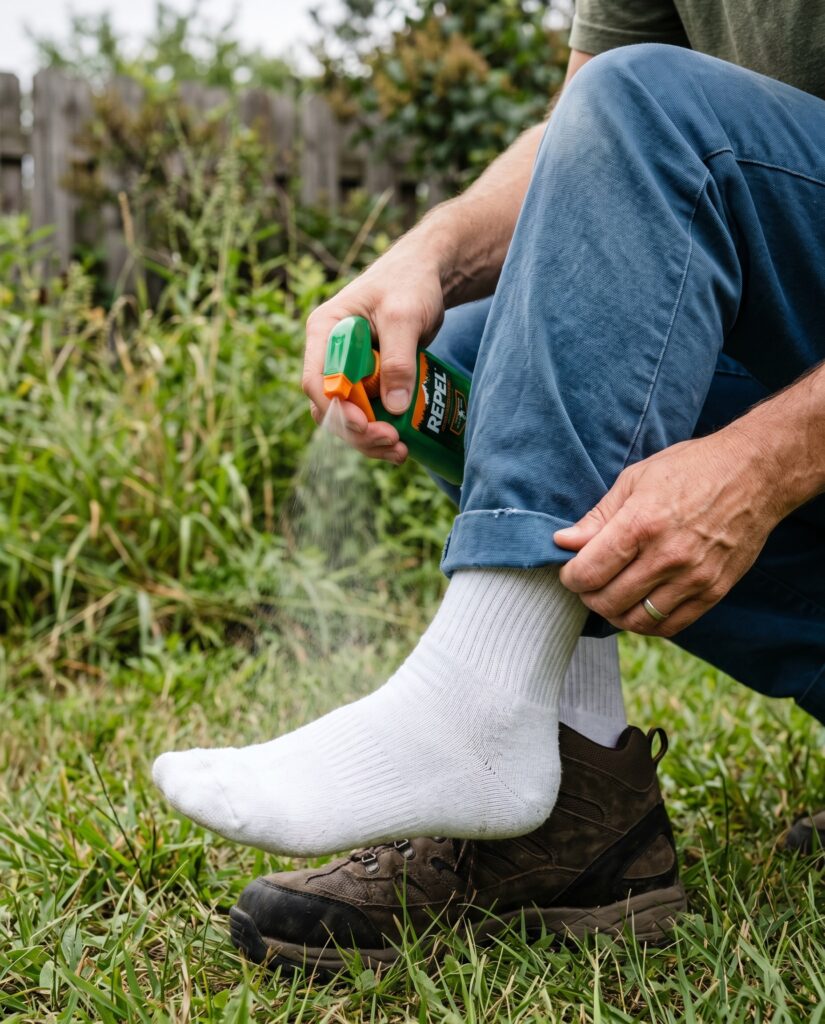
- DEET: Apply products containing N,N-diethyl-meta-toluamide (DEET) to exposed skin. Focus on ankles, legs, and waistline. Reapply as directed, as its effectiveness diminishes over several hours.
- Permethrin: Treat clothing, shoes, and outdoor gear with permethrin. Unlike DEET, permethrin is an insecticide that kills or repels chiggers and other arthropods. Never apply permethrin directly to skin. When applied to clothing, it remains effective through several washes.
- Picaridin or IR3535: These are alternative repellents that can be applied to skin and are also effective against chiggers.
For detailed guidance on choosing and using these protective measures, explore our articles on choosing the best insect repellents and repellents effective against ticks and other mites, including permethrin for clothing.
Yard Management
If chiggers are a persistent problem in your own yard, some habitat modifications can help reduce their numbers:
- Mow Regularly: Keep your lawn mowed short and trim back brush, especially in areas where children or pets play.
- Reduce Groundcover: Clear dense groundcover and weeds, as these provide ideal habitats for chiggers.
- Targeted Insecticides: In cases of heavy infestation, some extension services suggest applying residual insecticide sprays (e.g., bifenthrin, cyfluthrin, esfenvalerate, permethrin) to targeted zones in your yard. Always follow label directions and local regulations when using pesticides.
Common Myths About Chigger Bites
Misinformation about chiggers is widespread, often leading to ineffective or even harmful home remedies. Let's debunk some common myths to ensure you're armed with accurate knowledge.
Myth 1: Chiggers Burrow into Your Skin and Stay There
This is perhaps the most persistent myth. Chiggers do not burrow into your skin. They attach to the surface and feed using a stylostome, then detach and fall off after a few hours to a couple of days. The intense itching and rash are your body's reaction to their digestive enzymes, not a bug trapped beneath your skin. The Texas A&M AgriLife Extension Service explicitly states that chiggers do not burrow.
Myth 2: You Can Suffocate Chiggers with Nail Polish, Bleach, or Gasoline
This is false and potentially dangerous. By the time you feel the itch, the chigger mites are usually long gone. Applying substances like nail polish, bleach, or gasoline to a bite will not "suffocate" a mite that isn't there. Worse, these harsh chemicals can irritate or damage your skin, potentially leading to chemical burns or secondary infections. Focus on washing and anti-itch treatments instead.
Myth 3: Chigger Bites Mean My Yard or House is Dirty
Not at all. Chiggers thrive in natural outdoor vegetation, particularly tall grasses, weeds, and brush. They are not indicators of poor hygiene or an unclean home. Infestations are related to outdoor habitat, not indoor cleanliness. If you get chigger bites, it means you've spent time in an environment where these mites are present.
Myth 4: Chiggers in the U.S. Spread Dangerous Diseases
This is misleading. While some chigger species in Asia transmit scrub typhus, typical North American chiggers are not known to transmit diseases to humans. In the U.S., the main concern is the intense itch and the potential for secondary bacterial infection from scratching, as confirmed by WebMD and Cleveland Clinic.
Myth 5: If I Don't See a Bug, It Can't Be a Chigger
False. Chigger larvae are tiny, measuring only about 0.2 millimeters. They are often invisible to the naked eye, especially on your skin. It is entirely normal to experience chigger bites without ever seeing the mites themselves. Their minute size is precisely why they can go unnoticed until the itching begins.
Myth 6: Once Bitten, the Itching Will Last Forever / Scar Badly
This is an exaggeration. While chigger bites can be intensely itchy, the discomfort usually resolves within one to two weeks. Persistent pigment changes or small scars can occur if bites are repeatedly scratched and become infected, but most bites heal completely without lasting marks. Proper care and avoiding scratching significantly reduce the risk of scarring.
Conclusion
Chigger bites can certainly put a damper on outdoor activities, but with the right knowledge, you can effectively manage and prevent them. Remember that these tiny larval mites do not burrow into your skin but cause an allergic reaction that leads to intense itching. By taking simple precautions like wearing protective clothing, using repellents, and showering promptly after outdoor exposure, you can significantly reduce your risk. If you do get bitten, focus on immediate washing and soothing the itch with topical creams and oral antihistamines, and always watch for signs of secondary infection.
For more insights into protecting yourself from various insect nuisances and understanding the fascinating world of arthropods, continue exploring InsectoGuide.com. You might find our guides on choosing the best insect repellents or effective insect bite treatment and relief strategies particularly helpful.