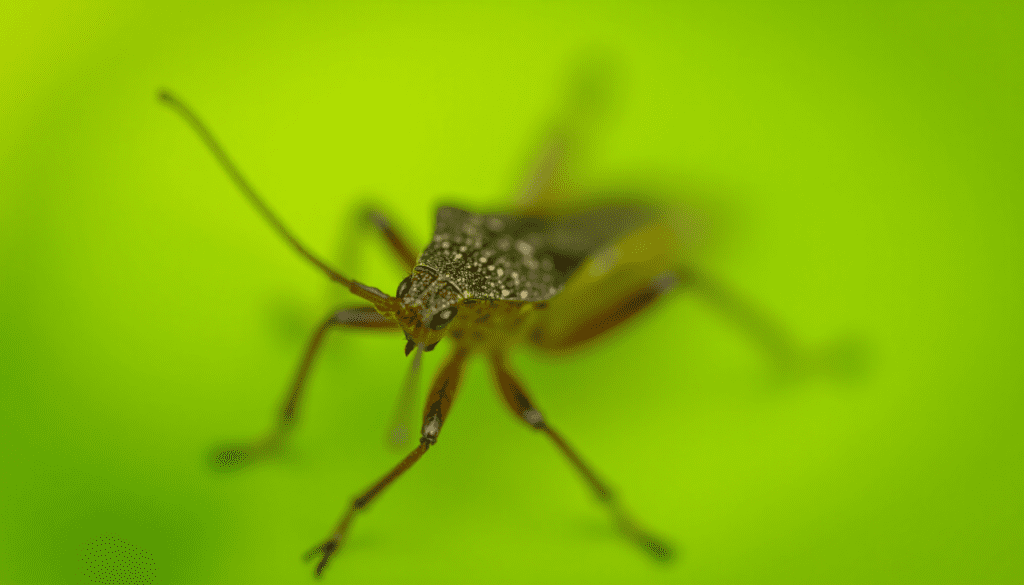
Finding unwanted pests or diseases on your beloved plants can be disheartening, whether it's a prized houseplant or your thriving vegetable garden. Many gardeners seek effective, yet gentle, solutions that align with organic principles. This is where neem oil sprays come into play, offering a versatile and natural approach to plant protection. These botanical extracts have become a cornerstone for those looking to manage common plant issues without resorting to harsh chemicals, working to deter pests and suppress fungal growth.
Bottom line: Neem oil sprays are a popular organic pest control option for plants, derived from the neem tree. They work by disrupting insect feeding and growth, and also possess fungistatic properties.
- Primary Use: Controls soft-bodied pests like aphids, spider mites, whiteflies, and helps manage fungal issues like powdery mildew.
- How it Works: The active compound, azadirachtin, acts as an antifeedant and insect growth regulator, while other components can smother pests on contact.
- Application: Apply as a foliar spray or soil drench, typically every 7-14 days during early morning or late evening.
- Safety: Considered low-toxicity for humans and mammals when used as directed, and generally has a low impact on beneficial insects if applied correctly.
- Key Benefit: Offers a multi-pronged, natural defense for a wide range of plant problems, making it a valuable tool for organic gardening.

Neem oil basics
Neem oil is a remarkable botanical extract pressed from the seeds of the neem tree, Azadirachta indica, a fast-growing evergreen native to the Indian subcontinent. For centuries, various parts of the neem tree have been used in traditional medicine and agriculture due to their diverse beneficial properties. In modern gardening, it's celebrated primarily for its role as a natural pesticide and fungicide.
The effectiveness of neem oil stems from its complex composition. While it contains numerous compounds, the star player is azadirachtin, a potent limonoid responsible for most of its insecticidal activity. However, other related compounds like salannin and nimbin also contribute to its overall efficacy, often working synergistically. This unique blend of active ingredients gives neem oil its multi-faceted approach to pest and disease management.
When applied to plants, neem oil doesn't just act as a simple contact killer. It employs several modes of action to disrupt the life cycles of various pests. Primarily, azadirachtin acts as an antifeedant, meaning insects stop or significantly reduce their feeding shortly after exposure. This prevents them from damaging plants further and starves them over time. Additionally, it functions as an insect growth regulator (IGR), interfering with the hormonal balance of immature insects. This disruption prevents larvae and nymphs from molting properly, leading to deformities or death before they reach adulthood and can reproduce. For soft-bodied pests like aphids and spider mites, the oil itself can also act as a mild contact insecticide, smothering them when thoroughly applied.
Beyond insect control, neem oil also exhibits fungistatic properties, which means it can slow or inhibit the growth of certain fungal diseases. Gardeners often use it to combat common issues such as powdery mildew, rust, leaf spot, scab, and anthracnose. By reducing pest populations, neem oil can also indirectly help control sooty mold, which often grows on the sticky honeydew secreted by sap-sucking insects. Research from the University of Florida Entomology Department consistently highlights neem's broad spectrum of activity against various plant adversaries.
Choose a spray
Selecting the best neem oil spray for your plants depends on your specific needs, gardening style, and the types of pests or diseases you're targeting. Understanding the different product types available is the first step in making an informed choice for effective organic pest control.
Types of Neem Oil Products
- Ready-to-Use (RTU) Neem Oil Sprays: These products are pre-diluted and come in a spray bottle, making them incredibly convenient for beginners or those with only a few plants. They often contain a clarified hydrophobic extract of neem oil, typically around 0.9-1% active ingredient, along with water and emulsifiers. While easy to use, they are generally more expensive per unit of active ingredient compared to concentrates.
- Concentrated Cold-Pressed Neem Oil: This is often 100% pure, unrefined neem oil, sometimes labeled as "raw" or "horticultural neem oil." It must be mixed with water and a mild soap (as an emulsifier) before application. Cold-pressed oils are highly versatile and economical for larger gardens or frequent use. For maximum azadirachtin content, look for "cold-pressed" and "unrefined" labels.
- Azadirachtin-Based Concentrates: These formulations focus on the purified or partially purified azadirachtin fraction. They are often used as soil drenches in addition to foliar sprays, providing more predictable systemic activity within the plant. These are favored by advanced gardeners and IPM professionals for targeted applications.
- Neem Oil Blends and "3-in-1" Products: Many commercial products combine neem oil with other active ingredients like insecticidal soap, pyrethrins, or additional fungicides. These "insecticide-fungicide-miticide" products offer a broader spectrum of control. When considering these, always read the label carefully to ensure compatibility with edible plants and check for organic certifications.
Buyer's Checklist for Neem Oil Sprays
- Purpose & Target: Are you battling soft-bodied pests like aphids or spider mites on houseplants, or are you dealing with powdery mildew on roses? For combined issues, a 3-in-1 product might be suitable. For persistent soil-borne pests, consider a product labeled for soil drench use.
- Organic Status: If organic gardening is a priority, look for the OMRI-listed logo or explicit "for organic gardening" statements. This ensures the product meets organic production standards.
- Formulation & Ease of Use: Beginners might prefer RTU sprays. Experienced gardeners or those with larger areas may find concentrated cold-pressed neem oil more economical and versatile, despite the need for mixing.
- Concentration & Label Clarity: A clear label should specify the active ingredient, dilution rates (e.g., 2 tablespoons per gallon), application intervals (e.g., every 7-14 days), and the Pre-Harvest Interval (PHI) for edibles.
- Plant Type Compatibility: Some products list specific plant groups (vegetables, herbs, ornamentals). Always check for warnings about sensitive species, such as certain ferns or succulents, which can be prone to phytotoxicity.
- Scent: Cold-pressed neem oil has a distinctive, pungent smell often described as garlic-like or curry-like. If using indoors, a clarified or refined neem oil product might be preferable due to its milder odor.
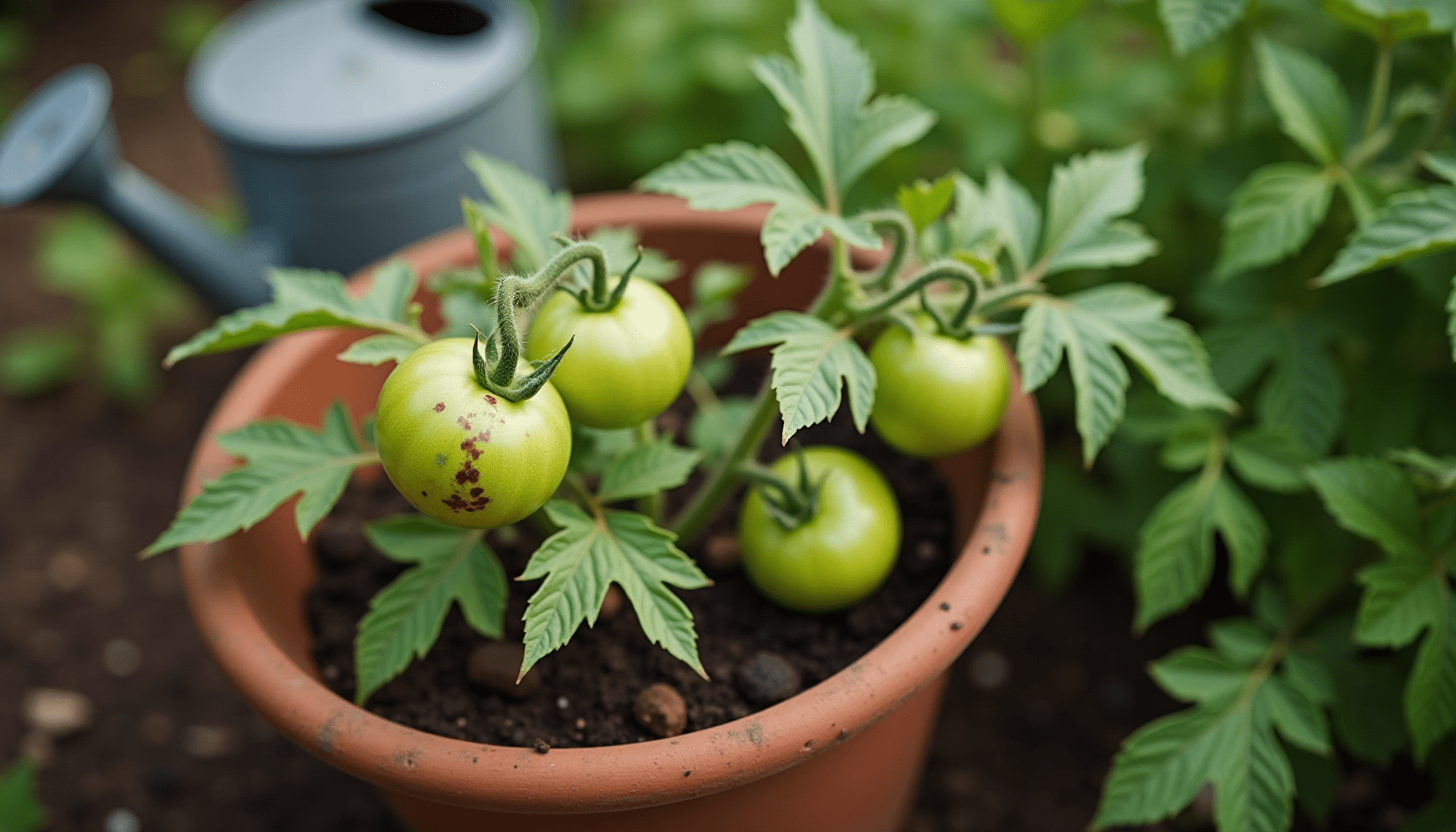
How to apply
Proper mixing and application are crucial to maximize the effectiveness of neem oil sprays while minimizing any potential risks to your plants or beneficial insects. Precision ensures you get the most out of your organic pest control efforts.
Mixing Neem Oil Concentrates
For a standard 0.5–1% neem foliar spray, follow these guidelines:
- For 1 quart (approx. 1 liter) of solution:
- Combine 1–2 teaspoons (5–10 ml) of concentrated neem oil.
- Add ⅓–1 teaspoon of a mild liquid soap (such as unscented dish soap or castile soap) to act as an emulsifier.
- Fill the container with lukewarm water (around 77°F or 25°C). The warmth helps the oil disperse evenly.
- For 1 gallon (approx. 3.8 liters) of solution:
- Use 2 tablespoons (30 ml) of concentrated neem oil.
- Add 1–2 teaspoons of mild soap.
- Top up with lukewarm water.
Mixing Steps:
- First, add the water and soap to your spray bottle or pump sprayer. Shake well until the soap is fully dissolved.
- Next, add the concentrated neem oil.
- Shake the mixture vigorously until it appears milky and uniform. This indicates the oil is properly emulsified.
- Continue to shake the sprayer periodically during use, as the oil can separate from the water over time.
- Important: Use the solution within about 24 hours. Neem oil degrades quickly in water, losing its potency, and separation can lead to inconsistent coverage.
Effective Application Techniques
Timing and Conditions:
The timing of your application is key to success. Always spray in the early morning or late evening. This helps prevent leaf burn, as direct midday sun combined with oil can scorch foliage. It also protects beneficial insects and pollinators, which are typically less active during these cooler parts of the day. Avoid spraying when:
- Temperatures are extremely high or low.
- A freeze is expected.
- Plants are stressed, wilted, newly transplanted, or otherwise unhealthy.
For dormant fruit trees, specialized neem oil dormant sprays can target overwintering pests and eggs when temperatures are above 40°F and no frost is in the forecast.
Thorough Coverage:
Neem oil is largely a contact-dependent treatment, meaning it needs to physically coat the target areas to be effective.
- Spray all leaf surfaces thoroughly, paying special attention to the undersides where many pests like spider mites, whiteflies, and aphids hide.
- Also cover stems, branch crotches, and the top layer of soil if you're targeting larvae (e.g., fungus gnats or some beetle larvae).
- For small houseplants, some gardeners even use a dipping method, submerging the entire foliage in a diluted neem solution to ensure complete coverage, especially for stubborn spider mite infestations.
Frequency:
- Active Infestations: For active pest problems, apply foliar sprays every 7–14 days until the pest population significantly declines. For rapidly reproducing pests like spider mites, some houseplant experts recommend more frequent applications, such as every 2–3 days for 2-3 initial treatments, followed by weekly maintenance.
- Preventive Use: For general prevention during susceptible periods (e.g., warm, humid conditions), apply once per week or every 1–2 weeks.
- For systemic or soil drench applications, always follow the specific intervals recommended on the product label, which can range from every 10–21 days.
Test First:
Before treating an entire plant, always test the diluted neem oil spray on a small, inconspicuous section and wait 24 hours. Check for any signs of leaf burn, spotting, or other adverse reactions before proceeding with a full application. This is especially important for new plants, sensitive species (like ferns or thin-leaved ornamentals), or plants recently treated with other oils or sulfur.
Harvesting Edibles:
Always check the Pre-Harvest Interval (PHI) on your specific neem product's label. Many neem oil products are approved for use up to the day of harvest when applied correctly, making them excellent for protecting your garden from ants without harming plants or other pests on edibles. However, some gardeners prefer to stop applications 2–3 weeks before harvest to avoid any potential flavor impact, especially for herbs or aromatic crops.

Common myths
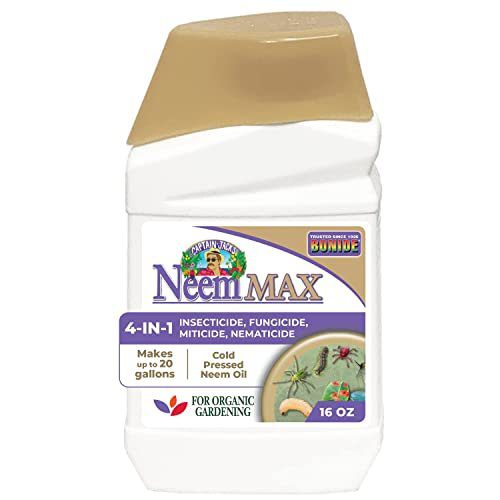
This highly-rated concentrate is a popular choice for gardeners seeking an organic, multi-purpose solution for pest and disease control, aligning perfectly with the article’s focus on effective neem oil sprays.
- Effective at controlling a wide range of garden pests (aphids, mites, whiteflies, fungus gnats, nematodes) and diseases like powdery mildew when used as directed
- Organic-friendly, cold-pressed neem formulation that can be used on many plants including vegetables, fruits, flowers, houseplants, and turf
- Versatile application options as both a foliar spray and soil drench, with clear mixing instructions for different use cases
- Concentrate has a strong neem odor that some users find unpleasant during and shortly after application
- Requires careful measuring, repeated applications, and correct dilution rates; some reviewers find the mixing and application process time-consuming or confusing
Despite its widespread use and effectiveness, several misconceptions about neem oil sprays persist. Addressing these can help gardeners use neem oil more effectively and safely.
Myth 1: “Neem oil is completely harmless and can’t hurt anything.”
Reality: While neem oil is considered a low-toxicity pesticide for humans and mammals when used as directed, it's not entirely without risk. Applying it in high concentrations, under direct sun, or to sensitive plants can cause phytotoxicity, leading to leaf burn or spotting. Furthermore, direct overspray can harm beneficial insects and pollinators if they are active on the plant during application. Always follow label directions, wear appropriate protective gear like gloves if recommended, and avoid inhaling the spray mist. The EPA registers neem as a biopesticide, indicating its low toxicity but still requiring responsible use.
Myth 2: “Neem oil works instantly and kills all bugs on contact.”
Reality: This is a common misunderstanding. Unlike synthetic "knockdown" pesticides, neem oil is often slow-acting. Its primary effects involve disrupting insect feeding and growth, not instant death. Pests may remain visible for several days after application but will stop feeding, fail to molt, and their populations will gradually decline over multiple life cycles. Expecting immediate results can lead gardeners to believe neem oil is ineffective. It's also not a universal solution; pests hidden deep within plant tissues (like borers) or heavily armored insects are less affected.
Myth 3: “If a little neem oil is good, more must be better.”
Reality: With neem oil, more is definitely not better. Using concentrations higher than the recommended 0.5-1% significantly increases the risk of phytotoxicity without necessarily improving pest control proportionally. Overdosing can stress your plants and lead to leaf damage. Always adhere strictly to the dilution rates provided on the product label. Using a stronger concentration than directed is not only unsafe for your plants but can also be illegal in many regions.
Myth 4: “Neem oil is a systemic pesticide in all forms and uses.”
Reality: The systemic activity of neem oil depends heavily on its formulation and application method. Clarified hydrophobic neem oil, commonly used in foliar sprays, primarily acts as a surface protectant and does not deeply translocate into plant tissues. However, products specifically formulated with azadirachtin, particularly when used as soil drenches, can exhibit more significant systemic activity. In these cases, the roots absorb the azadirachtin, which then moves throughout the plant, deterring feeding over days or weeks. Home-mixed cold-pressed neem oil sprayed on leaves is generally not reliably systemic.
Myth 5: “You can mix neem oil once and store it for weeks.”
Reality: This is a recipe for ineffective pest control. Once mixed with water, emulsified neem solutions begin to separate and degrade rapidly. They should be used within about 24 hours for optimal efficacy. Storing pre-mixed batches leads to weaker, unstable solutions and can cause your sprayer to clog. Always mix fresh batches just before each application.
Myth 6: “Neem oil alone will solve any serious pest problem.”
Reality: While highly effective, neem oil is best used as part of an Integrated Pest Management (IPM) approach. Severe infestations often require a multi-pronged strategy. This might include mechanical removal (such as pruning affected parts, washing pests off with water, or using sticky traps), employing biological controls (like introducing beneficial insects such as ladybugs or predatory mites), and making environmental adjustments (improving airflow, adjusting humidity, or proper watering). For comprehensive garden health, consider complementary strategies like planting mosquito repellent plants or learning how to attract pollinators to your garden. Relying solely on neem oil for a major infestation might not yield the desired results.
Final picks
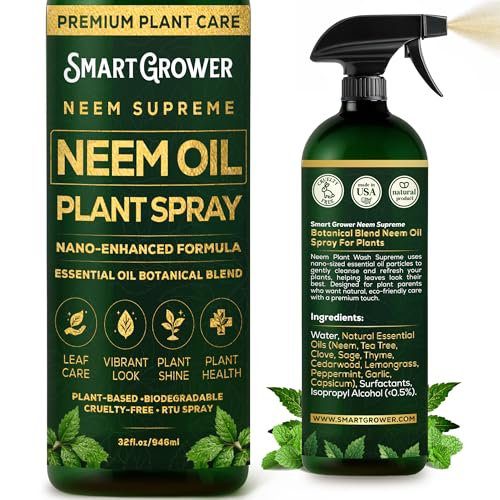
This ready-to-use neem oil spray provides a convenient option for beginners or those with fewer plants, eliminating the need for mixing and making immediate application for pest and disease management simple.
- Ready-to-use neem-based plant spray that requires no mixing or dilution, making it convenient for quick application on indoor and outdoor plants
- Fine-mist sprayer provides even coverage on both tops and undersides of leaves, helping with pest control and leaf cleaning
- Includes a botanical blend with natural essential oils that some users like for improving leaf shine and general plant appearance
- Some users report that the neem and essential oil scent is strong or unpleasant, especially when used indoors
- A minority of reviewers note variable effectiveness on tougher infestations and feel it works better as a light maintenance or preventative spray than as a cure-all
Neem oil sprays offer a powerful, natural, and versatile solution for managing a wide array of plant pests and diseases. By understanding what neem oil is, how it works, and how to properly choose, mix, and apply it, you can effectively protect your plants while minimizing environmental impact. Remember to prioritize proper application timing, thorough coverage, and adherence to label instructions to achieve the best results.
While neem oil is a cornerstone of organic pest control, it's most effective when integrated into a broader plant care strategy. Embrace the principles of Integrated Pest Management, combining neem oil with good cultural practices and regular plant inspection. With mindful use, neem oil sprays can be an invaluable tool in cultivating a healthy, thriving garden.
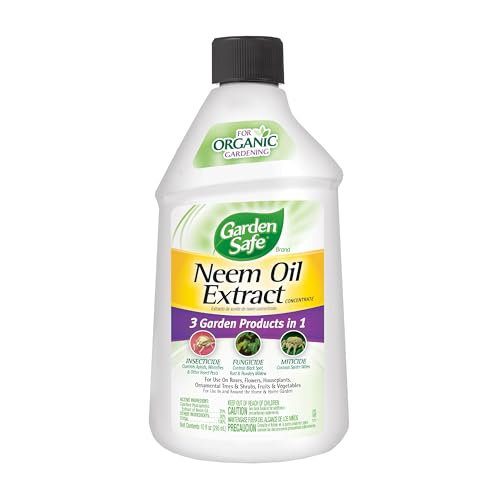
Another widely recognized and trusted neem oil concentrate, this product offers a convenient way for readers to mix their own spray solutions for comprehensive plant protection against common pests and fungi.
- Effectively controls common plant pests like aphids, whiteflies, spider mites and gnats, often within a few applications
- Helps prevent and treat fungal issues such as powdery mildew, black spot and rust on roses, ornamentals and edibles
- Concentrated formula is easy to mix, goes a long way, and is suitable for use in organic gardening and on houseplants
- Can cause leaf burn or plant stress if used in strong sun, mixed too strongly, or applied too frequently
- Some users dislike the odor or find application somewhat messy and labor‑intensive due to frequent reapplication needs
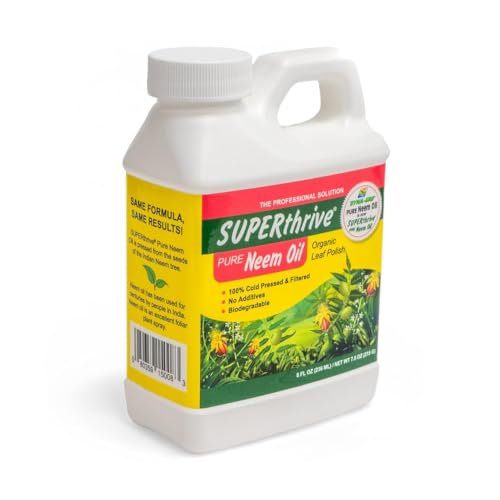
For readers looking for a pure, cold-pressed neem oil concentrate, Dyna-Gro offers a high-quality option that can be diluted and used as an effective organic pesticide and fungicide, as discussed in the article.
- Effectively controls a wide range of garden pests (e.g., whiteflies, caterpillars, thrips, leafminers) while being considered safer and more natural than many synthetic pesticides
- Cold-pressed, 100% pure neem seed oil that can be mixed to make many gallons of solution, making the small 8 oz bottle highly concentrated and economical
- Improves plant appearance by producing clean, naturally shiny leaves without clogging stomata or interfering with photosynthesis
- Requires careful mixing with water and a mild soap/emulsifier, and repeated applications (often weekly or biweekly), which some users find inconvenient or time‑consuming
- Neem’s strong natural odor can be unpleasant to some users and lingers on plants after application
As an Amazon Associate, I earn from qualifying purchases. Product recommendations are based on real reviews and independent research.