Finding an elegant, natural solution to garden pests is a common goal for many gardeners. Among the diverse array of beneficial insects, praying mantis egg cases are often touted as a powerful, chemical-free option for pest control. These fascinating oothecae promise a new generation of predators ready to patrol your plants. While mantises are undeniably intriguing and contribute to garden ecology, understanding their true role and how to best utilize them requires a closer look. This guide will help you navigate the world of praying mantis egg cases, from selection and hatching to their actual impact on your garden's ecosystem.
Bottom line: Praying mantis egg cases offer a natural, pesticide-free approach to pest management, but they are generalist predators, meaning they eat many types of insects, not just pests. Expect 50-200 nymphs per egg case, which will hatch when temperatures consistently reach 18-21 °C (65-70 °F) for several weeks. To maximize success, store egg cases properly in a cool, unheated area, then attach them to sturdy plant stems about 2 feet above ground in partial shade. While they contribute to overall garden biodiversity, they are not a "magic bullet" for targeted pest control and should be part of a broader integrated pest management strategy.
How egg cases work
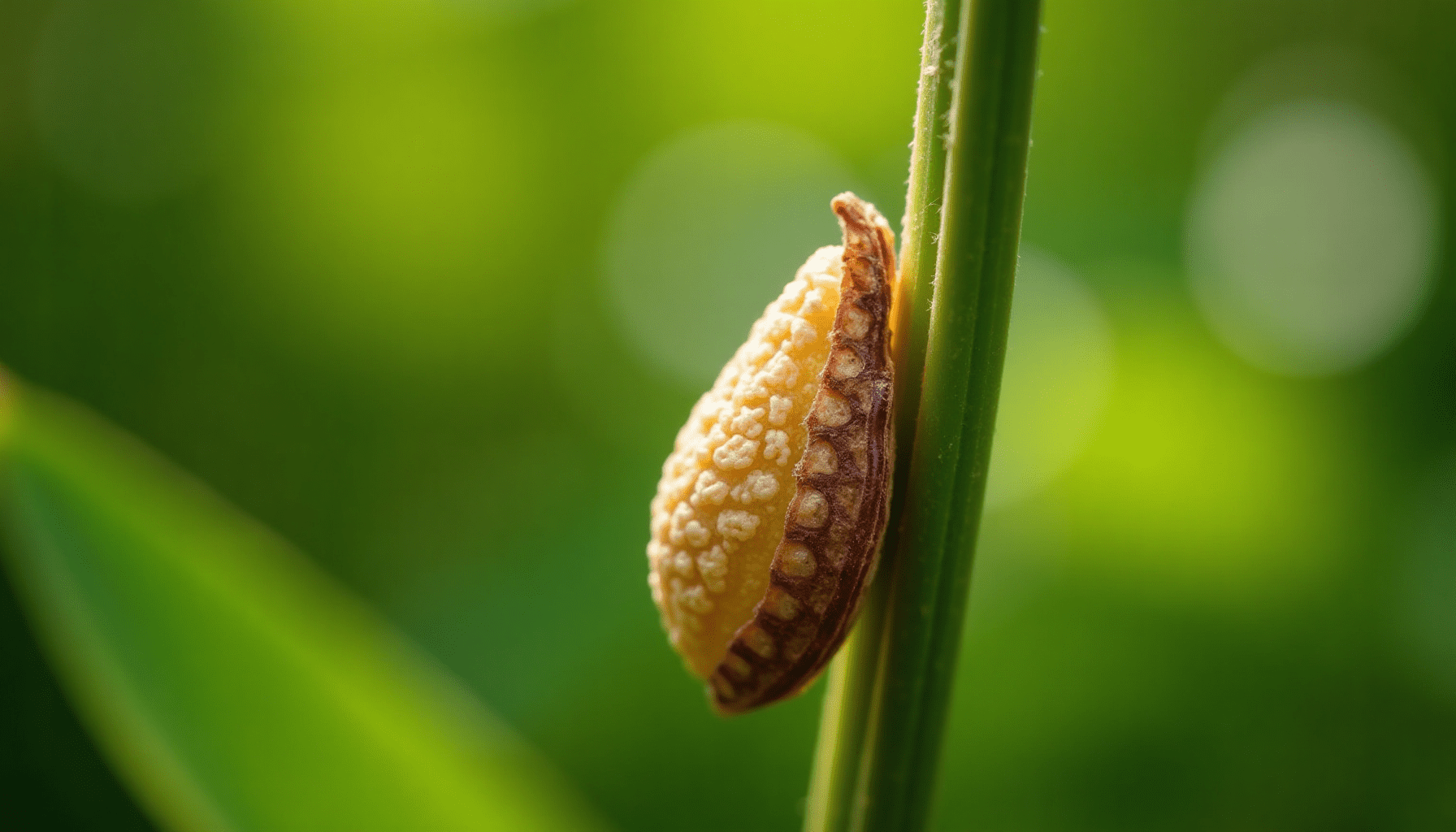
Praying mantises are captivating insects, and their egg cases, known as oothecae, hold the promise of a thriving population of garden predators. These hardened, foamy structures protect dozens, sometimes hundreds, of tiny mantis nymphs through winter until conditions are right for hatching. When you introduce praying mantis egg cases to your garden, you're essentially giving nature a helping hand, but it's important to understand the mechanics behind this natural pest control method.
Each ootheca can contain a surprisingly large number of potential mantises. While commercial sources and garden suppliers often cite a broad range, you can realistically expect anywhere from 50 to 200 nymphs to emerge from a single purchased egg case, though natural variability is wide. The hatching process itself is triggered not by a calendar date, but by consistent warmth. Mantis eggs typically hatch in 2-8 weeks once sustained temperatures reach around 18-21 °C (65-70 °F) for several weeks. This natural timing helps ensure that the young mantises emerge when other insect populations, their food source, are also becoming active in the spring.
Once hatched, these tiny mantises are ready to hunt. They are generalist predators, meaning they aren't picky eaters. Young nymphs will feast on soft-bodied insects like aphids, thrips, small caterpillars, and leafhoppers. As they grow into adults, their diet expands to include larger prey such as earwigs, chinch bugs, beetles, and grasshoppers. This broad diet is a double-edged sword for gardeners. While they do consume pests, they also prey on beneficial insects like pollinators, lady beetles, and lacewings. This indiscriminate hunting style means that while mantises contribute to overall insect mortality in your garden, they are generally not considered reliable for targeted suppression of specific pest outbreaks. Instead, think of them as part of a diverse ecosystem that helps maintain balance, rather than a precision tool for eliminating a particular problem.
Choose and handle
Selecting the right praying mantis egg cases and knowing how to handle them properly are crucial steps for successful integration into your garden. Not all mantises are the same, and their origin can have ecological implications. The two species most commonly sold in North America are the Chinese mantis (Tenodera sinensis) and, less frequently, the Carolina mantis (Stagmomantis carolina).
The Chinese mantis is a large, impressive insect, growing up to 10 cm (4 inches) long. It's widely available commercially and is now naturalized across much of North America, having been introduced in the late 19th century. While its presence is widespread, some conservationists recommend caution when deliberately releasing non-native species, especially near natural habitats, as they can compete with or prey on native mantis species and other beneficial arthropods. The Carolina mantis, on the other hand, is native to many parts of the southeastern and midwestern U.S. It's smaller than the Chinese mantis, which might make it a slightly less impactful predator on larger pollinators. When choosing, look for suppliers who clearly label the species and prioritize native options if you live in a region where the Carolina mantis is indigenous.
Here’s a quick comparison to help you choose:
-
Chinese Mantis (Tenodera sinensis)
- Size: Large (up to 4 inches)
- Availability: Very common in the trade
- Native Status: Non-native in North America (naturalized)
- Consideration: May impact native insects more due to size and non-native status.
-
Carolina Mantis (Stagmomantis carolina)
- Size: Smaller (typically 2-2.5 inches)
- Availability: Less common, but available
- Native Status: Native to many parts of the U.S.
- Consideration: Generally preferred for ecological reasons in its native range.
When it comes to quantity, many suppliers suggest 1-2 egg cases per 1,000-2,000 square feet. However, given the high mortality rate of nymphs, starting modestly with 1-3 cases for a typical backyard garden is often sufficient. Purchase your egg cases in late winter to early spring, allowing them to experience natural warming cycles outdoors. If you receive them before outdoor temperatures are consistently mild, store them in a cool, unheated, but frost-protected place like a garage or cold basement. Avoid keeping them at warm room temperature for extended periods, as this can trigger premature hatching indoors. Keep them in a ventilated container, not a sealed plastic bag, to prevent mold.
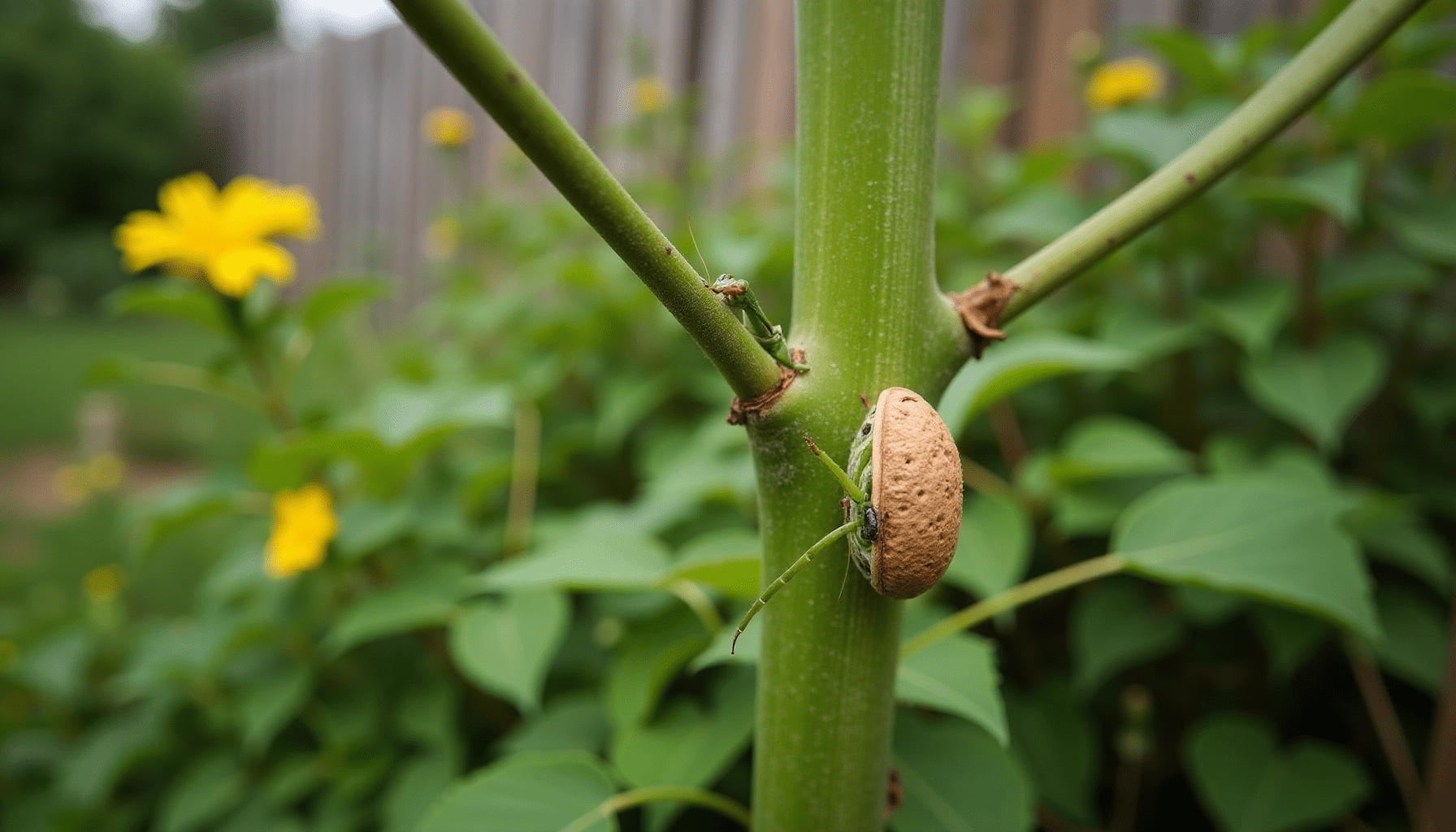
For outdoor placement, attach each egg case about 2 feet or more above the ground on a sturdy plant stem, twig, or shrub. This height helps protect them from ground predators. You can use soft garden wire, twine, or thread to gently secure the ootheca through its outer foam layer. Place them in partial shade to prevent them from drying out or overheating. If garden ants are a concern, which can prey on newly hatched nymphs, you can apply a thin layer of petroleum jelly or horticultural oil to the string you use to hang the egg case, creating a barrier. For more tips on managing garden ants, explore our guide on How to Get Rid of Garden Ants Without Harming Plants.
If you wish to observe the hatching process, you can place an egg case in a screened container or mesh bag indoors. Once the nymphs emerge, typically within a day or two, release them promptly into the garden by gently tapping them onto foliage. Do not keep hundreds of nymphs in a small container; they are highly cannibalistic and will quickly starve or eat each other if confined. Release them into diverse, pesticide-free areas with flowering plants, shrubs, and perennials to provide both food and shelter.
Fit into IPM
While releasing praying mantis egg cases can be a rewarding experience, it's crucial to understand how these fascinating predators truly fit into your garden's broader ecological picture. Mantises undergo hemimetabolous development, meaning the nymphs emerge looking like miniature adults, about 1-1.5 cm (½ inch) long. They will molt multiple times throughout the spring and summer, growing significantly. However, a scientific understanding reveals that very few of the hundreds of nymphs you release will survive to adulthood. This high mortality is due to a combination of factors, including intraspecific predation (cannibalism, especially when crowded), predation by birds, spiders, and other insectivores, and a simple lack of sufficient food or suitable microhabitat. Furthermore, survivors will not stay confined to your garden; they are solitary by nature and will disperse throughout the surrounding landscape in search of their own territory and prey.
This dispersal and high mortality rate mean that mantises, while charismatic, are not highly effective as targeted biocontrol agents for specific pest outbreaks in open garden settings. As noted by GardenMyths.com, mantids are "unlikely to control specific pests" because they "eat a few of every insect in the garden." They do contribute to natural pest mortality, but they don't specialize in major garden pests and are just as likely to consume beneficial insects like bees, butterflies, lacewings, and lady beetles. For example, while lady beetles are often a gardener's go-to for aphid control, mantises will readily eat them too. Learn more about these valuable garden allies in our guides on Beneficial Insects: 20 Bugs You Want in Your Garden and How to Identify Ladybugs: Types, Colors & Look-Alikes.
Therefore, rather than relying on praying mantis egg cases as a "magic bullet," consider them one small component of a comprehensive integrated pest management (IPM) strategy. The most sustainable approach to pest control involves fostering a diverse and resilient garden ecosystem.
Here’s how to create a mantis-friendly garden that supports overall beneficial insect activity:
- Habitat Management: Plant a variety of native plants and flowering species to attract and support a broad community of beneficial insects, including specialist predators and parasitoids that are often more effective for specific pests. Providing layered structure—ground covers, perennials, shrubs, and small trees—offers hiding places and hunting perches for mantises and other predators. Leaving some leaf litter and hollow stems over winter also creates crucial overwintering sites for beneficials like ground beetles and solitary bees. For more tips on attracting helpful insects, see our article on How to Attract Pollinators to Your Garden.
- Avoid Broad-Spectrum Insecticides: These chemicals kill mantises and a wide array of other beneficial insects that are often more efficient at pest control.
- Use Targeted Biocontrol First: For specific pest issues like aphids, mites, or whiteflies, specialist predators and parasitoids (e.g., lacewings, predatory mites, parasitoid wasps) are usually more effective and less detrimental to the overall beneficial insect population.
- Monitoring and Thresholds: Regularly inspect your plants for pests. Act only when pest populations reach a level that threatens plant health, rather than automatically applying control measures or releasing generalist predators.
Common myths
Despite their popularity in garden lore, several misconceptions surround the use of praying mantis egg cases for pest control. Separating fact from fiction helps gardeners make informed decisions and manage expectations.
Myth 1: “Praying mantis egg cases are a magic bullet for pest control.”
Reality: This is perhaps the most common misconception. As discussed, mantises are generalist predators. They don't specifically target "pest" insects. They simply eat whatever is easiest to catch and within their reach, whether it's an aphid, a beneficial lady beetle, or a pollinating bee. Releasing mantises won't guarantee a solution to a specific pest problem like a severe aphid infestation or an army of cabbage worms. They are better viewed as contributors to the overall ecological balance of your garden, rather than precise pest control tools.
Myth 2: “More egg cases equal better control.”
Reality: Releasing a large number of praying mantis egg cases often leads to diminishing returns. When hundreds of nymphs hatch in a confined area, it can increase cannibalism among them due to competition for food and space. This often results in a short-term spike in mantis numbers followed by a rapid crash, with no sustained long-term benefit. Most nymphs will not survive to adulthood, and many will disperse far beyond your garden boundaries. It's more sustainable to release modest numbers and focus on creating a diverse habitat that naturally attracts and supports a variety of beneficial insects.
Myth 3: “Praying mantises only eat bad bugs.”
Reality: This myth stems from a misunderstanding of a mantis's predatory nature. Mantises are indiscriminate hunters. While they will certainly consume common garden pests like aphids, moths, beetle larvae, and grasshoppers, they are equally likely to catch and eat beneficial insects such as bees, butterflies, hoverflies, lacewings, and even other mantises. For gardeners focused on supporting pollinators, this trade-off is an important consideration. A study summarized by GardenMyths.com highlights their indiscriminate predation, noting they will eat "a few of every insect in the garden."
Myth 4: “They are strictly ‘eco-friendly’ and always beneficial.”
Reality: From a pesticide-free perspective, mantises are indeed safe for humans and pets and introduce no chemicals into the environment. However, the term "eco-friendly" becomes more complex when considering the species involved. If you are releasing non-native species, such as the Chinese mantis, in high numbers, there are ecological implications. Non-native predators can compete with or prey on native mantis species and other beneficial arthropods, potentially disrupting local food webs. For ecologically sensitive gardeners, prioritizing native mantis species (where available) and focusing on enhancing habitat for naturally occurring beneficial insects can align better with conservation goals.
Myth 5: “Mantises regularly attack hummingbirds and small birds.”
Reality: While sensational claims about mantises eating hummingbirds occasionally circulate, there is no reliable evidence that this is a common occurrence in typical backyard gardens. Mantises are opportunistic predators, and there are rare, documented cases of them attacking small vertebrates, including birds or reptiles, but these are highly exceptional events. In a typical garden setting, hummingbirds are far more likely to ignore mantises or even prey on them than the other way around. As GardenMyths.com states, "Although mantids are large, they are not big enough to reliably attack a bird. They are more likely to become food for a bird."
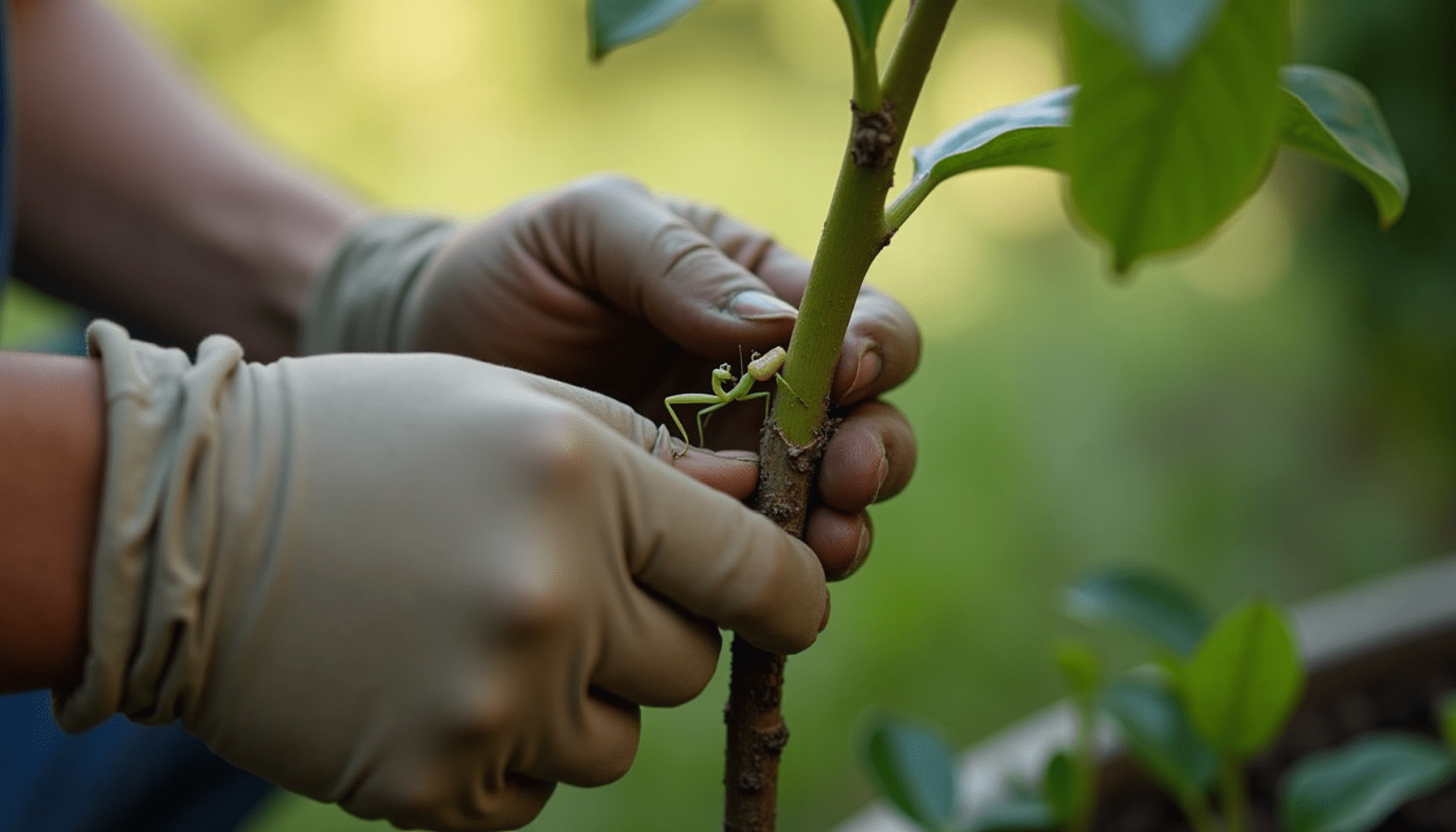
Final verdict
Praying mantis egg cases offer an intriguing and pesticide-free way to introduce a fascinating predator into your garden. While they contribute to the overall biodiversity and natural pest mortality, it's essential to approach their use with realistic expectations. Mantises are generalist predators, meaning they won't specifically target your worst pests and may also consume beneficial insects. By understanding their life cycle, proper handling, and ecological role, you can make an informed decision about integrating these unique insects into your garden.
For truly effective and sustainable pest management, consider praying mantis egg cases as one component of a broader integrated pest management strategy. Focus on creating a diverse, pesticide-free habitat that naturally attracts a wide array of beneficial insects, ensuring a balanced and thriving ecosystem. This holistic approach will support both your plants and the incredible insect life that makes your garden vibrant.
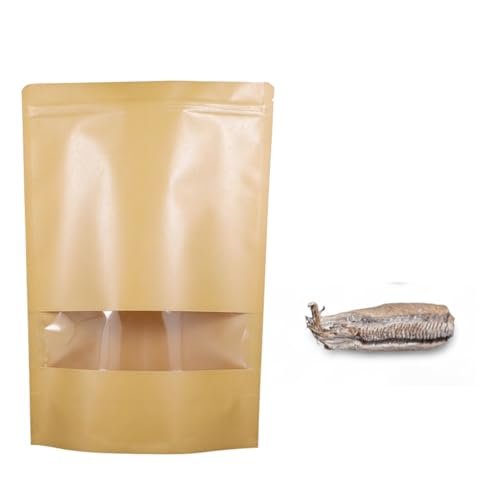
Directly addresses the article’s main topic by providing the primary product discussed: praying mantis egg cases for natural pest control.
- Fun, educational experience for kids and classrooms to observe the praying mantis life cycle up close
- Provides a natural, eco‑friendly form of garden pest control once nymphs are released outdoors
- Included hatching habitat/bag and instructions make setup and care for the egg case relatively easy for beginners
- Hatching timing and number of nymphs can be unpredictable, so some buyers report fewer babies or delayed hatching compared with expectations
- Requires careful temperature control and handling; if directions aren’t followed closely, egg cases may fail to hatch or nymphs may not survive
As an Amazon Associate, I earn from qualifying purchases. Product recommendations are based on real reviews and independent research.