Tired of seeing tiny white specks fluttering around your beloved plants? You're likely dealing with whiteflies on plants, a common and frustrating pest for gardeners and houseplant enthusiasts alike. These small, sap-sucking insects can quickly multiply, leading to yellowing leaves, stunted growth, and sticky residue. The good news is that by understanding their behavior and applying a combination of proven strategies, you can effectively identify, prevent, and eliminate whiteflies, restoring your plants to their vibrant health.
Bottom line: Dealing with whiteflies requires a multi-pronged approach, not a single quick fix. Here’s what to do first:
- Identify: Look for tiny, moth-like insects that fly up when disturbed, sticky honeydew, and scale-like nymphs on leaf undersides.
- Isolate: Immediately move infested plants away from healthy ones to prevent spread.
- Mechanical Removal: Use a strong spray of water to dislodge adults and nymphs, or gently vacuum adults in the early morning.
- Treat: Apply insecticidal soap or neem oil thoroughly to leaf undersides, repeating every 4-7 days for several weeks.
- Monitor: Place yellow sticky traps near plants to catch adults and track population levels.
Identify whiteflies
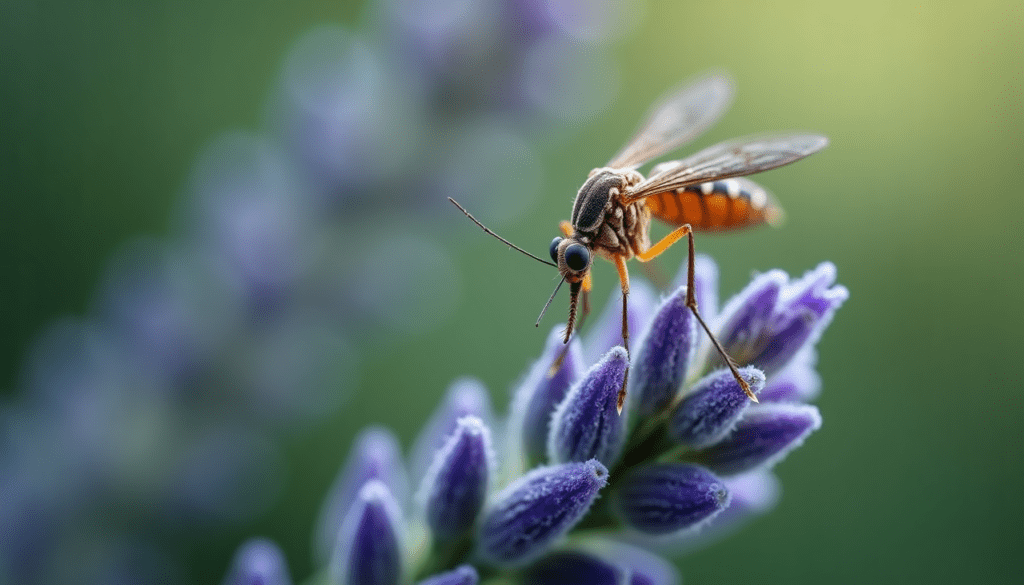
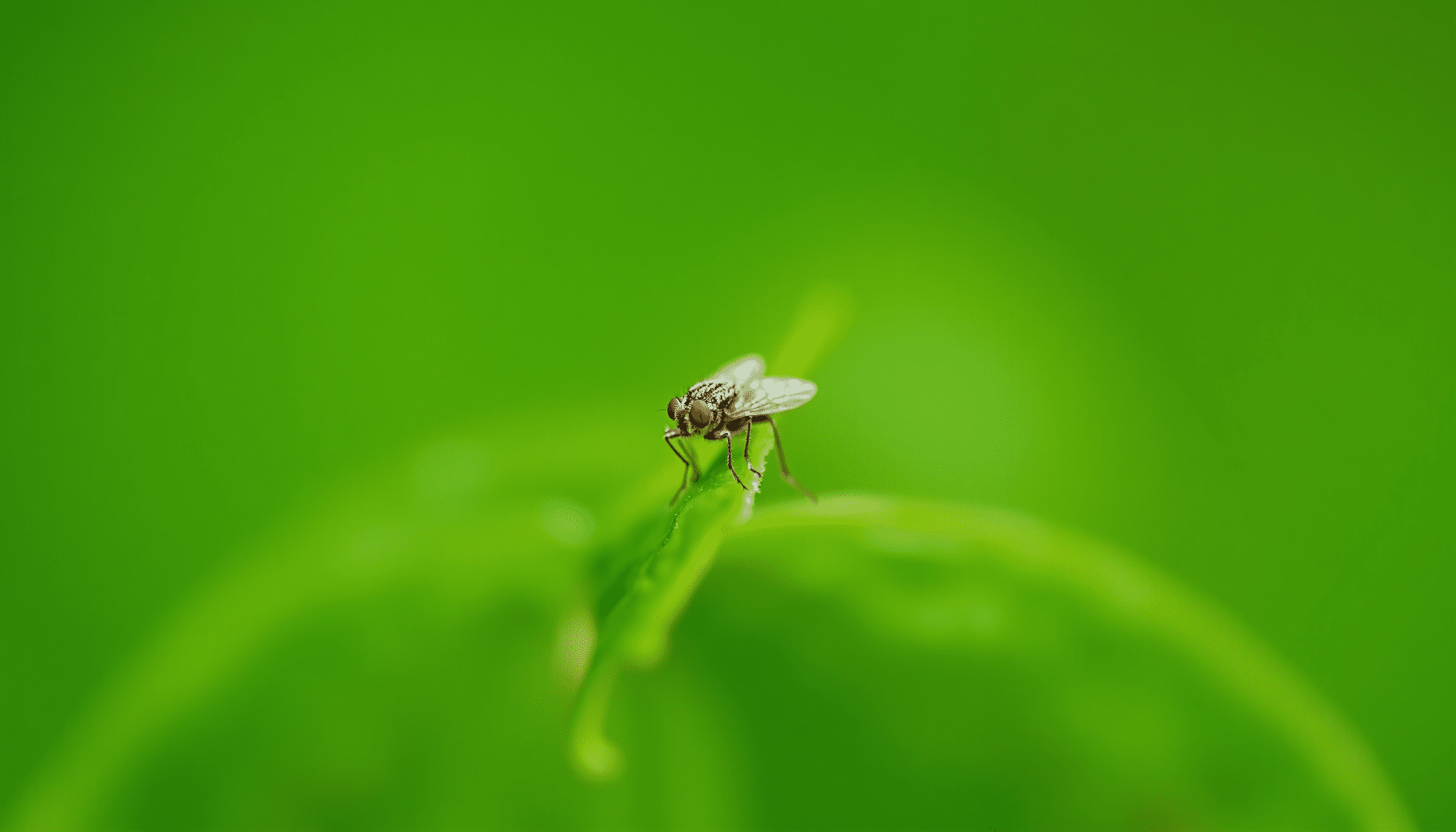
Recognizing whiteflies early is crucial for effective control. These tiny pests are often mistaken for other insects, but a close look reveals their distinct characteristics. Whiteflies (family Aleyrodidae) are not true flies but are closely related to aphids and mealybugs, feeding on plant sap. Common pest species include the greenhouse whitefly (Trialeurodes vaporariorum) and the silverleaf whitefly (Bemisia tabaci), both notorious for causing significant plant damage worldwide, particularly in warm climates and greenhouses, as noted by the University of Florida Entomology Department.
Symptoms on Plants
Whiteflies leave several tell-tale signs that indicate their presence:
- Cloud of White Insects: The most obvious sign is a small cloud of tiny, white, moth-like insects that flutter up when you disturb an infested plant.
- Sticky Honeydew: As they feed, whiteflies excrete a sticky, clear substance called honeydew. You'll find this on leaves, stems, and even surfaces below the plant.
- Sooty Mold: Honeydew provides a perfect breeding ground for black sooty mold fungi, which can cover leaves, block sunlight, and reduce photosynthesis.
- Leaf Damage: Heavy infestations cause leaves to yellow, curl, or drop prematurely. Plants may show stunted growth and a general lack of vigor. This feeding damage can significantly reduce yields in edible crops, according to University of Missouri Extension.
Where to Look for Whiteflies
Whiteflies are masters of hiding, primarily on the undersides of leaves. This protected location allows them to feed and lay eggs undisturbed.
- Leaf Undersides: Always check the underside of leaves, especially on new, tender growth where they prefer to feed.
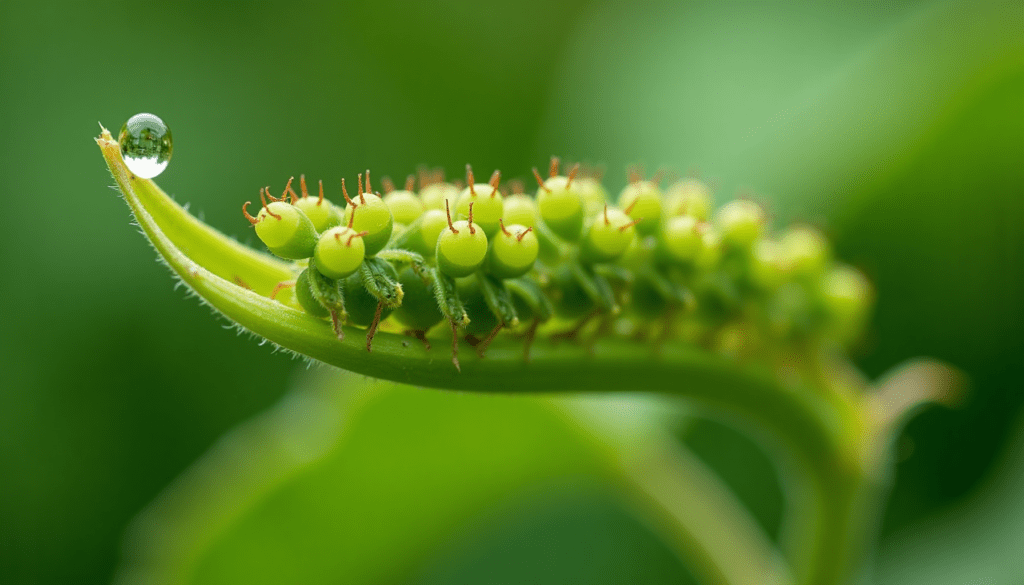
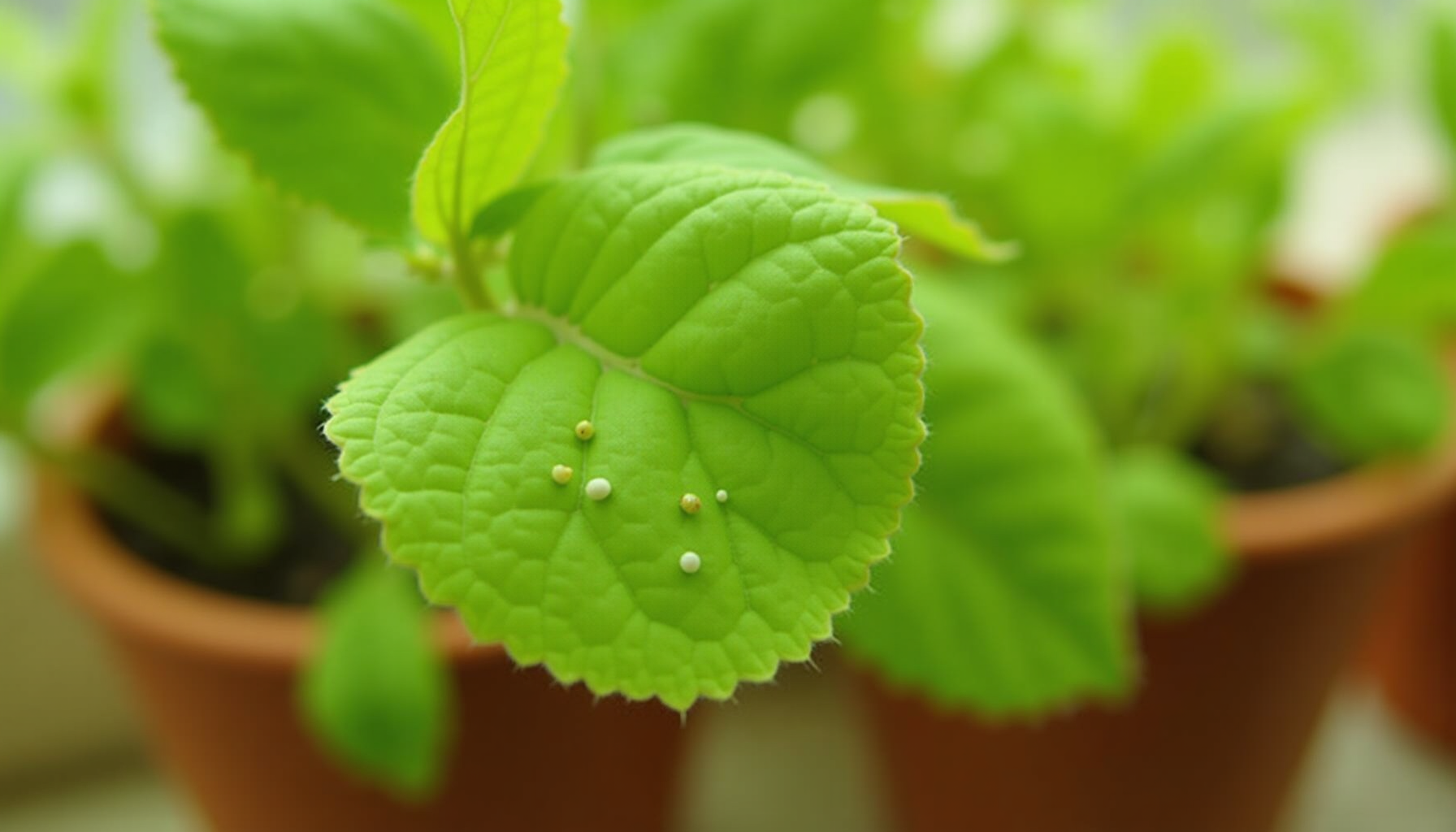
- Eggs and Nymphs: Look for tiny, pale to yellowish eggs, often laid in circles or arcs. The nymphs are translucent, scale-like, and typically immobile, appearing as small "scabs" on the leaf surface. A magnifying glass can help distinguish these from other pests like scale insects.
Control methods
Once you've confirmed whiteflies on plants, it's time to act. Entomologists and extension services emphasize an integrated pest management (IPM) approach, combining several methods for the most sustainable and effective control. This strategy aims to keep whitefly populations below damaging levels rather than complete eradication, especially since many whitefly populations, particularly B. tabaci, have developed resistance to numerous conventional insecticides, making management challenging, as highlighted by the University of Florida Entomology Department.
Immediate Mechanical Controls
These hands-on methods are excellent first steps for home gardeners, offering immediate reduction without chemicals.
- Blast with Water: For outdoor plants, use a strong but gentle spray from your garden hose to wash off adults and nymphs. Focus on the undersides of leaves. Dislodged nymphs generally cannot crawl back onto the plant and will starve. Repeat this process every few days to tackle new hatches.
- Hand Removal & Pruning: For heavily infested leaves, especially those covered in nymphs and eggs, prune them off. Dispose of these leaves in the trash, not your compost pile, to prevent re-infestation. For lighter infestations on houseplants, wiping leaf undersides with a damp cloth or a cloth dipped in soapy water can physically remove pests and sticky honeydew.
- Vacuuming Adults: Use a small handheld vacuum cleaner to suck up adult whiteflies. This is most effective in the early morning when the insects are sluggish. For indoor use, vacuum into a bag and then freeze the bag for 24 hours to kill the captured insects before disposal. Repeat this every few days, particularly early in an infestation.
Monitoring and Trapping
Yellow sticky traps are a simple yet effective tool for both monitoring whitefly populations and reducing adult numbers.
- How They Work: Whiteflies are strongly attracted to bright yellow. Adults fly to the trap and become stuck on the adhesive surface. This helps you gauge the severity of an infestation and provides an early warning system for new arrivals.
- Placement: Suspend traps just above the plant canopy, distributing them evenly throughout your growing area. For outdoor gardens, the University of Missouri Extension suggests about one trap per two large vegetable plants if used as a control aid.
- DIY Traps: You can make your own by cutting yellow cardboard or painting cardstock bright yellow, then coating both sides with petroleum jelly or a similar sticky substance.
- Strategic Use: Begin using traps as soon as whiteflies appear. Clean or replace them regularly. Once whitefly populations decrease, consider removing some traps to avoid catching too many beneficial insects. Remember, traps primarily catch adults and won't eliminate eggs or nymphs, so they are best used as part of a broader strategy.
Cultural and Environmental Management
Prevention and creating an unfavorable environment for whiteflies are key to long-term control.
- Prevention and Quarantine: Always inspect new plants thoroughly, especially the undersides of leaves, before bringing them into your home or garden. Quarantine new plants for 1-2 weeks in an isolated area to detect any hidden pests. If you find whiteflies, treat the plant or return it. In greenhouses, maintaining good sanitation by removing plant debris and weeds helps eliminate whitefly hiding spots and potential virus reservoirs.
- Airflow and Plant Density: Whiteflies thrive in sheltered, humid conditions. Improving air circulation by thinning dense foliage and maintaining proper plant spacing makes your plants less hospitable. Good airflow also helps reduce the growth of sooty mold on honeydew.
- Reflective Mulches (Outdoor Gardens): For outdoor vegetable gardens, silver or metallic mulches can be effective. These mulches reflect sunlight, disorienting or repelling incoming whiteflies and reducing their ability to settle on susceptible crops like tomatoes and peppers, as described by Garden Design. Lay reflective mulch around plant bases early in the season for the best effect.
Harnessing Biological Control & Beneficial Insects
Nature offers powerful allies in the fight against whiteflies. Encouraging beneficial insects is a cornerstone of organic pest control.
- Conserving Natural Enemies: Many generalist predators and parasitoids feed on whiteflies:
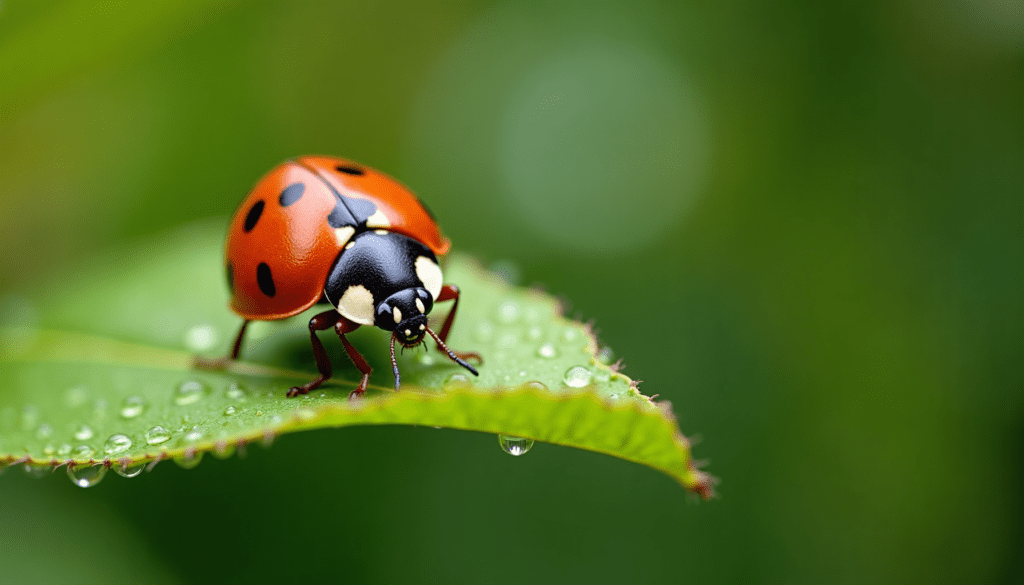
- Lady beetles (adults and larvae) – learn more about What Do Ladybugs Eat?
- Green lacewing larvae
- Predatory bugs (e.g., minute pirate bugs)
- Hoverfly larvae
- Parasitic wasps (especially Encarsia and Eretmocerus spp.)
- Predatory mites in some systems
To support these beneficials, plant flowering companion plants that provide nectar and pollen, such as calendula, fennel, oregano, parsley, and buckwheat. Avoid broad-spectrum insecticides that harm these helpful insects, and maintain some undisturbed habitat.
- Purchasing and Releasing Beneficials: For more serious infestations, particularly in greenhouses or enclosed spaces, targeted releases of beneficial insects can be highly effective. Parasitic wasps like Encarsia formosa and Eretmocerus eremicus lay their eggs inside whitefly nymphs, effectively killing them. The predatory beetle Delphastus catalinae also specializes in feeding on whiteflies.
Commercial guidelines, such as those from Koppert Biological Systems, recommend monitoring with sticky traps and releasing parasitoids at the first sign of adult whiteflies, repeating at set intervals until high levels of parasitism are achieved. For home gardeners, purchasing parasitoids is most practical in enclosed environments, as outdoor releases tend to disperse widely.
Organic Sprays and Insecticides
When mechanical and cultural methods aren't enough, organic sprays can provide an extra layer of defense against whiteflies on plants. Always read and follow product label directions carefully.
- Insecticidal Soap: These products, made from potassium salts of fatty acids, disrupt insect cell membranes and suffocate soft-bodied pests like whiteflies. They are effective against eggs, nymphs, and adults when applied thoroughly to the undersides of leaves. Commercial insecticidal soaps are formulated to be plant-safe, but always test on a small area first. Homemade soap mixes can be risky due to potential plant damage.
- Use Tips: Spray in the early morning or evening to reduce the risk of leaf burn. Thorough coverage is essential, as these sprays have little residual effect. Repeat applications every 4-7 days as needed.
- Horticultural Oils and Neem Oil: Horticultural oils, including plant-based options like neem oil, smother whitefly eggs and nymphs. Neem oil also contains azadirachtin, which acts as an anti-feeding and insect growth regulator. A common DIY neem oil solution involves mixing 1-2 tablespoons of neem oil with a tablespoon of mild detergent per gallon of water, then spraying thoroughly.
- Use Tips: Apply oils during cooler parts of the day and never to drought-stressed plants to prevent leaf burn. While generally safer for beneficials than synthetic pesticides, oils can still impact them, so time sprays carefully.
- Pyrethrins: Derived from chrysanthemum flowers, pyrethrins are contact insecticides that quickly knock down adult whiteflies and some nymphs. They break down relatively quickly in sunlight. Organic gardeners might use pyrethrum as part of a multi-pronged approach: mechanical reduction, pruning, then thorough application to both leaf surfaces. Always use strictly according to the label, as pyrethrins can still harm beneficial insects.
- Synthetic Insecticides (Cautionary Note): For severe agricultural or greenhouse infestations, stronger synthetic products may be used. However, many whitefly populations have developed resistance, and systemic neonicotinoids like imidacloprid raise significant concerns for pollinators and beneficial insects. Home gardeners are generally encouraged to exhaust non-chemical and reduced-risk options first, follow labels carefully, and avoid spraying flowering plants visited by pollinators.
Step-by-step plan
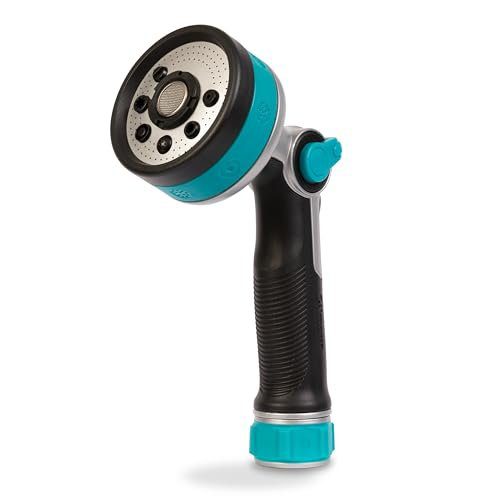
The article recommends mechanical removal using a ‘strong spray of water to dislodge adults and nymphs.’ A durable hose nozzle is essential for this method.
- Comfortable thumb-control design that reduces hand fatigue and allows easy one-handed adjustment of water flow
- Versatile 8-pattern spray head that covers tasks from gentle plant watering to high-pressure cleaning
- Swivel Connect feature that helps reduce hose kinks and makes maneuvering the hose easier around the yard
- Some users report durability issues over time, including leaks or failures at the swivel or nozzle head
- A few reviewers find certain spray patterns less useful or note that pattern selection can feel a bit stiff
Taking a systematic approach is the most effective way to manage whiteflies on plants. Here’s a plan you can follow:
- Confirm the Pest: Verify you have whiteflies by looking for the tiny white adults, nymphs on leaf undersides, and sticky honeydew or black sooty mold.
- Isolate Infested Plants: If dealing with houseplants or container plants, move any infested specimens away from healthy ones immediately to prevent further spread.
- Mechanically Reduce Populations:
- Use a strong stream of water to dislodge adults and nymphs from leaf undersides.
- Vacuum adults in the early morning when they are less active.
- Prune and dispose of any heavily infested leaves.
- Set Up Yellow Sticky Traps: Place these traps near your plants to monitor whitefly activity and catch adult insects.
- Apply Organic Sprays: Thoroughly spray plants (top and bottom of leaves) with insecticidal soap or neem oil during the cooler parts of the day. Repeat applications every 4-7 days for several rounds to target newly hatched nymphs and emerging adults.
- Encourage Beneficial Insects: Plant nectar-rich flowers nearby to attract natural predators. Avoid broad-spectrum sprays that could harm them. For greenhouses, consider purchasing and releasing parasitic wasps. Learn more about How to Identify Ladybugs: Types, Colors & Look-Alikes and How to Identify Ladybugs.
- Monitor Weekly: Regularly check your sticky traps and the undersides of leaves. If whitefly numbers are still climbing despite your efforts, reassess your strategy, ensure thorough spray coverage, or consult your local extension office for additional guidance.
Common myths
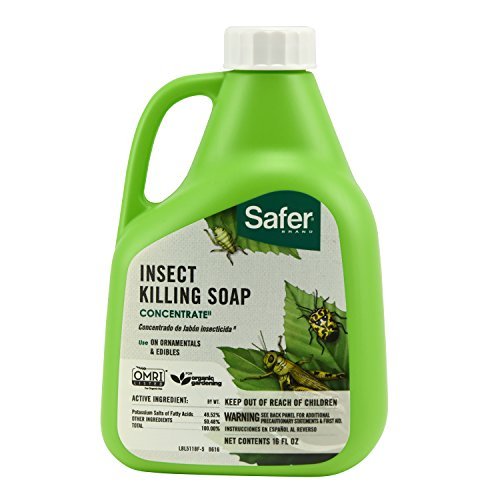
The article explicitly recommends using insecticidal soap as a primary treatment method for eliminating whiteflies, applied thoroughly to leaf undersides.
- Effective at killing common soft-bodied garden pests like aphids, whiteflies, spider mites, and thrips when sprayed thoroughly on contact
- OMRI listed and allowed for organic gardening, so users feel comfortable using it on fruits, vegetables, and other edibles up to the day of harvest
- Concentrate form is economical because a 16 oz bottle can be diluted to make multiple gallons of spray solution
- Requires thorough, repeated applications (every few days or weekly) and only works on direct contact, so it may seem less convenient or slower than systemic insecticides
- Some users report potential leaf damage or plant stress if directions are not followed carefully, such as using on sensitive plants, during high heat, or at too strong a concentration
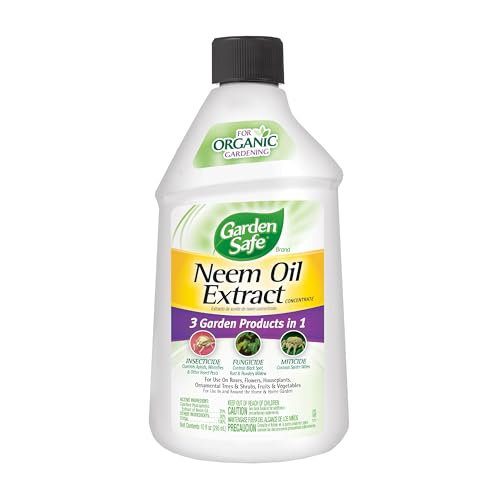
Neem oil is directly suggested in the article as an effective organic treatment option for whiteflies, to be applied to the undersides of leaves.
- Effective at controlling a wide range of garden pests like aphids, mites, and whiteflies when used as directed
- Helps prevent and treat common fungal diseases such as powdery mildew, black spot, and rust
- Concentrated formula is easy to mix, economical, and marketed as suitable for organic gardening
- Strong odor that some users find unpleasant
- Reports of plant leaf burn or damage when applied in full sun, at higher concentrations, or too frequently
Understanding the realities of whitefly infestations can save you time and frustration. Let's clear up some common misunderstandings.
- Misconception 1: "Whiteflies are just annoying; they don't really hurt plants."
- Reality: Heavy infestations can cause significant damage, including leaf yellowing, premature leaf drop, stunted growth, and reduced yields. They also promote sooty mold growth and, critically, can transmit over 100 plant viruses, making them economically important agricultural pests, as detailed by the University of Florida Entomology Department.
- Misconception 2: "Sticky traps alone will solve the problem."
- Reality: While useful for monitoring and catching adult whiteflies, sticky traps do not eliminate eggs or nymphs, which remain on the leaves. Without additional measures like washing, pruning, sprays, or biological controls, populations will likely rebound.
- Misconception 3: "Once I spray once, the problem is fixed."
- Reality: Whiteflies have overlapping generations, with eggs and nymphs protected on leaf undersides. Effective control almost always requires multiple applications of sprays, typically at 5-7 day intervals, to target newly hatched nymphs and emerging adults.
- Misconception 4: "More (or stronger) pesticide is always better."
- Reality: Overuse or misuse of pesticides can injure plants, contaminate the environment, lead to pesticide resistance, and harm beneficial insects. Always follow label directions, which are legal documents specifying safe rates and timing. Integrated approaches are more sustainable and effective.
- Misconception 5: "All soaps and oils are safe on all plants."
- Reality: Some plants are sensitive to insecticidal soaps and horticultural oils, especially at high concentrations or when applied in hot, sunny conditions. Always test on a small, inconspicuous part of the plant first, and never apply to drought-stressed plants or during high heat.
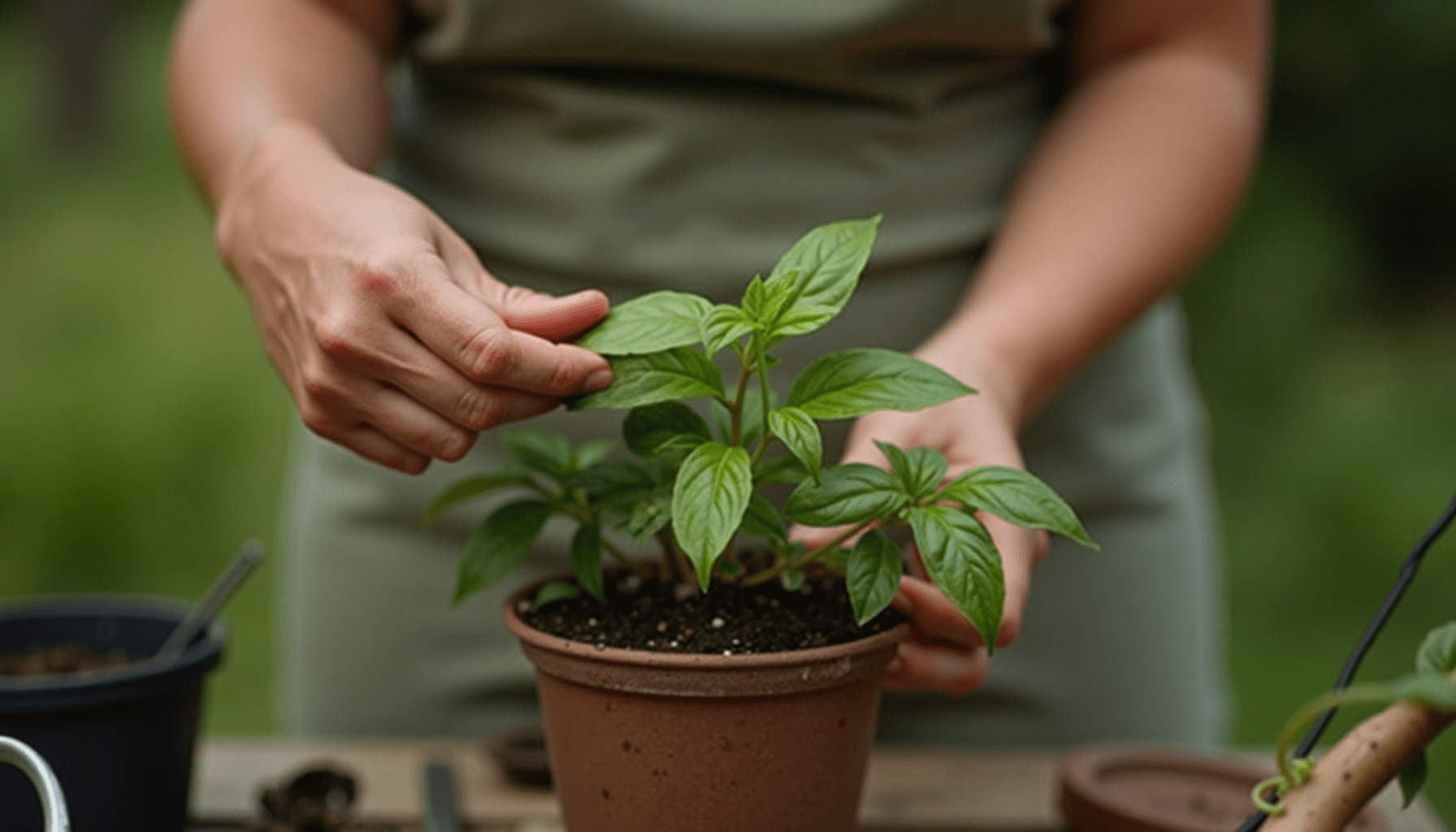
Final checklist
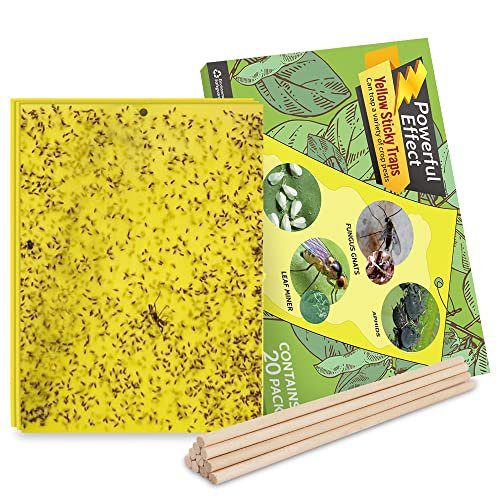
The article advises placing yellow sticky traps near plants to monitor whitefly populations and catch adult insects, aiding in control and prevention.
- Very effective at trapping fungus gnats and other small flying plant pests, often showing a dramatic reduction in bugs within days
- Large, bright yellow, double‑sided sticky sheets provide ample coverage and can be flipped to extend usable life
- Weather‑resistant design (sunproof and waterproof) makes them versatile for both indoor houseplants and outdoor garden use
- Adhesive can be extremely sticky and a bit messy to handle during setup or disposal
- May attract and trap non‑target insects such as small beneficial bugs if placed outdoors
Dealing with whiteflies on plants can be a challenge, but with persistence and a well-rounded approach, you can protect your plants from these persistent pests. By combining vigilant identification, mechanical removal, cultural practices, and targeted organic treatments, you can maintain healthy, thriving plants. Remember, the key is consistency and understanding the whitefly's life cycle to disrupt its ability to reproduce and spread. Implementing an integrated pest management strategy not only controls whiteflies but also fosters a healthier, more resilient garden ecosystem.
For more tips on managing garden pests, explore our guides on How to Get Rid of Garden Ants Without Harming Plants and other beneficial insect information.
As an Amazon Associate, I earn from qualifying purchases. Product recommendations are based on real reviews and independent research.