Gardeners often face the frustrating sight of wilting plants and chewed leaves, and more often than not, the culprits are tiny, vibrant beetles darting among their precious cucurbits. These common garden pests, known as cucumber beetles, can quickly devastate a promising harvest, not just through direct feeding but by spreading serious plant diseases. Understanding how to identify these destructive insects and implement effective organic control methods is key to protecting your cucumbers, squash, pumpkins, and melons. This guide will help you safeguard your garden with natural, science-backed solutions.
Bottom line: To effectively manage cucumber beetles organically:
- Identify Correctly: Look for small (1/5–1/4 inch) yellow-green beetles. Striped cucumber beetles (Acalymma vittatum) have three black stripes, while spotted cucumber beetles (Diabrotica undecimpunctata) have 12 black spots.
- Act Early: These beetles emerge in spring and can quickly spread bacterial wilt, even in low numbers. Early intervention is crucial.
- Prioritize Exclusion: Floating row covers are your most effective organic tool. Apply them immediately after planting and remove only for pollination.
- Practice Good Sanitation: Remove weeds and crop debris where beetles overwinter.
- Consider Trap Crops: Plant attractive cucurbit varieties at garden edges to lure beetles away from your main crop.
- Hand-Pick: For small gardens, physically removing beetles into soapy water can be effective, especially in the mornings.
Identify beetles
Accurate identification is the first step in effective pest management. Cucumber beetles are small, distinct insects that can be easily recognized once you know what to look for. These beetles are serious pests of cucurbits like cucumbers, squash, pumpkins, and melons, as well as other garden vegetables like beans and corn in some regions, according to Purdue University's Vegetable Crops Hotline.
Adult Cucumber Beetles
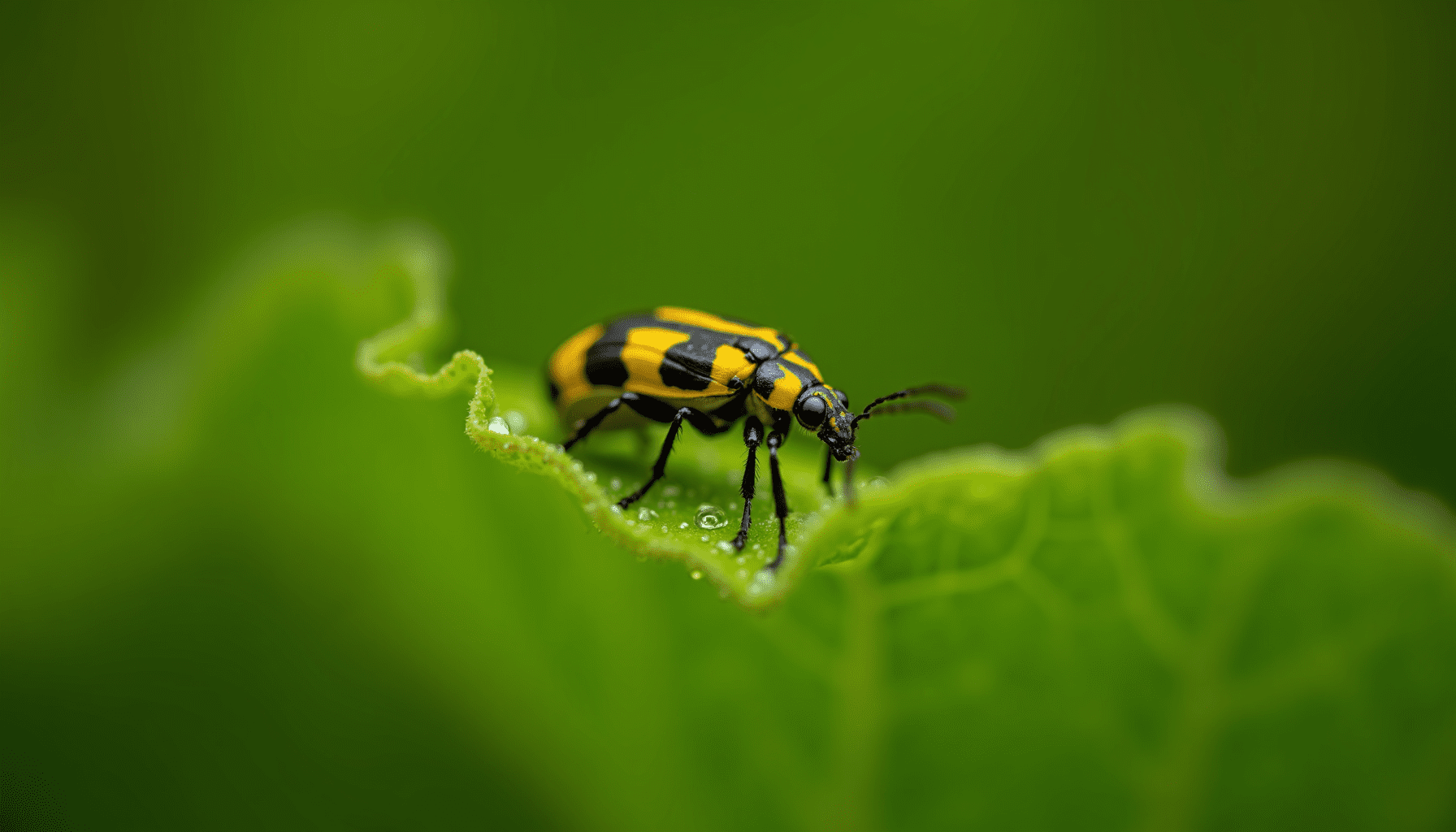
Adult cucumber beetles are typically about 1/5 to 1/4 inch (5–6 mm) long, roughly the size of a grain of rice. Their bodies are elongated and somewhat flattened, with noticeable antennae. There are two primary types you'll encounter in North American gardens:
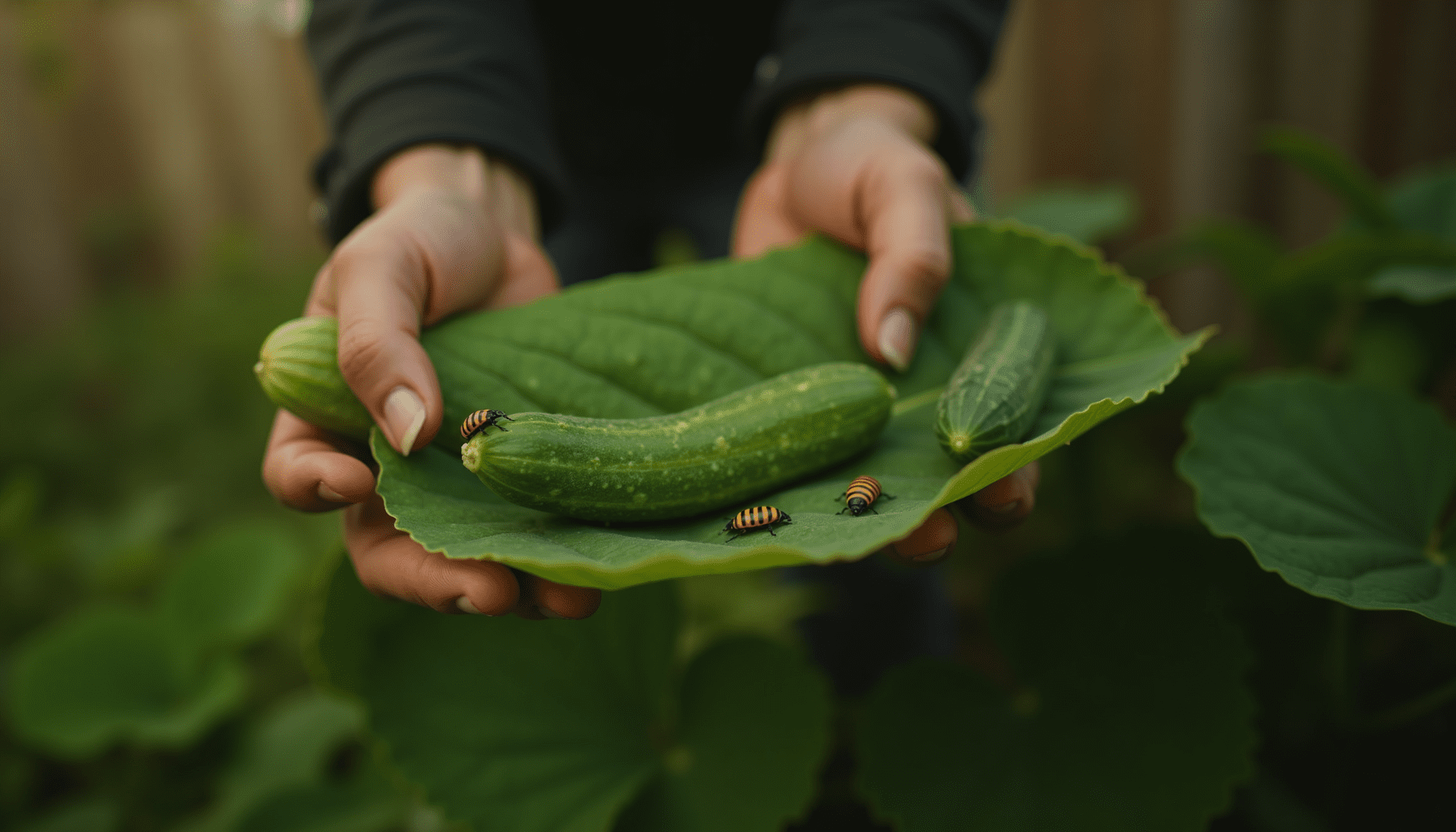
- Striped Cucumber Beetle (Acalymma vittatum): These beetles are yellow-green with three distinct, solid black stripes running down the length of their wing covers. Their heads and antennae are black.
- Spotted Cucumber Beetle (Diabrotica undecimpunctata): These are greenish-yellow with 12 prominent black spots on their wing covers. Like their striped counterparts, they have black heads and antennae. A western subspecies, D. u. undecimpunctata, often has 11 spots and is common in the Pacific Northwest, as noted by the PNW Insect Management Handbook.
It's important to distinguish cucumber beetles from similar-looking insects. For instance, the striped cucumber beetle can be confused with the western corn rootworm (Diabrotica virgifera), but the latter typically has smudged or broken stripes and a yellow-green underside, unlike the cucumber beetle's black underside. Similarly, the spotted cucumber beetle might be mistaken for a bean leaf beetle, which often has a dark margin and a small black triangle near its head, features absent in the uniformly spotted cucumber beetle. Knowing these differences ensures you're targeting the correct pest.
Cucumber Beetle Larvae
While adult beetles are easily visible, their larvae live underground, feeding on plant roots. They are creamy white, slender, and worm-like, measuring about 3/8 to 5/8 inch long. They have a brownish head and a darker tip at their tail, with three pairs of short legs located near the head. You'll find them in the soil, often near the base of affected plants.
Signs of Damage
Cucumber beetles cause damage at all stages of plant growth:
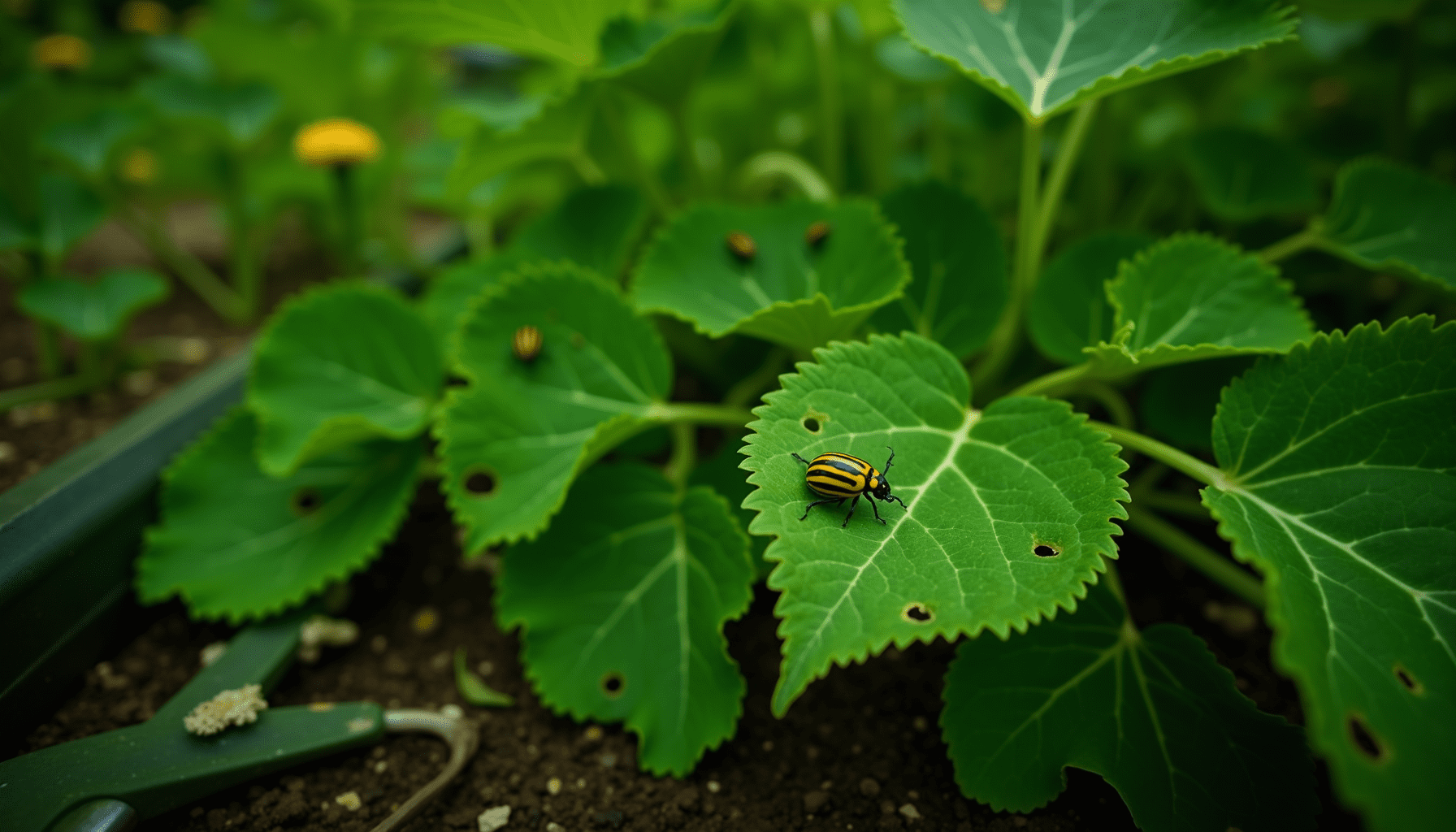
- Seedlings: Young plants are highly vulnerable. Beetles chew holes in cotyledons and leaves, notch stems, and can cause entire seedlings to wilt and die.
- Older Plants: On mature plants, you'll see holes in leaves and flower petals. Feeding on fruit can lead to scarring and rough, corky spots on the rinds, making them unmarketable or unappealing.
- Bacterial Wilt: A critical sign of cucumber beetle activity, even with low beetle numbers, is sudden wilting of vines. Plants may wilt during the day and recover at night, but eventually, the entire vine collapses. This is often caused by bacterial wilt (Erwinia tracheiphila), a disease transmitted by the beetles. A classic diagnostic trick is to cut a wilting stem and press the cut ends together; if a milky, stringy ooze appears, it's a strong indicator of bacterial wilt.
Why they matter
Cucumber beetles are more than just a nuisance; they are considered key pests of cucurbits across North America. Their impact extends beyond simple feeding damage, posing multiple threats to plant health and yield. Understanding their life cycle and the specific ways they harm plants highlights why early and consistent management is so vital.
These beetles emerge from overwintering sites in early spring, often coinciding with the emergence of young cucurbit seedlings. Adults typically spend winter months hidden in weeds, crop debris, and grassy areas surrounding gardens, ready to emerge and feast as soon as temperatures rise. Once active, they begin feeding on vulnerable young plants and lay their eggs at the base of host plants. The larvae then hatch and burrow into the soil, where they feed on roots and underground stems, further weakening the plant. After pupating in the soil, a new generation of adults emerges in mid-to-late summer. Many regions experience two to three generations per year, meaning continuous pressure throughout the growing season, as confirmed by numerous extension services like Ohioline, OSU Extension.
The primary reasons cucumber beetles are such a significant threat include:
- Direct Feeding Damage: Both adult and larval stages directly harm plants. Adults chew holes in leaves, flowers, and fruits, while larvae feed on roots and stems underground. This feeding can stunt plant growth, reduce vigor, and make fruits unappealing. For young seedlings, intense feeding can be lethal.
- Disease Transmission: This is perhaps their most devastating impact. Cucumber beetles are the primary vectors for bacterial wilt (Erwinia tracheiphila), a highly destructive disease that can kill cucurbit plants outright. Even a small number of infected beetles can transmit the pathogen to multiple plants. Once a plant is infected, there is no cure, and it will eventually succumb. They can also transmit other pathogens, such as cucurbit yellow vine disease. This disease risk means that even low beetle populations warrant attention, as a single beetle per 10 feet of row on seedlings can be a trigger for intervention in commercial settings, according to Virginia Cooperative Extension guidelines.
- Yield Reduction: The combined effects of feeding damage and disease transmission can significantly reduce yields. For home gardeners and small organic farms, uncontrolled cucumber beetle populations can be yield-limiting pests, making early and consistent management critical for a successful harvest.
Organic control
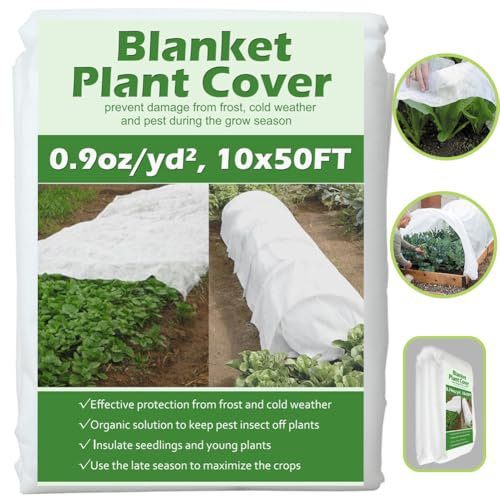
The article explicitly states, ‘Floating row covers are your most effective organic tool’ for preventing cucumber beetles from reaching and damaging plants. This product directly addresses the primary prevention method recommended for safeguarding cucurbits.
- Provides frost, wind, sun, and pest protection while still being breathable
- Durable, lightweight floating-row fabric that lets light, moisture, and air through
- Useful for season extension and winter plant protection on vegetables and other garden crops
- No clear common complaints were available from the provided search results
- No verified complaint summary could be extracted without guessing
Effective organic management of cucumber beetles relies heavily on prevention and early intervention, focusing on cultural practices, physical barriers, and targeted natural solutions. Entomologists and extension programs generally recommend a multi-pronged Integrated Pest Management (IPM) approach, emphasizing non-chemical methods first, particularly for organic and low-spray systems.
1. Sanitation and Cultural Controls
These foundational practices create a less hospitable environment for cucumber beetles:
- Remove Weeds and Debris: Cucumber beetles overwinter in weeds, tall grasses, and crop debris around garden edges. Regularly clearing these areas in and around your garden significantly reduces overwintering sites, as recommended by PlantersPlace.
- Crop Rotation: Avoid planting cucurbits in the same bed year after year. Rotate your cucurbit crops to a different part of the garden as far away as possible from previous plantings. This helps break the beetle's life cycle by forcing emerging adults to search for new food sources.
- Delay Planting: In some regions, delaying the planting of cucurbits until warmer weather can be beneficial. This allows the initial, heaviest flight of overwintering beetles to pass before your vulnerable seedlings emerge, reducing early-season pressure.
- Use Vigorous Transplants: Instead of direct seeding, consider using healthy, vigorous transplants. Larger, stronger plants are better able to withstand some feeding damage and spend less time in their most vulnerable seedling stage.
2. Physical Exclusion
Physical barriers are often the most effective and pollinator-friendly organic solution for cucumber beetles:
- Floating Row Covers: These lightweight fabrics are placed directly over newly planted cucurbits and sealed at the edges with soil, rocks, or pins to prevent beetles from reaching the plants. Install them immediately after planting. Row covers not only exclude beetles but also offer protection from frost and wind and help retain soil moisture.
- Important Note: Remove row covers when plants begin to flower to allow pollinators (like bees) access for fruit set. Alternatively, you can hand-pollinate under the covers. Ensure the area under the cover is beetle-free before installation.
- Insect Netting: For larger areas or high tunnels, fine insect exclusion netting can be installed over openings to keep beetles out, preventing both feeding damage and disease transmission.
3. Trap Crops and Lures
Trap cropping involves planting a small number of highly attractive plants to lure pests away from your main crop:
- Trap Crops: Plant a few "sacrificial" cucurbit varieties (e.g., extra cucumber or squash plants) at the edges of your garden, away from your primary crop. These plants will attract the beetles, concentrating them in one area. Once beetles are concentrated, you can hand-pick them, or if permitted in your organic system, treat the trap crop with an allowed organic spray. Some extension sources note that trap cropping effectiveness can be variable and experimental, so consider it a supplemental tactic.
- Homemade Traps: Cucumber beetles are strongly attracted to the color yellow. Yellow sticky traps can be placed near, but ideally slightly away from, your main cucurbit plants to monitor beetle presence and reduce numbers. You can also create DIY traps using yellow cups coated with a sticky substance and a sweet lure. These traps can help reduce populations but typically won't provide complete control.
4. Hand Removal
For smaller gardens, manual removal can be surprisingly effective:
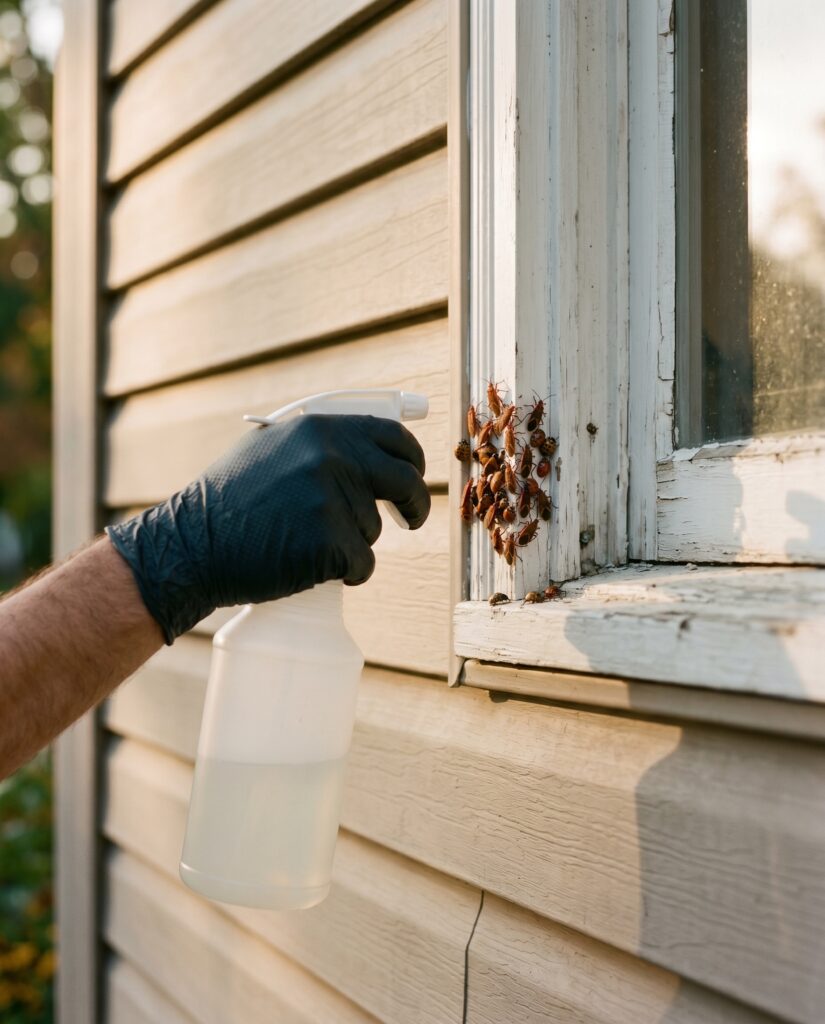
- Hand-Picking: Early in the morning, when beetles are sluggish, hand-pick them off plants and drop them into a bucket of soapy water. Repeat this process frequently during peak activity. A small handheld vacuum can also speed up removal for larger areas.
5. Organic-Approved Sprays (Use Carefully)
While physical methods are preferred, certain organic-approved sprays can provide additional control when beetle pressure is high. Always check product labels for specific instructions and ensure they are OMRI-listed for organic use. Remember that even organic sprays can impact beneficial insects and pollinators, so use them judiciously. If you're looking for organic pest control methods for other garden pests, many of these principles apply.
- Neem Oil / Azadirachtin: Derived from the neem tree, azadirachtin acts as an antifeedant and insect growth regulator. It's more effective on young beetles and requires repeated applications. Look for OMRI-listed formulations.
- Kaolin Clay: This fine clay, when mixed with water and sprayed onto plant leaves, creates a white powdery coating that repels some insect pests and makes the plant less attractive for feeding and egg-laying. It's a physical barrier that can be OMRI-listed.
- Pyrethrins: Derived from chrysanthemum flowers, pyrethrins offer a quick knockdown effect. However, they are broad-spectrum and can harm beneficial insects and pollinators. If used, apply in the late evening when bees are not active, and avoid spraying open blooms. Only use OMRI-listed formulations.
When using any spray, apply it when beetles first appear and repeat as needed according to label instructions, typically every 7-10 days. Cucurbits can be sensitive to some sprays, so test on a small area first and apply when foliage is dry.
Common mistakes
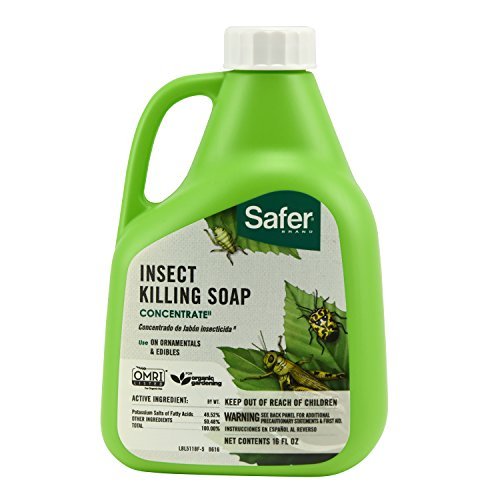
While not explicitly mentioned in the provided text, insecticidal soap is a widely recognized and effective organic method for controlling soft-bodied insects like beetles, fitting the ‘eliminate’ and ‘organic control’ theme of the article. It offers a direct solution for active infestations.
- Effectively controls a wide range of soft‑bodied pests (especially aphids, spider mites, and whiteflies) when sprayed thoroughly on contact
- OMRI-listed and generally considered safe for use on edibles and ornamentals, even up to the day of harvest
- Concentrate format is economical, with a 16 oz bottle making up to about 6 gallons of spray, offering good coverage and value
- Must contact the insects directly and often requires repeated applications every few days, which some users find labor‑intensive or less convenient than systemic insecticides
- Can cause leaf burn or damage on sensitive or stressed plants (especially in high heat or strong sun) if label directions and test‑spraying are not carefully followed
Even experienced gardeners can fall prey to common misconceptions when dealing with cucumber beetles. Understanding these pitfalls can help you implement more effective and sustainable control strategies.
Here are some common mistakes and how to avoid them:
- "I don't see many beetles, so they can't be a problem."
- Reality: This is a dangerous assumption, especially with bacterial wilt. Even low numbers of striped cucumber beetles can spread bacterial wilt, which can devastate a crop. Visible feeding damage isn't always proportional to the disease risk. A single infected beetle feeding on multiple plants can introduce the pathogen, leading to widespread wilting.
- "All striped or spotted yellow beetles on cucumbers are cucumber beetles."
- Reality: While many are, look-alikes exist. As discussed earlier, western corn rootworm and bean leaf beetles can be confused with cucumber beetles. Correct identification is crucial because management strategies and the associated disease risks can differ. For instance, bacterial wilt is primarily associated with cucumber beetles, not all Diabrotica species. Learning how to identify beneficial insects like ladybugs can also help you avoid misidentifying helpful garden allies as pests.
- "Chemical sprays are the only effective solution."
- Reality: While conventional insecticides are available, extension specialists, including those at GardenTech, emphasize that physical exclusion (like floating row covers) is often the most effective and environmentally friendly option for home gardens and organic small farms. Cultural practices like sanitation and crop rotation also play a significant role in reducing pest pressure.
- "Row covers don't help because beetles still show up."
- Reality: Row covers are highly effective if used correctly. They must be installed before beetles arrive in the spring, and their edges must be thoroughly sealed to prevent entry. If beetles are already present in the soil or on transplants, they can become trapped under the covers, leading to damage. Always inspect plants and the soil area before covering.
- "Organic sprays are harmless to beneficial insects."
- Reality: This is a critical misconception. While derived from natural sources, organic sprays like neem oil, pyrethrins, and even some insecticidal soaps can harm beneficial insects, including predators and pollinators, if misused. Pyrethrins, in particular, are broad-spectrum. Always apply organic sprays at dusk or very early morning when beneficial insects are less active, avoid spraying open flowers, and treat only heavily infested plants to minimize impact. Understanding what ladybugs eat and their garden benefits can help you appreciate why protecting these allies is so important.
- "If plants wilt, they just need more water."
- Reality: Mid-day wilting, especially if plants don't recover overnight or if the soil is adequately moist, is a classic symptom of bacterial wilt, not necessarily drought stress. If you suspect bacterial wilt (e.g., after performing the ooze test), removing and destroying infected vines promptly can help prevent the disease from spreading to other plants.
Protect pollinators
Managing cucumber beetles effectively, especially in an organic garden, requires a careful balance between protecting your plants and safeguarding the vital pollinators that share the same habitat. Cucurbit plants rely heavily on bees and other insects for pollination to produce fruit. Therefore, any pest control strategy must consider the well-being of these beneficial creatures.
The life cycles of cucumber beetles and pollinators often overlap, particularly during the flowering stage of cucurbits. Female flowers require pollen transfer to set fruit, and this is typically done by bees. Many conventional pesticides, and even some organic ones, can be harmful to bees if applied indiscriminately or at the wrong time. This is why integrated pest management (IPM) strategies, which prioritize non-chemical and targeted approaches, are so crucial.
Here's how to ensure your pest management practices are pollinator-friendly:
- Prioritize Exclusion: Floating row covers are an excellent choice because they physically prevent beetles from reaching your plants without using any chemicals. Remember to remove them during flowering to allow pollinators access. If you're using row covers and want to ensure fruit set, you might need to hand-pollinate your plants during the period the covers are in place.
- Choose Bee-Safe Control Methods: When considering any spray, even organic ones, always research their impact on pollinators.
- Avoid Systemic Insecticides: Systemic insecticides, particularly neonicotinoids, are absorbed by the plant and can be present in pollen and nectar, posing a significant threat to bees. Avoid these entirely, especially during bloom.
- Timing is Key: If you must use a contact spray (like neem oil or pyrethrins), apply it in the late evening or very early morning when bees are least active. This minimizes their exposure.
- Targeted Application: Spray only infested plants or specific areas, rather than broadcasting over the entire garden. Avoid spraying open flowers directly.
- Create Pollinator-Friendly Habitats: A healthy garden ecosystem with diverse flowering plants can support a robust pollinator population, making your garden more resilient overall. Planting a variety of flowers that bloom throughout the season provides continuous food sources for bees. Learning about attracting pollinators to your garden can enhance your garden's biodiversity and resilience.
- Monitor and Observe: Regularly observe your garden. If you see high pollinator activity, adjust your pest control methods accordingly. The goal is to manage pests below damaging levels, not necessarily to eliminate every single beetle, especially if it means harming beneficial insects.
By thoughtfully integrating pest control with pollinator protection, you can maintain a thriving garden that produces abundant harvests while supporting the essential insects that make it all possible.
Final checklist
Cucumber beetles can be formidable adversaries in the garden, capable of both direct plant damage and the devastating spread of bacterial wilt. However, with a clear understanding of their habits and a commitment to organic, preventative strategies, you can protect your cucurbit crops and ensure a healthy, productive harvest. Remember that early identification of both striped and spotted cucumber beetles, coupled with proactive measures like physical exclusion using row covers, diligent sanitation, and strategic crop rotation, forms the backbone of effective organic control.
By adopting these methods and being mindful of common misconceptions, you empower your garden to thrive naturally. A vigilant eye, a little planning, and a commitment to sustainable practices will keep your cucumbers crisp, your squash abundant, and your garden buzzing with beneficial life.
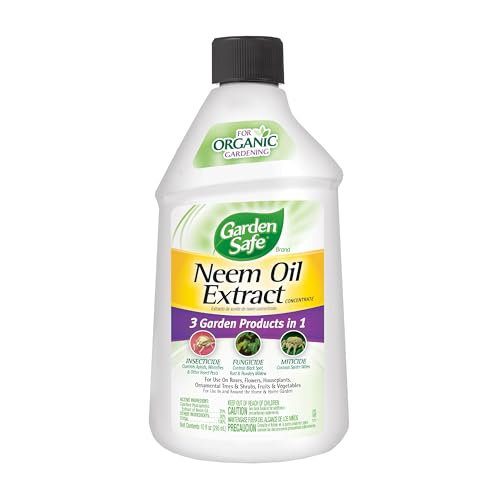
Neem oil is a popular organic pesticide and repellent, effective against a wide range of garden pests, including beetles. It aligns with the article’s focus on ‘organic control’ and provides a natural way to deter and eliminate cucumber beetles.
- Effectively controls a wide range of garden pests such as aphids, whiteflies, and spider mites when used as directed
- Works well as a fungicide for issues like powdery mildew, black spot, and rust on roses, flowers, and vegetables
- Concentrated formula offers good value for money because a small amount treats multiple gallons of spray solution
- Strong odor that some users find unpleasant or lingering after application
- Some complaints about packaging and leakage or inconsistent effectiveness against certain specific pests
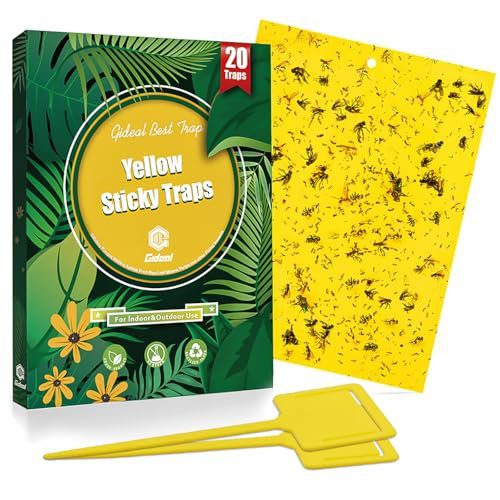
Cucumber beetles are attracted to yellow, making sticky traps an effective organic tool for monitoring their presence and trapping adult beetles. This supports the article’s emphasis on ‘Act Early’ and ‘early intervention’ for pest management.
- Effectively catches a wide range of small flying plant pests (especially fungus gnats, whiteflies, and aphids) and visibly reduces their numbers around houseplants and in greenhouses
- Very sticky adhesive on both sides, with waterproof and UV-resistant coating so traps keep working for weeks indoors or outdoors
- Large 6×8 inch surface area and easy setup with the included twist ties, providing good coverage and value in the 20-pack
- Adhesive can be messy or difficult to work with, sometimes sticking to fingers, plant leaves, or nearby objects during installation or removal
- Traps can fill up quickly in heavy infestations and need frequent replacement, and they do not fully solve fungus gnat problems without also treating the soil or root cause
As an Amazon Associate, I earn from qualifying purchases. Product recommendations are based on real reviews and independent research.