
Finding ragged holes in your prized cabbage, kale, or broccoli can be incredibly frustrating for any gardener. Those tell-tale chew marks and dark green pellets of frass are often the work of cabbage worms, a common and destructive group of caterpillars that can quickly decimate your brassica crops. While these garden pests pose a significant threat, protecting your harvest doesn't require harsh chemicals. This comprehensive guide will equip you with effective, organic, and science-backed strategies to identify, prevent, and eliminate cabbage worms, ensuring your brassicas thrive.
Bottom line: Cabbage worms are caterpillars that chew holes in brassica leaves. To protect your plants, immediately install floating row covers at planting. Regularly inspect leaf undersides for eggs and small larvae, and hand-pick pests into soapy water. For larger infestations, apply Bacillus thuringiensis (Bt), a caterpillar-specific organic spray, following label directions carefully.
Identify cabbage worms
The term "cabbage worms" is a general label for several different caterpillar species that feast on plants in the Brassicaceae family. Knowing which one you're dealing with can help refine your control strategy. Here's how to identify the most common culprits:
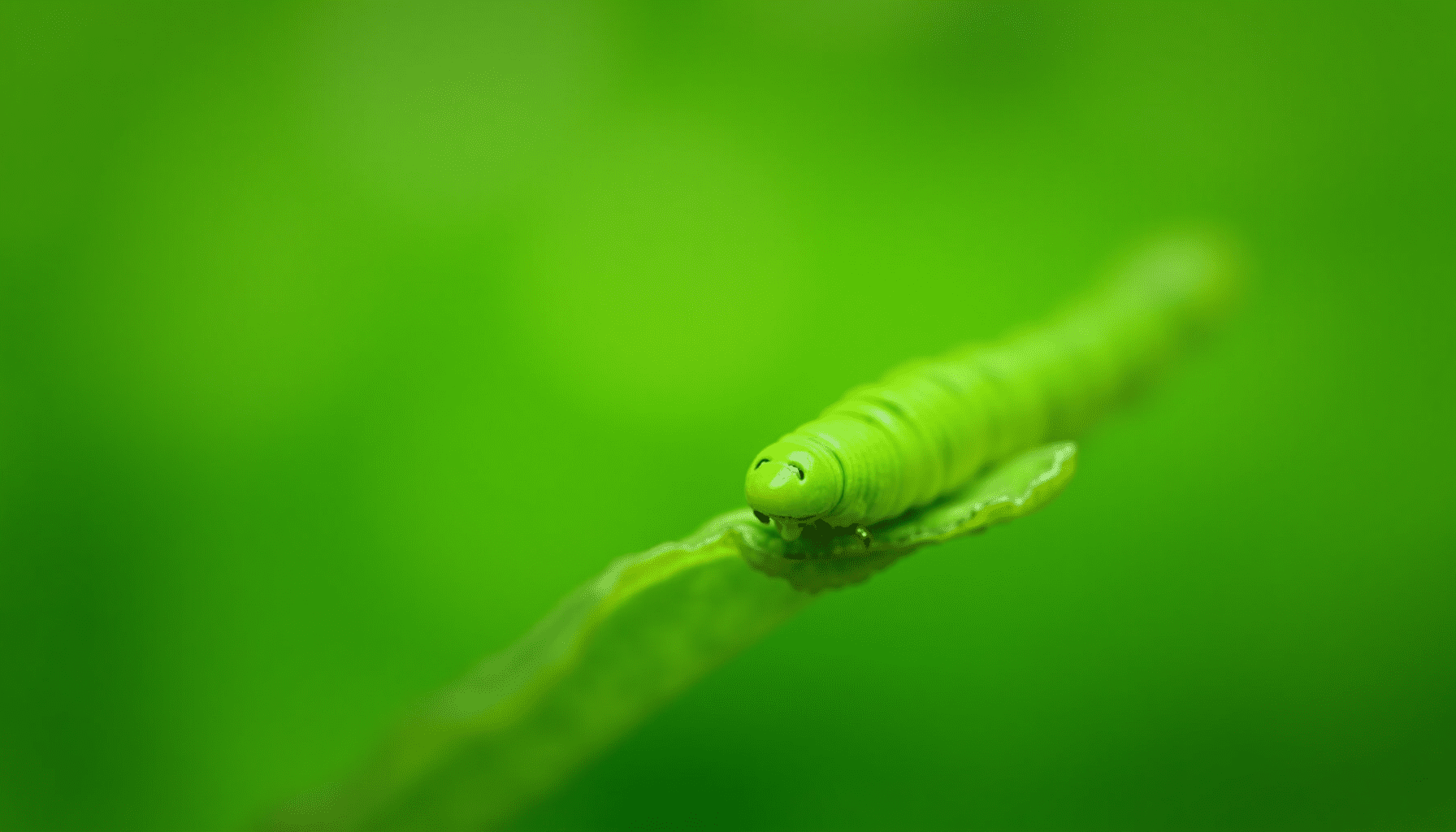
- Imported Cabbageworm (Pieris rapae): This is the larva of the common white butterfly. The caterpillar is velvety green with faint yellow stripes running down its back and sides, growing up to 1.5 inches (3 cm) long. They feed openly on leaves and can burrow into heads. Look for the adult white butterflies fluttering around your garden during the day.
- Cabbage Looper (Trichoplusia ni): The larva of a mottled gray-brown moth, this caterpillar is light green with white stripes along its sides. Its distinctive "looping" or "inchworm" movement is due to having fewer prolegs (fleshy leg-like appendages) in the middle of its body. Loopers grow up to 1.5 inches (3 cm) and often feed on the undersides of leaves, creating large, irregular holes.
- Diamondback Moth Larva (Plutella xylostella): These are the smallest of the group, reaching only about 0.5 inches (1 cm) long. They are pale green, tapered at both ends, and wriggle vigorously or drop on a silk thread when disturbed. The adult moth is small and narrow, with diamond-shaped markings on its folded wings.
Entomology experts emphasize correct identification because while their damage is similar, subtle differences in their life cycles and behaviors can influence the most effective control tactics, as noted by Cornell University's College of Agriculture and Life Sciences.
Why they matter
These caterpillars are among the most significant pests of brassica crops worldwide. Their feeding habits can lead to substantial damage, impacting both home gardens and commercial agriculture.
Host Crops and Damage Patterns
Cabbage worms are specialists, targeting plants in the Brassicaceae family. This includes a wide array of popular garden vegetables: cabbage, kale, broccoli, cauliflower, Brussels sprouts, collards, bok choy, kohlrabi, turnips, and mustard greens.
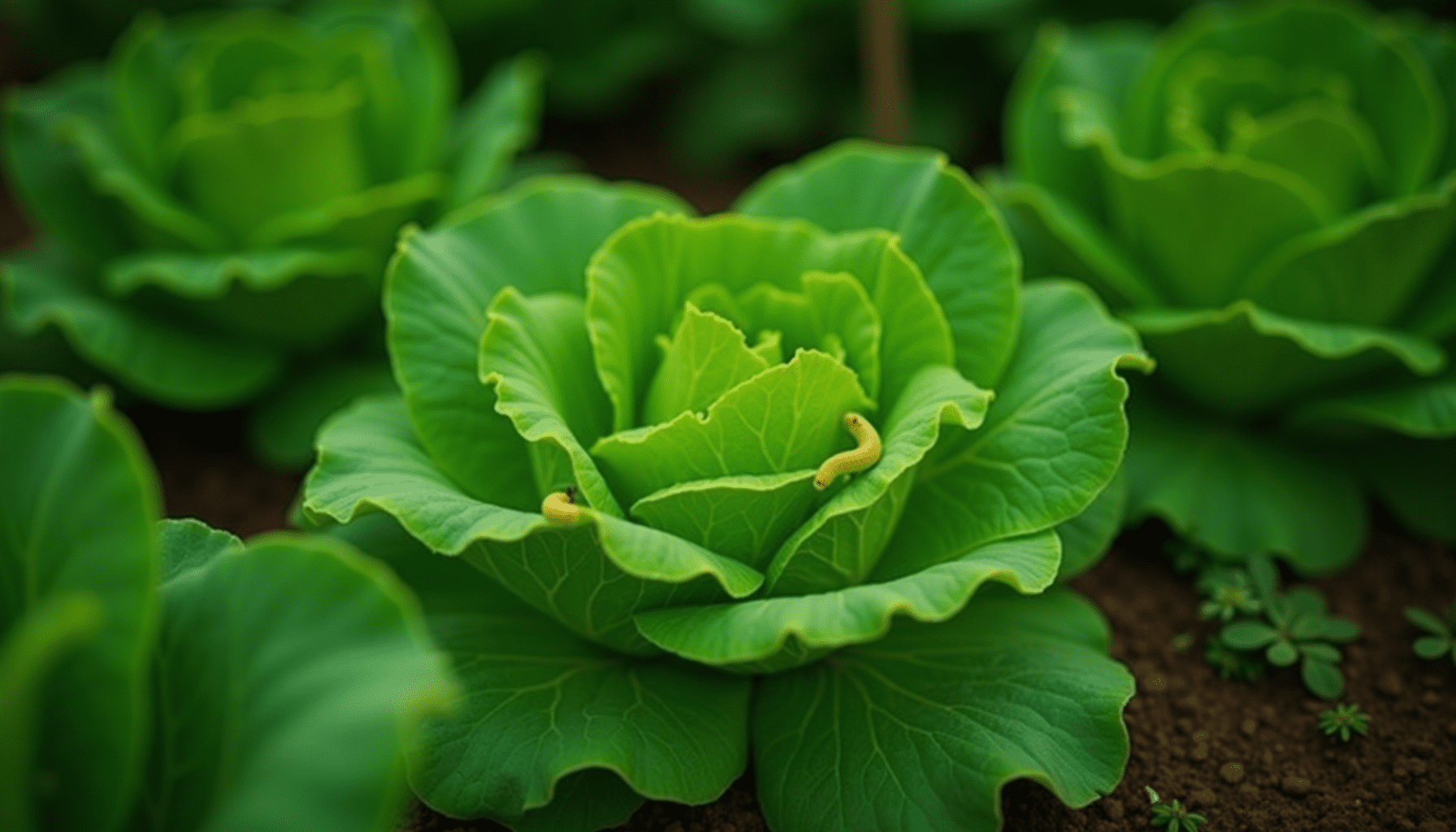
The larvae chew ragged holes in leaves, often starting as small "window-pane" feeding where they eat through one layer of the leaf. As they grow, they can consume large sections of foliage and burrow into the developing heads of cabbage, broccoli, and cauliflower. This not only destroys the plant tissue but also contaminates produce with their dark green frass (droppings) and sometimes their carcasses, rendering crops unmarketable or unappetizing. The University of Florida Entomology Department highlights the economic significance of these pests.
Life Cycle and Reproduction
The life cycle of these pests typically involves several generations per season, allowing populations to build up rapidly. Adult butterflies or moths lay single eggs or small clusters, often on the undersides of brassica leaves. Eggs hatch within 3-7 days, depending on temperature, and the larval feeding stage lasts 2-4 weeks.
- Imported Cabbageworm: Can have 3-5 generations per year in temperate climates, with more in warmer regions.
- Diamondback Moth: Known for its rapid reproduction, it can produce up to 12 generations annually in warm areas, making it particularly challenging to control.
- Cabbage Looper: Also has multiple generations, contributing to continuous pest pressure throughout the growing season.
This rapid turnover means that what starts as a few caterpillars can quickly become a full-blown infestation if not managed promptly.
Ecology and Outbreak Drivers
Cabbage worms thrive in environments that offer abundant food and minimal resistance. Large monocultures of brassicas provide ideal conditions for these pests to flourish. Warm, dry weather accelerates their development and increases the number of generations per season.
A significant factor contributing to outbreaks is the misuse of broad-spectrum insecticides. These chemicals often kill off natural enemies, such as parasitic wasps and predatory insects, more effectively than they control the target pests. This can lead to pest resurgence, where the pest population bounces back even stronger due to the absence of their natural predators. The University of California Integrated Pest Management Program provides excellent resources on this topic. The diamondback moth, in particular, has developed resistance to many synthetic insecticides and even some Bt formulations, underscoring the importance of diverse, organic management strategies.
Prevention
The most effective way to manage cabbage worms is to prevent them from becoming a problem in the first place. These cultural and physical controls form the backbone of any successful organic pest management strategy.
Floating Row Covers and Insect Netting
This is arguably the most reliable method for preventing cabbage worm infestations. Lightweight, woven fabrics or fine insect netting physically exclude adult butterflies and moths, preventing them from laying eggs on your plants.
- Installation: Apply row covers immediately after transplanting or seeding your brassicas. Crucially, inspect plants beforehand to ensure no existing eggs or larvae are already present.
- Security: Secure all edges of the row cover with soil, sandbags, or staples. Even small gaps can allow pests to slip underneath.
- Pollination: For most brassicas grown for their leaves or heads, pollination is not required, so row covers can remain in place throughout the growing season. If you allow some brassicas to flower for seed, you may need to temporarily remove covers for pollinator access.
- Effectiveness: When properly installed, row covers can prevent nearly 100% of egg-laying by cabbage butterflies and moths on covered plants, as highlighted by resources like Toxic Free NC.
Crop Rotation and Sanitation
These practices disrupt pest life cycles and reduce overwintering populations.
- Crop Rotation: Avoid planting brassica crops in the same bed year after year. Rotating your crops helps break pest and disease cycles by moving host plants to a new location.
- Sanitation: Promptly remove and destroy old brassica plants after harvest, including any remaining stubs and roots. This eliminates refuge for larvae and pupae that might overwinter. Clean up plant debris in the fall, burying or hot composting it properly to prevent pests from surviving in residues.
Diverse Planting (Polyculture)
Instead of planting large, uniform blocks of brassicas, consider interplanting them with non-host species.
- Disruptive Cues: Mixed plantings can disrupt the visual and olfactory cues that pests use to locate their host plants.
- Reduced Pressure: Patchwork beds with small clusters of brassicas separated by other crops can reduce overall pest pressure compared to large monocultures.
Beneficial help
Working with nature can significantly reduce cabbage worm populations. Certain plants can deter pests, while others attract their natural enemies.
Repellent and Masking Companions
While scientific evidence for companion planting is often observational, many gardeners report success with specific plants that seem to confuse or repel cabbage butterflies and moths.
- Thyme: Often recommended as particularly effective at deterring cabbage butterflies.
- Strong Herbs: Sage, rosemary, and other pungent herbs may mask the scent of brassicas, making them harder for pests to find.
- Celery: Its scent is also suggested to deter cabbage moths.
- Chamomile and Borage: These are believed to repel cabbage moths and/or attract beneficial insects.
- Mosquito Repellent Plants: While not directly for cabbage worms, using plants like citronella or lemon balm, as discussed in our guide to Best Mosquito Repellent Plants for Your Garden, demonstrates how certain plant scents can deter pests.
Trap Crops
Some plants are even more attractive to pests than your desired crops and can be used to draw them away.
- Mustard: This brassica relative is highly attractive to cabbage worms. Plant a row of mustard near your main brassica crops as a trap crop. Regularly monitor the mustard for infestations and remove or destroy heavily infested plants before larvae mature and migrate to your other vegetables. Timely management is crucial to prevent trap crops from becoming a breeding ground.
Flowering Plants for Beneficial Insects
Creating a diverse ecosystem in your garden encourages natural predators and parasitic wasps that prey on cabbage worms.
- Nectar and Pollen Sources: Small, nectar-rich flowers like dill, fennel, cilantro, yarrow, alyssum, buckwheat, and various composite flowers provide essential food for adult parasitic wasps and predatory flies. These beneficial insects, such as lady beetles (learn more about their diet in Beneficial Insects: 20 Bugs You Want in Your Garden and how to identify them in How to Identify Ladybugs: Types, Colors & Look-Alikes), lacewings, and minute pirate bugs, are key allies in pest control.
- Undisturbed Habitats: Provide continuous blooms and undisturbed refuges like hedgerows or flower borders to support these beneficial populations. Avoid broad-spectrum pesticides that can harm them.
- Bolted Brassicas: Intentionally allowing some brassica plants to bolt and flower can attract parasitoids and pollinators, further enhancing your garden's biodiversity.
Bt and hand removal
When prevention isn't enough, or if you discover an infestation, targeted organic methods can effectively control cabbage worms without harming your garden's overall health.
Hand-Picking and Mechanical Control
For small gardens or early infestations, hand-picking is a highly effective and satisfying method.
- Regular Inspection: Inspect your brassica plants every 2-3 days, especially during peak growing season.
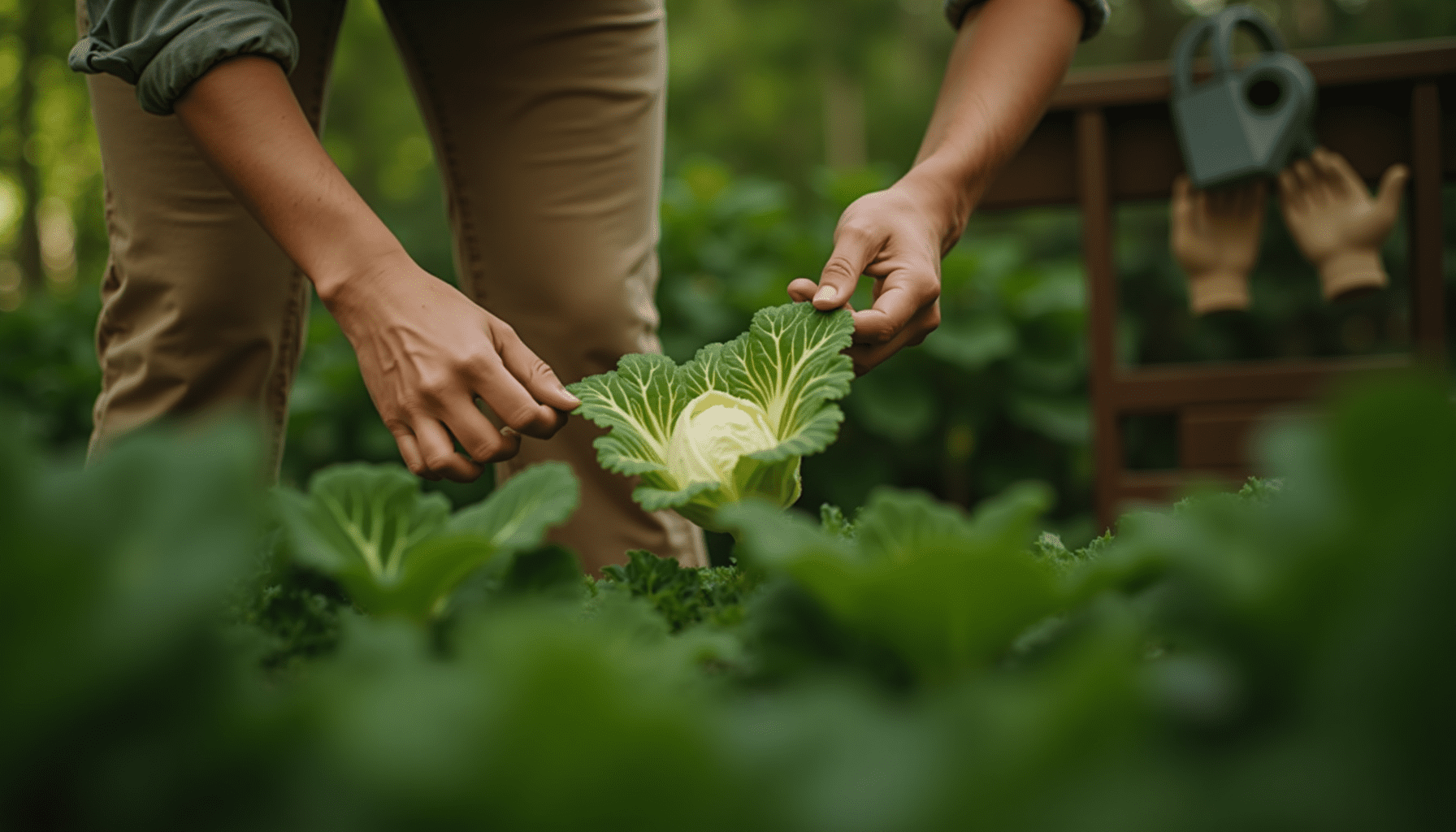
- Target Areas: Focus on the undersides of leaves where eggs are often laid, and the growing tips or heads of cabbage, broccoli, and cauliflower where larvae tend to hide.
- Removal: Manually pick off any eggs or caterpillars you find. Drop them into a container of soapy water to drown them, or simply crush them. This method is particularly effective for protecting young plants, which are most vulnerable to damage.
Bacillus thuringiensis (Bt)
Bacillus thuringiensis (Bt) is a naturally occurring soil bacterium that is a powerful, caterpillar-specific microbial insecticide.
- How it Works: Caterpillars must ingest Bt-treated foliage. Once inside their alkaline gut, the Bt proteins activate, binding to the gut lining, which causes the caterpillar to stop feeding and die within a few days.
- Safety Profile: Bt is highly specific to caterpillars and is non-toxic to humans, pets, birds, bees, and most other insects when used correctly. This makes it an excellent choice for organic gardens. Look for formulations labeled as Bt var. kurstaki (Btk) or Bt var. aizawai for caterpillars on vegetables.
- Application Tips:
- Timing: Apply Bt at the first sign of small larvae. Young caterpillars are more susceptible to Bt than larger, more mature ones.
- Coverage: Thoroughly wet both sides of the leaves, paying special attention to the undersides where larvae often feed.
- Reapplication: Bt breaks down in sunlight and can wash off with heavy rain, so reapply every 7-10 days or after significant rainfall.
- Caution: While safe for most beneficials, Bt will harm any caterpillar that ingests it. Avoid spraying when beneficial caterpillars (e.g., swallowtails on dill or parsley) are present on treated plants.
Organic Sprays and Home Remedies (with Cautions)
Some other organic options and home remedies are often discussed, though their effectiveness varies.
- Neem Oil: Derived from the neem tree (Azadirachta indica), neem oil acts primarily as a feeding deterrent, growth regulator, and egg-laying deterrent. It's not a fast-acting poison. While organic, neem oil can affect non-target insects if sprayed directly, so use it sparingly, late in the day, and with careful targeting to minimize impact on beneficials.
- Insecticidal Soaps and Horticultural Oils: These products kill soft-bodied insects by disrupting cell membranes or smothering them. They are generally less effective on larger caterpillars but can impact small ones on contact. Like neem oil, they can also kill beneficial soft-bodied insects, so spot-treat only where necessary.
- Anecdotal Remedies: Some gardeners use cornmeal (believed to cause fatal gut swelling) or cayenne pepper dustings (thought to deter feeding). These methods are popular but lack extensive peer-reviewed scientific evidence. They may offer some minor benefit as part of a broader strategy but should not replace proven methods like row covers, Bt, or hand-picking.
- Beer Traps: Often mentioned in discussions about brassica pests, beer traps are highly effective for controlling slugs and snails, which also damage brassicas. However, they will not control caterpillar pests like cabbage worms. If you are dealing with slugs, learn how to manage other garden pests like How to Get Rid of Garden Ants Without Harming Plants for a comprehensive approach.
Seasonal plan
A proactive, seasonal approach will give you the best chance against cabbage worms.
Early Spring (Before and At Planting)
- Soil Health: Amend your soil with compost to ensure good fertility and drainage. Healthy plants are more resilient to pest damage.
- Install Row Covers: This is your critical first step. Immediately after transplanting or seeding brassicas, install floating row covers and secure all edges.
- Companion Planting: Plant companion herbs (thyme, dill) and flowers (alyssum) nearby to begin attracting beneficial insects and deterring pests.
Spring–Summer (Peak Pest Season)
- Scouting: Inspect your plants every 2-3 days for eggs, small larvae, and frass. Early detection is key.
- Hand-Picking: Manually remove any eggs or caterpillars you find.
- Bt Application: If row covers were not used or failed, and you observe ongoing feeding damage with multiple larvae per plant, apply Bt according to label directions.
- Maintain Row Covers: Regularly check and repair any gaps or tears in your row covers.
Late Summer–Fall
- Continue Scouting: Keep an eye on your plants until harvest.
- Crop Residue Removal: Promptly remove and destroy all brassica crop residues after harvest. This prevents pests from overwintering in your garden.
- Plan Rotation: Start planning your crop rotations for the following year, ensuring brassicas are moved to a different bed to break pest cycles.
Common myths
Dispelling common myths can help gardeners adopt more effective and sustainable pest management practices.
- "Cabbage worms are actual worms." This is incorrect. Cabbage worms are caterpillars, which are the larval stage of butterflies and moths (Lepidoptera), not true worms. This distinction is important because control methods are specifically designed for caterpillars.
- "You need strong chemical pesticides to control them." In most home gardens, this is false. Non-chemical methods like row covers, hand-picking, crop diversity, and targeted organic sprays like Bt are usually sufficient and often more sustainable. Heavy reliance on chemicals can harm beneficial insects and lead to pesticide resistance.
- "All caterpillars are bad and should be killed." Not true. Many caterpillars are beneficial pollinators or harmless to your garden. Encourage readers to learn to differentiate common brassica pests from other species and focus treatments only where necessary.
- "Organic sprays are automatically safe for all beneficial insects." Organic does not mean harmless. Products like neem oil, insecticidal soaps, and even Bt can affect non-target organisms if misused. Always emphasize targeted, minimal use and prioritize prevention.
- "Companion planting alone will stop cabbage worms." While companion planting can reduce pest pressure and support beneficial insects, it rarely provides complete protection. For reliable control, it should be combined with physical barriers (row covers) and regular scouting.
- "Netting/row covers are only for large farms." This is a common misconception. Row covers are highly adaptable and can be used on very small beds, raised beds, or even individual plants. Simple hoops made from wire or PVC and a piece of insect netting are inexpensive and extremely effective for home gardeners.
Final checklist
Protecting your brassicas from cabbage worms is an achievable goal for any gardener, especially with an organic, integrated approach. By understanding these common pests, implementing preventive measures like row covers and crop rotation, and utilizing targeted organic solutions like Bt and hand-picking, you can enjoy a bountiful harvest without resorting to harsh chemicals. Embrace the power of observation, ecological balance, and consistent effort, and your garden will thrive.
For more insights into managing garden pests naturally, explore our guides on How to Get Rid of Garden Ants Without Harming Plants and creating a healthy, pest-resistant garden.
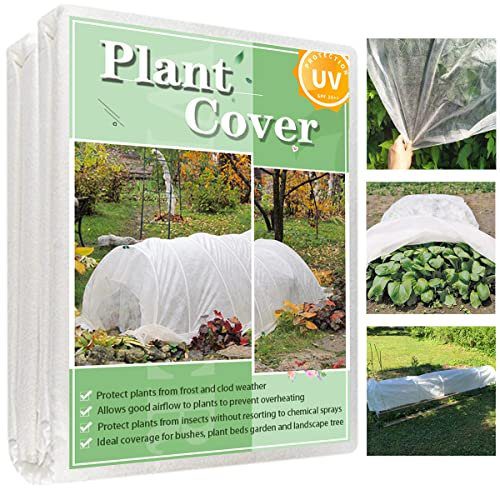
The article explicitly recommends installing floating row covers at planting for immediate protection against cabbage worms, making this a primary preventative product.
- Provides effective frost and freeze protection for plants when used as a floating row cover or tent over soil
- Large, lightweight 0.9 oz fabric is easy to cut, handle, and reposition for different beds and plantings
- Multi‑purpose use for frost, strong sun, and as a physical barrier against insects, birds, and other pests
- Thin fabric can be prone to tearing or damage if pulled tight, caught on sharp edges, or exposed to strong winds
- May require additional supports, clips, or weights to keep the large sheet in place and prevent it from blowing off
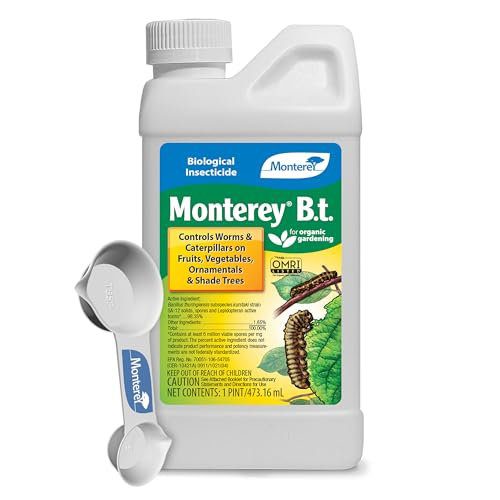
Bacillus thuringiensis (Bt) is specifically recommended in the article as an effective, organic, caterpillar-specific spray for larger infestations of cabbage worms.
- Effectively controls a wide range of caterpillars and worms (e.g., cabbage loopers, hornworms, bagworms, armyworms) without harming beneficial insects when used as directed
- Organic/OMRI-listed biological insecticide that many gardeners feel comfortable using around edible crops and home gardens
- Concentrate format is easy to mix, goes a long way per bottle, and allows flexible dosing for different sprayer sizes
- Requires repeated applications every few days or weekly while pests are active, which some users find labor-intensive
- Results are not always immediate and can be inconsistent if coverage is incomplete, weather interferes, or infestations are severe
As an Amazon Associate, I earn from qualifying purchases. Product recommendations are based on real reviews and independent research.
Pingback: Types of Caterpillars: Garden Pests and the Stingers