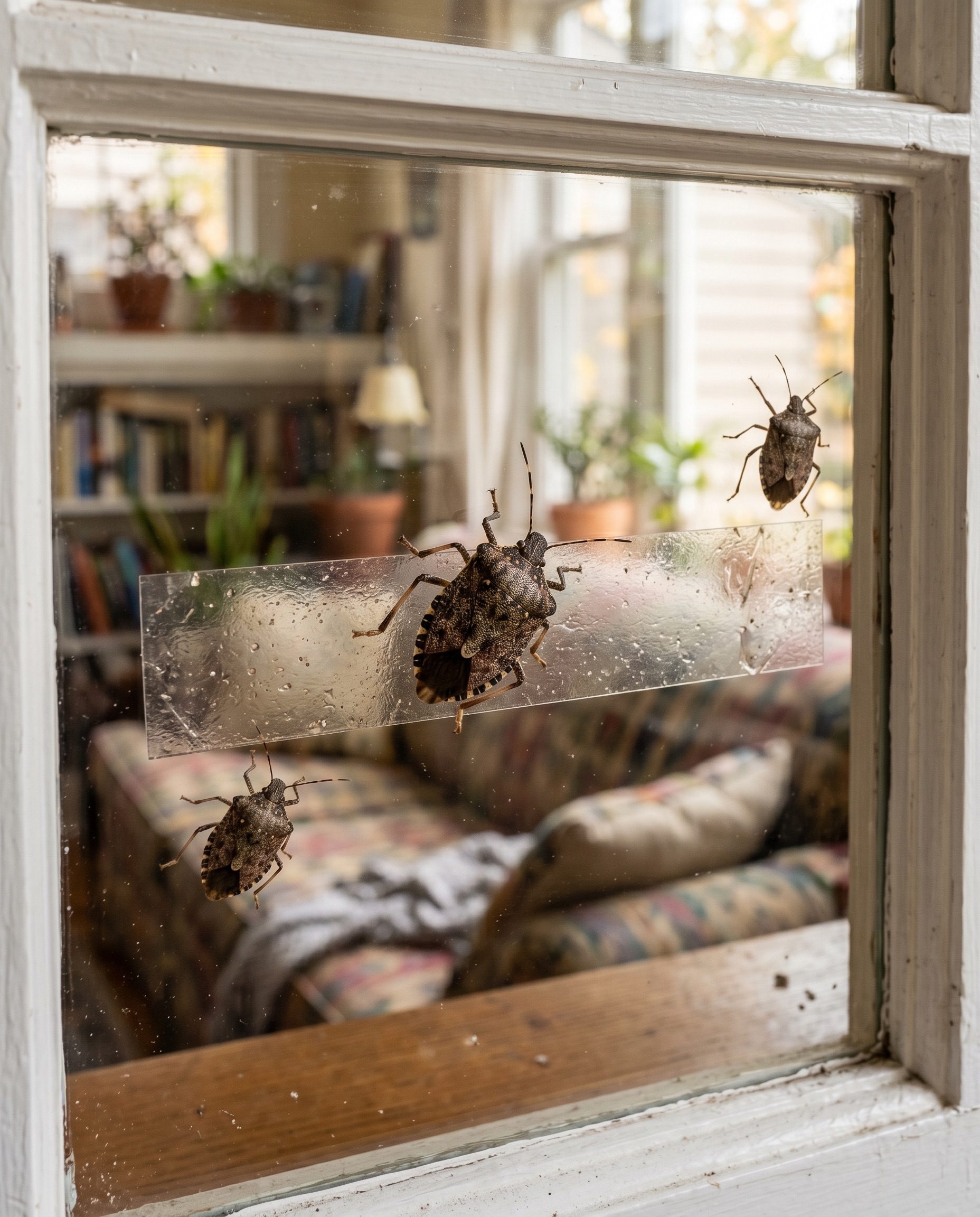
If stink bugs are turning up on your windows and ceilings, an indoor trap will catch the ones already wandering your rooms, but it will not stop the invasion at its source. The short answer: an indoor light or sticky trap is a monitoring-and-mop-up tool, not a cure, so use it to thin the stragglers without crushing them, and pair it with sealing the house and an early-fall exterior perimeter treatment if you actually want fewer next year. For our own place we keep a window fly-trap strip and a sticky monitor on hand for the few that get past the caulk, nothing fancier. Most lists rank a glowing plug-in trap first and call it solved; that is the half-measure, and the comparison below shows why exclusion has to do the heavy lifting.
Indoor stink bug traps catch the ones already inside but never stop the invasion; they are a monitoring and mop-up tool, so seal the house and treat the exterior in early fall, then trap and vacuum the stragglers without crushing them.
- Do first (free): Seal gaps around windows, vents, and the foundation before fall, because exclusion is the only real fix.
- Best for the common case: A window or sticky trap to catch and remove the few that already got in, paired with a vacuum.
- Skip: Crushing them, spraying interior walls, and treating any single indoor trap as the cure.
What to do first
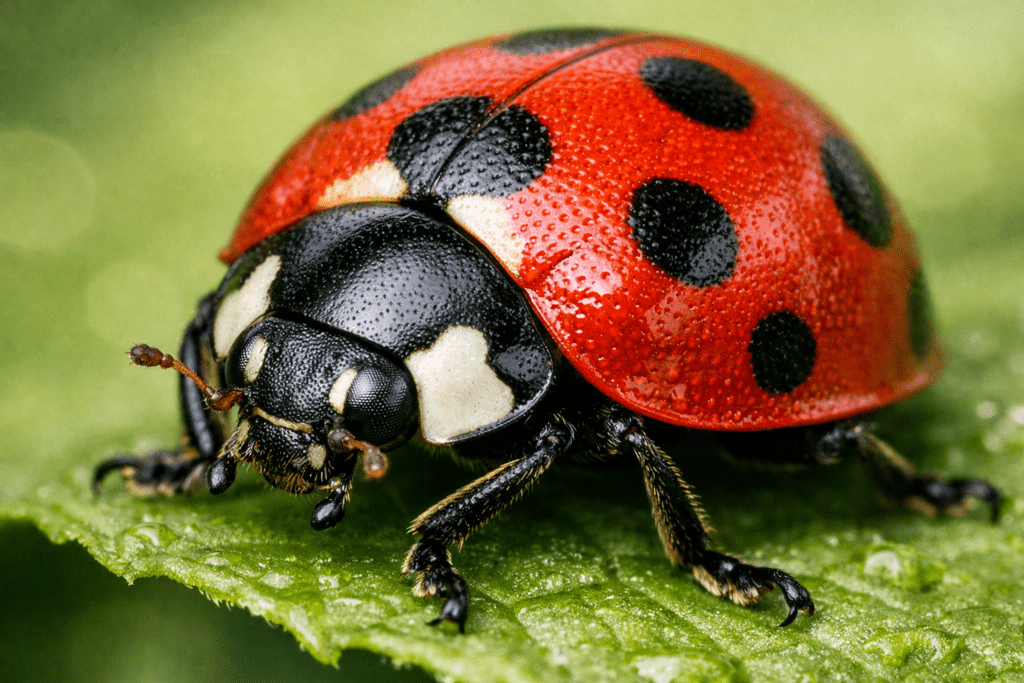
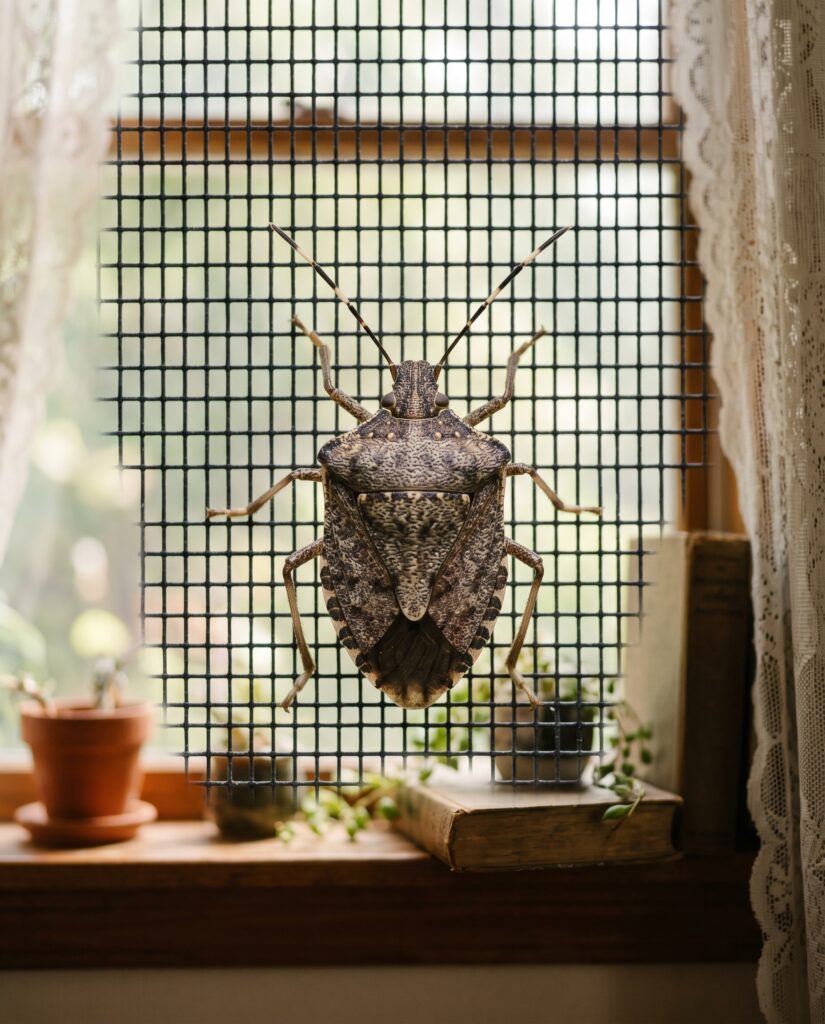
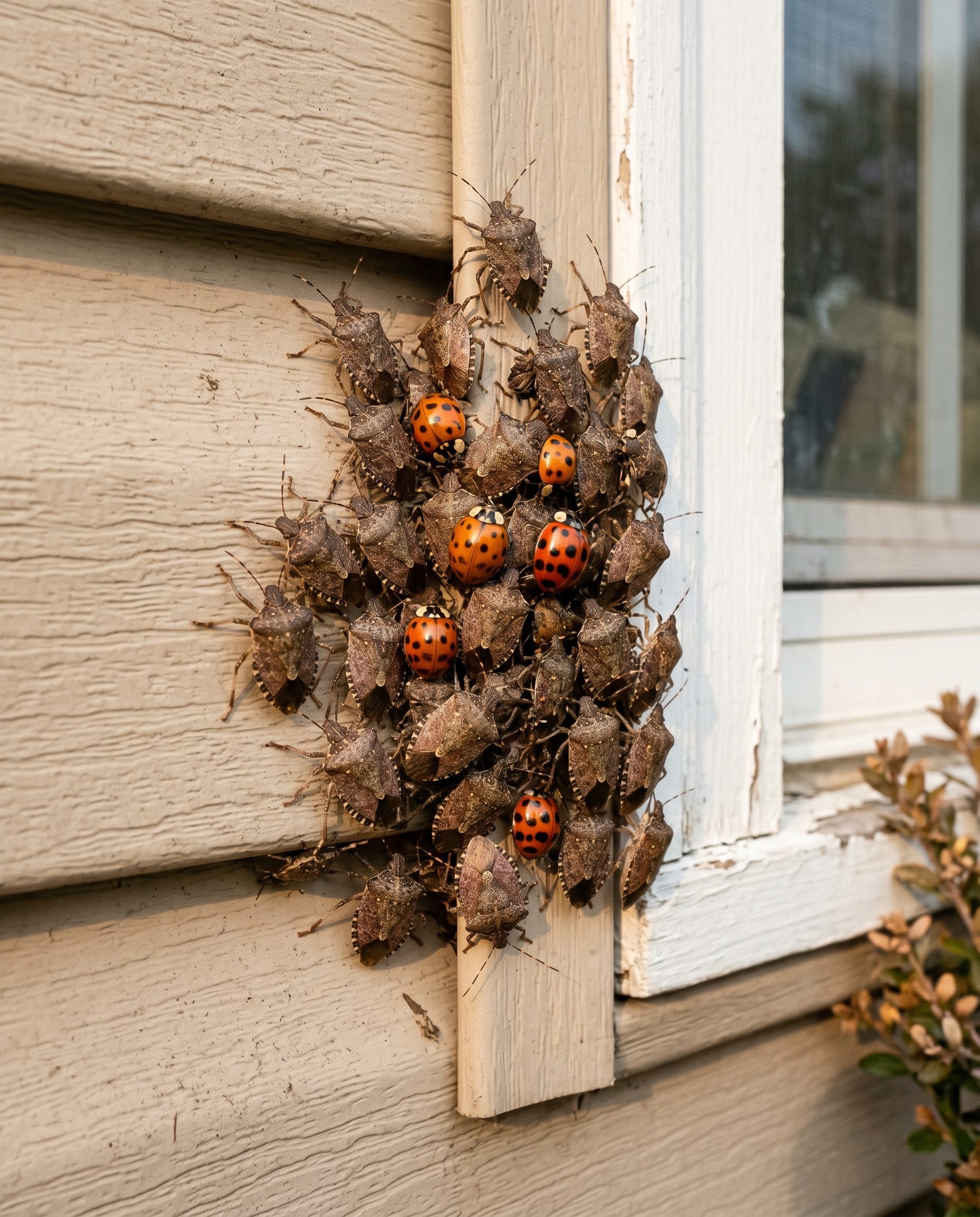
Before you buy a single trap, do the free part, because no indoor gadget changes how many bugs come knocking. Stink bugs, boxelder bugs, and Asian lady beetles are all overwintering invaders: they do not breed, bite, sting, or damage your house, they simply want a warm place to wait out winter, and they slip in through gaps you can close. The fix the experts lead with is exclusion. The UC IPM Pest Notes on the brown marmorated stink bug is direct that sealing entry points is the most effective control and that spraying inside the house is not recommended.
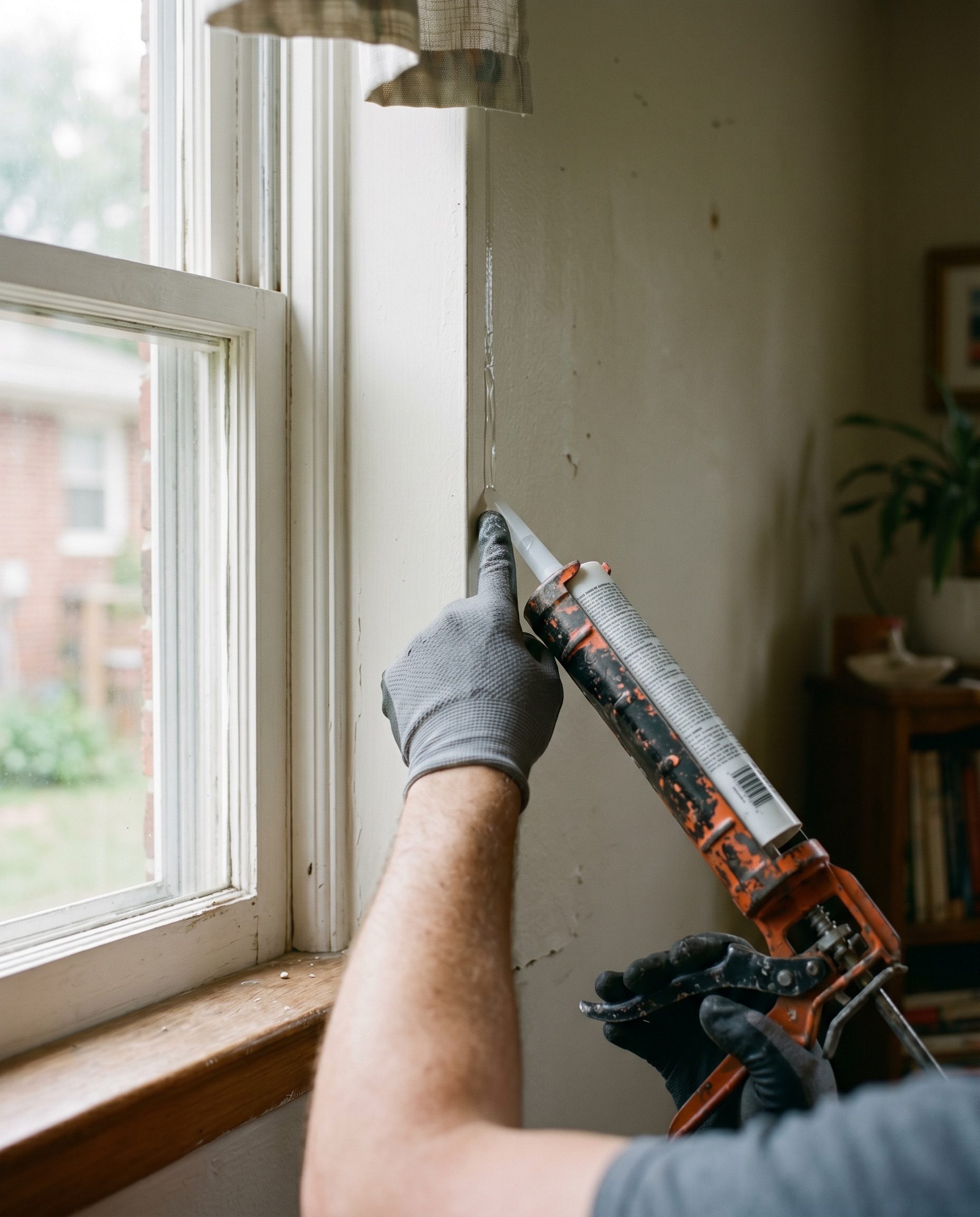
Walk the house in late summer and caulk the cracks around window and door frames, seal where pipes and wires enter, screen attic and crawl-space vents, and add or repair weatherstripping. The gap you seal in August is worth ten traps in October. Our full guide on how to pest-proof a home against fall invaders walks the exterior checklist room by room. A trap earns its place only after the sealing is done, to catch the few that still find a way in.
Why a trap alone never wins
Here is the part most “best trap” lists quietly skip. An indoor trap can only catch bugs that are already inside and moving, so by the time the trap is working, the invasion has already happened. The StopBMSB research consortium is clear that indoor light traps help reduce the adults wandering your living space but do not stop bugs from entering, which is exactly the limit you are working against. A trap is a thermometer, not a thermostat. It tells you how bad the problem is and removes a handful, but it cannot turn the heat down at the door.
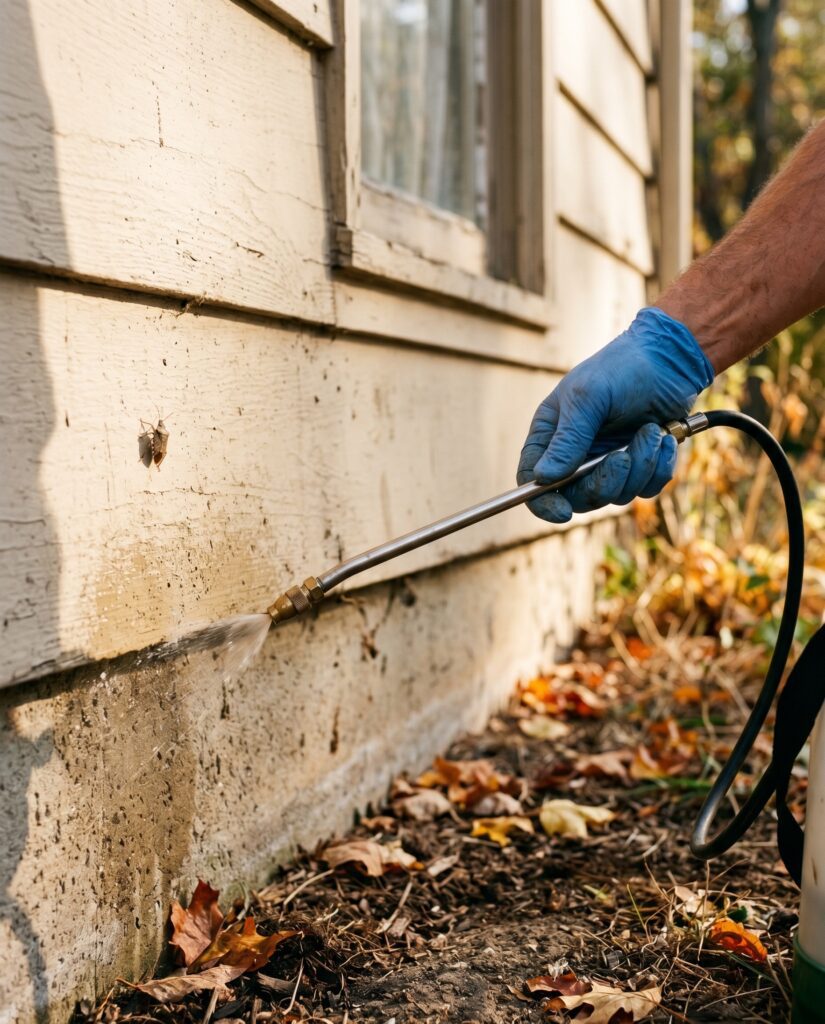
That is the case for treating the trap as one piece of a plan, not the plan. The thing that actually lowers the count year over year is sealing the house plus an early-fall treatment of the building exterior, applied by you with a labeled product or by a pro, before the bugs cluster on the warm south and west walls. The EPA’s safe pest control guidance puts non-chemical exclusion first and reserves any pesticide for the outside of the structure, timed and applied per the label. One firm rule on the inside: never spray your interior walls for these bugs. Dead bugs piling up inside the wall void draw carpet beetles, which become a second pest, and the spray does nothing for the next wave at the door anyway.
Pick the trap for your situation
Once the sealing is handled, choosing a trap is short. Decide by where you see the bugs and how many: a window trap for the ones drawn to the glass, a sticky monitor for the crawlers along baseboards, and a dedicated stink bug trap if you want an attractant working in one problem room. The point is to match the trap to where the bugs actually gather, not to the biggest claim on the box.
| Trap type | Best for | Watch-out |
|---|---|---|
| Window strip trap | Bugs collecting on sunny windows and glass doors | Visible on the pane; catches what comes to the light, not what is hiding |
| Sticky monitor | Crawlers along baseboards and entry routes | Catches a range of insects; replace when full or dusty |
| Dedicated attractant trap | One room with a steady trickle of stink bugs | Draws bugs in; works best away from where you sit |
Why not just buy the loudest light trap and be done? Because a trap that pulls bugs toward a glow can backfire in a bedroom or den, where you do not want anything attracting more traffic. A sticky monitor doubles as your early-warning system: it shows you where they are getting in so you can go back and seal that spot. And remember the bigger picture from the University of Minnesota’s guidance on Asian lady beetles, which leans on vacuuming and exclusion over chemicals indoors; a household vacuum is often the fastest “trap” of all for a cluster on the ceiling. If a sticky board is more than you want underfoot, a simple stink bug repellent or barrier spray for the exterior covers the outside line instead.
How to place and empty them
Set traps where the bugs gather, not where they are convenient. Stick a window strip low on the panes that catch afternoon sun, since the south and west glass is where they pool. Lay sticky monitors flat along baseboards and under windows on the routes they crawl, and tuck a dedicated attractant trap in a corner of the problem room away from your seating so it is not pulling bugs toward you. Catch them, do not crush them. Crushing releases the foul odor and can stain fabric and paint, the exact warning the University of Minnesota Extension’s boxelder bug page gives for every bug in this group.
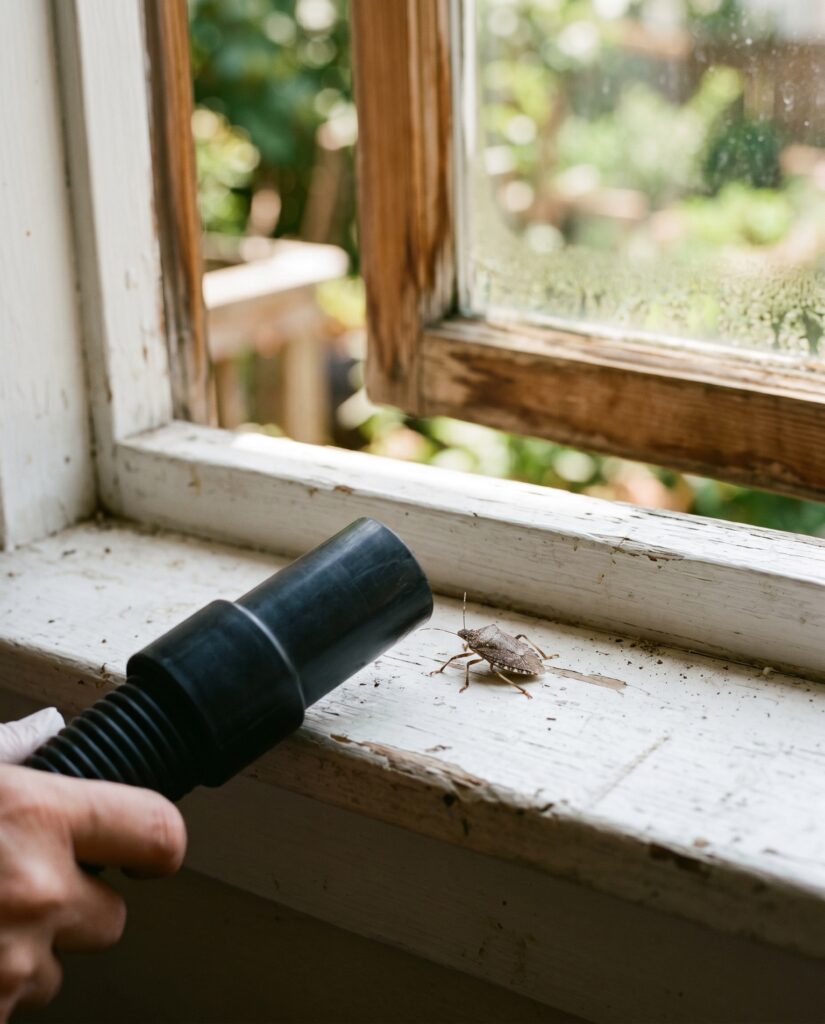
Empty and refresh on a schedule. Check window and sticky traps weekly, swap them when they fill or lose their tack, and drop the catch into a sealed bag in the outdoor trash. For a cluster you can reach, a vacuum with a knee-high stocking slipped over the wand nozzle lets you suck them up and bag them without the smell touching the machine. If you do treat the building exterior in early fall, the label is the law: read and follow it, keep children and pets off treated areas until dry, do not spray near edible gardens or water, and if anyone is exposed contact a doctor or your local poison control center. One more note in their favor: native stink bugs and lady beetles are partly beneficial in the garden, eating pest insects, so the goal is to keep them out of the living space, not to wipe them off the property.
The picks
Cards come after the analysis on purpose, because the sealing and placement decide which trap you actually need. These three cover the windows, the crawl routes, and a dedicated attractant for one stubborn room, and all are common, widely available products.
InsectoGuide is reader-supported. As an Amazon Associate we earn from qualifying purchases at no extra cost to you.
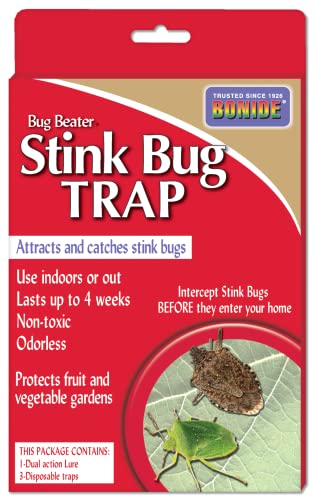
An attractant trap for one room with a steady trickle of stink bugs.
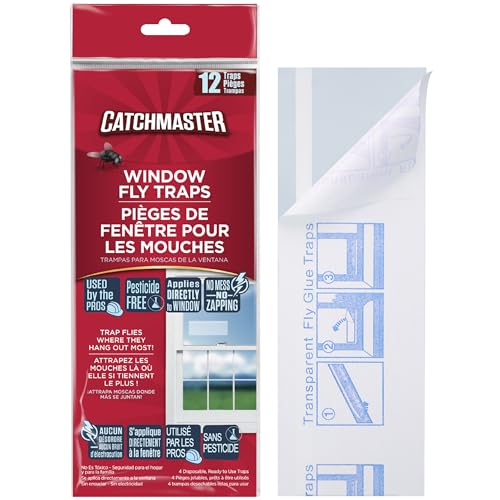
Clear strips for invaders pooling on sunny windows and glass doors.
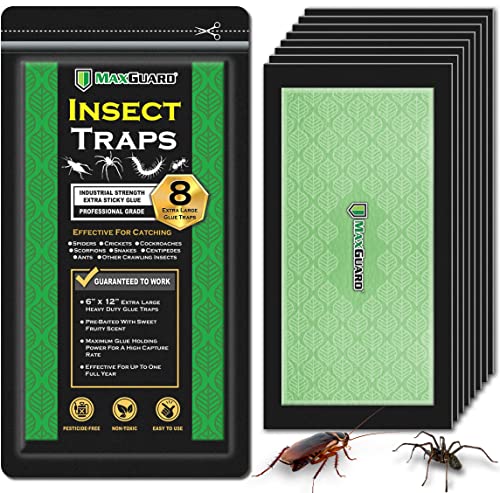
Big non-toxic glue boards for crawlers and finding their entry points.
Common questions
Do indoor stink bug traps actually work?
They work for what they are, which is catching the bugs already loose in your rooms. They will not stop new ones from entering. The StopBMSB consortium notes indoor light traps reduce wandering adults but do not block entry, so treat a trap as cleanup, not prevention.
Why shouldn’t I just spray the walls where they come in?
Because it does not solve the entry problem and creates a new one. The UC IPM Pest Notes advises against interior spraying, and dead bugs accumulating in wall voids attract carpet beetles. Seal the gaps and treat the exterior instead.
What is the best way to remove a cluster on the ceiling?
A vacuum. Slip a knee-high stocking over the nozzle to bag them, then seal and toss the catch, so you never crush them and release the odor. Vacuuming and exclusion are the methods the University of Minnesota recommends for lady beetles, and stink bugs respond the same way.
Are stink bugs and boxelder bugs dangerous to my house?
No. These overwintering invaders do not bite, sting, spread disease, or damage the structure, the University of Minnesota’s boxelder bug page confirms. They are a nuisance and a smell, which is why the answer is exclusion and gentle removal, not heavy chemicals.
When is the right time to treat the outside of the house?
Early fall, before the bugs gather on the warm walls to find a way in. An exterior perimeter treatment timed then, following the EPA’s safe pest control guidance and the product label, gives you the best shot at a lower count, paired with the sealing you did over summer.
Final verdict
There is no indoor trap that ends a stink bug invasion, and any list that sells one as the cure is skipping the only move that matters: keeping them out. Start free by sealing the gaps around windows, vents, and the foundation before fall, then plan an early-fall exterior treatment if the clusters were heavy last year. Use a window strip for the bugs on the glass, a sticky monitor for the crawlers and for spotting entry points, and a dedicated attractant trap only in a stubborn room set away from where you sit. Catch and vacuum them, never crush them, and never spray your interior walls; crushing means the smell and the stain, and indoor spraying just feeds carpet beetles. The trap thins the few that get past you; the sealing is what wins the season. For the full indoor playbook, see our guide on how to get rid of stink bugs in your house.