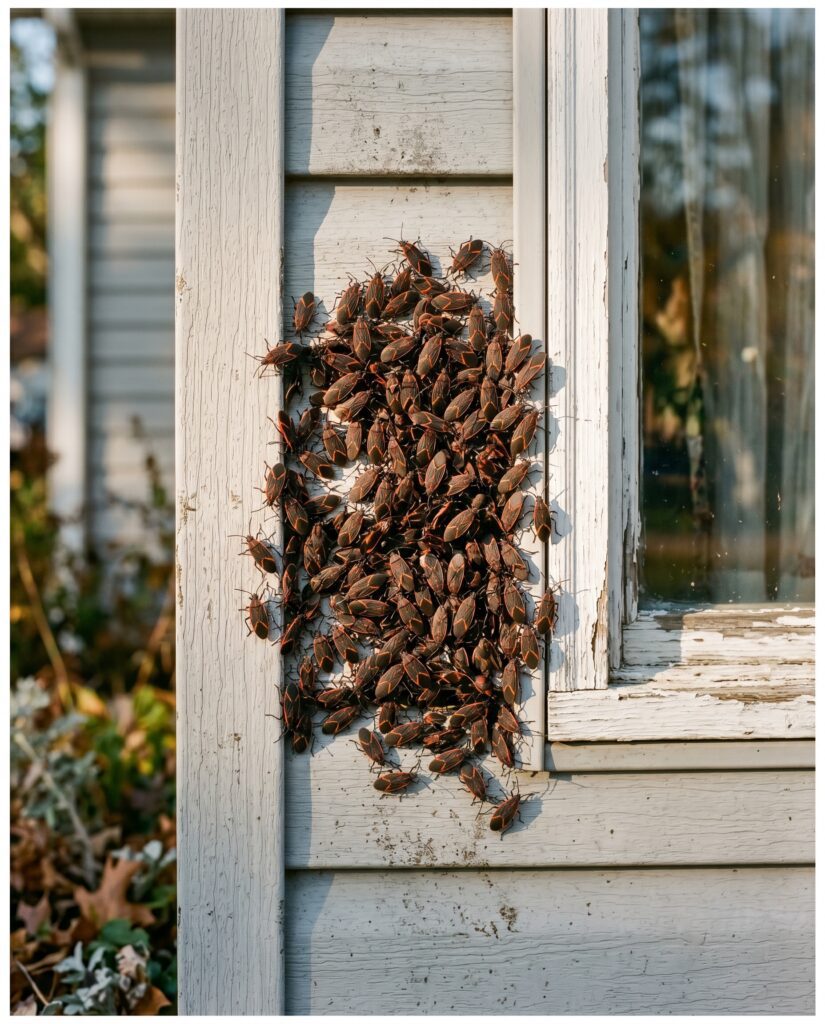
If you are hunting for the best stink bug spray, the honest answer is that no spray repels them the way a citronella candle keeps mosquitoes off a porch. What actually works is an exterior perimeter insecticide put down in early fall, before they crawl inside for winter, backed up with a plant-based spray for spot-killing the few you find on contact. The one thing to skip is spraying your interior walls, because killing stink bugs inside leaves dead-bug piles that attract carpet beetles, and crushing them just releases the smell you were trying to avoid. For our own house we time one outside perimeter treatment for late summer and keep a small plant-based bottle on hand for stragglers, and nothing more. Most lists rank an indoor “repellent” first; that is the pick to ignore, and the breakdown below shows why.
There is no real stink-bug repellent; the fix is an exterior perimeter insecticide applied in early fall before they move in, plus a plant-based spray for spot use, and never spraying interior walls, which leaves dead-bug piles and odor.
- Do first (free): Seal gaps around windows, vents, and the foundation, and vacuum up any bugs already inside.
- Best for the common case: An exterior perimeter spray on the foundation, siding, and eaves, timed for late summer to early fall.
- Skip: Spraying interior walls and crushing the bugs; both create more problems than they solve.
Seal them out first
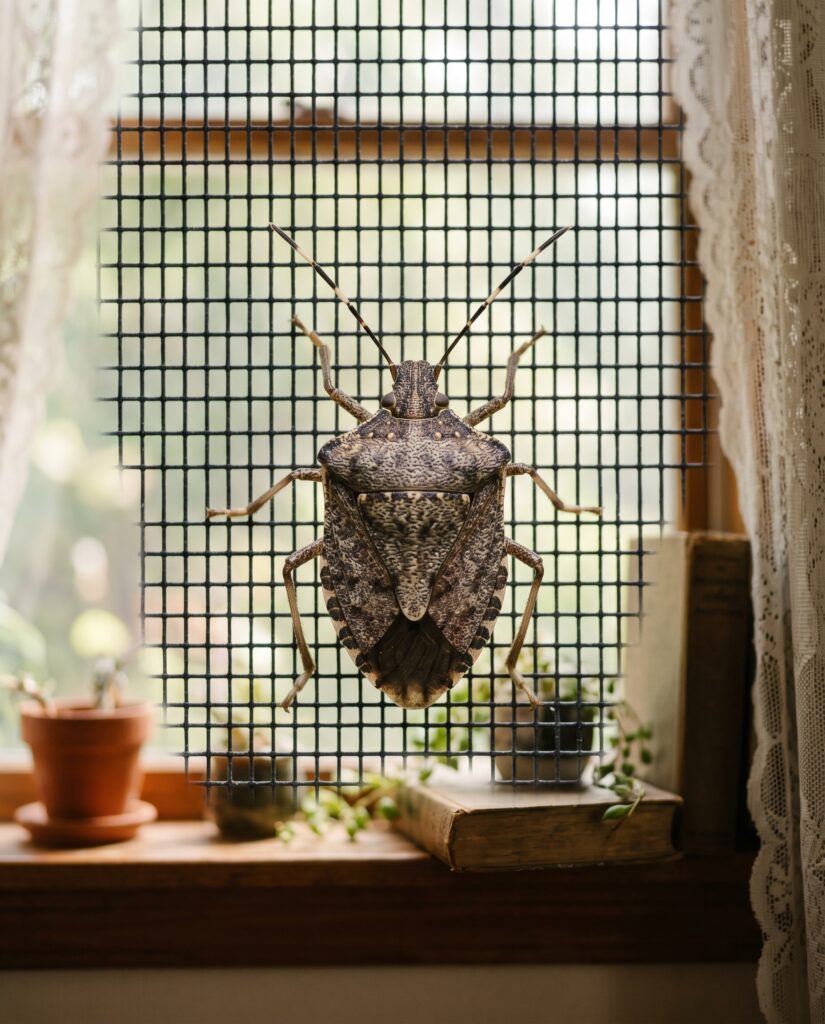
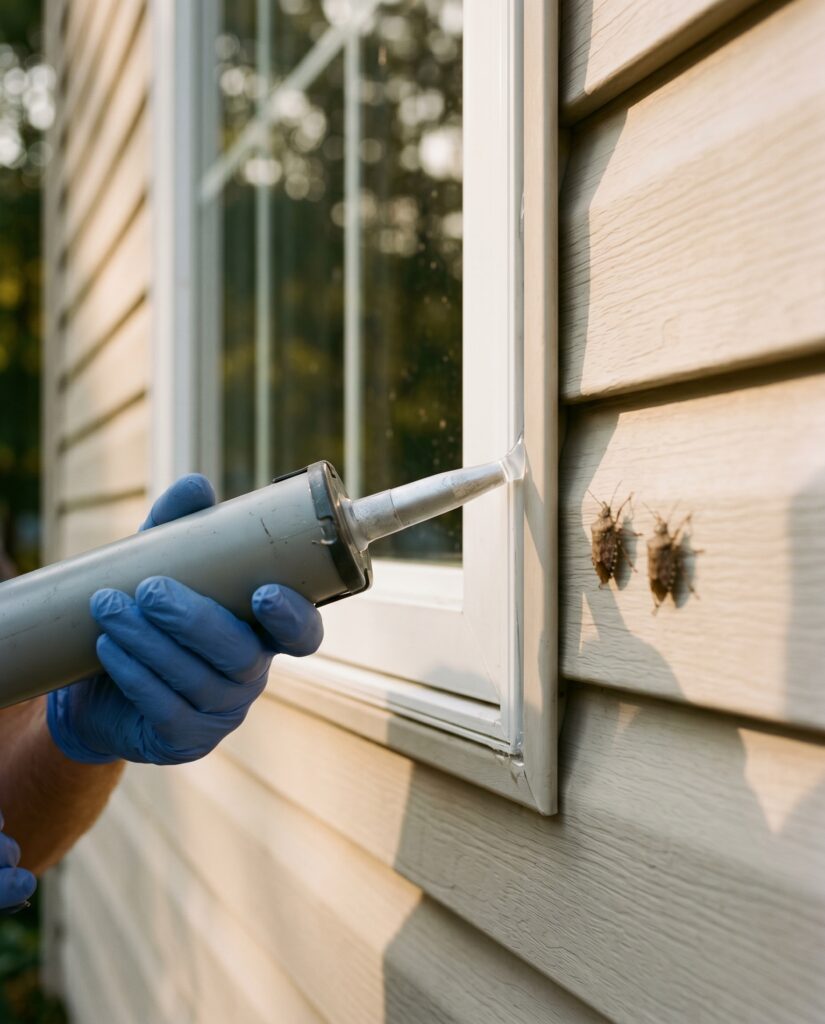
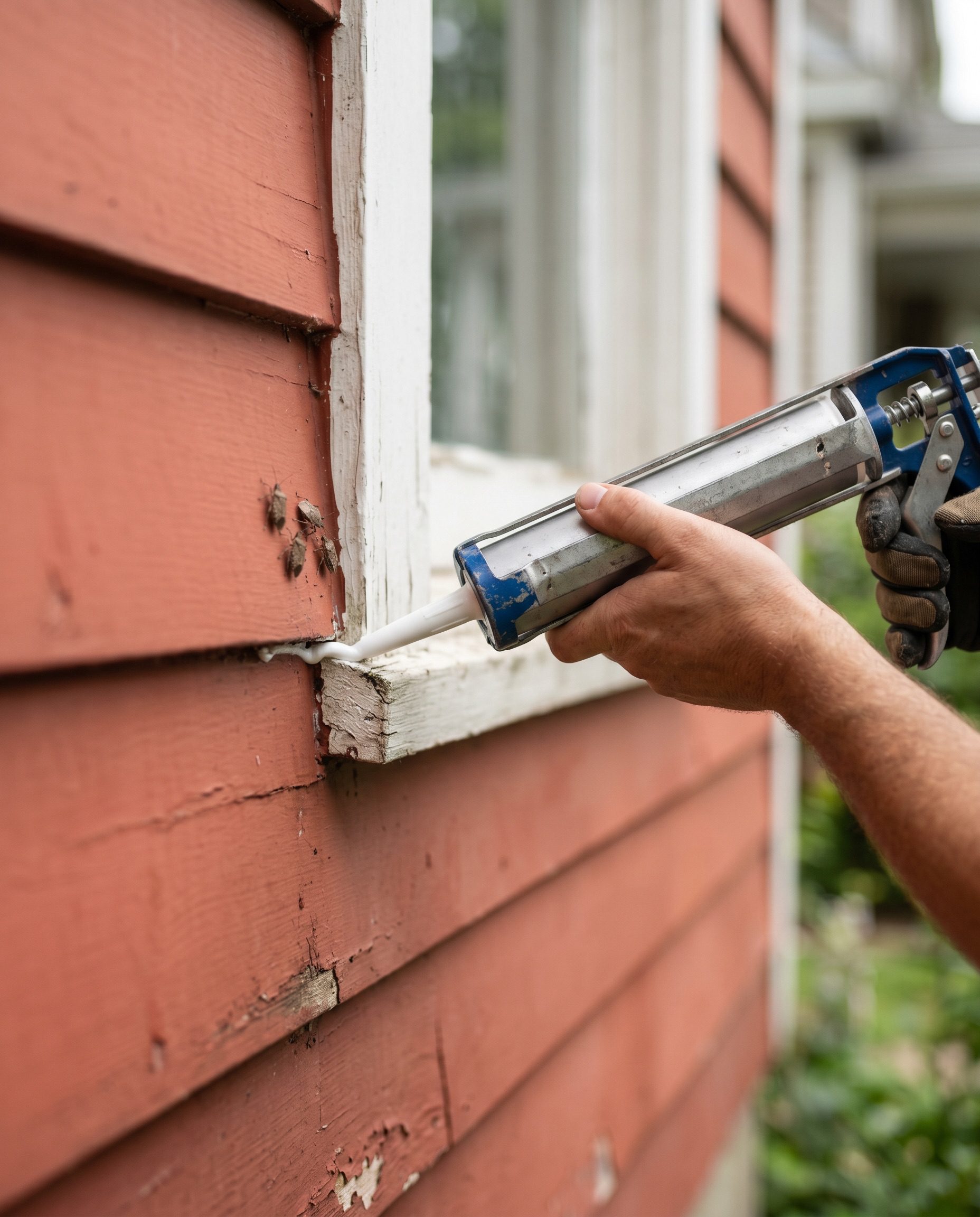
Before any product, do the free part, because stink bugs are an exclusion problem long before they are a spray problem. These are overwintering invaders: brown marmorated stink bugs, boxelder bugs, and Asian lady beetles all push indoors in fall to ride out the cold, then crawl back out in spring. The UC IPM Pest Notes on the brown marmorated stink bug is explicit that keeping them out beats trying to kill them inside. Walk the outside of the house and caulk the gaps where they slip in: around window and door frames, where utility lines and vents pass through walls, behind fascia, and along the foundation. Repair torn screens and add door sweeps. Our guide to pest-proofing a home against fall invaders walks the whole exterior sweep in order.
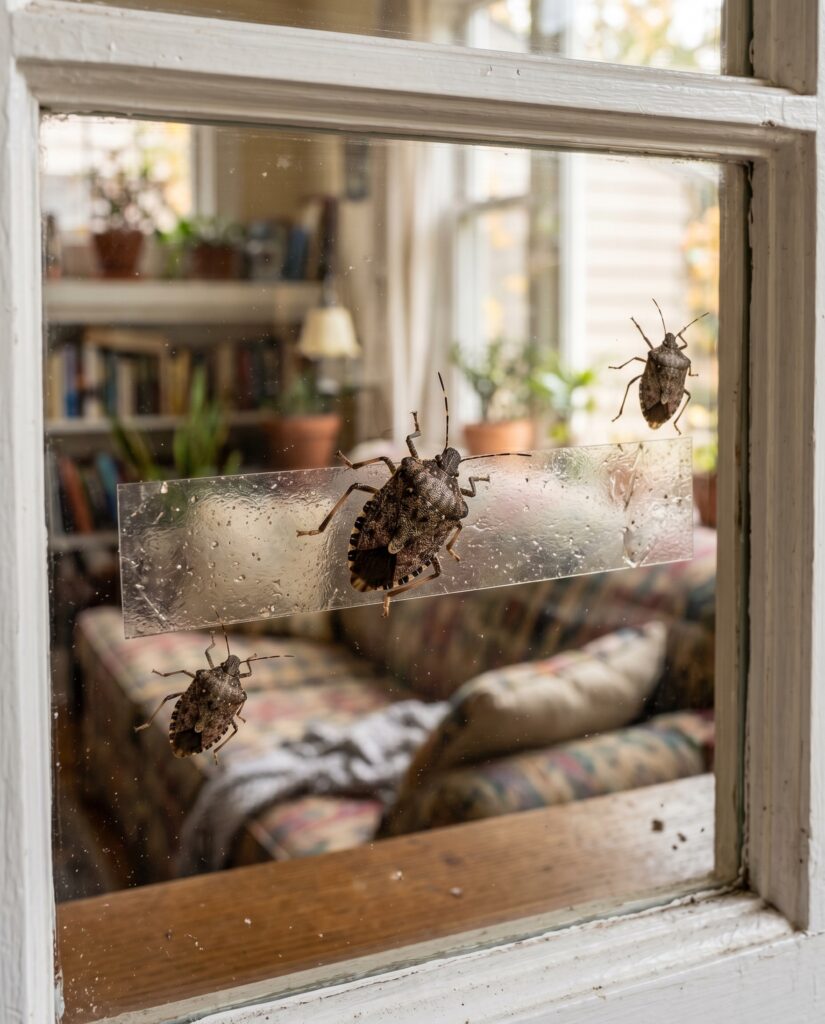
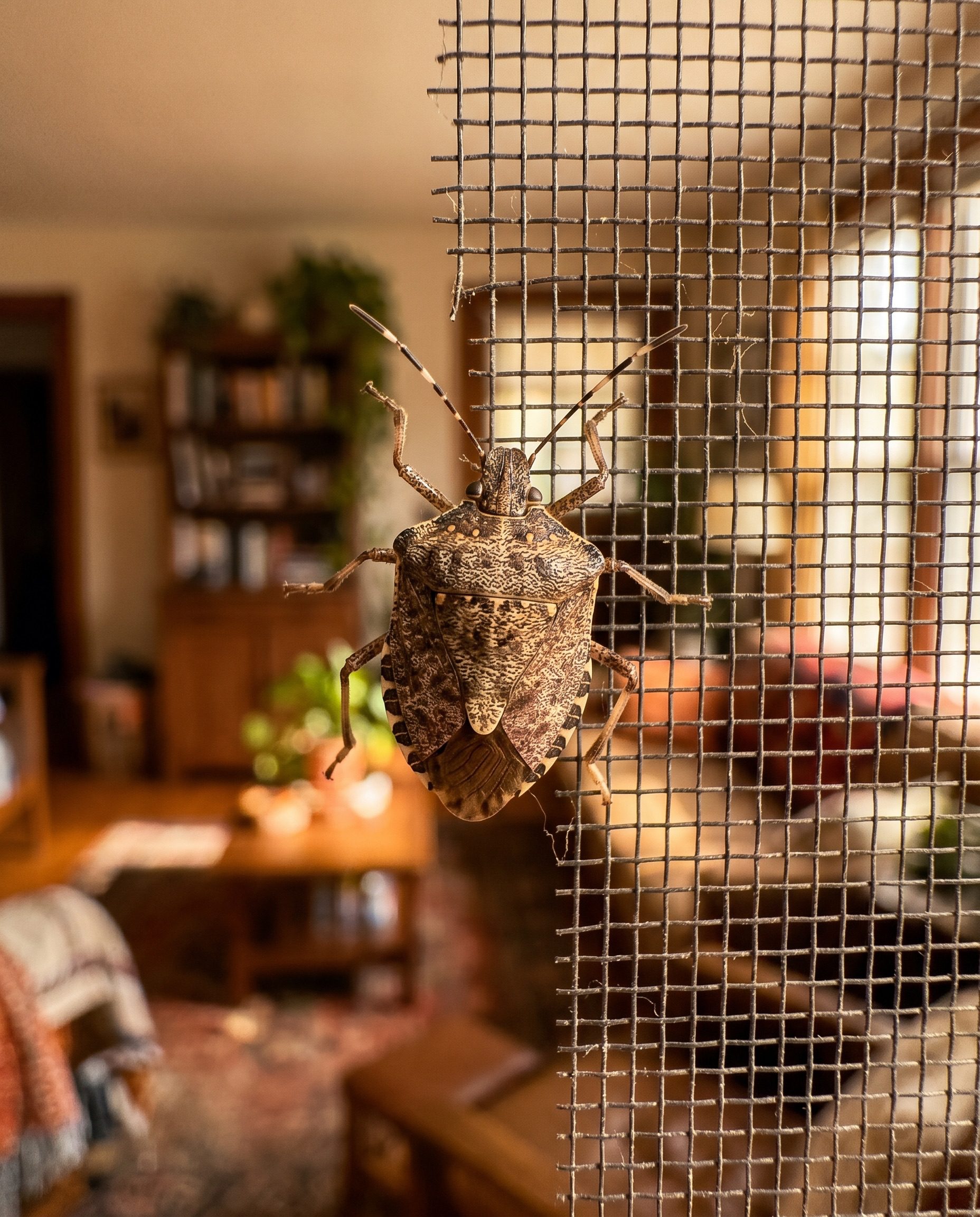
For the bugs already inside, the tool is a vacuum, not a can. Suck them off the windowsill and empty the canister or bag outside right away, because the bodies can leave a lingering odor in the vacuum. The same do-not-crush, vacuum-instead logic the University of Minnesota Extension gives for boxelder bugs applies to every fall invader in this group, and our walkthrough on getting rid of stink bugs in the house covers the indoor cleanup step by step. A spray earns its place outside, before they arrive, not as a way to chase down the ones that already made it in.
Why indoor wall-spraying backfires
Here is the part most “top repellent” lists get wrong. Coating your interior walls and baseboards with insecticide to stop stink bugs does almost nothing useful and creates two new problems. First, the bugs that move into your walls in fall are tucked deep in voids and around window frames where a wall spray never reaches, so you waste the product. Second, and worse, the stink bugs you do kill indoors die inside the walls and pile up, and those dead insects become food for carpet beetles and other scavengers, trading one nuisance for another. The StopBMSB research consortium makes the same point: indoor insecticide treatment for these overwintering bugs is not recommended.
Crushing is the other instinct to fight. Squashing a stink bug, or a boxelder bug or lady beetle, releases the defensive odor and can stain light surfaces, which is exactly the outcome you are trying to avoid. Skip the indoor chemical entirely and reach for the vacuum. It also pays to remember that not every shield-shaped bug or spotted beetle is purely a villain. Some native stink bugs are predators of crop pests, and the multicolored Asian lady beetle the UMN Extension describes eats aphids in the garden before it becomes a fall houseguest, so there is no reason to carpet-bomb the yard with broad insecticide. Target the building, not the landscape.
Perimeter spray vs spot spray
Once you accept that the work happens outside, the category choice is short. There are really two sprays worth owning, and they do different jobs. Decide by timing and target: are you treating the building envelope before the invasion, or knocking down a few bugs you can see right now.
| Spray type | Best for | Watch-out |
|---|---|---|
| Exterior perimeter insecticide | Treating the foundation, siding, and eaves in early fall before entry | Exterior and pre-invasion only; follow the label and time it before they cluster |
| Plant-based contact spray | Spot-killing the few bugs you actually see, indoors or out | Contact-kill with little residual; for spot use, not a wall coating |
| Indoor wall coating | Nothing; this is the approach to skip | Leaves dead-bug piles that attract carpet beetles; wasted effort |
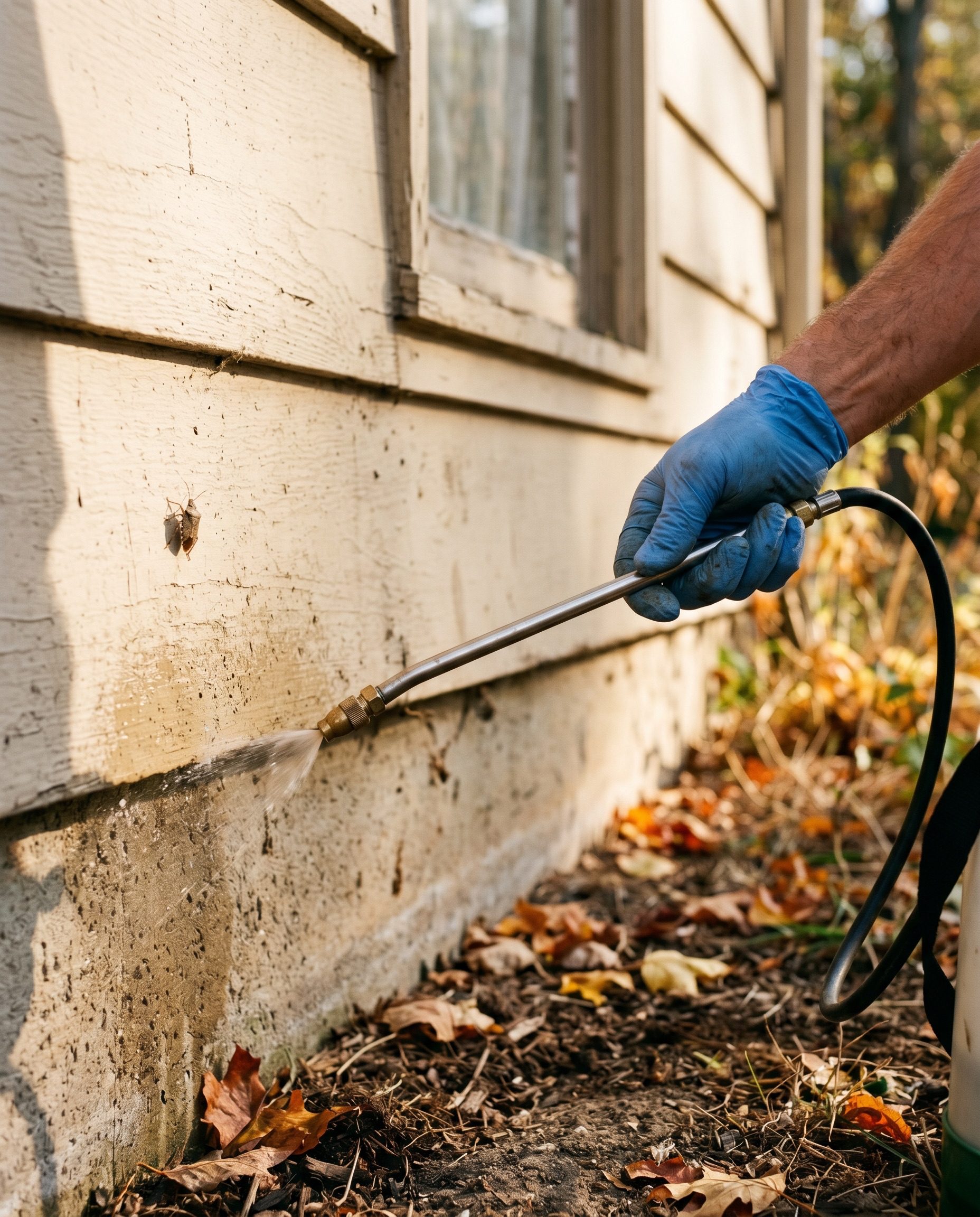
The perimeter spray is the one that does the heavy lifting, and timing is everything: put it down in late summer to early fall, before the bugs start gathering on warm exterior walls, since once they are massed and seeking entry a barrier is far less effective. Apply it as a band along the foundation, up the lower siding, and around the windows, vents, and eaves where they congregate. The plant-based contact spray is the lighter tool for the handful you spot, and a plant-based product is the only kind reasonable to use indoors for spot treatment, never as a blanket wall application. For monitoring or catching strays at lit windows, a stink bug trap can supplement the spray without any chemistry at all.
How and when to apply it
Treat the building envelope, not the air or the garden. For the perimeter product, spray a continuous band where the foundation meets the soil, then up the first foot or two of siding, and hit the trim around windows, doors, soffits, and vents, which is where these bugs concentrate before slipping in. Coverage of the entry zones beats blanketing the yard every time. Time it for late summer to early fall in most regions, earlier the further north you are, so the barrier is fresh when the bugs start clustering on sunny walls.
The label sets the rules, so read it before you start. Under federal law the label is the law, so use an exterior product only outdoors, mix nothing beyond what the label states, and follow its rate exactly; the EPA’s safe pest control guidance covers the IPM-first, follow-the-label basics. Keep children and pets off treated surfaces until everything is fully dry, do not let the spray drift onto edible plants or into water, and if anyone is exposed, contact a doctor or your local poison control center. Because perimeter insecticides are broad-spectrum, do not spray open blooms or flowering plants, and apply at dusk when bees are not foraging to spare the pollinators and the beneficial bugs you actually want around.
The picks
Cards come after the analysis on purpose, because the job decides which one you buy. These three cover the exterior barrier that does the real work and two plant-based options for spot use on the bugs you see.
InsectoGuide is reader-supported. As an Amazon Associate we earn from qualifying purchases at no extra cost to you.
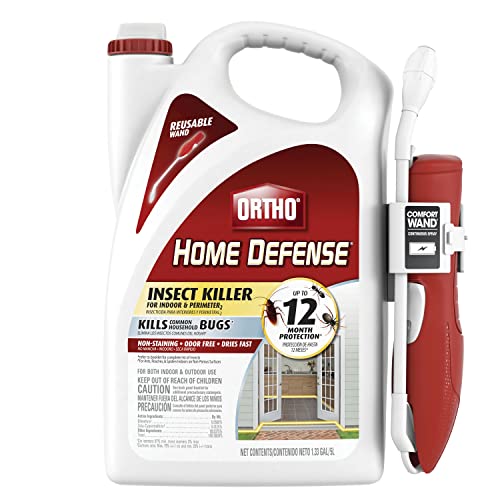
An early-fall perimeter barrier for the foundation, siding, and eaves before bugs enter.
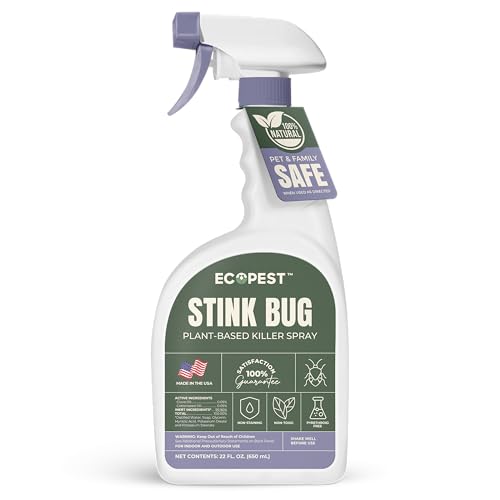
A plant-based contact spray for spot-treating the few bugs you actually see.
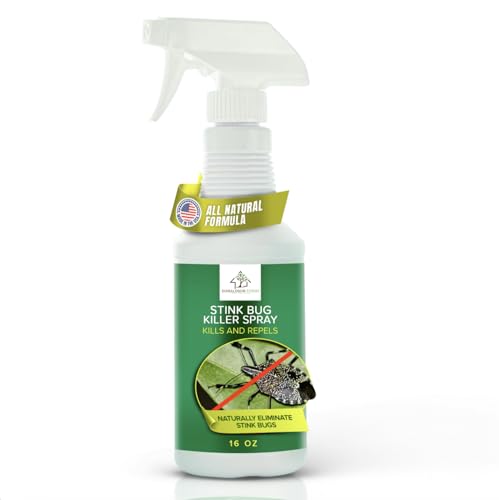
An unscented nature-based contact spray for spot-treating bugs indoors.
Common questions
Is there a spray that actually repels stink bugs?
Not really. There is no reliable repellent that keeps stink bugs off your house the way skin repellent keeps mosquitoes off you. What works is an exterior perimeter insecticide that kills or deters them at the building envelope in early fall, paired with sealing the gaps they use to get in.
Should I spray inside my walls to stop them?
No. The bugs hide in voids a wall spray cannot reach, and the ones you do kill pile up inside and attract carpet beetles. The UC IPM guidance does not recommend indoor insecticide for these overwintering bugs. Seal them out and vacuum the strays instead.
Why shouldn’t I just squash them?
Crushing a stink bug, boxelder bug, or lady beetle releases its defensive odor and can stain light surfaces. Vacuum them up and empty the canister outside, the same approach the UMN Extension recommends for boxelder bugs. It avoids the smell and the stains.
When is the best time to spray the outside?
Late summer to early fall, before the bugs start gathering on warm exterior walls to look for a way in. A barrier put down after they are already massed and seeking entry works far less well, so beat them to it by a few weeks.
Are stink bugs and lady beetles dangerous?
They do not bite, sting, spread disease, or damage your house; they are a nuisance, not a hazard. Some native stink bugs and the Asian lady beetle the UMN Extension describes are partly beneficial in the garden, which is another reason not to blanket the yard with broad insecticide.
Final verdict
There is no magic stink-bug repellent, and any list that ranks an indoor “repellent” first is steering you wrong. Start free by sealing the gaps around windows, vents, and the foundation, and vacuum up any bugs already inside. The spray that earns its place is an exterior perimeter insecticide on the foundation, siding, and eaves, timed for late summer to early fall before they move in, with a plant-based contact spray held back for the few you spot. Skip spraying your interior walls and skip crushing them; dead-bug piles attract carpet beetles and a squashed bug just releases the smell. Treat the building from the outside, leave the beneficial bugs in the garden alone, and you solve the problem without making a new one.