Finding out you have bed bugs is stressful, and the first question most people ask is simple: what will this actually cost? The short answer is that bed bug treatment cost can range from $20 to $100 for DIY supplies to $1,000 to $5,000 for professional whole-home treatment, depending on how many rooms are involved and which method you choose. This guide breaks down real-world price ranges, what drives the bill up or down, and when “cheap” treatment becomes the expensive option.
Quick Answer: Typical Bed Bug Treatment Cost (DIY vs Pro)
If you’re comparing options fast, here are the numbers most homeowners end up working within.
Bed bug treatment cost snapshot (U.S. averages):
| Option | Typical cost | Best for | What to expect |
|---|---|---|---|
| DIY (sprays, powders, encasements, traps) | $20 to $100+ | Very small, caught-early situations | Multiple weeks of work; higher risk of reinfestation |
| Pro treatment (single room) | $300 to $500 | Mild infestations limited to one room | Usually requires follow-ups unless heat is used |
| Pro treatment (whole home) | $1,000 to $5,000 (often ~ $2,500) | Moderate to severe infestations | Higher success rates with proper prep and follow-up |
| Fumigation (whole structure) | $4,000 to $8,000 | Severe, hard-to-access infestations | Vacate home; used less often, but effective |
Bottom line: DIY looks cheaper upfront, but professionals typically deliver far higher elimination rates, especially once bed bugs spread beyond one room.
What Drives Bed Bug Treatment Prices Up (and How to Estimate Your Range)
Bed bug pricing can feel confusing because two homes of the same size can get very different quotes. The reason is that exterminators price the job based on risk and labor, not just square footage. Bed bugs hide in tight cracks, travel along baseboards, and hitchhike on laundry and bags. Once they spread, the “search area” multiplies.
A good way to think about cost is like wildfire containment. A small spot fire (one bedroom) is cheaper to contain than a fire that has jumped to the living room, closets, and adjacent units.
The biggest cost factors
Here’s what usually changes your estimate the most:
- Number of rooms affected: One room vs three rooms is often the tipping point for switching from per-room pricing to a whole-home plan.
- Treatment method: Heat and fumigation cost more upfront, but may reduce repeat visits.
- Home layout and clutter level: More hiding spots means more labor and more missed insects if prep is incomplete.
- Multi-unit housing: Apartments, condos, and townhomes can require coordination with neighbors or building management.
- Region and labor costs: Dense, high-cost areas (often the Northeast) tend to price at the higher end.
- How quickly you act: Early response is usually cheaper than waiting through multiple bug generations.
Quick severity-to-cost guide
Use this as a starting point before you call for quotes:
- Mild (1 room): $300 to $500
- Moderate (2 to 3 rooms): $700 to $1,300
- Severe (4+ rooms or whole home): $1,500 to $5,000
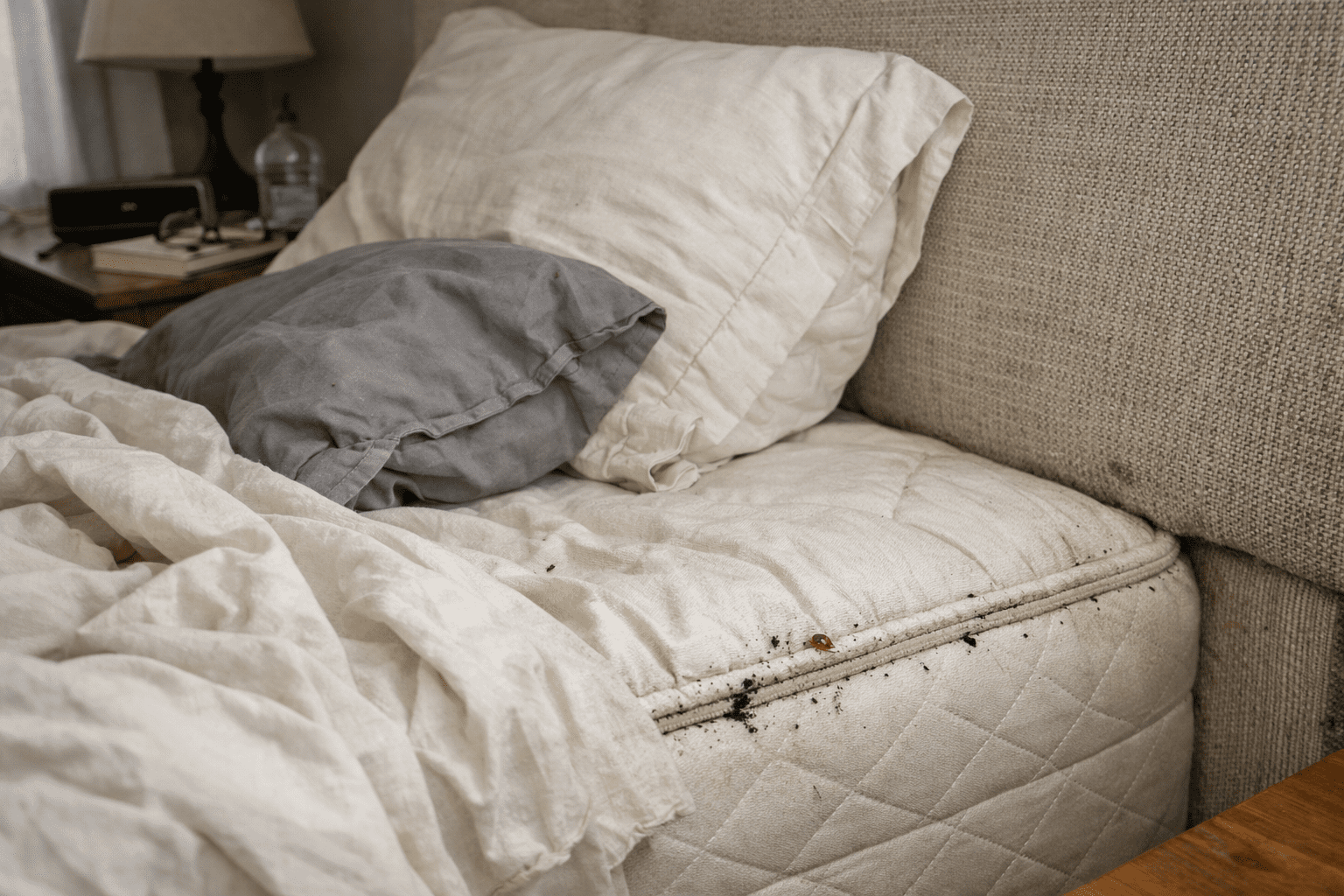
If you’re not sure how far they’ve spread, confirm first. Start with the most reliable clues in this guide to the signs of bed bug infestation, then map where you’ve seen live bugs, shed skins, fecal spotting, or fresh bites.
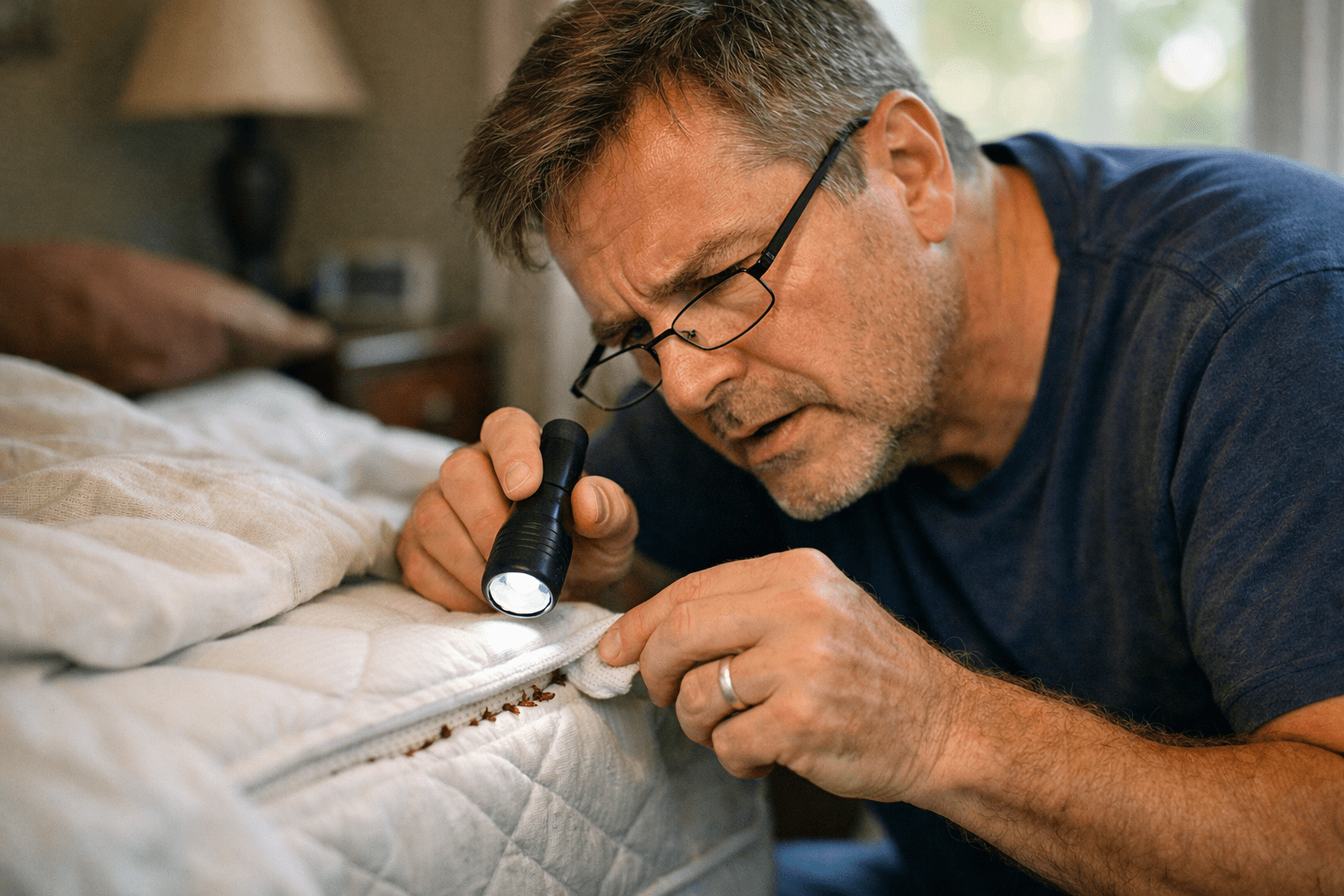
Visual checklist: what to inspect before you request quotes
Bring this list to each room and check off what you find:
- Mattress seams and tags
- Box spring edges and underside
- Bed frame joints and screw holes
- Baseboards and carpet edges
- Nightstands (especially drawer joints)
- Upholstered furniture seams
- Behind headboards, picture frames, and outlet plates
Actionable takeaway: The more clearly you can describe where activity is happening, the more accurate your quote will be.
Professional Bed Bug Treatment Costs by Method (Chemical, Heat, Steam, Freeze, Fumigation)
Hot Shot Bed Bug and Flea Killer, 1 Gallon
This product is a DIY bed bug spray that can help homeowners tackle minor infestations before they escalate, aligning with the DIY bed bug removal section of the article.
Professional services cost more because you’re paying for trained inspection, commercial equipment, and products that are applied with a plan. The method matters because bed bugs have two traits that punish half-measures: they hide extremely well, and eggs are hard to kill with many pesticides.
According to pricing summaries from home-improvement and pest-cost researchers such as This Old House pest control cost analysis and HomeGuide’s bed bug exterminator cost guide, most U.S. homeowners land in the low-thousands for whole-home work, with method and severity driving the spread.
Cost comparison chart by treatment type
| Professional method | Typical cost per room | Typical whole-home cost | Visits | Notes |
|---|---|---|---|---|
| Chemical (residual insecticides + IGRs) | $200 to $400 | $1,000 to $2,500 | 2 to 3 | Often spaced over 4 to 6 weeks |
| Heat treatment | $400 to $900 | $2,000 to $4,500 | 1 | Kills bugs and eggs when done correctly |
| Steam (targeted) | $250 to $500 | $1,500 to $3,000 | 1 to 3 | Great for seams and crevices, limited residual |
| Freeze / Cryonite | $300 to $600 | $2,000 to $4,000 | 1 to 2 | Specialized equipment, depends on access |
| Fumigation | N/A | $4,000 to $8,000 | 1 | Reserved for severe, structure-wide issues |
What each method is really buying you
Chemical treatments are often the most affordable professional option, but they usually require multiple visits. That’s because eggs can hatch after the first application, and technicians need to re-treat to catch newly emerged nymphs.
Heat treatments cost more upfront but can be the most economical when multiple rooms are involved, because one properly executed visit can eliminate all life stages. If you’re comparing bids, ask what temperature range they target and how they monitor it.
Steam and freezing are excellent targeted tools, especially for seams, tufts, and cracks. They’re often used as part of a broader plan, not as a stand-alone fix for a whole home.
Fumigation is typically a last resort for severe infestations or hard-to-access structures. It’s effective, but it requires vacating and strict preparation.
Actionable takeaway: When you compare quotes, compare the plan – number of visits, monitoring, and warranty terms – not just the initial price.
DIY Bed Bug Removal: Real Costs, Real Limits, and When It Makes Sense
Harris Bed Bug Killer with Egg Kill, 1 Gallon
No Amazon product page or ASIN located in search results; product appears on manufacturer’s site ($59.99) and Walmart but lacks Amazon ratings, reviews, or pricing data for affiliate recommendation. Effective for resistant bed bugs and eggs per manufacturer claims, but insufficient data for endorsement.
DIY can work in narrow situations, but it fails most often for a predictable reason: bed bugs don’t live “on the bed.” They live in the structure of your room – inside joints, behind trim, in furniture seams, and sometimes in adjacent rooms. If even a small pocket survives, the population rebuilds.
What DIY typically costs (and what people forget to budget)
A realistic DIY shopping list often includes:
- Bed bug spray or concentrate (plus a dedicated sprayer)
- Desiccant dust (silica gel or diatomaceous earth labeled for bed bugs)
- Mattress and box spring encasements
- Interceptor traps for bed legs
- Heavy-duty vacuum bags and disposable gloves
- Laundry costs (hot wash, hot dry cycles)
- Optional: a steamer or portable heat device
Many people start with a single product and then add tools as they realize how persistent the bugs are. If you want to choose products more strategically, use InsectoGuide’s tested roundup of best bed bug sprays and killers and the guide to bed bug steamers for home use.
DIY success depends on biology, not effort
Bed bugs (Cimex lectularius) are built for survival indoors. They hide in tight spaces, feed quickly, and can go weeks without a meal. On top of that, resistance to common insecticide classes has been documented in many populations. Educational resources from institutions like the University of Kentucky Entomology bed bug guidance explain why over-the-counter sprays often underperform when used alone.
DIY is most reasonable when all three are true
Use DIY as your primary approach only if:
- You caught it early (isolated signs, limited to one sleeping area)
- You can commit to 6 to 10 weeks of consistent work and monitoring
- You can reduce hiding spots (declutter, bag items, isolate the bed)
Visual: DIY “minimum viable” plan (weekly loop)
- Week 1: Confirm infestation, isolate bed, encase mattress/box spring, install interceptors
- Weeks 1 to 6: Vacuum and empty outside, steam seams and crevices, apply labeled dust carefully
- Weekly: Re-check interceptors, re-inspect seams and baseboards, launder bedding on hot dry
- Weeks 6 to 10: Continue monitoring even if bites stop
Actionable takeaway: DIY is cheapest when it’s targeted, early, and disciplined. If you’re seeing bites across multiple rooms, DIY often becomes a delay rather than a solution.
Which Option Saves Money Long-Term? A Practical Decision Framework
Ziploc Big Bags, 3 Count
Ziploc Big Bags (3 Count) earn a strong 4.7-star rating from over 15,000 Amazon reviews, praised for their massive capacity and sturdy, easy-to-use design ideal for storing bulky seasonal items. While not a supplement, they’re a reliable affiliate recommendation for household organization needs at around $12.99, though best suited for large-scale storage rather than everyday use.
Bed Bug Encasement Mattress Protector, Queen Size
No Amazon product page or ASIN found in search results for SafeRest Bed Bug Encasement Mattress Protector Queen Size; product details from brand and Walmart indicate waterproof, hypoallergenic, bed bug-proof features with micro-zipper, but cannot recommend without verified Amazon ratings, reviews, or pricing data.
Most people don’t choose between DIY and professional help based on biology. They choose based on budget, time, and how urgent it feels. But bed bugs punish wishful thinking. The cheapest plan is the one that ends the infestation fastest, with the fewest re-treatments and the least spread.
The hidden costs that don’t show up on the first receipt
Even a “cheap” attempt can get expensive if it drags on:
- Repeat product purchases after the first spray fails
- Replacing mattresses or furniture that could have been saved with early intervention
- Lost work or sleep from weeks of disrupted rest
- Spreading to additional rooms (or neighboring units)
- Professional treatment later anyway, now priced as moderate or severe
This is why many pest professionals recommend an integrated approach. The EPA’s bed bug guidance emphasizes combining methods like monitoring, physical removal, heat/steam, and carefully selected insecticides rather than relying on a single product.
Use this “threshold” test to decide
Choose DIY-first if:
- You have verified activity in one area only
- You can isolate the bed and reduce clutter quickly
- You’re comfortable following label directions precisely
- You can monitor for at least 8 weeks
Choose professional treatment if:
- Activity is in 2+ rooms
- You live in a multi-unit building
- You’ve already tried DIY for 2 to 3 weeks with no improvement
- Someone in the home has strong reactions to bites or cannot tolerate prolonged exposure to insects
- You need a faster resolution (travel, guests, rental turnover)
Visual: “DIY vs Pro” decision chart
- One room, early signs, strong follow-through -> DIY can be reasonable
- More than one room, uncertain spread -> professional inspection and plan
- Multiple rooms + apartment/condo -> professional treatment strongly recommended
- Severe infestation or repeated failures -> heat treatment or fumigation discussion
Actionable takeaway: If you’re on the fence, pay for a professional inspection. A clear map of infestation zones prevents wasted spending.
How to Lower Your Bed Bug Treatment Bill Without Cutting Corners
You can’t bargain bed bugs into disappearing, but you can reduce the amount of labor and repeat visits needed. Most companies charge more when preparation is incomplete because it limits access to hiding spots and reduces treatment effectiveness.
Prep steps that can reduce total cost
Before treatment (DIY or professional), focus on access and containment:
-
Declutter aggressively
Bag items in heavy-duty plastic, seal tightly, and sort later. -
Launder strategically
Run bedding and clothing through a hot dryer cycle when fabric allows. Heat is often the killing step. -
Isolate the bed
Pull it slightly from the wall, remove bed skirts, and install interceptors. -
Vacuum correctly
Vacuum seams, edges, and cracks. Immediately seal and discard the vacuum contents outside. -
Avoid bug-bomb foggers
They can scatter bed bugs deeper into walls and furniture. Many extension services warn against them for bed bugs.
Ask these questions before you sign a contract
Use this quick interview list:
- How many visits are included, and how far apart?
- What prep is required, and what happens if prep is incomplete?
- Do you use heat, chemicals, or a combination?
- What is covered under your warranty or guarantee?
- How do you confirm elimination (interceptors, follow-up inspections)?
Don’t misread bites as proof
Skin reactions vary, and some people don’t react at all. If you’re trying to confirm whether you’re dealing with bed bugs or something else, compare patterns in bed bug bites vs other insect bites so you don’t spend money chasing the wrong culprit.
Actionable takeaway: The best way to lower cost is to shorten the infestation timeline. Fast detection plus solid prep often saves more than any coupon.
Conclusion: Pay for Elimination, Not Just Treatment
Bed bug treatment cost ranges widely, but the pattern is consistent: DIY is cheapest upfront, while professional treatment is usually cheaper in the long run once bed bugs spread beyond one room or DIY efforts stall. Chemical programs tend to cost less initially but require multiple visits, while heat costs more upfront and often finishes faster.
Next step: confirm your infestation boundaries using the signs of bed bug infestation, then compare your options against InsectoGuide’s complete guide to getting rid of bed bugs to choose a plan that actually ends the problem.
As an Amazon Associate, I earn from qualifying purchases. Product recommendations are based on real reviews and independent research.