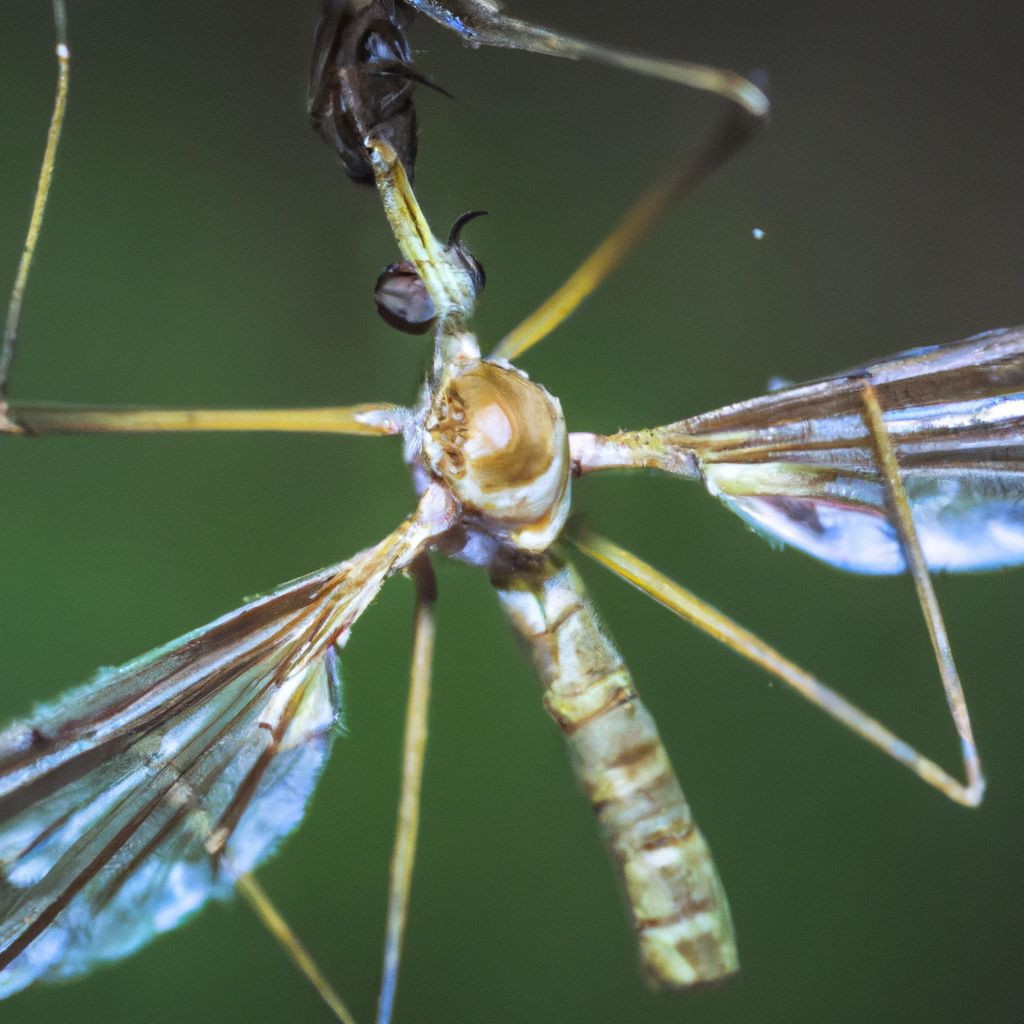
When temperatures drop below freezing, you stop seeing mosquitoes. But they haven’t died off – most species have evolved survival strategies that carry them through even the harshest winters. Understanding how mosquitoes overwinter helps explain why they seem to appear out of nowhere every spring and what you can do to reduce the first wave.
Quick Answer
- Mosquitoes don’t die in winter. Different species survive as hibernating adults, freeze-resistant eggs, or dormant larvae depending on the species.
- Adult hibernation (diapause): Some species like Culex pipiens hibernate in sheltered spots (basements, sewers, animal burrows) for months
- Egg survival: Aedes mosquitoes lay cold-hardy eggs that survive freezing temperatures and hatch when spring rains arrive
- Spring emergence happens when temperatures consistently stay above 50°F (10°C)
Three Winter Survival Strategies
| Strategy | Species | How It Works | Where They Hide |
|---|---|---|---|
| Adult diapause | Culex pipiens (house mosquito) | Mated females hibernate, living off fat reserves for months | Basements, caves, storm drains, hollow logs |
| Freeze-resistant eggs | Aedes species (tiger mosquito) | Eggs laid in fall tolerate freezing and desiccation | Dry areas near potential spring flooding |
| Larval dormancy | Some tropical species | Larvae slow metabolism in cold water | Semi-permanent water bodies |
Where Do Mosquitoes Go in Winter?
Hibernating adult mosquitoes seek out protected microhabitats where temperatures stay above freezing. Common winter refuges include crawl spaces and unheated basements, storm drains and sewer systems, hollow trees and log piles, animal burrows, garages and sheds, and gaps in home siding.
During diapause, the mosquito’s metabolism drops to near zero. She doesn’t feed, doesn’t fly, and barely breathes. Fat reserves accumulated during fall feeding sustain her for 4-6 months until warming temperatures trigger reactivation.
When Do Mosquitoes Come Back in Spring?
Mosquito emergence timing depends on your climate zone. As a general rule, mosquitoes become active when temperatures consistently stay above 50°F (10°C). In the southern US, this can be as early as February. In northern states, May or June is more typical.
The first mosquitoes you see in spring are either overwintered adults emerging from hibernation or newly hatched adults from eggs that survived winter. Within 2-3 weeks of warm weather, these pioneers lay eggs that start a new generation cycle.
What You Can Do Before Mosquito Season
- Late fall cleanup: Remove leaf litter and debris where eggs may overwinter. Clean gutters and drain any standing water before the first freeze.
- Seal entry points: Check window screens, door sweeps, and foundation cracks to prevent hibernating mosquitoes from sheltering in your home.
- Early spring: As soon as temperatures hit 50°F consistently, do a “tip and toss” inspection. Empty any container that collected water over winter.
- Pre-treat standing water: Drop Mosquito Dunks in permanent water features, rain barrels, and low-drainage areas before the first hatch.
Key Takeaways
- Mosquitoes survive winter through hibernation (adult diapause), freeze-resistant eggs, or larval dormancy depending on the species.
- Hibernating adults hide in basements, storm drains, and sheltered spots where temperatures stay above freezing.
- Mosquitoes re-emerge when temperatures consistently exceed 50°F (10°C), starting the breeding cycle within 2-3 weeks.
- Pre-season cleanup in late fall and early spring significantly reduces the first wave of mosquitoes on your property.