Mosquito season starts and ends based on weather, not the calendar. In most of the U.S., mosquitoes begin showing up when temperatures stay above about 50°F (10°C) and there is enough standing water for eggs and larvae to develop. That is why one spring can feel “buggier” than another, and why a warm fall can keep bites going long after Labor Day. Below is a state-by-state style regional guide to timing, peak months, and the practical steps that actually reduce mosquitoes around your home.
Quick Answer: When does mosquito season start and peak?
In the U.S., mosquito season typically begins once temperatures consistently exceed 50°F (10°C) and ends when sustained cold drops activity below that threshold.
Here’s the quick, snippet-friendly breakdown:
- Start trigger: consistent days and nights above ~50°F, plus standing water
- Peak mosquito months (most regions): June through August (often July to August in the North)
- Longest seasons: Southeast and Gulf Coast, often February or March into November, sometimes year-round
- Shortest seasons: Upper Midwest and northern Northeast, often May into September
- Big wild cards: rainfall, humidity, irrigation, and warm autumns
Typical timing by U.S. region (at-a-glance)
| Region | Usual start | Usual end | Most common peak |
|---|---|---|---|
| Northeast / New England | Late April to May | Sept to early Oct | July to Aug |
| Southeast / Gulf Coast | Feb to March | Nov to year-round | June to Oct |
| Midwest | May | Sept | July to Aug |
| Southwest / South | March to April | Sept to Oct | Summer (after rains) |
| West Coast / Pacific Northwest | April to May | Sept to Oct | Summer |
Mosquito season by region: start, end, and what changes it
If you have ever wondered why your friend in Florida complains in March while you are still in a hoodie up North, it comes down to one thing: mosquito development speeds up in warm, humid conditions and slows sharply in cool weather.
Most mosquitoes need temperatures above roughly 50°F to fly, feed, and reproduce reliably. Once that threshold is met, their life cycle can move fast, especially when small pools of water are available. If you want a deeper look at the biology behind the timing, see How Do Mosquitoes Reproduce? Lifecycle From Egg to Adult.
Regional timeline (with examples)
| Region | Typical season length | Examples | What commonly drives spikes |
|---|---|---|---|
| Northeast / New England | ~5 to 6 months | NY, PA, MA, ME, VT | Warm, wet late spring; humid summers |
| Southeast / Gulf Coast | ~9 to 12 months | FL, GA, LA, AL, MS | Mild winters; frequent rain; high humidity |
| Midwest | ~4 to 5 months | IL, OH, MI, WI | Spring rains; warm, humid July-Aug |
| Southwest / South | ~6 to 8 months | TX, AZ, NM, TN, SC | Monsoon storms; irrigation; drought concentrating water |
| West Coast / Pacific NW | ~5 to 7 months | CA, OR, WA | Rain timing; coastal mild temps; urban water sources |
What “moves the goalposts” each year
Even in the same zip code, mosquito timing changes year to year. Watch these conditions:
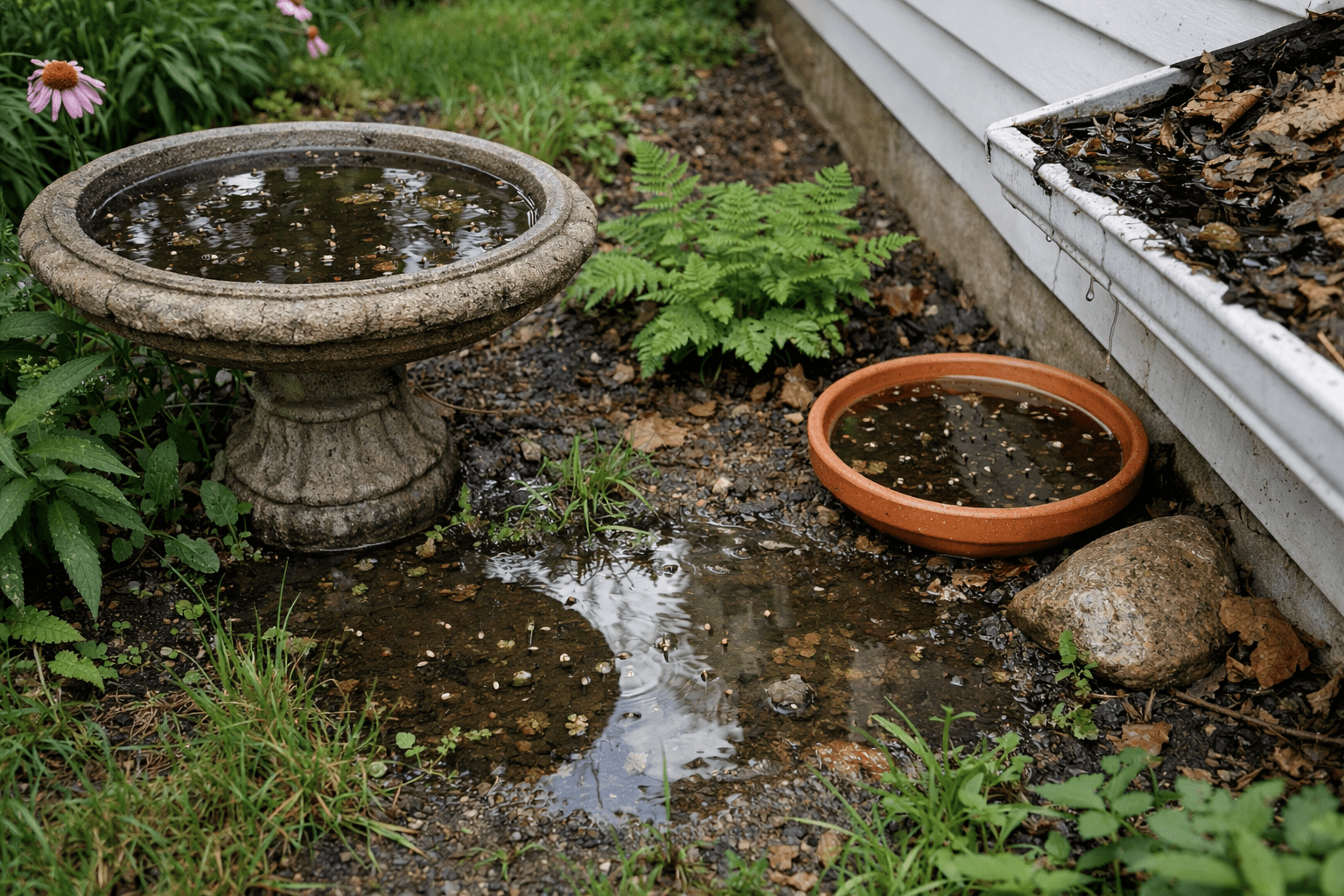
- Rainfall patterns: A soaking week can create hundreds of micro-breeding sites (gutters, tarps, toys).
- Humidity: Mosquitoes dehydrate easily. Humid nights keep them active longer.
- Warm falls: Extra mild weeks can stretch biting season into September or October.
- Irrigation and containers: In drier states, sprinklers and containers can replace rainfall.
Practical takeaway: treat mosquito season like allergy season. It is weather-driven, so you get the best results by acting when conditions turn favorable, not when a date on the calendar arrives.
Why 50°F matters (and what mosquitoes do in winter)
Thermacell MR150 Portable Mosquito Repeller
This portable mosquito repeller is ideal for outdoor activities during mosquito season, making it highly relevant for readers looking to enjoy their time outside without being bothered by mosquitoes.
A lot of people picture mosquitoes “dying off” at the first cold snap. What’s actually happening is more like a pause button.
Many species slow down sharply as temperatures drop, and some enter diapause, a dormancy state that helps them survive winter. Others persist as eggs, larvae, or sheltered adults depending on the species and region. That is why a brief warm spell can bring sudden activity back, even late in the year.
For a full explanation of overwintering strategies, see Where Do Mosquitoes Go in Winter?.
Temperature and activity: a practical rule-of-thumb chart
| Condition | What you’ll notice | What to do |
|---|---|---|
| Below ~50°F (10°C) | Little to no biting; sluggish flight | Focus on cleanup and prevention |
| 50-65°F (10-18°C) | Early season emergence; sporadic bites | Start source reduction and larval control |
| 65-85°F (18-29°C) | Fast breeding; frequent bites | Intensify yard control and personal protection |
| Hot but dry | Fewer in open areas, more near water | Eliminate water sources; protect at dusk/dawn |
The hidden reason early spring bites happen
Early season mosquitoes often come from:
- Overwintered eggs that hatch when water warms
- Sheltered adults emerging from garages, crawlspaces, and dense vegetation
- Stormwater pockets you do not notice, like clogged downspouts
Actionable step: do a 10-minute “water sweep” every week once your area is regularly above 50°F. It prevents the first generation from multiplying into the mid-summer wave.
Is mosquito season getting longer? What recent data suggests
OFF! Deep Woods Insect Repellent, 25% DEET, 6 oz
This insect repellent provides long-lasting protection against mosquitoes, which is crucial for readers who want to know how to protect themselves during peak mosquito months.
Repel Lemon Eucalyptus Natural Insect Repellent, 4 oz
This natural insect repellent is a great option for those who prefer non-chemical solutions to repel mosquitoes during the season.
If it feels like mosquitoes are showing up earlier and lingering later, that is not just imagination in many places. Warmer temperatures, shifting rainfall, and urban water sources can extend the number of days when mosquitoes can thrive.
One useful way to track this is by counting “mosquito-friendly” days, when temperature and humidity fall into a range that supports mosquito activity. A multi-city analysis summarized by mosquito-control researchers found that many U.S. cities have gained more days per year with mosquito-suitable conditions, with some of the largest increases reported in parts of the West and Pacific Northwest. For background on these city-by-city trends, see the reporting and analysis from Climate Central.
What this means for homeowners (not just scientists)
Longer seasons change the best timing for prevention:
- Start earlier: In many regions, waiting until you are already getting bitten is too late.
- Plan for a longer fall: Warm Septembers and Octobers can keep populations active.
- Expect spikes after “weird weather”: Heavy rain after drought, or warm spells after cool weeks.
A simple “season extension” checklist
- If your fall stays mild, keep weekly water dumping going into October.
- Refresh screens and door sweeps before late spring, not mid-summer.
- If you use a yard service, ask about larval control early and follow-up timing later in the season.
Practical takeaway: mosquito season is increasingly about conditions, not months. Your best defense is a routine that starts early and continues until consistent cold returns.
The mosquitoes you have matter: day-biters vs night-biters (and why timing feels different)
Mosquito Dunks – 6 Pack
Insufficient search results to verify Amazon ASIN, ratings, price, or reviewer data; product is a biological larvicide using BTI bacteria, safe for non-target aquatic life and effective for 30 days in standing water like rain barrels per product review, but cannot recommend without Amazon-specific data.
Not all mosquitoes behave the same, and that is a big reason mosquito season can “feel” different from one neighborhood to the next.
Two common groups drive most complaints:
- Aedes mosquitoes (such as Aedes aegypti and Aedes albopictus) often bite during the day and breed in small containers like flowerpot saucers, buckets, and clogged gutters.
- Culex mosquitoes (including species that can transmit West Nile virus) often bite more at dusk and night and commonly breed in storm drains, ditches, and stagnant water.
To see photos and identification help, visit Types of Mosquitoes: Complete Species Identification Guide.
Quick comparison chart: behavior that changes your control plan
| Trait | Aedes (container breeders) | Culex (stagnant water breeders) |
|---|---|---|
| Common biting time | Daytime, also dawn/dusk | Dusk through night |
| Breeding sites | Buckets, toys, planters, gutters | Drains, ditches, ponds, neglected pools |
| Best homeowner tactic | Remove containers weekly | Fix drainage and stagnant water |
| Why season feels “early” | Eggs hatch fast in small warm water | Populations build with sustained summer warmth |
Targeted actions that match the mosquito type
- If you get bitten while gardening at 2 p.m., suspect container breeders. Do a tight loop around the house and dump water.
- If bites are worst after sunset, focus on yard harborage (tall grass, shrubs) and reduce stagnant water.
For step-by-step yard prevention that covers both groups, see How to Mosquito-Proof Your Backyard.

How to prepare for mosquito season: a simple timeline that works
Most mosquito control fails for one reason: people start when adults are already everywhere. The more reliable approach is to break the cycle early, then protect yourself during peak activity.
A seasonal action plan (copy/paste friendly)
Early season (when temps approach 50°F consistently):
- Do a weekly water dump: birdbaths, plant saucers, tarps, toys, clogged gutters.
- Clean and refresh screens. Fix door gaps.
- Consider larval control in water you cannot dump (follow label directions carefully).
Peak season (usually summer, after rains):
- Mow and trim to reduce cool, shaded resting sites.
- Use fans on patios – mosquitoes struggle in steady airflow.
- Protect skin during dawn/dusk and in shaded areas.
Late season (warm fall weeks):
- Keep dumping water until nights are consistently cool.
- Do one last yard cleanup to reduce overwintering spots.
Repellents and personal protection: what entomologists recommend
For most people, the best “bite prevention stack” includes:
- EPA-registered repellents used as directed (common actives include DEET, picaridin, oil of lemon eucalyptus, IR3535)
- Permethrin-treated clothing for high-exposure activities (do not apply permethrin to skin)
- Long sleeves and pants when practical, especially at dusk
For product types, durations, and use tips, see our field-tested guide: Best Mosquito Repellents. For safety and label guidance, the EPA repellent search tool is a dependable reference.
When to consider professional help
Call a licensed mosquito control professional if:
- You have standing water you cannot access or remediate
- Your neighborhood has persistent flooding, marsh edges, or drainage issues
- Someone in the home is at higher risk for complications from bites
- You need an integrated plan that includes larval control, habitat changes, and targeted adult control
Practical takeaway: the most effective control is boring and consistent. Weekly water removal plus smart personal protection beats one-time “big spray” thinking.
Conclusion: plan for conditions, not dates
Mosquito season is best understood as a weather window: it opens when temperatures hold above about 50°F and closes when sustained cold shuts activity down. Region matters, but so do rainfall, humidity, and the kinds of breeding sites around your home.
Start your prevention early, keep it weekly during peak months, and extend your routine through warm fall weeks when needed. Next, learn what’s happening behind the scenes in winter with Where Do Mosquitoes Go in Winter? and tighten your home strategy using How to Mosquito-Proof Your Backyard.
As an Amazon Associate, I earn from qualifying purchases. Product recommendations are based on real reviews and independent research.