Finding mosquito bites babies is stressful, especially when you are not sure what is normal and what is a warning sign. The good news is that most bites are a short-lived skin reaction you can soothe at home, and you can prevent many future bites with simple barriers like nets, clothing, and smart timing outdoors. This guide explains why babies react more strongly, which repellents are actually safe by age, how to treat bites step by step, and when symptoms suggest you should call a pediatrician.
Quick answer: how to protect babies from mosquito bites (and what to do if they happen)
If you are dealing with mosquito bites babies, focus on prevention first, then calm the itch fast to stop scratching.
Fast prevention checklist (most effective first):
- Newborns (under 2 months): Use physical barriers only – a fitted mosquito net over stroller/crib, long sleeves, and keeping baby indoors at peak mosquito hours.
- 2 months and older: Use an EPA-registered repellent (often DEET, picaridin, or IR3535) on exposed skin or clothing, applied sparingly and correctly.
- Home yard: Remove standing water weekly (buckets, plant saucers, clogged gutters).
- Indoors: Keep screens intact and use a fan to reduce mosquito landings.
If baby is bitten:
- Wash with soap and water, then use a cool compress 5-10 minutes.
- Prevent scratching (trim nails, mittens if needed).
- Call a pediatrician urgently for fever in a young infant, facial swelling, trouble breathing, or signs of dehydration.
Why mosquito bites hit babies harder (and when they are dangerous)
A single mosquito bite looks small, but it triggers a big immune response. In babies, that response can look dramatic because their skin is thinner and their immune system is still learning what is “normal.” Think of it like a brand-new smoke alarm – it can be extra sensitive at first.
What is actually happening under the skin?
When a female mosquito feeds, she injects saliva that helps keep blood flowing. Your baby’s body reacts to those proteins with redness, swelling, and itching. Pediatric resources note that babies can develop larger local reactions than adults, sometimes with hives or swollen lymph nodes, simply because their skin and immune responses differ early in life. Guidance from organizations like the Centers for Disease Control and Prevention (CDC) on mosquito bites also emphasizes that reactions vary widely from person to person.
When is a mosquito bite “just a bite” vs. a health concern?
Most bites are mild. The bigger concerns are:
- Secondary skin infection from scratching (common in infants)
- Allergic-type swelling (less common, but can look scary)
- Mosquito-borne illness (depends heavily on geography, season, and travel)
Mosquitoes can transmit diseases such as dengue, malaria, chikungunya, West Nile virus, and Zika in certain regions. The Mayo Clinic overview of mosquito-bite symptoms and causes explains that illness risk depends on the mosquito species and where you live or travel. In many parts of the U.S., the average bite is mostly an itch issue, but in tropical and subtropical areas, disease prevention matters more.
Visual guide: normal vs. not normal
Use this quick comparison to decide your next step.
| What you see | Most likely | What to do |
|---|---|---|
| Small red bump, mild swelling, itching | Typical bite reaction | Cool compress, prevent scratching |
| Large firm welt (1-2 inches), warm, very itchy | Strong local reaction | Cool compress, ask pediatrician about anti-itch options |
| Honey-colored crust, oozing, increasing redness after 48 hours | Possible skin infection | Call pediatrician |
| Fever, unusual sleepiness, poor feeding, widespread rash | Possible illness (not always mosquito-related) | Seek medical advice quickly |
| Facial swelling, wheezing, trouble breathing | Emergency allergic reaction | Emergency care now |
Action takeaway: if your baby is under 3 months, any fever should be treated seriously and discussed with a clinician.
Mosquito bites babies: prevention that works (newborns to 12 months)
Summer Infant Pop ‘n Play Portable Playard
The Summer Infant Pop ‘n Play Portable Playard earns high marks for its ultra-lightweight 12lb design, quick setup, spacious 14 sq ft area, and portability with included carry bag, ideal for indoor/outdoor use like parks or beaches; reviewers praise visibility and sturdiness for active babies up to 30lbs, though some note the need for added padding on the thin floor and frame[1][2][5].
Prevention is easiest when you match the method to your baby’s age and the mosquito’s habits. Many common pest mosquitoes bite most actively at dawn and dusk, but some species bite during the day too. That is why “just avoid evenings” is not always enough.
The safest approach for newborns: barriers, not chemicals
For babies under 2 months, most pediatric guidance recommends avoiding topical repellents and relying on physical protection. The most reliable tools are:
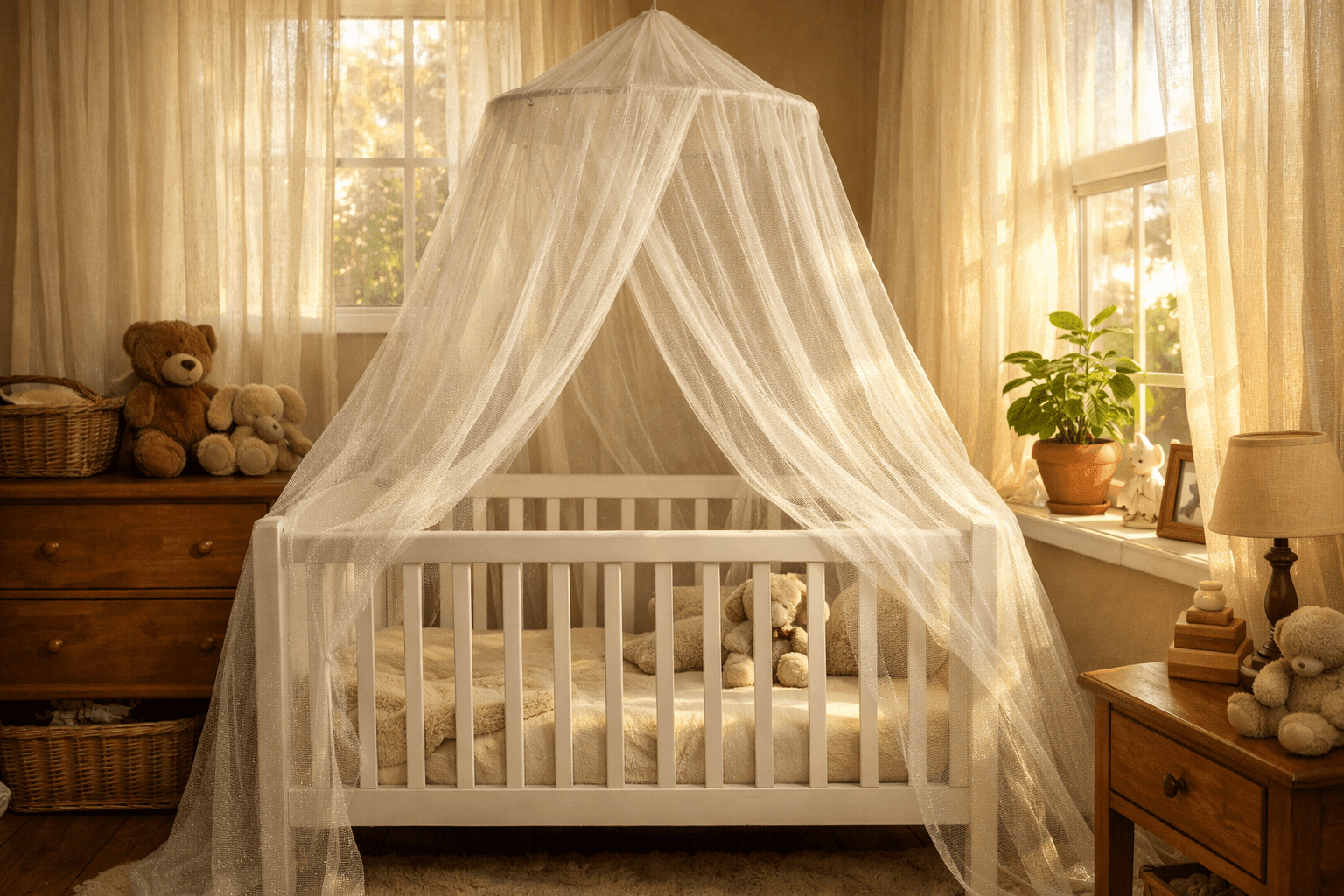
- A properly fitted mosquito net over a stroller, carrier, or crib
- Long sleeves and long pants, loose and breathable
- Socks to cover ankles (a common bite target)
- Indoor protection with intact window and door screens
If you need help choosing a net that fits snugly without gaps, see our guide to Best Mosquito Nets for Beds, Travel & Camping. A net works like a “screen room” around your baby – it blocks bites without adding any chemicals to skin.
Repellents after 2 months: what most parents get wrong
Once a baby is at least 2 months old, many families can add an EPA-registered repellent when mosquitoes are actively biting. The key is using it correctly:
- Apply only to exposed skin or clothing, not under clothing
- Avoid hands, eyes, mouth, and irritated skin
- Use just enough to cover, not a thick layer
- Wash treated skin with soap and water when you come indoors
For a product-by-product breakdown, including what to avoid, read Best Mosquito Repellent for Babies & Kids: Safe Options.
Yard and neighborhood prevention: stop bites at the source
Mosquito control is often a water-management problem. Many common species can develop from egg to adult in as little as a week in warm weather. That means a weekly routine matters.
Do this once a week:
- Dump water from buckets, toys, tarps, and plant saucers
- Clear clogged gutters and check downspouts
- Refresh birdbaths and pet bowls
- Look for hidden puddles in wheelbarrows and recycling bins
For a deeper look at common breeding spots, visit Where Do Mosquitoes Lay Eggs? Breeding Sites & Prevention.
Visual checklist: age-based protection plan
- 0-2 months: net + clothing + screens + timing
- 2-12 months: net + clothing + screens + remove standing water + careful repellent use as needed
Action takeaway: the best “repellent” for a newborn is a snug net and fewer opportunities for mosquitoes to land.
Treating mosquito bites on babies: calm the itch and prevent infection
Bug Soother Natural Insect Repellent Spray, 8 oz
This natural insect repellent is safe for children over 2 months, making it suitable for parents looking to protect their babies from mosquito bites as mentioned in the article.
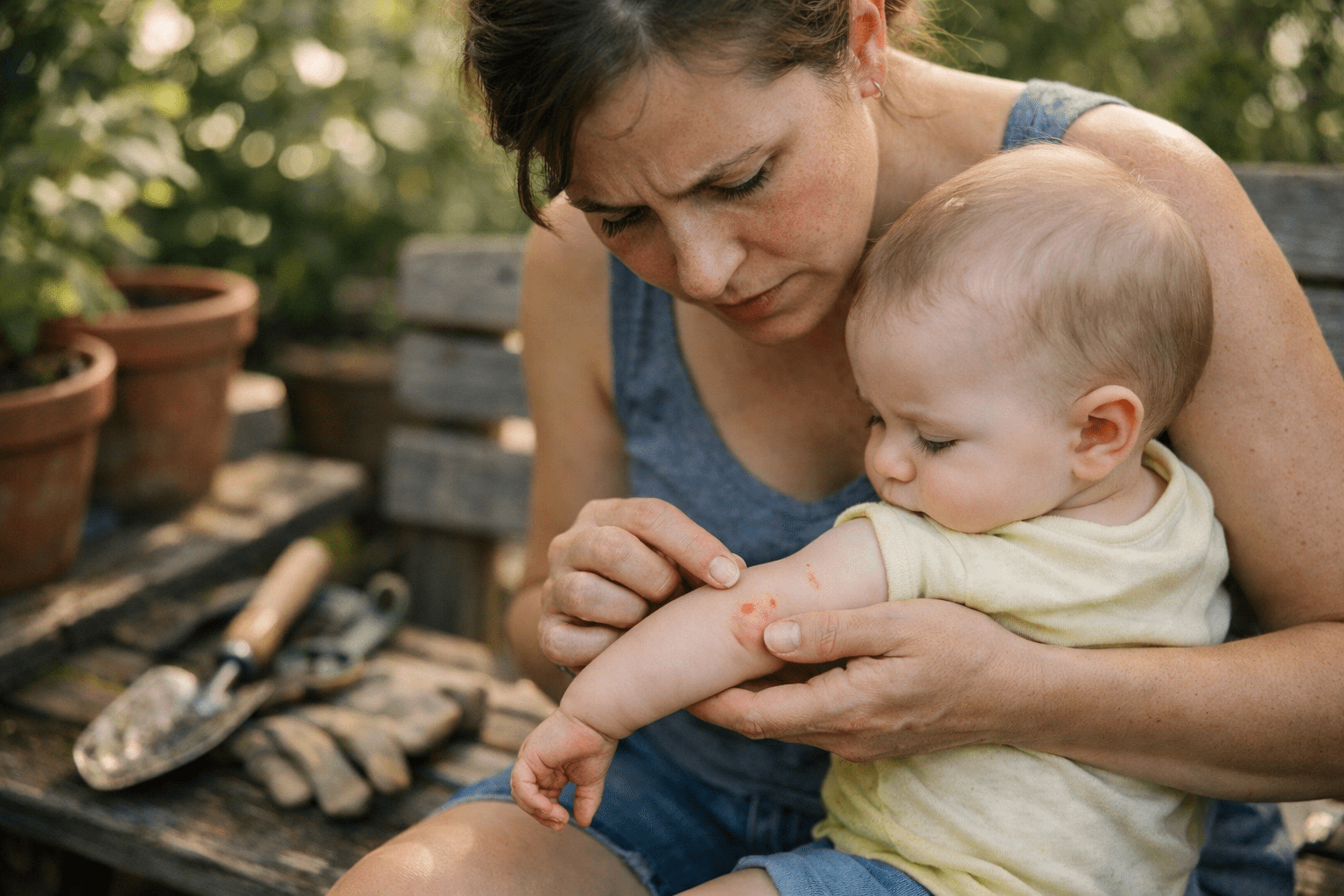
When a baby gets bitten, the goal is simple: reduce inflammation and stop scratching. Scratching is where many bite problems start, because broken skin lets bacteria in.
Step-by-step bite care (simple and effective)
- Wash the bite with mild soap and water.
- Cool it down with a cold compress for 5-10 minutes (ice wrapped in cloth, never directly on skin).
- Block scratching:
- Trim nails short
- Use mittens during naps if needed
- Keep the area covered with light clothing when practical
- Use a pediatrician-approved anti-itch option if itching is intense. Some families use calamine or other gentle itch products, but age and skin sensitivity matter.
Children’s hospitals commonly emphasize basic care like cleansing, cold compresses, and itch control to prevent complications. Advice from Children’s Hospital Los Angeles on mosquito bite treatment aligns with this practical approach.
What about big swelling?
Some babies get a large local reaction that looks out of proportion to the bite. It can peak over 24-48 hours and then fade. That is not automatically an infection.
Signs it may be more than a normal reaction:
- Redness rapidly spreading beyond the bite
- Increasing warmth and tenderness after the second day
- Pus, crusting, or streaking redness
- Baby seems unusually uncomfortable or unwell
If you suspect an allergic-type response, our guide on Mosquito Bite Allergic Reaction: Signs, Treatment & When to Worry can help you compare symptoms and decide when to seek care.
Visual guide: what to do in the first hour
- Cleanse the skin
- Cold compress
- Distract and cover (reduce rubbing)
- Re-check in 30-60 minutes for swelling changes
Action takeaway: treat the itch early. The fastest way to avoid infected bites is to keep tiny fingernails from breaking the skin.
When to call the pediatrician (or seek urgent care)
Munchkin White Hot Safety Bath Ducky
Insufficient search results to verify Amazon ASIN, ratings, reviews, or pricing for this baby bath safety toy; manufacturer’s site describes White Hot technology that indicates water over 104°F as too hot, with features like mildew resistance and floating play value, but no Amazon-specific or third-party data available for recommendation[1].
Most bites are manageable at home, but babies can get sick quickly from many causes. The safest plan is to use clear thresholds, especially for fever and breathing symptoms.
Call urgently for fever in young infants
A fever in a very young baby should always be discussed with a clinician. As a general safety rule:
- Under 3 months: fever at or above 100.4°F (38°C) is urgent
- Older infants: high fever (often 102°F / 38.9°C or higher) or fever with concerning behavior should be evaluated
Also call promptly if you notice:
- Poor feeding or refusal to eat
- Unusual sleepiness, limpness, or persistent inconsolable crying
- Signs of dehydration (dry mouth, fewer wet diapers, sunken soft spot)
- Widespread rash, especially with fever
- Facial swelling around eyes or lips
Emergency signs (do not wait)
Seek emergency care now for:
- Trouble breathing, wheezing, or blue-tinged lips
- Rapidly worsening facial or throat swelling
- Severe lethargy or unresponsiveness
What about mosquito-borne disease symptoms?
Where you live and recent travel matter. In regions where dengue or malaria occur, fever after mosquito exposure should be taken more seriously. Research and public health reporting show that dengue risk is widespread globally, and pregnancy or infancy can add vulnerability. A study using Brazilian birth records reported associations between dengue during pregnancy and outcomes like lower birth weight and increased risks around late pregnancy timing, highlighting why prevention matters in endemic areas. That evidence is discussed in a health economics analysis of dengue and birth outcomes. For parents wondering which mosquito-borne threats are most common for children, a practical overview from Kaiser Permanente Washington Health Research Institute explains that the biggest risks vary by location and are not always the one in the headlines.
Visual checklist: bring this info when you call
- Baby’s age and current temperature
- Number of bites and where they are
- Any travel in the last 2-3 weeks
- New symptoms: rash, vomiting, poor feeding, unusual sleepiness
- Photos of the bite progression (morning vs. evening)
Action takeaway: if your baby has fever plus mosquito exposure in a risk area, call early. Early evaluation matters more than waiting to “see what happens.”
Why mosquitoes choose babies (and how to make your child less “interesting”)
Parents often ask, “Why my baby?” Mosquitoes are not hunting “sweet blood.” They are following cues that help them find a warm, breathing host.
The cues mosquitoes use to find a target
Female mosquitoes track:
- Carbon dioxide (CO2) from breathing
- Body heat
- Skin odors shaped by sweat and skin microbes
- Movement and contrast (dark clothing can stand out)
If you want the full science in plain language, see How Mosquitoes Find and Bite You. Understanding these cues helps you choose prevention that works, not just what sounds good.
Practical ways to reduce bites without overthinking it
You cannot change CO2 output, and you should not try to “mask” a baby with fragrances. Instead, adjust the environment:
- Use a fan near a seated baby outdoors. Mosquitoes struggle in airflow.
- Skip scented lotions before outdoor time. Fragrances can attract insects in some settings.
- Choose light-colored, loose clothing. It reduces heat buildup and makes landing harder.
- Time outdoor play away from peak activity when possible, especially near vegetation and standing water.
Visual: mosquito attraction do’s and don’ts
Do
- Dress baby in breathable long sleeves and pants
- Use nets for strollers and carriers
- Keep doors closed and screens intact
- Run a fan on patios or porches
Don’t
- Rely on bracelets, ultrasonic plug-ins, or “natural” oils without evidence
- Apply repellent to a newborn
- Use scented products as “protection”
- Assume midday is always safe (some mosquitoes bite all day)
Action takeaway: you do not need perfect control. You need fewer landings. Nets, airflow, and clothing reduce landings fast.
Common myths that lead to more bites (or riskier choices)
Mosquito advice online can be loud and contradictory. A few myths show up repeatedly, and they tend to push parents toward either panic or unsafe shortcuts.
Myth 1: “All mosquito bites are harmless”
Most bites are minor, but some babies get large local swelling. In some parts of the world, mosquitoes can also transmit serious illness. The CDC’s mosquito bite guidance and the Mayo Clinic’s medical overview both stress that risk depends on the mosquito species and disease activity in your area.
What to do instead: treat bites early, prevent scratching, and take fever seriously in young infants.
Myth 2: “If it’s ‘natural,’ it’s automatically safe for babies”
Essential oils can irritate skin, trigger allergic reactions, and are not tested or regulated the same way as EPA-registered repellents. “Natural” is not a safety label.
What to do instead: use physical barriers for newborns, and for older infants choose products with clear directions and safety testing. Our safe repellent options for babies and kids guide walks through what to look for.
Myth 3: “One yard spray solves the problem”
Outdoor spraying can reduce adult mosquitoes temporarily, but it does not replace source reduction. If standing water remains, new adults keep emerging.
What to do instead: pair any professional or neighborhood control with weekly water dumping. Use our guide on mosquito breeding sites and prevention to find the hidden sources.
Visual: smarter choices in one glance
- Best for newborns: net + clothing + screens
- Best for older infants: net + clothing + correct repellent use
- Best for the yard: remove water weekly, then consider targeted control if needed
Action takeaway: the safest plan is usually the simplest plan – barriers first, chemicals only when age-appropriate and necessary.
Conclusion: the calm, practical plan for mosquito season
When mosquito bites babies, the priority is preventing bites with barriers and timing, then treating any bites quickly to stop scratching and infection. Newborns do best with nets, long clothing, and screened indoor spaces. After 2 months, many families can add an EPA-registered repellent used sparingly and correctly.
Next step: set up a 10-minute weekly “dump and drain” routine outside, and keep a stroller net ready by the door. For more help, review our picks for the best mosquito nets for travel and home and learn the science behind how mosquitoes find and bite you.
As an Amazon Associate, I earn from qualifying purchases. Product recommendations are based on real reviews and independent research.