If you’ve ever come home with itchy welts after wearing “full coverage” clothes, you’re not imagining it. Mosquito bites through clothes happen when a mosquito’s needle-like mouthpart reaches your skin through fabric gaps or when the cloth is pressed tight against your body. The good news is that not all clothing is equal. Below is a practical fabric guide, plus the latest research on bite-resistant textiles, so you can dress smarter for yards, hikes, travel, and mosquito season.
Quick Answer: Can mosquitoes bite through clothing?
Yes – mosquito bites through clothes are common with thin, tight, or loosely woven fabrics. Mosquitoes can push their proboscis through tiny openings or bite where fabric touches skin.
Most likely to get bitten through:
- Tight, stretchy clothing (leggings, yoga pants, compression layers)
- Thin knits (lightweight T-shirts, thin athletic shirts)
- Loose weaves (some linen blends or open-knit fabrics)
Least likely to get bitten through:
- Loose-fitting, thicker fabrics (denim, canvas, heavier twill)
- Purpose-built bite-resistant textiles engineered for pore size and thickness
Fast checklist (what to do today):
- Wear loose pants and sleeves so fabric doesn’t press against skin.
- Choose tighter weaves and thicker materials when mosquitoes are heavy.
- Use repellent on exposed skin and, if needed, on clothing per label guidance.
For a deeper look at why mosquitoes target you and how they feed, see How Mosquitoes Find, Bite & Feed on You.
Why mosquitoes can bite through clothes (and when they can’t)
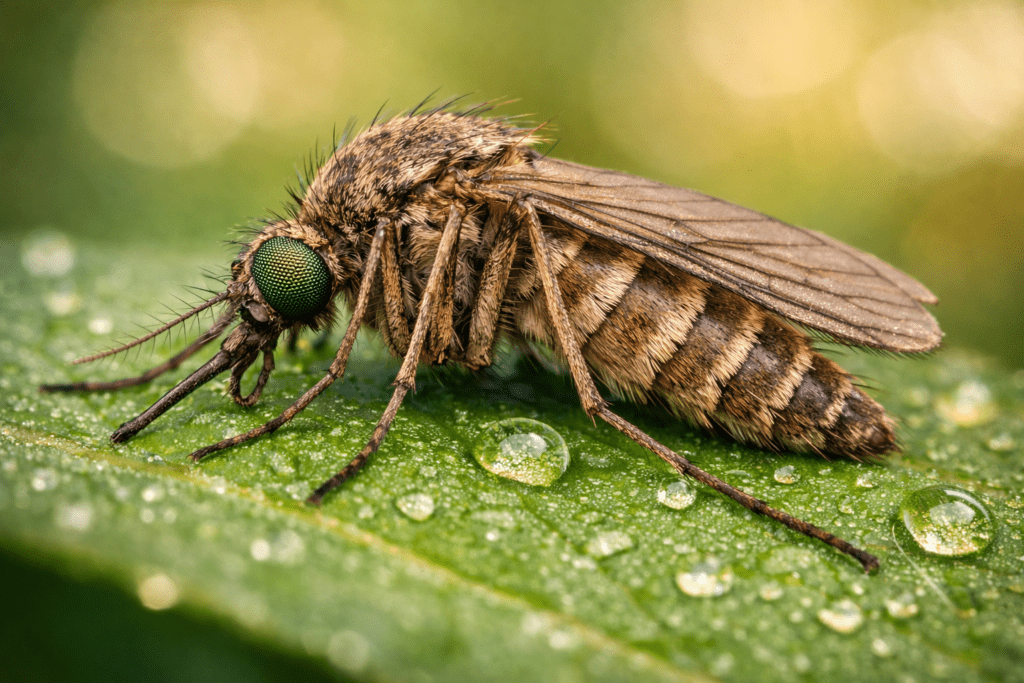
Picture a mosquito bite like a precision “needle” trying to reach a blood vessel. A female mosquito’s proboscis is built to probe, flex, and slip into tiny spaces. When clothing has openings large enough – or when it’s stretched tightly across your skin – mosquitoes can often reach you.
Researchers at North Carolina State University have shown that bite success depends on a few measurable factors: the mosquito’s head and mouthpart dimensions, plus the fabric’s pore size, thickness, and fit. Their work includes lab bioassays and human-arm trials that tested how well different textiles block bites, and it helped define what “bite-resistant” really means in physical terms. In controlled cage tests with hundreds of Aedes aegypti (a major dengue and Zika vector), prototype garments prevented bites in timed trials without using insecticides, according to reporting from NC State News and coverage supported by the National Science Foundation.
The three most common “bite-through” situations
Here’s when clothing tends to fail, even if it looks like good coverage:
| Situation | What’s happening | Common examples | Fix |
|---|---|---|---|
| Fabric is tight on skin | Mosquito only needs to pierce cloth, not “reach” | leggings, tight tees | switch to looser fit |
| Fabric has larger gaps | Proboscis can pass through pores | open knits, some thin weaves | choose tighter weave |
| Fabric is thin | Mouthparts can reach skin easily | summer undershirts | add thicker layer or bite-resistant textile |
What actually stops the bite
Based on the textile modeling and testing described in a peer-reviewed paper in the Proceedings of the National Academy of Sciences (PNAS), bite prevention can come from:
- Small pores that don’t allow mouthparts to pass through.
- Enough thickness that the proboscis cannot reach skin even if it enters a pore.
- Looser fit that keeps fabric lifted off the skin.
Actionable takeaway: If you can see light clearly through a fabric when you hold it up, or if it stretches tight over your thigh or shoulder, it’s a prime candidate for bite-through.
Mosquito bites through clothes: fabric and fit guide (what to wear)
Columbia Men’s Silver Ridge Lite Long Sleeve Shirt
The Columbia Men’s Silver Ridge Lite Long Sleeve Shirt is a well-featured hiking shirt with UPF 50 sun protection, Omni-Wick moisture management, odor control, roll-up sleeves, and back vents for breathability, made from 100% recycled polyester. Ideal for outdoor activities like hiking, it lacks Amazon-specific ratings, reviews, or pricing in available data, and no Reddit discussions were found in specified subs; consider checking current Amazon listings for user feedback and deals.
Clothing choice is one of the most underrated mosquito-control tools because it’s always “on” once you leave the house. But the details matter. Two shirts can feel similar in the heat and still perform very differently against bites.
Below is a practical guide you can use when shopping your closet or packing for a trip.
Fabric performance chart (real-world friendly)
Use this as a quick decision tool:
| Clothing type | Bite risk | Why | Best use |
|---|---|---|---|
| Tight athletic leggings / yoga pants | High | fabric pressed to skin, often thin and stretchy | avoid in heavy mosquito areas |
| Lightweight T-shirt (thin knit) | Medium to high | knit gaps + thinness | OK with repellent or layering |
| Linen-like loose weaves / open knits | Medium | airflow can mean larger pores | choose tighter weave versions |
| Denim, canvas, heavy twill | Lower | thicker barrier, usually less stretch | yard work, hiking, evenings |
| Engineered bite-resistant textiles | Lowest | designed pore size + thickness | travel, daily wear in mosquito season |
Health-oriented guidance also notes that mosquitoes can bite through some clothing types, especially thin or tight garments, as summarized by Healthline’s medically reviewed overview.
Fit matters as much as fabric
Even a thicker fabric can fail if it’s pulled tight across knees, shoulders, or calves. Mosquitoes love these “contact points.”
Better fit choices:
- Relaxed-cut pants instead of skinny fits
- Long sleeves with a bit of room at forearms
- Socks pulled up and pants tucked into socks in peak mosquito conditions
When “thin but engineered” beats “thick but ordinary”
This surprises people: a fabric doesn’t always need to be heavy to be protective. NC State’s research suggests that specific combinations of pore size and thickness can stop bites even in relatively thin textiles, as long as the geometry blocks mouthpart access. In other words, “mosquito-proof” is less about weight and more about structure.
Actionable takeaway: If you’re outdoors at dawn and dusk (prime biting windows in many regions), prioritize loose fit first, then tighter weave or thicker fabric, and finally add repellent if needed.

Can Mosquitoes Bite Through Jeans?
Standard denim jeans are too thick for mosquitoes to penetrate. Denim fabric is typically 1.5-3mm thick with a tight twill weave that creates a physical barrier even the longest mosquito proboscis can’t push through.
However, there are exceptions. Ultra-thin “jeggings” or stretch denim blends that contain significant spandex can be thin enough for mosquitoes to bite through, especially at pressure points where the fabric presses tightly against skin (knees, thighs, calves).
Regular denim jeans: Mosquito-proof. The thick cotton twill blocks proboscis penetration completely.
Stretch denim / jeggings: Partially vulnerable. Where the fabric is pulled tight against skin, mosquitoes may be able to reach through.
Can Mosquitoes Bite Through Leggings?
Yes, and this is one of the most common complaints during mosquito season. Standard leggings made from nylon, polyester, or spandex blends are typically only 0.3-0.8mm thick – well within a mosquito’s reach.
The combination of thin material and skin-tight fit makes leggings essentially invisible to mosquitoes. They can detect your body heat and skin chemicals right through the fabric, and their proboscis easily reaches through the stretched material to access blood vessels.
What about athletic leggings? Most workout leggings use the same thin synthetic materials and offer no meaningful mosquito protection. Some premium outdoor brands like Columbia and ExOfficio make “bug-resistant” leggings treated with permethrin, but standard athletic wear doesn’t protect against bites.
Bite-proof clothing research: what the science says (and what it doesn’t)
REI Co-op Sahara Long-Sleeve Shirt – Men’s
This shirt is made from a lightweight fabric that provides sun protection and is suitable for outdoor activities where mosquitoes are present.
If you’ve tried “bug-repellent clothing” and still gotten bitten, it’s worth separating two approaches:
- Chemical approach: fabrics treated with insecticides (often permethrin).
- Physical barrier approach: textiles engineered so mosquitoes cannot physically reach skin.
NC State researchers tested bite-resistant fabric prototypes designed using mosquito morphometrics (measuring head and mouthpart dimensions) and a predictive model for fabric parameters. In controlled cage trials with Aedes aegypti, volunteers wearing prototype garments received zero bites during timed exposures, as described by NC State News and detailed in the PNAS paper. The same body of work reports that these physical-barrier textiles can outperform some insecticide-treated fabrics in bite resistance under test conditions.
Graphene-lined fabric: a different kind of barrier
Another fascinating angle comes from materials science. A team reported that graphene layers can block mosquito bites in experiments, with mosquitoes failing to bite through graphene-covered skin compared to controls, according to Brown University’s research news coverage. The proposed benefits include:
- A physical barrier mosquitoes cannot penetrate
- Reduced transmission of chemical cues that help mosquitoes decide where to bite
Graphene clothing is not yet mainstream for most consumers, but it signals where the market may go: lightweight garments that protect without relying on constant re-application of sprays.
What we still need to be careful about
Lab tests are valuable because they isolate variables, but real life adds complexity:
- Different mosquito species have different behaviors and sizes.
- Sweat, movement, and fabric stretch change how cloth sits on skin.
- Seams, cuffs, and thin panels can create weak spots.
Encouragingly, ongoing work continues to evaluate repellent-free protective textiles across mosquito species, including research reported in the Journal of Medical Entomology.
Actionable takeaway: If you need reliable protection (fieldwork, travel in high-risk areas, or severe reactions), look for tested bite-resistant construction rather than assuming any long sleeve is “safe.”
How to stop bites through clothing: practical steps (from easiest to strongest)
Most people don’t need specialty gear for every situation. A layered strategy works best: start with clothing choices, then add barriers and repellents where needed.
Step-by-step protection plan
Try this order, especially for evenings outdoors, camping trips, and humid summer days:
-
Change the fit
- Swap tight leggings for looser pants.
- Choose sleeves with room at the forearm.
- Avoid stretched fabrics across thighs and shoulders.
-
Upgrade the fabric
- Pick tighter weaves and thicker materials when feasible.
- If you can, choose purpose-built insect protection clothing for high-exposure days.
-
Cover the weak spots
- Tuck pants into socks.
- Use closed-toe shoes.
- Pay attention to cuffs, waistbands, and places where fabric presses tight.
-
Add a repellent layer when pressure is high
- Use a proven topical repellent on exposed skin.
- Consider clothing-compatible options when appropriate and always follow label directions.
For a product-focused breakdown, see Best Mosquito Repellents 2025: DEET vs Picaridin vs Natural.
Quick “outdoor outfit” checklist
Use this before heading out:
- Long pants that are not skin-tight
- Socks + shoes (not sandals)
- Long sleeves with a tighter weave
- Optional: hat if mosquitoes are swarming around your head and neck
Add a physical barrier at night or while traveling
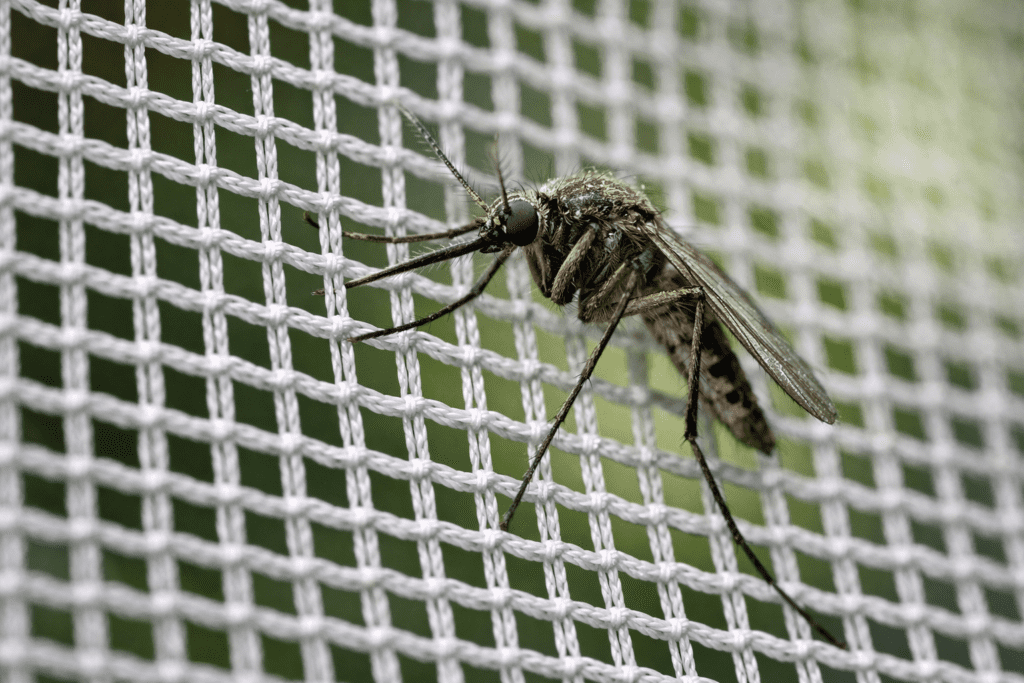
If bites are happening through pajamas or sheets, you’re dealing with a different scenario: mosquitoes are in the room and can bite any exposed skin. In that case, a net provides consistent protection regardless of fabric choice.
A well-fitted net is especially helpful for camping, cabins, and travel in mosquito-heavy regions. See Best Mosquito Nets for Beds, Travel & Camping.
Actionable takeaway: Clothing reduces bites, but it works best when paired with a barrier plan – especially during peak activity times and in areas with dense mosquito populations.

Common myths about mosquito bites through clothes (and what’s true)
Misinformation spreads fast because mosquito bites feel random. They’re not. Mosquitoes follow heat, scent, and carbon dioxide like a guided search, then they probe for a good feeding spot.
Myth 1: “Mosquitoes always bite through any clothing.”
Reality: Everyday summer clothes often fail, but engineered bite-resistant textiles can block bites in controlled tests. The difference is fabric geometry and thickness, not luck.
Try this: Hold the fabric up to light. If it looks airy or open, assume bite risk increases.
Myth 2: “Only thick, heavy clothes work.”
Reality: Thickness helps, but it’s not the only factor. Some thinner fabrics can resist bites if the pores are small enough and the structure prevents mouthpart access, as shown in NC State’s modeling and testing described in PNAS.
Try this: Choose a tighter weave first, then add thickness if you can tolerate the heat.
Myth 3: “Loose clothes are always safe.”
Reality: Loose fit helps because it keeps fabric off skin, but a very loose weave can still allow probing.
Try this: Combine loose fit with a tighter weave. Think “roomy + tightly constructed.”
Myth 4: “If I’m getting bitten, it must be the color of my clothes.”
Reality: Color can influence attraction in some contexts, but fabric structure and fit usually decide whether bites happen through clothing. A recent study indexed in PubMed adds to the growing research on how visual cues can affect mosquito behavior, but color won’t compensate for thin, tight fabric.
If it feels like mosquitoes pick you out no matter what you wear, you’re not alone. Body odor, skin microbes, heat output, and carbon dioxide all play roles. Read Why Mosquitoes Bite Some People More Than Others to understand the “why me?” factor.
Actionable takeaway: Don’t overthink color first. Fix fit and fabric, then add repellents and barriers as needed.
Conclusion: Dress smarter, get bitten less
Mosquito bites through clothes are real, especially with thin knits, loose weaves, and tight-fitting garments that press fabric against skin. The most reliable improvements come from simple changes: wear looser cuts, choose tighter weaves or thicker fabrics, and cover common contact points like ankles and calves. For high-exposure situations, research-backed bite-resistant textiles and bed nets can add a strong physical barrier.
Next step: If you want to pair your clothing strategy with the right chemical protection, review Best Mosquito Repellents 2025: DEET vs Picaridin vs Natural and learn the bite process in How Mosquitoes Find, Bite & Feed on You.
As an Amazon Associate, I earn from qualifying purchases. Product recommendations are based on real reviews and independent research.