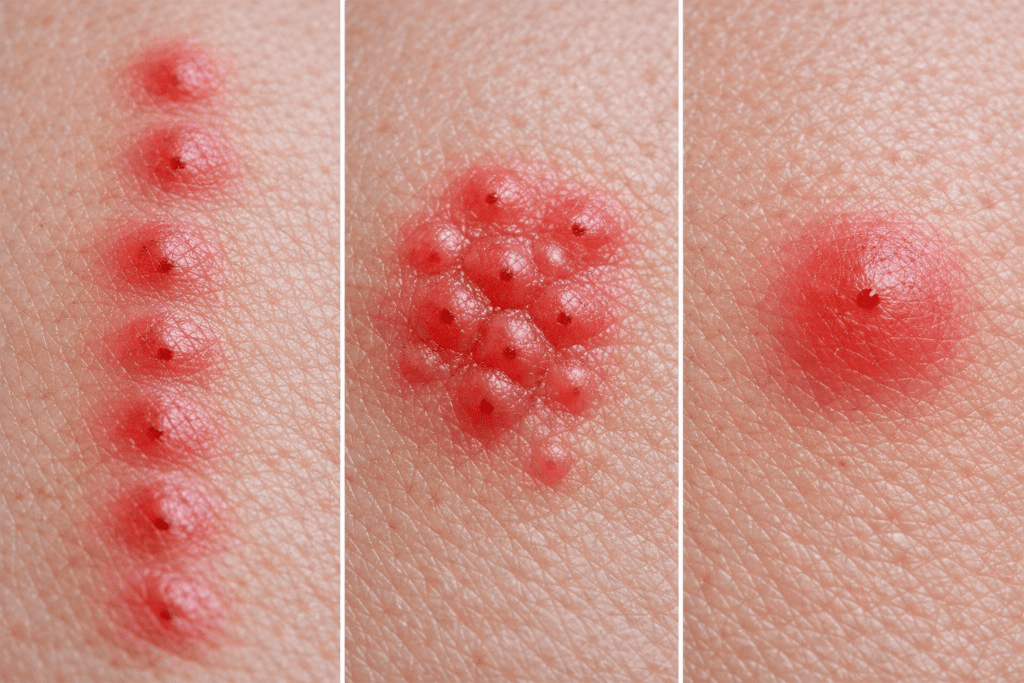
If you are seeing bites, black specks on sheets, or tiny pale bugs near a mattress seam, the bed bug life cycle explains why the problem can seem to “appear overnight” and then keep coming back. Bed bugs (common bed bug, Cimex lectularius) develop in stages that are easy to miss until numbers build. This guide breaks down each stage – egg, five nymph molts, and adult – with realistic timelines, what each stage looks like, and how to target the right stage so control efforts actually stick.
\
For the neighbouring question, see Baby Bed Bugs: What Do Nymphs Look Like?.
Quick Identification / Quick Answer: What is the bed bug life cycle?
\
The bed bug life cycle has three main phases: egg → 5 nymph stages (instars) → adult. It is a gradual metamorphosis, meaning young bed bugs look like smaller versions of adults and must feed to grow.
\
Here’s the snippet-friendly overview:
\
- \
- Eggs: ~1 mm (pinhead), milky white, glued into cracks and seams; hatch in 6-10 days in typical indoor conditions.
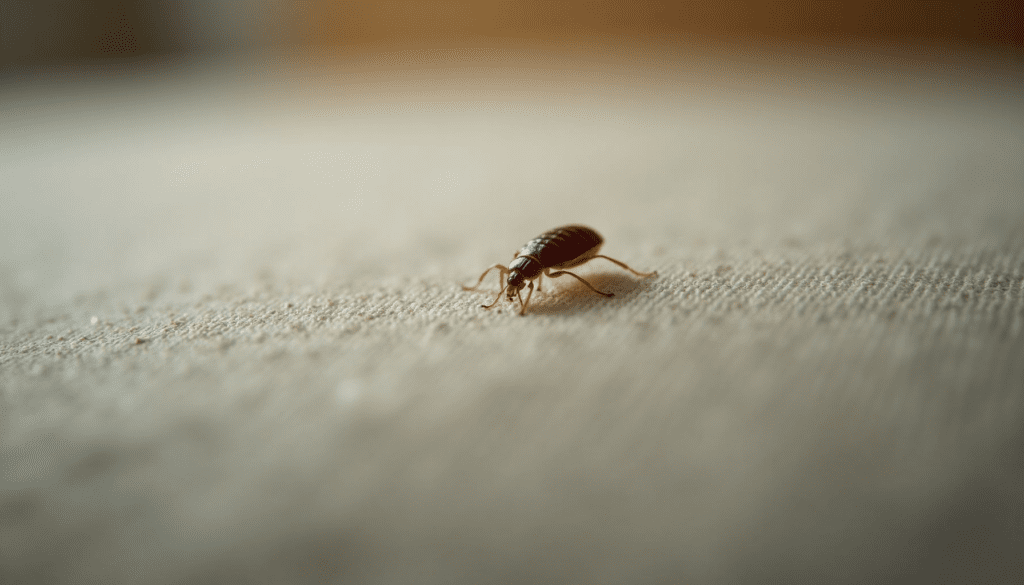
- Nymphs (5 instars): ~1.5-4.5 mm; pale/translucent until they feed, then turn reddish; each molt requires a blood meal.
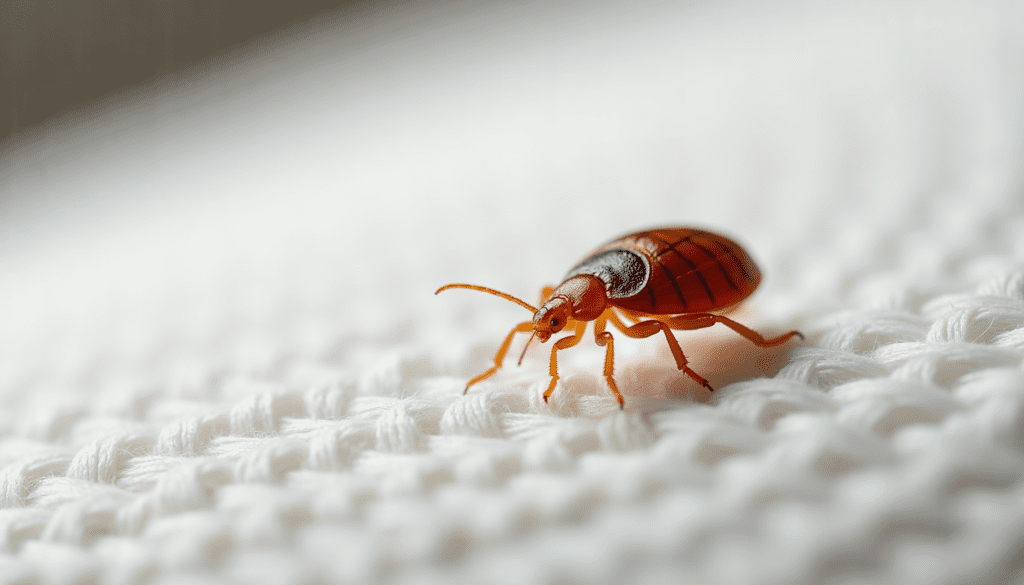
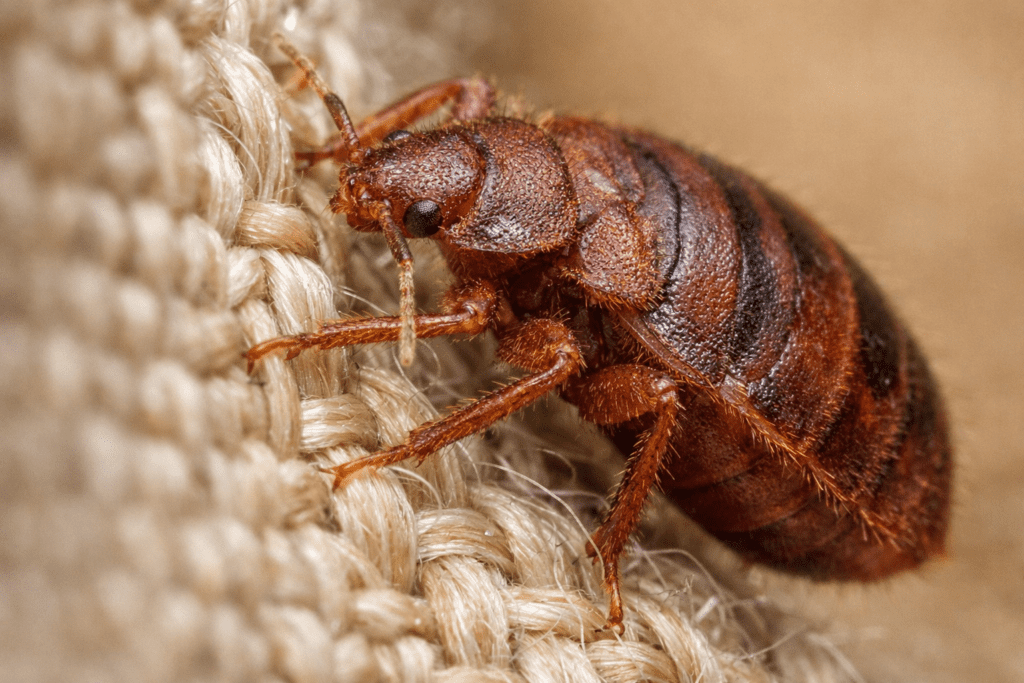
- Adults: ~4-7 mm (apple-seed sized), reddish-brown, flat; can live months and reproduce after feeding.
\
\
\
\
Typical timeline: from egg to adult in about 3-8 weeks in warm, food-available conditions, but it can stretch to several months when it is cool or meals are scarce. Guidance from the U.S. Environmental Protection Agency bed bug resource emphasizes that temperature strongly controls development speed.
\
Bed bug development timeline (and why it varies so much)
\
People often want a single number: “How long until bed bugs become adults?” The honest answer is that bed bug development behaves more like a sliding scale than a stopwatch. In a warm room with regular access to a host, a population can move from eggs to reproducing adults surprisingly fast. In cooler conditions or when feeding opportunities are interrupted, development slows and survival time increases.
\
According to the Penn State Extension bed bug management guide, temperature and access to blood meals are the big drivers. Bed bugs do not grow on crumbs or dirt. After hatching, they must feed to molt, and that feeding schedule determines the pace of the entire infestation.
\
A practical “real home” timeline
\
Think of the life cycle like a series of checkpoints. Miss one checkpoint and the entire schedule changes.
\
| Stage | What triggers progress? | Typical duration indoors | What you’re likely to notice |
|---|---|---|---|
| Egg | Warmth and time | 6-10 days | Usually unnoticed; hidden in seams/crevices |
| Nymph instars 1-5 | One blood meal per molt | ~3-5 weeks (often longer) | Tiny pale bugs, shed skins, small fecal dots |
| Adult | Regular feeding enables mating and egg-laying | 4-12+ months lifespan | More visible bugs, repeated bites, stronger signs |
\
What speeds it up vs slows it down
\
Use this as a quick diagnostic when an infestation seems to “stall” or suddenly surge:
\
Speeds up development
\
- \
- Indoor temps around 70-90°F (21-32°C)
- Frequent access to a sleeping host
- Crowded harborages (more mating opportunities)
\
\
\
\
Slows it down
\
- \
- Cooler temps (development can drag out below ~60°F)
- Intermittent feeding (vacations, unused rooms)
- Disrupted harborages from cleaning or moving items
\
\
\
\
Actionable takeaway: If you only treat what you can see, you may remove adults while leaving eggs and tiny nymphs behind. That is why many infestations “return” after a week or two.
\
Bed bug eggs: what they look like, where they hide, and when they hatch
\
\
\
\
 \
\\
\
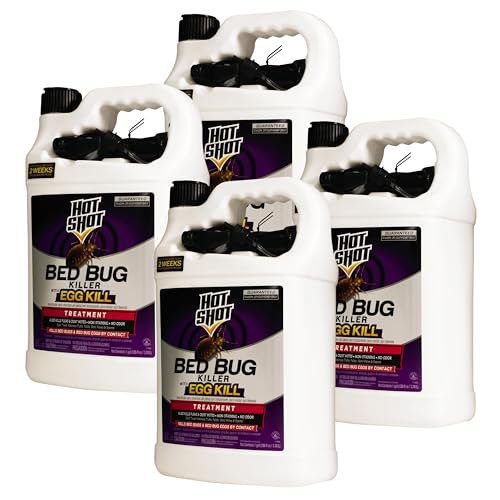
Hot Shot Bed Bug Killer With Egg Kill Ready-to-Use, 1 gallon, 4 Pack\
\
\
This product is effective for killing bed bugs at all life stages, making it relevant for readers looking to manage infestations.
\
\
\
\
\
\
Eggs are the stage most people never see, yet they are often the reason DIY efforts fail. A female bed bug can lay 1-5 eggs per day and potentially hundreds over her lifetime, placing them where they are protected from light, friction, and casual cleaning. Many are tucked into the same tight spaces you would choose if you were trying to hide a grain of rice in a bedroom.
\
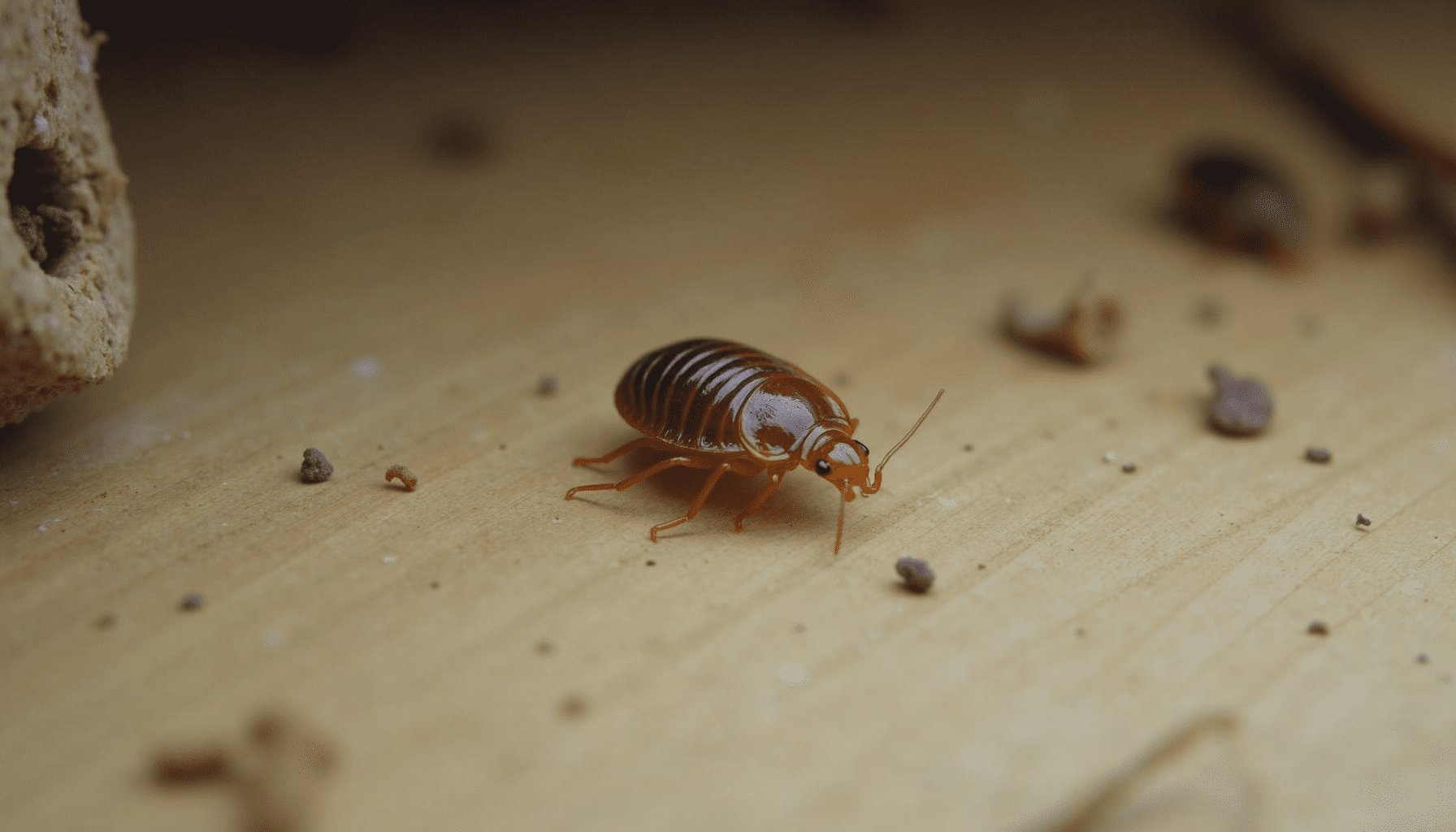
The EPA’s bed bug life cycle overview describes eggs as tiny, pale, and difficult to spot. In practice, they look like a milky-white oval about 1 mm long, often cemented to rough surfaces with a glue-like coating.
\
Where bed bug eggs are most often found
\
If you are inspecting, focus on texture and shelter. Eggs stick best to rough surfaces and corners.
\
Common egg sites (highest yield first):
\
- \
- Mattress piping and seams, especially near the head area
- Box spring folds, stapled fabric edges, and wooden frame joints
- Headboard cracks and wall-side mounting points
- Bed frame screw holes, slats, and joints
- Upholstered furniture seams and zipper folds
- Baseboards, carpet edges, and nightstand joints near the bed
\
\
\
\
\
\
\
Egg hatch timing: the “quiet week”
\
In many homes, eggs hatch in about a week. That creates a pattern: you treat, things seem calmer, then tiny nymphs appear and bites resume. This is not “new bed bugs” arriving. It is often the next generation hatching.
\
Use this mini checklist during inspections:
\
- \
- Eggs: pearl-like, stuck in place, often clustered (not always)
- Near eggs: pepper-like fecal dots, and pale shed skins nearby
- Hard-to-see clue: eggs may show faint “eye spots” shortly before hatching
\
\
\
\
Actionable takeaway: When you vacuum seams and cracks, treat the vacuum contents as contaminated. Seal and discard the bag or empty into a sealed bag immediately, then take it outside.
\
 \
\\
\
Bed bug nymph stages (instars): the five molts that drive infestations
\
\
\
\
 \
\\
\
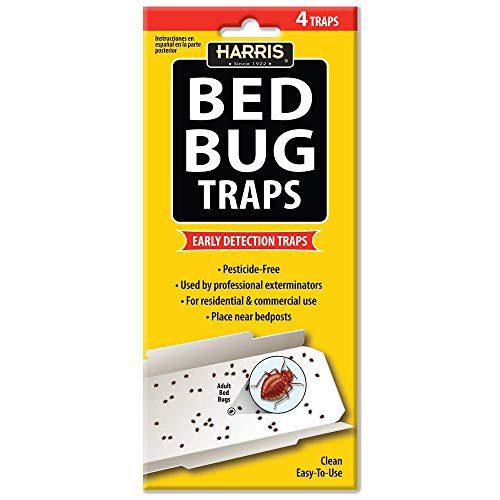
Harris Bed Bug Traps for Early Detection & Monitoring, 4 Pack\
\
\
These traps help monitor and catch bed bugs, providing a practical solution for identifying infestations early in the life cycle.
\
\
\
\
\
\
Nymphs are the engine of an infestation. They are small, hungry, and easy to overlook, especially the first two stages. Each nymph must take at least one blood meal to molt into the next instar. That simple biological rule explains a lot: if you interrupt feeding, you slow development. If feeding happens regularly, nymphs progress steadily toward adulthood.
\
Nymphs hatch translucent or pale yellow-white. After feeding, they turn reddish because the blood shows through their body. Over time, as the exoskeleton thickens and pigmentation increases, later instars look more like miniature adults.
\
Here is a size guide you can use during inspection, based on commonly reported measurements across pest management references:
\
| Nymph instar | Approx. size | What it tends to look like |
|---|---|---|
| 1st | ~1.5 mm | Nearly clear, like a moving sesame flake |
| 2nd | ~2.0 mm | Pale straw color, fast-moving |
| 3rd | ~2.5 mm | More visible body shape, still light |
| 4th | ~3.0 mm | Noticeably “bug-like,” darker after feeding |
| 5th | ~4.5 mm | Close to adult size, but not reproductive |
\
What you’ll find besides live nymphs
\
Nymphs leave behind evidence that is often easier to spot than the bugs themselves:
\
- \
- Shed skins (exuviae): papery, translucent “shells” in harborages
- Fecal spots: small black dots that look like ink specks
- Blood smears: small rusty marks on sheets from crushed, fed bugs
\
\
\
\
A research paper indexed by the National Library of Medicine (PubMed) reports that older stages are commonly collected in field samples, which fits what many residents experience: early-stage nymphs and eggs are simply harder to detect during casual checks.
\
Why nymphs change your control strategy
\
If you only kill adults, nymphs keep molting. If you only spray visible bugs, nymphs hidden deep in seams can avoid contact. This is why professionals lean on integrated approaches rather than a single product.
\
Actionable takeaway: Place bed leg interceptors and monitor weekly. If you’re unsure whether marks on your skin are bed bug bites, compare patterns using Mosquito Bites vs Bed Bugs, Fleas, Spiders & Ticks to avoid chasing the wrong culprit.
\
Adult bed bugs: reproduction, feeding rhythm, and survival without meals
\
\
\
\
 \
\\
\
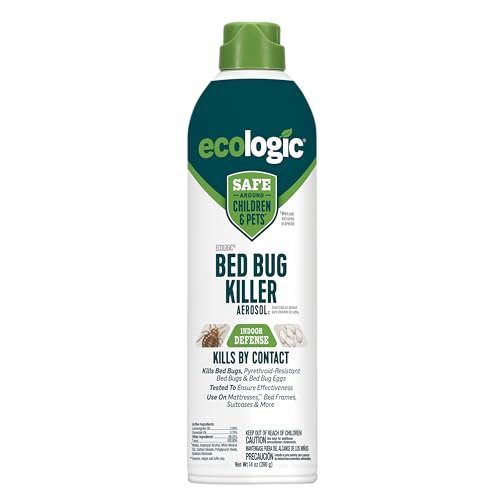
Ecologic Bed Bug Killer Aerosol, 14 Ounces, Aerosol Formula Made With Lemongrass Oil And Cornmint Oil For Use On Seams, Edges And Tufts Of Mattresses, Bed Frames, Suitcases And More\
\
\
This organic spray is safe for indoor use and effective against bed bugs, appealing to those seeking non-toxic pest control options.
\
\
\
\
\
\
Adult bed bugs are the stage most people recognize: flat, oval, reddish-brown insects about 4-7 mm long. They do not fly and they do not jump. They rely on stealth, tight hiding places, and nighttime feeding. The Penn State Extension bed bug biology overview notes that adults can persist for long periods, especially when conditions are cooler and feeding is limited.
\
Feeding and movement: what’s actually happening at night
\
Adults typically feed in short sessions and then retreat to harborages. When a room goes dark and a host is still, bed bugs follow heat and carbon dioxide cues. They can crawl quickly over floors, bed frames, and furniture to reach a host.
\
Use this “night-to-morning” clue chart:
\
| Sign | When it appears | What it suggests |
|---|---|---|
| New itchy welts in lines/clusters | Morning | Possible feeding overnight |
| Small blood spots on sheets | Morning | Bug was crushed after feeding |
| Fresh fecal dots near seams | Any time, often accumulates | Active harborages nearby |
\
Reproduction: why one hitchhiker matters
\
After feeding, adults can mate and females can begin laying eggs. That is why a single pregnant female introduced via luggage, a used couch, or a bed frame can start a problem. It also explains why infestations are common in places with high turnover like apartments, hotels, and dorms, even when spaces are clean.
\
Survival without food: the “empty room” myth
\
A common misconception is that leaving a room empty for a few weeks will starve bed bugs. In reality, adults and older nymphs can survive months without feeding, and cool temperatures can extend survival further. This is one reason “waiting them out” rarely works.
\
Actionable takeaway: If you are moving or traveling, treat clothing and soft items as potential transport. Hot drying is one of the most reliable tools for fabrics, because it targets all stages when done correctly.
\
 \
\\
\
How to use the life cycle to stop bed bugs (IPM steps that target every stage)
\
Knowing the stages is only useful if you apply it. The goal is simple: hit eggs, nymphs, and adults, and keep pressure on the population long enough to catch late hatchers. Many failures happen because treatment stops after the first visible improvement, right when eggs are hatching.
\
The EPA bed bug guidance recommends an integrated pest management (IPM) approach, combining monitoring, physical removal, heat, encasements, and carefully selected pesticides when needed. Resistance to some insecticides is widely documented, so relying on a single spray is a gamble.
\
Step-by-step: a life-cycle-based plan
\
Use this as a practical sequence. It is designed to interrupt feeding, remove harborages, and kill hidden stages.
\
- \
-
Confirm and map activity
\
- \
- Inspect mattress seams, box spring edges, headboard joints, and nearby furniture.
- Install interceptors under bed legs and check weekly.
\
\
\
-
Reduce hiding places
\
- \
- Declutter around the bed (bags, stacks of clothes, cardboard).
- Pull the bed slightly away from the wall and keep bedding from touching the floor.
\
\
\
-
Heat and laundering for fabrics
\
- \
- Dry bedding, clothing, and curtains on high heat when the fabric allows.
- Bag items before moving them through the home to avoid spreading bugs.
\
\
\
-
Physical removal
\
- \
- Vacuum seams, cracks, and bed frame joints slowly with a crevice tool.
- Immediately seal and discard vacuum contents.
\
\
\
-
Encase and isolate
\
- \
- Use mattress and box spring encasements designed for bed bugs.
- Keep interceptors in place to detect survivors.
\
\
\
-
Targeted treatment (when appropriate)
\
- \
- Use products labeled for bed bugs and apply only where the label allows.
- Focus on cracks and crevices, not broad surface spraying.
\
\
\
\
\
\
\
\
\
\
When to call a professional
\
Consider professional help if:
\
- \
- You find bed bugs in multiple rooms
- You live in multi-unit housing (apartments, condos)
- Bites continue after two weeks of consistent monitoring and control
- You cannot locate harborages but signs persist
\
\
\
\
\
Actionable takeaway: Plan for follow-ups. Because eggs can hatch after initial treatment, effective control usually requires repeated checks and, often, multiple treatment rounds.
\
Key takeaways: bed bug life cycle facts you can act on
\
- \
- Bed bugs develop through egg → five nymph instars → adult, and every nymph stage needs a blood meal to molt.
- Eggs are tiny and glued into seams and cracks, often hatching in about 6-10 days under typical indoor conditions.
- Development speed depends heavily on temperature and feeding access, so timelines vary widely between homes and seasons.
- The most reliable control plans target all stages and continue long enough to catch late hatchers.
- Monitoring tools (interceptors), encasements, heat for fabrics, and careful crack-and-crevice work outperform “one-and-done” sprays.
\
\
\
\
\
\
Conclusion
\
The bed bug life cycle is the reason infestations can be hard to eliminate with quick fixes. Eggs hide, nymphs grow only after feeding, and adults can persist long enough to restart the problem if even a few survive. Treating bed bugs is less about one perfect product and more about timing and coverage across stages.
\
Next step: if you are comparing bite patterns or trying to rule out other pests, use Mosquito Bites vs Bed Bugs, Fleas, Spiders & Ticks. And if you are curious how other insects develop in distinct stages, see Mosquito Life Cycle: From Eggs to Adults and How to Identify Ladybugs: Types, Colors & Look-Alikes.
As an Amazon Associate, I earn from qualifying purchases. Product recommendations are based on real reviews and independent research.