Imagine stepping into your garden and seeing a delicate lacewing larvae diligently munching on aphids, or a lady beetle patrolling a rose bush for scale insects. This isn't just a dream; it's the reality of a garden powered by beneficial insects for garden pest control. While many gardeners focus on attracting these helpful allies, sometimes a targeted release of live beneficial insects is the most effective way to manage a sudden pest outbreak or establish a healthier ecosystem. This guide will help you understand which beneficial insects to buy, when to introduce them, and how to create a welcoming environment so they stay and protect your plants long-term, offering a truly natural pest control solution.
Bottom line: To effectively manage pests in your garden, consider purchasing these beneficial insects based on your specific pest problem:
- Green Lacewings: Excellent generalist predators for aphids, thrips, whiteflies, and mites. Their larvae are especially voracious.
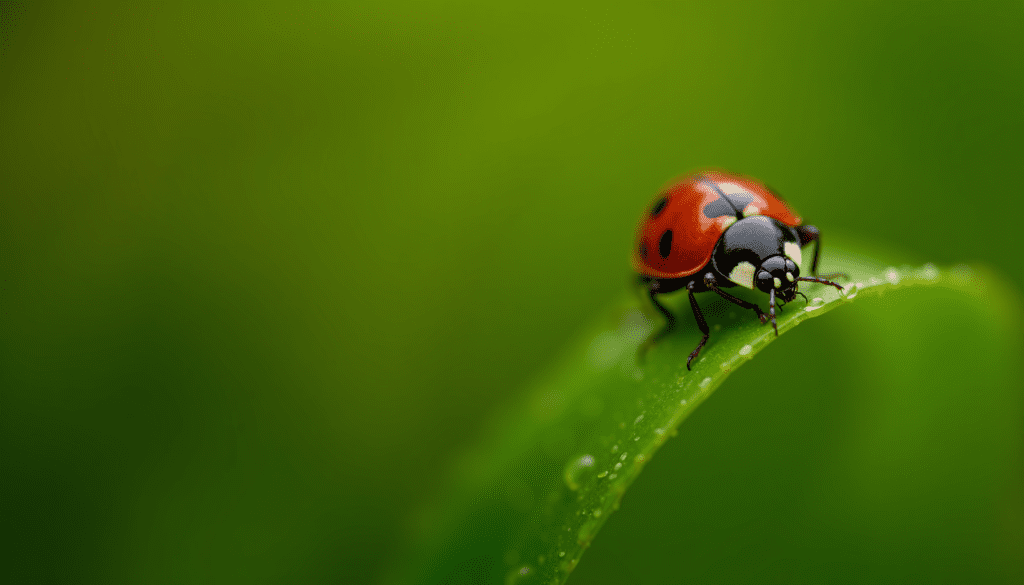
- Lady Beetles (Ladybugs): Iconic aphid predators, also target scale crawlers and mites. Best released when pest numbers are moderate and habitat is supportive.
- Parasitic Wasps: Highly specialized for specific pests like aphids, whiteflies, or caterpillars. Require precise pest identification for success.
- Predatory Mites: Ideal for controlling spider mites, especially in greenhouses or container gardens.
- Beneficial Nematodes: Microscopic worms that target soil-dwelling pests like grubs and flea beetle larvae.
Remember, buying beneficial insects is most effective when integrated into a broader strategy that includes identifying pests correctly, providing habitat, and avoiding harmful pesticides.
Why buy beneficials
For gardeners seeking sustainable solutions, beneficial insects offer a powerful, eco-friendly alternative to chemical sprays. These natural allies are a cornerstone of Integrated Pest Management (IPM), a strategy that focuses on long-term prevention of pests with minimal environmental impact. Rather than simply eliminating pests, beneficial insects help maintain a balanced garden ecosystem where pest populations are kept in check naturally.
The primary advantage of using beneficial insects is their targeted approach. Unlike broad-spectrum pesticides that can harm both good and bad insects, predators and parasitoids specifically seek out and destroy pests. This selectivity protects pollinators and other non-target organisms, fostering a healthier environment overall. Research from Penn State Extension emphasizes that beneficial insects are often more sensitive to insecticides than the pests they target, highlighting the importance of minimizing chemical use to support these garden helpers.
By introducing beneficial insects, you're not just solving a temporary problem; you're investing in the long-term resilience of your garden. These insects can reproduce and establish populations, providing ongoing pest suppression. This approach reduces the need for repeated chemical applications, saving time and resources while promoting a safer space for your family, pets, and local wildlife. It’s a proactive step towards creating a vibrant, self-sustaining garden where nature does the heavy lifting of pest management.
Best insects to buy
When you decide to buy beneficial insects for your garden, selecting the right species for your specific pest problem is crucial. There's no single "super bug" that solves every issue; instead, each beneficial insect has its preferred prey and environmental needs. Here’s a look at some of the most effective live beneficial insects you can purchase and how to best use them.
Green Lacewings
- Best for: Aphids, thrips, whiteflies, mealybugs, mites, and other soft-bodied pests.
- Why buy them: Green lacewing larvae are often called "aphid lions" due to their insatiable appetite. They are incredibly effective generalist predators in their larval stage, consuming hundreds of pests each.
- Best use case: Vegetable gardens, ornamental plants, and greenhouses, especially for early outbreaks of aphids or other soft-bodied pests.
- Important note: Adult lacewings primarily feed on nectar and honeydew, so providing flowering plants is essential to support the adults and encourage egg-laying.
- Where to pair them: Plant dill, fennel, and cosmos to provide nectar for adult lacewings.
Lady Beetles (Ladybugs)
- Best for: Aphids, scale crawlers, mites, and other small, soft-bodied insect pests.
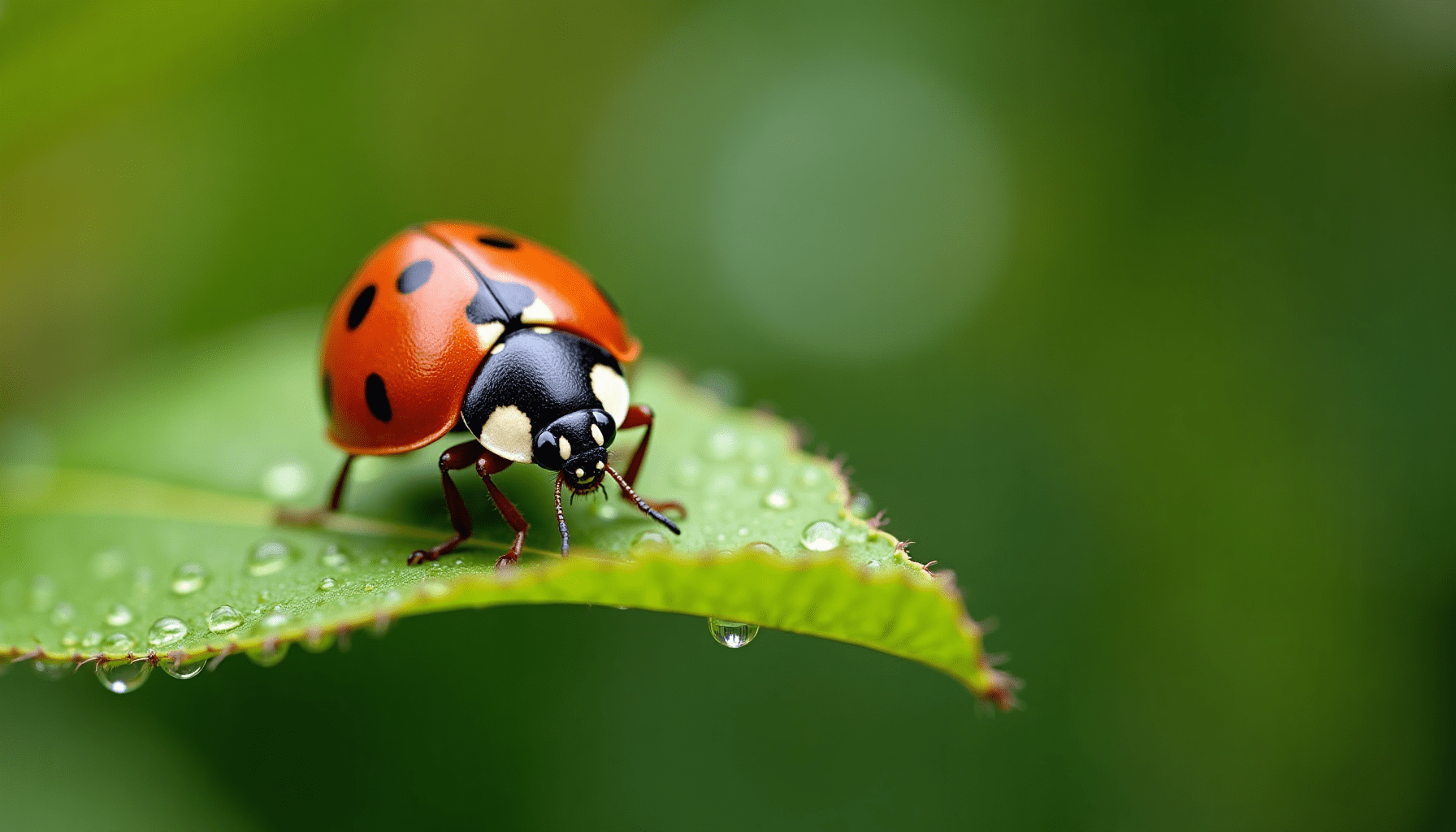
- Why buy them: Lady beetles are iconic and highly recognizable, making them popular for natural pest control. Both larvae and adults are predatory. For more on their diet, see our guide on What Do Ladybugs Eat?.
- Caution: A common issue in home gardens is that released lady beetles may disperse quickly, flying away if there isn't enough prey, nectar, or suitable habitat to keep them around. Monrovia's beneficial insect guide stresses the importance of habitat over relying on mass release alone.
- Tip for success: Release them at dusk after watering your garden. This gives them a chance to settle before flying off. Learn more about identifying them with our guide on How to Identify Ladybugs.
Parasitic Wasps
- Best for: Highly specific pests like aphids, whiteflies, various caterpillar eggs/larvae, and scale insects, depending on the wasp species.
- Why buy them: These tiny wasps lay their eggs inside or on a host pest, and the developing wasp larva consumes the host from within. They offer highly targeted biological control.
- Best use case: Greenhouses, enclosed growing areas, or situations where you have precisely identified your target pest. Arbico Organics emphasizes the critical need for correct pest identification before choosing a parasitic wasp.
- Important note: Many adult parasitic wasps are very small and feed on nectar, so diverse flowering plants are vital to support their populations.
Predatory Mites
- Best for: Various species of spider mites and some other small foliar or soil pests.
- Why buy them: Predatory mites are microscopic specialists that actively hunt and feed on pest mites. They are a staple in professional IPM programs.
- Best use case: When spider mites are a persistent problem, especially in greenhouses, grow tents, or container gardens where environmental conditions can be controlled to suit the mites.
- Tip for success: Ensure proper humidity and temperature for the specific predatory mite species you choose, as they are sensitive to environmental factors.
Beneficial Nematodes
- Best for: Soil-dwelling pests such as grubs (Japanese beetle, June beetle), flea beetle larvae, cutworms, fungus gnats, and some weevil larvae.
- Why buy them: Unlike the other insects listed, beneficial nematodes are microscopic, non-segmented roundworms that live in the soil. They seek out and parasitize insect larvae, offering a biological soil treatment.
- Best use case: Lawns, garden beds, and container plants where soil-dwelling pests are a problem. They are most effective when applied to moist soil. NaturesGoodGuys highlights their role in living-soil pest suppression.
- Important note: Apply them in the evening or on a cloudy day to protect them from UV light, and ensure the soil remains moist for several days after application.
Rove Beetles
- Best for: Soil-dwelling pests, fungus gnat larvae, springtails, and some root aphids.
- Why buy them: These small, fast-moving beetles are excellent generalist predators in the soil, helping to control a variety of common greenhouse and garden floor pests.
- Best use case: Potting media, raised beds, and greenhouse systems, especially in moist, organic-rich soils.
- Tip for success: Provide plenty of organic matter in your soil to create a welcoming habitat.
Soldier Beetles
- Best for: Aphids, mealybugs, other small soft-bodied pests, and insect eggs. Adults also consume pollen and nectar.
- Why buy them: Soldier beetles are beneficial generalist predators, with both larvae and adults contributing to pest control.
- Best use case: General garden pest control, particularly in areas with abundant flowering plants. Penn State Extension notes that plants in the Aster family (like cosmos and coneflowers) can attract them.
- Important note: While you can buy them, focusing on attracting existing populations by planting nectar-rich flowers is often a very effective strategy.
When to buy
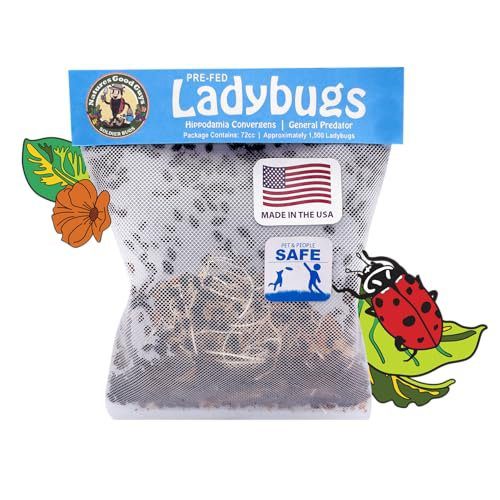
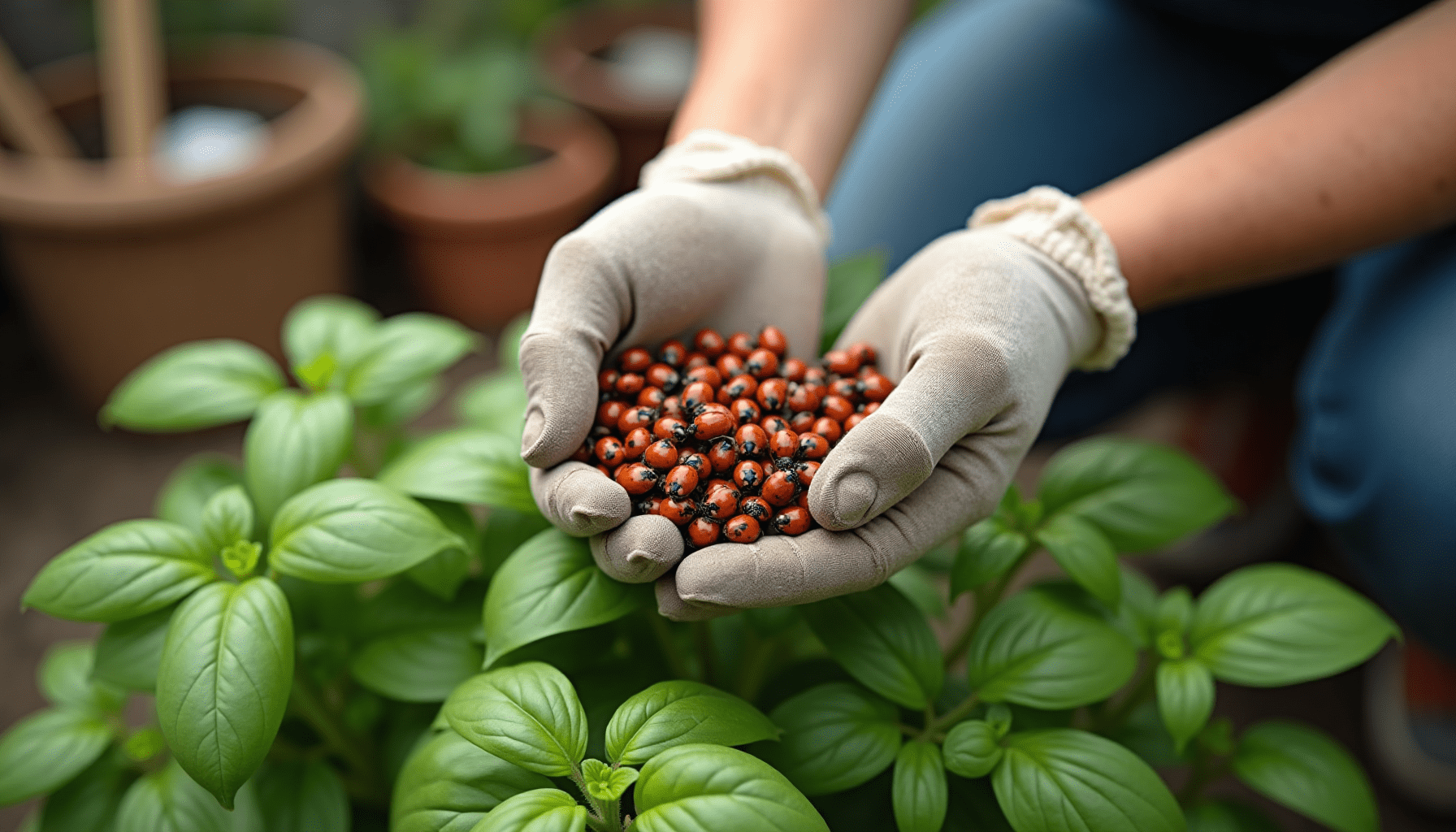
Ladybugs are iconic and highly effective predators for aphids, scale crawlers, and mites, making them a top choice for general garden pest control as highlighted in the article.
- Effective natural pest control for aphids and other soft-bodied garden pests
- Arrive live and active with a live-delivery guarantee when shipped properly
- Offered in multiple quantity options to suit different garden sizes and needs
- Some customers report a portion of ladybugs arriving dead or weakened, especially in poor weather or shipping conditions
- Ladybugs may quickly fly away or disperse instead of staying concentrated on the target plants
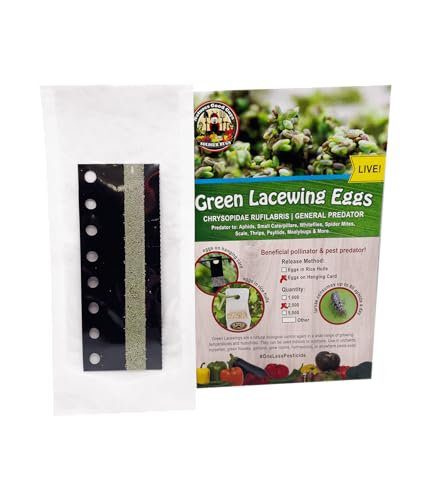
Green Lacewing larvae are voracious generalist predators, excellent for controlling a wide range of common garden pests like aphids, thrips, whiteflies, and mites, as emphasized in the article.
- Users praise that the hanging cards are very easy to use and convenient to apply to plants.
- Reviewers like that the lacewing eggs are a natural, pesticide-free way to control aphids and other soft-bodied pests.
- Customers report the product is effective for pest control when used as directed.
- Some buyers say it can be difficult to tell whether the eggs have hatched or are active once applied.
- A few reviewers note results can be inconsistent or limited if conditions are not right or if the product is used too late in an infestation.
While attracting naturally occurring beneficial insects is always the first line of defense, there are specific situations where purchasing and releasing them can provide a significant boost to your garden pest control efforts. Understanding these scenarios helps maximize your investment and ensures better success.
Buying beneficial insects is most advantageous when:
- You've correctly identified the pest: Biological control is highly species-specific. Releasing the wrong beneficial insect for your pest is a waste of time and money. For example, a parasitic wasp effective against whiteflies won't help with spider mites.
- The infestation is at an early or manageable stage: Beneficial insects are best at preventing pest populations from exploding or bringing down moderate numbers. They are less effective at eradicating a massive, entrenched infestation on their own. Arbico Organics advises releasing beneficials when pest densities are low for maximum effectiveness.
- You can avoid broad-spectrum insecticides: Chemical residues can be lethal to newly released beneficials. If you've recently sprayed, you'll need to wait for the residue to dissipate.
- You can provide food, shelter, and water: Released insects need a reason to stay. Without adequate habitat, they may simply fly away.
- The pest area is relatively contained: Greenhouses, hoop houses, raised beds, or container gardens offer a more controlled environment where beneficials are less likely to disperse.
Conversely, purchasing beneficial insects is usually less effective when:
- Your garden lacks diverse food sources or shelter: Without nectar, pollen, and places to hide, beneficials will struggle to survive and reproduce.
- Pest pressure is extreme and ongoing: In severe outbreaks, beneficial insects may be overwhelmed before they can establish.
- Recent pesticide residues are present: Even "organic" pesticides can harm beneficials.
- The beneficial species isn't matched to your target pest: This is a common pitfall.
- You expect instant eradication: The goal of biological control is usually suppression, keeping pests below damaging levels, rather than complete elimination.
Consider your garden's specific needs and conditions before making a purchase. Often, a combination of attracting existing beneficials and strategically releasing new ones yields the best results.
Help them stay
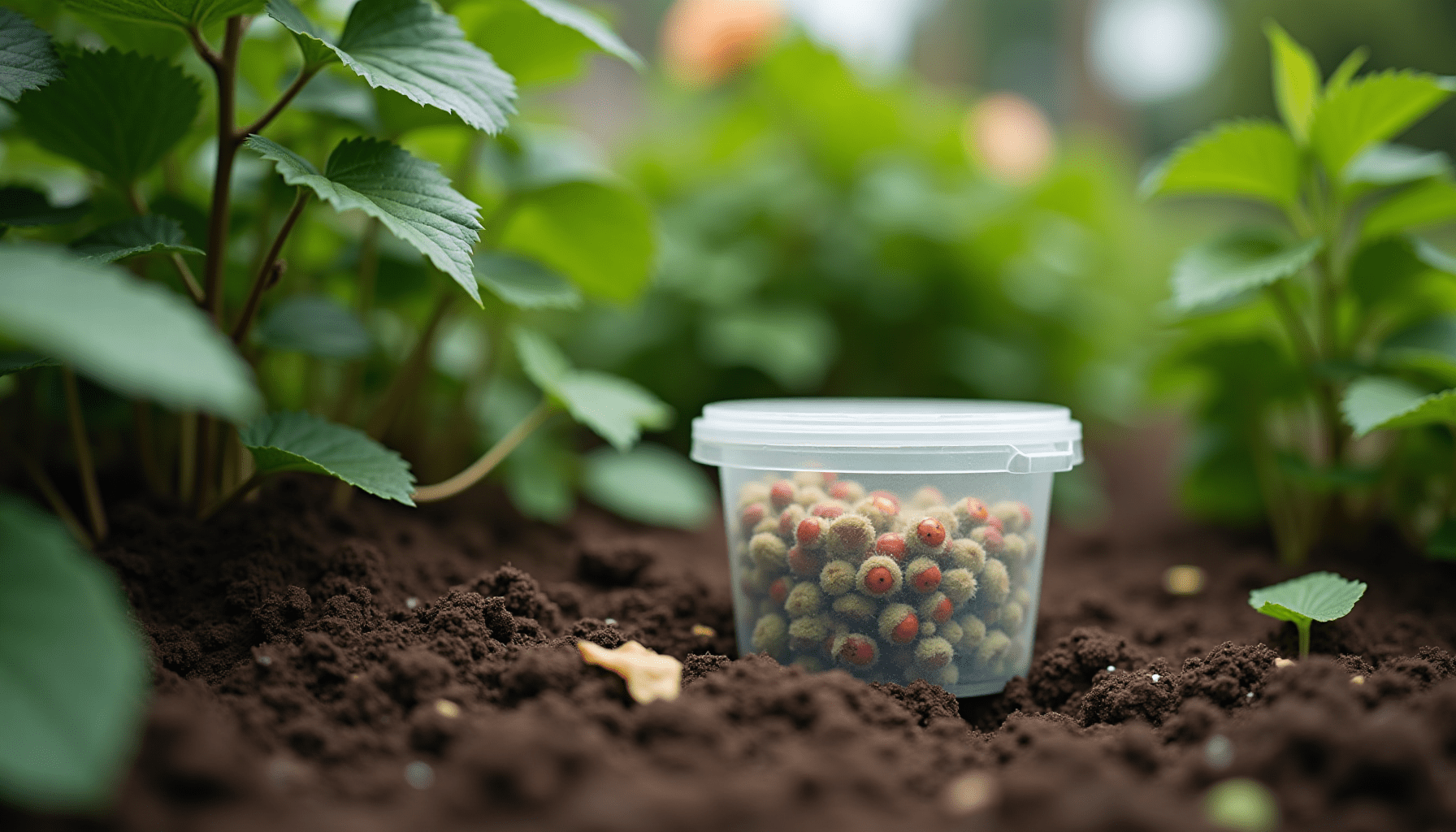
Releasing beneficial insects for garden pest control is only half the battle; the real success comes from creating an environment that encourages them to stay, thrive, and reproduce. A healthy, diverse garden ecosystem is the best long-term strategy for natural pest control.
Here’s how to improve success after release and encourage a vibrant beneficial insect community:
- Avoid Insecticides: This is paramount. Even organic or "soft" pesticides can harm beneficial insects. Penn State Extension warns that beneficials can be highly sensitive to many products. If you must spray, use highly targeted options with no residual activity, and apply them only to affected plants, not the entire garden.
- Plant Diverse Flowers: Many adult beneficial insects, including parasitic wasps, lacewings, and hoverflies, feed on nectar and pollen. Plant a variety of flowers, especially those with open blooms, to provide a continuous food source from early spring until late fall. Our guide on how to attract pollinators to your garden also offers great tips for beneficials.
- Include Specific Plant Families:
- Apiaceae (Carrot family): Dill, fennel, coriander, caraway, yarrow, and Queen Anne's Lace are magnets for small parasitic wasps and flies.
- Asteraceae (Aster family): Cosmos, sunflowers, coneflowers, and goldenrod attract larger predators like lady beetles and soldier beetles.
- Brassicaceae (Mustard family): Sweet alyssum is excellent for attracting hoverflies and tiny parasitic wasps.
- Verbena family: Many species are rich in nectar and attract a wide range of beneficials.
- Provide Shallow Water: A shallow dish with stones or pebbles provides a safe drinking spot for beneficial insects without the risk of drowning.
- Add Shelter and Overwintering Sites:
- Mulch and Leaf Litter: Provide cover for ground-dwelling predators like ground beetles and rove beetles.
- Logs and Stone Piles: Offer cracks and crevices for overwintering.
- Shrubs and Trees: Create protected areas for many beneficials.
- Consider adding Best Bee Houses and Mason Bee Kits for solitary bees, which are also important garden allies.
- Grow Native Plants: Native plants are often best adapted to local conditions and can support a broader range of native beneficial insects. Monrovia highlights the importance of native plants in creating a healthy ecosystem.
By focusing on habitat enhancement, you create a self-sustaining system where beneficial insects can naturally manage pests, reducing your workload and reliance on external interventions.
Common mistakes
While the idea of using beneficial insects for natural pest control is appealing, many gardeners fall prey to common misconceptions that can hinder their success. Understanding these pitfalls is key to effectively integrating these helpful creatures into your garden pest control strategy.
Misconception 1: "Ladybugs will solve all my problems and stay forever."
Reality: While lady beetles are fantastic predators, especially of aphids, they are notorious for dispersing quickly if released into a garden without enough food, water, or suitable habitat. They are often collected from hibernation sites, and when released, their instinct is to fly away to find a more permanent home. Success depends heavily on existing pest populations and a welcoming environment.
Misconception 2: "Any beneficial insect works on any pest."
Reality: This is largely false. Biological control is often highly specific. For instance, a parasitic wasp that targets whiteflies will not be effective against spider mites. Correctly identifying your target pest is the absolute first step before you buy beneficial insects. Arbico Organics strongly advises identifying the pest before selecting a predator or parasite.
Misconception 3: "Buying beneficial insects means I don’t need to plant flowers."
Reality: Many adult beneficial insects, especially parasitic wasps and lacewings, require nectar and pollen for energy and reproduction. Without these food sources, they cannot survive long-term, lay eggs, or effectively control pests. Flowering plants are an integral part of the control system, not just decoration.
Misconception 4: "Organic pesticides are harmless to beneficial insects."
Reality: Not necessarily. While some organic pesticides have less residual activity than synthetic broad-spectrum options, they can still kill beneficial insects on contact. Penn State Extension warns that beneficials can be very sensitive even to some "softer" products. Always read labels carefully and apply judiciously, targeting only the affected plants and avoiding beneficials.
Misconception 5: "If I release enough predators, they’ll eliminate all pests."
Reality: The goal of biological control is typically pest suppression, not eradication. The aim is to keep pest populations below economically or aesthetically damaging levels. A healthy ecosystem often has a balance of both pests and beneficials, as the pests provide a food source that keeps the beneficials around. Expecting complete elimination is unrealistic and can lead to disappointment.
Misconception 6: "All beneficial insects are predators."
Reality: While many beneficial insects are predators (like lady beetles and lacewings), others are parasitoids (like many tiny wasps that lay eggs inside pests), and some are beneficial primarily as pollinators or decomposers. Each plays a different, vital role in a balanced garden ecosystem.
By understanding and avoiding these common misconceptions, you can make more informed decisions when you buy beneficial insects and create a more effective, truly natural pest control strategy for your garden.
Final picks
Embracing beneficial insects for garden health is a powerful step towards sustainable and effective pest management. By understanding which live beneficial insects to buy, when to release them, and crucially, how to create a welcoming habitat, you can transform your garden into a thriving ecosystem where nature does the work of natural pest control. Remember that these tiny allies are not a one-time fix but an integral part of a balanced system.
The most successful approach combines targeted releases with long-term habitat support. Prioritize planting diverse, nectar-rich flowers, providing water, and offering shelter to ensure that the beneficial insects you introduce, or those already present, have everything they need to flourish. By minimizing chemical intervention and fostering biodiversity, you'll cultivate a resilient garden that naturally resists pests, bringing you closer to a truly harmonious outdoor space.
For more in-depth guidance on supporting your garden's ecosystem, explore our related articles on How to Attract Beneficial Insects Naturally and Best Flowers for Beneficial Insects.
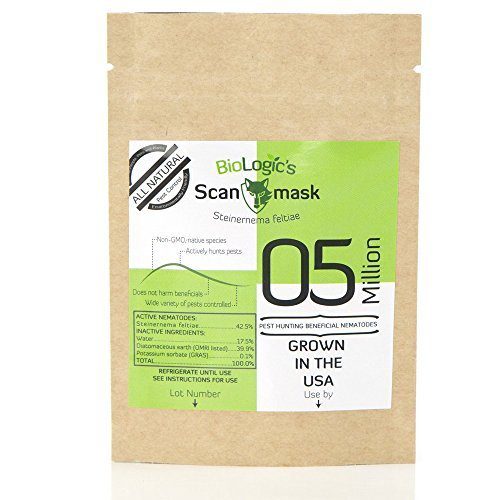
Beneficial nematodes are microscopic worms that target soil-dwelling pests such as grubs, flea beetle larvae, and cutworms, providing a crucial natural control method for root-level infestations.
- Effectively reduces a wide range of soil-dwelling pests (especially fungus gnats, grubs, and flea larvae) when applied as directed
- Considered a safer, pet- and plant-friendly alternative to chemical pesticides
- Easy to apply using watering cans or sprayers, with clear instructions from the manufacturer
- Requires careful storage (refrigeration, no freezing) and timely use before expiration to remain effective
- Some users report variable results if application conditions (soil moisture, temperature, coverage) are not ideal or if directions are not followed precisely
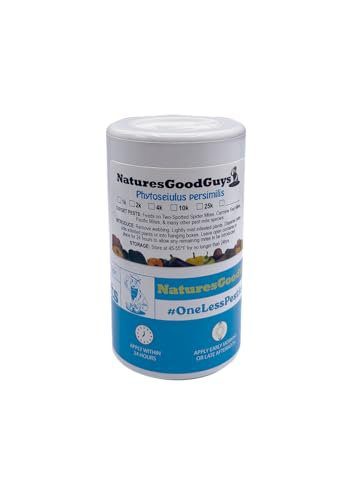
Specifically recommended for controlling spider mites, these predatory mites are ideal for targeted treatment, especially in enclosed environments like greenhouses or container gardens.
- Effectively controls two-spotted spider mites when applied as directed, often rescuing heavily infested plants.
- Arrives quickly with active, live mites and good overall viability on delivery.
- Easy to distribute on plants using the carrier material and included usage instructions.
- Some buyers report a portion or all of the mites arriving dead or stressed, especially in very hot or cold weather.
- Needs specific humidity and temperature conditions plus repeated applications, which some users find inconvenient or less effective than expected.
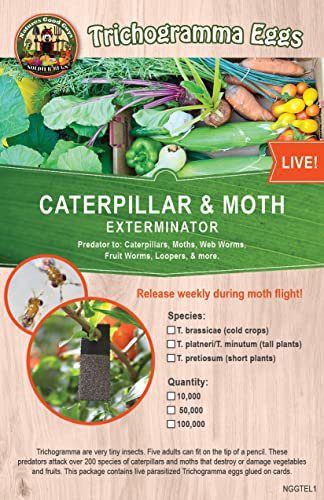
Parasitic wasps, like Trichogramma, are highly specialized for controlling specific caterpillar and moth pests by parasitizing their eggs, offering a precise biological control solution.
- Effectively reduces caterpillar and moth infestations when cards are placed weekly during moth flight season
- Can be used both indoors and outdoors on a wide range of crops and garden plants
- Simple to deploy using hanging cards that are easy to cut and attach to foliage or near infested areas
- Requires repeated, weekly applications over many weeks rather than providing an instant, one-time solution
- Trichogramma eggs are vulnerable to ants and direct sunlight, so users must take extra steps (e.g., indoor hatching or careful placement) to protect them
As an Amazon Associate, I earn from qualifying purchases. Product recommendations are based on real reviews and independent research.