Are tiny, soft-bodied insects turning your vibrant garden plants into a sticky, distorted mess? You're likely dealing with aphids, one of the most common and persistent garden pests. Learning how to get rid of aphids is essential for maintaining plant health and preventing potential disease spread. This comprehensive guide will walk you through effective, natural, and integrated strategies to control these prolific sap-suckers, ensuring your plants thrive without harsh chemicals. We'll cover identification, mechanical removal, biological solutions, and low-risk treatments to help you reclaim your garden.
Bottom line: To effectively get rid of aphids, start with these immediate actions:
- Blast them off: Use a strong jet of water from a hose to dislodge aphids from affected plants. Repeat every few days.
- Prune infested areas: For localized outbreaks, snip off heavily infested leaves or shoot tips.
- Encourage natural predators: Avoid broad-spectrum pesticides that harm beneficial insects like lady beetles and lacewings.
- Use insecticidal soap: If water isn't enough, apply an insecticidal soap spray directly to aphids, ensuring thorough coverage.
Identify aphids
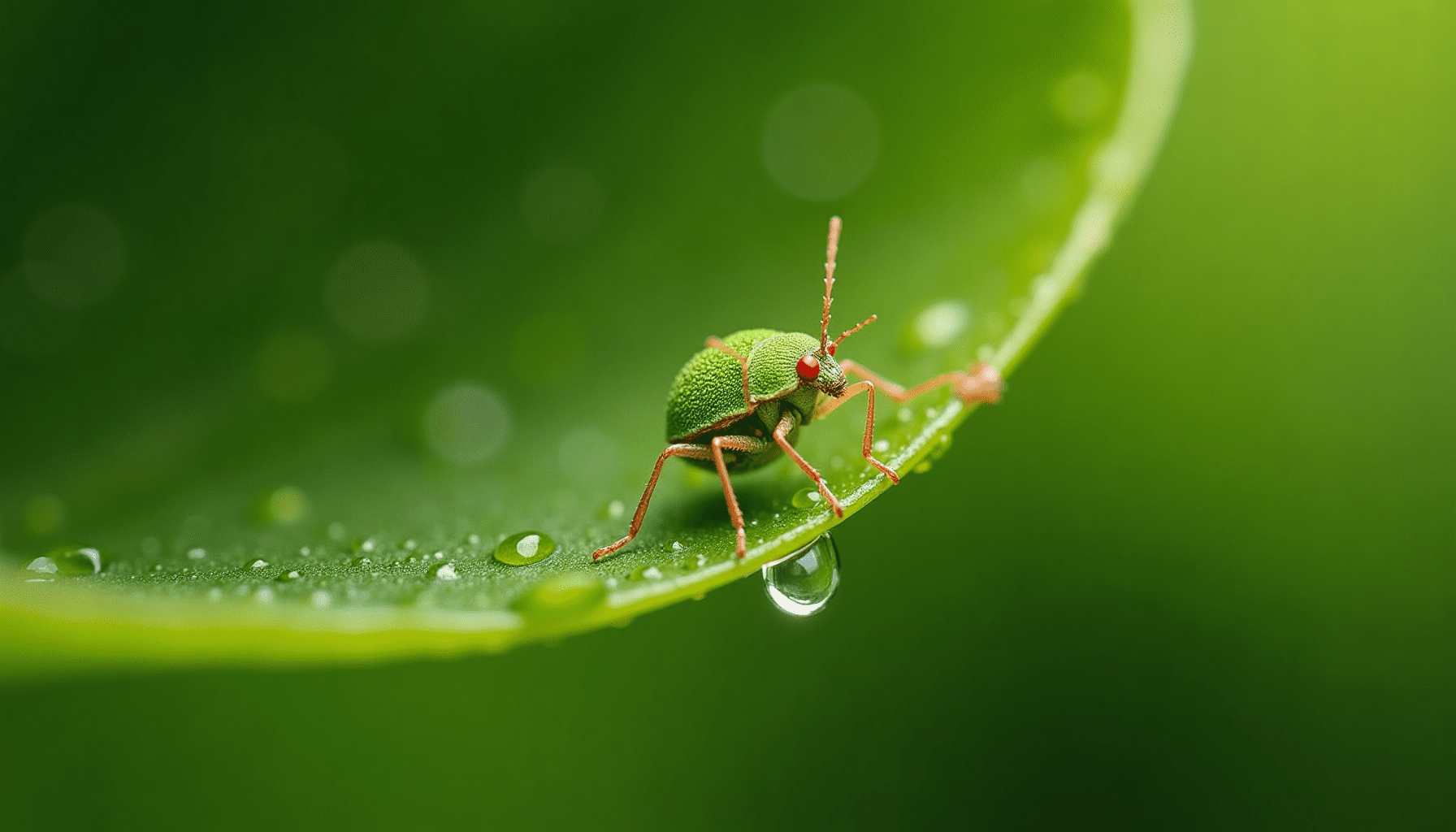
Before you can effectively get rid of aphids, it's important to confirm you're dealing with these specific pests. Aphids (family Aphididae) are small, pear-shaped insects that can vary widely in color and appearance, making them sometimes tricky to spot. They are notorious for their rapid reproduction and the distinct damage they inflict on plants.
Key Identification Traits:
- Size and Shape: Aphids are typically 1 to 4 millimeters long, with soft, pear-shaped bodies.
- Color: They come in a wide array of colors, including green, black, brown, yellow, gray, and even pink, depending on the species and host plant.
- Location: You'll usually find aphids clustered on the undersides of leaves, on new shoots and buds, and along flower stems. They prefer tender, new growth.
- Cornicles: Many aphid species have two small, tube-like projections called cornicles extending from their rear end, which can help in identification.
- Winged Forms: While most aphids are wingless, winged forms (alates) can appear when colonies become overcrowded or food quality declines, allowing them to migrate to new host plants.
Signs of an Aphid Infestation:
- Curled or Distorted Leaves: As aphids feed on plant sap, they inject saliva that can cause leaves to curl, yellow, or become distorted. New shoots may appear stunted or misshapen.
- Sticky Honeydew: Aphids excrete a sugary, sticky liquid called honeydew. You might notice this residue on leaves, stems, or even on surfaces below infested plants like decks or outdoor furniture.
- Sooty Mold: Honeydew often encourages the growth of black, powdery sooty mold fungi, which can cover leaves and fruit, reducing photosynthesis and aesthetic appeal.
- Ants: Ants are frequently associated with aphid infestations. They "farm" aphids for their honeydew, protecting them from predators in return. If you see ants moving up and down your plant stems, investigate for aphids.
- Stunted Growth: Heavy aphid feeding can lead to overall stunting of plant growth and deformities in flowers and fruit.
Understanding these signs allows for early detection, which is crucial for successful aphid control. Early intervention can prevent small populations from exploding into widespread infestations that are much harder to manage.
First steps
When tackling an aphid problem, starting with natural and mechanical methods is often the most effective and environmentally friendly approach. These techniques minimize harm to beneficial insects and the surrounding ecosystem, aligning with integrated pest management (IPM) principles. Many university extension services, such as the Oregon State Extension, emphasize these low-risk strategies as a first line of defense.
1. Strong Water Spray ("Hose Them Off")
One of the simplest and most consistently recommended methods to get rid of aphids is using a strong jet of water. Aphids are soft-bodied and easily dislodged.
- How to Do It: Use a garden hose with a spray nozzle or a specialized bug blaster to direct a powerful stream of water at infested areas. Focus on the undersides of leaves and dense aphid clusters.
- Effectiveness: Most dislodged aphids will not be able to climb back onto the plant in significant numbers. The University of Maine Extension highlights this as a highly effective organic control.
- Timing: Perform this in the morning to allow foliage to dry thoroughly during the day, which helps reduce the risk of fungal diseases.
- Repeat: Repeat the treatment every few days until the aphid population is under control.
2. Pruning & Physical Removal
For localized infestations, physical removal can be highly effective. This method is ideal for smaller plants or when aphids are concentrated on a few specific areas.
- Pruning: If only a few leaves or shoot tips are heavily infested, simply prune off these sections. Dispose of the infested plant material in the trash, not your compost pile, to prevent further spread. The UC Integrated Pest Management Program recommends this for localized outbreaks.
- Wiping/Crushing: On small plants, you can gently wipe or crush aphids with your fingers or a damp cloth. This is a satisfying way to directly reduce their numbers.
3. Yellow or Green Sticky Traps
Sticky traps are excellent tools for monitoring aphid populations and can provide some supplemental control, especially for winged aphids.
- Purpose: Yellow sticky traps are particularly attractive to flying aphids and other small winged insects. They help you detect when winged aphids are present and can reduce their numbers locally.
- Placement: Hang them near susceptible plants, especially in greenhouses or around houseplants.
- Green Traps: Some gardeners find green sticky traps to be more appealing to certain aphid species.
- Limitations: While useful for monitoring and capturing some adults, sticky traps won't eliminate established aphid colonies feeding on plant foliage.
4. Floating Row Covers
For vegetable gardens, floating row covers offer a physical barrier to prevent aphids from reaching your plants in the first place.
- Application: These lightweight fabrics (like Agribon) are draped over crops and secured at the edges, physically excluding pests.
- Timing: Apply row covers early in the season, before aphids or other pests have a chance to colonize your plants.
- Benefits: They are an excellent preventative measure, especially for highly susceptible crops.
Remember that ants often protect aphid colonies. If you notice a significant ant presence alongside your aphids, consider implementing ant control measures. For more information on managing ants in your garden, check out our guide on how to get rid of garden ants without harming your plants.
Beneficial insects
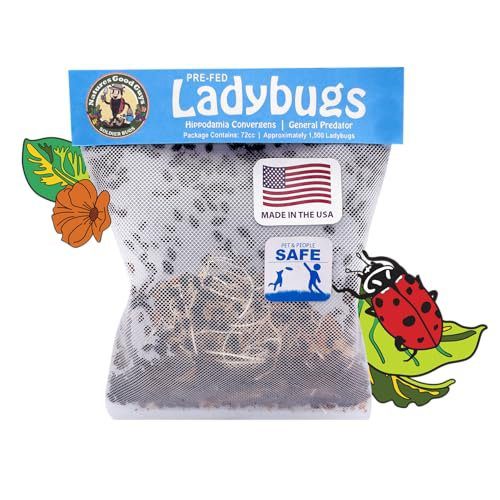
Directly supports the article’s advice to ‘encourage natural predators’ like lady beetles, providing a biological solution for aphid control.
- Effective natural pest control for aphids and other soft‑bodied garden pests when released correctly
- Most buyers report the majority of ladybugs arrive alive and active, fulfilling the live-delivery guarantee
- Fun and educational experience for kids and families while being easy to order and use in gardens or on trees
- Some customers report a portion of the ladybugs arriving dead or not surviving long after arrival
- Ladybugs may disperse or fly away quickly if release instructions (timing, moisture, temperature) are not followed, reducing effectiveness
Harnessing the power of nature's pest control is a cornerstone of effective and sustainable aphid management. Many insects are natural predators or parasites of aphids, and encouraging their presence can significantly reduce aphid populations without the need for chemical intervention. This approach is known as conservation biological control.
1. Conserving and Attracting Native Beneficials
The most effective way to utilize beneficial insects is to create a welcoming environment for those already in your garden. This means avoiding practices that harm them and providing resources they need.
- Avoid Broad-Spectrum Insecticides: Many conventional pesticides kill beneficial insects indiscriminately, often worsening aphid problems in the long run by removing their natural enemies. The UC Integrated Pest Management Program strongly discourages their use for aphids in home gardens for this reason.
- Plant Nectar and Pollen Sources: Adult beneficial insects, such as lady beetles, lacewings, and parasitic wasps, often feed on nectar and pollen. Planting a diverse array of flowering plants provides them with essential food sources, keeping them in your garden. Good choices include yarrow, sweet alyssum, buckwheat, clover, dill, fennel, coriander, cosmos, and goldenrod.
- Provide Habitat Diversity: A varied landscape with different plant types, hedgerows, and undisturbed areas offers shelter and breeding sites for beneficial insects.
Signs That Beneficials Are Working:
Keep an eye out for these indicators that natural enemies are active:
- Lady Beetles: Look for bright red-orange adults with black spots, as well as their alligator-like larvae, which are voracious aphid eaters. If you're curious about these beneficial insects, learn more about how to identify ladybugs.
- Lacewing Larvae: These tiny, alligator-like larvae are also fierce predators of aphids. You might spot their eggs, which look like tiny white "lollipops" on slender stalks.
- Hoverfly Larvae: The maggot-like larvae of hoverflies are effective aphid predators.
- Mummified Aphids: These are swollen, tan or brown, papery aphid shells, indicating that a parasitic wasp has laid an egg inside the aphid, and the wasp larva is developing within.
If you observe these signs, entomologists often advise patience. Your natural allies are on the job, and you may not need further intervention.
2. Purchasing and Releasing Beneficial Insects
While conserving existing populations is usually more practical, purchasing beneficial insects can be an option for greenhouses or high-value plants, especially for severe outbreaks.
- *Green Lacewings (Chrysoperla spp.):* These are generalist predators effective against aphids. They are often sold as eggs or larvae, which tend to remain in the release area more effectively than adults. Arbico Organics recommends them as a good choice.
- Lady Beetles: While tempting, the Oregon State Extension generally advises against releasing adult ladybugs in outdoor gardens because they often disperse quickly. They are more effective in enclosed spaces like greenhouses.
- Predatory Midges (Aphidoletes aphidimyza): The larvae of these midges are highly effective aphid predators, particularly useful in greenhouse settings.
- Aphid Parasitoid Wasps (Aphidius colemani, etc.): These tiny wasps lay their eggs inside aphids, leading to "mummified" aphids. They are very effective in controlled environments.
For most home gardeners, focusing on creating a habitat that supports existing beneficial insect populations is the most sustainable and cost-effective strategy for long-term aphid control.
Low-risk sprays
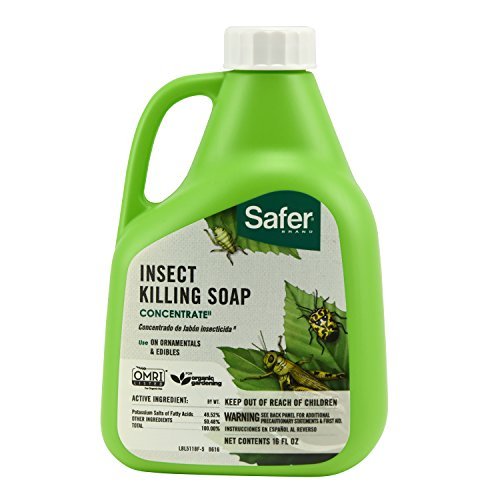
Explicitly recommended in the article for direct application to aphids when water blasting isn’t enough, offering a low-risk treatment option.
- Effective at controlling soft-bodied garden pests such as aphids, whiteflies, thrips, and spider mites
- Works well on a wide range of plants including vegetables, flowers, shrubs, and trees, with OMRI-listed organic-use approval
- Concentrate is economical and easy to mix, with use allowed up to harvest day
- Can cause leaf burn or plant stress if used incorrectly, especially in hot weather or on stressed/new transplants
- Requires thorough and repeated application for best results because it kills on contact and may need re-spraying
When natural and mechanical methods aren't enough to get rid of aphids, or if an infestation is severe, low-risk chemical options can be considered. These products are generally safer for people, pets, and beneficial insects than broad-spectrum insecticides, but they still require careful application. Always read and follow product label directions precisely.
1. Insecticidal Soap
Insecticidal soaps are one of the safest and most effective low-risk treatments for aphids.
- Mode of Action: These soaps work by disrupting the cell membranes of soft-bodied insects like aphids, causing them to dehydrate and die. They must directly contact the aphid to be effective.
- Pros: Insecticidal soaps are considered among the least toxic options for people and pets. They leave minimal residue and break down quickly, making them relatively safe for beneficial insects once dry.
- Cons: They have no residual effect, meaning repeat applications are often necessary as new aphids hatch or migrate. They can also cause plant injury (phytotoxicity) to sensitive species or if applied in hot, sunny conditions.
- Tips:
- Test the product on a small, inconspicuous section of the plant first to check for sensitivity.
- Apply in the cooler parts of the day (morning or evening) to minimize plant stress and allow the product to dry before intense sun.
- Thoroughly cover all infested areas, especially the undersides of leaves where aphids hide.
2. Horticultural Oils (Petroleum or Plant-Based)
Horticultural oils are another effective option for suffocating aphids and their eggs.
- Mode of Action: These oils coat the insects, blocking their breathing pores and suffocating them. They can also deter feeding.
- Effectiveness: They are effective on many soft-bodied insects, including aphids, mealybugs, and scale insects.
- Application: Similar to insecticidal soaps, horticultural oils must be applied according to specific temperature and plant safety guidelines to avoid damaging foliage. Always check the label for recommended application conditions.
3. Neem Oil / Azadirachtin
Neem oil, derived from the neem tree, contains azadirachtin, a compound that acts as an insect growth regulator and feeding deterrent.
- Mode of Action: Azadirachtin disrupts insect feeding, molting, and reproduction. It can take several days to see full effects.
- Considerations: While often considered "natural," neem oil can still pose a risk to beneficial insects if used broadly, especially when wet. Arbico Organics advises caution.
- Best Use: Use neem oil as a spot treatment on heavily infested areas or apply in the evening to minimize exposure to pollinators and some daytime predators.
4. Microbial Insecticides
Some microbial insecticides, such as those containing the fungus Beauveria bassiana, can be used to control aphids.
- Mode of Action: Beauveria bassiana infects insects upon contact, growing inside them and eventually killing them.
- Pros: Can offer longer-term control than a single chemical application.
- Cons: Effectiveness can be dependent on specific humidity and temperature conditions, making them more common in commercial or greenhouse settings than typical backyard gardens.
5. Conventional Insecticides (Last Resort)
Most university extension services, including the UC Integrated Pest Management Program, strongly discourage the routine use of broad-spectrum conventional insecticides for aphids in home gardens.
- Risks: These products kill beneficial insects indiscriminately, leading to secondary pest outbreaks and potentially worsening aphid problems in the long term. Aphids can also quickly develop resistance to these chemicals.
- When to Consider: If you must consider a conventional insecticide, treat it as an absolute last resort. Ensure the product is specifically labeled for aphids and for the type of plant you are treating. Always exercise extreme caution regarding ecological impact and adhere to local regulations.
Common myths
Many misconceptions surround aphid control, often leading gardeners down ineffective or even harmful paths. Let's separate fact from fiction to ensure your efforts to get rid of aphids are truly productive.
Myth 1: "If I don't spray chemicals, aphids will kill my plants."
Reality: While aphids can cause significant damage and stress, healthy, established plants rarely die from aphid feeding alone. Most damage is cosmetic, such as leaf curling and stunting of new growth. In many cases, natural enemies will bring aphid populations back into balance if you avoid killing them with broad-spectrum insecticides. The UC Integrated Pest Management Program confirms that plants often tolerate moderate aphid populations.
Myth 2: "Homemade dish soap sprays are the same as insecticidal soap."
Reality: This is a common and potentially damaging misconception. True insecticidal soaps are specially formulated potassium salts of fatty acids, designed and tested for plant safety. Dish soaps and detergents, on the other hand, contain degreasers and other additives that can strip the protective waxy cuticle from plant foliage, leading to leaf burn or other damage, especially in hot or sunny conditions. The University of Maine Extension advises using only labeled insecticidal soap.
Myth 3: "I should release ladybugs to solve my aphid problem."
Reality: While lady beetles are fantastic aphid predators, releasing purchased adult ladybugs into your garden is often ineffective. The Oregon State Extension specifically advises against it because adult ladybugs tend to fly away quickly, often before making a significant impact on your aphid population. Many purchased lady beetles are also wild-collected, raising ecological and quality concerns. Supporting your garden's resident predators and using lacewing eggs or other targeted beneficial releases is usually more effective and sustainable.
Myth 4: "More fertilizer will 'strengthen' my plants against aphids."
Reality: The opposite is often true. Excess nitrogen, especially from quick-release fertilizers, promotes lush, soft, new growth that aphids absolutely love. This tender tissue is easier for them to feed on and provides an ideal environment for rapid reproduction. A better strategy is balanced, moderate fertilization, using slow-release or organic options, to encourage healthy, resilient growth without pushing excessive soft tissue. The Full Circle Farm blog notes that reducing nitrogen in greenhouses can immediately slow aphid reproduction.
Myth 5: "Sticky traps will get rid of aphids on my plants."
Reality: Yellow or green sticky traps are primarily useful for monitoring flying aphids and can catch some winged adults. However, they are not a standalone solution for eliminating established aphid colonies that are already feeding on leaves and stems. They're a helpful tool for early detection and supplemental control, but they won't solve a severe infestation on their own.
Myth 6: "If I spray once, the aphids are gone."
Reality: Due to aphids' incredibly fast reproduction rate and the non-residual nature of many low-risk treatments (like water sprays and insecticidal soaps), a single application is rarely enough. Effective aphid control often requires repeated actions and ongoing management. Integrated Pest Management (IPM) is about continuous monitoring and intervention as needed, not a one-time eradication event.
Prevention
Once you've managed to get rid of aphids, the next step is to implement strategies that prevent future infestations. Prevention is key to maintaining a healthy, vibrant garden with minimal pest pressure.
1. Promote Plant Health:
Healthy plants are more resilient to pest attacks.
- Proper Fertilization: Avoid over-fertilizing with high-nitrogen products, which encourages the soft, new growth that aphids prefer. Opt for balanced, slow-release, or organic fertilizers to promote steady, robust growth.
- Adequate Watering: Ensure your plants receive appropriate water for their needs. Stressed plants are more susceptible to pests.
- Good Air Circulation: Space plants appropriately to allow for good airflow, which reduces humidity and can make conditions less favorable for aphids and certain plant diseases.
2. Manage Ants:
Ants "farm" aphids for their sugary honeydew, actively protecting them from natural predators.
- Disrupt Ant Trails: If you see ants marching up and down your plant stems, try to disrupt their trails.
- Ant Baits and Barriers: Use ant baits designed for outdoor use or apply sticky barriers (like Tanglefoot) around the base of tree trunks or sturdy plant stems to prevent ants from reaching aphid colonies. Eliminating the ants allows beneficial insects to do their job more effectively.
3. Choose Resistant Plant Varieties:
When selecting new plants, consider varieties known to be less susceptible to aphid damage. Some plants naturally possess defenses or are simply less attractive to aphids.
4. Regular Monitoring:
Make it a habit to regularly inspect your plants, especially new growth and the undersides of leaves, for early signs of aphids. Early detection allows you to address small populations before they become widespread problems.
5. Crop Rotation:
In vegetable gardens, rotating crops annually can help disrupt the life cycles of many pests, including some aphid species that overwinter in the soil or on specific host plants.
By integrating these preventative measures into your gardening routine, you can significantly reduce the likelihood of future aphid outbreaks and create a more balanced, self-sustaining ecosystem in your garden.
Final checklist
Successfully learning how to get rid of aphids involves a multi-faceted approach, prioritizing natural and mechanical methods before resorting to low-risk chemical treatments. From simply hosing them off with water to fostering a thriving population of beneficial insects, each step contributes to a healthier garden ecosystem. Remember that prevention is paramount; by promoting plant health, managing ants, and regularly monitoring your plants, you can significantly reduce the chances of future infestations.
Embrace an integrated pest management strategy, and you'll find that patience and persistence are your greatest tools in achieving long-term aphid control. For more insights into garden pests and beneficial insects, explore our guides on what ladybugs eat and how to identify ladybugs to further enhance your garden's natural defenses.
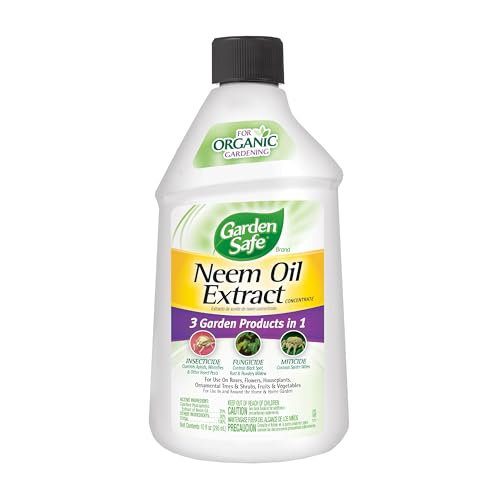
A popular natural and low-risk treatment for aphids, fitting the article’s emphasis on ‘natural, and integrated strategies’ and ‘low-risk treatments’ to control pests.
- Effective at controlling a range of garden pests and plant issues such as aphids, whiteflies, spider mites, black spot, and powdery mildew
- Versatile 3-in-1 use as fungicide, insecticide, and miticide for roses, flowers, vegetables, shrubs, and houseplants
- Generally well-regarded by reviewers for overall performance and usefulness in the garden
- Strong, unpleasant smell
- Some users report issues with effectiveness against certain pests or inconsistent results
As an Amazon Associate, I earn from qualifying purchases. Product recommendations are based on real reviews and independent research.