Spotting tiny, almost invisible pests on your beloved houseplants can be disheartening, especially when those pests are spider mites. These minuscule arachnids can quickly turn lush foliage into a stippled, faded mess, threatening the health of your indoor greenery. But don't despair! Effectively managing a spider mite infestation is entirely possible with the right approach. This guide will walk you through identifying these common houseplant pests and provide proven, natural methods for their removal and long-term prevention, helping your plants thrive once more.
Bottom line: If you suspect spider mites on your houseplants, act quickly.
- Isolate the affected plant immediately to prevent spread.
- Physically remove mites and webbing with a strong stream of water or by wiping leaves.
- Apply a targeted insecticidal soap or horticultural oil to all plant surfaces.
- Repeat treatments every 3-7 days for several weeks to break their rapid life cycle.
- Increase humidity around the plant, as mites thrive in dry conditions.
Identify spider mites
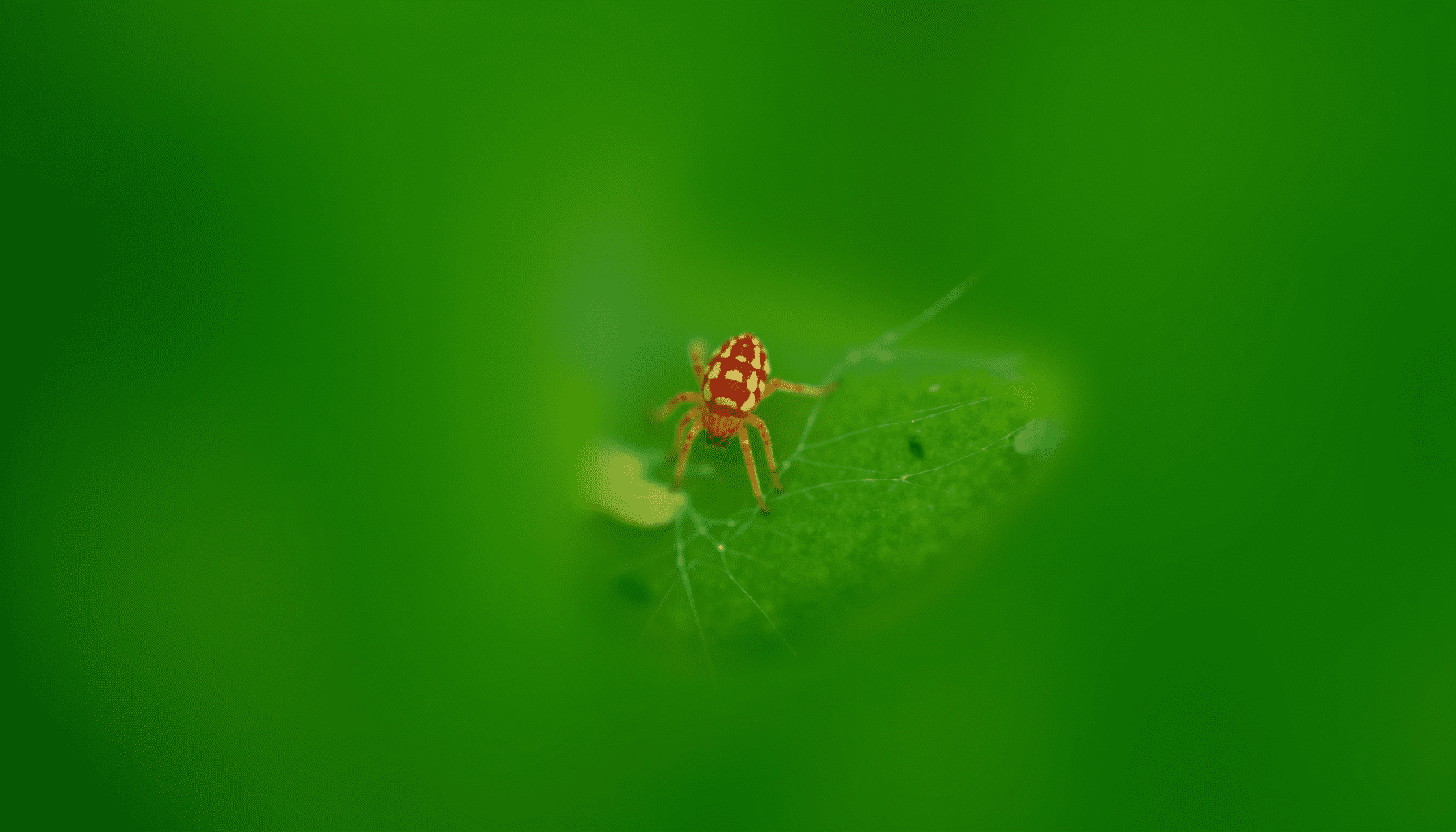
Identifying spider mites early is crucial for effective houseplant pest control. These tiny arachnids are often overlooked until their populations explode, causing visible damage. Knowing what to look for can save your plants from significant stress.
Key Signs of Spider Mite Infestation
Spider mites are notoriously small, making direct observation challenging without magnification. However, their presence leaves distinct clues:
- Fine Webbing: This is one of the most tell-tale signs. Delicate, silk-like webs appear on the undersides of leaves, in leaf axils, or strung between leaves and stems. In heavy infestations, the webbing can be extensive, giving the plant a dusty or dirty appearance.
- Stippled or Speckled Leaves: As mites feed, they pierce plant cells and suck out chlorophyll. This causes hundreds of tiny pale, yellow, or silvery dots (stippling) to appear on the leaves. Over time, these dots merge, leading to bronzing, yellowing, or a faded look across the foliage.
- Tiny Moving Dots: If you look closely at the undersides of affected leaves, especially with a hand lens or your phone's macro camera setting, you might see the mites themselves. They are typically 0.4–0.5 mm long, appearing as tiny greenish, yellowish, or reddish-brown specks. They move slowly but purposefully.
- Leaf Discoloration and Drop: In severe cases, leaves may turn entirely yellow or brown and drop prematurely, significantly weakening the plant.
The "Paper Test" for Confirmation
A simple method to confirm the presence of spider mites is the "paper test":
- Hold a plain white sheet of paper beneath an affected leaf or stem.
- Gently but sharply tap the leaf or stem several times.
- Examine the paper for tiny specks that fall onto it. If these specks begin to move, you likely have spider mites.
Distinguishing Spider Mites from Other Pests
It’s easy to confuse spider mites with other common houseplant pests, but their characteristics are unique:
- Aphids: These are larger, pear-shaped insects, often green, black, or red. They cluster on new growth and secrete sticky honeydew, but they do not produce fine webbing. For more on garden pests, you might be interested in How to Identify Ladybugs: Types, Colors & Look-Alikes.
- Fungus Gnats: These are tiny, dark flies that hover around the soil surface. Their larvae feed on organic matter in the soil, not on plant foliage, and they do not create webs.
- Mealybugs: These pests appear as white, cottony masses in leaf axils or along stems. They are much larger than spider mites and secrete honeydew, but they lack the fine, intricate webbing.
Plants kept in warm, dry environments, such as near heat vents or sunny windowsills, are particularly susceptible to spider mite infestations. Regular inspection, especially of leaf undersides, is your best defense.
Why they spread
To effectively combat spider mites, it helps to understand their biology and why they thrive in indoor environments. These tiny arachnids, most commonly the two-spotted spider mite (Tetranychus urticae), are not insects but are more closely related to spiders and ticks.
The Rapid Life Cycle of Spider Mites
Spider mites exhibit an incredibly fast life cycle, which is why their populations can explode seemingly overnight:
- Life Stages: They progress through egg, larva, two nymphal stages, and finally, the adult stage. Eggs are often laid on leaf surfaces, frequently protected within the fine webbing produced by the adults.
- Reproduction Speed: Under optimal conditions—warm and dry—a complete generation can be completed in as little as 5 to 20 days. Females are prolific, capable of laying up to 100 eggs in their lifetime. Research from the Colorado State University Extension highlights that optimal development for T. urticae occurs around 25–30 °C (77–86 °F), where development from egg to adult can take just 7–10 days. This short generation time means populations can multiply exponentially in just a few weeks.
How Spider Mites Damage Plants
Spider mites feed by piercing individual plant cells with their stylet-like mouthparts and sucking out the contents. This process leads to:
- Chlorophyll Loss: The removal of cell contents, including chlorophyll, causes the characteristic pale stippling on leaves.
- Bronzing and Yellowing: As feeding continues, the stippling merges, and leaves may take on a bronzed or yellowed appearance.
- Leaf Drop and Plant Death: Severe infestations can lead to premature leaf drop and, in extreme cases, the death of the plant, especially if the plant is already stressed.
Environmental Preferences and Spread
Spider mites are particularly prevalent in heated, dry indoor environments. They thrive in hot, dry conditions and are significantly suppressed by higher humidity. This preference makes homes with forced-air heating or plants near sunny windowsills ideal breeding grounds.
Indoors, mites primarily spread through:
- Physical Contact: Mites easily move between plants whose leaves are touching.
- Human-Mediated Dispersal: They can hitch rides on clothing, tools, or even your hands as you handle plants.
- Air Currents: Small air currents can carry mites from one plant to another.
While natural predators like predatory mites, lady beetles, and lacewings can keep outdoor spider mite populations in check, these beneficial insects are typically absent or too scarce in indoor environments to provide reliable control.
Low-toxicity fixes
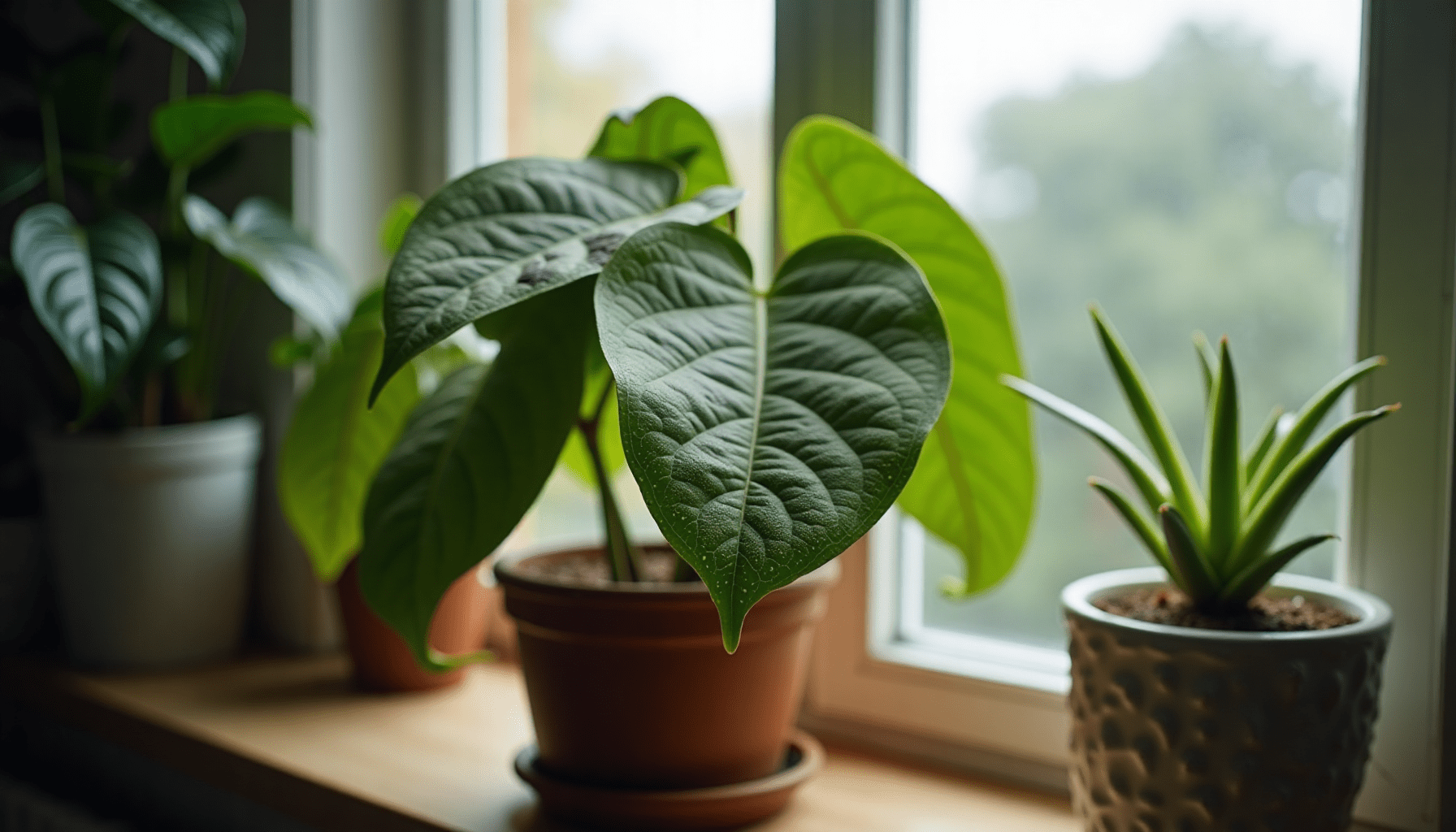
When dealing with spider mites on houseplants, many effective and low-toxicity options are available. These methods prioritize the health of your plants and your indoor environment, often leveraging the mites' environmental weaknesses.
Immediate Steps: Isolate, Clean, and Prune
As soon as you suspect a spider mite infestation, take these immediate actions:
- Isolate the Plant: Move the affected plant away from all other houseplants. This critical step prevents mites from spreading to healthy plants through physical contact or air currents.
- Physically Clean: Take the plant to a sink, shower, or outdoors if the weather permits.
- Strong Water Spray: Thoroughly spray both the upper and, especially, the lower surfaces of all leaves and stems. The goal is to physically dislodge as many mites, eggs, and webbing as possible. Support fragile foliage to prevent damage.
- Manual Wiping: For plants that are too delicate for a strong spray, or to ensure thoroughness, use a soft, damp cloth to gently wipe down all leaf surfaces and stems. This manually removes mites and their protective webbing.
- Prune Infested Parts: Carefully trim off any heavily infested leaves or small stems that are severely bronzed, yellowed, or covered in dense webbing. Place these clippings in a sealed bag and dispose of them in the trash, not your compost, to prevent further spread.
Water Sprays and Manual Wiping
Beyond the initial cleaning, regular water sprays and wiping can be an ongoing natural spider mite removal strategy.
- How it Works: Consistent hosing or wiping physically removes mites, eggs, and webbing. It also increases the humidity on the leaf surface, which mites dislike, and washes away dust that can favor mite populations.
- Application: Repeat this process weekly, or even more frequently for severe infestations, until no signs of mites remain.
- Limitations: This method is labor-intensive and requires thoroughness, as it's easy to miss mites in crevices or on the undersides of leaves. It may not be sufficient for heavy infestations alone.
Insecticidal Soap
Insecticidal soaps are a popular choice for houseplant pest control due to their effectiveness and relatively low toxicity.
- How it Works: These soaps (potassium salts of fatty acids) disrupt the cell membranes of soft-bodied pests like spider mites, leading to desiccation and death.
- Usage:
- Always test on a small, inconspicuous area of the plant first, as some plants (e.g., ferns, certain succulents, or plants in bloom) can be sensitive.
- Thoroughly wet all plant surfaces, especially the undersides of leaves, until the solution drips off.
- Reapply every 3–7 days for at least three applications, as insecticidal soaps do not reliably kill mite eggs. Consistent reapplication is key to breaking the mite's life cycle.
- Pros: Low mammalian toxicity, minimal residue, and generally safe for indoor use.
- Cons: Can cause leaf burn if applied in strong direct sunlight or high temperatures; requires diligent and repeated application.
Horticultural Oils (Including Neem Oil)
Horticultural oils, including neem oil, are another excellent low-toxicity option for managing spider mites.
- How it Works: These oils work by smothering and suffocating mites and their eggs. Neem oil products, derived from the neem tree (Azadirachta indica), also contain compounds that can disrupt mite feeding and reproduction.
- Usage:
- Follow label instructions precisely, as concentrations vary. Protect floors and furniture from oil residue when spraying indoors.
- Apply in the evening or when plants are out of direct sunlight to reduce the risk of phytotoxicity (plant damage).
- Ensure complete coverage of all plant surfaces, focusing on the undersides of leaves and crevices. Reapply at 7–14 day intervals until the infestation is under control.
- Pros: Highly effective against various soft-bodied pests, including aphids, scale, and whiteflies, in addition to spider mites.
- Cons: Can burn sensitive plants; can be messy indoors; some neem products may have a noticeable odor.
DIY Alcohol + Soap Home Remedies
Many plant care experts and gardeners recommend using a diluted rubbing alcohol (isopropyl alcohol) solution with mild soap for spot treatments.
- Recipe Example: A common mixture is 1 cup of rubbing alcohol with 4 cups of water, plus a few drops of mild liquid soap.
- How it Works: Alcohol rapidly destroys the protective cuticle of mites, leading to their death. The soap helps the solution spread and adhere.
- Caution: High concentrations of alcohol or leaving the solution on for too long can burn plant leaves, especially on delicate or fuzzy-leaved species.
- Safer Use: Always spot-test on a few leaves first and wait 24-48 hours. Use on sturdy-leaved plants and consider wiping the solution off after a short contact time rather than leaving heavy residues. For broader pest control strategies, consider learning about Best Diatomaceous Earth for Bed Bugs: Guide.
Long-term prevention
Successful houseplant pest control for spider mites isn't just about eradication; it's about prevention and creating an environment where these pests struggle to thrive. An Integrated Pest Management (IPM) approach combines various strategies for sustainable, long-term plant health.
Maintain Optimal Growing Conditions
Healthy plants are naturally more resilient to pest attacks. Spider mites often target stressed or weakened plants.
- Proper Watering: Ensure your plants receive adequate water, but avoid overwatering, which can lead to other issues. Chronically dry plants are more susceptible to mite infestations.
- Adequate Nutrition: Provide appropriate fertilization based on your plant's needs. However, avoid over-fertilizing, as excessive new, lush growth can sometimes attract pests.
- Dusting Leaves: Periodically wipe dust off your plant's leaves. Dusty foliage not only favors mites but also interferes with photosynthesis, weakening the plant.
- Increase Humidity: Spider mites detest humid conditions. Most tropical houseplants, which are often prone to mites, also prefer higher humidity.
- Humidifiers: Place a humidifier near your plant groupings to elevate ambient humidity.
- Pebble Trays: Fill a shallow tray with pebbles and water, placing your potted plant on top so the pot doesn't sit directly in the water. As the water evaporates, it creates a more humid microclimate around the plant.
- Grouping Plants: Grouping plants together can also slightly increase local humidity through their combined transpiration.
Quarantine New Plants
One of the most common ways spider mites enter a home is on new plants.
- Strict Quarantine: Always quarantine new plants for at least 2–3 weeks before introducing them to your existing collection.
- Regular Inspection: During the quarantine period, inspect the new plant thoroughly and regularly, paying close attention to the undersides of leaves. Treat any signs of pests before integrating the plant.
Prevent Spread and Monitor
Even with the best prevention, occasional mites can appear. Consistent monitoring and preventing spread are key.
- Avoid Leaf Contact: Ensure that the leaves of your houseplants do not touch each other. This simple measure significantly reduces the pathways for mites to move from one plant to another.
- Regular Inspection: Make it a habit to regularly inspect all your houseplants, especially the undersides of leaves, for any early signs of spider mites or other pests. Early detection makes control much easier.
Recommended Treatment Schedule
Consistency is paramount when treating spider mites due to their rapid life cycle. Many experts, including those at the Missouri Botanical Garden, emphasize repeated treatments. Here’s a general plan:
- Day 0: Isolate the plant, thoroughly rinse/clean, prune infested parts, and apply your first insecticidal soap or horticultural oil treatment.
- Day 3–4: Inspect the plant. Reapply the treatment to catch any newly hatched mites that were in the egg stage during the first application.
- Day 7–8: Inspect again and reapply the treatment. This third application targets mites that hatched after the second treatment.
- Ongoing: Continue weekly inspections. If any signs of mites persist, apply another 1–2 treatments over the next month, maintaining the 7-day interval.
This consistent schedule helps to break the mite's life cycle, ensuring you target all stages from egg to adult.
Stronger treatments
While natural and low-toxicity methods are often sufficient for spider mites on houseplants, there are rare instances when a more aggressive approach might be considered. This is typically reserved for severe, persistent infestations on cherished plants that have not responded to repeated, diligent applications of less toxic options.
Elemental Sulfur
Elemental sulfur is a very effective miticide. However, it comes with significant drawbacks for indoor use:
- Odor and Irritation: Sulfur products often have a strong, unpleasant odor and can cause eye and respiratory irritation.
- Staining: They can also leave a visible residue and potentially stain surfaces.
- Recommendation: Due to these issues, elemental sulfur is generally not recommended for use indoors. It is primarily used in outdoor or greenhouse settings where ventilation is ample.
Conventional Insecticides/Miticides
Some conventional pesticides are labeled for spider mite control. These products contain active ingredients such as malathion, bifenthrin, or cyfluthrin.
- Last Resort: These should always be considered a last resort within an Integrated Pest Management (IPM) program, especially for indoor plants.
- Strict Label Adherence: If you choose to use a conventional product, it is absolutely critical to read and follow the label directions meticulously. Ensure the product is explicitly labeled for use on indoor ornamental plants.
- Safety Precautions: Indoors, ensure adequate ventilation, wear appropriate protective gear (gloves, eye protection), and keep children and pets away from treated plants until the spray has completely dried.
- Potential Issues: Overuse or improper use of conventional pesticides can lead to:
- Pest Resistance: Mite populations can develop resistance to chemical treatments over time, making them harder to control.
- Harm to Beneficials: While less common indoors, broad-spectrum insecticides can harm any beneficial organisms present.
- Human Exposure: Increased exposure risk for household members and pets.
For most houseplant infestations, the combination of physical removal, cultural adjustments (humidity), and consistent application of insecticidal soaps or horticultural oils will be effective without resorting to stronger chemical options.
Professional Pest Control
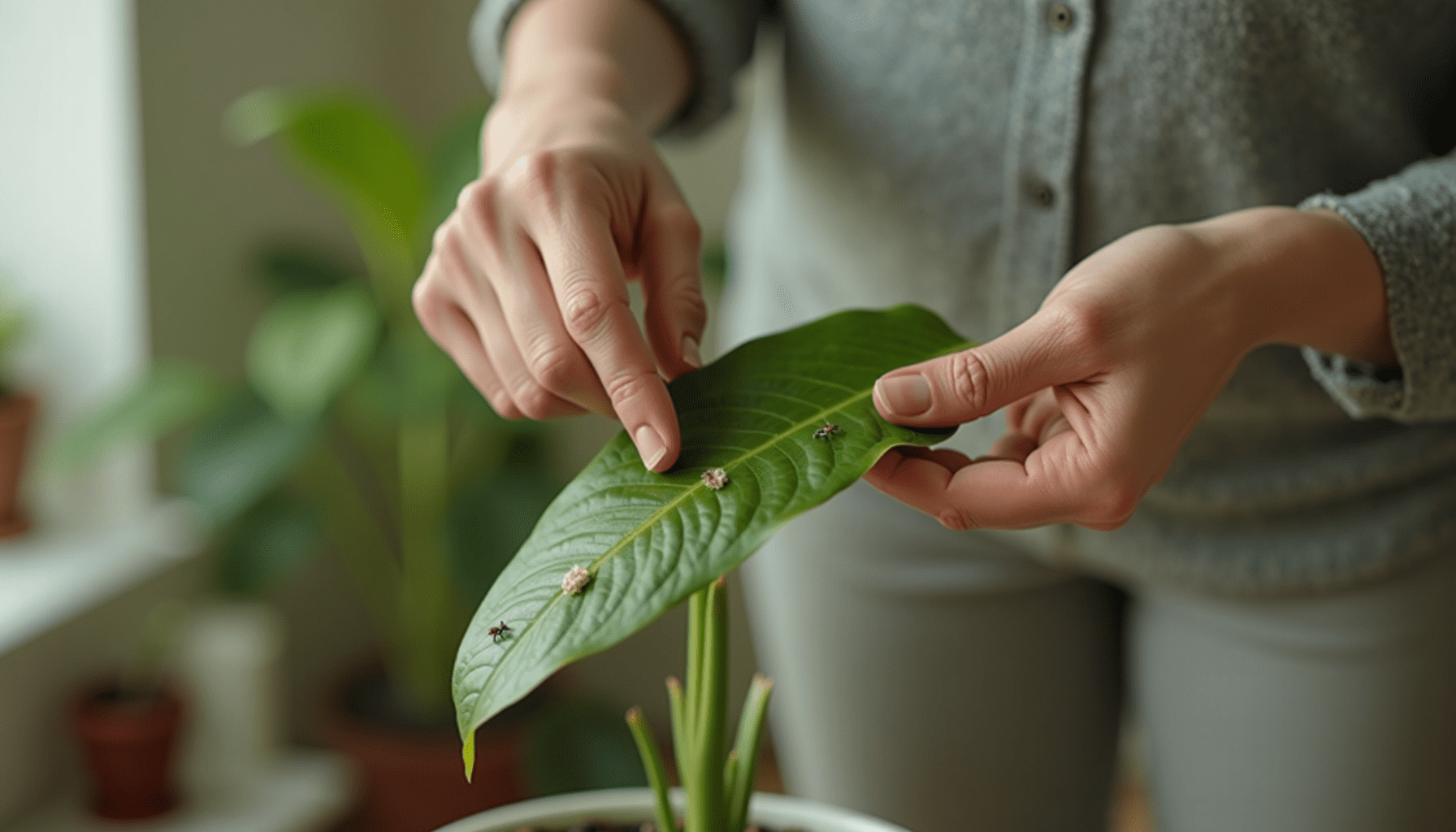
If you have a particularly valuable plant, a very large collection, or a severe, recurring infestation that you cannot control with home methods, consulting a professional pest control service might be an option. They can offer specialized treatments and advice tailored to your specific situation, ensuring safe and effective application of stronger products if necessary.
Final checklist
Successfully managing spider mites on your houseplants requires vigilance, consistency, and a multi-pronged approach. By understanding these tiny pests, recognizing the early signs of infestation, and implementing a regimen of natural and low-toxicity treatments, you can protect your indoor greenery. Remember that prevention through proper plant care and quarantine is just as important as treatment.
Stay consistent with your inspections and treatments, and your plants will thank you with lush, healthy growth. For more insights into common garden and houseplant pests, explore our guides on Beneficial Insects: 20 Bugs You Want in Your Garden and other pest management strategies.
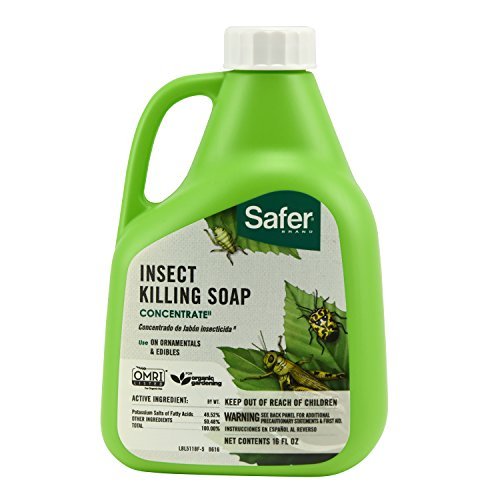
The article explicitly recommends applying ‘insecticidal soap’ as a primary method for removing spider mites from houseplants. This concentrate allows users to mix their own solution for effective treatment.
- Effectively kills a wide range of soft‑bodied garden pests like aphids, spider mites, and whiteflies when sprayed thoroughly on contact
- OMRI-listed and labeled for use on fruits, vegetables, ornamentals, and indoor plants, including up to the day of harvest, which appeals to organic gardeners
- Concentrate format is economical since a 16 oz bottle can make up to about 6 gallons of spray solution
- Requires direct contact and repeated applications (every few days or weekly) for good control, so it can feel labor‑intensive for larger infestations or big gardens
- Can cause plant damage or stress if used on sensitive plants, new transplants, or in high heat, and carries skin/eye irritation warnings for the user
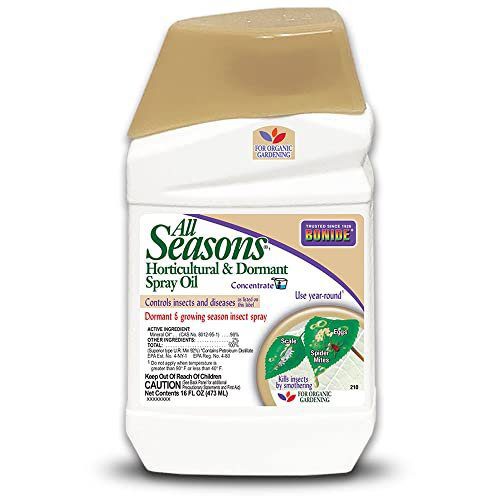
The guide suggests applying ‘horticultural oil’ as another targeted treatment for spider mites. This product is a common and effective option for suffocating these pests on plants.
- Effective at controlling a wide range of garden pests (aphids, mites, scale, mealybugs, etc.) and common diseases like powdery mildew and rust
- Can be used year-round (dormant, green tip, delayed dormant, and growing season) and is approved/marketed for organic gardening
- Concentrated formula mixes easily with water and is considered high‑purity mineral/paraffinic oil that doesn’t typically damage plants when used as directed
- Some users report potential leaf burn or plant stress if applied in hot weather, at too high a concentration, or not according to label directions
- Oil formulation can be messy or leave a visible residue and may require thorough cleanup of sprayers and equipment
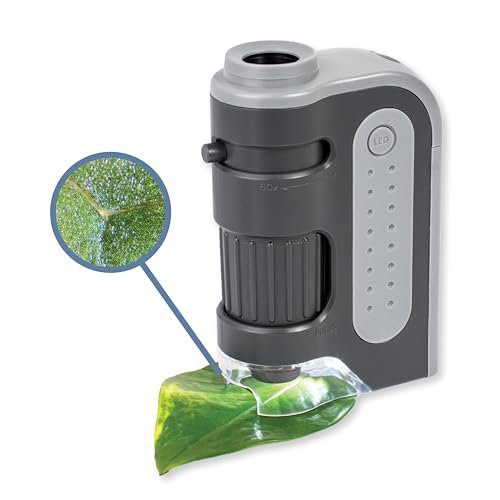
The article emphasizes early identification and mentions using a ‘hand lens or your phone’s macro camera setting’ to spot tiny mites. This pocket microscope provides the necessary magnification for clear observation of these minuscule pests.
- Excellent magnification and clear, bright images for a small, inexpensive pocket microscope
- Very compact, lightweight, and portable design that easily fits in a pocket and is good for kids and field use
- Built‑in LED illumination with aspheric optics that makes focusing and viewing simple for quick STEM/educational exploration
- Very short focal distance makes it tricky to use and hard to keep steady, especially on 120x
- Best results only on flat or very close objects, so it can be awkward for bulky or irregular subjects
As an Amazon Associate, I earn from qualifying purchases. Product recommendations are based on real reviews and independent research.