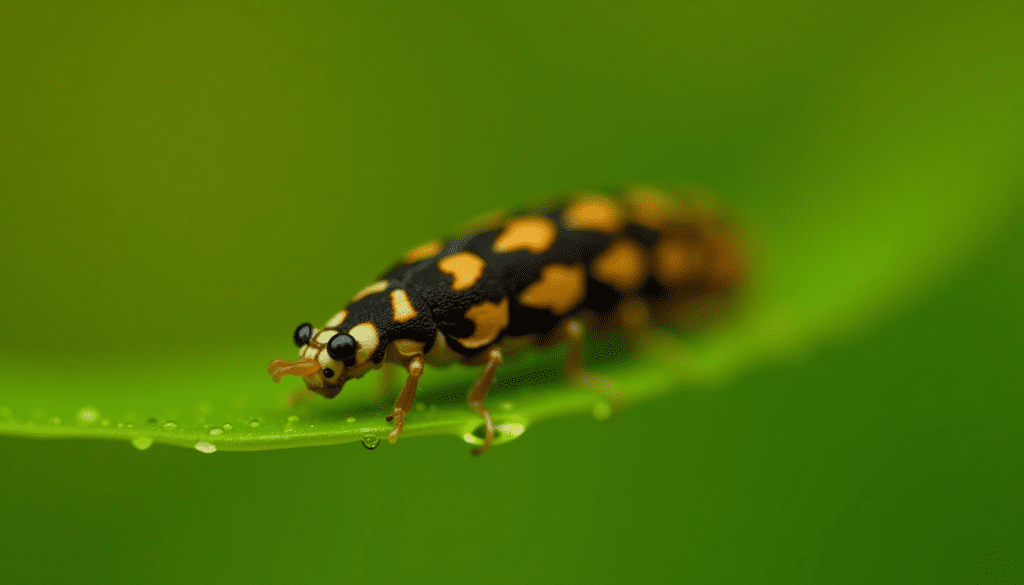
Mealybugs are one of the most persistent and frustrating pests for indoor plant enthusiasts, capable of turning a thriving green space into a sticky, struggling collection. If you've spotted these fuzzy white insects on your beloved houseplants, you're likely wondering how to get rid of mealybugs quickly and effectively. This comprehensive guide will equip you with proven strategies, from natural remedies to targeted treatments, to protect your indoor plants and restore their health. Understanding their life cycle and habits is key to successful eradication, ensuring your home remains a sanctuary for your plants, not for pests.
Bottom line: To get rid of mealybugs on indoor plants, immediately isolate the infested plant, then use a combination of mechanical removal (like alcohol swabs or washing) and targeted treatments (such as insecticidal soap or horticultural oil). Consistency is crucial; repeat treatments weekly for at least 6-8 weeks to break their life cycle.
Identify mealybugs
Identifying mealybugs early is the first step toward effective control. These sap-sucking insects are easily recognizable but also masters of hiding.
Here’s what to look for:
- White, Fuzzy Insects: Oval-shaped, soft-bodied insects typically covered in a white, cottony, or waxy substance. They often cluster in leaf axils (where leaves meet stems), on undersides of leaves, or along stems.
- Cottony Egg Masses: Look for small, fluffy white masses in crevices, under pot rims, near drainage holes, and sometimes even on the soil surface. These masses contain hundreds of tiny eggs.
- Sticky Residue (Honeydew): Mealybugs excrete a sugary, sticky substance called honeydew. You might notice it on leaves, stems, or even on surfaces near the plant.
- Sooty Mold: Honeydew often leads to the growth of black, soot-like fungus called sooty mold. This can cover leaves, blocking light and hindering photosynthesis.
- Plant Symptoms: Infested plants may show yellowing leaves, stunted growth, distorted new growth, wilting despite adequate watering, or premature leaf drop. In severe cases, plants can die.
- Root Mealybugs: If your plant is declining with no visible pests above ground, check the roots. Lift the plant from its pot and look for white, cottony deposits on the roots and in the potting mix.
Why they persist
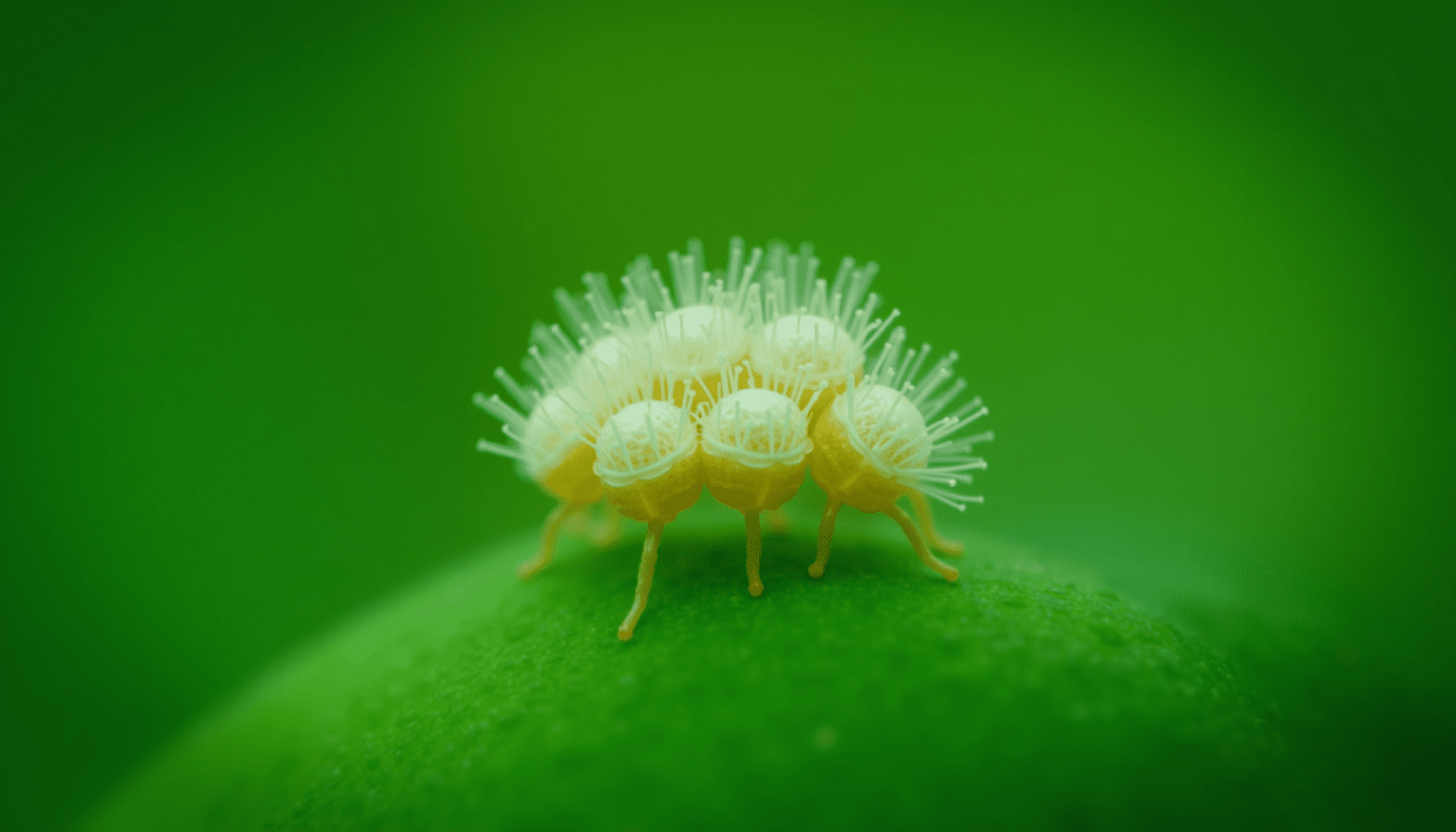
Mealybugs are notorious for being difficult to eradicate, and their biology and behavior contribute significantly to this challenge. They are soft-bodied, sap-sucking insects belonging to the family Pseudococcidae, with common indoor species like the citrus mealybug (Planococcus citri) and longtailed mealybug (Pseudococcus longispinus).
Here's why they are such persistent pests:
- Rapid Reproduction: Female mealybugs can lay hundreds of eggs (typically 200–600, depending on the species) in protective, cottony egg sacs. These eggs are often hidden, making them difficult to spot and treat.
- Short Life Cycle: Under typical indoor conditions, their life cycle from egg to adult takes roughly 6-8 weeks. This means new generations are constantly emerging, requiring repeated treatments to break the cycle.
- Hiding Spots: Mealybugs are experts at concealment. They prefer warm, humid, and sheltered environments, tucking themselves into leaf axils, under leaves, along stems, under pot rims, and even inside root balls. This makes thorough application of treatments challenging.
- Honeydew & Sooty Mold: Their feeding produces sticky honeydew, which not only attracts other pests like ants (who "farm" mealybugs for the honeydew) but also fosters the growth of sooty mold. Sooty mold blocks light, further weakening the plant and making it harder to inspect.
- Easy Spread: Nymphs, often called "crawlers," are mobile and can easily move between nearby plants, especially if foliage touches or if plants share a shelf or tray. This rapid spread can quickly turn a localized problem into a collection-wide infestation.
- Root Mealybugs: These subterranean pests live on plant roots, making them invisible until symptoms of decline are severe. They are particularly hard to detect and treat, as they can survive in potting soil even after a plant is removed.
- Attraction to Lush Growth: Plants that are over-fertilized, especially with high-nitrogen fertilizers, or kept in low light with excessive watering, tend to produce lush, tender growth that is highly attractive to mealybugs.
The consensus among entomologists and extension services is that mealybugs are "very difficult to control" on houseplants. The University of Maryland Extension notes that heavily infested indoor plants are often best discarded due to the labor-intensive and often unsuccessful nature of repeated control efforts. While beneficial insects like the mealybug destroyer lady beetle (Cryptolaemus montrouzieri) are effective predators in commercial greenhouses, they are generally impractical for home interiors. If you're curious about what these beneficial insects eat, you can learn more in our guide on What Do Ladybugs Eat?.
First steps
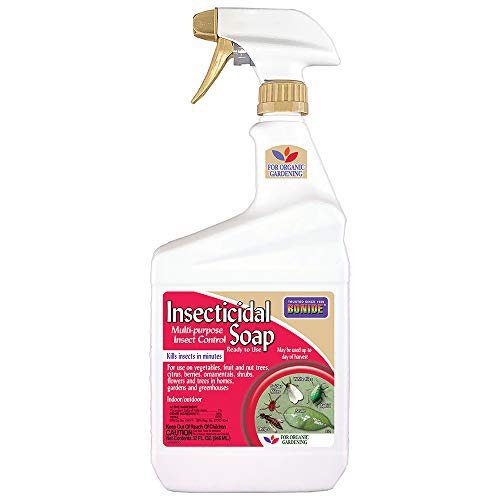
Directly recommended in the article’s ‘Bottom line’ as a targeted treatment for mealybugs on indoor plants. It’s a safe and effective way to combat these pests.
- Effectively kills a wide range of common soft‑bodied garden pests (aphids, mites, whiteflies, etc.) when sprayed directly on them
- Approved for organic gardening and can be used safely on vegetables, fruits, flowers, and houseplants up to the day of harvest
- Ready‑to‑use spray bottle is convenient and easy to apply for both indoor and outdoor plants
- Requires direct contact and repeated applications, so some users experience limited or short‑lived control if they don’t spray thoroughly or often enough
- Like many insecticidal soaps, it can cause leaf burn or plant stress if applied in hot sun or at too high a frequency
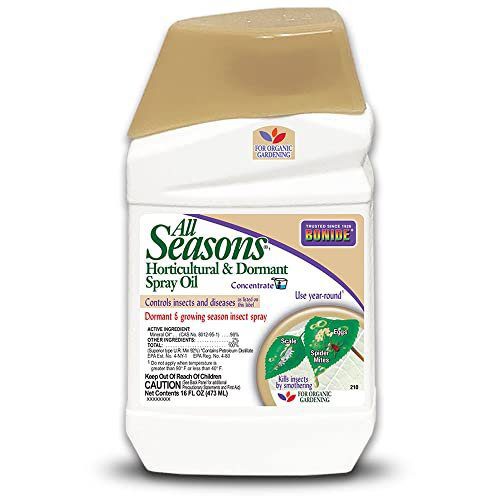
Explicitly mentioned in the article’s ‘Bottom line’ as a targeted treatment. Horticultural oil suffocates mealybugs and their eggs, making it a powerful tool for eradication.
- Effectively controls a wide range of insects (aphids, scale, mites, mealybugs, etc.) and common diseases like powdery mildew and rust on many types of plants
- Approved for organic gardening and based on refined mineral/paraffinic oil, so gardeners like it as a safer, non-synthetic option
- Versatile for year-round use (dormant and growing season) and easy to mix and spray for home gardens, trees, and ornamentals
- Some users report potential leaf burn or plant damage if applied in hot weather, strong sun, or at higher-than-recommended concentrations
- Oil residue and the need for thorough coverage can make application feel messy or labor-intensive for some gardeners
When you first discover mealybugs on your indoor plants, quick action can prevent a small problem from becoming a widespread infestation. These initial steps focus on containment and mechanical removal.
- Isolate the Infested Plant:
Immediately move the affected plant away from your other houseplants. Place it in a separate room or at least several feet away on an isolated surface. Mealybugs can crawl surprisingly far, so ensure no foliage is touching and there are no shared trays or saucers. - Inspect Nearby Plants Thoroughly:
Even if you only saw mealybugs on one plant, assume they may have spread. Carefully inspect all plants that were in close proximity. Check leaf axils, undersides of leaves, stems, and around the pot rim. - Prune Heavily Infested Parts:
If certain leaves or stems are severely covered in mealybugs or egg masses, consider pruning them off. Use clean, sharp shears. Dispose of the pruned material in a sealed bag and place it directly in the outdoor trash, not in your compost bin, as mealybugs can survive on moist plant debris. - Wipe Down Surfaces:
Clean the shelf, windowsill, or area where the infested plant was sitting. Use a damp cloth with a little dish soap or a diluted alcohol solution to wipe away any potential crawlers or honeydew.
Low-toxic treatments
Once you've isolated the plant, it's time to begin treatment. For indoor plants, starting with natural and low-toxic options is usually the best approach to protect your household and pets.
Alcohol Swabs and Sprays
Isopropyl rubbing alcohol (70%) is a highly effective spot treatment for visible mealybugs.
- Application: Dip a cotton swab or a soft cloth in 70% isopropyl alcohol and dab it directly onto each mealybug and cottony egg mass. The alcohol dissolves their protective waxy coating, killing them on contact. Treated mealybugs will often turn light brown.
- For Wider Coverage: For a slightly larger infestation, some guides suggest using a small spray bottle with a diluted alcohol solution (e.g., 50-70% alcohol mixed with water). Spray directly onto visible bugs, wait a few minutes, then wipe them off.
- Important Cautions: Always test alcohol on a small, inconspicuous leaf area first and wait 24-48 hours to check for adverse reactions, as some sensitive plants (especially those with thin or fuzzy leaves) can be damaged. Avoid saturating the soil with alcohol.
Masking Tape Removal
For light infestations, especially on plants with firm, waxy leaves, masking tape can be a surprisingly effective tool.
- Application: Gently press a piece of masking tape onto areas with adult mealybugs or small larvae. The tape will lift off the pests without damaging the plant. This method is excellent for catching tiny crawlers that might be missed by other methods.
Washing Plants
A good wash can dislodge many mealybugs from foliage.
- Application: Take your plant to a sink, shower, or outdoors (if weather permits) and use a moderately strong spray of lukewarm water to rinse the foliage thoroughly. Pay special attention to undersides of leaves and leaf axils. While washing helps, it rarely eliminates an entire infestation, so follow up with other treatments.
Insecticidal Soaps & Horticultural Oils
These are considered reduced-risk pesticides and are widely recommended by university extension services for indoor plants.
- Insecticidal Soap: Products specifically labeled as "insecticidal soap" for houseplants are formulated to be safe for plants while disrupting insect cell membranes and removing their waxy coatings.
- Application: Thoroughly spray all plant surfaces, ensuring complete coverage, especially on undersides of leaves, stems, and hidden crevices. Avoid spraying in direct, hot sunlight, which can increase the risk of leaf burn.
- Frequency: Insecticidal soaps have no residual activity, meaning they only kill on contact. Therefore, several applications are crucial, typically at 5-7 day intervals, to target newly hatched nymphs. Always check the product label for specific instructions and confirm it's effective on mealybugs and safe for indoor plants.
- Horticultural Oils (including Neem Oil): These oils work by suffocating insects and can also help dissolve their waxy coatings.
- Application: Like soaps, horticultural oils require thorough coverage to be effective. Ensure you reach all mealybugs, even in their hiding spots.
- Cautions: Always follow label instructions precisely. Test on a small area first, as some plants can be sensitive, and oils can cause phytotoxicity (leaf burn), especially under strong light. Some neem oil formulations are specifically marketed for indoor use.
Remember, consistency is key with these treatments. You'll need to reapply regularly over several weeks to catch all life stages. Sometimes, ants can protect mealybugs to harvest their honeydew. If you notice ants around your indoor plants, you might also find our guides on How to Get Rid of Garden Ants Without Harming Plants and Best Natural Ant Repellents and Sprays helpful.
Root mealybugs
While surface mealybugs are challenging, root mealybugs present an even greater hurdle. For severe infestations, you might need to consider more drastic measures.
Dealing with Root Mealybugs
Root mealybugs live exclusively in the soil and on plant roots, making them difficult to detect until the plant shows significant decline.
- Diagnosis: If your plant is stunted, wilting, or generally unhealthy despite proper care, carefully lift it from its pot and inspect the roots and potting mix for white, cottony masses.
- Treatment Options:
- Discarding: The most practical and often recommended solution by extension services is to discard the heavily infested plant and its potting soil. Thoroughly clean or discard the pot to prevent spread.
- Repotting & Washing: If the plant is valuable, you can try to save it. Gently wash the roots under lukewarm running water to remove as much soil and mealybugs as possible. Discard all old potting soil. Clean the pot thoroughly with soapy water and, optionally, a dilute bleach solution (1 part bleach to 9 parts water), then rinse well. Repot the plant in fresh, sterile potting mix.
- Systemic Insecticides: For valuable plants, some growers follow repotting with a systemic insecticide drench. This is a more advanced option and requires extreme caution.
When to Consider Systemic Insecticides
Systemic insecticides are absorbed by the plant's roots and move into its tissues, killing sap-feeding pests like mealybugs when they feed. These are generally reserved for very heavy infestations where other methods have failed.
- Key Considerations:
- Labeling is Critical: Only use products explicitly labeled for "indoor use" on ornamental plants. Many insecticides are not safe for indoor application due to ventilation and exposure concerns.
- Application: Systemics are typically applied as a soil drench. Follow all label instructions precisely regarding dosage and frequency.
- Safety: If possible, apply systemic products outdoors or in a well-ventilated garage, allowing the product to dry before bringing the plant back indoors. Keep children and pets away from treated plants.
- Environmental Concerns: Some systemic insecticides (e.g., neonicotinoids) have environmental concerns, so check local regulations before use.
Expert Stance on Discarding Plants
Entomology experts and extension services consistently recommend that heavily infested or root-infested plants often be discarded. This is particularly true for common, inexpensive houseplants. The reasoning is simple: the effort, cost, and repeated use of pesticides required to save a severely infested plant may not be worth it, especially when the risk of spreading pests to your entire collection is high. Sometimes, letting go of one plant is the best way to protect the rest of your green family.
Prevention
Eradicating mealybugs is only half the battle; preventing their return and catching new infestations early is crucial for maintaining a healthy indoor plant collection.
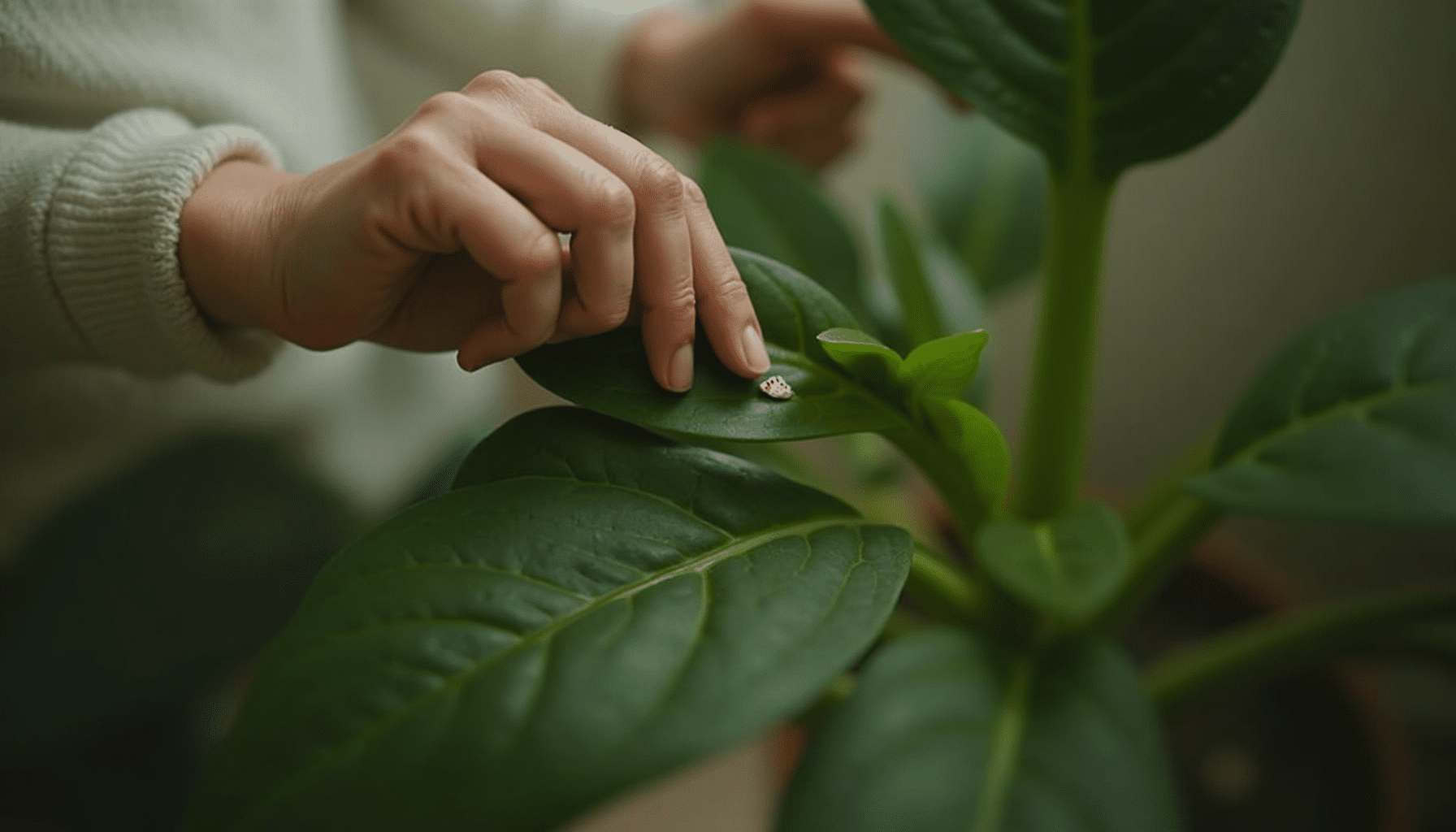
- Quarantine New Plants: This is perhaps the most critical preventive measure. Always isolate new plant arrivals from your existing collection for at least 2-4 weeks. During this time, inspect them thoroughly and regularly for any signs of pests, including mealybugs.
- Inspect Regularly: Make pest checks a routine part of your plant care. Monthly (or even weekly for susceptible plants) inspect all areas where mealybugs hide: leaf axils, undersides of leaves, along stems, and around pot rims and drainage holes. Early detection makes control much easier.
- Avoid Over-Fertilizing: Mealybugs are attracted to lush, tender growth, which can be promoted by excessive nitrogen fertilizers. Fertilize appropriately for your plant's needs, avoiding overfeeding.
- Improve Cultural Conditions: Healthy plants are more resilient to pests. Provide adequate light, avoid overwatering (which can stress plants and attract other pests like fungus gnats), and ensure appropriate humidity levels for your specific plant species.
- Sanitation: Promptly remove dead leaves, spent flowers, and any plant debris from around your houseplants. These can provide hiding spots for mealybugs and their eggs.
- Physical Separation: Avoid crowding your plants. When leaves and stems overlap extensively, it creates easy bridges for pests to spread from one plant to another. Give your plants a little breathing room.
- Consistent Retreatment Schedule: Even after you think you've eliminated mealybugs, continue monitoring and applying treatments for several weeks. Due to their 6-8 week life cycle, you need to ensure you kill off newly hatched nymphs before they mature and lay more eggs. Weekly spot checks and targeted treatments for at least 6-8 weeks are often necessary to truly break the cycle.
Common myths
Dealing with mealybugs can lead to many questions and misconceptions. Let's clarify some common myths with expert insights.
- Myth 1: "One alcohol swab or one spray will eliminate mealybugs."
- Reality: Mealybugs have multiple life stages, and their eggs are protected within cottony masses. A single treatment rarely reaches all pests. Effective eradication requires multiple, scheduled treatments over 6-8 weeks to break their reproductive cycle and kill newly hatched nymphs.
- Myth 2: "If I don’t see bugs on the leaves, the plant is clean."
- Reality: Mealybugs are masters of hiding. They often conceal themselves in leaf axils, under pot rims, in drainage holes, on roots, and in other tight crevices. Thorough inspections must include the entire plant, pot, and saucer.
- Myth 3: "Dish soap is the same as insecticidal soap."
- Reality: Household dish soaps and detergents are not formulated for plants and can damage foliage or roots, especially with repeated use. Insecticidal soaps are specifically designed for plants and registered as pesticides. While regular dish soap can be used to clean pots and saucers, always use a labeled insecticidal soap product for treating plant foliage.
- Myth 4: "Natural = harmless / I can use any ‘natural’ spray freely indoors."
- Reality: Many "natural" or plant-derived pesticides, including horticultural oils and some botanicals, can still cause irritation to humans or pets, or phytotoxicity (leaf burn) to plants if misused. Always follow label instructions and safety warnings, even for natural products.
- Myth 5: "Pesticides labeled for outdoor ornamentals are fine to use indoors."
- Reality: Many insecticides are not safe or legal for indoor use due to ventilation and exposure concerns for people and pets. Only use products explicitly labeled for indoor or houseplant use. Using outdoor pesticides indoors can be unsafe and ineffective.
- Myth 6: "Saving every plant is always the best choice."
- Reality: Expert guidance from extension services often emphasizes that discarding heavily infested or root-infested plants is the most effective and least toxic way to protect the rest of a plant collection and avoid prolonged pesticide use. This is especially true for inexpensive or common houseplants.
Final checklist
Mealybugs on indoor plants can be a persistent challenge, but with the right knowledge and consistent effort, you can successfully protect your cherished houseplants. The key lies in early detection, immediate isolation, and a multi-pronged approach combining mechanical removal with targeted treatments like insecticidal soaps or horticultural oils. Remember that consistency is paramount—repeated applications over several weeks are essential to break their life cycle. Don't forget the importance of prevention, including quarantining new plants and regular inspections, to keep your collection healthy and pest-free.
For more insights into managing common houseplant pests, explore our other guides on InsectoGuide.com.
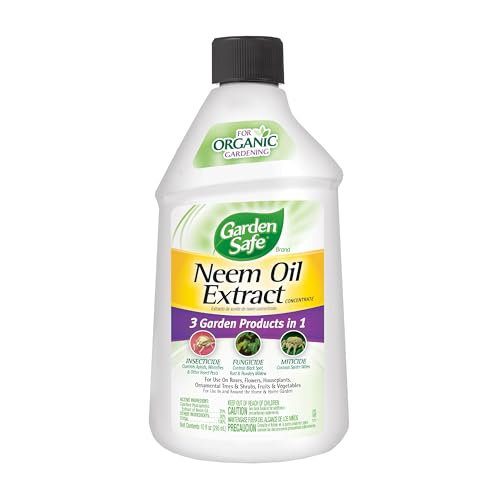
The article mentions ‘natural remedies,’ and neem oil is a highly effective, natural option for both treating existing mealybug infestations and preventing future outbreaks on indoor plants.
- Effectively controls a wide range of common garden pests like aphids, whiteflies, spider mites, and scale when used as directed
- Also functions as a fungicide for issues such as powdery mildew, black spot, and rust, making it a versatile 3‑in‑1 garden treatment
- Labeled for organic gardening and can be used on roses, ornamentals, houseplants, fruits, and vegetables up to the day of harvest
- Has a strong, unpleasant odor that some users find lingers on plants and in the garden
- Oil-based formula can cause leaf burn if applied in hot sun or at higher-than-recommended concentrations, requiring careful timing and dilution
As an Amazon Associate, I earn from qualifying purchases. Product recommendations are based on real reviews and independent research.