Spotting earwigs in your garden can spark a moment of indecision: are these peculiar-looking insects friends or foes? With their distinctive pincers and nocturnal habits, earwigs often get a bad rap. However, their role in a healthy garden ecosystem is more complex than you might think. This guide will help you understand the true impact of garden earwigs, from their beneficial pest control services to potential plant damage, and provide practical, natural ways to manage their presence, ensuring your earwigs in garden don't become an overwhelming problem.
Bottom line: Earwigs are omnivores, acting as both beneficial predators that eat aphids and decomposers, and occasional pests that can damage tender plants and soft fruits, especially when their populations are high or other food sources are scarce.
Identify earwigs
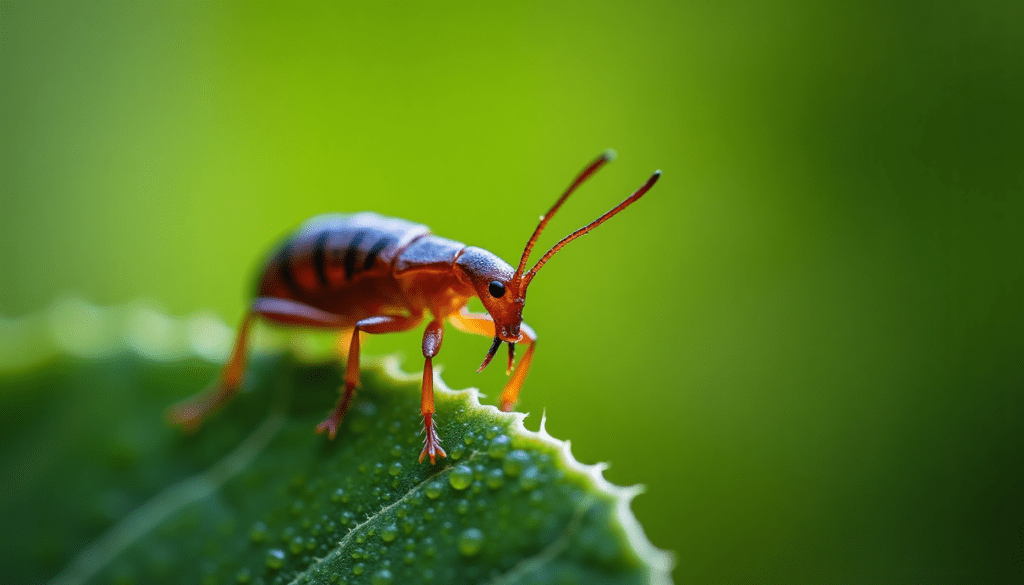
Before deciding whether to manage them, it's essential to properly identify earwigs and understand their basic biology. The most common species you'll encounter in North American gardens is the European earwig (Forficula auricularia). These fascinating insects have several distinct features that make them easy to recognize.
Adult earwigs typically measure between 0.25 and 1 inch (6–25 mm) long. Their bodies are relatively small, flat, and brownish to dark brown, allowing them to squeeze into tight spaces. The most striking feature is the pair of prominent, forceps-like pincers, called cerci, located at the rear of their abdomen. While these pincers can deliver a weak pinch if an earwig feels threatened, they are primarily used for defense, grasping prey, and sometimes even for folding their wings, though they rarely fly. They also possess six legs and long antennae, often about half their body length, which they use to navigate their surroundings.
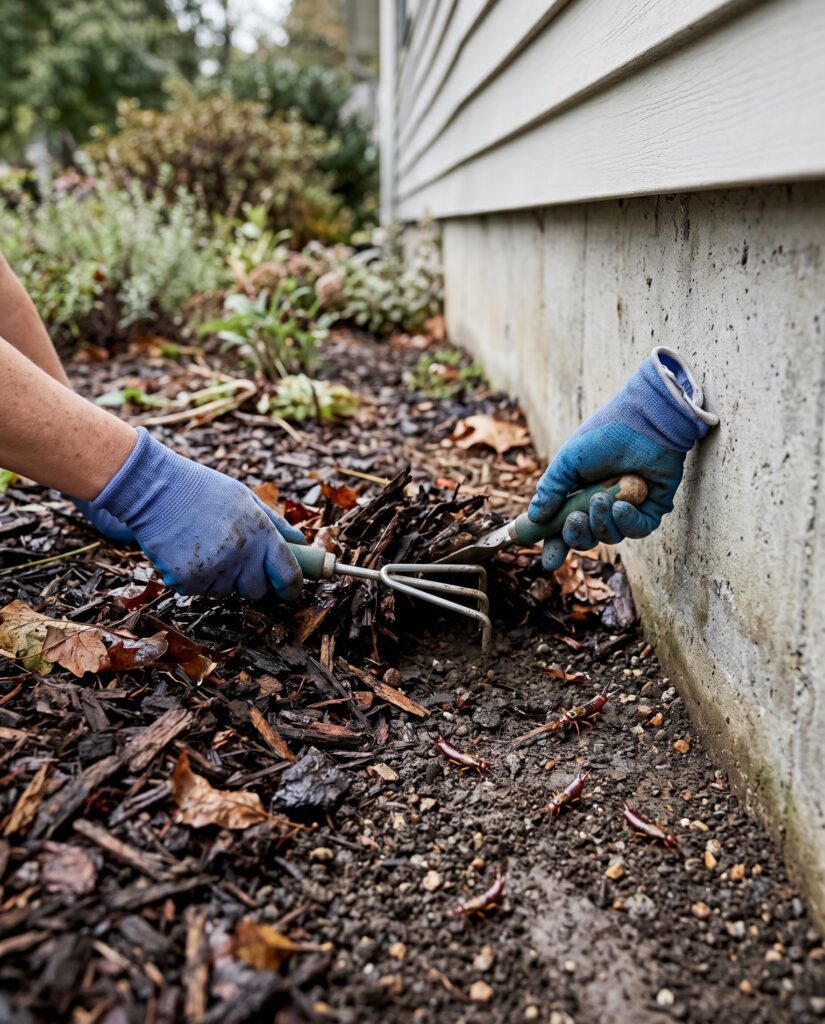
Earwigs are predominantly nocturnal, meaning they are active and feed under the cover of darkness. During the day, they seek refuge in dark, moist environments to avoid predators and dehydration. You'll often find them hiding under mulch, stones, fallen logs, garden debris, potted plants, or in soil crevices. These preferences mean they are particularly attracted to moist microhabitats and areas rich in organic matter, such as mulched garden beds and around the foundations of homes. Females lay their eggs in soil burrows and, unusually for insects, some species, including the European earwig, exhibit maternal care, guarding and cleaning their eggs and young nymphs until they are ready to venture out independently. This protective behavior highlights a complex social aspect often overlooked in these common garden residents.
Friend or foe
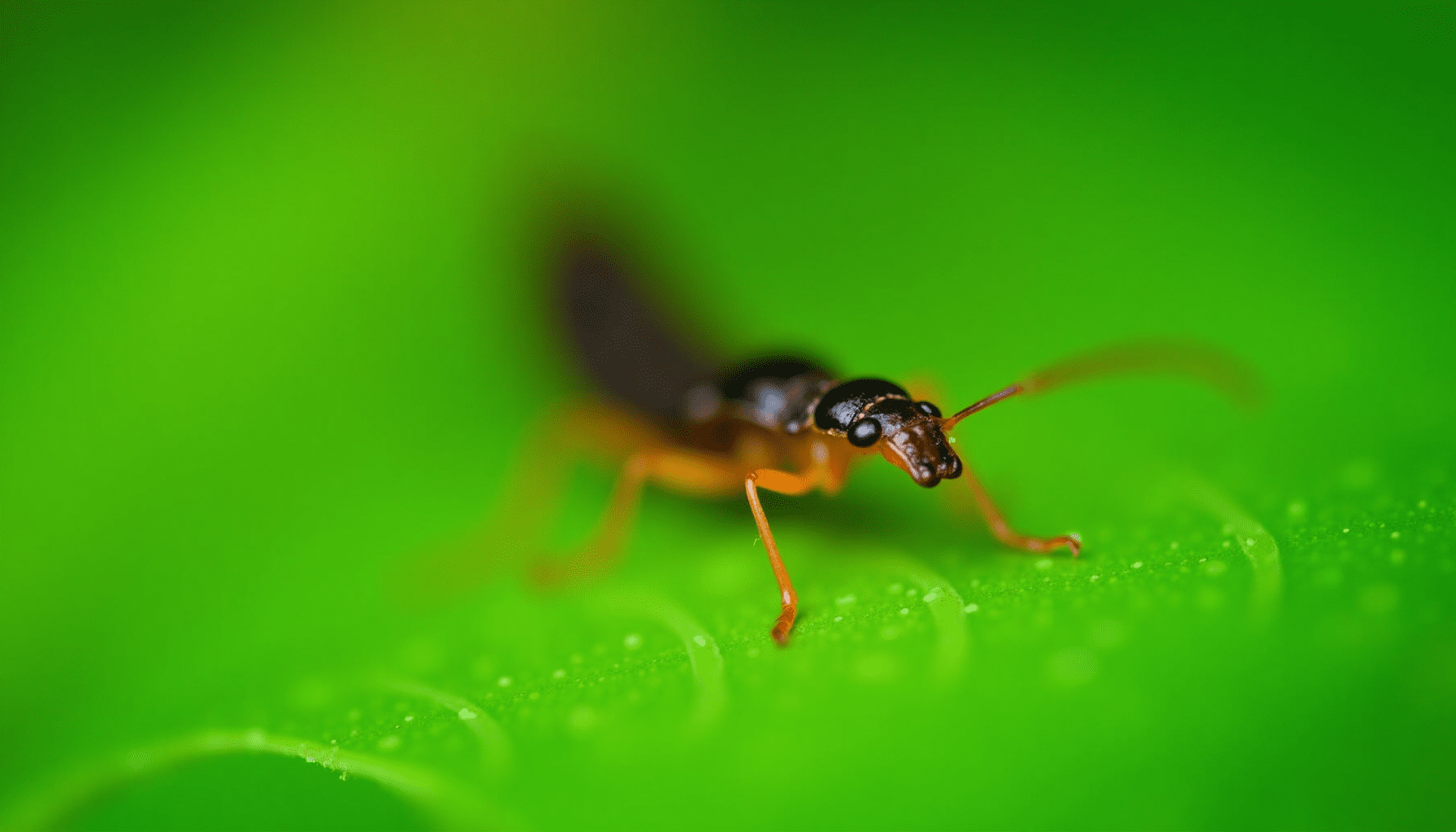
The question of whether earwigs are friends or foes in the garden is not straightforward; they are, in fact, both, depending on the context and their population density. Entomologists and horticultural experts often describe them as "context-dependent organisms" or "beneficial-pest hybrids" because of their dual nature. Understanding this balance is key to effective garden management.
As garden allies, earwigs play several beneficial roles. They are opportunistic predators, meaning they will readily feed on a variety of smaller, soft-bodied insect pests. Research indicates that earwigs can significantly reduce populations of common garden nuisances such as aphids, mites, and insect eggs and larvae. They also prey on nematodes, small slugs, and even spiders. This "free workforce" contributes to natural pest control, lessening the need for chemical interventions and aligning well with organic and low-spray gardening practices. For instance, while ladybugs are well-known aphid predators, earwigs can also contribute to keeping aphid numbers in check, as detailed in our guide Beneficial Insects: 20 Bugs You Want in Your Garden.
Beyond predation, earwigs are important decomposers. They consume decaying plant material like dead leaves, spent flowers, and even dead insects. This activity helps break down organic matter, returning vital nutrients to the soil and contributing to a healthier soil food web. This process supports robust plant growth and overall garden vitality. Their presence also supports local biodiversity, as earwigs themselves serve as a food source for various predators, including birds, lizards, amphibians, and beneficial ground beetles, creating a more resilient ecosystem.
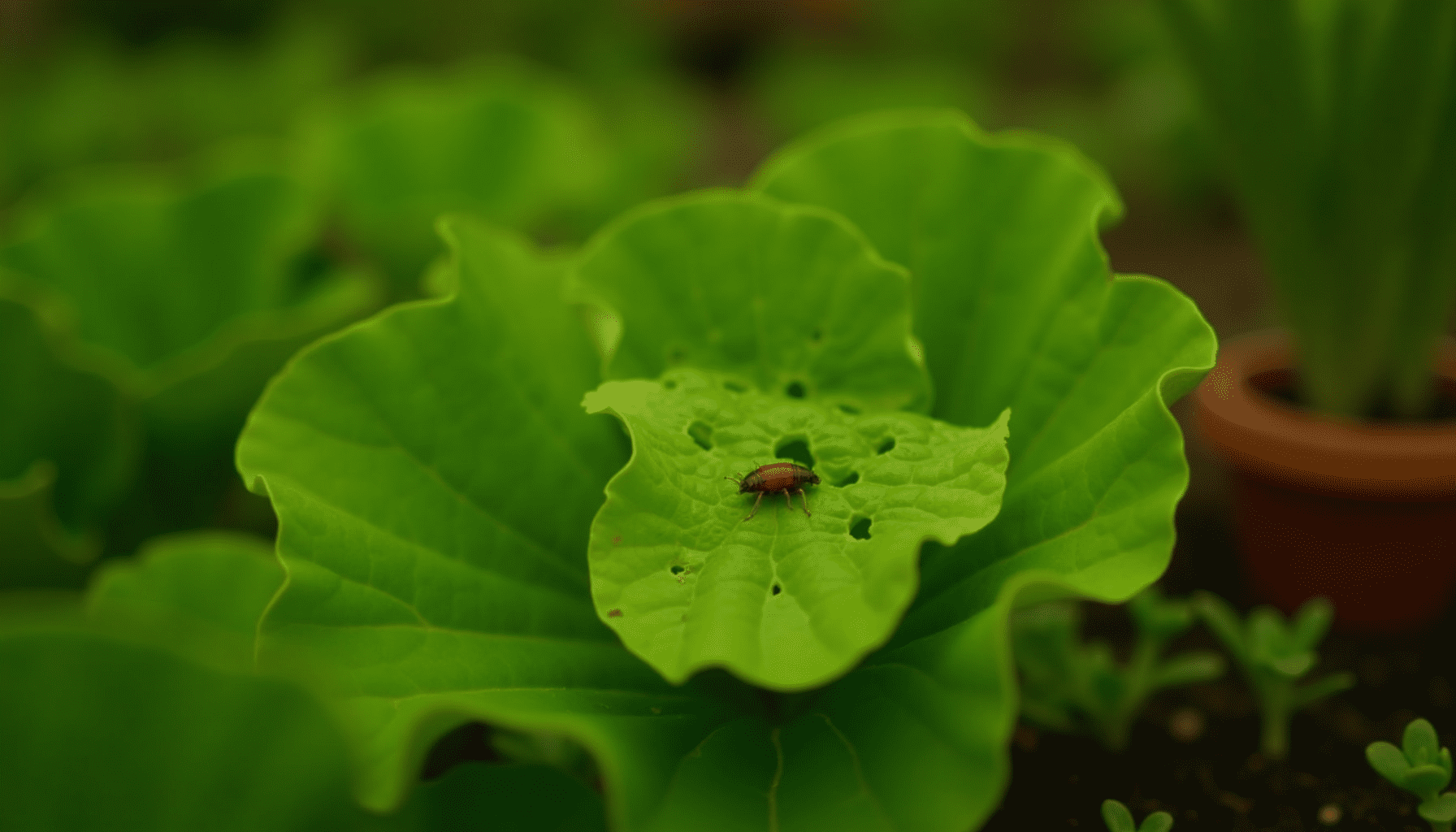
However, earwigs can shift from allies to pests under certain conditions. They become problematic primarily when their preferred food sources—other insects and decaying matter—are scarce. In such scenarios, they may turn their attention to living plant tissue. They are known to chew on young seedlings, soft fruits like strawberries, apricots, and peaches, as well as tender foliage and flower petals. This feeding can result in irregular holes, ragged edges on leaves, and superficial damage to fruits, making them unsightly or susceptible to rot. It's important to note, as highlighted by the University of Wisconsin–Madison Extension, that earwigs are often mistakenly blamed for damage actually caused by other nocturnal feeders, such as slugs, snails, cutworms, or caterpillars. Therefore, confirming the culprit with nighttime scouting is crucial before taking action.
Manage earwigs
When earwig populations are high and you notice significant plant damage, it's time to implement management strategies. The goal is often not eradication, but rather to reduce their numbers around vulnerable plants while still benefiting from their predatory and decomposing activities in other areas. An integrated pest management (IPM) approach is highly effective here, emphasizing non-chemical methods first.
Step 1: Confirm They Are the Problem
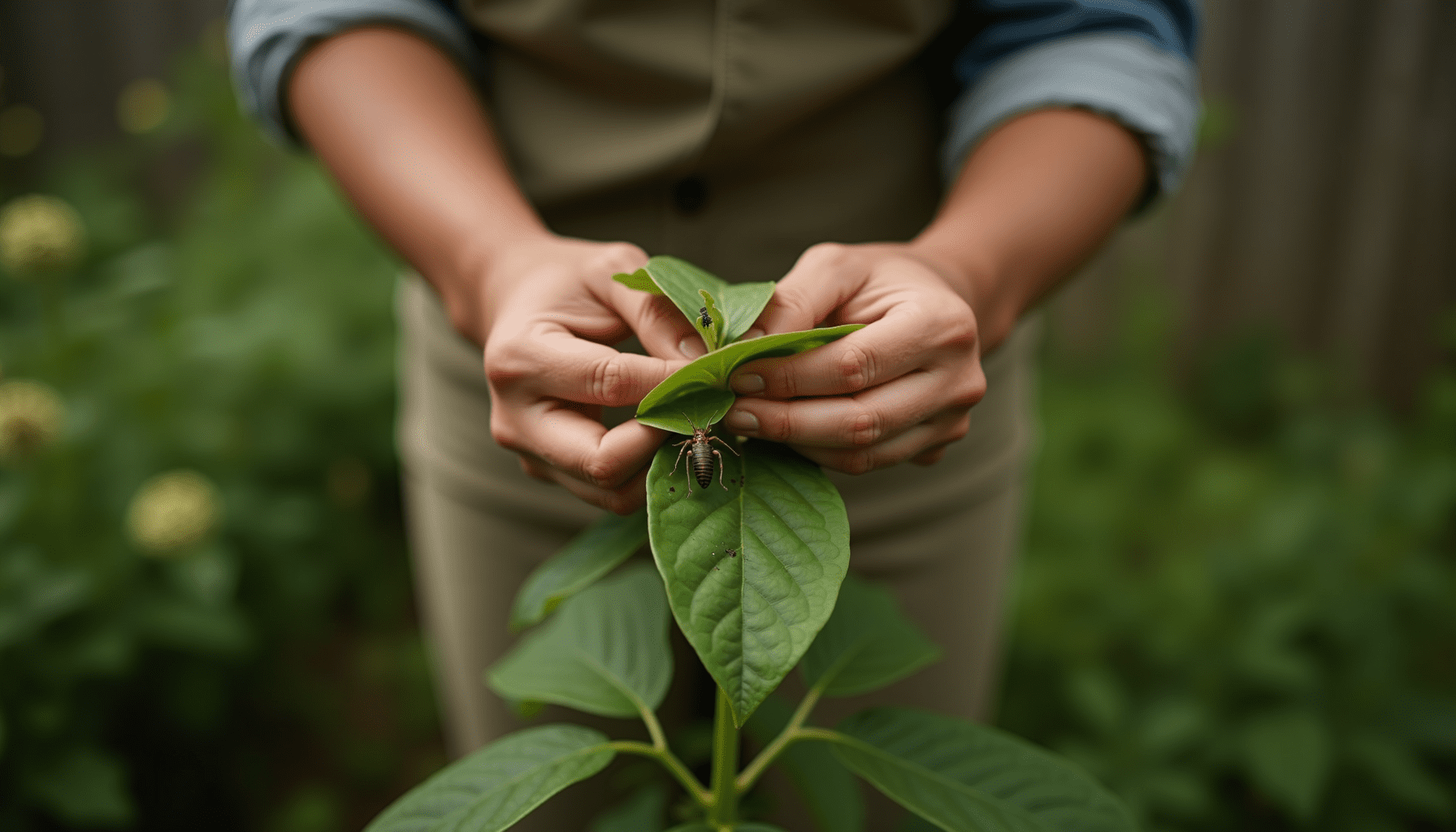
Before taking any action, confirm that earwigs are indeed the cause of the damage. Since many nocturnal pests cause similar feeding patterns, a nighttime inspection is essential. Go out after dark with a flashlight and carefully examine damaged plants, leaf undersides, and flower centers. If you observe numerous earwigs actively feeding, they are likely contributing to the problem. If you primarily see slugs, snails, or caterpillars, your focus should shift to controlling those pests instead.
Step 2: Make the Garden Less Earwig-Friendly
Earwigs thrive in moist, dark hiding spots. Reducing these refuges can significantly decrease their populations.
- Reduce Excess Moisture: Repair any leaky faucets or irrigation systems. Ensure proper drainage in garden beds and around your home's foundation. Redirect downspouts away from planting areas to prevent consistently soggy soil.
- Eliminate Hiding Spots: Thin out very dense mulch layers, especially near plant crowns and foundations. Remove or elevate objects that provide shelter, such as stacked pots, old boards, stones, and thick groundcovers, wherever feasible. A dry border of gravel or decorative rock next to your home's foundation can deter earwigs from entering your house, as advised by Environmental Pest Control.
Step 3: Use Non-Chemical Controls
These gentle, targeted methods exploit earwigs' natural behaviors and are highly recommended for natural pest control.
- Rolled Newspaper or Cardboard Traps: Earwigs love to hide in tight, dark spaces. Roll up damp newspaper or corrugated cardboard into loose tubes and place them in affected garden beds or tie them around the trunks of fruit trees in the evening. In the morning, earwigs will have crawled inside for shelter. Simply shake them into a bucket of soapy water to drown them, or release them far away from sensitive plants.
- Pitfall Traps: Bury shallow containers, such as tuna cans or low plastic dishes, so their rims are level with the soil surface. Fill them with vegetable oil, or a mixture of oil and an attractant like soy sauce or bacon grease. Soapy water can also be effective. Earwigs are drawn to the scent, fall in, and drown. Place these traps near damaged plants and empty them regularly.
- Encourage Natural Predators: A diverse, insect-friendly garden supports a wide array of beneficial wildlife. Birds, amphibians (like frogs and toads), lizards, and beneficial ground beetles all prey on earwigs. Avoid broad-spectrum insecticides that can harm these natural predators, maintaining a balanced ecosystem. For more tips on managing garden pests naturally, see our guide on How to Get Rid of Garden Ants Without Harming Plants.
Step 4: Chemical Controls (Last Resort)
Chemical insecticides should be considered a last resort, used only if non-chemical methods have failed and plant damage is severe. If you choose this route, always prioritize targeted applications. Apply insecticides in the late afternoon or evening when earwigs become active, ensuring the residues are fresh. Treat only infested areas, such as around the foundation, mulched beds, or heavily affected plantings, rather than broadcasting widely. Always read and meticulously follow all label instructions to ensure safe and effective use, and to minimize harm to pollinators and the environment.
Common myths
Earwigs are often misunderstood insects, plagued by old wives' tales and misattributions. Separating fact from fiction is crucial for effective and humane garden management. Let's set the record straight on some common misconceptions.
Myth 1: Earwigs crawl into people’s ears and burrow into the brain.
Reality: This is perhaps the most persistent and unsettling myth about earwigs, but it is pure folklore. Entomologists confirm there is absolutely no scientific evidence that earwigs target human ears or attempt to burrow into brains. Earwigs prefer dark, moist crevices in soil, under debris, or within plant matter – not human bodies. While any small insect might accidentally wander into an ear canal if one is sleeping on the ground, earwigs are no more likely to do so than any other insect. The Sow Right Seeds Planter's Library explicitly states they are mostly a nuisance, not dangerous to humans.
Myth 2: Earwigs are dangerous and can sting or seriously injure humans.
Reality: Earwigs are not venomous and do not possess a sting. Their prominent pincers, while intimidating, can only deliver a weak pinch if they are handled roughly or feel threatened. This pinch is more startling than painful and poses no medical concern. They do not transmit diseases and are not capable of causing real harm to people, as noted by Environmental Pest Control.
Myth 3: Earwigs are purely destructive garden pests.
Reality: As discussed, earwigs are omnivores. While they can cause plant damage under certain conditions, they also consume a significant number of pest insects, including aphids and mites, and play a vital role in decomposition. Many horticultural and pest-control sources describe them as beneficial or beneficial-pest hybrids due to their predatory and decomposition roles, contributing to a healthy garden ecosystem. Spring-Green emphasizes that earwigs are often incorrectly blamed for damage.
Myth 4: Any chewed leaves or fruit at night must be earwigs.
Reality: This is a common misattribution. Damage that looks similar to earwig feeding—irregular holes on leaves, superficial fruit damage—can also be caused by slugs, snails, various caterpillars (like cutworms), and certain beetles. Experts strongly recommend nighttime inspection with a flashlight to accurately identify the true culprit. Without this step, you might be targeting the wrong insect and wasting effort.
Myth 5: The only way to control earwigs is with chemical sprays.
Reality: This is far from the truth. Simple, non-chemical methods are often highly effective and are the preferred approach in integrated pest management. Traps made from rolled newspaper or cardboard, as well as oil or soapy water pitfall traps, are widely recommended by university extension entomologists. Habitat management, such as reducing moisture and hiding spots, is also a powerful preventive measure. Chemical sprays are considered a last resort, to be used only when all other methods have failed and damage is severe.
Final verdict
Understanding the true nature of earwigs in your garden allows for a more balanced and effective approach to pest management. These often-misunderstood insects are not simply destructive pests; they are complex omnivores that can contribute significantly to a healthy garden ecosystem through their predatory and decomposing activities. While they can cause damage to tender plants and soft fruits, especially when populations are high or preferred food sources are scarce, their presence often indicates a thriving, biodiverse environment.
By employing integrated pest management principles—monitoring for damage, confirming the culprit, and prioritizing non-chemical controls like habitat modification and trapping—you can minimize potential harm to your plants while still harnessing the beneficial services earwigs provide. Remember, a thriving garden is often one with a diverse community of insects, where predators and decomposers work together to maintain ecological balance. For more insights into the insect world and how to manage various garden visitors, explore our articles such as Are Ants Harmful? Benefits and Risks Explained.