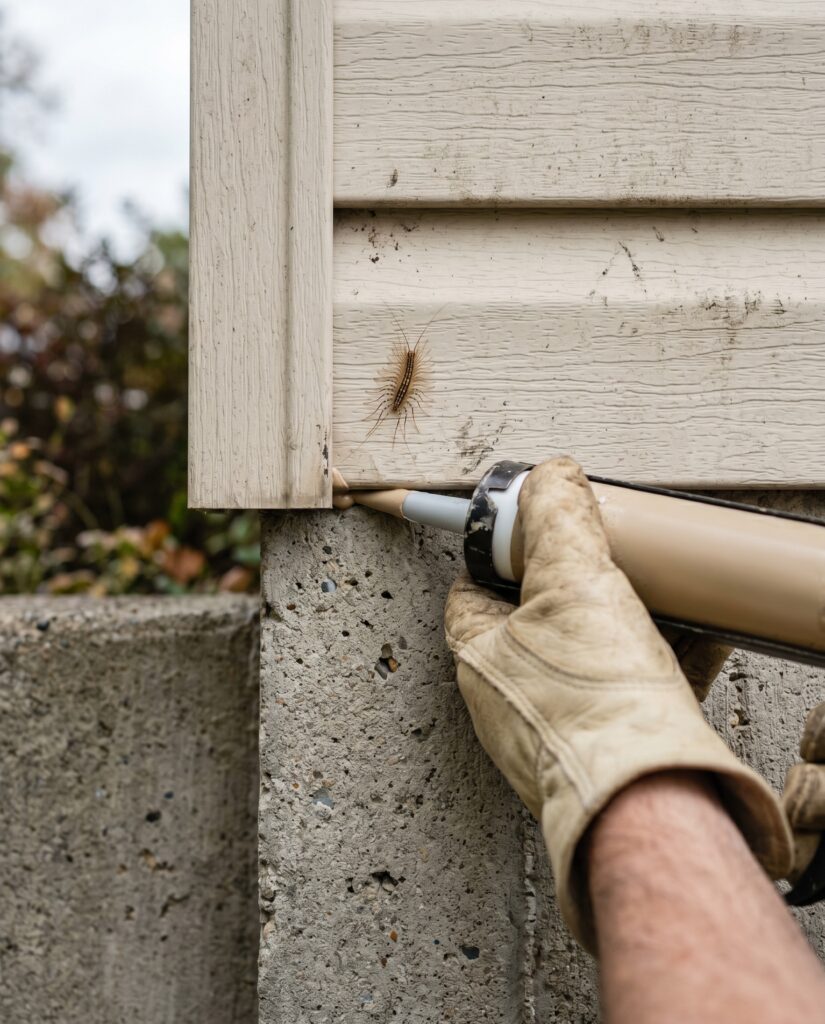
If you keep finding earwigs in the bathroom or by the back door, the fix is not a fogger, it is the yard. Earwigs are outdoor moisture-lovers that wander inside by accident, and they do not breed in your house, so the best earwig trap is the one you set outside where they actually live. The short answer: set a rolled-newspaper or oil trap in the garden tonight, pull the damp mulch and debris back from the foundation, and band the perimeter only if they keep coming. Indoors it is a vacuum-and-seal job, not a spray-the-room job. For our own place we keep a few simple garden traps and a tube of caulk, nothing more. Most lists rank an indoor aerosol first, and that is the one to skip; the comparison below shows why the outdoor source is where this is won.
Earwigs live and breed outdoors, so trap them in the garden and dry out the foundation line first; indoors they are a vacuum-and-seal accident, not an infestation, and because they eat aphids you target them rather than spraying the whole yard.
- Do first (free): Pull damp mulch, leaves, and boards back from the foundation, and set a rolled damp-newspaper trap in the garden overnight.
- Best for the common case: Outdoor traps plus a tight perimeter barrier; indoors, just vacuum them up and caulk the gaps they used.
- Skip: Fogging the indoors and carpet-bombing the yard; earwigs eat aphids, so blanket spraying kills a partly useful insect for no real gain.
What to do first
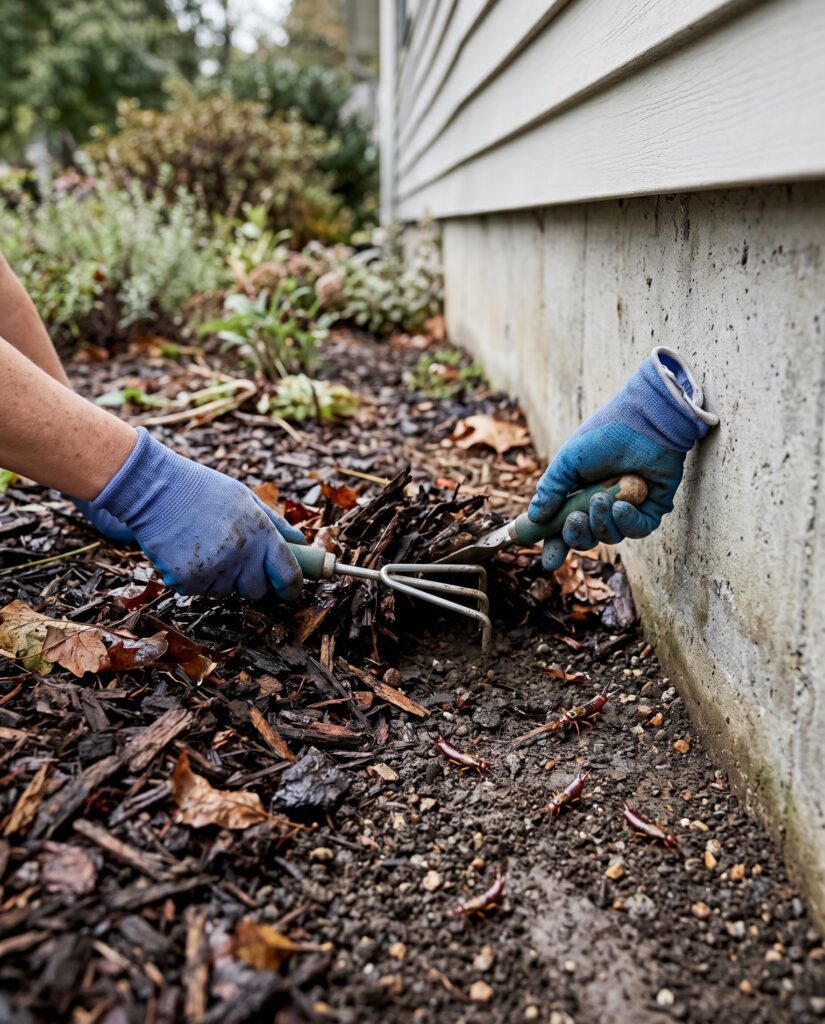
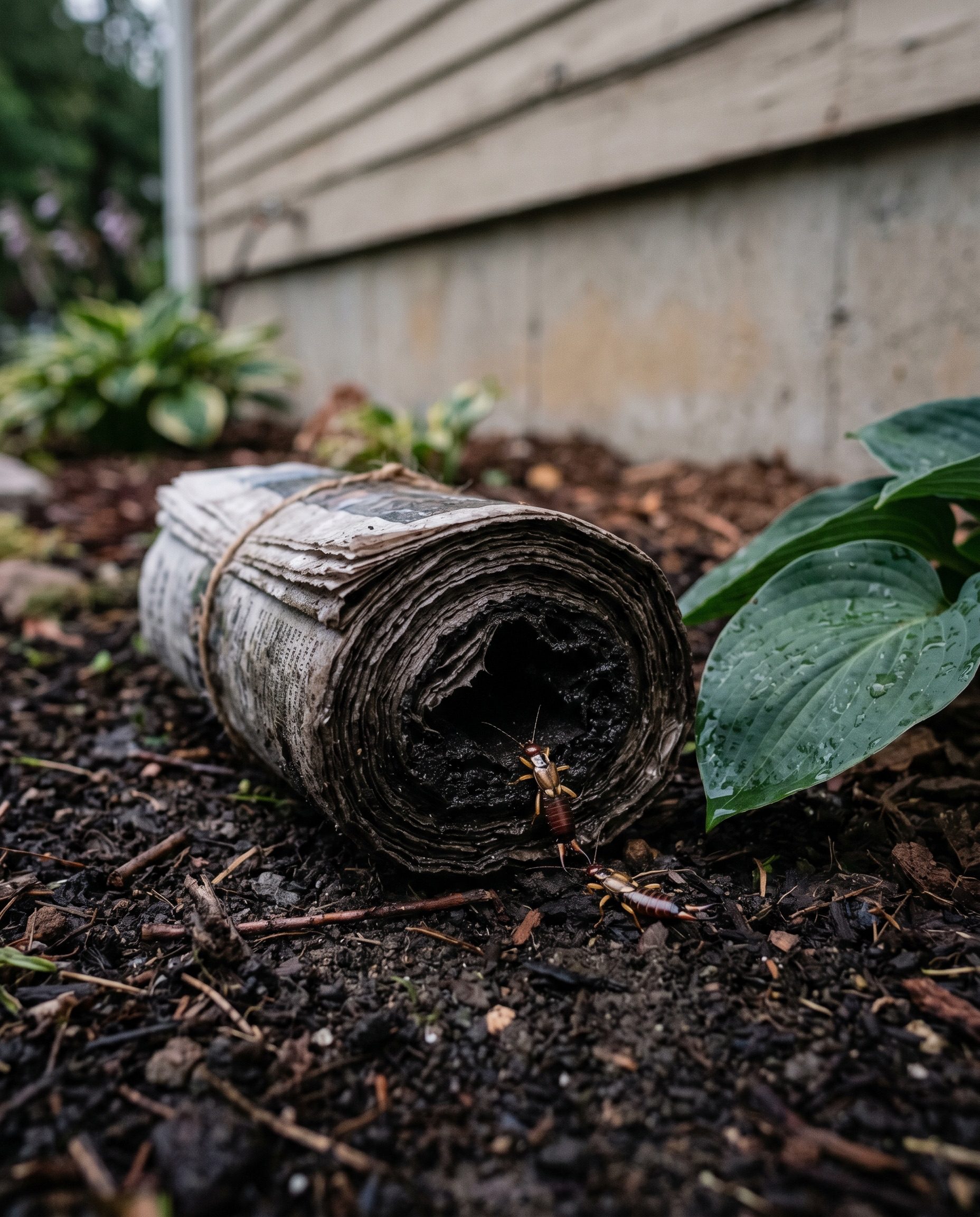
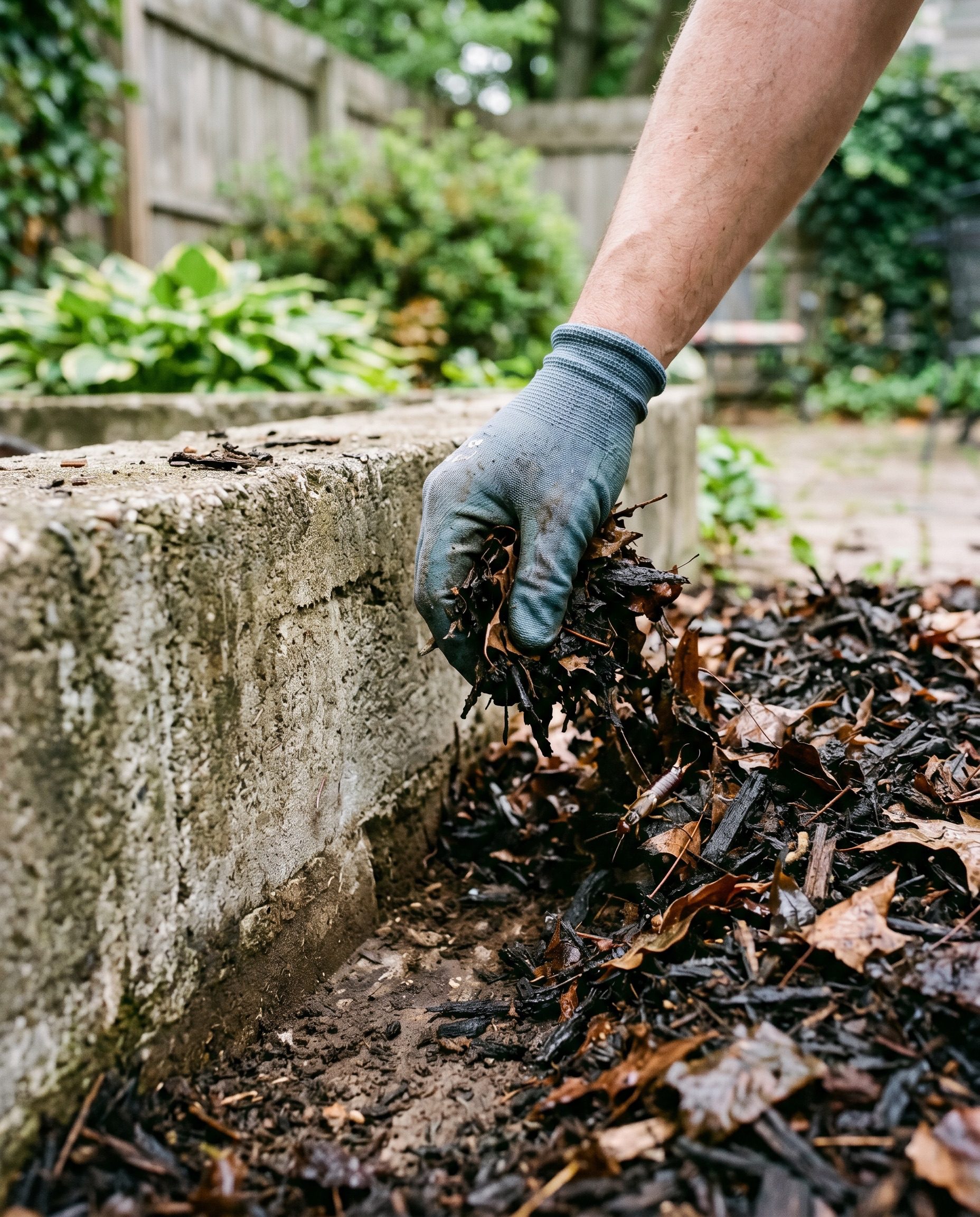
Before anything comes off the shelf, do the free part, because earwigs are a moisture problem before they are a pest problem. They hide by day in damp, dark spots and feed at night, so pull mulch, leaf litter, boards, and pots back a few inches from the foundation and let that strip dry out. The UC IPM Pest Notes on earwigs put habitat and moisture reduction first for exactly this reason: take away the cool damp harborage and most of the population has nowhere to spend the day. Our full walkthrough on getting rid of earwigs in the house and garden lays out the order step by step.
Then set a trap where they live, which is outside. A rolled-up damp newspaper or a low can baited with a little oil catches earwigs overnight, and you dump it in the morning. Lay the roll on the soil near the plants they are hitting, leave it through the night, and shake the trapped earwigs into soapy water at dawn. A product is worth buying once you have done the moisture cleanup and run a few of these traps, not as a substitute for either.
Why indoor foggers miss
Here is the part most “top product” lists skip. Earwigs do not establish indoors. They wander in through a gap, get stranded, and die within a few days because your house is too dry for them, which means an indoor fogger treats an accident, not a colony. The ones you see inside came from outside, so killing the few indoors changes nothing about the supply. Foggers also drift over open surfaces without reaching the gaps earwigs actually use, so you breathe the chemical and the source keeps producing.
The honest move indoors is mechanical. Vacuum up the earwigs you find, then seal the entry points so the next wanderer stays out. The University of Kentucky’s ENTfact on occasional invaders frames earwigs as exactly that, occasional invaders that come in around doors, weep holes, and foundation cracks, and the fix is exclusion and drying things out, not interior spraying. If they are getting in, caulk the gap they used and check the door sweep before you reach for a can. That is also the safer choice in a kitchen or bathroom, where you do not want a pesticide film on surfaces you touch.
Garden trap vs perimeter barrier
Once the indoor side is handled with a vacuum and some caulk, the outdoor decision is short. Pick by where the earwigs are concentrated and whether you grow food or flowers nearby, not by the biggest claim on the package.
| Method | Best for | Watch-out |
|---|---|---|
| Garden traps (oil/newspaper) | Knocking down earwigs right where plants are damaged | You empty them daily; slow but targeted and chemical-free |
| Perimeter granules/spray | A persistent migration into the house from the yard | Broad-spectrum; keep off blooms and follow the label exactly |
| Moisture and debris cleanup | Every situation, before any trap or chemical | Labor, and it has to be kept up, not done once |
Why not just band the whole yard with a barrier and forget it? Because earwigs are partly beneficial. The same UC IPM guidance notes that earwigs feed on aphids and other soft-bodied pests, so a broad spray that wipes them out can hand your roses a worse problem. Target the spots where they are doing real damage, lean on traps there, and save a perimeter product for a genuine, repeated push into the house. The EPA’s safe pest control guidance makes the same case for using the least-toxic effective tool and reading the label before any chemical goes down. If you also have silverfish riding the same damp, our silverfish trap and killer buyer’s guide covers that overlap.
Where to place it
Placement is the whole game with earwigs because they travel along edges. Set garden traps right at the base of the plants showing chewed, ragged leaves, lay them flush on the soil at dusk, and empty them every morning while the catch is fresh. Trap on the soil where the damage is, not out in the open lawn, and run several over a few nights rather than one for a week.
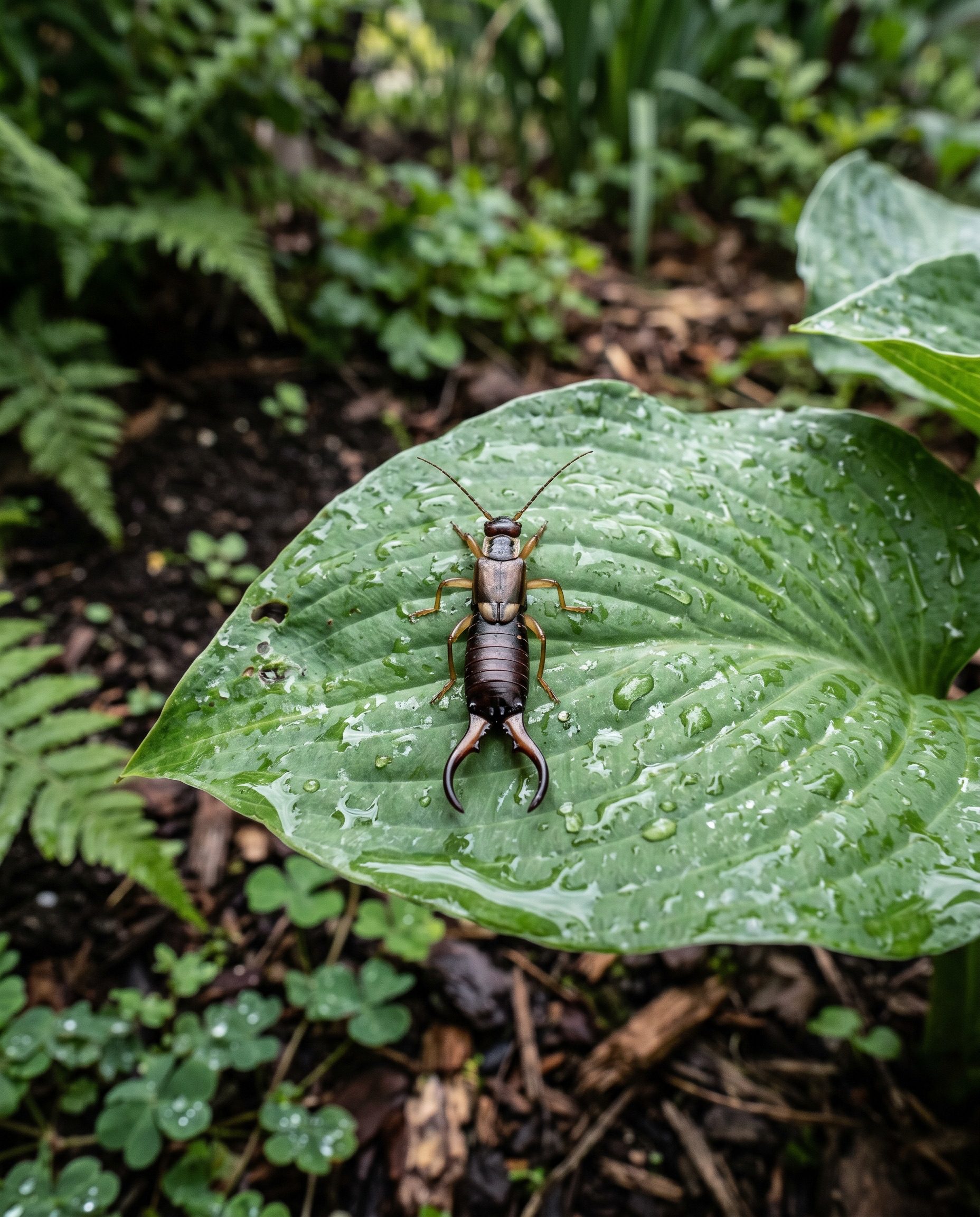
If you go to a perimeter product, treat it as the pesticide it is. Apply a labeled granule or spray as a band along the foundation line and the first foot of soil, water granules in if the label says to, and keep it off open flowers because that is where pollinators feed. Spray or spread at dusk when bees are not foraging, never blanket a blooming bed, and read and follow the product label, because under federal law the label is the law and it tells you the only legal way to use it. Keep children and pets off treated areas until everything is dry, do not let granules wash toward a pond or storm drain, and if anyone is exposed, contact a doctor or your local poison control center. For an earwig you need to confirm before you treat, the earwig identification guide shows the pincers and body shape so you are not treating for the wrong bug.
The picks
Cards come after the analysis on purpose, because the outdoor source decides what you actually buy. These three cover an outdoor trapping spray, a chemical-free sticky monitor for indoor entry routes, and a perimeter barrier for the yard, and all are common, widely available products.
InsectoGuide is reader-supported. As an Amazon Associate we earn from qualifying purchases at no extra cost to you.
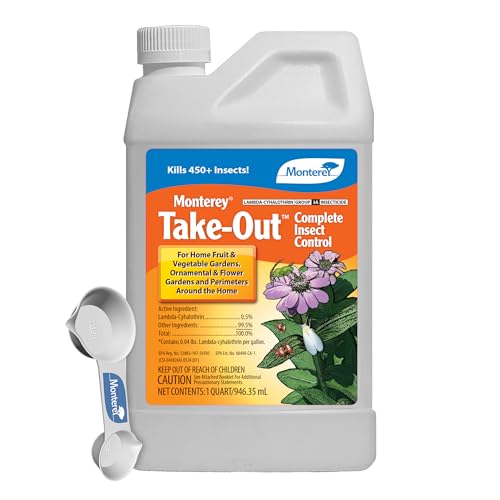
A ready-to-use spray for earwigs around gardens, ornamentals, and the foundation line.
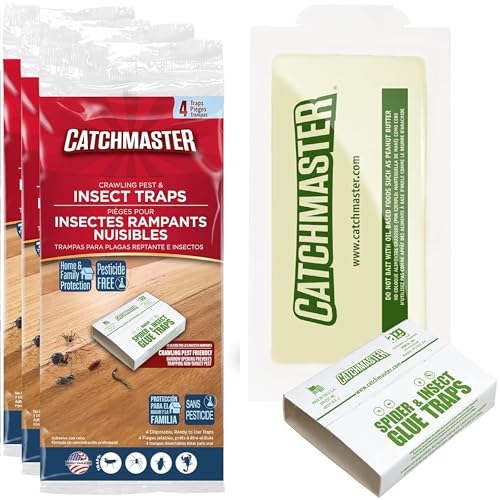
Pesticide-free glue traps to catch and monitor earwigs sneaking in indoors.
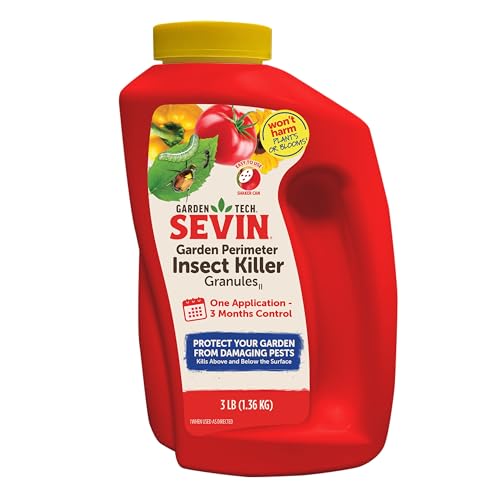
Granules to band around the foundation and garden edge where earwigs live.
Common questions
Do earwigs lay eggs in my house?
No. Earwigs need damp soil to nest and lay eggs, so they breed outdoors and only wander inside by accident. The ones you find indoors are strays that came in through a gap and will not start a colony, which is why exclusion beats spraying.
Do those pincers actually hurt?
Not really. The pincers can give a faint nip if you squeeze one, but earwigs are not venomous and do not bite in any meaningful way. They are a nuisance and a garden chewer, not a danger to people or pets.
What is the best earwig trap, and does it work?
A simple oil-baited can or a rolled damp newspaper set on the soil at dusk is the most reliable trap, and it works because it mimics the dark, damp hiding spot earwigs seek at dawn. The UC IPM earwig guidance recommends exactly these low-cost traps, emptied daily, in the garden where the damage is.
Should I just spray the whole yard?
No. Earwigs eat aphids and other soft-bodied pests, so a blanket spray kills a partly useful insect and can leave your plants with a worse aphid problem. Trap and treat only the spots with real damage, and save a perimeter band for a steady push toward the house.
How do I keep them from coming inside?
Dry out the foundation line and seal the gaps. Pull mulch and debris back, fix door sweeps and screens, and caulk cracks around weep holes and utility entries. The EPA’s safe pest control approach favors this kind of exclusion and habitat fix over routine indoor spraying.
Final verdict
There is no indoor earwig infestation to fight, only an outdoor source leaking into the house, and any list that ranks a fogger first is treating the wrong room. Start free by pulling the damp mulch and debris off the foundation and setting an oil or newspaper trap in the garden, then add a perimeter barrier only if they keep pushing inside. Indoors, vacuum the strays and caulk the gap they used; that is the whole indoor job. Skip fogging the house, and skip carpet-bombing the yard, because earwigs eat aphids and a blanket spray costs you a useful predator for nothing. Match the tool to where they actually live, which is outside, and the problem mostly solves itself.