You found a fast little brown bug with what look like tiny pincers on its rear end, probably in a damp spot near the foundation or under a flowerpot, and the first word that comes to mind is earwig. You are right, and the pincers on the tail end are the giveaway. An earwig is a slender, reddish-brown insect carrying a pair of curved forceps it uses for defense and courtship, not for hurting you. They do not crawl into ears, they are not dangerous, and despite the menacing look most of what they eat is decaying matter and a few garden pests. The shape of those pincers even tells the males from the females.
If it has a pair of curved pincers on the rear and a flat, reddish-brown body, it is an earwig, not a beetle or silverfish. The pincers are for defense and mating, the name is a myth, and the insect is harmless.
- The confirming feature: A pair of forceps (cerci) at the tail end, strongly curved on males, straighter on females.
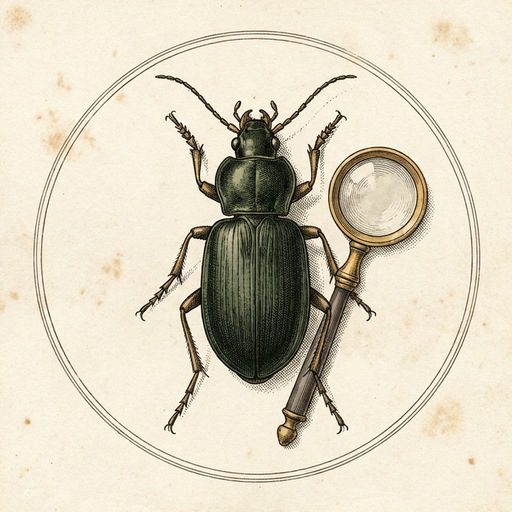
- Most-confused look-alike: The rove beetle, which has the same long body but no pincers and hard wing covers.
- What it means: Harmless and partly beneficial. If it has moved indoors, see our guide to controlling earwigs.
Quick answer
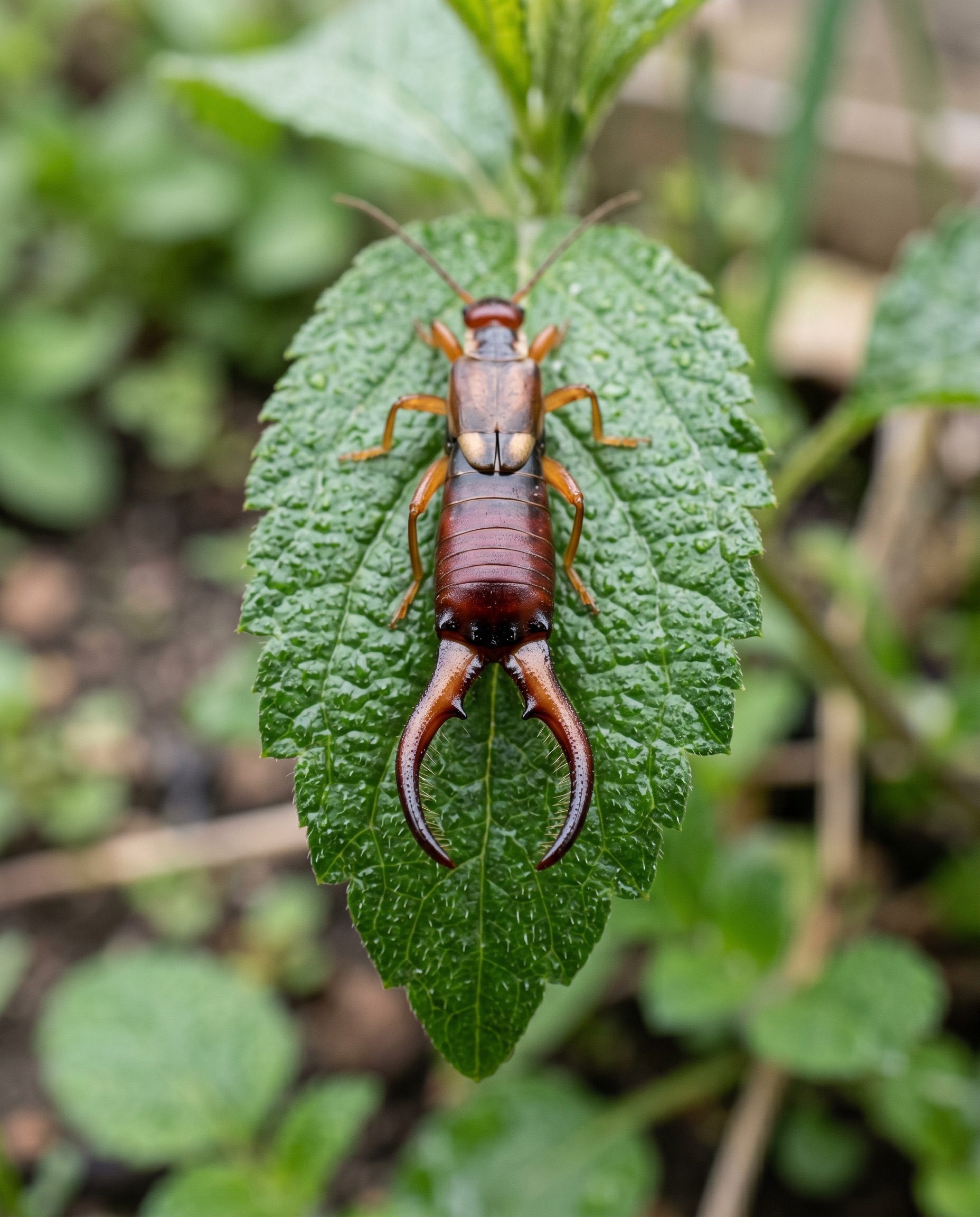
The common earwig you will meet in most of the United States is the European earwig (Forficula auricularia), an insect that arrived from Europe over a century ago and now turns up in gardens coast to coast. Count on the pincers first: an earwig is the only common household insect that carries a pair of curved forceps on its hind end. The body is flat and reddish-brown, roughly half an inch to three-quarters of an inch long, with short leathery wing covers that leave most of the abdomen bare.
The one look-alike worth ruling out is the rove beetle, which has the same elongated shape and short wing covers but no pincers. No pincers means it is not an earwig. Everything else in this guide is about reading those pincers and the body correctly, then knowing what the ID actually means for you.
The pincers are the tell
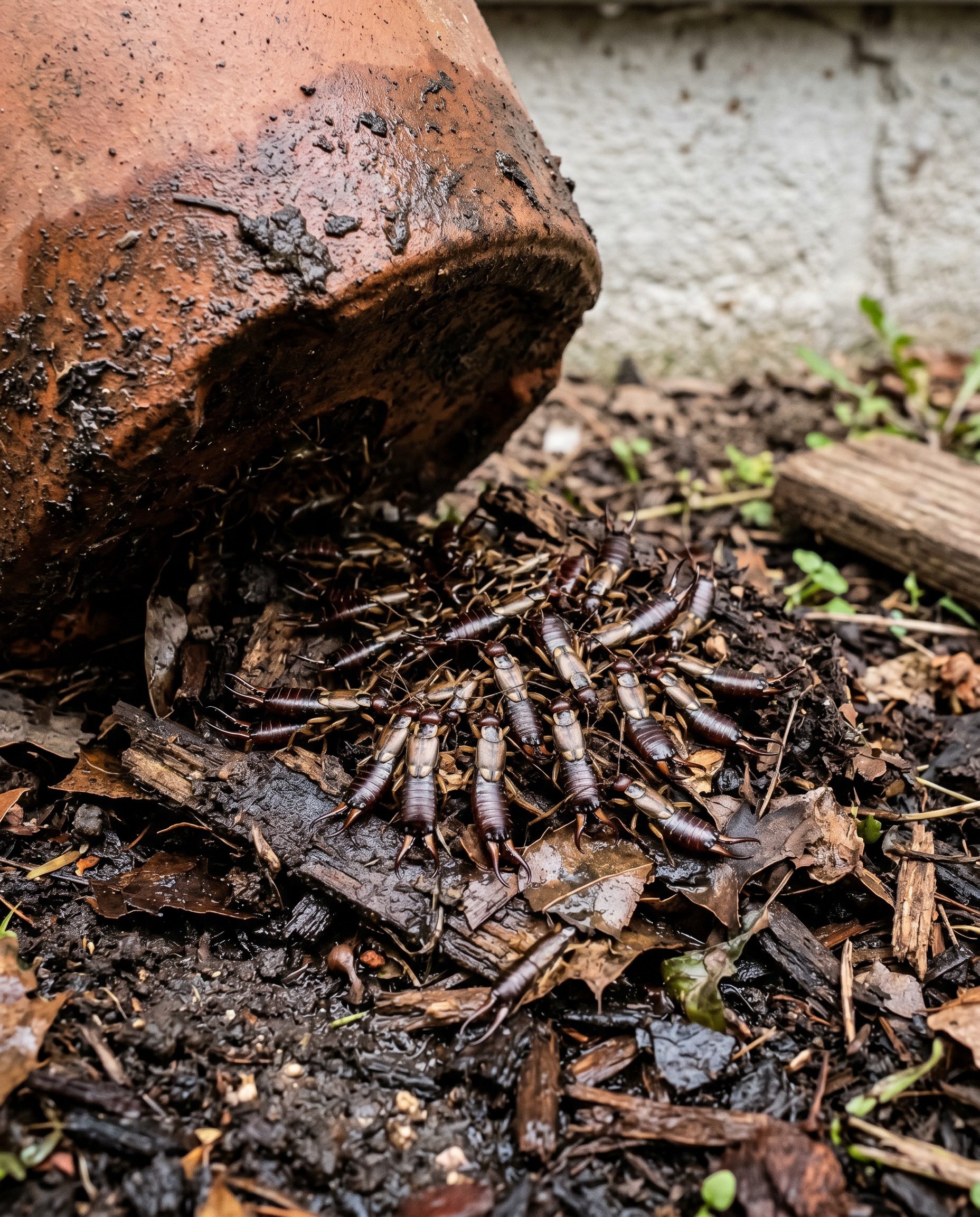
The single feature that confirms an earwig is the pair of appendages at the rear, called cerci or forceps. Nothing else common in a home or yard carries them, so once you see them clearly the ID is settled. They look like miniature pincers, and the insect raises them when threatened, which is where the fearsome reputation comes from. In practice they cannot break skin, and a determined pinch from a large male feels like a faint nip at most.
Here is the part that surprises people: the pincers also sort the sexes. Males carry strongly curved, bowed forceps, while females have forceps that are nearly straight and set close together. According to the UC IPM Pest Notes on earwigs, this difference is consistent enough that you can sex a specimen at a glance once you know to look. The insect uses the forceps for defense, to fold its delicate hind wings, and during mating, so they are a working tool rather than a weapon aimed at you.
If the rear end is bare and smooth with no appendages, stop there. You are looking at something else, most likely a beetle larva or a silverfish, and the rest of the description below will not fit.
Full description
Run down the body and the ID falls into place. Size sits in the half-inch range, with European earwigs reaching about three-quarters of an inch including the pincers. The color is a warm reddish-brown to nearly black, often with paler legs, and the whole insect has a slightly flattened look that lets it slip into tight cracks and under bark.
The body breaks into the usual three insect sections, and the count that matters is six legs. Six legs means an insect, which rules out the eight-legged arachnids people sometimes lump in with bugs. The antennae are long and thread-like, about half the body length, and they wave constantly as the insect feels its way through the dark. The wing covers are the other quick read: short, leathery flaps over the front of the back that leave the rear segments exposed, which is why the abdomen looks bare and segmented.
Most earwigs can fly, though they rarely do, unfolding membranous hind wings from beneath those short covers in a fan that tucks away with help from the forceps. Young earwigs, called nymphs, look like smaller paler adults with softer, less developed pincers, so a tiny specimen with stubby forceps is still an earwig, just an immature one. Life stage is itself an ID cue here: the pincers harden and take their adult shape as the nymph molts toward maturity.
Look-alikes to rule out
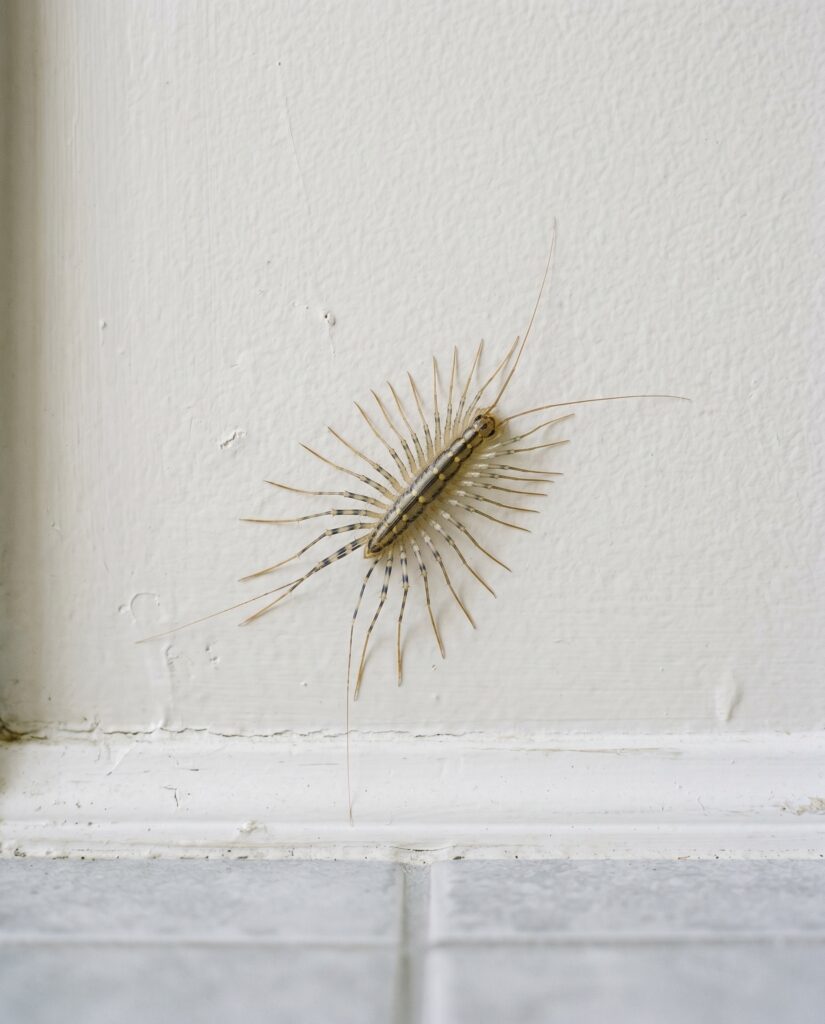
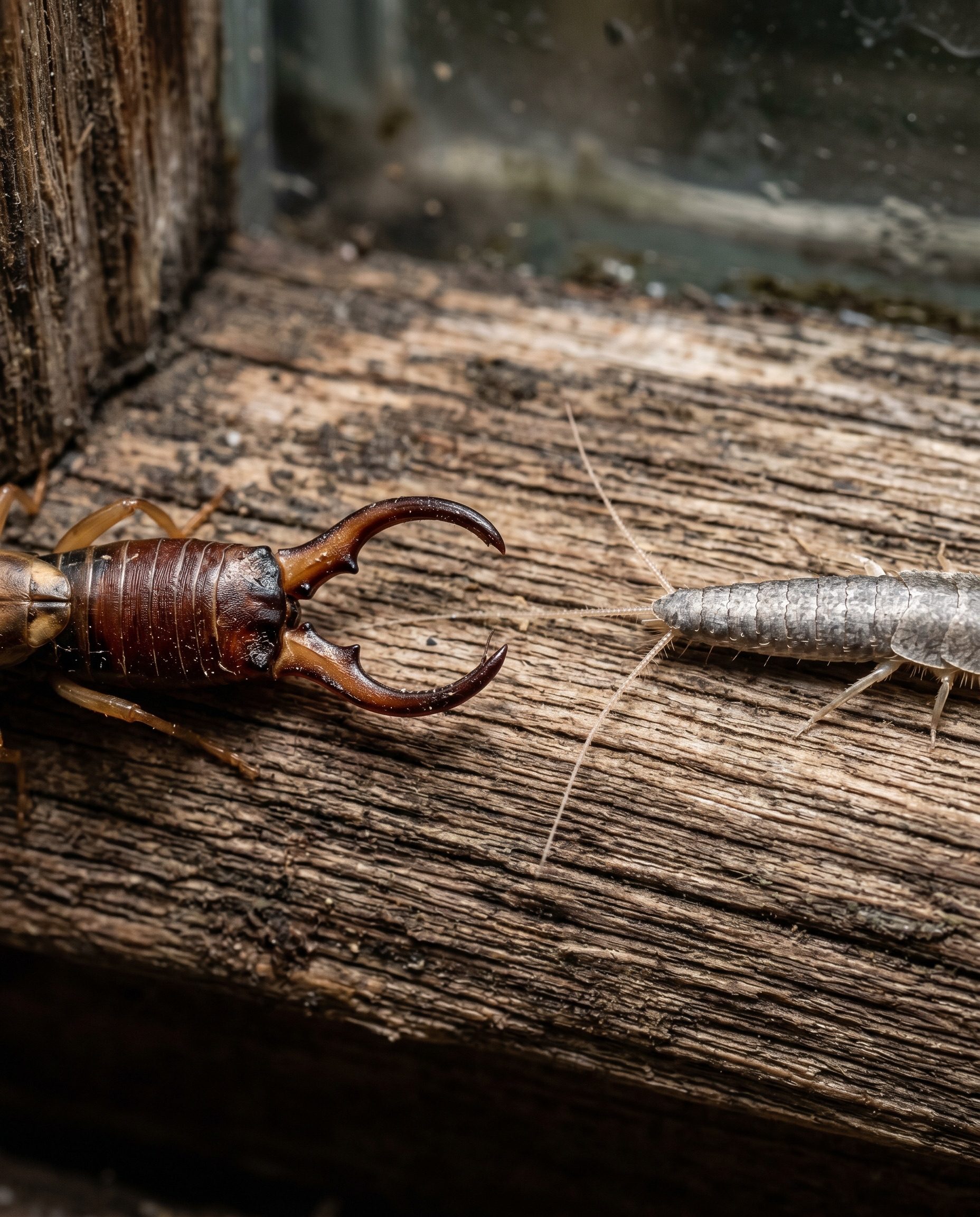
People confuse earwigs with a short list of other long, dark, fast insects, and in every case one feature settles it. The rove beetle is the closest match in outline but has no pincers and harder, more uniform wing covers. Silverfish share the flat reddish-brown coloring and damp habitat but taper to three thin tails rather than a pair of pincers, and they move with a distinctive wriggle. Centipedes get blamed too, but they have many legs and no pincers at all.
| Insect | Key feature | Where found |
|---|---|---|
| Earwig | Pair of curved pincers (forceps) at the tail | Damp soil, mulch, under pots; sometimes indoors |
| Rove beetle | No pincers, short hard wing covers, raises rear like a scorpion | Compost, decaying matter, under debris |
| Silverfish | Three thin tails, no pincers, silvery scales | Bathrooms, basements, around paper and damp |
The silverfish overlap trips up the most people because both turn up in basements and both are reddish-brown and flat. If you want to nail that one down, our silverfish identification facts walks through the three-tailed silhouette in detail. For the others, the rule holds: pincers yes, earwig; pincers no, look again.
Where you find them
You will meet earwigs most often outdoors in cool, dark, humid places, which is itself a clue to the ID. They shelter by day under mulch, flowerpots, loose bark, boards, and in the top inch of moist soil, then forage at night. Across the United States the European earwig is the one most homeowners encounter, with ringlegged and other species more common in the South and warmer regions.
Indoors they are accidental visitors, not residents. They wander in through gaps around doors, foundation cracks, and weep holes when the weather turns dry or wet enough to push them off their usual ground, and they cannot breed or thrive in a dry house. University of Kentucky’s guidance on occasional household invaders groups earwigs with the other moisture-loving bugs that show up in numbers after rain or during drought, then die back on their own indoors. The fix mirrors the one for other damp-loving invaders, since moisture-driven invaders like silverfish are managed by drying out their habitat rather than by spraying.
Is it dangerous?
No. An earwig cannot hurt you, and the old belief that it crawls into ears to bore into the brain is folklore with no basis. The pincers cannot pierce skin, the insect carries no venom, and it does not bite in any meaningful sense. There is nothing to treat and no reason for alarm if you find one indoors.
In the garden the picture is genuinely mixed, which is why blanket extermination is the wrong call. Earwigs do chew soft seedlings, flower petals, and ripe fruit when populations run high, but earwigs feed on aphids and other small garden pests too, so they earn part of their keep as cleanup feeders on decaying matter and predators of nuisance insects. The sensible response is to reduce the damp hiding spots they favor and trap selectively where they are doing harm, in line with the EPA’s integrated pest management approach. If they have become a real nuisance, the targeted earwig traps and control products do more good than a broad spray.
Common questions
Do earwigs actually go in your ears?
No. The name is a centuries-old myth, and earwigs have no interest in ears and no ability to burrow into one. They seek dark, humid cracks, and an ear is neither a good shelter nor a food source. You can find them in odd places around a damp home, but a sleeping person’s ear is not a target.
Are earwig pinches dangerous?
Not really. A large male can deliver a faint pinch with its forceps if you pick it up and provoke it, but the pincers cannot break skin and there is no venom involved. It is startling rather than harmful. Most earwigs simply run for cover instead of standing to fight.
How do I tell a male earwig from a female?
Look at the shape of the pincers. Males have strongly curved, widely bowed forceps, while females have forceps that are nearly straight and held close together. This is the most reliable field difference between the sexes and works even on a single specimen.
Are earwigs good or bad for the garden?
Both, depending on numbers. They eat decaying plant matter and prey on aphids and small soft-bodied pests, which is helpful, but in large numbers they also nibble seedlings, petals, and ripe fruit. Favor habitat and moisture reduction and selective trapping over broad spraying so you keep the benefit while limiting the damage.
What is the difference between an earwig and a silverfish?
The tail end. An earwig has a pair of curved pincers, while a silverfish has three thin tails and no pincers, plus a silvery scaly body and a wriggling motion. Both like damp, dark spots, so habitat alone will not separate them, but the rear appendages always will.
Final verdict
Earwig identification comes down to one feature you can check in a second: the pair of curved pincers at the tail end. Pair them with a flat reddish-brown body, six legs, short leathery wing covers, and long thread-like antennae, and the ID is solid. The pincers are for defense and mating, not for you, the ears business is a myth, and the insect is harmless. Out in the garden it sits on the fence between helpful and pesky, so the right response is moisture control and selective trapping, never a reflex to wipe them all out.
Next steps:
– If earwigs have wandered indoors or are damaging plants, see our guide to controlling earwigs in the house and garden.
– For the targeted tools that beat broad spraying, compare the best earwig traps and control products.
– If the rear end has three tails instead of pincers, check our silverfish identification facts instead.