
Waking up with itchy skin or unexplained red welts can be unsettling, leading many to wonder: is it dust mites vs bed bugs? While both are tiny household pests that can disrupt your comfort and sleep, they are fundamentally different organisms requiring distinct identification and control strategies. Dust mites are microscopic arachnids that trigger allergies, while bed bugs are visible insects that feed on blood. Understanding these key distinctions is crucial for accurately diagnosing your problem and implementing effective solutions to restore peace to your home.
Bottom line:
- Dust mites are microscopic (0.2-0.3 mm), invisible to the naked eye, and feed on dead skin cells. They cause allergic reactions (sneezing, itching, asthma flares), not bites.
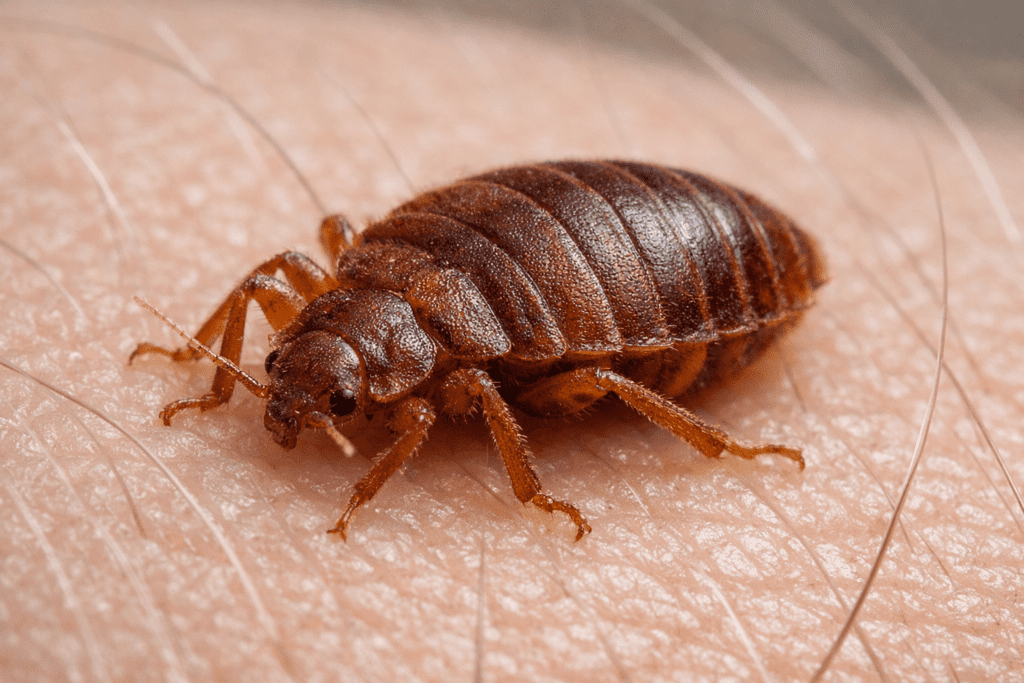
- Bed bugs are visible (4-5 mm), apple-seed shaped, reddish-brown insects that feed on human blood. They cause itchy, red welts, often in lines or clusters, and leave behind visible signs like fecal spots and shed skins.
Understanding the Key Differences
Distinguishing between dust mites vs bed bugs starts with their basic biology and appearance. Though both are small, they belong to entirely different groups of arthropods, which dictates their behavior, diet, and how they impact humans. Dust mites are more akin to spiders, while bed bugs are true insects.
Dust Mites: The Invisible Allergen
Dust mites (Dermatophagoides spp. and others) are microscopic arachnids, related to ticks and spiders, making them invisible to the naked eye. They typically measure a mere 0.2–0.3 mm in length. You might only perceive them as tiny, moving specks under strong magnification. Unlike insects, they have eight legs and lack antennae. They are translucent or whitish and do not have distinct body segments that would be visible without specialized equipment.
These tiny creatures do not bite humans. Instead, their presence causes allergic reactions in sensitive individuals. The allergens come from proteins found in their fecal pellets and shed body fragments, which become airborne and are inhaled or come into contact with skin. This means that while you might feel symptoms like itching, sneezing, or a runny nose, you won't see any physical bite marks directly attributed to dust mites. Research indicates that around 10% of the global population is allergic to dust mites, and they are a major trigger for allergic rhinitis and asthma, with sensitization rates among asthma patients often exceeding 50-60% in many regions.
Bed Bugs: The Visible Blood-Feeders
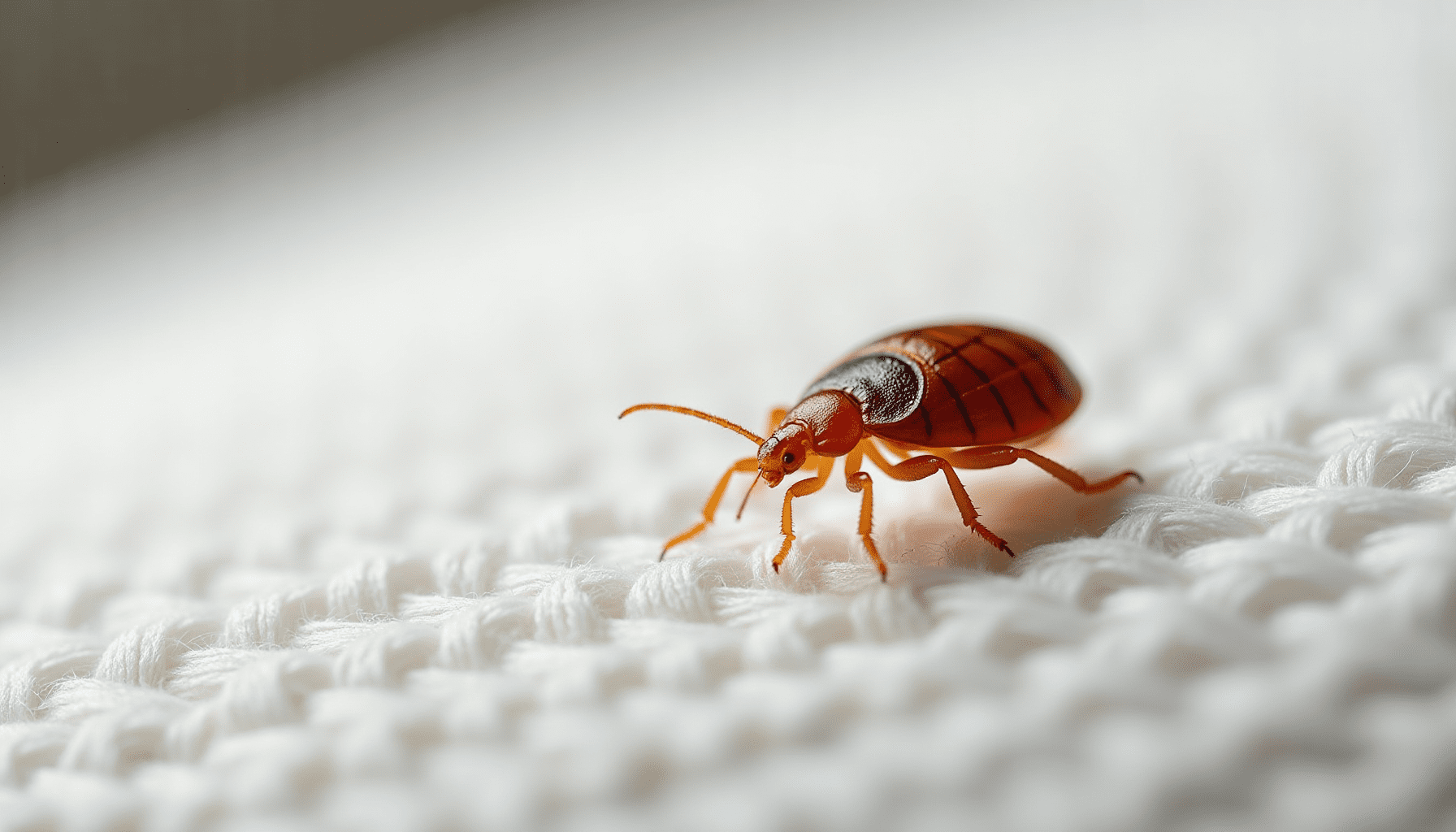
Bed bugs (Cimex lectularius and Cimex hemipterus) are true insects, belonging to the order Hemiptera. Adult bed bugs are visible to the naked eye, typically measuring about 4–5 mm long, roughly the size and shape of an apple seed. When unfed, they are flat, oval, and reddish-brown. After a blood meal, their bodies become engorged, swollen, and darker red. They have six legs, antennae, and a segmented body, characteristics of insects.
Unlike dust mites, bed bugs are nocturnal blood-feeding parasites. They actively seek out humans (and sometimes animals) to feed, typically at night while their hosts are asleep. Their bites result in small, red, itchy welts on the skin. These bites often appear in distinctive patterns, such as lines or clusters, sometimes referred to as "breakfast, lunch, and dinner" due to their sequential feeding. While bed bugs are not known to transmit diseases to humans in real-world settings, their bites can cause significant discomfort, anxiety, and sleep disturbances, as documented by health organizations like the Centers for Disease Control and Prevention (CDC).
Where They Live and What They Eat
Understanding the habitat and diet of dust mites vs bed bugs is critical for both identification and effective control. Despite both being associated with human dwellings, their preferred environments and food sources are vastly different, leading to distinct signs of infestation.
Dust Mite Habitats and Diet
Dust mites are detritivores, meaning they feed on organic debris rather than living organisms. Their primary food source is dead human and animal skin cells, commonly known as dander. They also consume microscopic molds. These microscopic arachnids thrive in warm, humid environments, ideally with relative humidity around 75%, and can still grow above 50%. However, they cannot survive in humidity levels consistently below 50%. This makes common household items like mattresses, pillows, carpets, upholstered furniture, and soft textiles perfect breeding grounds, as these items accumulate skin flakes and retain moisture.
Given their microscopic size and diet, you won't find visible signs of dust mites themselves. Instead, clues pointing to a dust mite problem are usually related to allergy symptoms, which often worsen in dusty environments or when allergens are disturbed, such as during cleaning or when getting into bed. The accumulation of their allergens is highest in areas where people spend a lot of time, particularly bedrooms.
Bed Bug Harborages and Feeding
Bed bugs are obligate hematophagous parasites, meaning they absolutely require blood meals to survive and reproduce. They feed exclusively on the blood of humans and, occasionally, other warm-blooded animals. Their feeding behavior is nocturnal; they emerge from their hiding spots to feed on sleeping hosts, typically for 5-10 minutes, before retreating. They inject an anesthetic and an anticoagulant during feeding, which is why bites often go unnoticed until later.
Bed bugs are master hiders. They prefer to live close to their hosts, making the bed area their primary harborage. Common hiding spots include mattress seams, piping, labels, and buttons, as well as bed frames, headboards, and box springs. As an infestation grows, they will spread to nearby areas like baseboards, cracks in walls, behind pictures, under peeling wallpaper, electrical outlets, and furniture joints. Unlike dust mites, bed bugs can tolerate a wide range of humidity levels as long as they have access to blood meals.
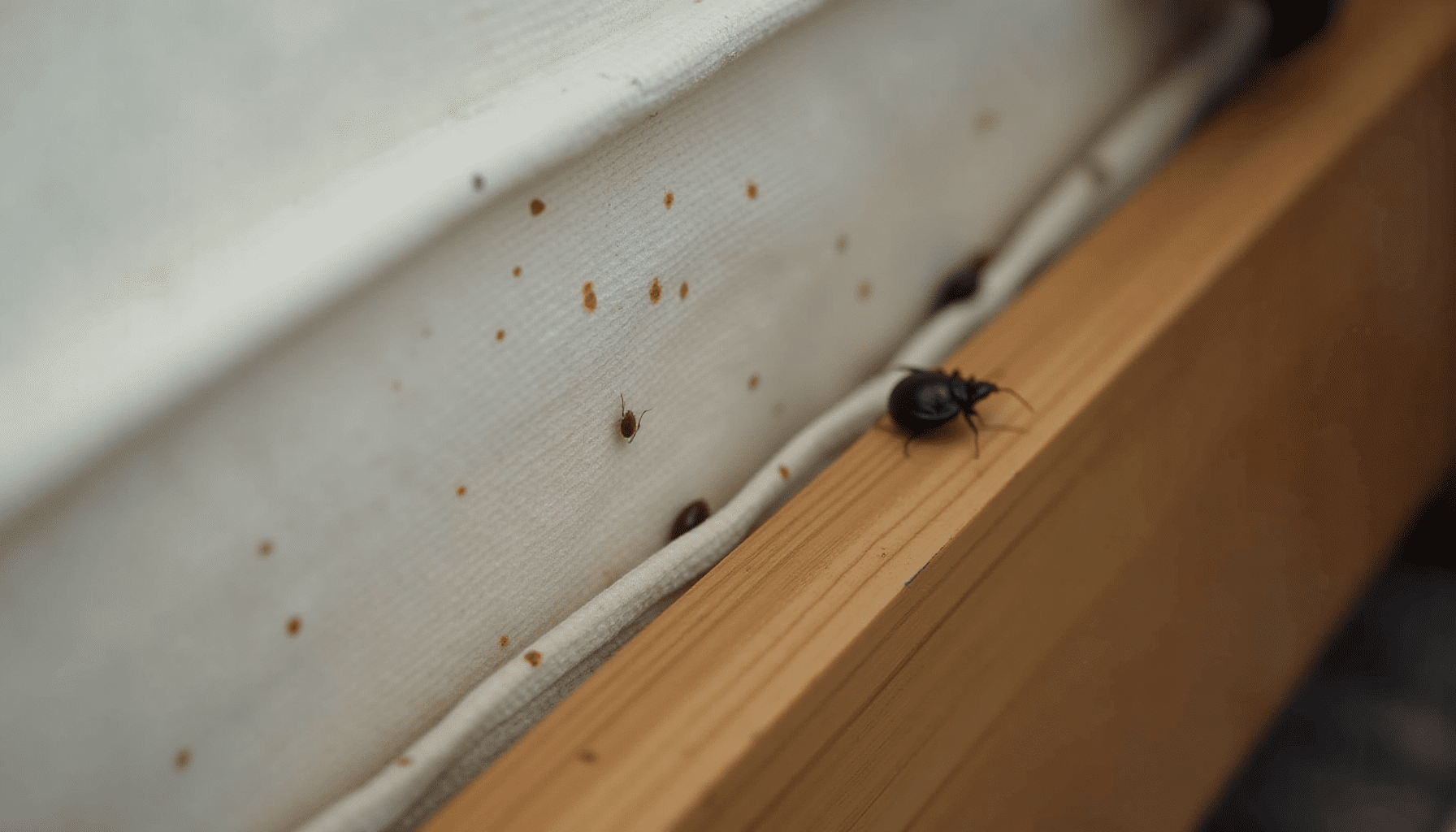
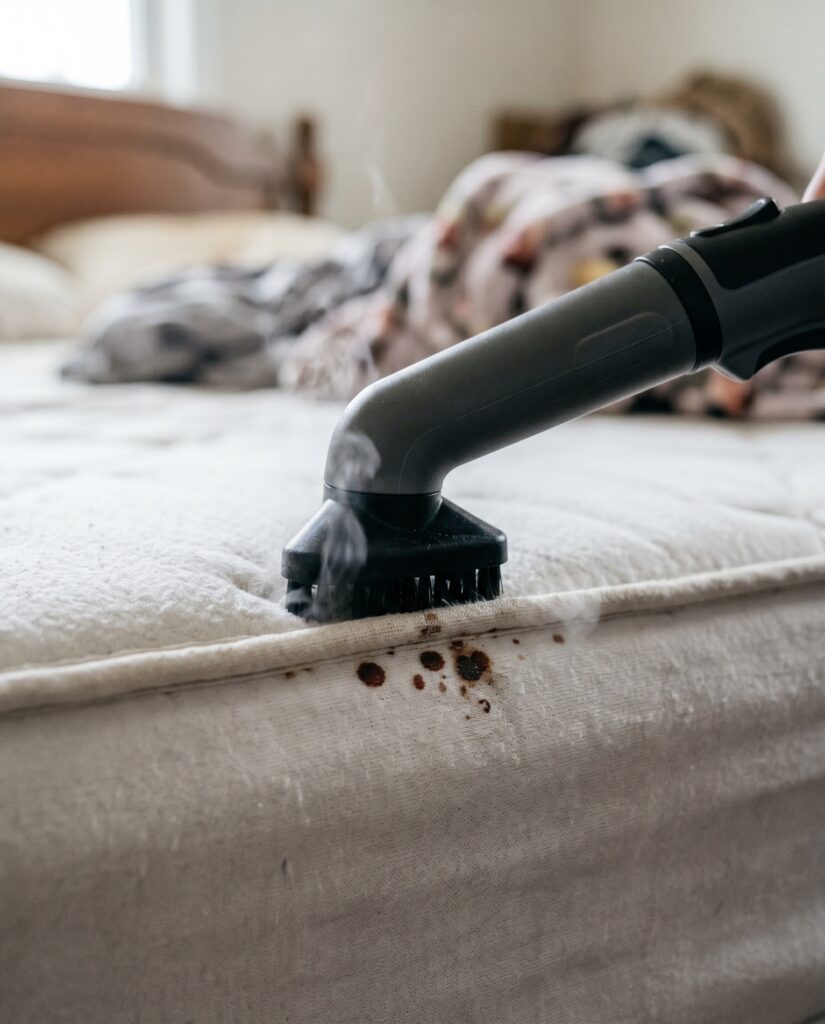
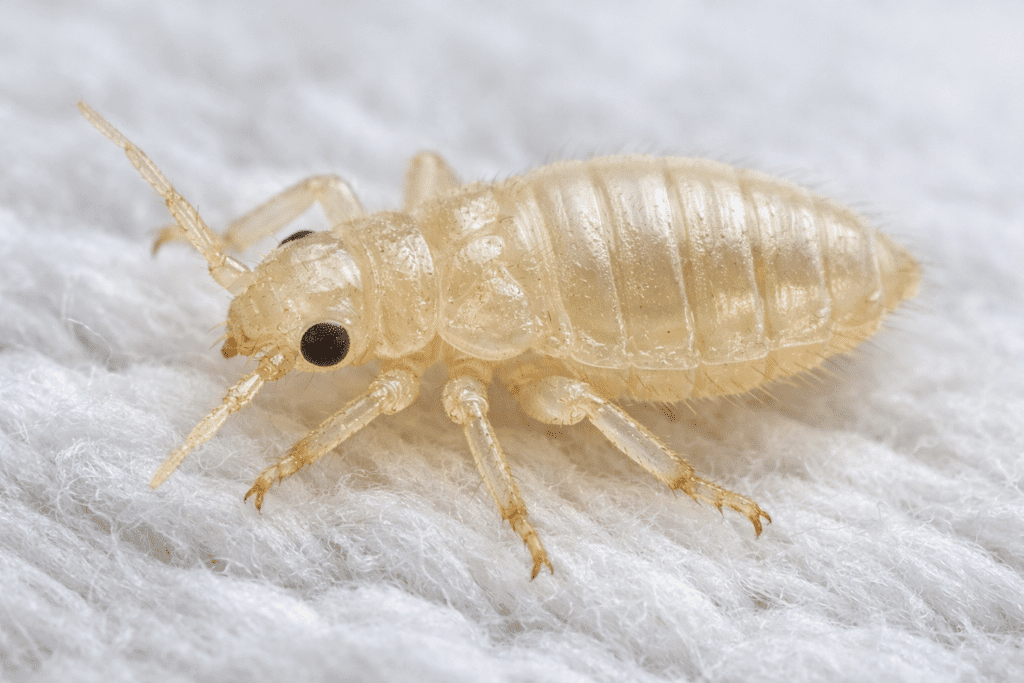
Visible signs of bed bugs are much more direct than with dust mites. Besides the bites themselves, you might find small blood spots on sheets (from crushed bugs or feeding droplets), dark, rust-colored fecal spots on bedding or furniture, and tiny, pale yellow shed skins (exoskeletons) near their hiding spots. In heavy infestations, a sweet, musty odor from their scent glands may also be noticeable. For a more detailed guide on what to look for, check out our article on Signs of Bed Bugs: How to Identify an Infestation.
Identifying Bites and Allergy Symptoms
One of the most common reasons people confuse dust mites vs bed bugs is the presence of itchy skin. However, the nature of the irritation, its appearance, and accompanying symptoms are vastly different, providing clear clues for proper identification.
Dust Mite Allergy Symptoms
Dust mites do not bite. Any skin irritation or itching related to dust mites is an allergic reaction to the proteins in their waste and body fragments. These allergens can trigger a range of symptoms, primarily affecting the respiratory system and skin:
- Allergic Rhinitis: Chronic sneezing, runny or stuffy nose, and itchy or watery eyes, often worse at night or immediately after waking up. Symptoms may also flare up during activities that disturb dust, such as cleaning or vacuuming.
- Asthma Flares: For individuals with asthma, dust mite exposure can lead to wheezing, chest tightness, shortness of breath, and nighttime coughing.
- Eczema: People with atopic dermatitis (eczema) may experience flare-ups of itchy rashes, particularly on the face, neck, and in skin folds. The itching is generally diffuse and not localized to distinct "bites."
If you experience these symptoms, especially if they worsen in dusty environments or after spending time in bed, but you see no visible insects or distinct bite marks, dust mite allergy is a strong possibility. Diagnosis is often confirmed through medical evaluation, including skin prick tests or specific IgE blood tests for dust mite allergens, as explained by allergy specialists.
Bed Bug Bites and Other Signs
Bed bug bites are the direct result of their blood-feeding. They are typically:
- Red, itchy welts: These can range from small, flat red spots to larger, raised, inflamed lesions.
- Patterned: Often appear in lines, clusters, or zigzag patterns on exposed skin, such as arms, legs, neck, and face. This "breakfast, lunch, and dinner" pattern is a classic indicator.
- Timing: Bites usually appear in the morning after sleeping. Reactions can vary significantly among individuals; some may have no reaction, while others develop severe itching and large welts.
- Location: Most commonly found on areas of the body that are exposed during sleep.
Beyond the bites, bed bugs leave behind several physical signs that are crucial for identification:
- Blood stains: Small, reddish-brown spots on sheets, pillowcases, or mattresses, often from crushed bugs or tiny droplets of blood from feeding.
- Fecal spots: Dark, rust-colored or black spots, about the size of a period, found on bedding, mattress seams, bed frames, walls, or furniture. These are digested blood excretions.
- Shed skins (exoskeletons): Translucent, yellowish-brown casings left behind as nymphs grow and molt. These are often found near their hiding spots.
- Eggs: Tiny (about 1 mm), pearly white, oval-shaped eggs, often found in clusters in crevices. To learn more about these early life stages, read our guide on What Do Baby Bed Bugs (Nymphs) Look Like?.
- Musty odor: In heavy infestations, a distinct sweet, musty odor may be present, emitted from their scent glands.
If you suspect bed bugs, a thorough inspection of your sleeping area is essential. Our article, How to Check for Bed Bugs, provides detailed steps for inspection. If you're experiencing symptoms, our Bed Bug Bites: Symptoms, Treatment & Prevention guide offers further insights.
Control and Prevention Strategies
Effective control for dust mites vs bed bugs requires vastly different approaches due to their distinct biology and impact on human health. While some measures, like encasing mattresses, might offer partial benefits for both, a targeted strategy is essential for lasting relief.
Managing Dust Mite Allergens
Since dust mites cause allergic reactions, the goal of control is allergen reduction. This involves creating an environment where dust mites cannot thrive and minimizing exposure to their allergens:
- Humidity Control: Dust mites cannot survive when relative humidity is consistently below 50%. Using dehumidifiers and air conditioning, especially in humid climates, can significantly reduce mite populations. The Environmental Protection Agency (EPA) emphasizes the importance of humidity control for indoor air quality.
- Bedding and Textiles:
- Encasements: Use dust-mite-proof covers on mattresses and pillows. These zippered covers create a barrier, preventing mites from colonizing bedding and trapping existing allergens.
- Hot Water Washing: Wash all bedding (sheets, pillowcases, duvet covers) weekly in hot water, targeting temperatures of 120–130°F (49–54°C). Drying on high heat further helps kill mites.
- Cleaning Practices:
- HEPA Vacuuming: Regularly vacuum carpets, mattresses, and upholstered furniture using a vacuum cleaner equipped with a HEPA filter. This traps microscopic allergens rather than recirculating them.
- Damp Dusting: Dust surfaces with a damp cloth instead of a dry duster to prevent stirring allergens into the air.
- Minimize Carpeting: Consider removing wall-to-wall carpeting, especially in bedrooms, and replacing it with hard-surface flooring that is easier to clean.
- Other Measures: Wash curtains and soft toys regularly in hot water. For items that cannot be washed, freezing them in sealed plastic bags for 24 hours or more can also kill mites. Reducing clutter helps limit areas where dust and dander can accumulate.
Eliminating Bed Bug Infestations
Controlling bed bugs is about eradication—finding and eliminating all live bugs and their eggs. This is often a multi-pronged approach and can be challenging without professional help:
- Thorough Inspection: Regularly inspect your mattress, bed frame, headboard, and nearby furniture for signs of bed bugs. Use a bright flashlight and magnifying glass to check seams, crevices, and cracks. The University of Florida Entomology Department provides comprehensive guides on inspection.
- Non-Chemical Control:
- Heat Treatment: Launder all infested bedding, clothing, and washable items in hot water and dry them on the highest heat setting for at least 30 minutes. Bed bugs die at sustained temperatures around 119°F (48.3°C). After treatment, seal items in plastic bags until the infestation is resolved.
- Mattress Encasements: Use bed bug-proof encasements on mattresses and box springs. These trap any existing bugs inside and prevent new ones from hiding in the mattress.
- Vacuuming: Vacuum frequently around the bed and other suspect areas, paying close attention to cracks and crevices. Immediately dispose of the vacuum bag in a sealed outdoor trash can.
- Reduce Hiding Spots: Seal cracks and crevices in walls and baseboards, tighten loose wallpaper, and reduce clutter to minimize bed bug harborage areas.
- Chemical Control and Professional Help:
- DIY Products: While some over-the-counter insecticides, insect growth regulators, and dust formulations are available, they require careful, targeted application in cracks and crevices. Bed bugs are notoriously difficult to eliminate due to their ability to hide and increasing insecticide resistance.
- Professional Pest Control: For moderate to heavy infestations, professional pest control is almost always recommended. Professionals have access to stronger, more effective treatments, including whole-room heat treatments (which raise room temperatures to lethal levels for bed bugs) and targeted chemical applications. The EPA's integrated pest management guide emphasizes the importance of a comprehensive approach, often best executed by professionals.
- Prevention:
- Travel Smart: When traveling, inspect hotel beds and headboards. Keep luggage off the floor and bed. Inspect and launder all clothing upon returning home.
- Used Furniture: Be cautious when bringing used furniture, especially mattresses or upholstered items, into your home. Always inspect them thoroughly and consider professional treatment if necessary.
For a comparison with another common biting pest, explore our article on Fleas vs Bed Bugs: How to Tell Them Apart.
Common Misconceptions Debunked
Many people hold misconceptions about dust mites vs bed bugs, which can lead to misdiagnosis and ineffective control efforts. Let's clarify some common myths.
Myth: Dust Mites Bite Like Bed Bugs
Fact: Dust mites do not bite or feed on blood. Any skin irritation or itching associated with dust mites is an allergic reaction to the proteins in their waste and body fragments, not from direct bites. These reactions can manifest as general itchiness, eczema flare-ups, or hives, but they won't present as distinct, patterned welts characteristic of insect bites. Visible, localized bite-like welts, especially in rows or clusters, are far more consistent with bed bug bites or other biting insects.
Myth: If I Can’t See Anything in My Bed, It Must Be Dust Mites
Fact: While dust mites are indeed invisible without magnification, it's a mistake to assume that all invisible causes of irritation are dust mites. Early or small bed bug infestations can also be incredibly difficult to spot, even for a trained eye, especially if you don't know exactly where to look. Bed bugs are masters of hiding in tiny crevices. The key to differentiation lies in the symptoms and signs: allergic reactions (sneezing, asthma, diffuse itching) point to dust mites, whereas distinct bite patterns, blood spots, and fecal stains point to bed bugs, even if you haven't seen the bugs themselves yet.
Myth: Both Spread Diseases
Fact: Current scientific evidence indicates that neither dust mites nor bed bugs are known to transmit infectious diseases to humans under natural conditions. This is a crucial distinction. Dust mites are a major risk factor for allergic diseases like asthma and allergic rhinitis, significantly impacting respiratory health and quality of life. Bed bugs, while not disease vectors, cause itchy bites, skin irritation, and can lead to significant psychological distress, anxiety, and insomnia. Their impact on health is primarily through allergic reactions to their bites and the mental burden of an infestation, not through pathogen transmission.

Conclusion
Distinguishing between dust mites vs bed bugs is essential for addressing your household pest concerns effectively. Remember, dust mites are microscopic allergens that cause respiratory and skin reactions, thriving in humid, dusty environments. Bed bugs, on the other hand, are visible blood-feeding insects that leave distinct bite marks and physical evidence like fecal spots and shed skins.
If you're experiencing allergy-like symptoms, focusing on humidity control, frequent hot-water washing of bedding, and HEPA vacuuming will be your best defense against dust mites. If you suspect bed bugs due to visible bites or signs, a thorough inspection and, often, professional pest control intervention will be necessary for complete eradication. By understanding these key differences, you can take targeted action to ensure a healthier, more comfortable living space.
For more in-depth information, explore our comprehensive guides on Signs of Bed Bugs: How to Identify an Infestation and Bed Bug Bites: Symptoms, Treatment & Prevention.
Recommended Products
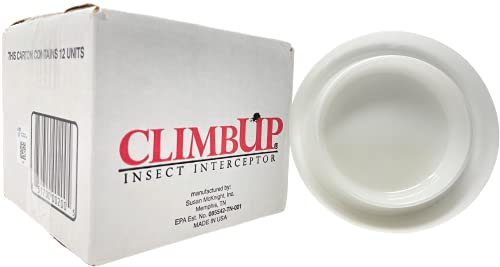
These interceptor traps are crucial for identifying the presence of bed bugs, a key distinction from dust mites. They help confirm an infestation by trapping bed bugs as they try to climb onto or off the bed.
- Very effective at detecting and passively trapping bed bugs moving to and from beds and other furniture
- Easy to use by simply placing under furniture legs, with no pesticides or chemicals involved
- Widely recommended by pest control resources as an inexpensive, reliable early‑warning and monitoring tool
- Requires regular inspection, cleaning, and reapplication of talc to maintain effectiveness
- Does not eliminate infestations on its own and must be used alongside other bed bug control methods
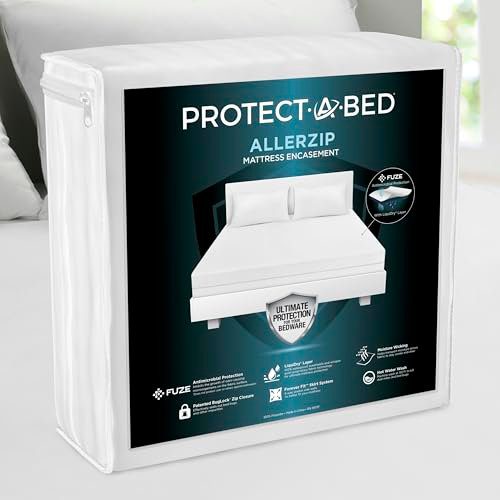
This mattress encasement offers a dual solution: it's certified allergen-proof, helping to reduce dust mite populations and their allergens, and it's also bed bug proof, preventing infestations and aiding in the detection of existing bed bugs by trapping them.
- Provides reliable 6‑sided, fully zippered protection that is genuinely bed bug‑proof and dust‑mite‑proof when installed correctly
- Effective waterproofing that protects the mattress from spills, accidents, and stains while remaining reasonably breathable and not overly hot
- Generally viewed as high quality and durable, with smooth polyester knit fabric that fits well on standard queen mattresses in the 11"–18" range
- Fit can be somewhat loose or baggy on some queen mattresses, especially thinner ones within the stated height range
- Some reports of the fabric (especially on box spring versions) being prone to tearing or feeling less sturdy than expected during installation or heavy use
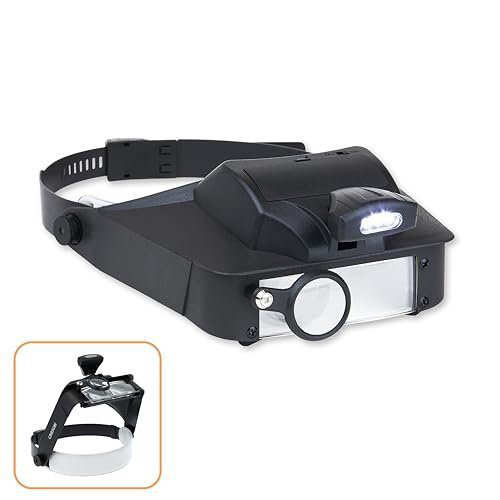
While adult bed bugs are visible, a magnifier is invaluable for inspecting tiny signs like fecal spots, shed skins, eggs, or nymphs, which are crucial for confirming a bed bug infestation and differentiating them from other small specks.
- Versatile magnification options (2x, 3x, 5x, 6x) that users find very helpful for close work like soldering, jewelry making, and model building
- Bright, adjustable LED lighting that improves visibility and reduces the need for external lamps
- Comfortable, lightweight, fully adjustable headband that can be worn for extended periods, even over eyeglasses
- Some users report that the hinge or clamp mechanism does not hold the visor angle securely and can loosen or slip during use
- A number of reviewers feel the plastic build and lens materials are somewhat flimsy or prone to scratching compared with higher‑end optivisors
As an Amazon Associate, I earn from qualifying purchases. Product recommendations are based on real reviews and independent research.
Pingback: What Causes Bed Bugs? How Infestations Start
Pingback: Bed Bug Bites vs Flea Bites vs Mosquito Bites
Pingback: Tiny Bugs in the Bedroom That Are Not Bed Bugs