If you are buying a bug zapper to clear mosquitoes off the patio, save your money, because that is the one job it does not do. A zapper kills the nuisance flyers drawn to its UV light, so it earns a place against moths, midges, and the soft-bodied bugs that swarm a porch light, but mosquitoes track your breath and body heat, not light, so they mostly ignore it. The honest first move costs nothing: dump standing water and put on repellent before you go out. For our own deck we keep a zapper running for the moth swarm and a bottle of repellent by the door, and we never expect the zapper to stop a single bite. Most lists rank a zapper as a mosquito fix; that is the claim to skip, and the rest of this guide shows why.
A bug zapper is a niche patio tool for nuisance flyers like moths and midges, but it does not control mosquitoes, which track breath and body heat rather than UV light, so use repellent and source reduction for biting pests instead.
- Do first (free): Dump standing water around the yard and apply an EPA-registered repellent before you head outside.
- Best for the common case: A zapper only for nuisance flying insects on a patio, never as your mosquito plan.
- Skip: Any zapper bought to stop mosquitoes; the catch is mostly harmless and beneficial insects.
What to do first
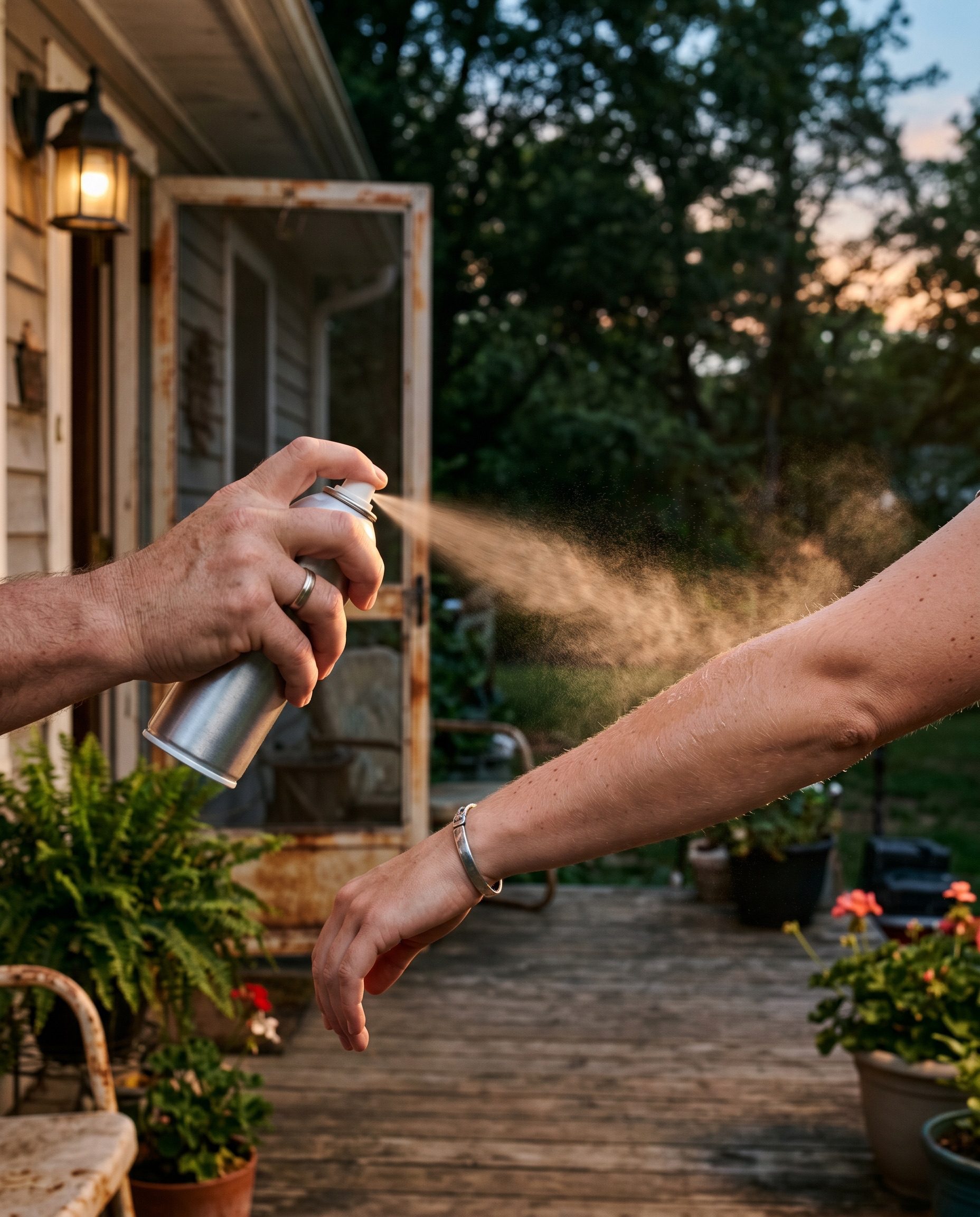
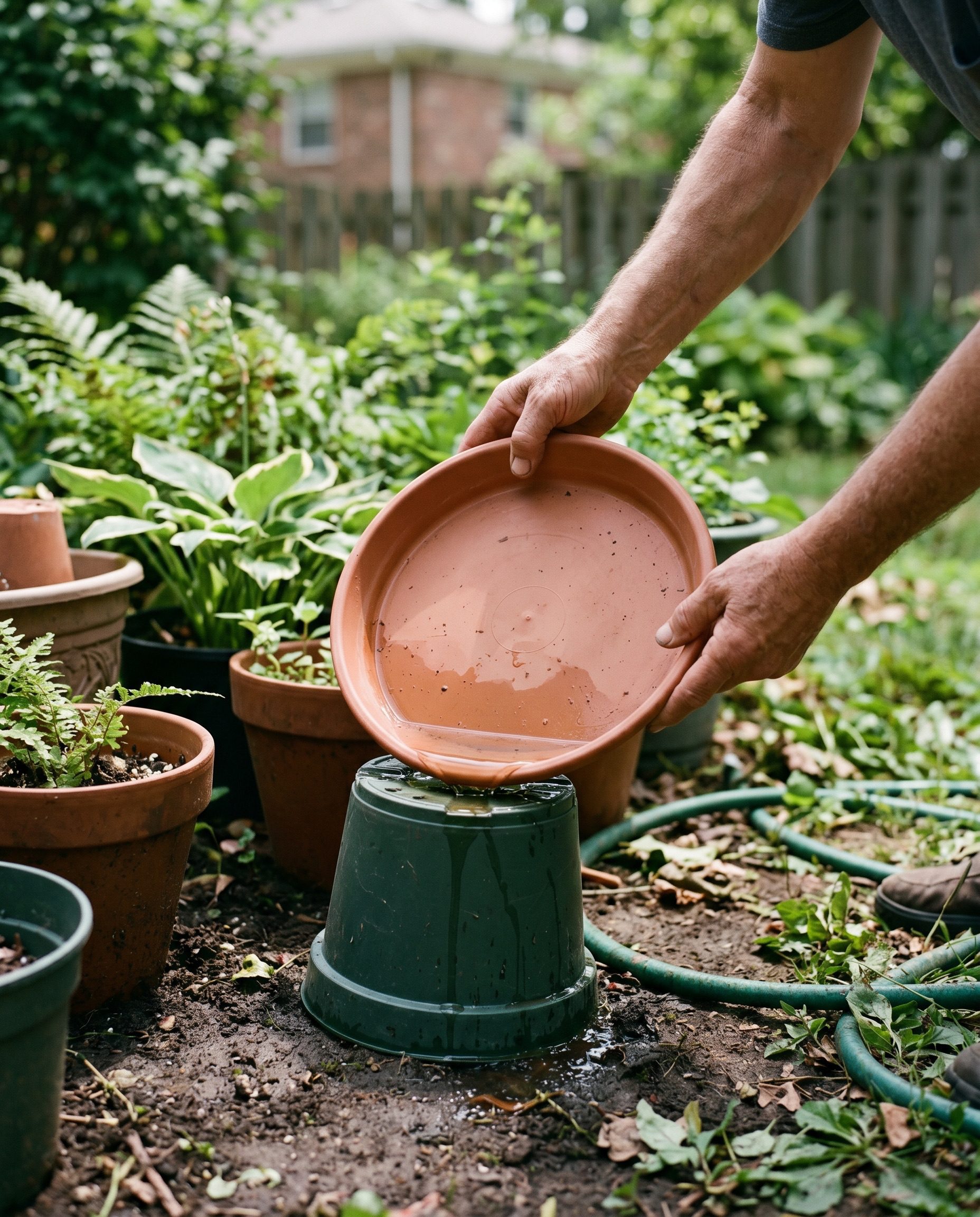
Before a single device goes on the deck, do the free part, because it does more against bites than any gadget. Walk the yard once a week and tip out anything holding water: saucers under flowerpots, a forgotten bucket, a clogged gutter, a kiddie pool, the dip in a tarp. Mosquitoes breed in days in a capful of standing water, so draining it where they breed is the highest-leverage move you can make. The CDC’s mosquito prevention guidance leads with exactly this, dump standing water and use an EPA-registered repellent on skin, and it does not list zappers as a control method at all. That ordering is the whole point of the EPA’s integrated pest management principles: prevent and remove the source first, reach for a targeted tool only after.
Then set the realistic expectation. A zapper is a comfort device for nuisance flyers, not a control device for biters. If the goal is fewer bites, the free source reduction plus repellent is the plan; the zapper is optional patio ambiance on top. Our explainer on whether bug zappers work on mosquitoes walks through the evidence in more detail.
Why a zapper misses mosquitoes
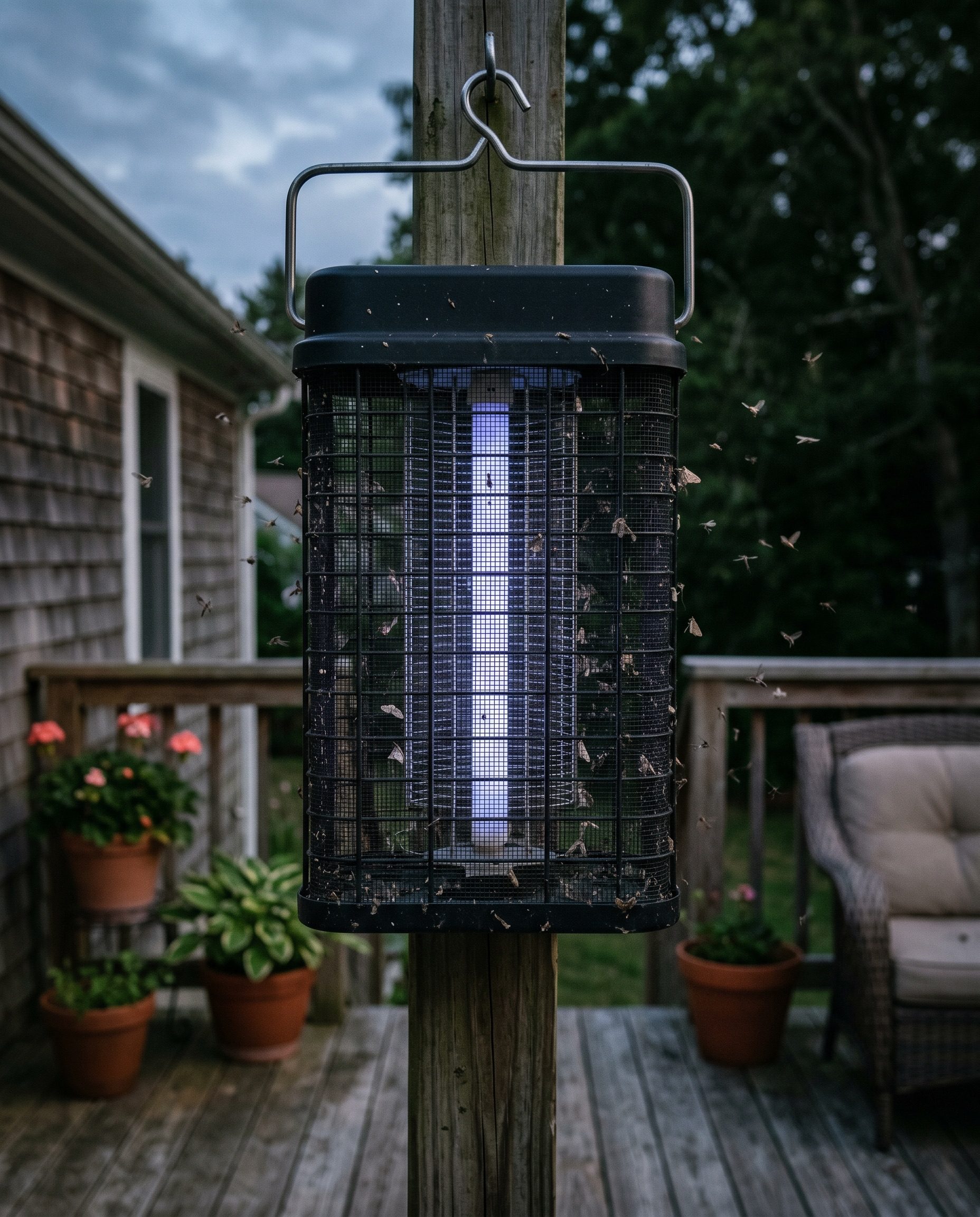
Here is the part most “best zapper for mosquitoes” lists quietly skip. A zapper works by glowing in the ultraviolet range and electrocuting whatever flies into the grid, which is fine for insects that navigate toward light. Mosquitoes do not hunt by light; they hunt you. They home in on the carbon dioxide in your breath, your body heat, and your skin scent, which is why a person two feet from a glowing zapper still gets bitten while moths pile up on the grid. The CDC’s guidance is built around that biology, which is why it points to repellent and source reduction rather than a light trap.
There is a second cost worth naming. Independent testing and extension and public-health guidance have long found that the overwhelming share of what a zapper kills is harmless or beneficial, the moths, midges, beetles, and parasitic wasps drawn to UV, with biting mosquitoes a tiny fraction of the catch. You are mostly electrocuting the good bugs and the neutral ones, not the ones biting you. That is the opposite of targeted control. The least-toxic, most-targeted approach in the UC IPM definition of integrated pest management is to act on the pest you actually have, which for biting season means repellent and drained water, not a broadcast light that pulls in everything with wings. While we are clearing out the gadget aisle: skip the ultrasonic plug-in pest repellers too, since independent testing and extension guidance find no reliable effect from them either.
What a zapper is actually for
So when does a zapper earn its place? When your problem is nuisance flying insects, not bites. If your porch light pulls in a nightly swarm of moths, or midges cloud the patio at dusk, a zapper genuinely thins that crowd and makes sitting outside more pleasant. Match the unit to where and how you sit, not to the biggest coverage number on the box.
| Tool | Best for | Watch-out |
|---|---|---|
| Outdoor UV zapper | Nuisance flyers on a patio or large yard | Does not control mosquitoes; kills beneficial insects too |
| Skin repellent (DEET/picaridin/OLE) | Actually stopping bites on people | Follow the label; reapply; pair with permethrin clothing for ticks |
| Source reduction | Cutting the mosquito population at the breeding site | Weekly habit, not a one-time fix |
The table makes the division of labor plain. The zapper handles the moth-and-midge nuisance, the repellent handles bites, and the weekly water dump handles the breeding. Buying a zapper and expecting it to do all three is where people waste money. Place the zapper away from where you sit, not next to you, so it draws flyers toward the grid and away from your chair, and never use it as the reason to skip repellent.
Where to put one and what else to run
If you do run a zapper, placement matters. Hang it a good distance from your seating, ideally 20 to 40 feet away and a little upwind, so it pulls nuisance insects toward the light and away from people rather than concentrating bugs at the table. Keep it clear of doorways and food, run it at dusk when the flyers are active, and clean the grid when it cakes up so it keeps drawing well. The label that ships with the unit covers any electrical and placement specifics, and for the broader logic of choosing proven, targeted methods over broadcast gadgets, the EPA’s safe pest control guidance is the reference to follow.
The bites themselves are the repellent’s job. Apply an EPA-registered repellent with DEET, picaridin, or oil of lemon eucalyptus to exposed skin before you go out, follow the label for how often to reapply, and pair it with permethrin-treated clothing if ticks or chiggers are a concern in your area. Our guide to the best insect repellents covers the active ingredients worth using. None of this competes with the zapper; it just does the job the zapper cannot.
The picks
Cards come after the analysis on purpose, because the honest answer is that a zapper is a niche patio tool, not a mosquito solution. These three are common, widely available units sorted by where you would run them, and every one of them is for nuisance flyers only.
InsectoGuide is reader-supported. As an Amazon Associate we earn from qualifying purchases at no extra cost to you.
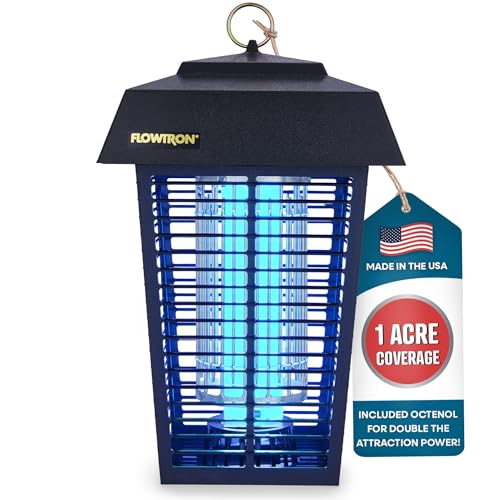
A high-coverage outdoor unit for thinning nuisance flyers across a big yard.
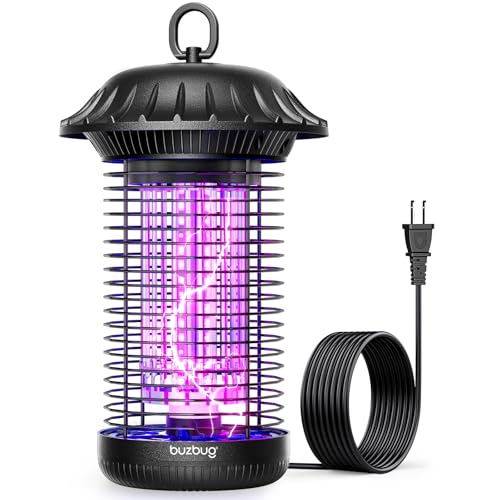
An LED unit for patios and enclosed porches with nuisance flying insects.
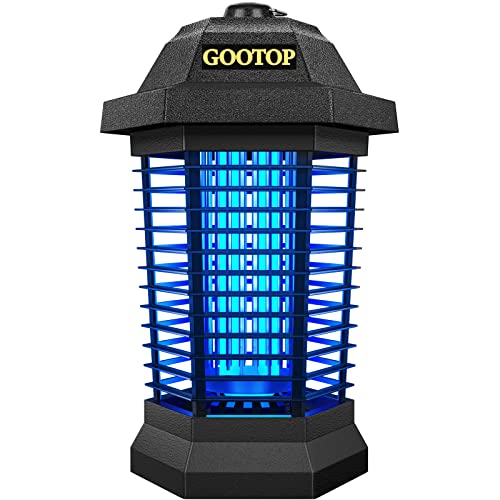
A cheap plug-in for porches and garages with moths and nuisance flyers.
Common questions
Do bug zappers kill mosquitoes?
Barely. Mosquitoes find you by carbon dioxide, heat, and scent, not by UV light, so they mostly ignore the glow. The CDC’s prevention guidance leans on repellent and draining standing water, not light traps, because those are what actually reduce bites.
What do zappers actually catch, then?
Mostly nuisance and beneficial insects, moths, midges, beetles, and small flies drawn to UV. Independent testing and extension guidance find biting mosquitoes make up only a tiny share of the catch, which is why a zapper is a comfort tool for flyers, not a control tool for biters.
Where should I place a bug zapper?
Away from where you sit, roughly 20 to 40 feet off and a little upwind, so it draws insects toward the grid and away from your chair. Keep it clear of doorways and food, run it at dusk, and clean the grid when it cakes up.
Do ultrasonic plug-in repellers work better?
No. Independent testing and extension and public-health guidance find no reliable effect from ultrasonic repellers. Skip them and lean on proven integrated pest management instead: source reduction, exclusion, and EPA-registered repellents.
What actually stops mosquito bites on my patio?
Drain standing water weekly to cut the breeding sites, then use an EPA-registered repellent with DEET, picaridin, or oil of lemon eucalyptus on skin, reapplying per the label. Pair repellent with permethrin-treated clothing if ticks or chiggers are around.
Final verdict
A bug zapper is a narrow tool, and any list that ranks one as a mosquito fix is selling you the wrong job. It earns its keep against nuisance flyers, the moths and midges that swarm a patio light, and nothing more, because mosquitoes track your breath and body heat rather than UV and the zapper’s catch is mostly harmless and beneficial insects. Do the free part first: dump standing water weekly and put on an EPA-registered repellent before you go out. Run a zapper only if a moth swarm is bugging you, place it well away from your seating, and never treat it as your bite plan. For biting pests, lean on repellent and source reduction, not the glow.
Reviewed by Daniel Brooks, licensed pest control professional, focused on safe and effective control.