A sticky glue board is the most honest pest tool you own, because it does not repel, poison, or promise miracles, it simply catches whatever walks across it. That makes it two things at once: a control for a light infestation and the best monitor you have for what is really in your home. Laid flat along walls and in the corners where insects travel, glue boards catch roaches, spiders, crickets, and more, and they show you where the activity is so you can target the source. The short answer: place boards tonight to learn what you have and where, then seal the gaps and clean up the food and moisture that drew the bugs in, because a board catches what is present now and cannot stop the supply. In our own basement and pantry we keep a small stack of plain boards on hand, nothing fancier. Most lists rank a plug-in gadget at the top; that is the one to skip, and the comparison below shows why.
Use a flat glue board as both a catch for light infestations and a monitor that tells you what is in your home and where it travels, then seal and clean to stop the supply, because a board catches what is present now and nothing more.
- Do first (free): Place boards flat against walls and in corners to see what you have, then seal entry gaps and clean up food and moisture.
- Best for the common case: A plain pesticide-free glue board for roaches, spiders, crickets, and other crawlers indoors.
- Skip: Ultrasonic plug-in repellers; independent testing and extension guidance find no reliable effect.
What to do first
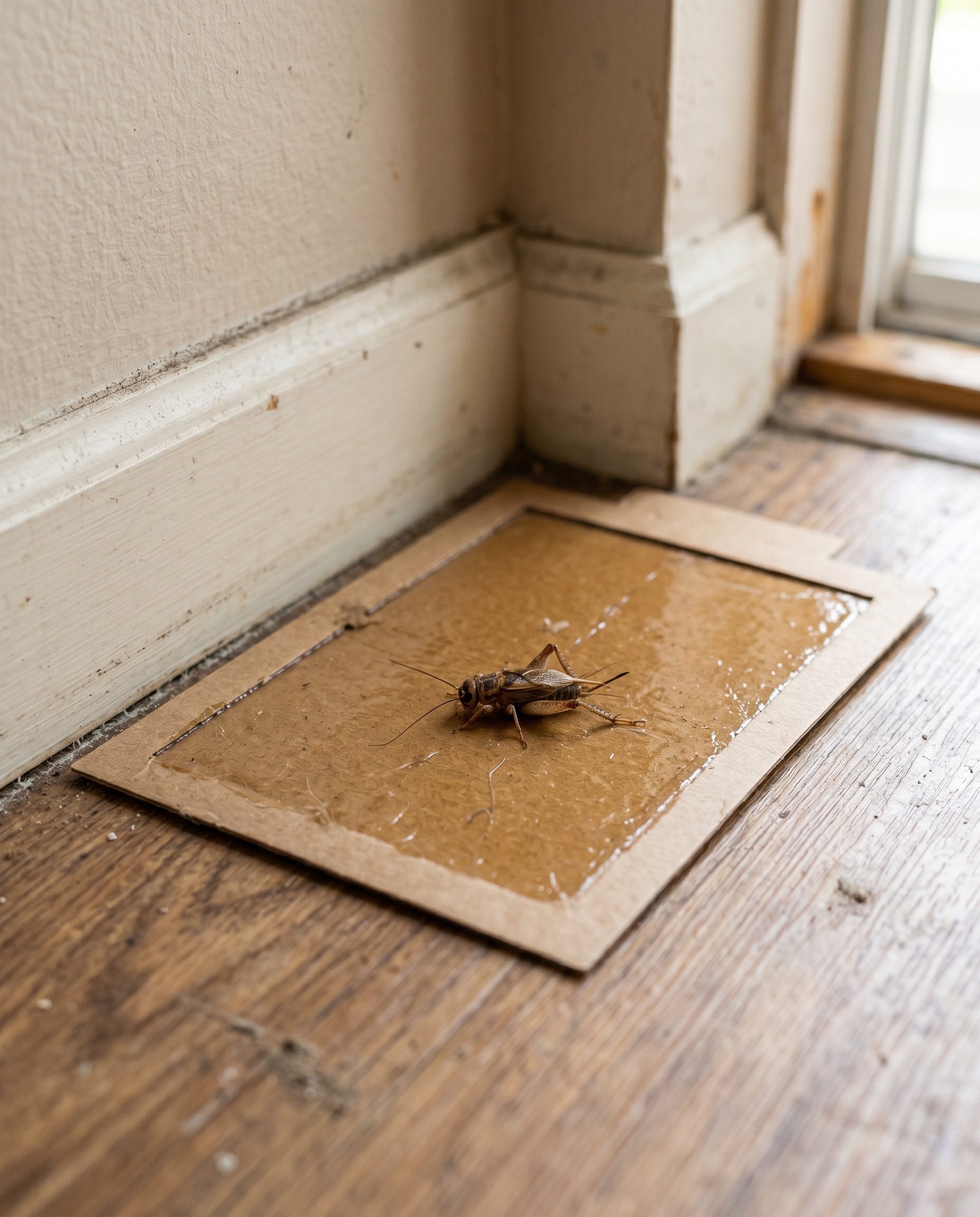
Before you buy anything, do the free part, because a board tells you the truth but it cannot fix the conditions that brought the bugs in. Set a few plain glue boards flat against the wall in the rooms where you have seen activity, leave them a couple of nights, and read what they catch. A handful of crickets near a basement door, a roach by the dishwasher, a spider in a closet corner each point you to a different source. Once you know where the traffic is, seal the gaps and clean up the food and moisture that feed it: caulk cracks around pipes and baseboards, fix a dripping trap under the sink, and store food in sealed containers. This prevention-first order is exactly what the EPA’s integrated pest management principles call for, putting exclusion and sanitation ahead of any product. A board is worth its few dollars once you treat it as the eyes of that plan, not the whole plan.
Why a glue board beats the gadgets
Here is the part most “top trap” lists skip. A glue board has no moving parts, no chemistry, and no marketing claim it cannot keep, which is the opposite of the plug-in devices that get ranked first. Ultrasonic plug-in repellers do not control indoor insects, and that is not a brand opinion: independent testing and extension and public-health guidance have found no reliable effect, which is why our breakdown of whether ultrasonic pest repellers work lands where it does. Spend the money on something that actually catches a bug instead of something that hums in the outlet.
The honest framing of least-toxic, targeted control in the UC IPM guidance on what IPM is is the case for the board: monitor first, act on what you find, and reach for the least disruptive tool that does the job. A glue board is about as least-toxic as control gets, since the only thing it puts in your home is adhesive on cardboard. The one weakness to respect is that it catches only what is present right now, so a board that fills up fast is not a victory, it is a warning that the real problem is upstream. When a board keeps loading week after week despite sealing and cleaning, or you suspect a structural or termite issue, that is the point to bring in a licensed pest professional rather than buy more cardboard.
Covered box vs flat board
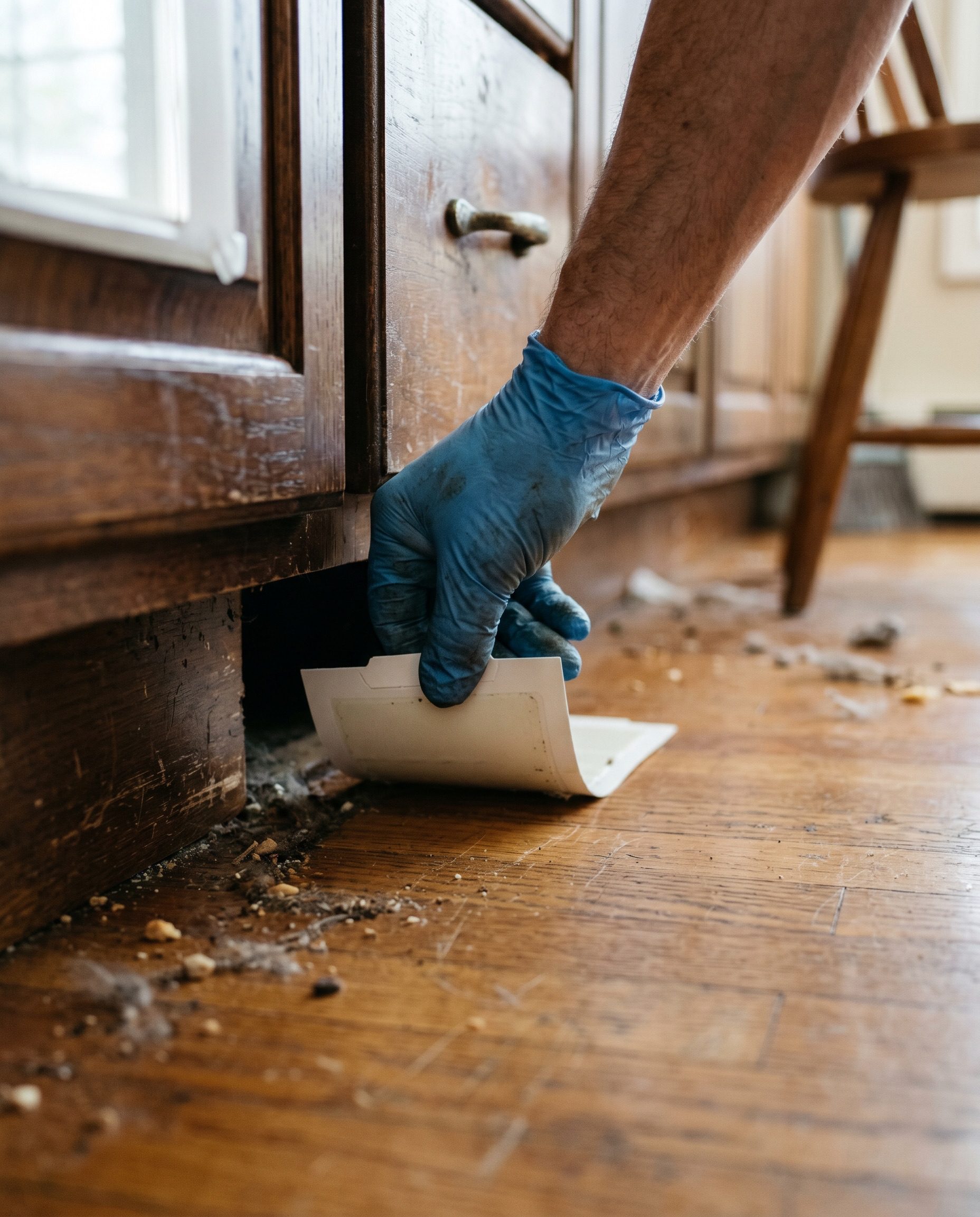
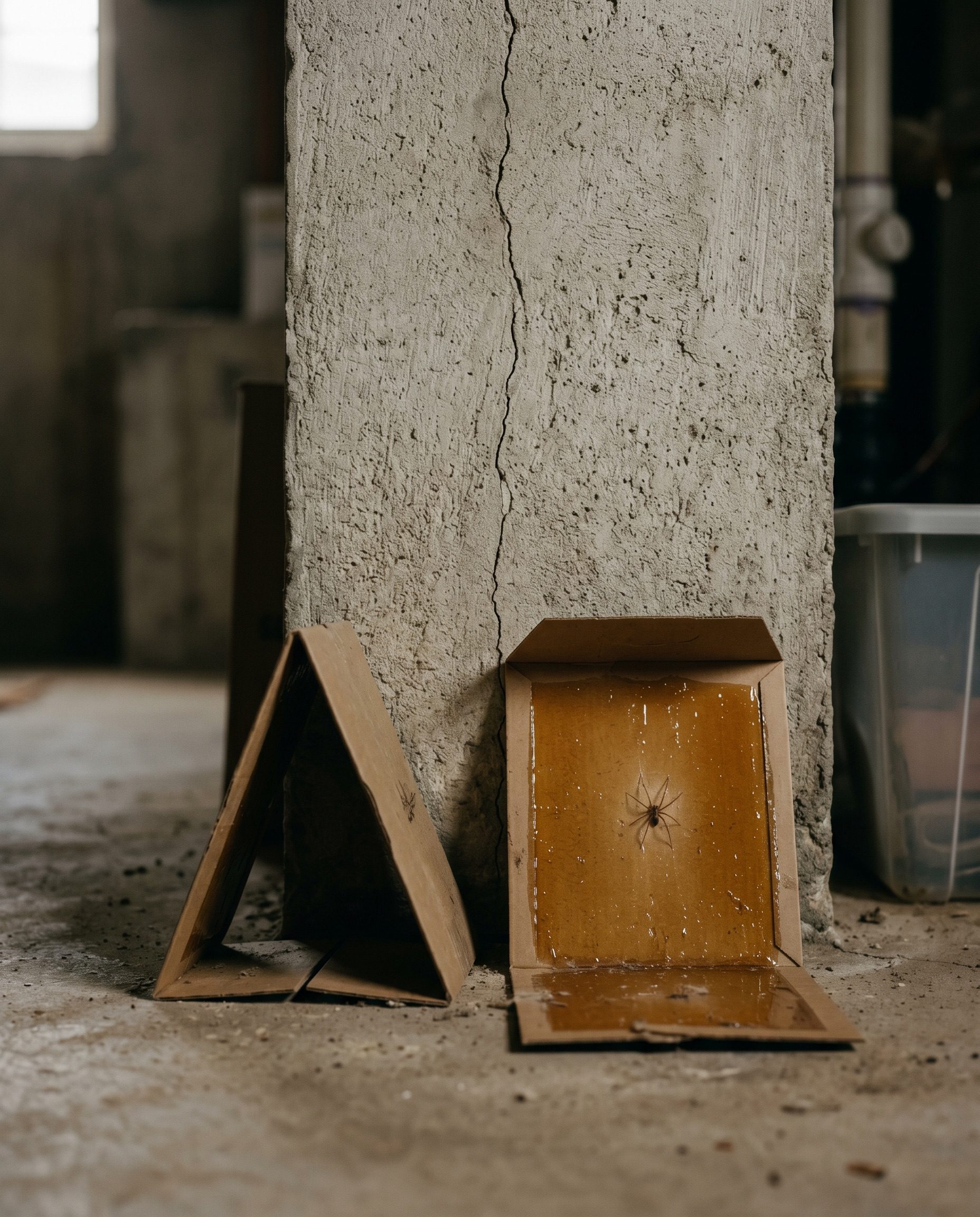
Once you know glue is the tool, the only real choice is the form. Decide by where you are placing it and who is around: an open flat board catches the most and reads the fastest, while a folded covered box keeps the sticky surface out of sight and out of reach of curious hands and pets.
| Trap form | Best for | Watch-out |
|---|---|---|
| Flat open glue board | Monitoring and catching the most in corners and along walls | Sticky side exposed; keep away from pets, kids, and dust |
| Folded covered box | Living areas where you want it discreet and shielded | Catches a touch less; you cannot read it at a glance |
| Seal and clean first | Every situation, before and alongside any board | Labor, not a one-time fix; the board only shows the supply |
Why not just blanket the house with boards and forget them? Because a glue board is a catch-what-walks-by tool, and its real value is the map it draws of your home’s pest traffic. A flat board in a corner tells you where to caulk and clean; a covered box in the den keeps the same catch tidy where a bare board would collect dust and little feet. Neither one poisons the supply, which is why the boards work hand in hand with the rest of an integrated plan. For the cracks and voids a board cannot reach, a thin dry dust like food-grade diatomaceous earth for pests covers the hidden runways, applied as a light layer and reapplied when it gets damp.
Where to place them
Placement is the whole game with glue boards, because insects walk the edges, not the open floor. Set each board flat and snug against the baseboard or wall, since crawlers travel where the floor meets a vertical surface, and tuck them into corners where two of those runways meet. Good spots are behind and beside the refrigerator and stove, under the sink, along the back of a pantry shelf, in closet corners, and near the foundation cracks and door gaps in a basement or garage. Check the boards every few days, and swap any that are full, dusty, or curling, because a tired board catches nothing and a clean one keeps reading. Keep boards out of foot traffic and away from pets and small children, and lift them before you mop so they stay dry, since moisture and grime kill the tack.
The boards are not a registered pesticide, so there are no mix rates or label restrictions to follow, but the EPA’s safe pest control guidance still applies to the bigger picture: lead with sanitation and exclusion, and treat any product as targeted support. If a stubborn spot keeps loading boards, that is your cue to look harder at the source nearby, not to stack more cardboard, and a perimeter or spot treatment from our guide to the best bug spray for the house can back up the boards where the activity is heaviest. Activity also runs seasonal, with crickets and spiders pushing indoors as nights cool in fall, so step up your monitoring then.
The picks
Cards come after the analysis on purpose, because where and how you are placing the board decides which one you buy. These three cover whole-home coverage, big or recurring jobs, and discreet catching in living areas, and all are common, widely available glue traps.
InsectoGuide is reader-supported. As an Amazon Associate we earn from qualifying purchases at no extra cost to you.
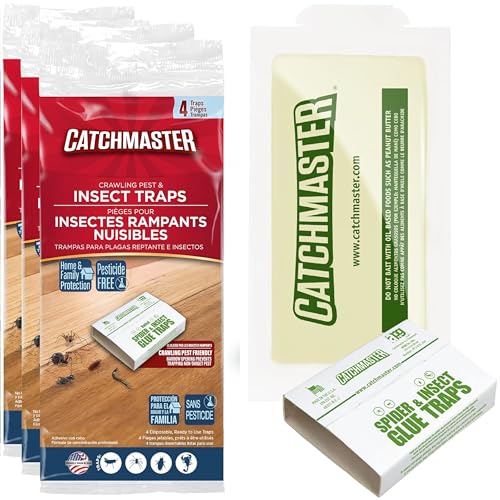
A pesticide-free flat board for catching crawlers and monitoring the whole home.
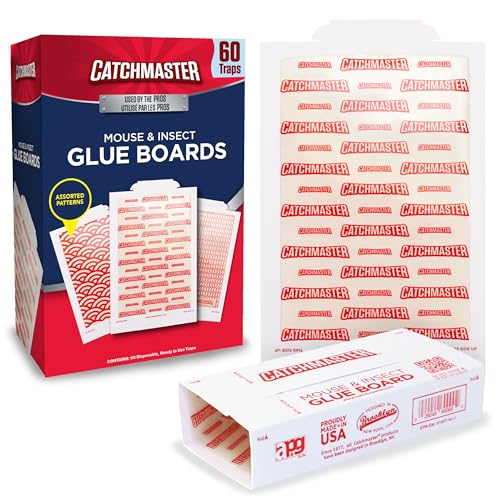
A big bulk pack for large or recurring jobs in garages, basements, and attics.
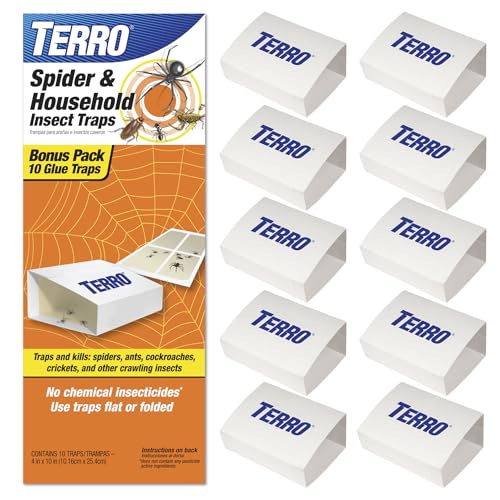
A folding trap for spiders and crawlers in living areas where you want it discreet.
Common questions
Do glue boards actually work on indoor insects?
Yes, for catching the crawlers that walk across them and for showing you where the activity is. A board cannot reach a bug that never crosses it, so it works best as a monitor and a light-infestation catch, paired with sealing and cleaning that cut off the supply.
Are glue traps safe around pets and kids?
The glue is non-toxic, but the sticky surface can grab fur, hair, and curious fingers. Use a folded covered box in living areas, place open boards where pets and small children do not reach, and lift any board a pet has touched rather than pulling.
How often should I replace a glue board?
Check every few days and swap any board that is full, dusty, curling, or has gone tacky from moisture. A grimy or dried-out board catches nothing, so a fresh one keeps your read on the room honest.
Do ultrasonic plug-in repellers work better than a trap?
No. Independent testing and extension and public-health guidance find no reliable effect from ultrasonic plug-ins, which is why the EPA points toward proven, targeted control. A few dollars of glue boards catch real insects; the gadget does not.
Where should I put boards for the most catches?
Flat against baseboards and in corners where two walls meet, plus behind appliances, under sinks, and along basement foundation lines. Insects travel the edges, so a board snug to the wall catches far more than one out in the open.
Final verdict
A glue board is the most honest tool in the house, because it makes no claim it cannot keep: it catches what walks across it and tells you where your home’s pest traffic runs. Place boards flat against walls and in corners first to learn what you have, then seal the gaps and clean up the food and moisture that drew the bugs in, because the board catches what is present now and cannot stop the supply. Reach for a plain pesticide-free board for whole-home monitoring and light catching, a bulk pack for big or recurring jobs in the garage or basement, and a folding covered trap where you want it discreet around the living room. Skip the ultrasonic plug-ins; they do not control insects, and the few dollars are better spent on cardboard that actually catches. Treat the board as the eyes of an integrated plan, never the whole answer.