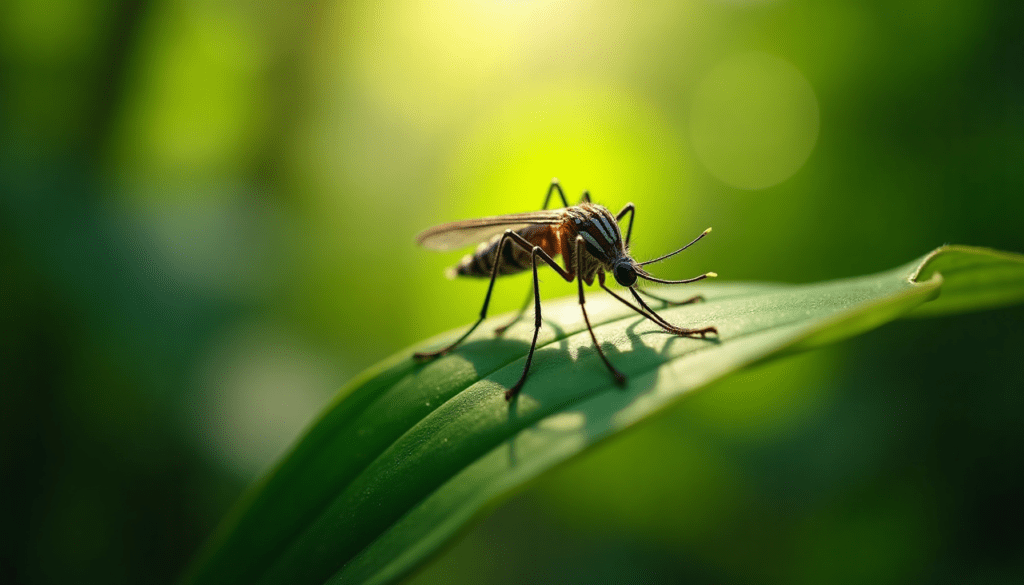
If you want the best bug spray for the house, there is no single can that wins, only the right spray for the job in front of you. A good indoor spray buys you a clean kill on the bugs you can see plus a residual band where they travel, but it is a tool inside a bigger plan, not the plan itself. The short answer: match a broadcast residual with a wand to baseboards and entry points, a fast contact spray to the roach on the counter, and a plant-based option to the kitchen, and treat the spray as the cleanup step after you cut off the food, moisture, and gaps that let the bugs in. In our own home we keep one wand residual and one contact can on hand, nothing more. Most lists crown one “best killer”; the comparison below sorts them by where each one actually earns its place.
Pick the spray by the job: a broadcast residual with a wand for baseboards and entry points, a fast contact spray for the bug on the counter, or a plant-based option for kitchens; none of them fixes the food, moisture, and gaps that brought the bugs in, so spray only after you cut those off.
- Do first (free): Clean up crumbs and standing water, take out trash, and seal the gaps and screens bugs use to get in.
- Match the job: A wand residual for baseboards, a contact spray for what is on the counter, a plant-based pick for kitchens.
- Skip: Ultrasonic plug-in repellers and total-release foggers; targeted treatment and exclusion beat both.
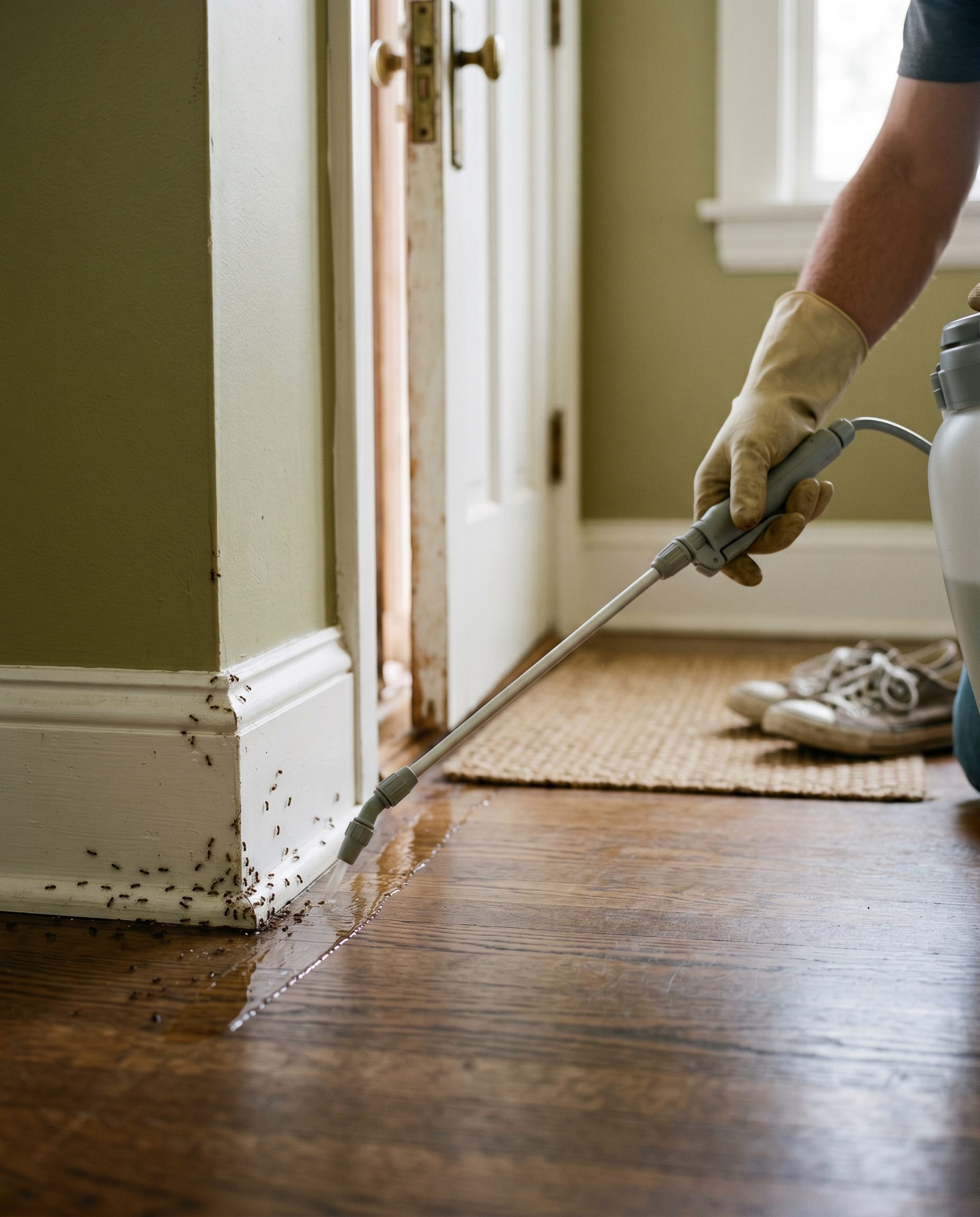
What to do first
Before any can comes off the shelf, do the free part, because a spray laid over a kitchen full of crumbs and a leaking trap is half wasted. Wipe down the counters, sweep up food debris, run the trash out, and fix the slow drip under the sink, because bugs come indoors chasing food and water, not the spray. The EPA’s safe pest control guidance is built on this order: take away what feeds and shelters the pest first, then use a targeted product only where you still need one. Sanitation does work that no spray can match, and it costs nothing but an afternoon.
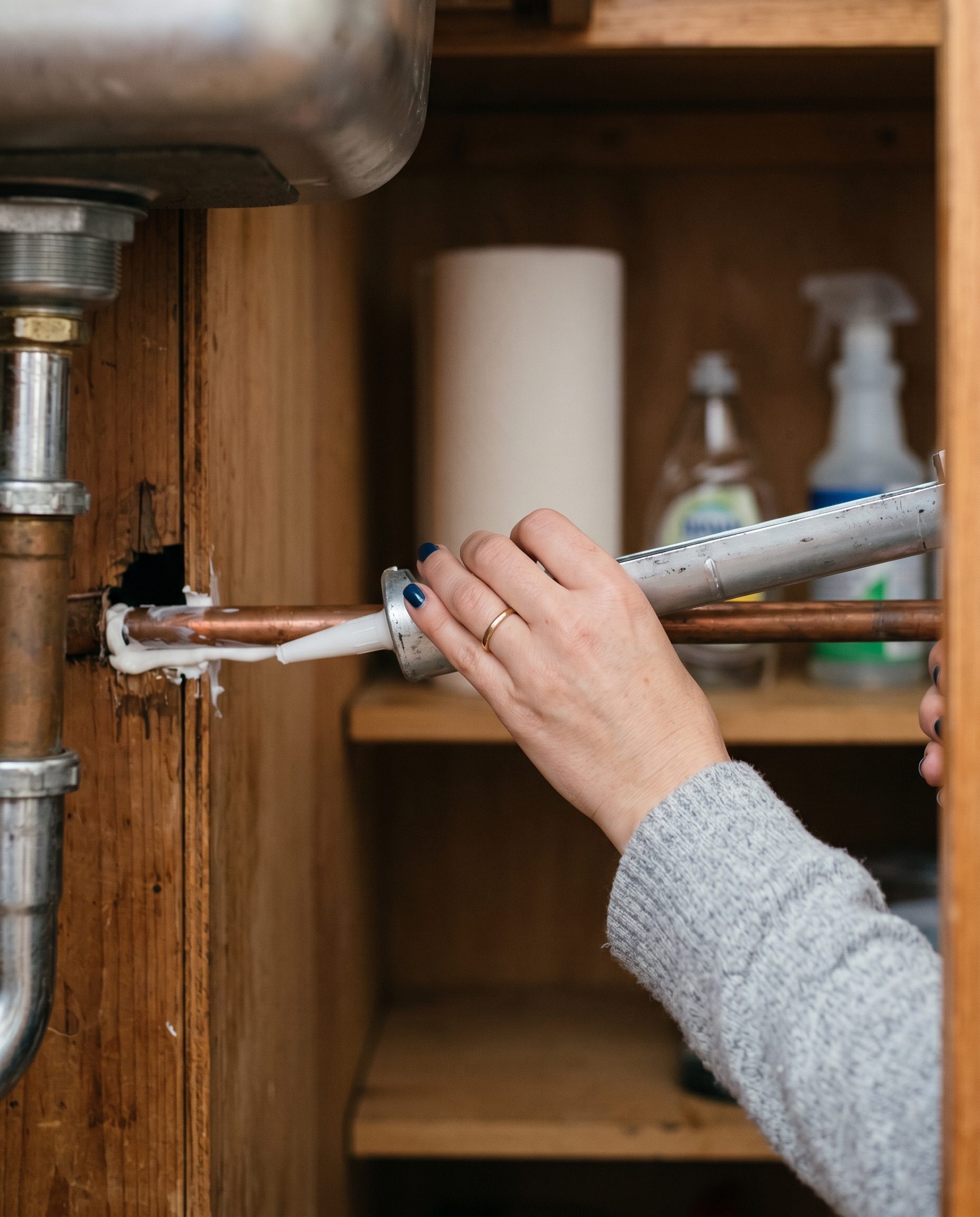
Then close the door behind them. Seal the finger-width gaps where pipes and wires enter, fix torn screens, and add a sweep to the door that shows daylight underneath, the entry points that let a steady line of ants or roaches keep coming. Our roundup of the best outdoor perimeter pest control covers the exterior side of that same job. A spray is worth buying once the kitchen is clean and the obvious gaps are shut, not as a stand-in for either.
Why repellers and foggers waste money
Here is the part most “top spray” lists skip. Two products people reach for first do the least for an indoor problem. Ultrasonic plug-in repellers are not supported by independent testing or extension and public-health guidance, which find no reliable effect on household insects, so the money is better spent on cleaning and caulk. If a device promises to drive bugs out with sound, treat that claim as theater, not a plan.
Total-release foggers, the bug bombs, fail for a different reason. The mist drifts down over open surfaces and misses the cracks, voids, and undersides where roaches and ants actually hide, so it coats your home in pesticide without reaching the bugs. The propellants are also flammable, and a bomb set off near a pilot light or gas appliance is a real fire and explosion risk. Our full breakdown of whether bug foggers and bombs are worth it walks through why targeted crack-and-crevice treatment and baits beat them, and the EPA’s integrated pest management principles make the same case for prevention and targeted control over broadcast gadgets. If a structural or heavy infestation is outrunning your effort, that is the point to call a licensed pest professional rather than buy a bigger can.
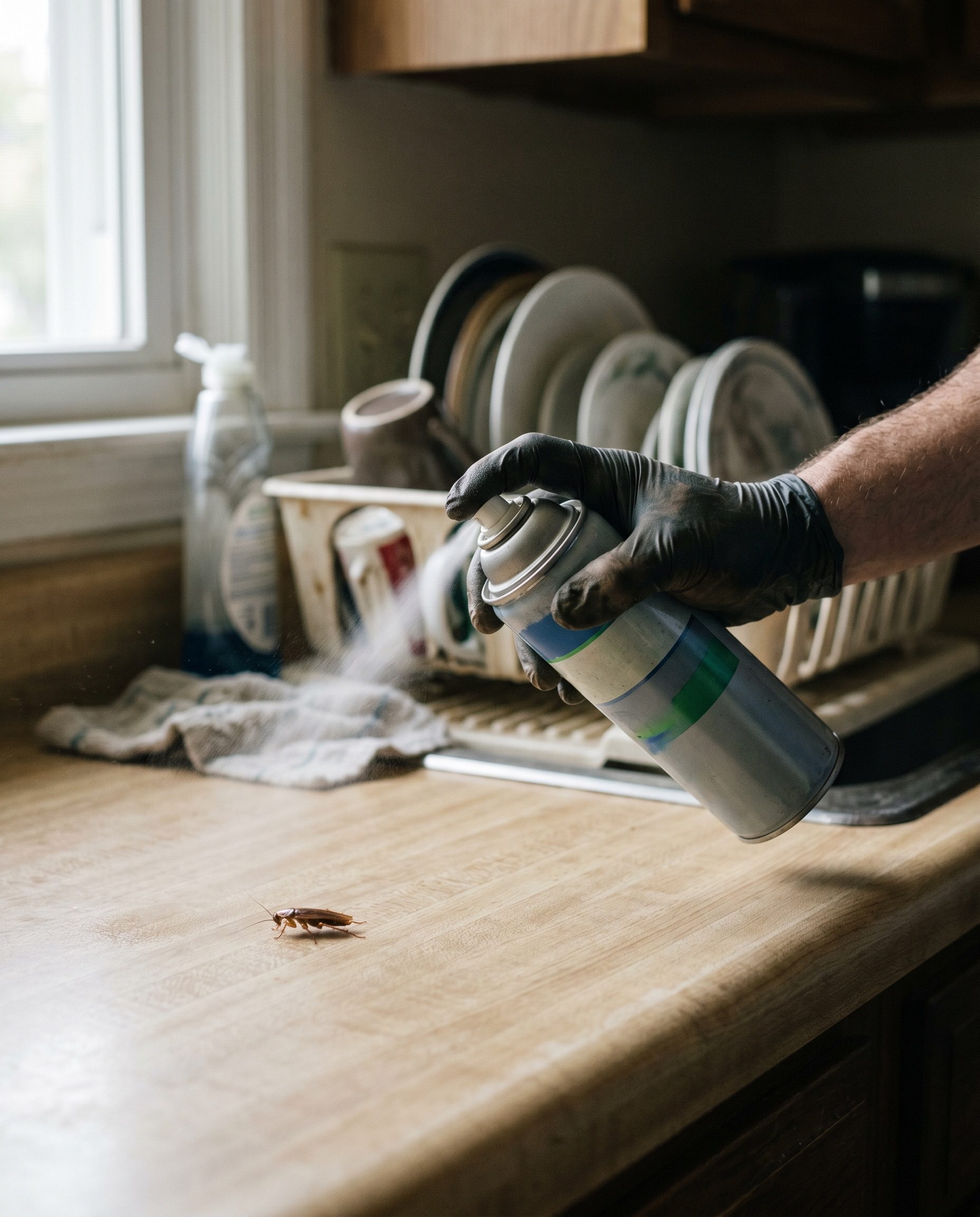
Match the spray to the job
Once you know the job, the category choice is short. Decide by two questions: are you killing what is in front of you right now, or laying down protection where bugs travel, and how cautious do you need to be about the surface. The point is to pick the form that fits the task, not the loudest label on the shelf.
| Spray type | Best for | Watch-out |
|---|---|---|
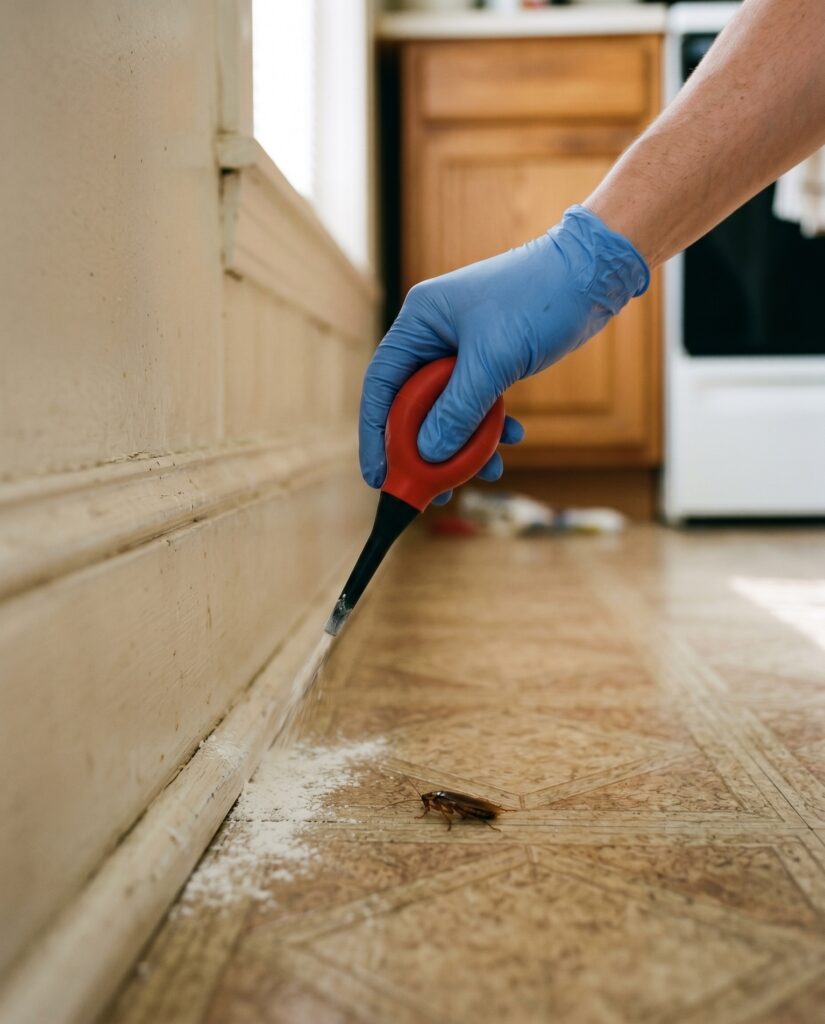
| Broadcast residual (wand) | Baseboards, entry points, and the foundation line | A cleanup step, not a cure; keep off food and let it dry |
| Fast contact spray | The roach or ant you can see right now | Little lasting effect; will not stop the next one coming in |
| Plant-based contact spray | Kitchens and spaces where you want low-tox | Mostly contact-kill with light residual; reapply as the label directs |
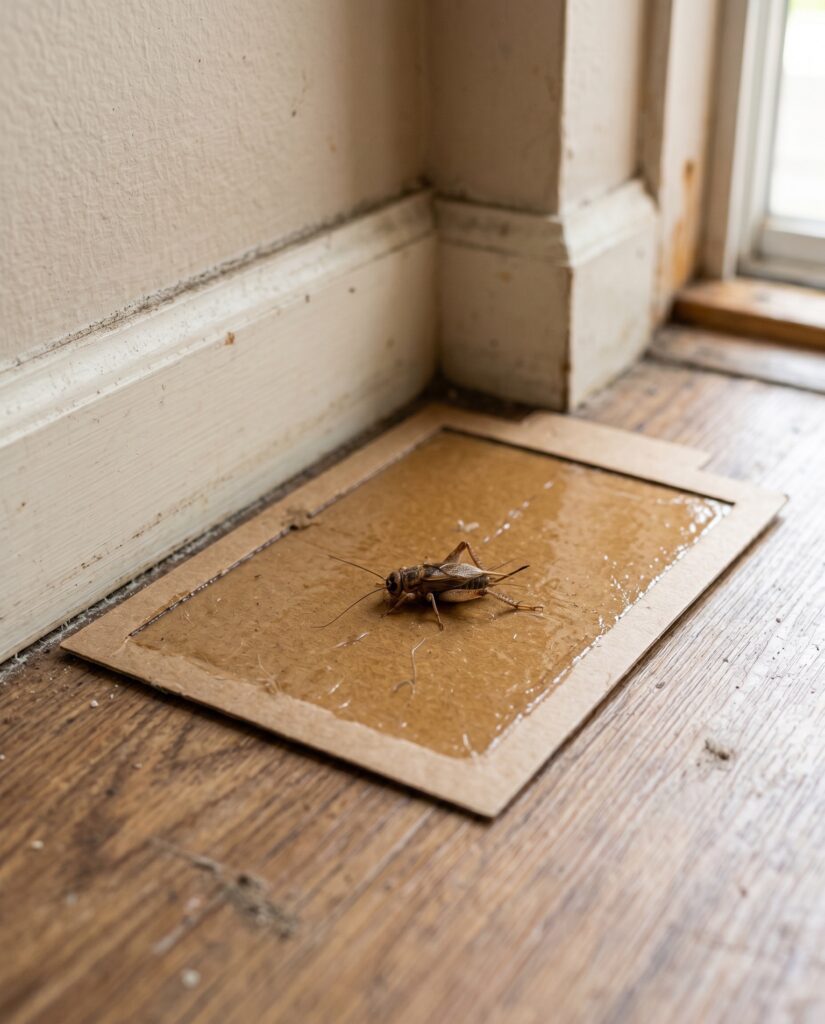
Why not just buy the strongest residual and be done? Because a residual band is the wrong tool for the single roach on the counter, and a contact can does nothing for the ants marching in tomorrow. A residual lays a treated line where bugs walk; a contact spray drops what is in front of you; a plant-based formula gives you a gentler option for the kitchen. The UC IPM guide to understanding pesticides is blunt that you should read the label and choose the most targeted, least-toxic product for the job, not the broadest one. And none of these is a one-bottle cure: indoor insect traps and glue boards catch what is present now and double as a monitor so you know whether the spray is even working.
How to apply it safely
Spray the lines and the gaps, not the open air. Run a residual band along the baseboards, across thresholds, and into the cracks where bugs enter, getting the nozzle into the seam rather than misting the middle of the floor. Coverage of the travel paths beats blanketing the room every time. Read and follow the product label before you start, because under federal law the label is the law: it tells you which surfaces are allowed, how long to keep off, and where you may not spray. The EPA’s safe pest control resource is the right place to confirm a product is registered and used as intended.
Treat these cans as the pesticides they are. Keep children and pets off treated areas until everything is fully dry, never spray surfaces that touch food or your pet’s bowls, and do not use an outdoor-only product indoors or the reverse. If someone is exposed, contact a doctor or your local poison control center, and you can read up on safe handling through EPA’s consumer pest-control guidance before you ever have a problem. Skip the kitchen counter for a residual entirely; that is where a plant-based contact spray or a clean wipe-down belongs.
Pair the spray with the prevention, because that is what makes it stick. A treated baseboard buys you weeks, but if the crumbs and the open gap are still there, the bugs come back the moment it fades. The UC IPM overview of what integrated pest management is frames the spray exactly this way: combine sanitation, exclusion, and monitoring, and put the chemical last and targeted, not first and broad.
The picks
Cards come after the analysis on purpose, because the job decides which one you buy. These three cover a wand residual for baseboards, a fast contact can for what you can see, and a plant-based option for the kitchen, and all are common, widely available household products.
InsectoGuide is reader-supported. As an Amazon Associate we earn from qualifying purchases at no extra cost to you.
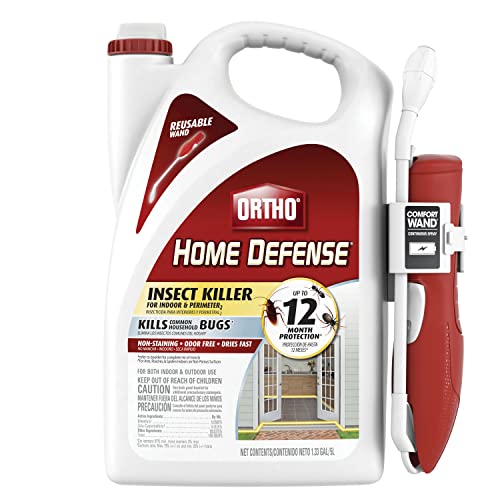
A wand residual for baseboards, entry points, and the foundation line.
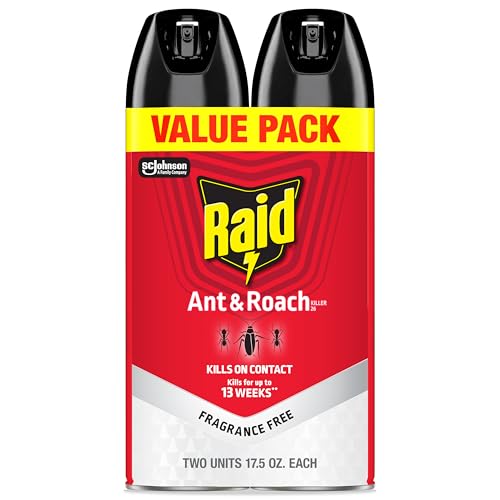
A fast contact can for the roach or ant you can see right now.
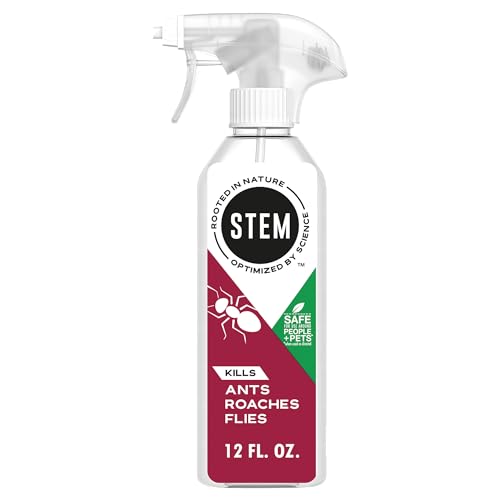
A plant-based pick for kitchens and spaces where you want low-tox.
Common questions
Does any house bug spray work on its own?
No. A residual band kills along the line you treat and a contact spray drops the bug you hit, but neither closes the gap or clears the crumbs that brought the bugs in. The EPA’s IPM principles are built around pairing a targeted product with sanitation and exclusion, because a spray alone almost never finishes the job.
Do ultrasonic plug-in repellers work?
Independent testing and extension and public-health guidance find no reliable effect on household insects, so they are not worth the money. Spend it on cleaning, caulk, and a targeted product instead. A plug-in that promises to chase bugs out with sound is theater, not pest control.
Are foggers a faster fix?
No. The mist misses the cracks and voids where roaches and ants hide, coats your home in pesticide, and the propellants are a fire risk near a pilot light. Targeted crack-and-crevice treatment and baits beat a bug bomb, as our fogger breakdown explains.
Can I spray the kitchen counter?
Only with a product whose label allows that surface, and never where food is prepared or stored. A residual belongs on baseboards and entry points, not the counter, so reach for a plant-based contact spray or a clean wipe-down there. Read and follow the label, because it sets the legal terms of use.
How often do I reapply a residual?
Follow the timing on the product label, which usually runs a few weeks on indoor non-porous surfaces and shorter where it gets wet or wiped. If bugs return well before that window, the gap or food source is still open, not the spray failing. The UC IPM guide to pesticides is clear that the label, not a habit, sets the rate.
Final verdict
There is no single best bug spray for the house, and any list that names one is skipping the only question that matters: which job are you treating. Start free by cleaning up the food and water, sealing the gaps, and fixing the screens, then match the spray to the situation. Reach for a wand residual for baseboards and entry points, a fast contact spray for what is in front of you, and a plant-based option for the kitchen. Skip the ultrasonic repellers and the foggers; independent guidance finds no reliable effect from the first, and the second misses where bugs hide while coating your home in pesticide. Pair whatever you choose with sanitation, exclusion, and a glue board to monitor, because the spray is the cleanup step inside the plan, never the whole answer.