The best outdoor perimeter pest control puts a treated band exactly where insects cross to get inside, the foundation, the doorways, and the first few feet of soil and siding, so you intercept them outdoors instead of fighting them in the kitchen. The short answer: clear the harborage against the house first, then lay a labeled barrier in the right form for the job. A concentrate you mix covers the most ground for the money, a ready-to-use wand is the easiest, and granules handle the lawn-and-mulch zone. For our own house we keep one concentrate and a bag of granules on the shelf and treat on a schedule, nothing fancier. Most lists chase the strongest chemical; the part they skip is that a barrier degrades in sun and rain and does nothing about the yard, which is the angle the comparison below pays off.
Lay a treated band where bugs cross to get inside, the foundation and the first few feet of soil and siding, in the form that fits the job; the barrier degrades in sun and rain, so reapply on schedule and clear the mulch, weeds, and moisture against the house.
- Do first (free): Pull mulch back from the foundation, cut shrubs off the siding, and fix the wet spots bugs gather in.
- Best for the common case: A labeled concentrate for the foundation band, with granules for the lawn-and-mulch zone.
- Skip: Treating the barrier as permanent; it breaks down outdoors and never touches the harborage in the yard.
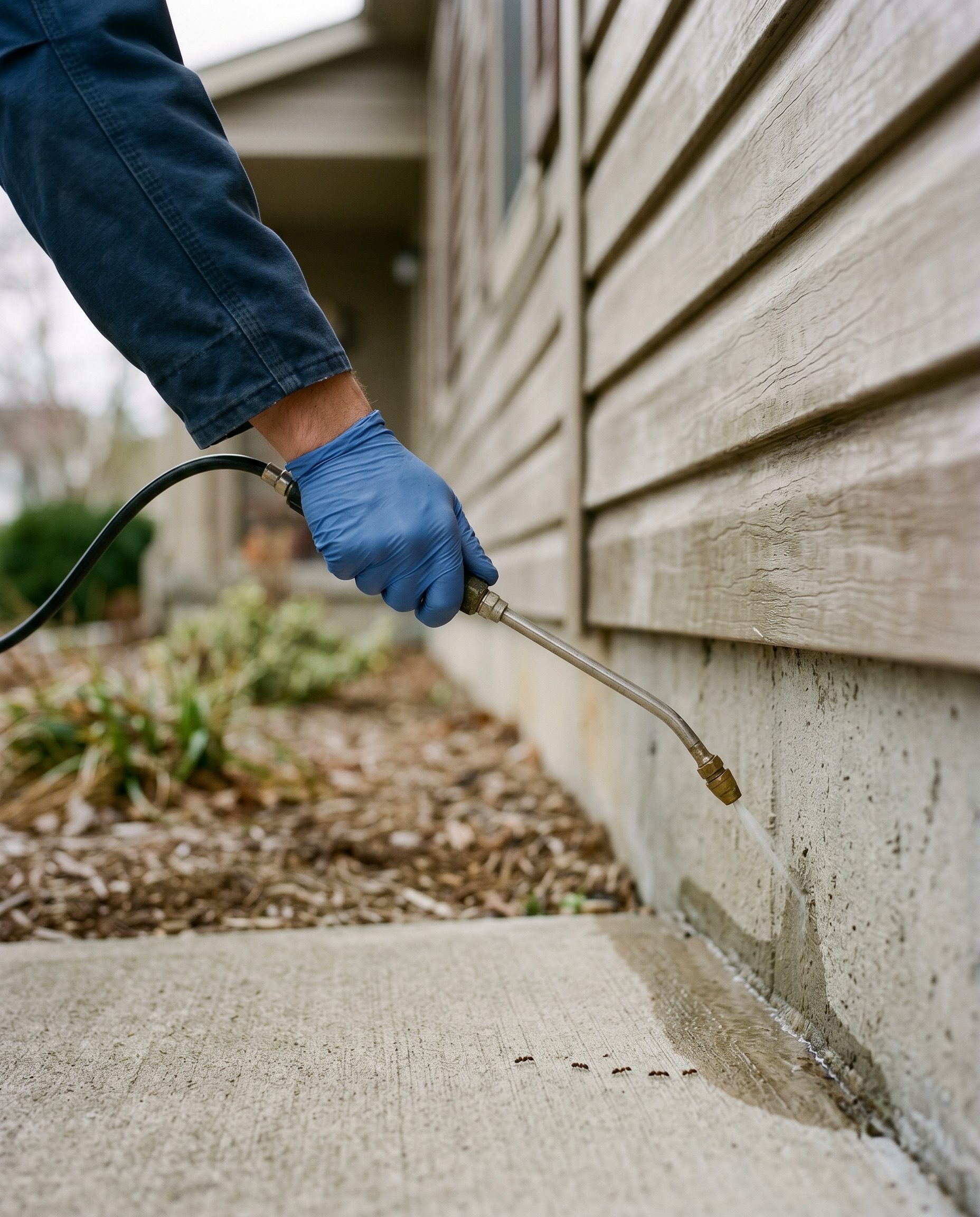
What a perimeter band does
A perimeter treatment is not about coating the yard. It is a deliberate band of residual product where the outdoors meets the house: the concrete foundation, the bottom course of siding, around door and window frames, and the first two to three feet of soil and mulch against the wall. That band is the crossing point most insects have to use to get inside, so you intercept ants, spiders, roaches, and crickets out there instead of after they are in the pantry. Treating the whole lawn wastes product and hits things you do not want to hit.
Before any product, do the free part, because it decides whether the band even holds. Pull mulch back a few inches from the foundation, trim shrubs and tree limbs off the siding so bugs cannot bridge over the treated strip, and fix the moisture, a dripping spigot, a clogged gutter, a low spot that stays damp, that draws them to the wall in the first place. The EPA’s integrated pest management principles put prevention and habitat removal ahead of spraying for exactly this reason. A barrier is worth applying once the harborage is cut back, not as a substitute for it.
Why the barrier is not permanent
Here is the part the “strongest perimeter killer” lists leave out. A residual band outdoors is on a clock. Sun breaks the active ingredient down, and rain washes it off porous concrete and soil, so the strip you laid in May is doing far less by midsummer. That is why a one-and-done spray fails: the bugs did not get tougher, your barrier just expired. The fix is a schedule, not a stronger chemical.
Match the chemistry to the surface and the season rather than grabbing the loudest label. The UC IPM guidance on understanding pesticides is blunt that more product is not more control, and that reading the label and choosing a targeted least-toxic option beats blanket spraying. Reapply on the interval the label sets, usually every few weeks to a few months depending on the product and the weather, and step the band back up after a heavy rain. If you are reapplying constantly and still seeing pressure, the problem is harborage, not dose, and no amount of perimeter spray fixes a wood pile stacked against the wall. For the indoor follow-up after something slips past the band, our guide to the best bug spray for the house covers the cleanup-step sprays that belong inside, not out.
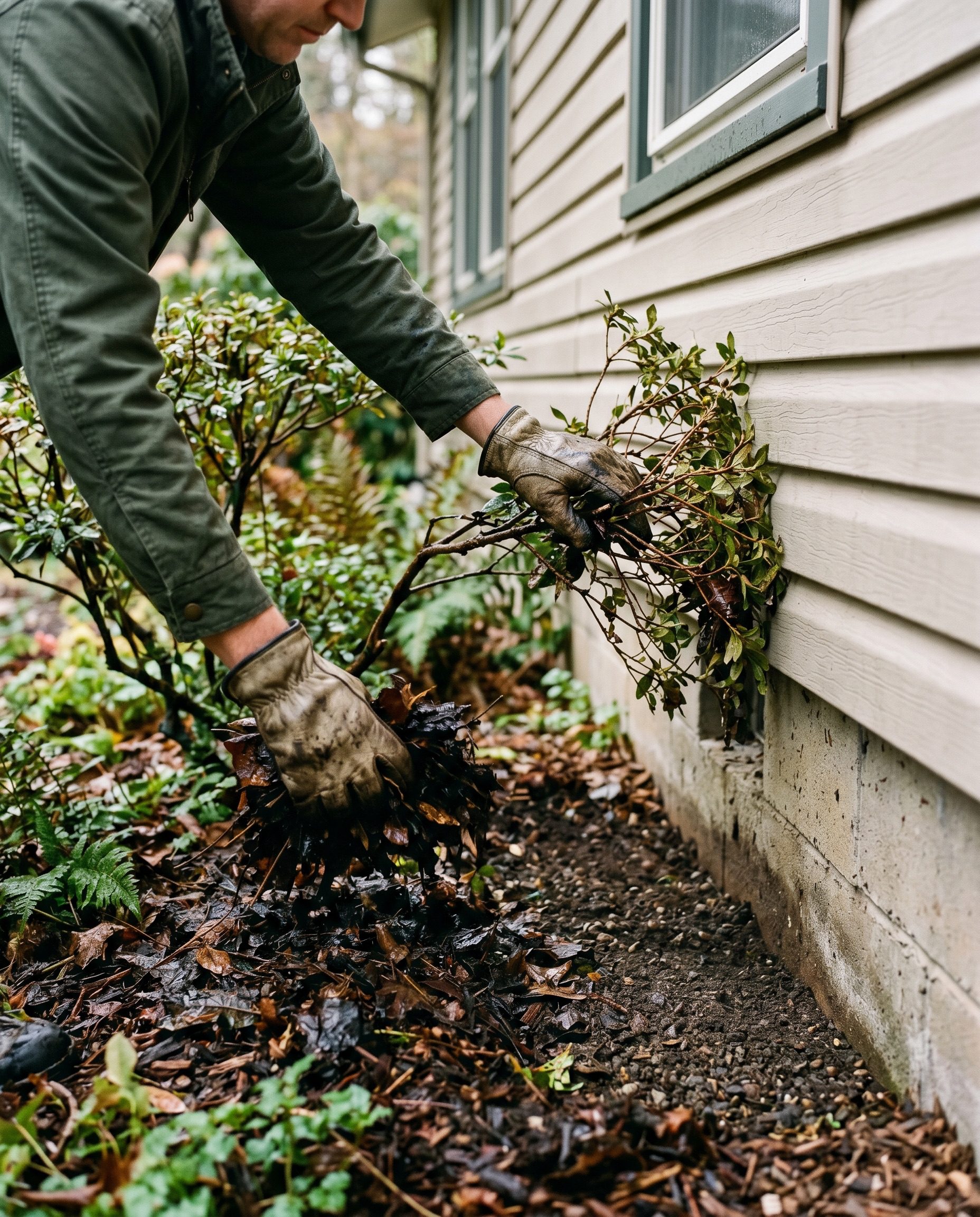
Concentrate vs ready-to-use vs granules
Once the prep is done, the form is the only real decision. Pick by how much ground you cover, how much mixing you will tolerate, and whether you need the soil-and-mulch layer treated.
| Form | Best for | Watch-out |
|---|---|---|
| Concentrate | Covering the most foundation band for the money | You mix it; follow the label rate exactly, keep kids and pets off until dry |
| Ready-to-use wand | The easiest application, small to mid-size homes | Costs more per foot; refill bottle runs out faster on a big perimeter |
| Granules | The lawn, mulch beds, and soil layer bugs hide in | Must be watered in; degrades and needs reapplying on schedule |
Why not just buy the strongest concentrate and skip the rest? Because each form solves a different piece. A concentrate gives you the most treated band per dollar, but you have to mix it correctly, and over-mixing is both illegal and useless. A ready-to-use wand trades that value for zero mixing and a steady, low spray, which is the right call for a smaller house or anyone who wants to be done in twenty minutes. Granules reach the ground layer a liquid runs off of, the mulch and soil where crickets and ants stage, but they only work once you water them in. If you are still deciding how heavy to go on chemicals at all, our breakdown of natural versus chemical pest control lays out where each fits.
How to apply and reapply
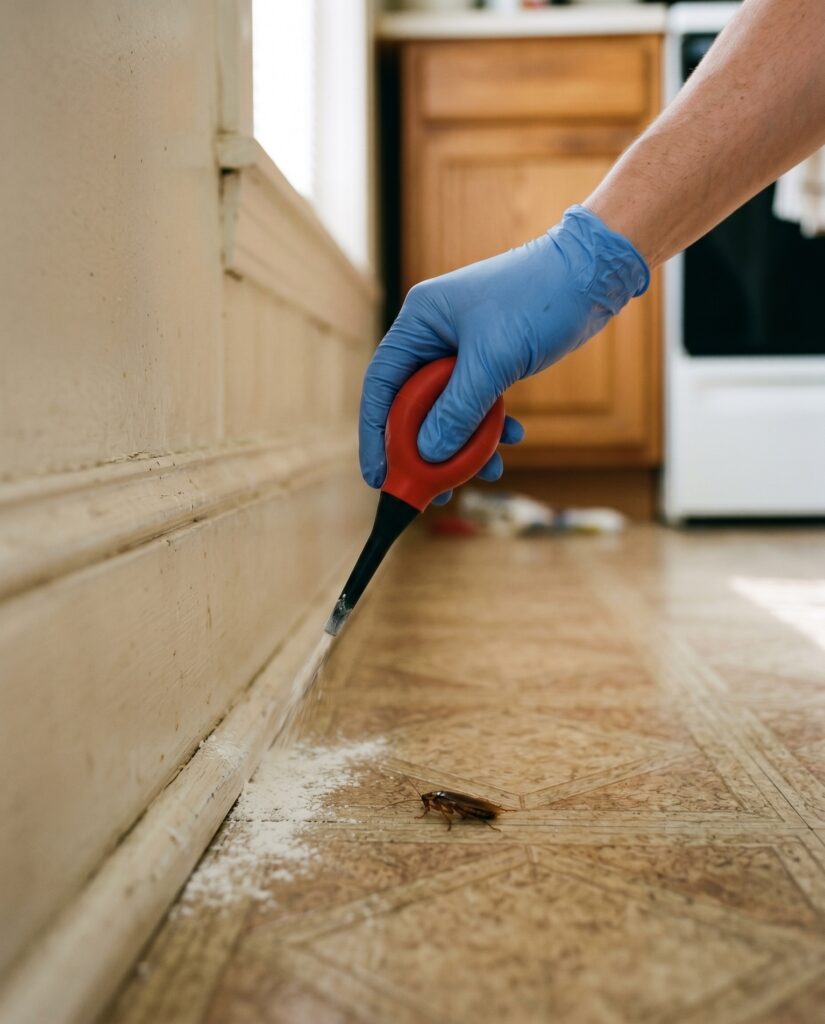
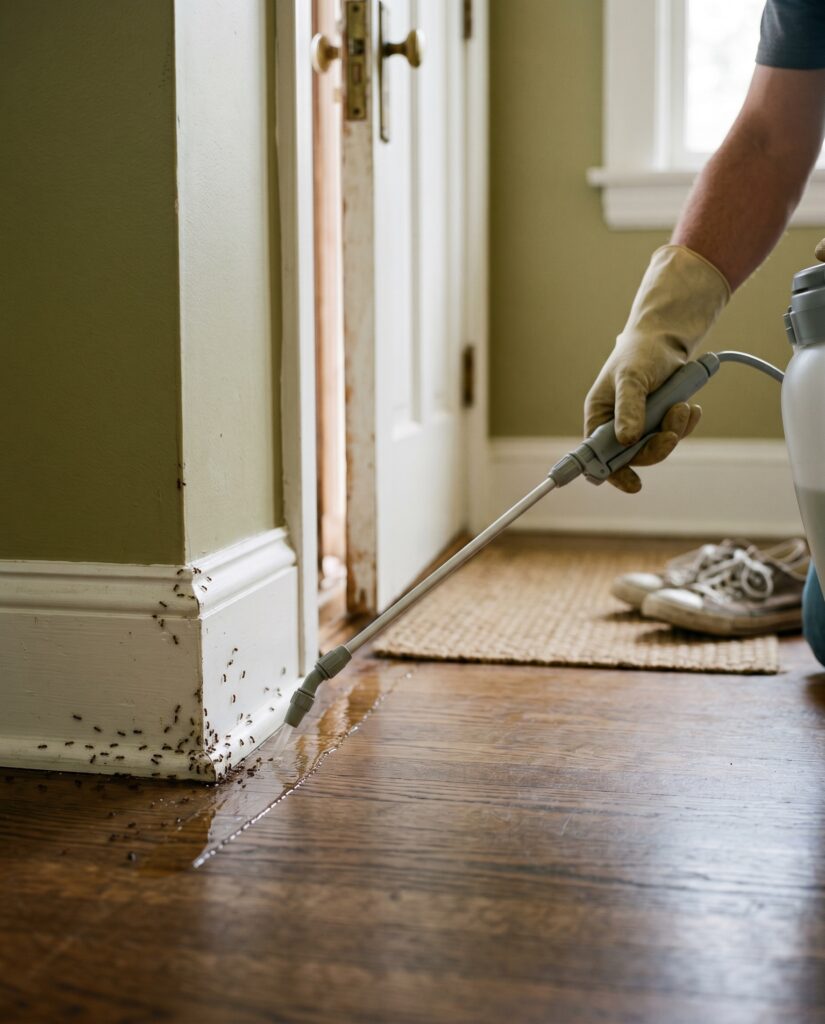
Lay the band low and tight, not high and wide. Spray or spread an even strip along the foundation, the bottom few inches of siding, around every door and window frame, and out into the soil and mulch a couple of feet from the wall. Coverage of the crossing zone beats blanketing the lawn every time. For a concentrate, mix and apply only at the label rate, because under federal law the label is the law; the EPA’s safe pest control guidance is the place to confirm a product is registered and used the way its label allows. Water granules in as the label directs so the active ingredient reaches the soil.
Treat these as the pesticides they are. Keep children and pets off the treated band until it is fully dry, do not let spray drift onto a vegetable garden or a pond, and store the concentrate out of reach; if someone is exposed, contact a doctor or your local poison control center. Outdoors near flowering plants, a broad-spectrum product can hit bees and other beneficials, so do not spray open blooms, apply at dusk when pollinators are not foraging, and keep the band off the flower beds. The UC IPM overview of what IPM is frames the chemical as the last layer behind prevention and monitoring, which is the right order outdoors. On timing, the band matters most in spring and fall when insects are moving toward the warm wall, so plan the heaviest reapplication around those pushes.
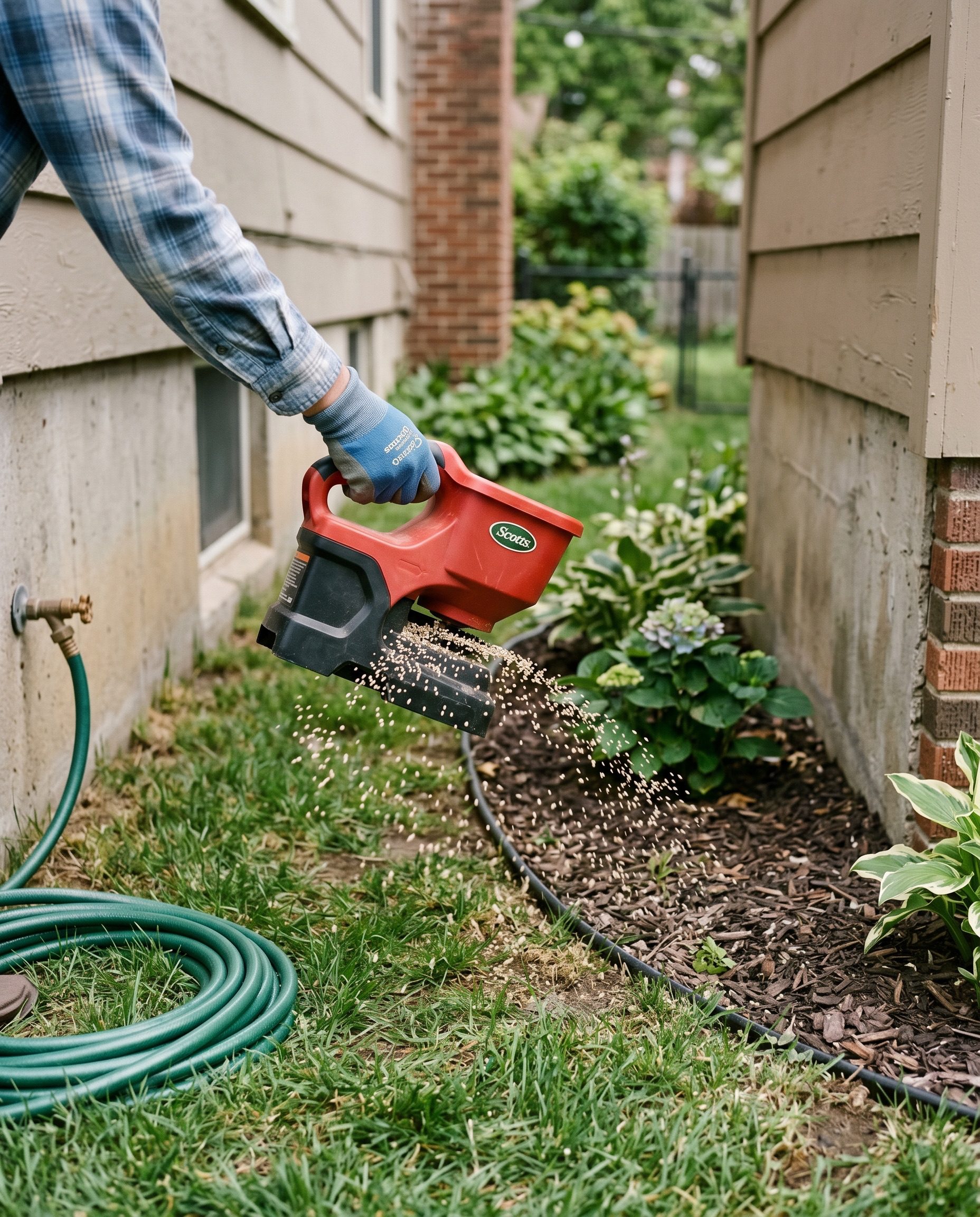
The picks
Cards come after the analysis on purpose, because the form decides which one you buy. These three cover the value concentrate, the no-mixing wand, and the granule for the ground layer, and all are common, widely available perimeter products.
InsectoGuide is reader-supported. As an Amazon Associate we earn from qualifying purchases at no extra cost to you.
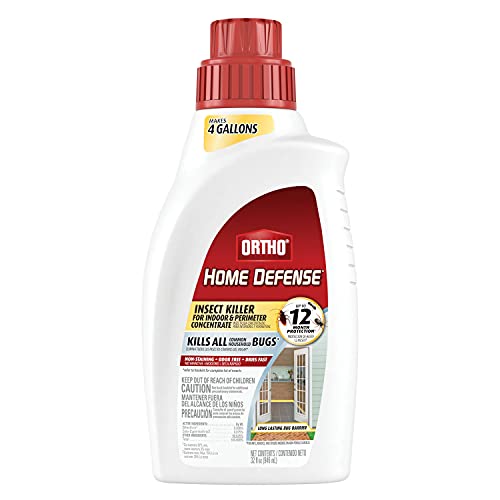
The value pick for treating the most foundation band per dollar.
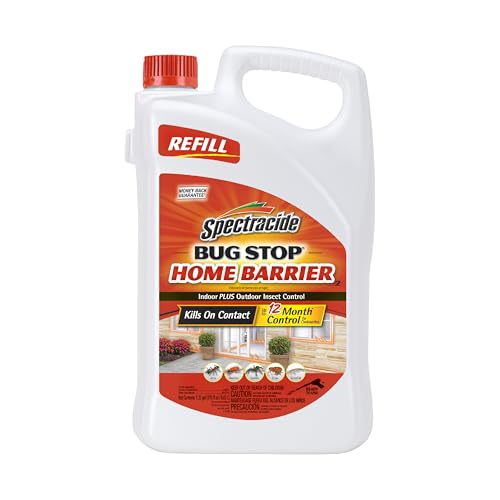
The easiest option, a no-mixing foundation treatment for small to mid-size homes.
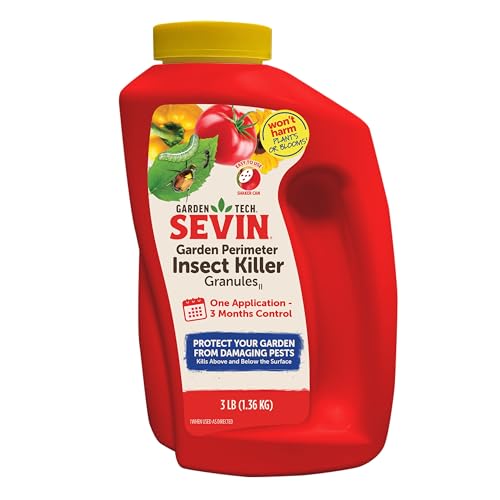
The pick for the lawn-and-mulch zone a liquid spray runs off of.
Common questions
How often do I reapply a perimeter treatment?
On the interval the label sets, usually every few weeks to a couple of months, and sooner after heavy rain. The band degrades in sun and washes off in rain, so a single spring application will not hold all season. Plan the heaviest reapplication around the spring and fall pushes when insects move toward the wall.
Does an ultrasonic plug-in repeller help outside?
No. Ultrasonic plug-in repellers are not supported by independent testing or extension and public-health guidance, so they are not a perimeter solution. Spend the money on a labeled barrier plus the free cleanup instead. The EPA’s safe pest control guidance points to proven IPM methods over gadgets.
Will a bug zapper protect my patio perimeter?
Only for nuisance flying insects, and not mosquitoes. Zappers kill mostly harmless and beneficial insects, and mosquitoes track carbon dioxide, heat, and scent, not the UV light a zapper uses. Our Best Bug Zappers for Mosquitoes (and Why They Barely Help) covers where one is and is not worth it.
Is a perimeter spray safe around kids, pets, and the garden?
When you follow the label. Keep children and pets off the band until it is fully dry, do not let it drift onto edible plants or a pond, and avoid open blooms to protect bees. If someone is exposed, contact a doctor or your local poison control center.
When should I call a professional?
If you are reapplying on schedule, have cleared the harborage, and still have steady pressure, or if the issue is a structural pest like termites, bring in a licensed pest professional. A barrier handles routine crossing insects; it does not solve a colony nesting in the structure.
Final verdict
The best outdoor perimeter pest control is a treated band placed where insects cross to get inside, kept current, and backed by a tidy foundation. Start free by pulling mulch off the wall, cutting shrubs off the siding, and fixing the wet spots, then lay the barrier in the form that fits the job. Reach for a concentrate to cover the most ground for the money, a ready-to-use wand when you want zero mixing, and granules for the lawn-and-mulch zone you have to water in. Skip the idea that the band is permanent; it degrades in sun and rain and never touches the harborage in the yard, so reapply on schedule and keep the perimeter clean. Match the form to the zone, treat on a clock, and the band does its quiet work outdoors so you are not chasing bugs in the kitchen.