If you are standing in the hardware store deciding whether to buy a bug bomb, here is the short answer: skip it for almost every pest. Total-release foggers, the cans you set off and leave, are mostly not worth it, and professionals rarely reach for them. The reason is simple physics. The mist drifts up and settles on open surfaces, but the insects you want gone are tucked into cracks, wall voids, and the undersides the fog never touches. On top of that, a fogger coats your whole home in pesticide, and the flammable propellant has caused house fires and explosions when people set off too many at once. A targeted treatment, some bait, and a little sealing will beat the bomb in nearly every situation.
Bug bombs mostly do not work, because the mist settles on open surfaces while pests hide in cracks and voids the fog never reaches; they also coat your home in pesticide and pose a fire risk, so targeted treatment, baits, and sealing beat them.
- Do first (free): Find where the pest is entering and harboring, clean up the food and moisture feeding it, and seal the gaps it travels through.
- Best for the common case: A targeted crack-and-crevice product or bait placed where the pest actually lives, not broadcast across open rooms.
- Skip: Total-release foggers and bug bombs; the fog misses the harborage, wastes pesticide, and can start a fire.
Why most foggers miss the pest
A total-release fogger empties its entire can into the air at once, and the droplets drift, then fall. That means the pesticide ends up on the floor, the counter, the top of the table, and the kids’ toys you forgot to put away. It lands where you live, not where the bugs hide. Cockroaches, ants, bed bugs, and most household insects spend their lives in tight cracks, behind the kickplate under the cabinets, inside the wall void, and under appliances, and the settling mist barely reaches those places.
There is research behind this, not just shop-floor opinion. Studies summarized by Ohio State and other extension entomologists found that foggers left where roaches actually hide essentially untouched, because the spray never penetrated the harborage. The whole logic of the EPA’s principles of integrated pest management runs the other way: identify the pest, find where it lives, then apply the least-toxic targeted control right at that spot. A fog cloud is the opposite of targeted, which is exactly why it underperforms.
The pesticide and fire problem
Even when a fogger does kill a few bugs in the open, you pay a real price for it. The can coats every horizontal surface in your home with pesticide residue, including food-prep counters, where you do not want it. You then have to wash all of that down before the kitchen is usable again, which is more work than the targeted approach you skipped. For category logic on what belongs on a household surface and what does not, our guide to the best bug spray for the house sorts the targeted products from the broadcast ones.
The bigger hazard is fire. Foggers use a flammable propellant to push the contents out, and people who set off several cans at once near a pilot light or appliance have triggered explosions and house fires. That is not a rare horror story. It is a documented failure mode that has blown out windows and walls. If a label tells you one can treats a certain square footage, doubling up to “make sure” is how a kitchen ends up on fire. The honest math is that you take on a fire risk and a cleanup chore in exchange for a treatment that misses the target anyway.

Crack-and-crevice beats broadcast
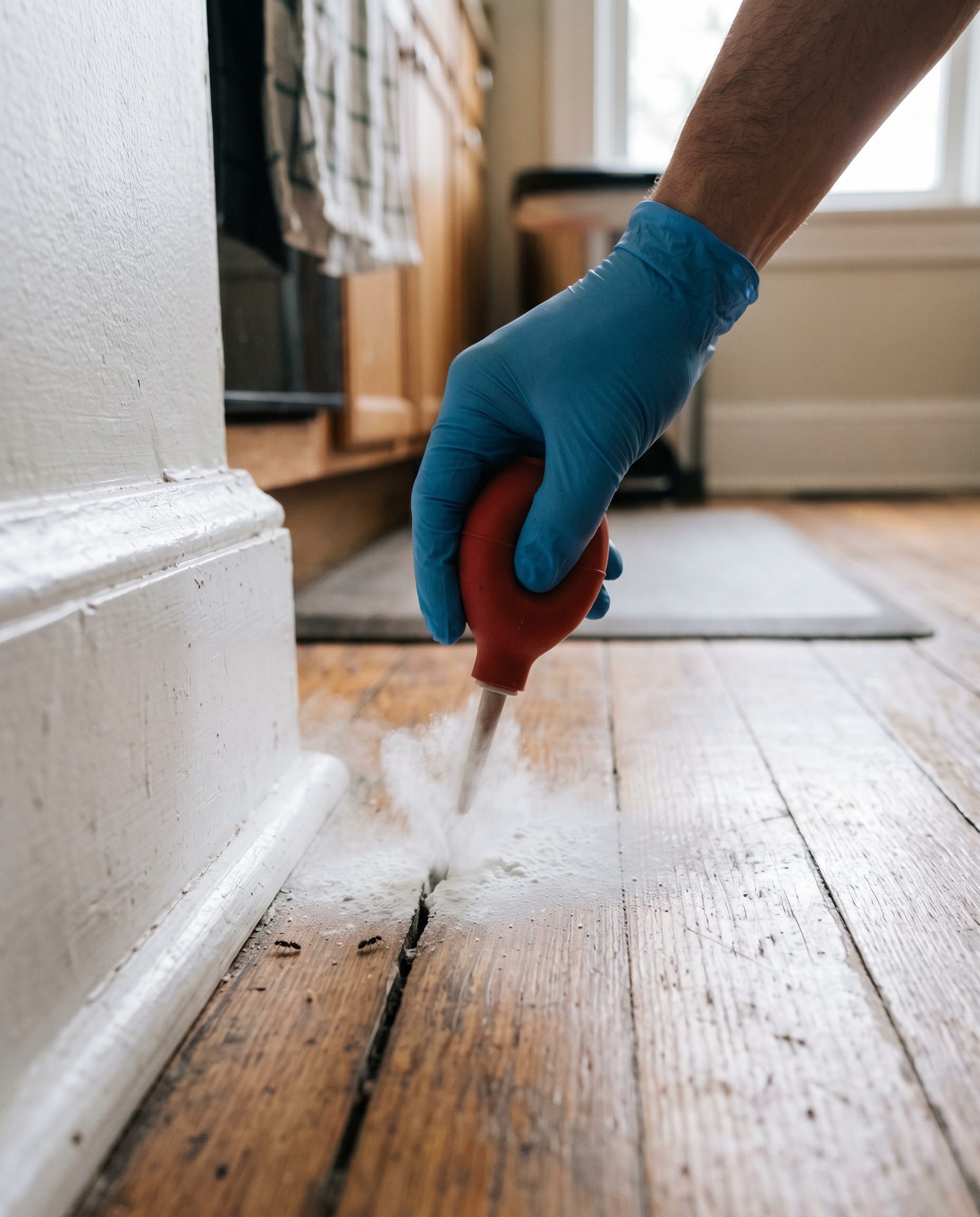
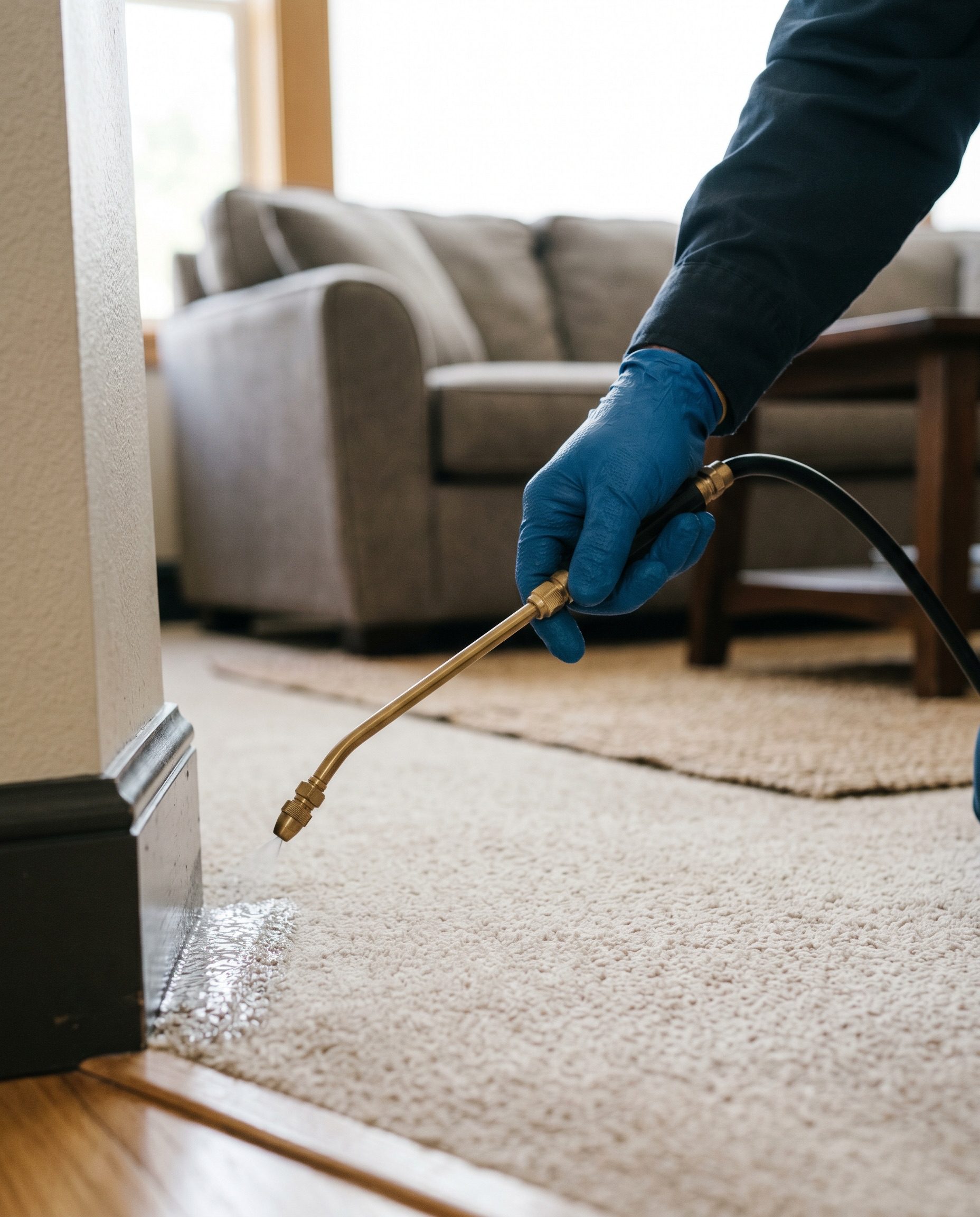
The method a licensed pro uses is almost boring by comparison, and that is the point. You put a small amount of product exactly where the pest travels and harbors, and you leave the open air alone. A thin bead of bait gel by the gap a roach uses, a labeled residual run along the baseboard edge as a band the bug crosses, or a light puff of desiccant dust into the void under the cabinet does more than a whole can of fog, because it is placed where the bug actually is.
This is the same prevention-first, targeted-second order that the EPA’s guidance on safe pest control lays out, and that UC IPM’s overview of what integrated pest management is builds on: clean up the food and moisture that drew the pest, seal the gaps it uses, then treat the remaining harborage with a least-toxic product. Whatever you reach for, read and follow the label, because under federal law the label is the law, and never broadcast an indoor product across surfaces you eat or sleep on. The guidance in UC IPM on understanding pesticides and choosing targeted products is plain that a placed, targeted product is both safer and more effective than a cloud.
Fogger vs targeted treatment
Here is the side-by-side for a typical household pest problem, so you can see why the bomb keeps losing.
| What matters | Bug bomb / fogger | Targeted treatment |
|---|---|---|
| Reaches the harborage | No, mist settles on open surfaces | Yes, placed in the crack or void |
| Pesticide on living surfaces | Heavy, coats counters and floors | Minimal, only where the pest travels |
| Fire and explosion risk | Real, from flammable propellant | None from the application method |
The one narrow case where a fog has a job is a stored, empty space with a flying-insect problem, like a vacant garage with a cluster of gnats, where there is nothing to hide in and nothing to contaminate. For anything living in cracks, voids, or undersides, the fogger is the wrong tool, and that covers roaches, ants, bed bugs, fleas in carpet, and most of what sends people to the bug-bomb aisle.
What to use instead
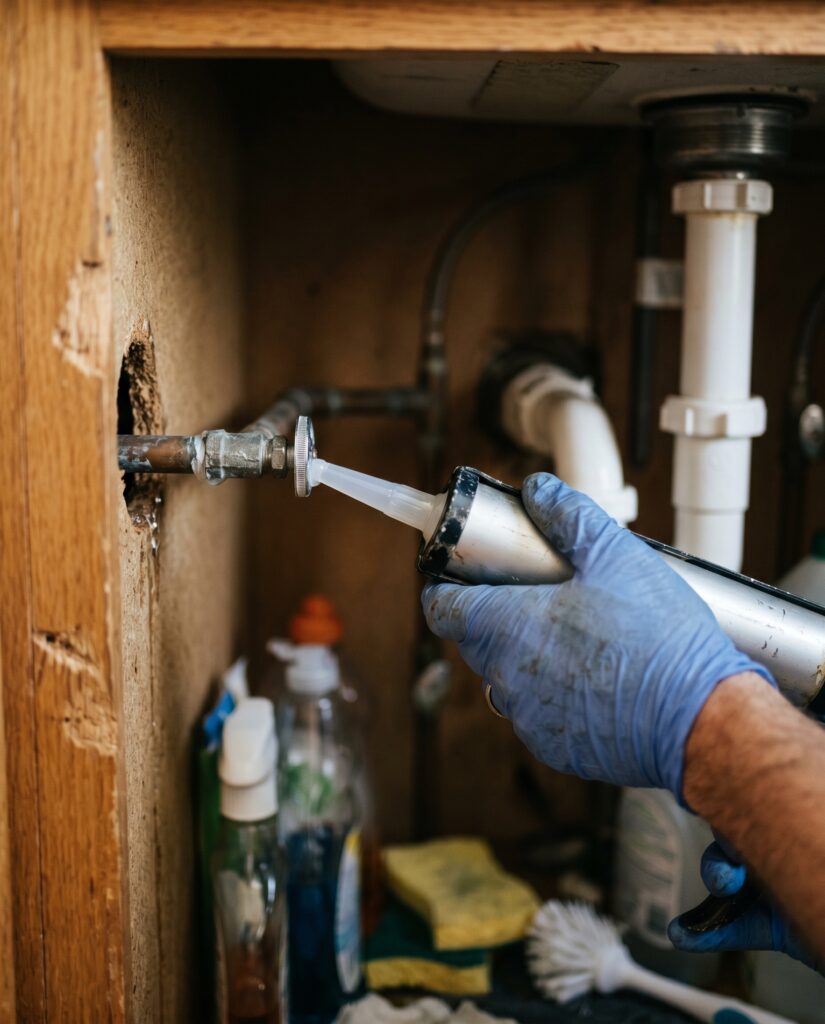
Start with the steps that cost nothing. Find the entry point and the harborage, take away the food crumbs and the standing water feeding the pest, and seal the gaps it travels through with caulk or a door sweep. A bug that cannot get in or feed does not need killing. Only after that do you reach for a product, and you match the product to where the pest nests.
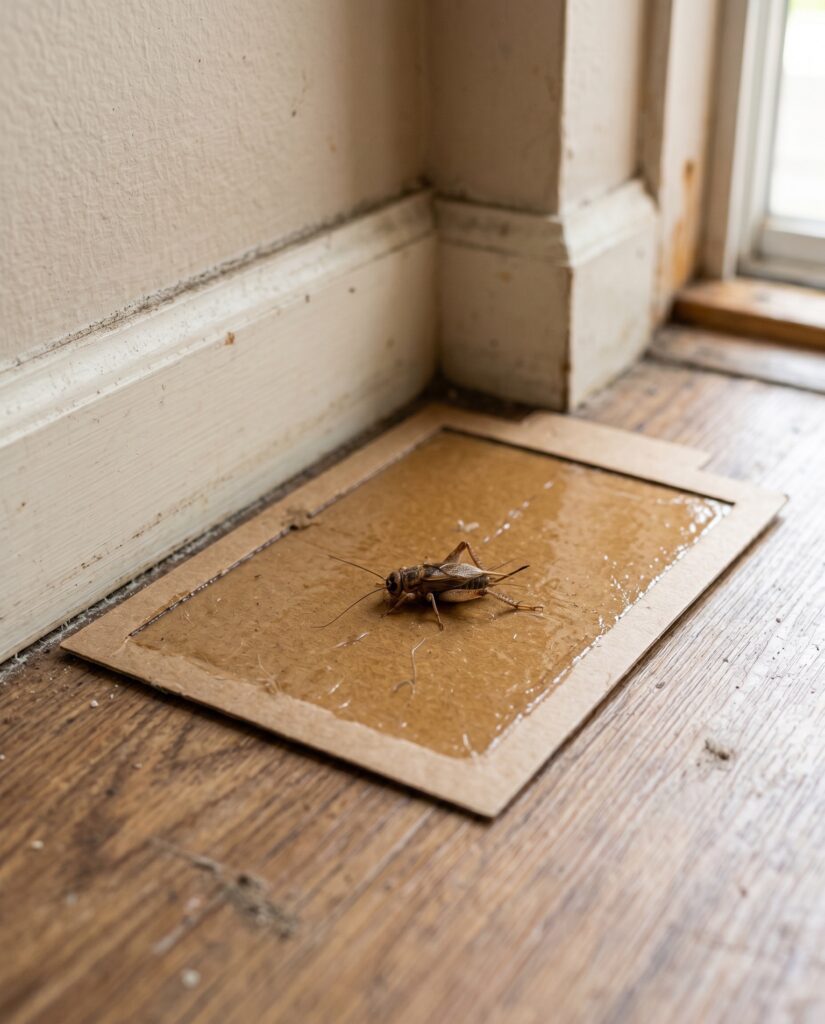
For crawling insects, a bait or a placed residual does the work, and for flying or wandering nuisance insects indoors, a monitor catches them and tells you whether the problem is shrinking. Our roundup of the best indoor insect traps and glue boards covers where each one belongs. If you are weighing a low-tox route against a conventional product, our breakdown of natural versus chemical pest control and what actually works lays out the honest tradeoffs without the marketing.
Common questions
Do bug bombs work on roaches?
Not well. Roaches live deep in cracks, behind appliances, and inside voids, and the fog settles on open surfaces it never reaches. Worse, the disturbance can scatter survivors into wall voids and other rooms. A bait gel placed by their harborage clears a roach problem far more reliably.
Do foggers kill bed bugs?
No, and they can make it worse. Bed bugs hide in seams, frame joints, and the wall void, where the mist never lands, and the disturbance pushes survivors deeper and into adjacent rooms. The fix is encasing the mattress, setting interceptors, and treating seams with steam and a labeled residual.
Why do exterminators not use bug bombs?
Because a professional’s whole job is putting the right product where the pest actually lives, and a fog cloud cannot do that. Pros use baits, placed residuals, dusts in voids, and exclusion, which reach the harborage a fogger misses while using far less pesticide.
Is it dangerous to set off multiple bug bombs at once?
Yes. The propellant is flammable, and setting off several cans in one space near a pilot light or appliance has caused explosions and house fires. If you ever felt the need for multiple cans, that is the signal to use a targeted treatment instead.
Are foggers ever worth it?
Rarely, and only for a flying-insect nuisance in an empty, stored space with nothing to hide in and nothing to contaminate. For anything living in cracks and voids, which is most household pests, a targeted approach wins.
Final verdict
Bug bombs are mostly not worth it, and the reason holds across almost every pest you would buy one for: the mist settles on the open surfaces where you live while the insects sit safe in the cracks, voids, and undersides the fog never reaches. You also coat your home in pesticide you then have to clean up, and the flammable propellant carries a real fire risk that gets worse the more cans you use. Do the free work first, find the harborage, cut off the food and moisture, and seal the gaps, then place a targeted bait or residual exactly where the pest travels. That crack-and-crevice approach beats the bomb on results, on safety, and on the cleanup you avoid. Skip the fogger.