The honest answer is no. Independent testing and university and public-health guidance have not found that ultrasonic plug-in repellers drive insects or rodents out of a home, and the “it got quieter in here” impression people report tends to fade as the pests simply learn to ignore the sound. The appeal is easy to understand, a chemical-free gadget you plug in and forget about, but insects and mice habituate to a steady tone fast, and the walls and furniture in a normal room block and absorb the high frequencies before they travel far. The money is better spent on the unglamorous things that actually move the count: sealing entry points, removing food and moisture, traps, and targeted treatment when you need it.
Ultrasonic plug-in repellers are not supported by independent testing or extension and public-health guidance; pests habituate to the sound and walls block it. Skip the gadget and spend the money on sealing, sanitation, and traps.
- Why they fail: Pests ignore a steady tone within days, and high frequencies do not pass through walls or around furniture.
- Do instead: Seal gaps, cut off food and water, and set traps where you see activity.
- Skip: The plug-in device as a standalone fix; it is not a substitute for finding and closing entry points.
What the devices claim to do
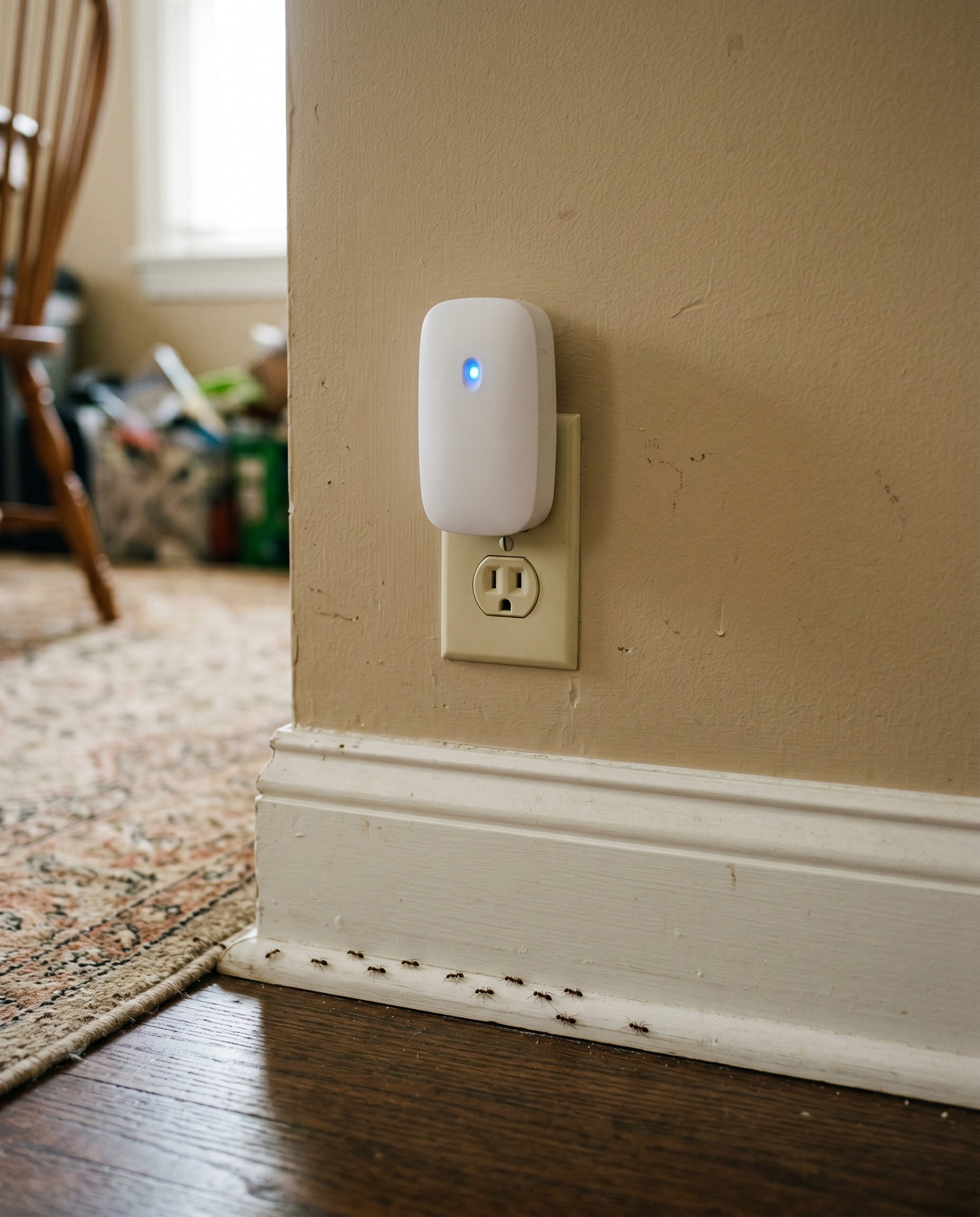
Ultrasonic repellers are small units that plug into a wall outlet and emit sound above the range of human hearing, usually marketed in the 20 to 65 kilohertz band. The pitch is that this noise is unbearable to rodents and insects, so they pack up and leave, and you get pest control without poison, traps, or any effort beyond finding an outlet. It is a genuinely appealing promise, and it is why these things sell year after year.
The trouble is that the promise rests on two assumptions that do not hold up in a real home. The first is that pests find the sound intolerable and keep finding it intolerable. The second is that the sound actually reaches them where they live. Neither survives contact with how animals and acoustics behave, and that is the whole story of why the device underperforms.
Why the sound stops working
Animals get used to constant, non-threatening stimuli. A mouse that hears a steady tone with no consequence attached to it, no predator, no pain, treats it the way you treat a refrigerator hum: within a few days it stops registering as a threat. This is ordinary habituation, and it is the main reason the early “it seems quieter” effect fades. A pest that ignores a sound is not being repelled by it, no matter what the box promises.
Physics finishes the job. Ultrasound is highly directional and loses energy fast, and it does not travel through solid objects the way audible bass does. A plug-in unit in the living room does nothing for the mice nesting in the wall void, the roaches behind the dishwasher, or the ants trailing under the cabinet, because the studs, drywall, and furniture between the device and the pest absorb and block the waves. The places pests actually hide are exactly the places the sound cannot reach. That mismatch is why independent testing and extension and public-health guidance have not found a real-world effect on infestations.
What actually moves the count
Effective pest control is not a single gadget, it is a short sequence that removes the three things a pest needs: a way in, food, and water. Entomologists and extension programs call this integrated pest management, and it works because it targets the cause rather than trying to annoy the symptom. The EPA’s integrated pest management principles put prevention first and treat broadcast gadgets and broad spraying as a last resort, not a starting point.
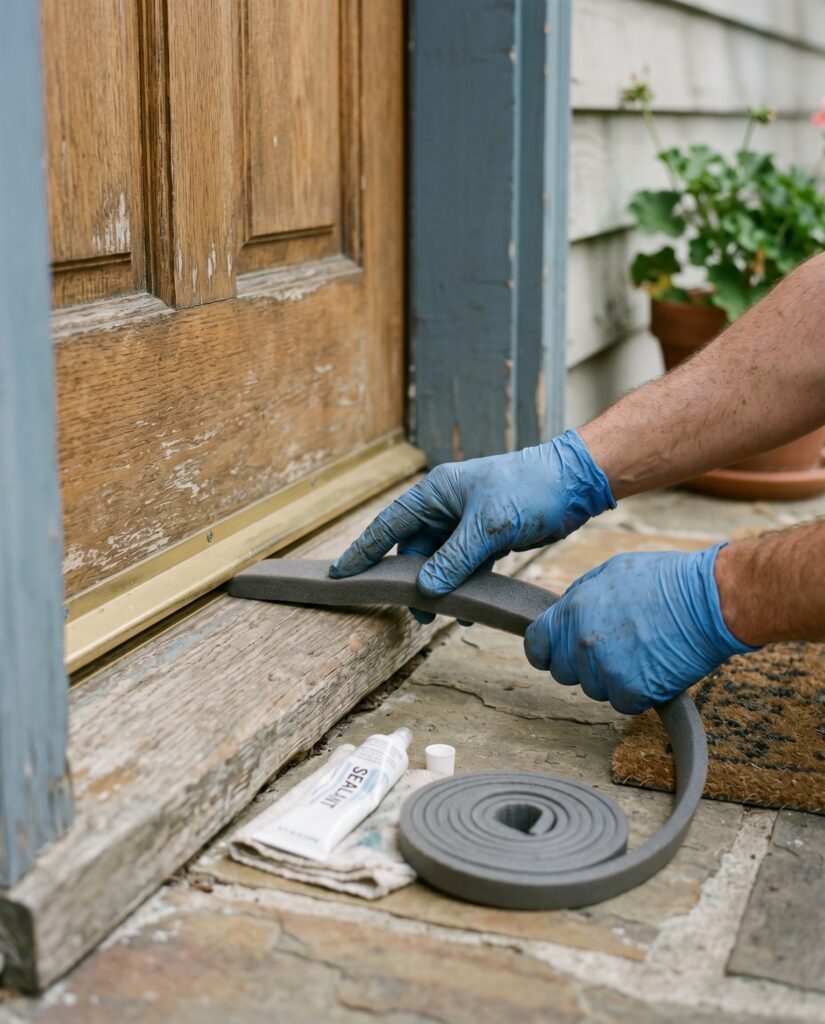
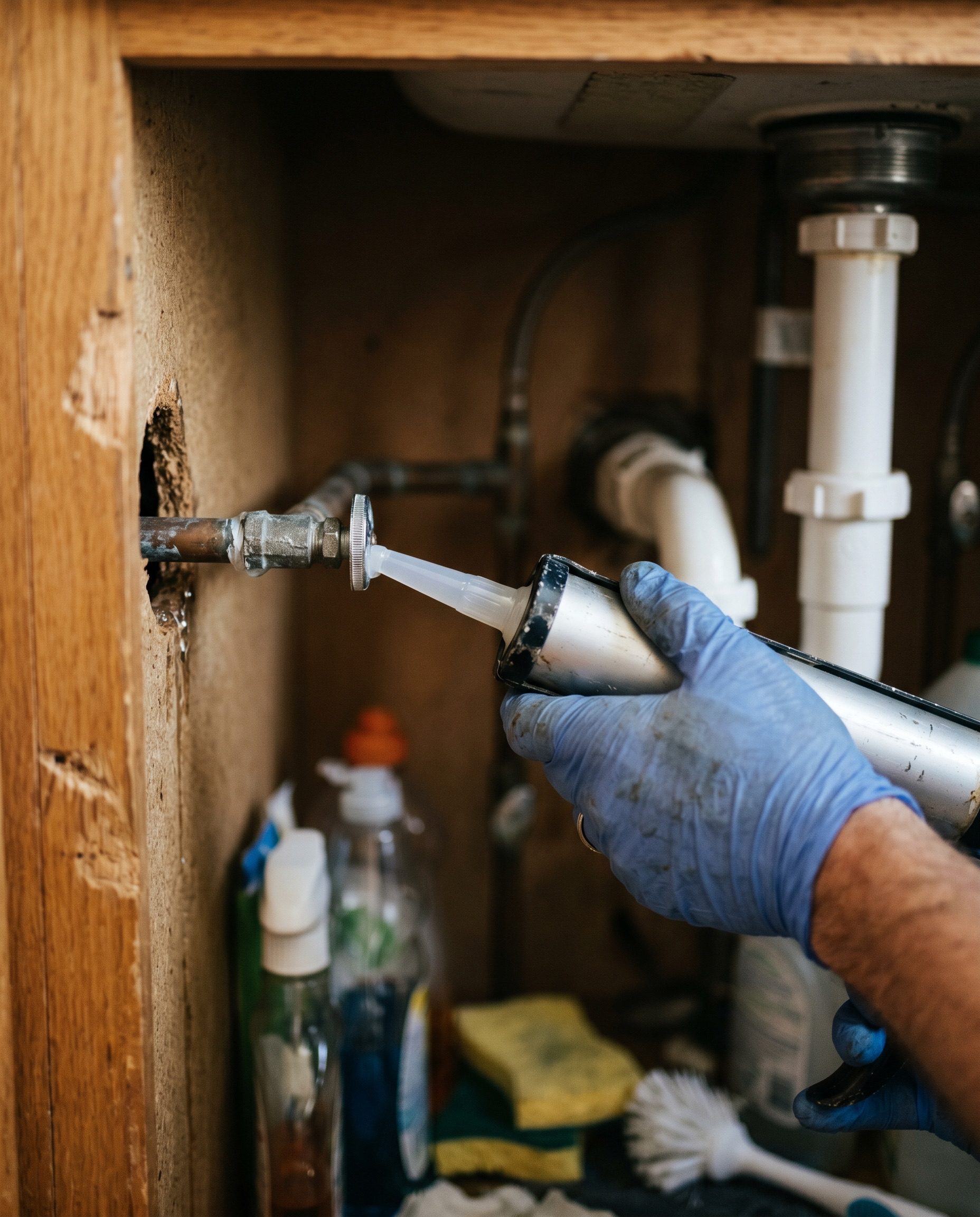
Start with exclusion. Walk the outside of the house and the inside of cabinets and find the gaps: a mouse fits through a hole the size of a dime, and insects need far less. Seal pipe penetrations, fill gaps around utility lines, fit door sweeps, and patch torn screens. Sealing the entry point is the one fix a pest cannot habituate to. Then take away the food and moisture: store dry goods in sealed containers, wipe up crumbs and grease, fix the dripping trap under the sink, and empty the pet bowl overnight. UC IPM’s definition of integrated pest management lays out this same prevention-plus-monitoring-plus-targeted-control order, with chemicals reserved for last and used in the least-toxic form that does the job.
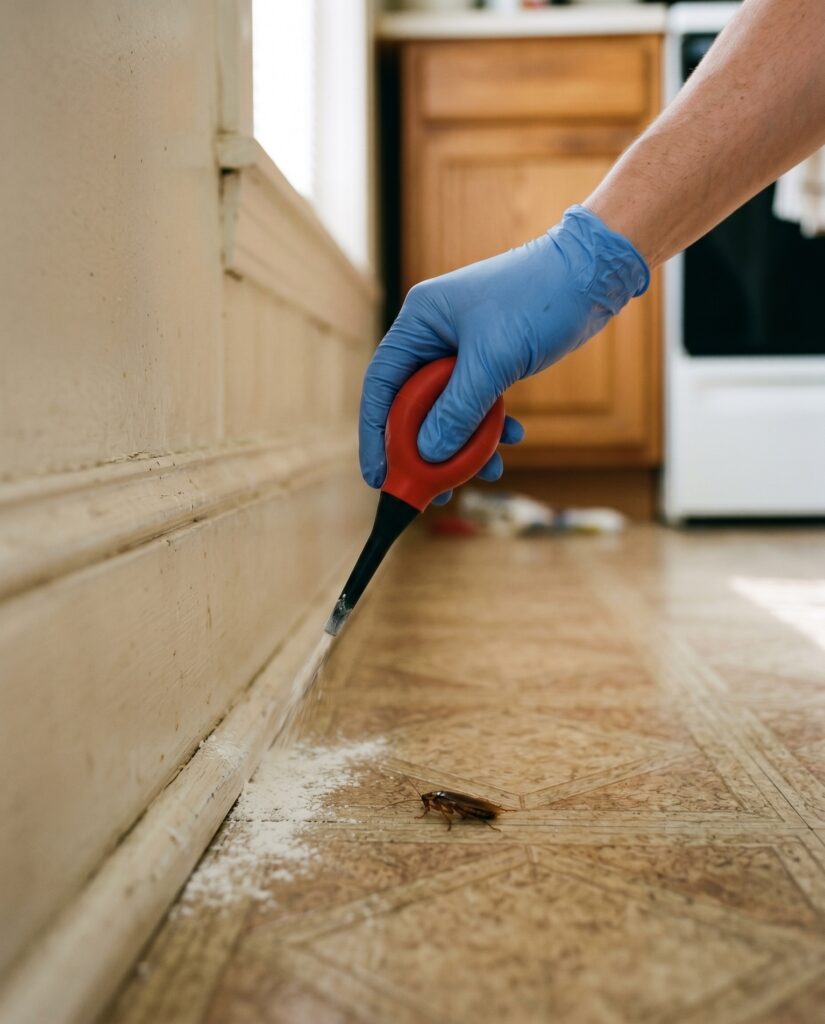
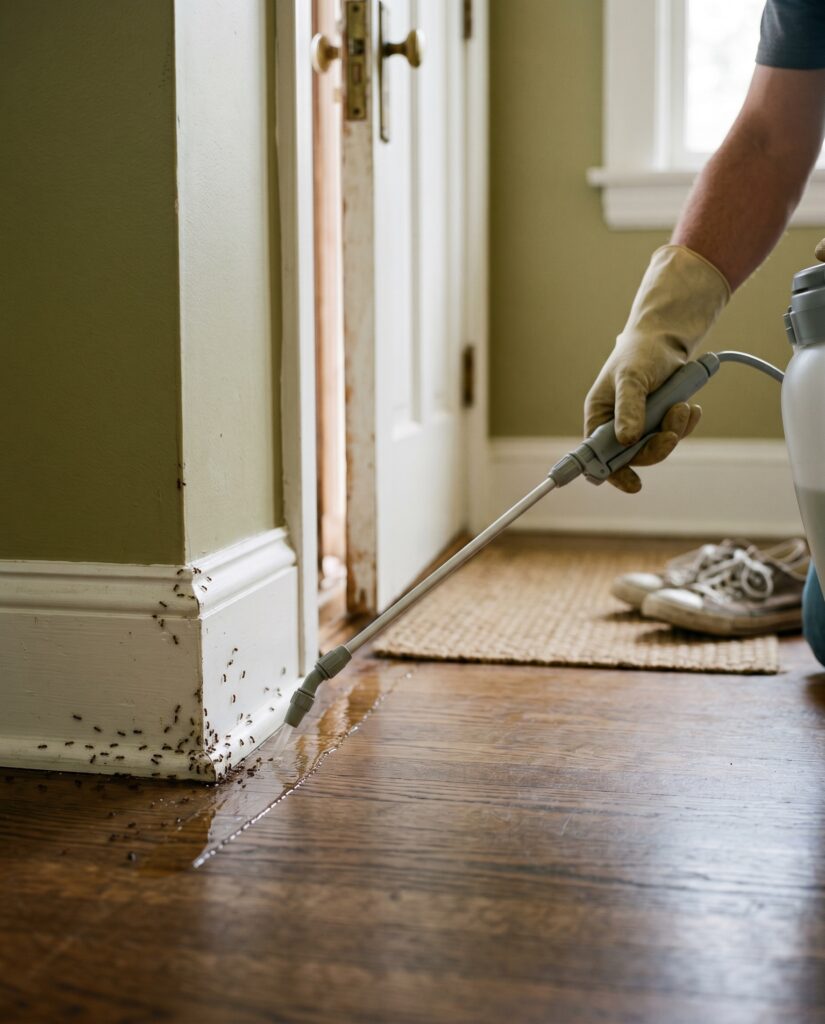
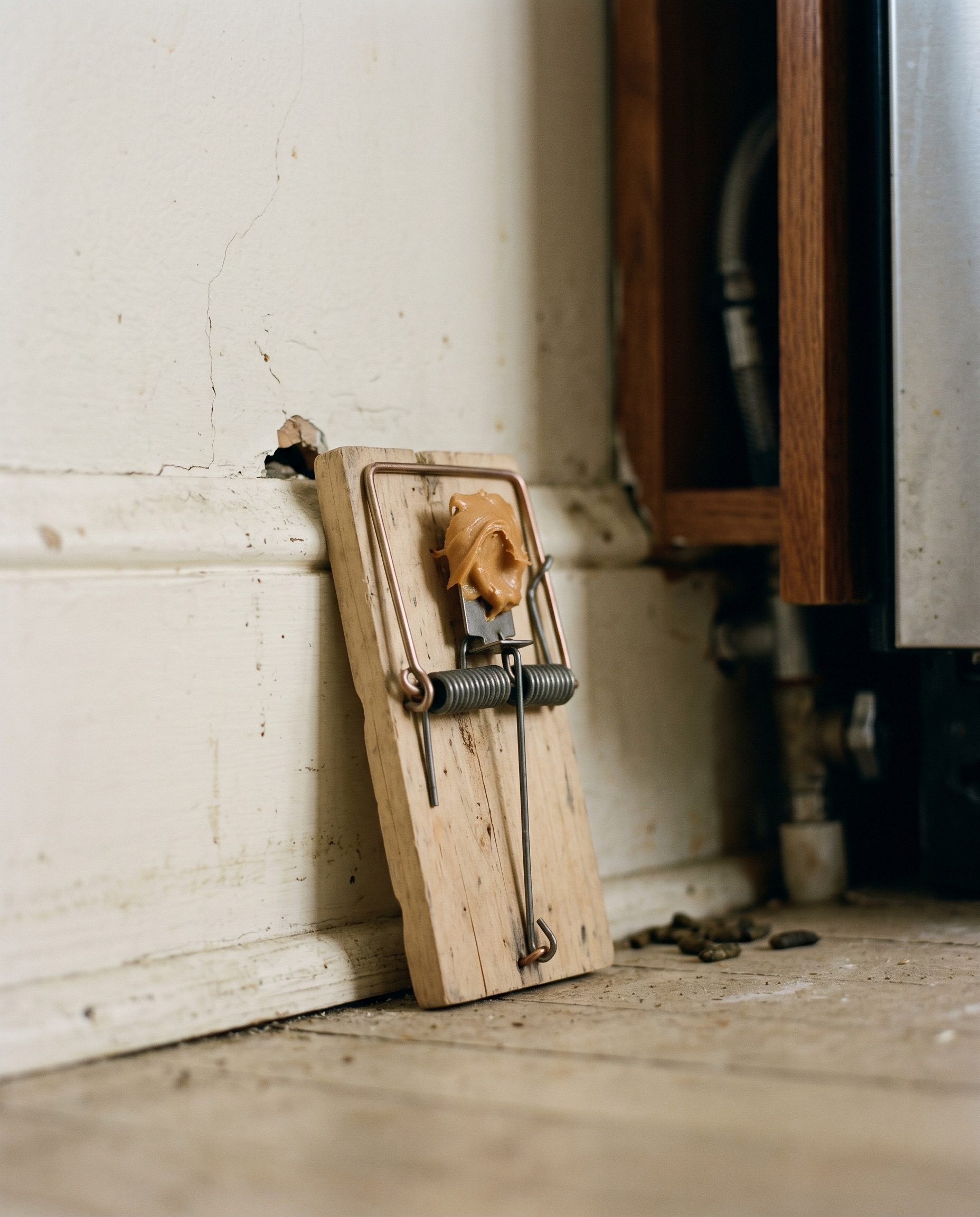
Only after that do tools come in, and they are targeted, not ambient. A snap trap or a glue board placed directly on a runway catches the animal that is already inside; a labeled bait in a crack reaches the colony the spray on the counter never will. Our guide to natural versus chemical pest control walks through where each approach genuinely earns its place, and if you are weighing traps, our breakdown of indoor insect traps and glue boards covers placement, which matters more than the trap itself.
How ultrasonic stacks up against real tools
The clearest way to see the gap is to line the device up next to the basic IPM steps it claims to replace. Each of these costs little and addresses the actual reason a pest is in your home.
| Approach | What it targets | Does it work |
|---|---|---|
| Ultrasonic plug-in | Tries to annoy pests into leaving | No real-world effect found; pests habituate |
| Sealing entry points | The way pests get in | Yes, the most durable fix |
| Sanitation and moisture | The food and water that draw them | Yes, removes the reason they stay |
| Traps and targeted baits | Pests already inside | Yes, when placed on activity |
The pattern is not subtle. The three things that work all change the conditions in the home, and the device tries to change the pest’s mind, which it cannot do for long. When a registered product is part of the plan, UC IPM on choosing targeted, least-toxic products is the right reference for picking something specific to your pest and following the label, and the broader EPA’s safe pest control guidance keeps the whole approach prevention-first and label-driven.
Common questions
Do ultrasonic pest repellers work on mice?
There is no reliable evidence they drive mice out. Mice habituate to a constant tone within days, and the sound does not penetrate the wall voids where they nest. Sealing the dime-sized gaps they enter through and setting traps on their runways is what reduces a mouse problem.
Do they work on cockroaches or ants?
No. Insects do not respond to these devices in a way that clears an infestation, and the sound cannot reach the cracks and voids where roaches and ant colonies actually live. Sanitation plus targeted bait in those harborages is the proven approach.
Are bug zappers a better alternative?
For most household pests, no. Zappers kill mostly harmless and beneficial insects and do not control mosquitoes, which track carbon dioxide, heat, and scent rather than ultraviolet light. They are only useful against nuisance flying insects. Our look at whether bug zappers work on mosquitoes covers why.
Why did it seem to help at first?
Two reasons usually explain the early impression: normal week-to-week swings in how much activity you notice, and the placebo of having done something. As the pests habituate, any apparent effect fades, which is the pattern testing keeps finding.
Are they safe to use anyway?
The devices themselves are generally harmless to people, and some pet owners worry about dogs and cats hearing the tone. The real cost is not safety, it is the false sense of security that delays the sealing, sanitation, and trapping that would have solved the problem.
Final verdict
Do ultrasonic pest repellers work? Independent testing and extension and public-health guidance have not found that they clear insects or rodents from a home, because pests habituate to the steady sound and walls block the high frequencies from reaching the places pests actually hide. The chemical-free, plug-it-in-and-forget-it promise is appealing, but it is solving an imaginary version of the problem. Put the money toward the steps that change the conditions in your house: find and seal the entry points, cut off food and moisture, and use traps or targeted baits where you see activity. If an infestation is large or keeps coming back, that is the point to bring in a licensed pest professional rather than another gadget.