If you bought a bug zapper to stop mosquito bites, the honest answer is that it will not do the job. Bug zappers do not meaningfully reduce mosquito bites, and the reason is simple biology: a mosquito finds you by the carbon dioxide you exhale, your body heat, and your skin scent, not by the glow of UV light. So she flies right past the crackling zapper and lands on you instead. Independent studies and public-health guidance find that zappers kill mostly harmless and beneficial night insects while barely touching the mosquito population. If mosquitoes are your real problem, skip the zapper and put your money into a skin repellent, dumping standing water, and a trap that actually targets them.
Bug zappers do not stop mosquito bites. Mosquitoes hunt by your breath, heat, and scent, not by UV light, so they ignore the zapper and bite you anyway. For mosquitoes, use a skin repellent, empty standing water, and consider a CO2-baited trap.
- Why it fails: Female mosquitoes track carbon dioxide, body heat, and scent, and a zapper’s UV light is not on that list.
- What it actually kills: Mostly moths, beetles, and other harmless or beneficial night insects, not mosquitoes.
- What works instead: An EPA-registered skin repellent, removing standing water, and a CO2-baited mosquito trap.
How a mosquito finds you
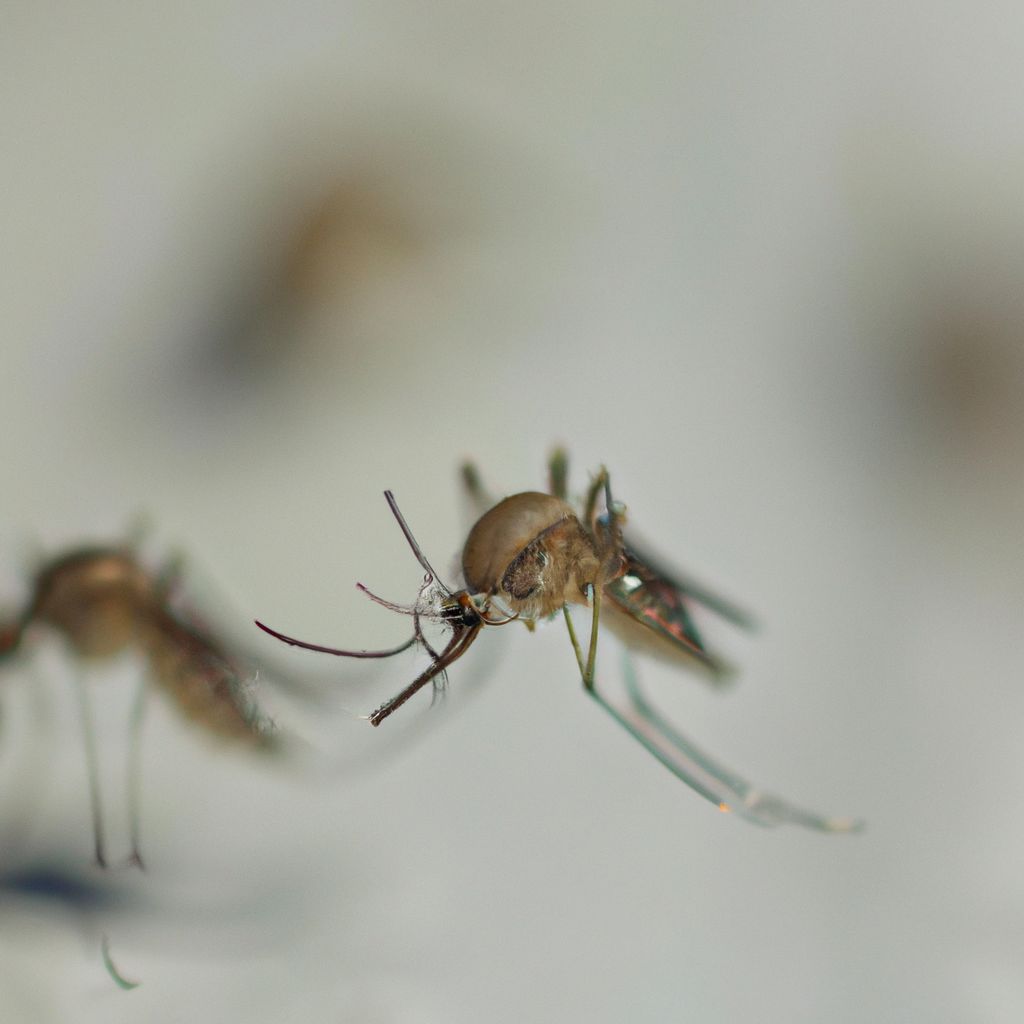
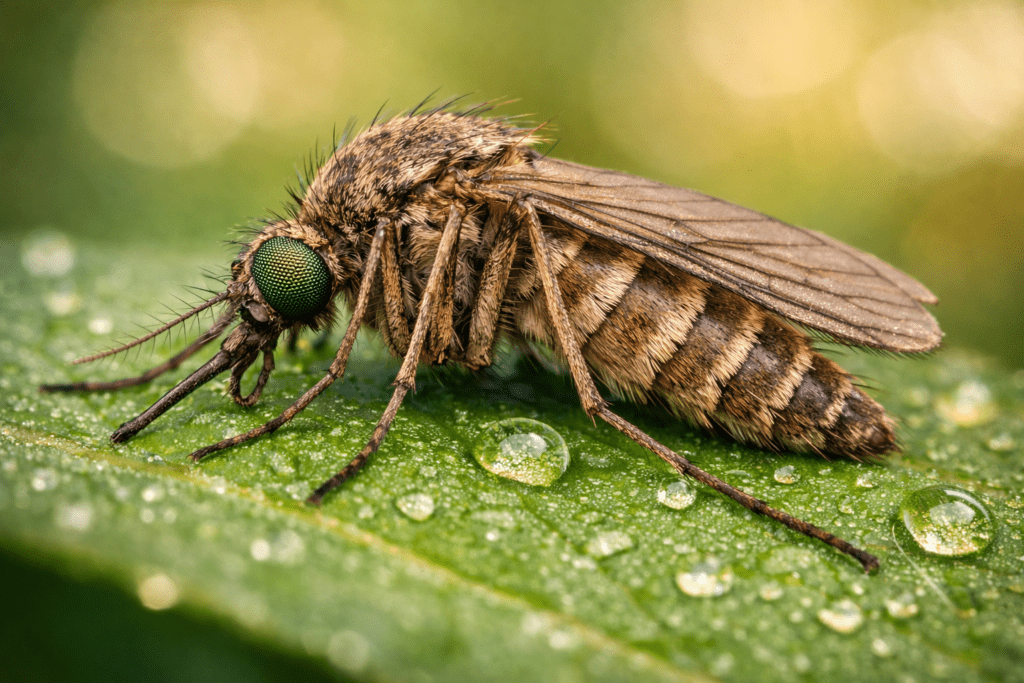
To understand why the zapper misses, start with how the animal hunts. Only the female mosquito (family Culicidae) bites, because she needs a blood meal to develop her eggs, and she is built to locate a warm-blooded host in the dark. She works in layers. From a distance, she follows the plume of carbon dioxide drifting off your breath, then closes in on your body heat, and finishes on the cocktail of scent compounds rising off your skin. The CDC’s guidance on how mosquitoes operate notes that they track you down by the carbon dioxide you breathe out and your body heat and scent, which is exactly the chemistry a glowing lamp cannot fake.
Notice what is missing from that hunting sequence: ultraviolet light. Mosquitoes are not strongly drawn to UV the way moths and many beetles are. A zapper’s whole pitch is the UV lure, and that lure is tuned to the wrong sense entirely. You, sitting in a chair and breathing, are a far louder signal to a mosquito than the brightest violet grid on the patio. That is the single fact that settles this question, and the rest of the article is just the consequences of it.
What the zapper actually electrocutes
A bug zapper does kill insects, just not the ones biting you. The UV tube pulls in night-flying species that are genuinely phototactic, meaning they steer toward light: moths, caddisflies, lacewings, midges, and assorted beetles. Many of those are harmless, and a fair number are useful. Lacewings eat aphids, and a lot of the small flies feed fish and bats. The zapper is an indiscriminate trap, and the body count skews heavily toward bystanders.
This is where independent studies and public-health guidance line up against the marketing. When researchers have sorted through the catch under a residential zapper, the share that turns out to be biting mosquitoes is tiny, often a rounding error against the moths and beetles. The principle behind that finding is the same one extension entomologists teach: kill counts are not the same as bite reduction. The University of California’s integrated pest management program frames effective control as prevention, monitoring, and targeted control over gadgets, and a device that electrocutes the wrong insects fails every part of that test. If you still want one for the moths and the ambiance, our Best Bug Zappers for Mosquitoes (and Why They Barely Help) covers what they are genuinely good at, which is not mosquito control.
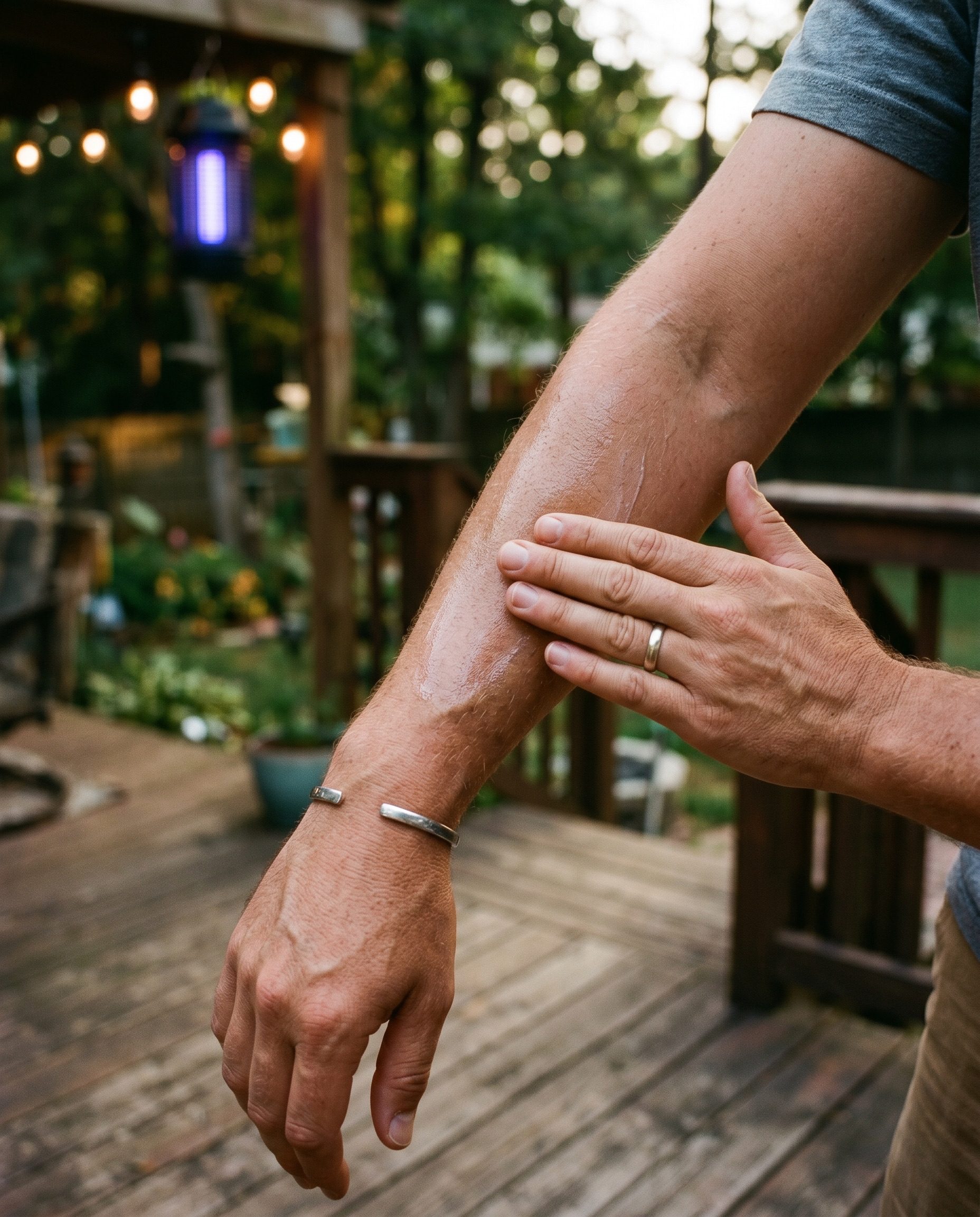
Zapper versus what bites you
Here is the mismatch laid out plainly. The left column is what a UV zapper pulls in. The right two columns are what actually drives mosquito bites and what answers it.
| The cue | What the zapper offers | What a mosquito actually uses |
|---|---|---|
| Carbon dioxide | None | Your exhaled breath, followed from yards away |
| Body heat | None | Your warm skin at close range |
| Skin scent | None | Lactic acid and other compounds on your skin |
| UV light | The entire lure | Largely ignored by biting females |
Read across the bottom row and the problem is obvious. The zapper is selling the one cue mosquitoes care least about, while offering nothing on the three cues that actually bring a female to your ankle. A CO2-baited mosquito trap flips this table on its head: it puffs out carbon dioxide and sometimes a heat or scent lure, so it competes with you for the mosquito’s attention instead of waiting for a bite that will never come to the light.
Are LED or UV Mosquito Traps Any Better?
Some newer products market themselves as “mosquito-specific LED traps” using wavelengths supposedly tuned to attract mosquitoes. The research is mixed. While certain UV wavelengths (365-395nm) can attract some mosquito species slightly more than others, the effect is still far weaker than CO2 or heat attraction.
The most effective “light-based” mosquito devices combine LED/UV attraction with a CO2 supplement and a fan to trap mosquitoes that get close. Without the CO2 component, even the best-tuned LED device will primarily catch moths and other non-mosquito insects.
What actually reduces bites
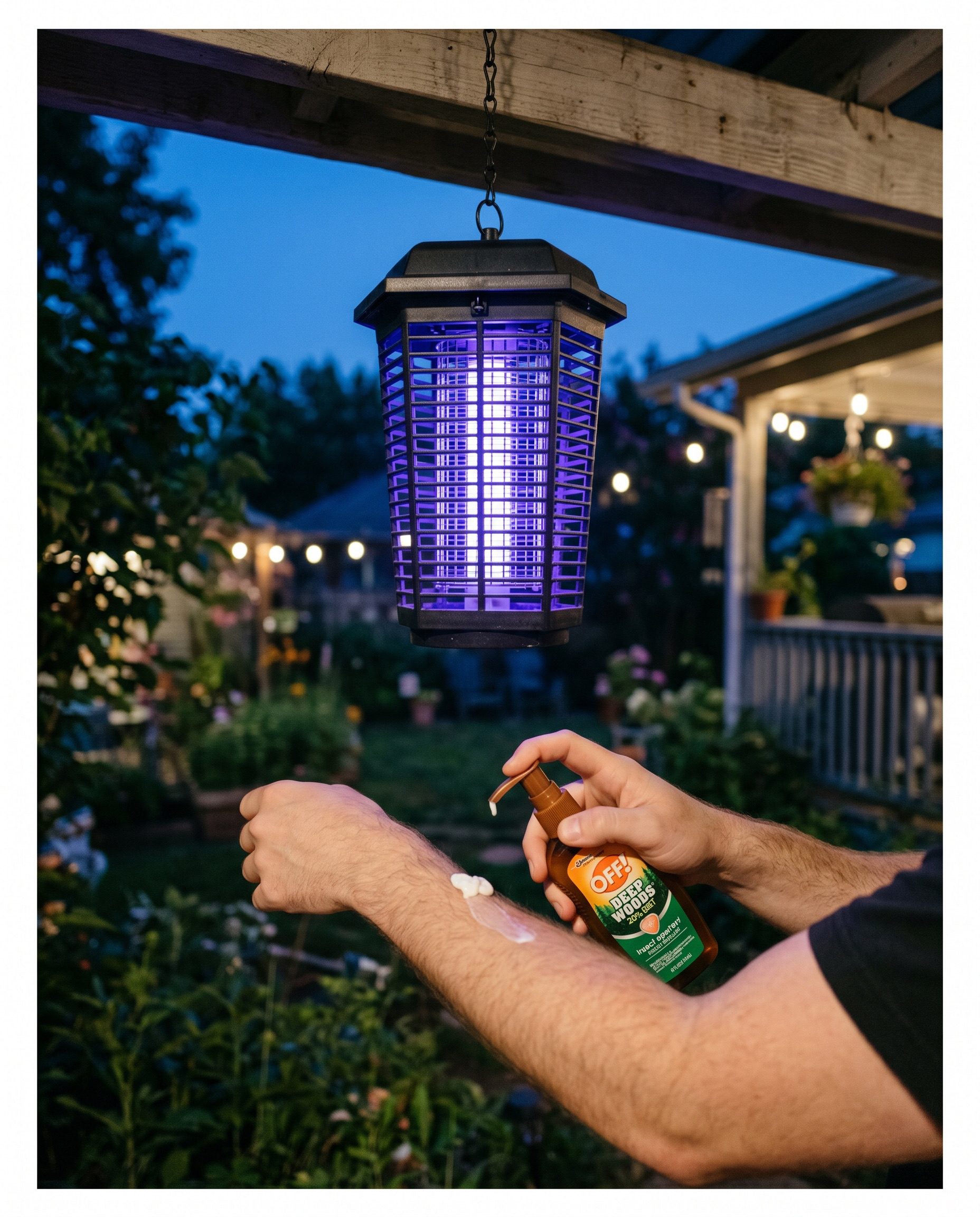
Switch the budget to the three things that work, in order. First, wear an EPA-registered skin repellent when you are out at dusk and dawn, the windows when most backyard biters are active. The CDC points readers to the same two pillars, an EPA-registered skin repellent and removing standing water, and the registration matters because it means the active ingredient has been reviewed for skin use. DEET, picaridin, and oil of lemon eucalyptus all clear that bar; follow the label for how often to reapply. Our insect repellent guide sorts the active ingredients by how long each one lasts.
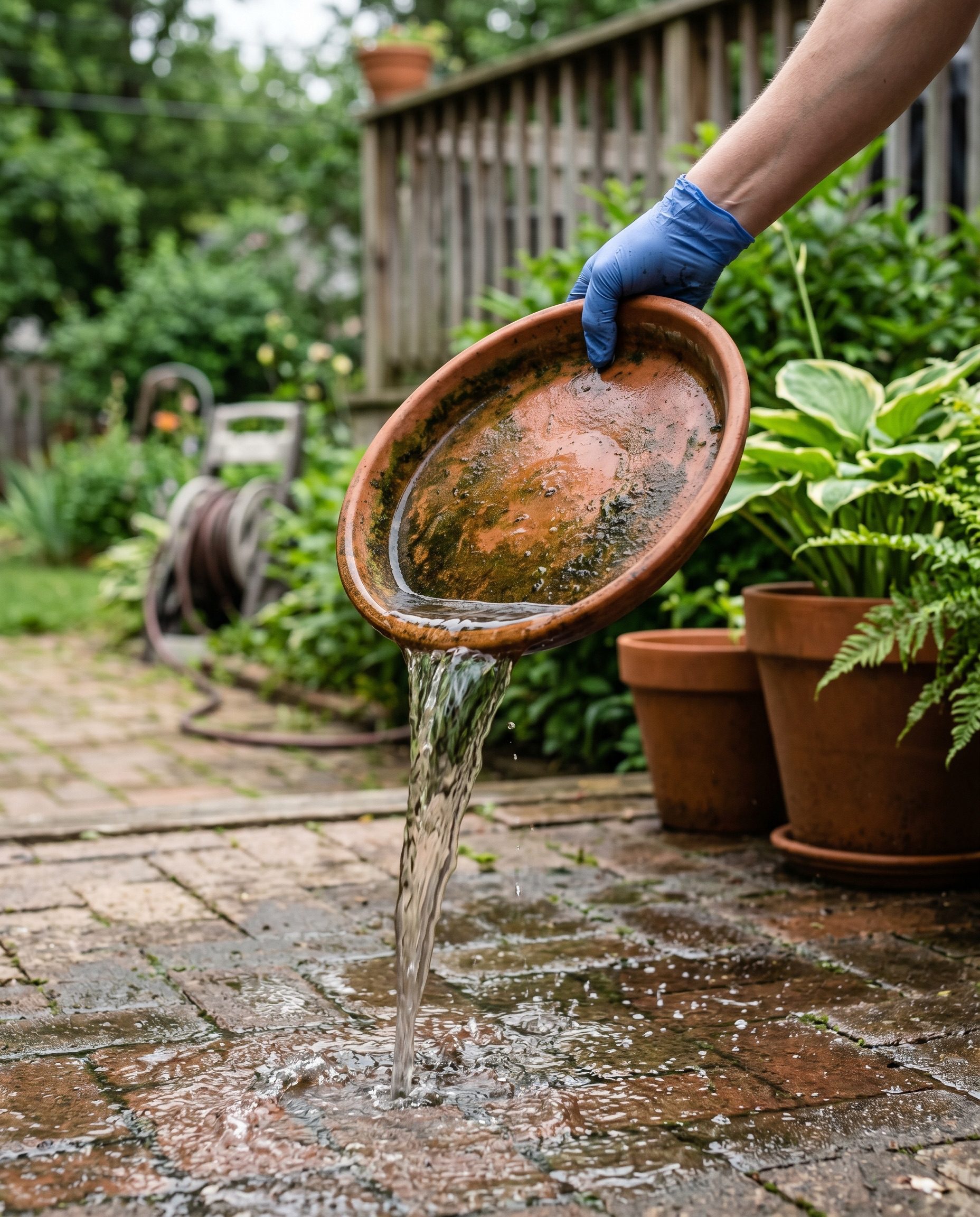
Second, eliminate standing water, because that is where the next generation hatches. A mosquito can complete her aquatic stage in a bottle cap of water, so walk the yard and tip out anything holding it: plant saucers, buckets, clogged gutters, kiddie pools, tarps, and the tray under the grill. This is source reduction, the most durable mosquito control there is, and it costs nothing. The EPA frames this kind of integrated pest management that starts with prevention and targeted control as the foundation, with treatments layered on only where prevention leaves a gap.
Third, if you want a device, buy the one matched to the mosquito’s biology: a CO2-baited trap. It works precisely because it mimics you, releasing carbon dioxide to pull host-seeking females in and capture them, rather than betting on a sense they do not hunt with. None of these are gimmicks, and all of them rest on the proven, registered pest control methods the EPA documents for homeowners. If you have been eyeing a plug-in gadget instead, read why the ultrasonic repeller claims do not hold up before you spend on one.
Common questions
Do bug zappers kill any mosquitoes at all?
A few, by accident. A mosquito that blunders into the grid will die, but mosquitoes are not drawn to UV, so the device never pulls them in the way it pulls moths. The handful it catches is far too small to lower the number of bites you get.
Will a zapper make my mosquito problem worse?
Not directly, but it can give a false sense of security and it does kill beneficial night insects. The bigger cost is opportunity: every dollar and every evening spent on the zapper is one not spent on repellent and dumping water, which is what would actually help.
What about the blue or purple LED traps sold for mosquitoes?
Same problem. If the device relies on light alone, it is fighting the mosquito’s biology. The traps that work add a real mosquito cue, usually carbon dioxide and sometimes a scent lure, so look for that feature rather than the color of the bulb.
Are bug zappers useless then?
No, just mismatched to this job. They genuinely reduce certain light-drawn nuisance insects like moths around a porch light, which some people want. They are simply the wrong tool for mosquitoes, and buying one for mosquito control is the mistake.
Do citronella candles or torches replace a repellent?
They help a little in still air close to the flame, but the protected zone is small and breaks up in any breeze. Treat them as backup ambiance, not as your main defense, and keep the skin repellent on.
Final verdict
Do bug zappers work on mosquitoes? No, and the reason is biology, not brand: a female mosquito hunts by carbon dioxide, body heat, and skin scent, and a UV lure speaks to none of them, so she ignores the glowing grid and bites you. What the zapper kills is mostly moths, beetles, and other harmless or beneficial night insects, which is why independent studies and public-health guidance keep finding it does almost nothing for bites. Put the budget where the biology points: an EPA-registered skin repellent at dusk, standing water emptied every few days, and, if you want a device, a CO2-baited trap that competes with you for the mosquito instead of waiting at a light she will never visit.