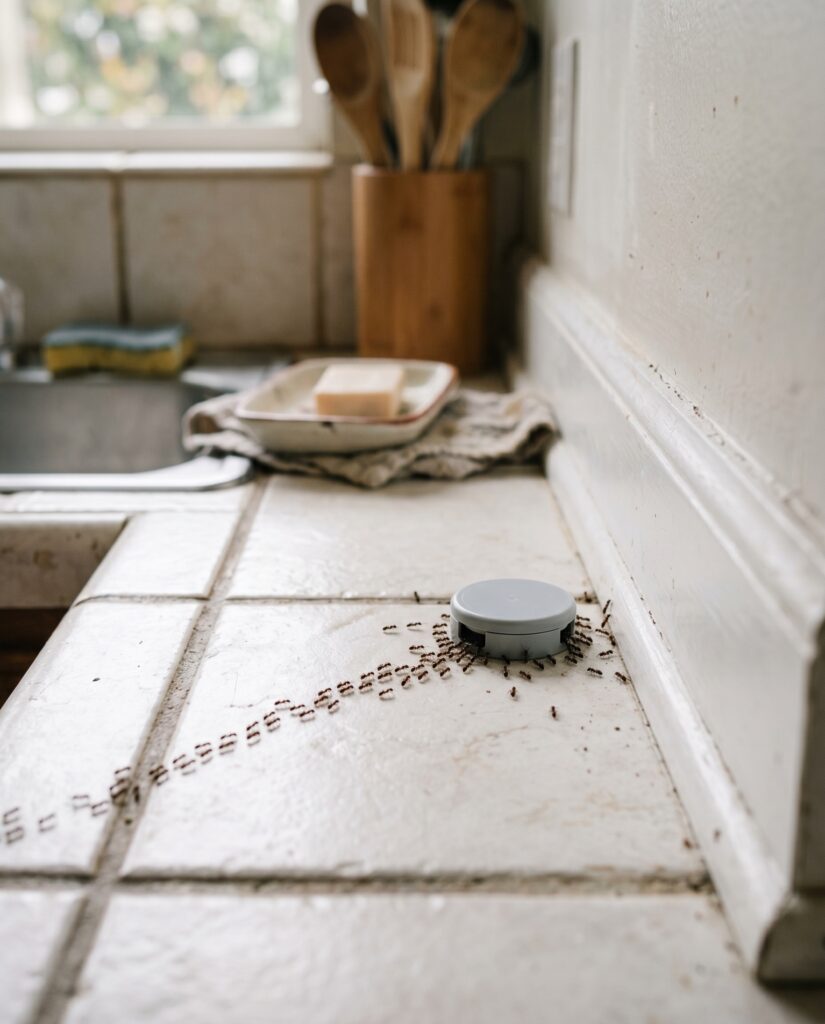
Finding ants in bathroom spaces is almost always a moisture story, not a “dirty house” story. A tiny drip under the sink, condensation behind the toilet, or a damp bathmat can act like a reliable watering station for an entire colony. The good news is that bathroom ant problems are usually fixable with a few targeted steps: confirm what kind of ant you’re seeing, cut off water access, seal their entry routes, and use baits that reach the queen. This guide walks you through identification, prevention, and fast control options that actually last.
\
Two neighbouring questions come up here: DIY Ant Bait Recipes: Borax Traps That Work and Red Ants vs Black Ants: Key Differences Explained.
Quick identification + quick answer (what to do first)
\
If you want the fastest path to fewer ants today, do these steps in order. This is the most reliable approach for ants in bathroom situations because it targets the colony, not just the ants you can see.
\
Do this now (10-20 minutes):
\
- \
- Follow the trail to the tightest point (often under-sink plumbing, toilet base, or tub caulk line).
- Dry the area completely and fix obvious leaks or sweating pipes.
- Place ant bait stations/gel beside the trail (not directly on it).
- Do not spray the trail first – sprays can scatter ants and reduce bait pickup.
- Seal obvious gaps after activity slows (24-72 hours), especially around pipes.
\
\
\
\
\
\
Quick ID clues (helps you choose the right response):
\
| What you notice | Likely ant type | What it suggests |
|---|---|---|
| Tiny (1.5-3 mm), dark, steady trails | Odorous house ant (Tapinoma sessile) or similar | Foraging for water and residues |
| Larger (6-12 mm), may appear at night | Carpenter ant (Camponotus spp.) | Possible damp wood nearby |
| Many small ants, heavy trail traffic, repeats quickly | Argentine ant (Linepithema humile) in some regions | Big colony pressure, needs baiting consistency |
\
Why ants show up in bathrooms (it’s usually water, not food)
\
Bathrooms confuse people because they do not look like a “pantry.” Yet ants treat them like a dependable oasis. Think of a colony as a small city. It needs water every day, and it will build routes to the most reliable source. Bathrooms provide that reliability through humidity, plumbing voids, and condensation.
\
The main attractants: moisture + micro-residues
\
Most bathroom ants are not coming for crumbs. They are coming for:
\
- \
- Leaky faucets, supply lines, and drain traps
- Condensation on cold-water pipes or toilet tanks
- Standing water in soap dishes, cups, or plant saucers
- Residues like soap scum, toothpaste, skin cells, and hair oils
\
\
\
\
\
Pest management pros repeatedly note that consistent humidity and scent trails drive bathroom activity more than cleanliness alone. Even a spotless bathroom can attract ants if there is a slow drip or damp void.
\
How they get in: the “plumbing highway”
\
Ants love protected travel lanes. Bathrooms are full of them. Common entry points include:
\
- \
- Gaps around sink and tub plumbing penetrations
- Cracks in grout, caulk, or tile transitions
- Spaces around vents, baseboards, and window frames
- Foundation cracks that line up with bathroom walls
\
\
\
\
\
Here’s a quick checklist you can use during a 5-minute inspection:
\
| Bathroom spot | What to look for | Quick fix |
|---|---|---|
| Under sink | Damp cabinet floor, pipe gaps | Dry + caulk/escutcheon plate |
| Toilet base | Ants appearing from one side | Check for condensation, reseal gaps |
| Tub/shower edge | Split caulk line | Re-caulk after drying |
| Fan/vent | Dusty gaps, loose trim | Seal trim, improve ventilation |
\
When it’s more than foragers
\
If you see ants daily for more than a week, especially in the same corner, it can signal a satellite nest in a wall void or near plumbing. Carpenter ants are the biggest concern because they excavate galleries in water-damaged wood. If you also notice soft trim, bubbling paint, or a musty smell, treat it as a moisture problem first, then an ant problem.
\
For a deeper look at colony-targeting products, compare options in our guide to the best ant killers and baits.
\
Ants in bathroom: which species are most common (and how to tell)
\
\
\
\
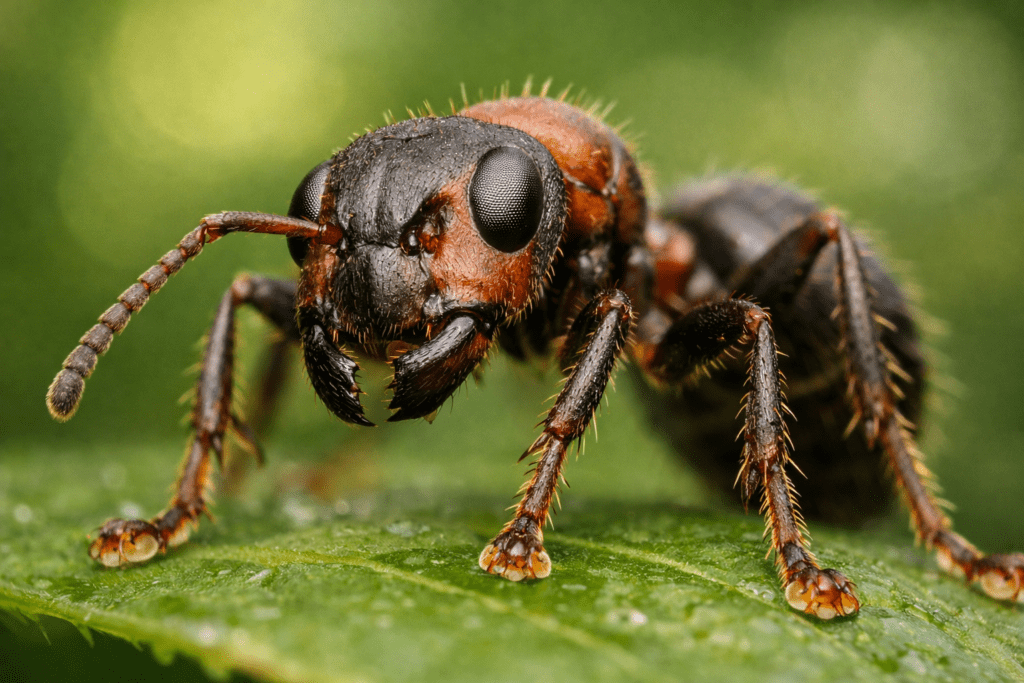
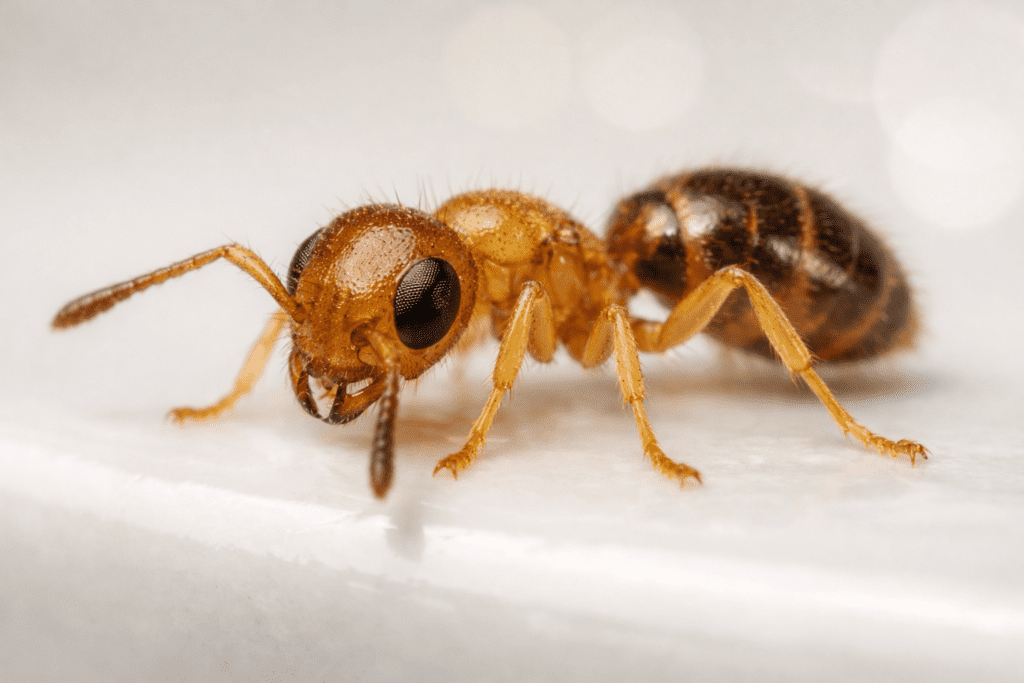
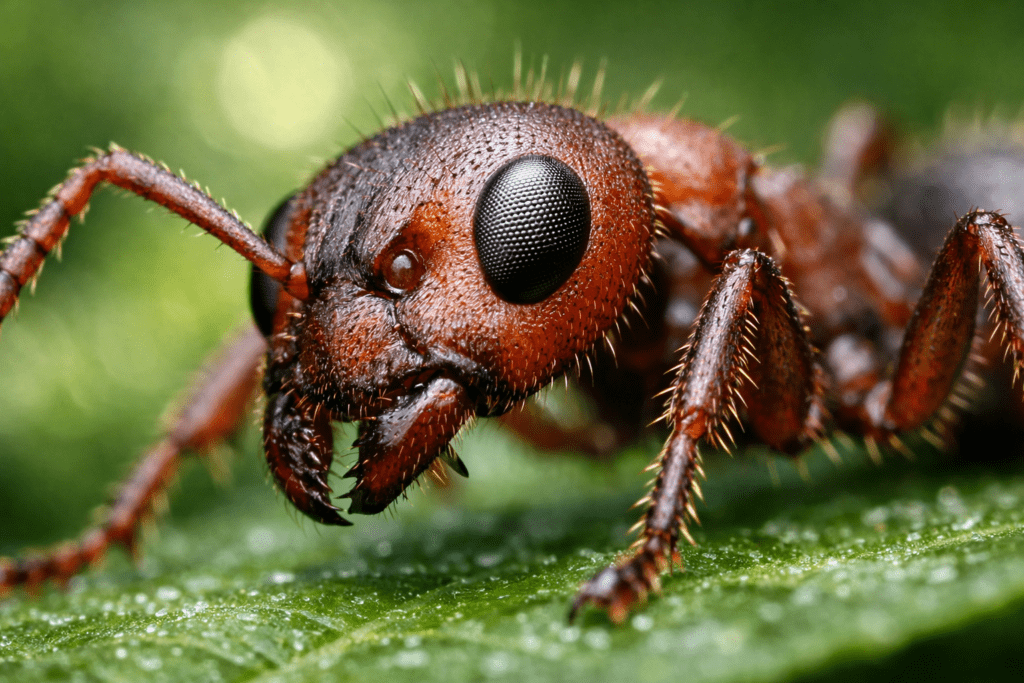
Accurate identification changes your strategy. A bait that works well for sugar-loving ants may disappoint if the colony wants protein. And if you’re dealing with carpenter ants, you also need to hunt down damp wood.
\
Common bathroom-invading ants (with behavior clues)
\
Here are the usual suspects in North American homes:
\
| Species (common name) | Size | Color | Behavior in bathrooms | Risk level |
|---|---|---|---|---|
| Odorous house ant (Tapinoma sessile) | 2-3 mm | brown to black | Strong trails to water; can smell “rotten coconut” when crushed | Low structural risk, high nuisance |
| Carpenter ants (Camponotus spp.) | 6-12 mm | black or bicolored | Often seen at night; may appear near damp trim | Potential structural damage |
| Argentine ant (Linepithema humile) | 2-3 mm | light to dark brown | Very heavy trail traffic; persistent in warm regions | High nuisance, hard to eliminate |
| Pavement ant (Tetramorium immigrans) | 2.5-4 mm | dark brown/black | May nest under slabs and enter along edges | Moderate nuisance |
\
One reason small ants become “suddenly everywhere” is colony size. Odorous house ant colonies can reach the thousands, and in peak seasons they can be very large. That is why a small leak can turn into a daily trail.
\
Carpenter ant warning signs you should not ignore
\
Carpenter ants do not eat wood like termites, but they excavate it to make galleries. Bathrooms with chronic moisture can create perfect conditions. Watch for:
\
- \
- Frass (sawdust-like debris) in a small pile, sometimes with insect parts
- Rustling sounds in walls at night (rare, but possible)
- Ants emerging from window trim, door frames, or baseboards near the bathroom
\
\
\
\
For science-backed ID and management guidance, the University of Tennessee Extension publication on ants outlines common household ant behavior and why colony-level control matters.
\
Quick “trail test” to help ID
\
Try this simple observation tonight:
\
- \
- Turn off bathroom lights for 20 minutes.
- Return with a flashlight and check along pipe edges and baseboards.
- Note whether ants move in a tight line (trail-followers) or more scattered.
\
\
\
\
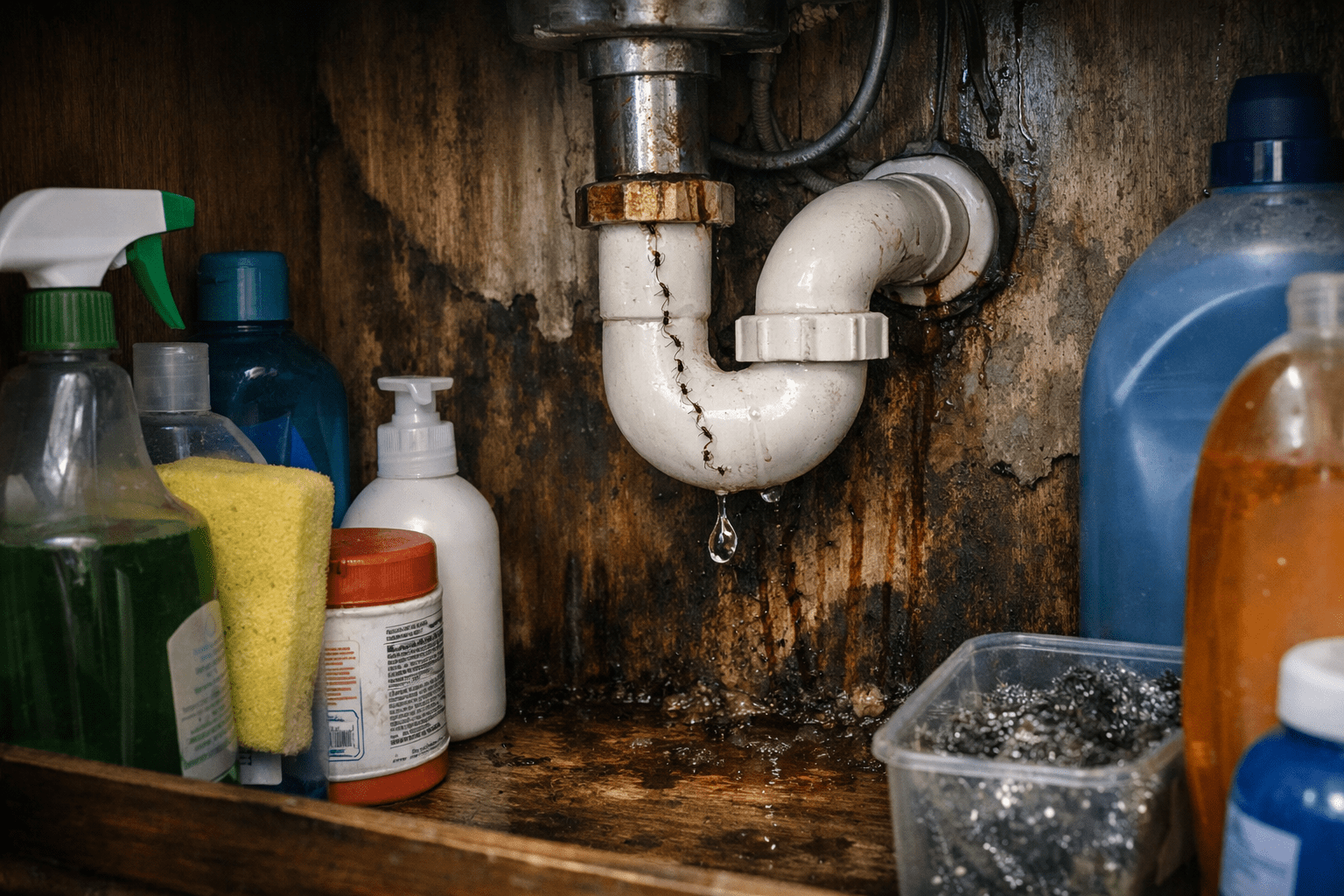
Tight lines often indicate strong pheromone trails typical of odorous house ants and Argentine ants. Scattered activity near damp wood can raise suspicion for carpenter ants.
\
 \
\\
\
How to get rid of ants in the bathroom (step-by-step plan that works)
\
\
\
\
\
\
Raid Ant and Roach Killer, 14 oz\
\
\
This insecticide is specifically designed to target ants and roaches, making it suitable for bathroom pest control.
\
\
\
\
Check Price on Amazon →\
\
\
\
\
\
If you have tried sprays and the ants keep coming back, you are not alone. Sprays kill the visible foragers, but they rarely touch the queen or the brood. Entomologists and pest professionals generally recommend baits as the backbone of indoor ant control because workers carry the active ingredient back to the colony.
\
Step 1: Remove the water advantage (the fastest “multiplier”)
\
Before you place bait, make the bathroom less attractive:
\
- \
- Fix leaks at faucets, supply valves, and P-traps.
- Run the exhaust fan during showers and for 20 minutes after.
- Wipe condensation from pipes and the toilet tank.
- Hang towels and bathmats to dry fully.
\
\
\
\
\
If humidity is consistently high, a small dehumidifier can help. Lower moisture means fewer ants recruiting to that spot.
\
Mini checklist (printable):
\
- \
- Under-sink cabinet is dry
- No drip at shutoff valves
- Tub and sink caulk is intact
- Trash emptied and rinsed weekly
- Fan works and vents outside
\
\
\
\
\
\
Step 2: Clean the “invisible food”
\
In bathrooms, “food” often means residues:
\
- \
- Toothpaste splatter on counters and cabinet edges
- Soap scum in corners and around dispensers
- Hair product residue and sticky bottle bottoms
\
\
\
\
Use warm soapy water first, then rinse and dry. Avoid strong-smelling cleaners right where you plan to bait, because odor can interfere with ant trail-following.
\
Step 3: Bait correctly (placement matters more than brand)
\
Bait works when ants feed and share. To improve results:
\
- \
- Place bait beside trails and near entry points (under sink, behind toilet).
- Use multiple small placements rather than one large one.
- Expect more ant activity for 1-3 days as recruitment increases.
- Do not disturb feeding ants. Let them work.
\
\
\
\
\
If you need help choosing a product type, our overview of ant baits and treatments explains gel vs. stations and when each shines.
\
Step 4: Avoid the common “spray trap”
\
Spraying repellent insecticides on trails can:
\
- \
- Break pheromone trails temporarily
- Cause colonies to bud (split) in some species
- Reduce bait acceptance
\
\
\
\
If you must kill stragglers, use a targeted, non-repellent approach away from bait placements. In most cases, patience with bait pays off more than repeated spraying.
\
Step 5: Seal entry points after the trail slows
\
Once activity drops, block future access:
\
- \
- Caulk gaps around pipes and baseboards
- Re-caulk tub and shower edges where cracks form
- Add door sweeps if ants appear from the hallway side
\
\
\
\
Sealing map (most important first):
\
- \
- Pipe penetrations under sink
- Toilet supply line hole
- Tub caulk line and wall corners
- Window trim gaps (if present)
\
\
\
\
\
Natural and low-tox options (and what actually helps)
\
\
\
\
\
\
Terro T300B Liquid Ant Bait Ant Killer, 12 Bait Stations\
\
\
These bait stations are effective for targeting ant colonies, which is crucial for long-term control in bathrooms.
\
\
\
\
Check Price on Amazon →\
\
\
\
\
\
Many readers want to start with lower-tox methods, especially in small spaces where kids and pets may be present. Natural options can reduce activity, but they work best as support for moisture control and baiting, not as a stand-alone “one and done.”
\
What works well naturally: disrupt trails + reduce access
\
These options can help when used consistently:
\
- \
- Soap and water wipe-downs: removes pheromone trails on counters and tile edges.
- Vinegar-water cleaning (spot use): can disrupt trail-following on hard surfaces.
- Diatomaceous earth (food grade) in dry voids: can kill ants that cross it, but it must stay dry to work.
\
\
\
\
For a full list of plant-based and household approaches, see our guide to natural ant repellents.
\
What to be careful with in bathrooms
\
Bathrooms are humid, and that limits some “natural” tools:
\
- \
- Diatomaceous earth clumps when damp and becomes far less effective.
- Essential oils can be irritating in enclosed spaces and may stain porous stone.
- Boiling water or harsh DIY mixes can damage caulk and finishes.
\
\
\
\
A simple low-tox routine (7 days)
\
Use this if you want a balanced plan:
\
- \
- Day 1: Fix moisture, dry surfaces nightly.
- Day 1-2: Place bait near trails.
- Daily: Wipe trails with soapy water (avoid bait area).
- Day 4-7: Reposition bait if trails shift.
- End of week: Seal gaps once activity is low.
\
\
\
\
\
\
If ants persist beyond 10-14 days despite baiting and moisture fixes, the nest may be in a wall void or outside with strong indoor access.
\
 \
\\
\
When to call a pro (and how to prevent a repeat)
\
Some bathroom ant problems are simple. Others keep looping because the colony is hidden, the species is persistent, or moisture damage is feeding the problem. The key is knowing when DIY has hit its limit.
\
Signs DIY may not be enough
\
Consider professional help if you notice:
\
- \
- Carpenter ants plus any sign of damp or soft wood
- Ants returning quickly after correct baiting (10-14 days)
- Multiple trails in different bathrooms or floors
- Ants emerging from wall outlets, ceiling fixtures, or behind tile
\
\
\
\
\
A pro can confirm the species, locate satellite nests, and use non-repellent treatments in wall voids safely and legally.
\
Prevention: make your bathroom a bad habitat
\
Ant-proofing is mostly moisture management plus sealing. Focus on:
\
- \
- Ventilation: run the fan after showers; clean the fan grill for airflow.
- Plumbing maintenance: replace worn supply lines; re-seat dripping valves.
- Outdoor reduction: keep mulch and dense vegetation away from the foundation line near bathrooms.
- Routine checks: look under sinks monthly for dampness and tiny gaps.
\
\
\
\
\
If you’re also battling other indoor pests, it helps to use a consistent plan across rooms. Our overview of indoor pest control methods shows how moisture and entry points affect multiple pests, not just ants.
\
Quick takeaways (save this)
\
- \
- Bathrooms attract ants mainly because of water and humidity.
- Baits beat sprays for lasting control because they target the colony.
- Carpenter ants in a bathroom can signal moisture-damaged wood worth inspecting.
- Seal gaps after baiting reduces activity, so you do not trap ants inside.
\
\
\
\
\
Conclusion
\
Seeing ants in a bathroom is frustrating, but it’s also a solvable pattern: moisture draws them in, trails guide them, and colony-based baiting ends the cycle. Start by drying and fixing leaks, then bait along trails, and finally seal the access points once activity drops. If you suspect carpenter ants or you keep seeing ants after two weeks of correct baiting, schedule an inspection to rule out a hidden nest and moisture damage.
\
For next steps, review our recommendations for best ant killers and baits and pair them with these natural ant repellents to keep bathrooms dry, sealed, and far less inviting.
\
As an Amazon Associate, I earn from qualifying purchases. Product recommendations are based on real reviews and independent research.