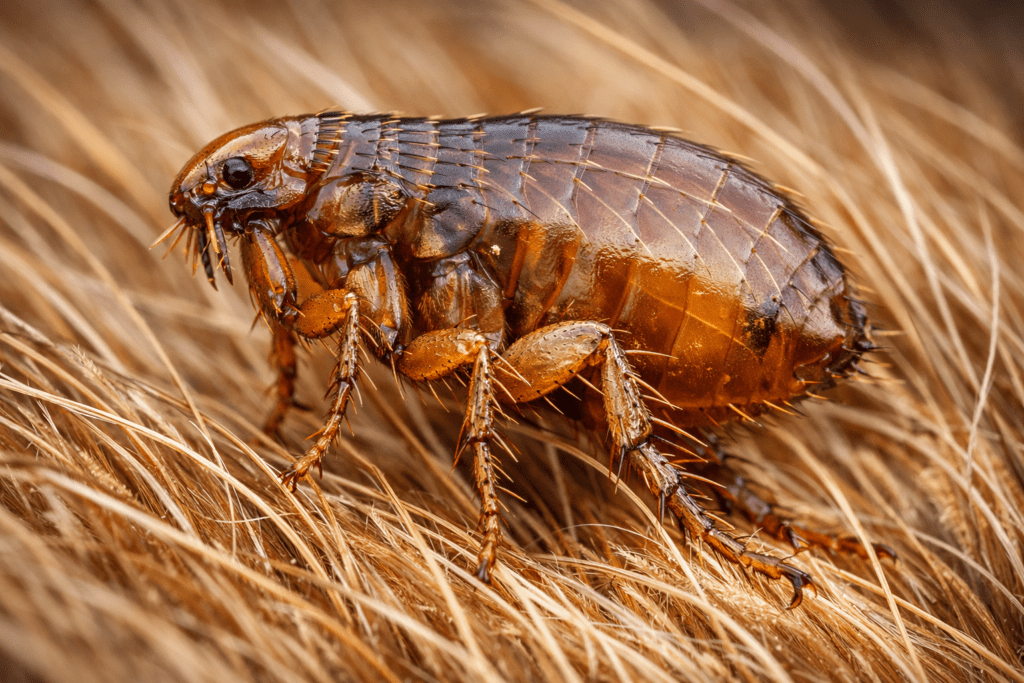
Finding fleas on humans is unsettling, especially when you wake up with itchy welts or notice tiny jumpy bugs on your socks. The good news is that fleas can bite people, but they do not set up a long-term “infestation” on your body the way they do on cats, dogs, and wildlife. What usually happens is a temporary encounter: fleas feed, then retreat to carpets, pet bedding, or yard hotspots. This guide explains what’s really going on, how to tell flea bites from lookalikes, and how to stop the cycle fast.
\
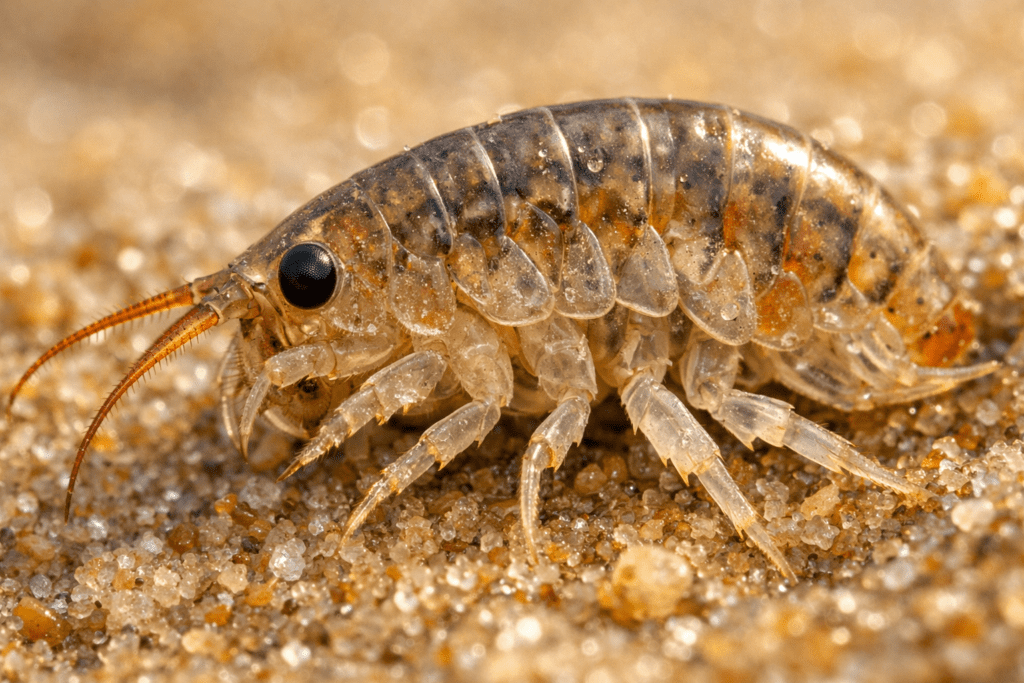
For the questions either side of this one, see How Long Do Fleas Live Without a Host? and Sand Fleas: Identification, Bites & Prevention Guide.
Quick answer: can fleas live on people?
\
Fleas on humans are almost always temporary. Adult fleas may hop onto you to feed, but they typically cannot live, breed, or complete their life cycle on human skin.
\
Here’s the quick, practical breakdown:
\
- \
- Can fleas bite humans? Yes – commonly on ankles, feet, and lower legs.
- Can fleas live in human hair? They may land briefly, but they don’t stay and reproduce like they do in fur.
- Can fleas lay eggs on people? Very unlikely. Eggs are usually laid in an animal’s coat and fall into the environment.
- Why do bites keep happening? Because the real “home base” is usually your pet, carpet, sofa, or pet bedding, not your body.
- When to worry more: If you have fever, swollen lymph nodes, or a spreading rash, contact a clinician. The CDC’s flea overview summarizes flea-borne disease risks.
\
\
\
\
\
\
Why fleas don’t truly infest humans (and what they do instead)
\
If you’ve ever seen a flea vanish after you try to grab it, you’ve already witnessed the key problem: fleas are built to move through fur, not bare skin. Most household flea encounters involve the cat flea (Ctenocephalides felis), which readily bites humans but strongly prefers living on furry hosts.
\
So why can you still end up with repeated bites? Because fleas treat humans like a drive-through meal, not a permanent address.
\
The biology: humans are a “bad habitat” for fleas
\
Fleas thrive when they can hide, feed often, and reproduce without drying out or being brushed off. Human bodies make that difficult:
\
- \
- Not enough hair density: Fleas use fur like a jungle canopy. It provides darkness, humidity, and protection.
- Grooming and bathing remove them: Scratching, showering, and changing clothes disrupt fleas before they settle.
- Harder to stay attached: Dense fur helps fleas wedge in and avoid being dislodged.
- Reproduction happens off-host in homes: Eggs drop into carpets and cracks, not onto human skin.
\
\
\
\
\
According to the CDC’s guidance on fleas, fleas commonly bite people but are typically associated with pets and wildlife. That aligns with what pest professionals see in real homes: when people report “fleas on me,” the breeding population is usually in flooring, pet areas, or the yard.
\
“Human flea” doesn’t mean “flea that lives on humans”
\
You may see the term human flea (Pulex irritans). Despite the name, it’s more accurate to think of it as a flea associated with human environments historically, not a parasite that comfortably lives in human hair like lice.
\
Visual: humans vs pets as flea hosts
\
| Feature | Humans | Cats/Dogs |
|---|---|---|
| Hair/fur coverage | Sparse | Dense |
| Shelter for fleas | Poor | Excellent |
| Egg-laying success | Very low | High |
| Where most fleas develop | Carpet, bedding, yard | Same, plus on-host feeding |
\
Actionable takeaway: If bites are ongoing, focus less on your skin and more on where fleas are breeding. For a deeper look at why infestations linger, see Flea Life Cycle: Why They're So Hard to Eliminate.
\
What flea bites on humans look like (and common mix-ups)
\
\
\
\
\
\
PetArmor Plus Flea and Tick Prevention for Dogs, 3 Month Supply\
\
\
Insufficient Amazon-specific search results provided to verify ASIN, ratings, reviews, price, or detailed pros/cons for this pet flea and tick product; Walmart reviews mention effective monthly flea/tick prevention but note potential strong chemical odor[1]. Cannot recommend without confirmed Amazon data.
\
\
\
\
Check Price on Amazon →\
\
\
\
\
\
Many “flea problems” are actually bite lookalikes. The pattern and placement matter, but so does context: pets in the home, recent wildlife activity under a deck, or a newly adopted animal can all tip the odds toward fleas.
\
Typical flea bite patterns
\
Fleas often bite where clothing fits snugly or where they first jump on:
\
- \
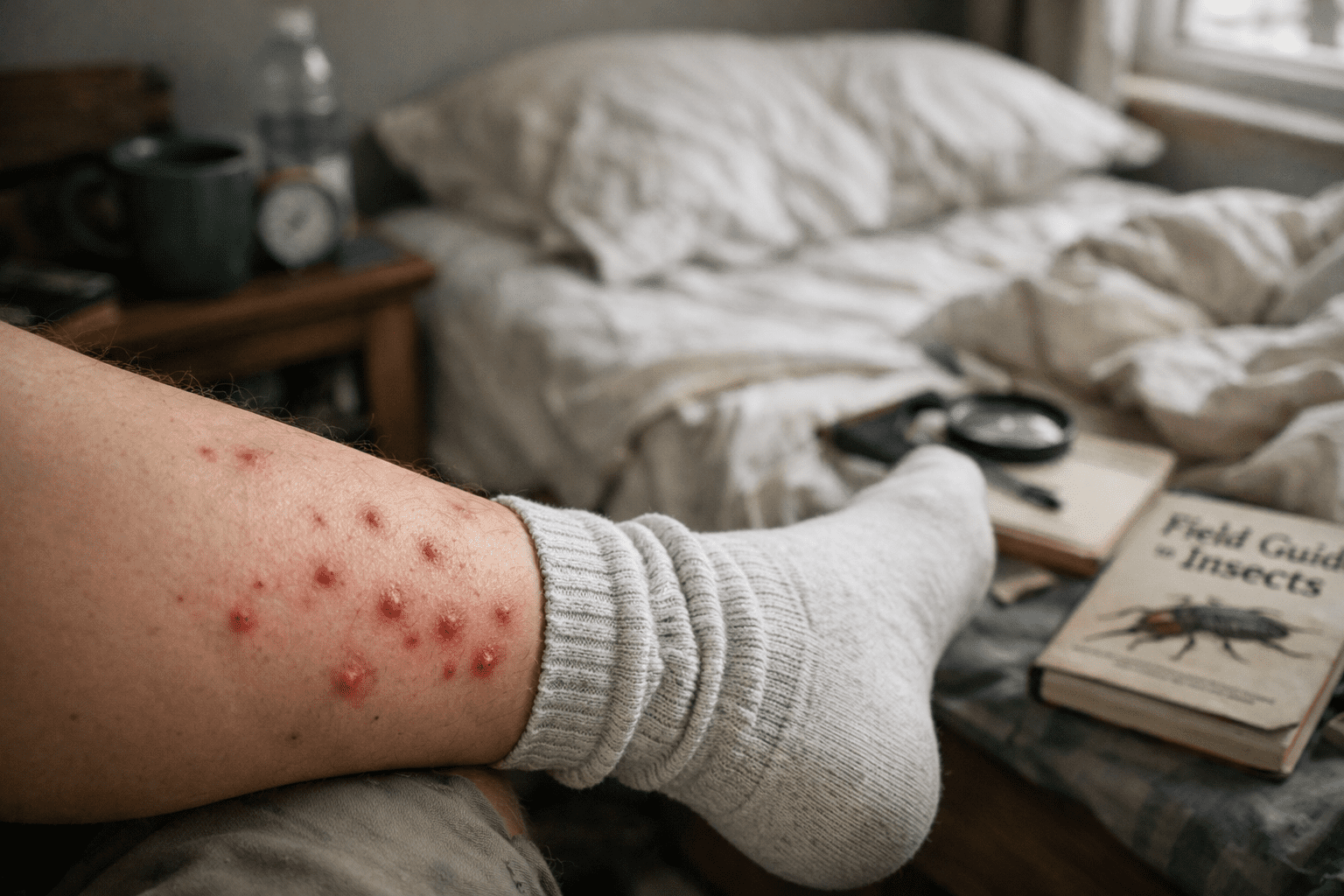
- Ankles and lower legs are classic
- Sock lines and waistbands can get hit
- Bites may appear in a small cluster or line, sometimes called “breakfast, lunch, dinner” (several bites close together)
\
\
\
\
Bites often start as small red bumps and can become intensely itchy, especially if you develop sensitivity over time.
\
How to tell flea bites from bed bugs and mosquitoes
\
People often confuse flea bites with bed bug bites because both can cluster. The difference is usually the “scene of the crime.”
\
Use this quick comparison:
\
| Clue | Fleas | Bed bugs | Mosquitoes |
|---|---|---|---|
| Common bite location | Ankles, lower legs | Arms, torso, neck | Any exposed skin |
| Where pests hide | Carpets, pet bedding, yard | Mattress seams, bed frame | Outdoors, near standing water |
| Do you see jumping? | Often yes | No | No |
| Main trigger | Pets/wildlife, floors | Sleeping area | Outdoor exposure |
\
If you want a side-by-side bite comparison with photos and timing clues, read Mosquito Bites vs Bed Bugs, Fleas, Spiders & Ticks.
\
Visual: quick “self-check” list
\
If you’re trying to confirm flea bites tonight, ask:
\
- \
- Are bites mostly below the knee?
- Do you have pets, or have you been in a home with pets recently?
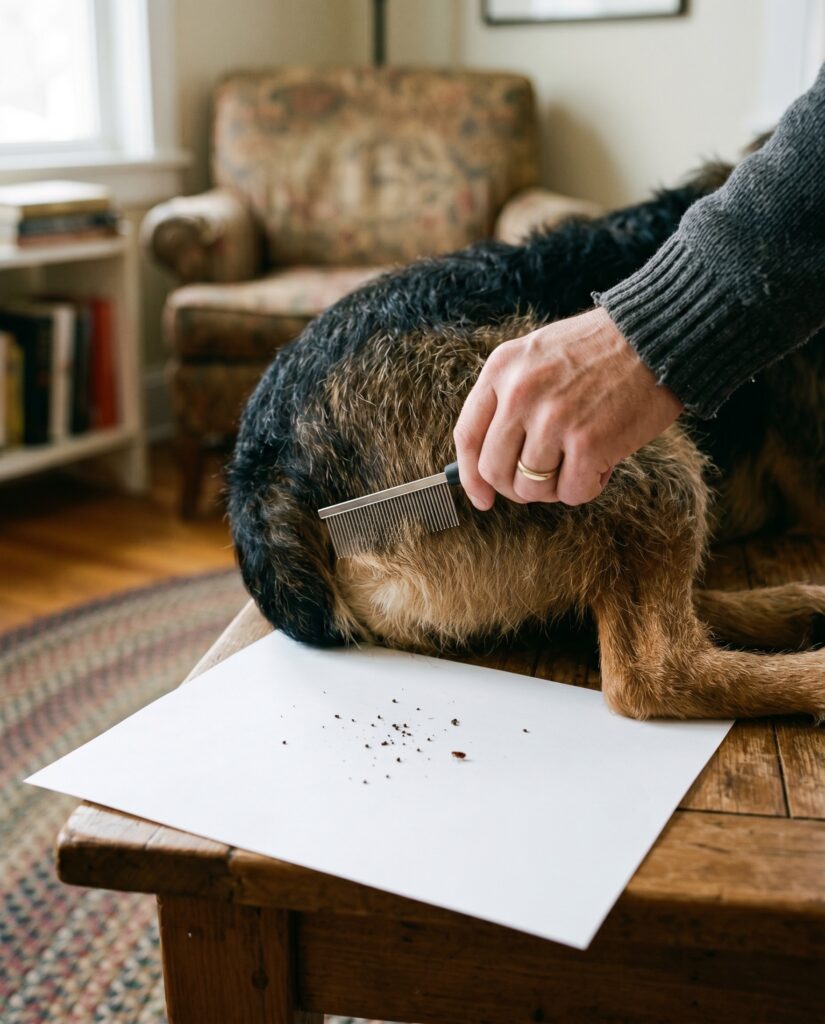
- Do you notice tiny dark specks (flea dirt) where pets sleep?
- Have you seen a bug jump when disturbed?
\
\
\
\
\
Actionable takeaway: Treat the bites for comfort, but treat the environment to stop new bites. For bite care and identification, use Flea Bites on Humans: Identification & Treatment Guide.
\
 \
\\
\
Where fleas actually live when you’re getting bitten
\
\
\
\
\
\
Vet’s Best Flea and Tick Home Spray, 32 Ounce\
\
\
This home spray is effective for treating environments where fleas may be present, helping to prevent bites on humans.
\
\
\
\
Check Price on Amazon →\
\
\
\
\
\
Here’s the part many people miss: when you’re experiencing fleas on humans, the fleas are usually living near you, not on you. Think of your home like a layered habitat. Adult fleas feed on a host, but the younger stages develop in protected places where eggs and larvae won’t be disturbed.
\
The main indoor hotspots
\
In most homes, the highest-risk areas are:
\
- \
- Pet bedding and crates
- Carpets and rugs, especially along edges and under furniture
- Upholstered furniture where pets nap
- Floor cracks and baseboards
- Laundry piles or closets near pet areas
\
\
\
\
\
\
Adult fleas often hop on when you walk by, then hop off to hide. That’s why people sometimes feel like fleas “appear out of nowhere” when they step onto a certain rug.
\
Why fleas persist even after pets are treated
\
A common frustration: you apply a pet treatment, but bites continue for weeks. That can happen because:
\
- \
- Eggs and larvae were already in the environment
- Pupae can wait in a cocoon and emerge when they sense vibration, heat, and carbon dioxide
- Vacuuming and foot traffic can “wake up” newly emerging adults
\
\
\
\
The Illinois Department of Public Health’s flea control guidance emphasizes that successful control usually requires addressing both the pet and the home environment, because immature stages develop off the host.
\
Visual: flea life stages and where they are found
\
| Stage | Where it usually is | What it means for you |
|---|---|---|
| Eggs | Fall off host into carpet/bedding | You may not see them |
| Larvae | Deep in carpet fibers, debris | Feed on organic matter, avoid light |
| Pupae | Cocooned in protected spots | Can “wait” before emerging |
| Adults | On pets, then in home | Bite humans when hungry |
\
Actionable takeaway: If you only treat your body or only treat your pet, you usually miss most of the population. For a room-by-room plan, follow How to Get Rid of Fleas: Complete Removal Guide.
\
Health risks: irritation is common, disease is possible
\
\
\
\
Most flea encounters on people are a skin irritation problem, not a medical emergency. Still, fleas can carry pathogens, and it’s smart to know the real risks without assuming the worst.
\
What flea bites can do to your skin
\
Common reactions include:
\
- \
- Itching and redness lasting several days
- Swelling or hives in sensitive individuals
- Secondary infection if bites are scratched open (increasing redness, warmth, pus)
\
\
\
\
A practical rule: itching that worsens at night is common, but spreading redness, fever, or streaking should be checked by a clinician.
\
Flea-borne diseases: rare, but documented
\
The CDC’s flea resource notes fleas can spread germs that cause illnesses such as:
\
- \
- Flea-borne typhus (regionally present in parts of the U.S.)
- Plague (rare, typically linked to wildlife exposure in specific areas)
- Cat scratch disease (Bartonella henselae) risk increases when cats carry infected fleas and flea dirt gets under claws
\
\
\
\
Most households dealing with fleas are facing repeated bites and allergic reactions, not disease. But if you live in an area with known wildlife-associated flea risks, or you handle sick wildlife, take extra precautions.
\
Visual: when to seek help
\
Consider medical advice if you have:
\
- \
- Fever, chills, or severe headache after bites
- Enlarged, painful lymph nodes
- A rash that spreads rapidly or looks infected
- A child with extensive bites and intense swelling
- Pets that are lethargic or pale (heavy flea loads can contribute to anemia, especially in kittens)
\
\
\
\
\
\
Actionable takeaway: Manage bites for comfort, but prioritize eliminating the source. Flea pressure drops quickly once pets and indoor hotspots are treated.
\
 \
\\
\
How to stop fleas from biting you: a practical prevention plan
\
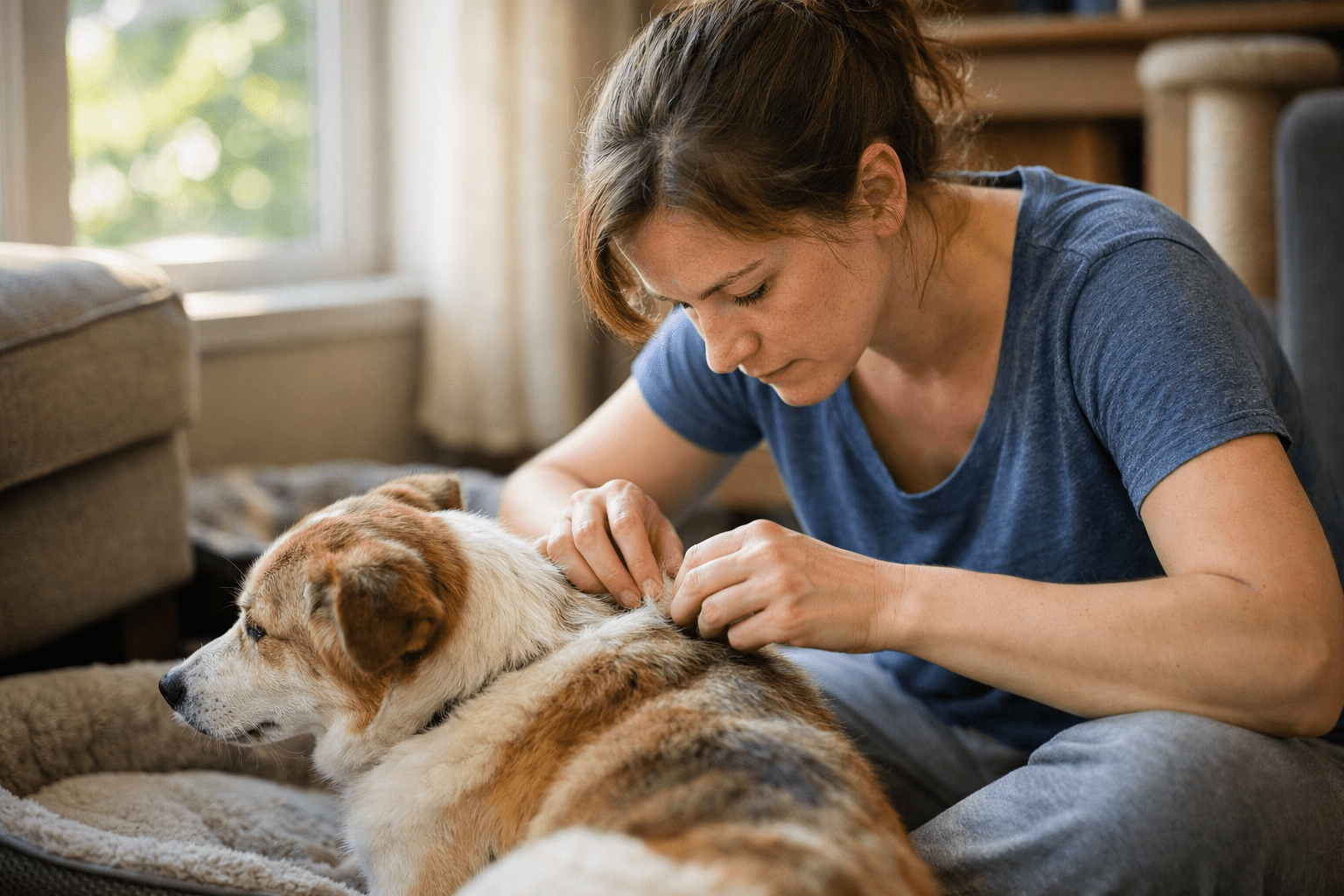
Stopping fleas on humans means breaking the cycle at three points: pet, home, and yard. You do not need to “treat your body for fleas” the way you would for lice or scabies. Instead, you reduce exposure and remove the breeding population.
\
Step-by-step: what to do this week
\
- \
-
Treat pets with a vet-recommended product.
Choose a product appropriate for your pet’s species, age, and weight. If you’re unsure, your veterinarian is the safest guide.\
-
Wash pet bedding and soft items on hot.
Dry on high heat when the fabric allows. Heat helps kill multiple life stages.\
-
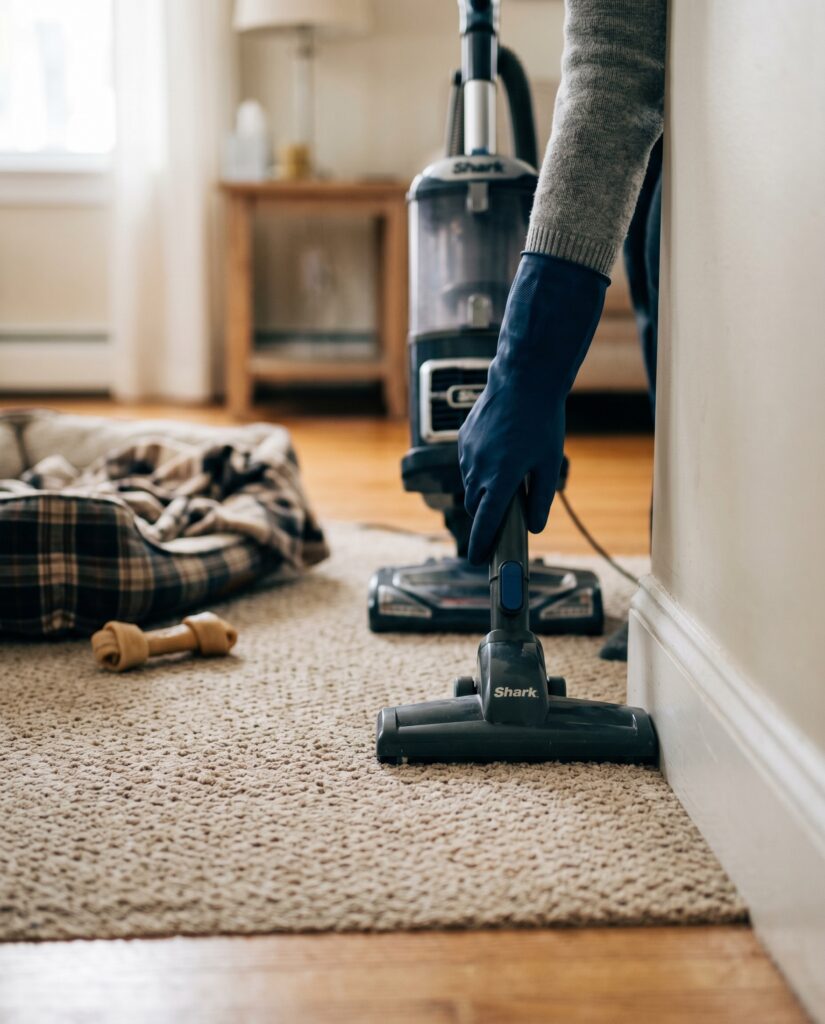
Vacuum aggressively, then dispose of debris.
Focus on edges, under cushions, and pet routes. Empty the canister outdoors or seal the bag immediately.\
-
Target indoor hotspots with an IGR when needed.
In persistent infestations, an insect growth regulator (IGR) can prevent eggs and larvae from developing into biting adults. Follow label directions carefully.\
-
Address the yard if pets go outdoors.
Shady, humid spots where animals rest can harbor fleas. Remove leaf litter and limit wildlife access when possible.\
\
\
\
\
\
\
Natural and low-tox options (helpful, but not always enough)
\
If you prefer lower-tox steps, these can reduce flea pressure:
\
- \
- Frequent vacuuming (every 1-2 days initially)
- Hot laundering of pet fabrics
- Regular pet grooming with a flea comb
- Reducing indoor clutter where larvae hide
\
\
\
\
\
Be cautious with DIY sprays and essential oils. Some oils can be toxic to cats and other pets even at low doses.
\
When to call a professional
\
Consider professional pest control if:
\
- \
- Bites continue after 2-3 weeks of consistent pet + home treatment
- You have multiple pets and heavy infestation signs (flea dirt, visible fleas)
- You’re dealing with wildlife sources (raccoons, opossums, feral cats) under the home
\
\
\
\
Visual: “do this, not that”
\
| Do this | Not that |
|---|---|
| Treat pets and home together | Treat only the bites on your skin |
| Vacuum edges and pet zones | Vacuum only the center of rooms |
| Use products labeled for fleas | Mix home remedies without safety data |
| Follow label directions | Overapply insecticides “for extra strength” |
\
Actionable takeaway: If you’re still getting bitten, assume there’s an untreated reservoir (pet bedding, sofa, or a room you’re not targeting). Re-check those zones and tighten the routine.
\
Conclusion
\
Fleas can bite people, but fleas on humans are usually temporary – they feed and move back into the environment where they can hide and develop. The fastest path to relief is treating the real source: pets (when present), indoor hotspots like carpets and upholstery, and sometimes the yard.
\
Next steps: confirm the bite pattern and then follow a full removal plan. Start with Flea Bites on Humans: Identification & Treatment Guide and, if you’re ready to eliminate the infestation, use How to Get Rid of Fleas: Complete Removal Guide.
\
As an Amazon Associate, I earn from qualifying purchases. Product recommendations are based on real reviews and independent research.