
Finding ants indoors or mounds in the yard usually triggers the same question: red ants vs black ants – what’s the difference, and should you worry? In most homes, “black ants” are several common species that mostly nuisance-forage for food, while “red ants” often refers to fire ants and other reddish species that can sting and defend their nests aggressively. The tricky part is that color alone can mislead, so this guide focuses on the reliable clues: size, nesting site, behavior, and what to do next.
Readers working through this usually open Pharaoh Ants: Complete Identification & Control Guide and How Do Ant Colonies Work? Social Structure Explained next.
Quick identification: red ants vs black ants (fast checklist)
If you need a quick answer, here’s the most practical way to compare red ants vs black ants without a microscope.
Most likely “red ant” (often fire ants):
- Behavior: swarm quickly when disturbed; defensive and persistent
- Bite/sting: bite to hold on, then sting with burning pain
- Nest: loose soil mounds in sunny lawns, moist soil, edges of sidewalks
- Typical size: often 3-6 mm (about 1/8 to 1/4 inch), varies by species
Most likely “black ant” (many possibilities):
- Behavior: steady trails to food; less defensive around the nest
- Bite/sting: may bite, usually no sting (species-dependent)
- Nest: under pavers, in mulch, along foundation edges, or in damp wood (carpenter ants)
- Typical size: 1.5 mm (little black ants) up to 16 mm (carpenter ants)
Best rule: If you see a mound plus painful stings, treat it like a fire ant problem. If you see large black ants in damp wood, treat it like a carpenter ant inspection issue.
Why color is a trap (and what actually separates species)
Many readers expect a clean “red species” and “black species” split. Entomologists don’t. “Red ant” and “black ant” are informal labels that can describe many different ants, and some species vary in shade depending on region, age, and even lighting.
So what should you look for instead? Think like an ant identifier: structure, location, and behavior beat color every time.
The big three: size, nest site, and attitude
When people say “black ants,” they often mean common home-invaders such as pavement ants (often around 3 mm) or little black ants (often around 1.5 mm). In contrast, “red ants” frequently points to stinging species such as imported fire ants (Solenopsis spp.) or European fire ants (Myrmica rubra), which are typically a few millimeters long and notably defensive.
Here are the most reliable field clues:
- Nest location:
- Under stones/pavers or along sidewalks suggests pavement-type nesting.
- Inside damp or decaying wood suggests carpenter ants.
- Soil mounds in sunny, irrigated areas suggests fire ants.
- Foraging style:
- Thin, consistent trails into kitchens often indicate sugar-seeking species.
- Swarming from a disturbed mound is classic fire ant behavior.
- Defense response:
- Fire ants react fast and in numbers.
- Many black ants retreat or scatter, then reform trails later.
Quick comparison chart (use this when you’re outside)
| Field clue | “Red ants” (often fire ants) | “Black ants” (often pavement/carpenter/little black) |
|---|---|---|
| Nest | Soil mound, moist or irrigated areas | Under pavers/rocks, mulch, or damp wood |
| Reaction when disturbed | Rapid swarming, aggressive defense | Usually mild defense, trails reform later |
| Pain | Often sting with burning sensation | Usually mild bite or nuisance only |
| Home risk | Stings, outdoor activity hazards | Food contamination, occasional structural risk (carpenter ants) |
When you should stop guessing
If you have repeated indoor activity, stings, or you suspect wood damage, identification matters more than ever. Many extension programs emphasize correct ID because control methods differ by species. For general prevention principles and safer pesticide decision-making, the EPA’s guidance on integrated pest management is a solid baseline.
Red ants: common “red” species, behavior, and sting risk (what homeowners notice first)
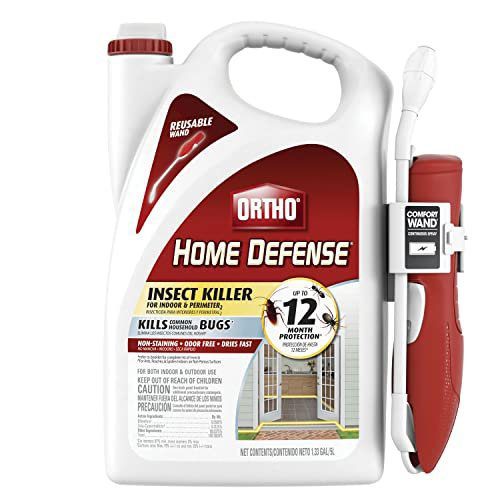
Ortho Home Defense Insect Killer for Indoor and Perimeter2 with Comfort Wand – Ready-To-Use Bug Spray, Kills Ants, Cockroaches & Spiders, 1.33 gal.
This product is relevant as it helps manage ant infestations, including fire ants and carpenter ants, which are discussed in the article.
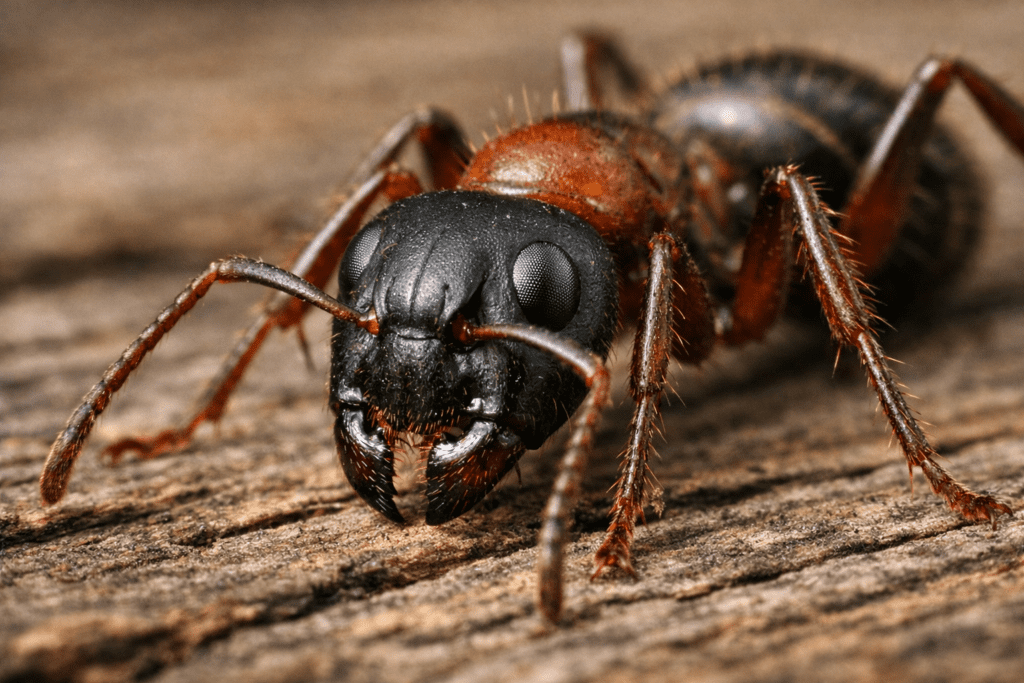
Red ants get attention because they tend to come with a memorable experience: a sudden swarm, a painful sting, or both. In many regions, “red ant” is shorthand for fire ants, especially red imported fire ant (Solenopsis invicta) and close relatives. Other reddish ants exist, including European fire ants (Myrmica rubra), and they can also sting.
What’s happening biologically is simple: these ants are built to defend the colony aggressively, and their venom is designed to discourage predators. According to the University of Florida Entomology and Nematology Department, imported fire ants are significant pests because of their defensive behavior, mound building, and sting impacts on people and animals.
Where red, stinging ants usually nest
Most stinging “red ant” complaints come from outdoor nests. Look for:
- Mounded soil in lawns, parks, field edges, and along sidewalks
- Moist, irrigated areas such as sprinkler zones and garden borders
- Sunny openings rather than dense shade in many landscapes
Geography matters. Fire ants thrive best in warmer climates, and their outdoor dominance is a big reason they show up in yards far more than kitchens.
What a fire ant sting looks and feels like
A common misconception is that ants “just bite.” Fire ants often bite to anchor and then sting. Many people feel:
- A sharp, burning sensation within minutes
- Itchy, raised welts
- In some cases, pustules that can form later
Act fast if you suspect an allergy. Anyone with systemic symptoms (hives beyond the sting area, trouble breathing, dizziness) should seek urgent medical care.
Yard control that actually works (and what usually backfires)
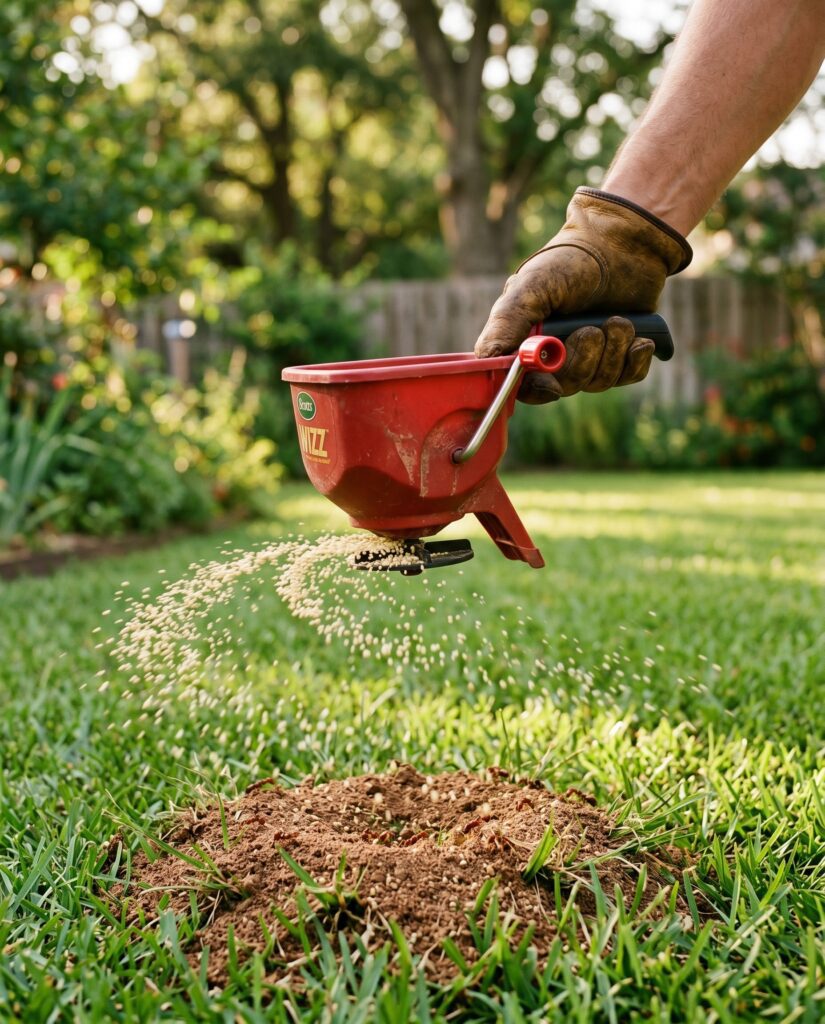
Spraying visible ants tends to kill foragers and leave the colony intact. Worse, some colonies respond by budding or shifting activity. For mounds, baiting and mound-targeted products are often more effective than “contact kill” sprays.
Practical options:
- Use slow-acting baits when ants are actively foraging.
- Treat mounds directly when needed, following label directions.
- Reduce irrigation overspray and manage thatch where mounds thrive.
If you’re dealing with multiple mounds, start with our guide to Best Fire Ant Killers for Yards: Mound Treatments. It walks through bait timing, mound treatment types, and what to avoid around pets and pollinators.

Black ants: which species they usually are (and when they’re not harmless)
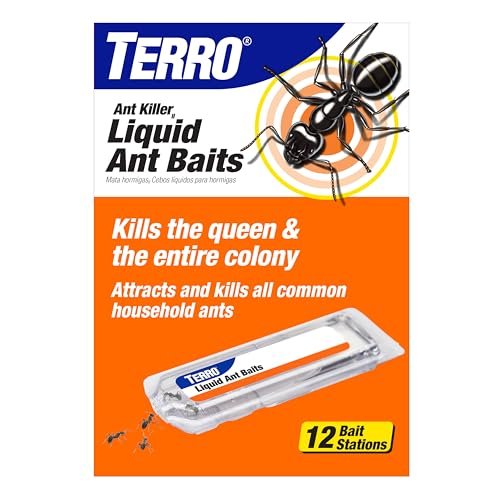
Terro, Ant Killer Bait Stations T300B – Liquid Bait to Eliminate Ants – Bait System – Stations for Effective Indoor Ant Control, 12 Count
This ant bait is effective for controlling various ant species, including the red and black ants mentioned in the article.
“Black ants” are often less dramatic than fire ants, but that doesn’t mean they’re always harmless. The term can include tiny kitchen invaders, sidewalk nesters, and large carpenter ants. The key is recognizing which category you’re seeing because the fix changes.
Three common black-ant scenarios
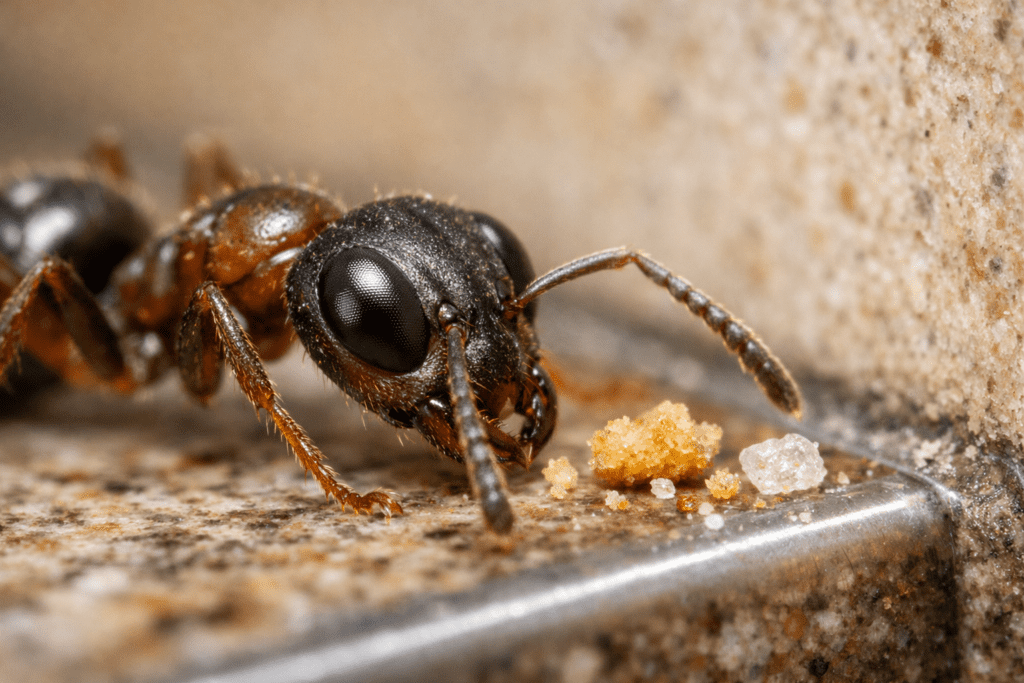
1) Small black ants in kitchens (often 1.5-3 mm)
These ants tend to be:
- Strong trail followers
- Attracted to sweets, grease, and pet food
- Most active where crumbs and moisture overlap
2) Black ants along sidewalks and driveways (often pavement-type nesting)
You may notice:
- Trails emerging from expansion joints
- Soil pushed from cracks
- Activity peaking on warm days
3) Large black ants indoors (possible carpenter ants, up to 16 mm)
Carpenter ants (often Camponotus spp.) are the ones to take seriously. They don’t eat wood like termites, but they can excavate galleries in damp or decaying wood over time. The Penn State Extension guidance on carpenter ants highlights moisture as a major driver of infestations, which is why leaks, wet window frames, and damp crawlspaces matter.
How to tell carpenter ants from smaller black ants (fast)
Use this checklist:
- Size: carpenter ants are noticeably larger, often with different-sized workers in the same trail
- Location: kitchens can happen, but sightings often cluster near windows, basements, bathrooms, or attics with moisture
- Clue material: look for “frass” (sawdust-like debris) pushed out of galleries
- Timing: many carpenter ants forage at night, so sightings may increase after dark
Control priorities for black ants (indoors and out)
For most small black ants, the fastest improvement comes from removing food trails and using baits:
- Wipe trails with soap and water to reduce pheromone guidance.
- Store sweets and pet food in sealed containers.
- Fix drips and condensation. Ants need water more than sugar.
Then use a bait matched to the ant’s diet. If you want help choosing products and bait types, see Best Ant Killers & Baits: Complete Buyer's Guide.
For carpenter ants, don’t skip the inspection step. You’ll get better results by pairing targeted treatments with moisture repair. This is where the dedicated walkthrough helps: Best Carpenter Ant Treatments and Baits: Complete Guide.
Control and prevention: what to do today (and when to call a pro)
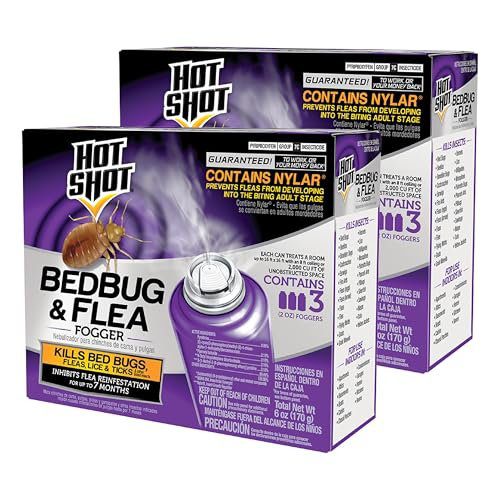
Hot Shot BedBug And Flea Fogger, Inhibits Flea Reinfestation, 2 Ounce Cans, 6 Count
While primarily for bed bugs and fleas, this product can also help in managing other pests, including ants, making it a good addition for readers dealing with multiple pest issues.
Most ant problems improve quickly when you treat them like a system: food, water, entry points, and the outdoor source. The biggest mistake is focusing only on the ants you can see.
Step-by-step plan (works for most ant species)
-
Confirm where they’re coming from
Follow the trail backward. Indoors, it often leads to a gap at baseboards, plumbing, or a window frame. -
Remove the attractant
- Clean crumbs and sticky spots (especially under appliances).
- Rinse recyclables.
- Store sugar, cereal, and pet food in sealed containers.
-
Use baits, not fast sprays, for indoor trails
Baits work because workers carry the active ingredient back to the colony. Sprays often create a temporary “disappearance” while the nest remains. -
Seal entry points after activity drops
Caulk cracks, add door sweeps, and seal around pipes. Sealing first can trap ants inside and reroute them. -
Treat the outdoor nest when you can locate it
For fire ants, that means mound-focused strategies. For pavement-type ants, it may mean treating cracks and nest zones outdoors.
A quick “do this, not that” box
- Do: bait consistently for 1-2 weeks
- Not that: spray every ant you see and expect the colony to collapse
- Do: fix moisture issues (leaks, wet wood, condensation)
- Not that: rely on vinegar or essential oils as the main solution
- Do: treat outdoor sources early in the season
- Not that: wait until midsummer when colonies are larger and harder to knock back
When professional pest control is the smart move
Consider calling a pro if:
- You suspect carpenter ants and see frass or damp wood damage
- You have repeated stings, numerous mounds, or fire ants near play areas
- Ants return quickly after baiting, suggesting satellite colonies or multiple queens
- The nest is inside a wall void, ceiling, or other inaccessible area
Pros can confirm the species and use commercial baits and non-repellent treatments more strategically. That’s especially helpful when “black ant” actually means multiple species at once.

Myths that keep people stuck (and what’s actually true)
A few common beliefs make ant problems drag on for months. Clearing them up usually saves time and money.
Myth 1: “All red ants are fire ants.”
Some reddish ants do not sting like imported fire ants, and some “red” ants are actually reddish-brown forms of other species. Still, if you’re getting painful stings around a mound, treat it cautiously as a stinging species until proven otherwise.
Myth 2: “All black ants are harmless.”
Many are mostly nuisance pests, but carpenter ants can signal moisture problems and lead to structural repair costs if ignored. The ant is often the messenger. The real issue is damp wood.
Myth 3: “If I kill the ants I see, I solved it.”
Visible ants are usually foragers. The colony is the engine. That’s why baits and source control outperform random spraying.
Myth 4: “Ant battles tell you which ant you have.”
Videos of ant conflicts are fascinating, but real-world outcomes depend on colony size, terrain, and species-specific defenses (stings, formic acid sprays, speed). It’s not a dependable ID method.
Key takeaways (and your next step)
Red ants vs black ants comes down to more than color. Focus on nest type, behavior, and whether stings happen. Soil mounds plus painful stings strongly suggest fire ants, while large black ants near damp wood point toward carpenter ants.
Next step:
- If you’re dealing with stinging mounds, use the yard plan in Best Fire Ant Killers for Yards: Mound Treatments.
- If you’re seeing indoor trails and need a baiting strategy, start with Best Ant Killers & Baits: Complete Buyer's Guide.
And if you’re in identification mode for other biting pests around the home and yard, our Types of Mosquitoes: Complete Species Identification Guide can help you narrow down what’s actually buzzing outside.
As an Amazon Associate, I earn from qualifying purchases. Product recommendations are based on real reviews and independent research.
Pingback: Are Ants Harmful? Benefits and Risks Explained