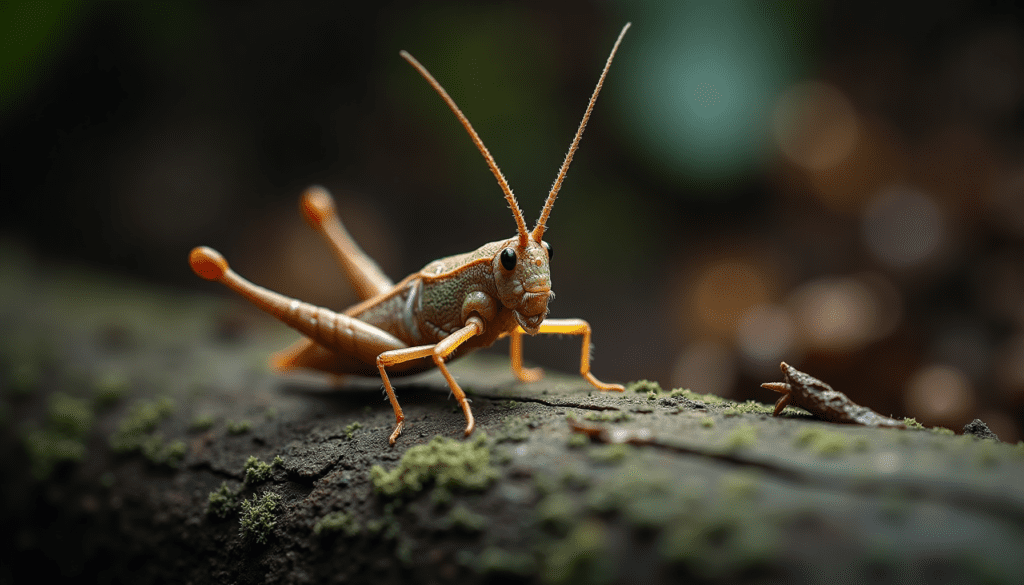
Is your garden looking more like a buffet for tiny, voracious diners? If you're noticing ragged holes in leaves, chewed-up flowers, or even entire plants stripped bare, the culprit might be grasshoppers. These common garden pests can cause significant grasshopper damage, turning lush greens into tattered remnants in a surprisingly short time. Understanding how to identify their presence, prevent their arrival, and implement effective control methods is key to protecting your hard-earned harvest and keeping your garden thriving. Let's explore practical strategies to safeguard your plants from these persistent chewers.
The detail on the shape of the hole sits in reading garden leaf damage.
Bottom line: Grasshopper damage usually shows up as ragged chewing on leaves, stems, flowers, and seedlings. Protect vulnerable plants early, remove weedy edges, and use targeted controls only where feeding is active.
- Seedlings and leafy vegetables need the fastest protection.
- Row covers work best before heavy feeding starts.
- Young nymphs are easier to manage than large adults.

What to do first:
If you're seeing signs of grasshopper damage in your garden, here's a quick action plan:
- Assess the situation: Determine if you have a few grasshoppers or a widespread infestation.
- Protect high-value plants: Immediately cover vulnerable crops like lettuce, beans, or corn with fine netting or screened cages.
- Mow nearby weeds: Reduce surrounding habitat where grasshoppers hide and lay eggs.
- Start early: If it's spring, look for tiny nymphs and remove them by hand or with targeted sprays before they mature.
Identifying Grasshopper Damage
Recognizing the specific signs of grasshopper damage is the first step in effective garden pest control. Grasshoppers are generalist feeders, meaning they aren't picky and will munch on a wide variety of plants. Their feeding habits leave distinct clues that differentiate them from other garden pests.
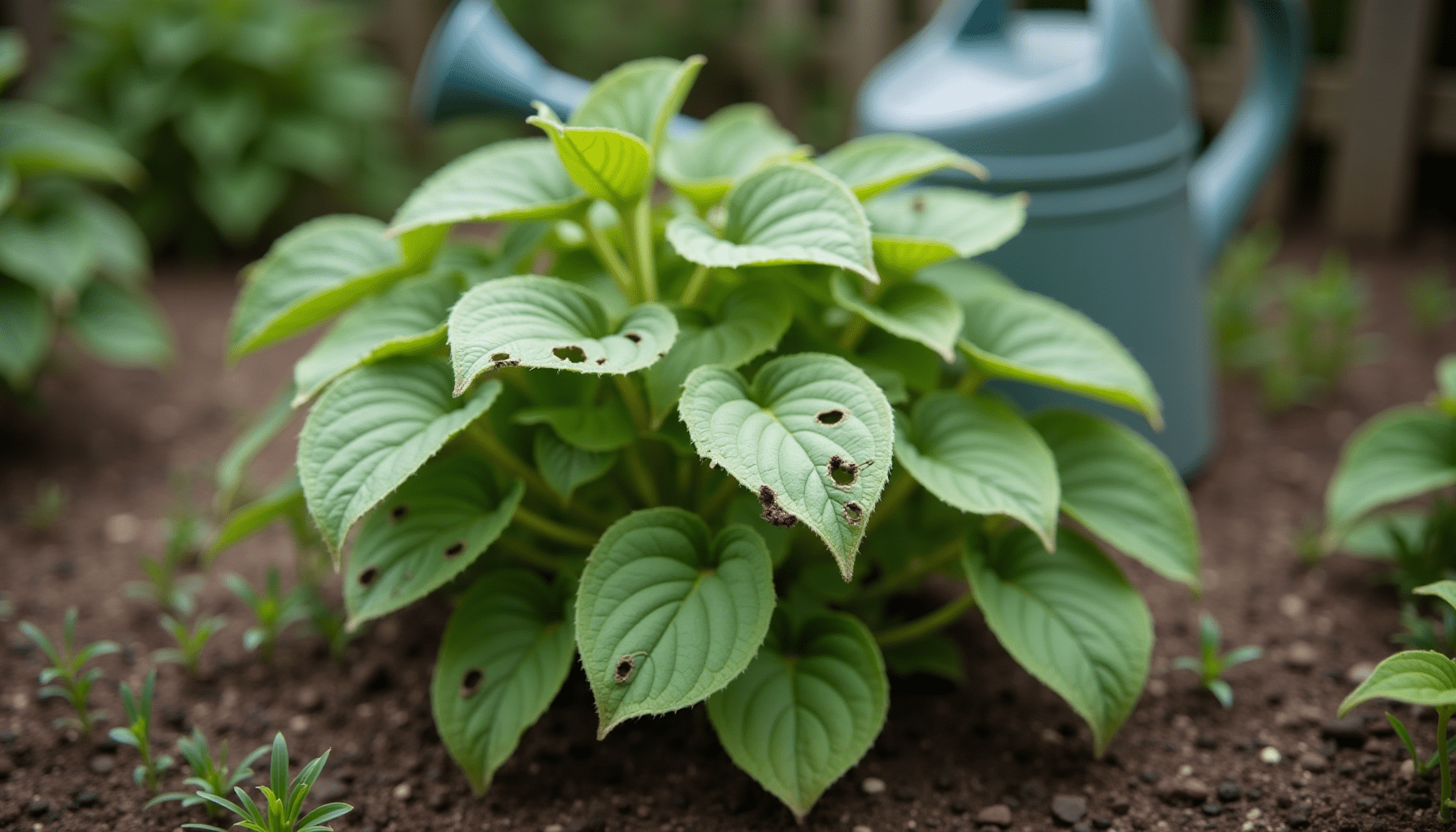
Typically, grasshoppers chew irregular holes in leaves, often starting from the edges and working inward. You might see jagged margins on foliage, or in severe cases, entire leaves, flowers, and even soft stems can be consumed, leaving only the tougher veins behind. Seedlings and young plants are particularly vulnerable, as a small population can quickly defoliate them. During hot, dry periods, when other vegetation might be scarce, grasshoppers often migrate into irrigated gardens, making their damage more pronounced. Gardens bordering unmanaged areas like pastures, weedy lots, or roadsides are especially susceptible to these invasions.
Certain plants seem to be grasshopper favorites. Gardeners frequently report significant grasshopper damage on crops such as beans, carrots, corn, and lettuce. While they'll eat almost anything, these particular plants often bear the brunt of an infestation. Observing which plants are most affected can help you prioritize protection strategies.
Common Signs of Grasshopper Feeding
- Irregular holes in leaves: Often starting from the leaf edges.
- Chewed or ragged leaf margins: Leaves appear tattered.
- Missing plant parts: Flowers, soft stems, or entire seedlings may disappear.
- Visible droppings: Small, pellet-like fecal matter on leaves or soil.
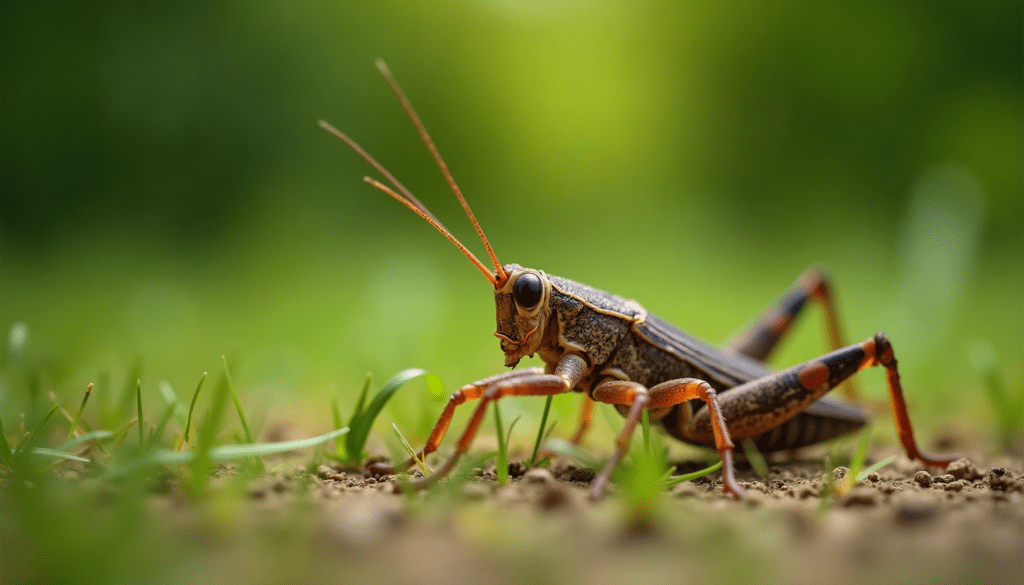
- Presence of the insect: Seeing the grasshoppers themselves, especially during the day.
Why Grasshoppers Invade Your Garden
Understanding the life cycle and preferred habitats of grasshoppers is crucial for effective prevention and control. Grasshoppers typically lay their eggs in the soil, usually in uncultivated areas like grassy fields, roadsides, or weedy patches. These eggs overwinter and hatch in the spring, releasing tiny nymphs that gradually grow into winged adults over several molts.
A recurring theme in expert guidance is that grasshopper problems often originate outside the garden. Overgrown margins, uncultivated strips, roadside vegetation, and weedy fence lines provide ideal breeding grounds and shelter for grasshopper development. As populations grow, especially during dry spells when their natural food sources dry up, these highly mobile insects migrate into lush, irrigated gardens in search of food and moisture. This mobility is precisely why they are considered a difficult pest to control; they can quickly reinvade from nearby areas even after a treatment.
Timing is also critical. Control efforts are most effective early in the season, when grasshoppers are small, wingless nymphs and less mobile. Once they mature into large, flying adults, they are much harder to suppress with contact sprays or hand removal. Rapid population increases mean that preventive measures taken before severe feeding begins are often more successful than reactive measures. For instance, disturbing the soil surface in late fall or early spring can expose or destroy egg pods, significantly reducing the number of nymphs that hatch. This proactive approach, targeting the egg stage, is a major prevention strategy.
Preventing Grasshopper Damage
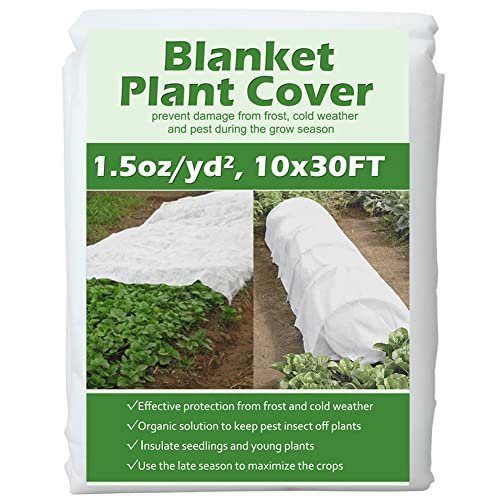
Fine garden netting or row-cover material protects seedlings and leafy crops before grasshopper feeding becomes severe.
- Stops feeding without spraying leaves
- Useful for seedlings and high-value beds
- Can be removed for harvest and maintenance
- Must be secured at the edges
- Can trap pests inside if installed after infestation starts
Effective grasshopper damage prevention relies on an integrated pest management (IPM) approach that combines several strategies, focusing on reducing their habitat and protecting your plants.
1. Reduce Nearby Habitat
Grasshoppers thrive in tall grasses and weeds, which provide both food and shelter. By maintaining a tidy perimeter around your garden, you can make it less appealing to them.
- Mow surrounding areas: Keep grass and weeds mowed low around garden beds, fences, compost areas, and borders. This removes hiding spots and reduces food sources.
- Trim tall vegetation: Cut back any tall weeds or grasses that could serve as shelter or feeding sites adjacent to your garden.
- Manage uncultivated land: If possible, reduce unmanaged weedy areas near your garden that support egg-laying and nymph development. According to Colorado State University Extension, reducing refuge habitat is a key part of management.
2. Start Control Early
Early intervention is much more effective than waiting until adult grasshoppers are abundant and causing widespread grasshopper damage.
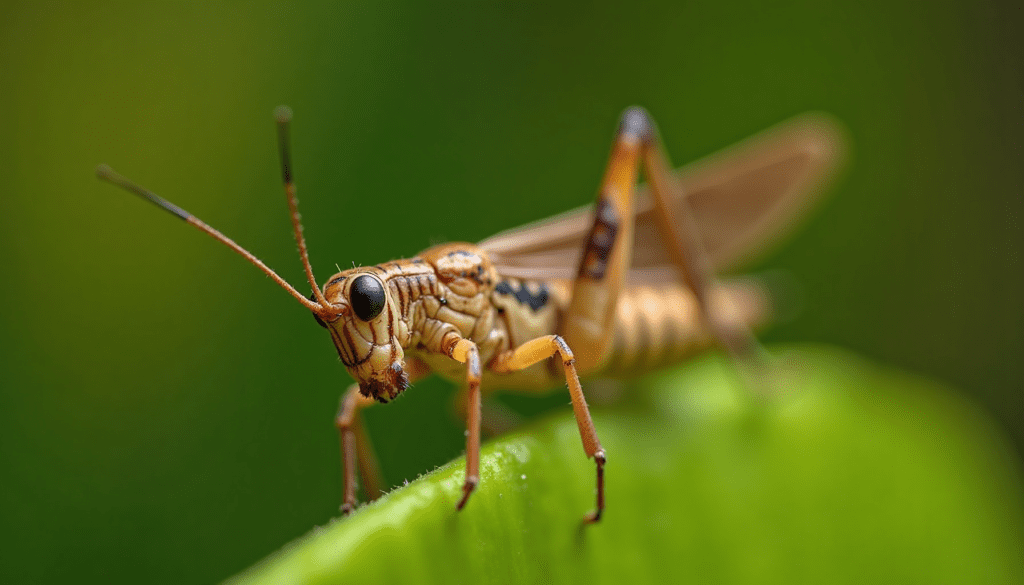
- Scout for nymphs: Regularly check your garden beds in spring and early summer for tiny grasshopper nymphs. They are often less than a quarter-inch long and lack fully developed wings.
- Hand-pick or knock them: When populations are small, you can hand-pick nymphs and drop them into a bucket of soapy water, or simply crush them. This is a practical method for small infestations, as noted by Pesticide Action Network.
3. Use Physical Barriers
Physical exclusion is one of the most reliable home-garden strategies for preventing grasshopper damage to valuable crops.
- Cover vulnerable plants: For high-value crops like lettuce, beans, or young seedlings, cover them with protective barriers. Options include bird netting, crop cages, or screened boxes.
- Choose durable materials: While cloth row covers can work, some sources suggest grasshoppers can chew through them. Metal window screening or more robust screened enclosures may offer better protection for some situations.
- Seal barriers effectively: Ensure barriers are installed before damage starts and are sealed well enough to prevent grasshoppers from crawling underneath or finding gaps.
4. Choose Less-Preferred Plants
While grasshoppers are generalist feeders, some plants are less appealing to them. Prioritizing or protecting especially attractive crops can help.
- Strategic planting: If you're planting in a grasshopper-prone area, consider placing highly vulnerable crops like beans, carrots, corn, and lettuce inside barriers, and using more tolerant plants in exposed areas.
- Explore repellent plants: While not a guaranteed solution, some gardeners experiment with plants that grasshoppers tend to avoid. You might find inspiration in our guide to Best Mosquito Repellent Plants for Your Garden, as some of these may also deter other pests.
5. Cultivate the Soil
Since grasshoppers lay their eggs in the soil, disturbing the ground can disrupt their life cycle.
- Late fall/early spring tilling: Lightly till or cultivate unplanted garden areas in late fall after the first hard frost or in early spring before eggs hatch. This can expose egg pods to predators and harsh weather conditions, reducing the number of nymphs that emerge.
Natural & Organic Grasshopper Control
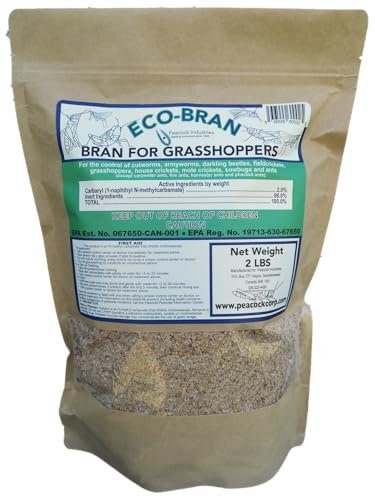
A targeted grasshopper bait option for active feeding zones and garden edges, best used carefully according to the label and away from non-target areas.
- Targets grasshoppers more directly than broad plant sprays
- Useful for hot spots around garden edges and weedy borders
- Granular bait can be easier than spraying tall vegetation
- Contains carbaryl, so label precautions matter around pets, pollinators, and water
- Not a good fit for blanket use across the whole garden
For gardeners seeking environmentally friendly solutions, several natural and organic options can help manage grasshopper damage, though expectations should be realistic. These methods are often most effective as part of a broader, integrated strategy.
Neem-Based Sprays
Neem oil is a popular natural pesticide derived from the neem tree. It acts as a deterrent, feeding suppressant, and growth regulator.
- How it works: Neem oil doesn't typically kill insects on contact. Instead, it discourages feeding and disrupts the grasshopper's growth and reproductive cycles.
- Application: Apply neem oil sprays to plant foliage, ensuring good coverage.
- Effectiveness: Neem may reduce feeding or disrupt activity, but it's not a guaranteed knockdown solution for heavy infestations. It works best as a preventive measure or as part of a broader strategy against young nymphs.
Insecticidal Soap
Insecticidal soaps are contact sprays that work by disrupting the insect's cell membranes.
- How it works: The soap must directly contact the grasshopper to be effective. It's more effective on smaller, softer-bodied insects like young grasshopper nymphs.
- Application: Spray directly onto grasshoppers, ensuring thorough coverage.
- Effectiveness: Insecticidal soap has little to no residual activity, meaning it only works when wet and doesn't leave a lasting residue. Repeat applications may be needed, especially after rain or heavy dew.
Diatomaceous Earth (DE)
Diatomaceous earth is a natural powder made from fossilized diatoms. It works by abrading the insect's exoskeleton and absorbing its protective waxy layer, leading to dehydration.
- How it works: DE is effective when it comes into direct contact with the insect.
- Application: Dust DE onto plants and around their base.
- Effectiveness: It tends to work best on smaller insects and when it remains dry. Once wet, its effectiveness is significantly reduced. It's less effective against large, mobile adult grasshoppers.
Biological Control with Nosema locustae
Nosema locustae is a naturally occurring protozoan that specifically targets grasshoppers and crickets.
- How it works: It's typically sold as a bait (e.g., Nolo Bait, Semaspore) that grasshoppers consume. Once ingested, the protozoan multiplies inside the grasshopper, causing it to become lethargic, reduce feeding, and eventually die. Infected grasshoppers can also pass the protozoan to others.
- Application: Spread the bait in areas where grasshoppers are present.
- Effectiveness: This is a slower-acting biological control, more useful for reducing future populations than for instantly rescuing plants already under heavy attack. It's certified for organic production in some regions.
Encourage Natural Predators
A diverse garden ecosystem can support natural enemies that help keep grasshopper populations in check.
- Who helps: Birds, ground beetles, robber flies, parasitic wasps, tachinid flies, flesh flies, and spiders are all predators or parasitoids of grasshoppers or their eggs. Many beneficial insects, like those discussed in our article Beneficial Insects: 20 Bugs You Want in Your Garden, contribute to a balanced ecosystem.
- How to attract them: Provide diverse plantings, water sources, and shelter to create a welcoming environment for these beneficial creatures.
- Effectiveness: Natural enemies help suppress populations, especially eggs and nymphs, but they rarely eliminate a heavy infestation by themselves, particularly in gardens surrounded by favorable grasshopper habitat.
Managing Active Grasshopper Outbreaks
When grasshopper damage is already visible and populations are high, a more aggressive, yet still integrated, approach is necessary.
-
Assess Severity:
- Scale of damage: Are only a few plants affected, or is there widespread defoliation across your garden?
- Insect stage: Are the insects tiny, wingless nymphs, or fully developed, flying adults? Nymphs are easier to control.
-
Protect the Most Valuable Plants First:
- Immediate barriers: Prioritize placing netting or cages on the crops you most want to save. This is often the quickest way to halt further damage to critical plants.
- Consider specific vulnerabilities: Crops like lettuce and beans are highly attractive and vulnerable, so protect them first.
-
Reduce Feeding Pressure:
- Mow surrounding vegetation: Cut down tall grasses and weeds around your garden to eliminate hiding spots and alternative food sources, forcing grasshoppers to move elsewhere or making them more exposed.
- Remove weeds: Keep garden beds free of weeds that could serve as additional food.
- Hand-pick or sweep: If practical, especially for nymphs, hand-pick them or sweep them into a bucket of soapy water. This can significantly reduce immediate feeding pressure.
-
Apply Targeted Control if Needed:
- Consider insecticides: For severe outbreaks, especially when grasshoppers are large and mobile, targeted insecticides may be considered. Always choose products labeled for the specific use site and crop you are treating.
- Follow label directions: Adhere strictly to application rates, timing, and safety precautions. Oklahoma State University Extension provides guidance on appropriate insecticide use for grasshopper control in gardens and landscapes.
- Repeat applications: Contact sprays like insecticidal soap will require repeat applications as directed, as they have no residual effect.
-
Plan for Next Season:
- Long-term strategy: Remember that managing an outbreak is often a reactive measure. For lasting control, focus on habitat management and exclusion before the next hatch. This proactive approach, as recommended by Colorado State University Extension, is key to reducing future
grasshopper damage.
- Long-term strategy: Remember that managing an outbreak is often a reactive measure. For lasting control, focus on habitat management and exclusion before the next hatch. This proactive approach, as recommended by Colorado State University Extension, is key to reducing future
Debunking Common Grasshopper Myths
Misconceptions about grasshoppers can lead to ineffective control methods or unnecessary worry. Let's clear up some common myths.
-
Myth 1: "Grasshoppers only appear because the garden is dirty."
- Reality: Not necessarily. Grasshoppers are highly mobile and can move into even well-maintained gardens from surrounding unmanaged habitats like fields or roadsides. Nearby weeds and uncultivated vegetation often matter more than the "cleanliness" of the garden itself.
-
Myth 2: "One spray will solve the problem."
- Reality: Usually false. Grasshoppers are difficult to control because they can quickly reinvade from nearby areas. Most solutions require repeated intervention or a layered, integrated pest management (IPM) approach.
-
Myth 3: "Row cover always works."
- Reality: Not always. While row covers can be effective, some sources note that grasshoppers can chew through lighter cloth materials. More robust screening or cages may be necessary for complete protection, especially against determined grasshoppers.
-
Myth 4: "Natural methods are harmless, so they must be enough."
- Reality: "Natural" does not mean guaranteed effectiveness. Neem, insecticidal soap, and diatomaceous earth can help in limited situations, but they are usually most effective on small insects and often require repeated, precise applications. They are best used as part of a broader strategy, not as stand-alone solutions for heavy infestations.
-
Myth 5: "Grasshoppers are only a problem late in summer."
- Reality: Grasshoppers can cause
grasshopper damagethroughout the growing season. Early intervention against nymphs in spring and early summer is often the best chance to reduce later injury and prevent a full-blown infestation.
- Reality: Grasshoppers can cause
-
Myth 6: "Predators alone will control an outbreak."
- Reality: Natural enemies like birds and beneficial insects certainly help suppress grasshopper populations, but they rarely eliminate a heavy infestation by themselves, especially in gardens surrounded by favorable habitat. They are a valuable component of IPM but usually need to be supported by other methods.
Final verdict
Protecting your garden from grasshopper damage requires a proactive and integrated approach. By understanding their life cycle, managing their preferred habitats, and employing a combination of physical barriers, early intervention, and targeted natural controls, you can significantly reduce their impact. Remember, the goal is not always total eradication, but rather sustainable management that keeps your plants healthy and your harvest bountiful. Start with prevention, scout regularly, and use a layered strategy to keep these chewing pests from devouring your garden dreams.
For more insights into managing common garden pests, explore our guides on How to Get Rid of Garden Ants Without Harming Plants and How to Tick-Proof Your Yard: A Complete Guide.