The warm embrace of a summer evening often brings with it a symphony of insect sounds. Among the most distinctive contributors to this nocturnal chorus are katydids, often recognized by their rhythmic, sometimes raspy calls that seem to echo the phrase "Katy did, Katy didn't." These fascinating insects are masters of camouflage and sound, playing a vital role in our ecosystems while adding a unique melody to the night. Understanding their habits, sounds, and appearance can transform a simple summer night into an engaging wildlife observation experience.
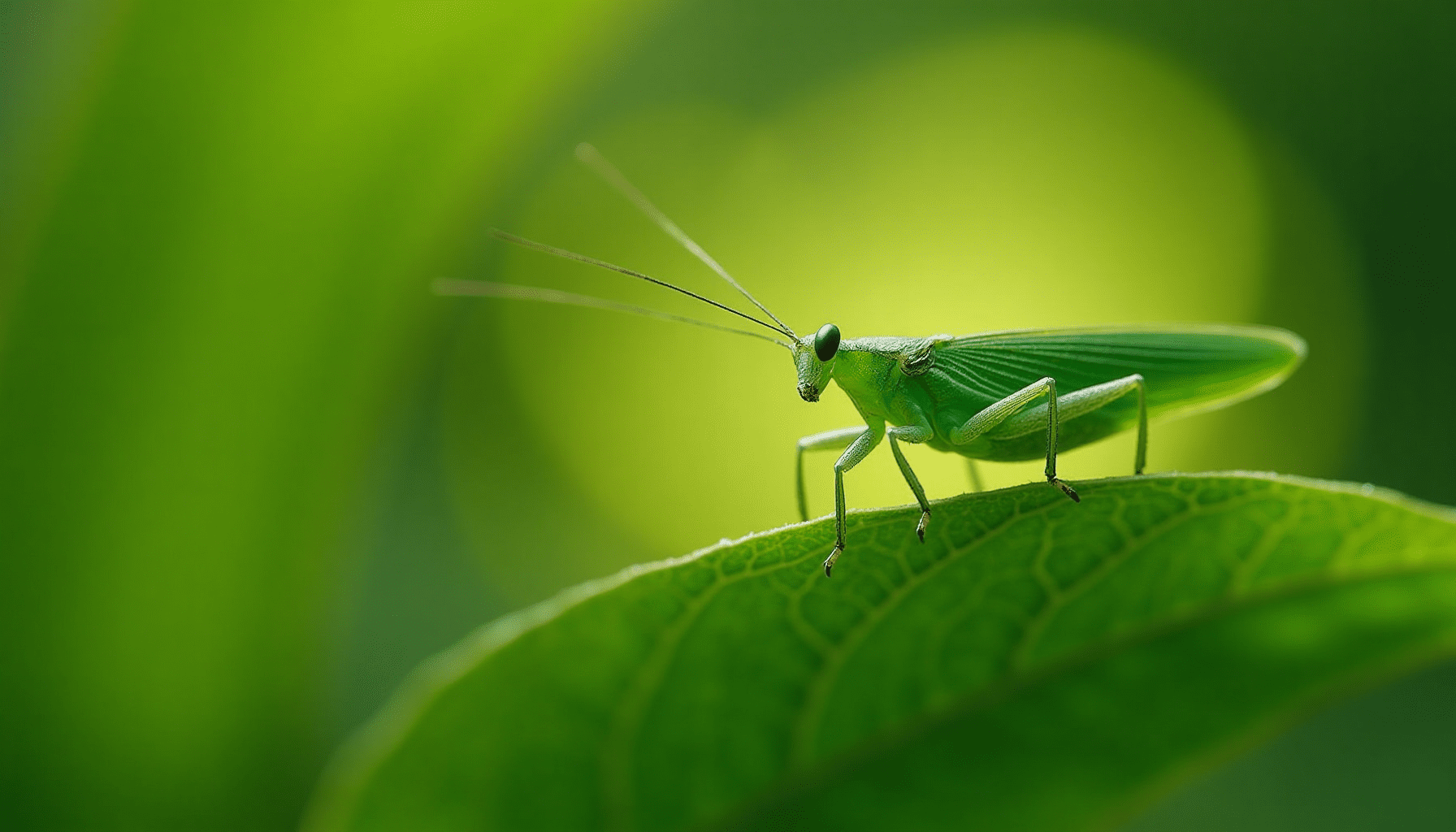
Bottom line: Katydids are leaflike relatives of crickets and grasshoppers. Most are heard more often than seen, especially on warm summer nights when males call from shrubs, trees, and garden edges.
- Long antennae and leaflike wings are key ID clues.
- Their songs are made by rubbing wings together.
- Most garden katydids are occasional chewers, not emergency pests.
Bottom line:
Katydids are green, leaf-like insects with very long antennae, closely related to crickets and grasshoppers. They are primarily identified by their unique stridulating calls, made by rubbing their forewings together, which are most prominent on warm summer and early autumn nights. They are harmless to humans and generally not considered garden pests.
What Are Katydids?
Katydids are members of the order Orthoptera, a group that also includes crickets and grasshoppers. Specifically, they belong to the suborder Ensifera, making them more closely related to crickets than to the shorter-horned grasshoppers. Often referred to as "bush crickets," these remarkable insects are found globally, with over 6,400 species known worldwide, as noted by Hobby Farms. Their widespread distribution means that wherever there is ample vegetation, from dense forests to suburban gardens, you are likely to find katydids.
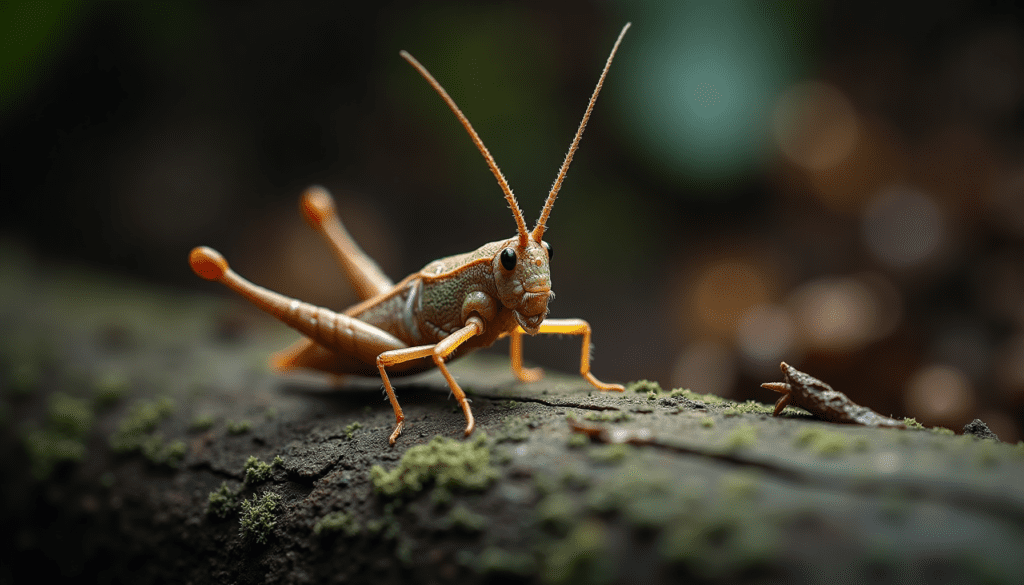
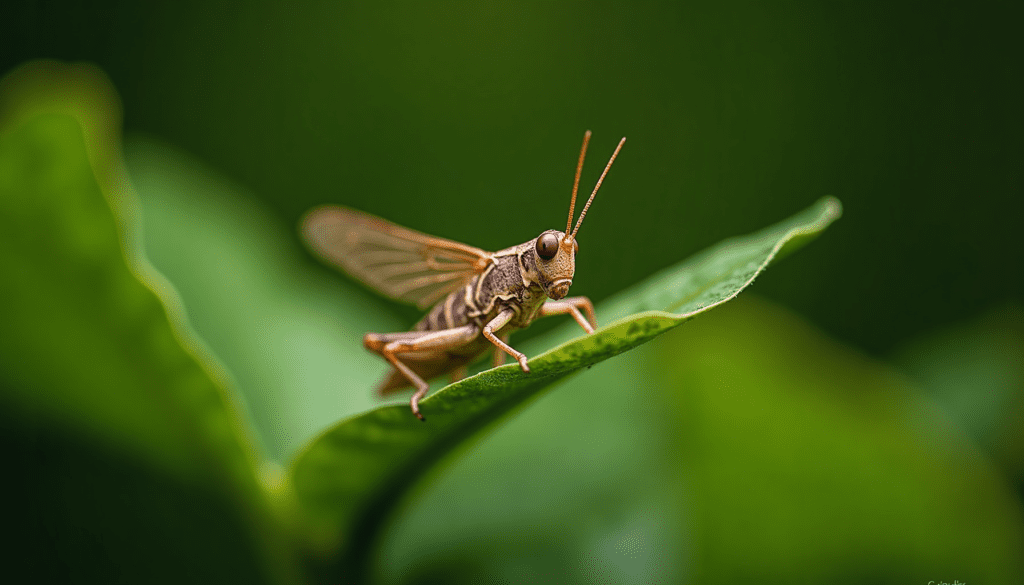
These insects are renowned for their incredible ability to blend into their surroundings. Many species are bright green and have bodies that are flattened or shaped like leaves, complete with veining patterns that mimic foliage. This natural camouflage makes them incredibly difficult to spot during the day, even when they are numerous. Their presence is often first detected not by sight, but by the distinct sounds they produce, especially as dusk settles and the air cools.
The Summer Serenade: Why Katydids Sing

The characteristic calls of katydids are one of the defining summer insect sounds. These "songs" are not vocalizations in the traditional sense, but rather a mechanical process known as stridulation. Katydids produce sound by rubbing specialized structures on their forewings together. One wing has a file-like ridge, and the other has a scraper; when these are rubbed, they create vibrations that resonate through the wing, amplifying the sound.
This unique method of sound production allows male katydids to create species-specific calls that serve several crucial functions. Primarily, these calls are mating signals, used to attract females of their own species across distances. The distinct patterns and frequencies of their songs also help in species recognition, preventing cross-breeding. In some cases, calls can also be used for territorial spacing or even as a distress signal when threatened. The Greenville Journal highlights how katydid calls, alongside those of cicadas and crickets, form the rich acoustic tapestry of summer nights. Unlike the often crisp chirps of many crickets, katydid songs can be more raspy, buzzing, or complex, sometimes described as a repetitive series of notes that sound like "Katy did, Katy didn't."
Katydids vs. Crickets vs. Grasshoppers: Key Differences
While all three are part of the Orthoptera order and often contribute to summer insect sounds, distinguishing between katydids, crickets, and grasshoppers is straightforward once you know what to look for. These distinctions are important for accurate identification and understanding their unique roles in the ecosystem.
Here’s a quick comparison to help you tell them apart:
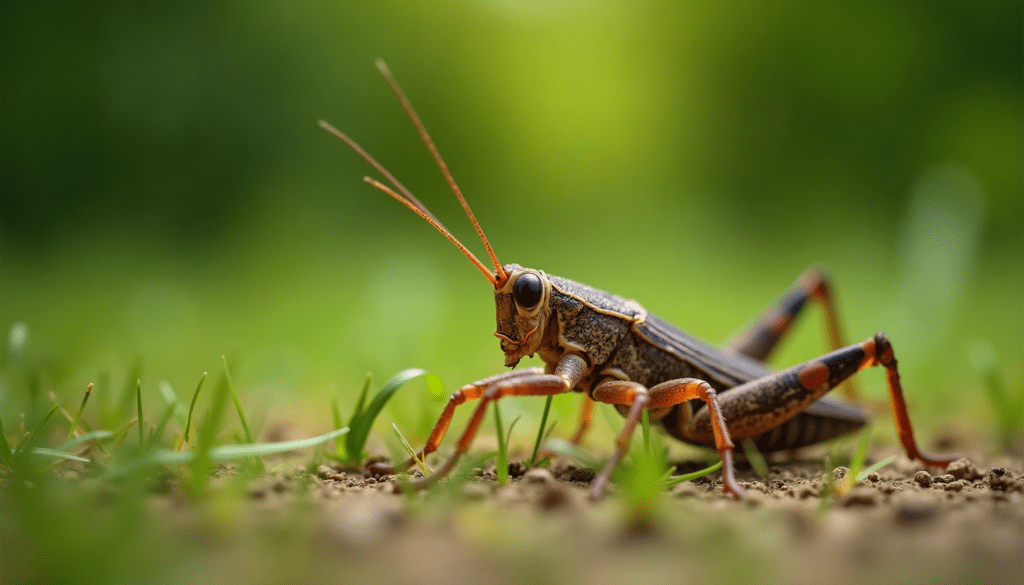
- Antennae Length: This is often the easiest visual clue. Katydids and crickets typically have very long, slender antennae that are often longer than their bodies. Grasshoppers, in contrast, possess much shorter, thicker antennae.
- Body Shape and Camouflage: Many katydids are known for their leaf-like appearance, with flattened, green bodies that provide excellent camouflage among foliage. Grasshoppers tend to have more robust, cylindrical bodies, often brown or green, and are built for jumping. Crickets vary in shape but are often darker and more compact, with powerful jumping legs.
- Activity Period: Katydids are predominantly nocturnal or crepuscular (active at dusk and dawn), making their calls most noticeable in the evening and throughout the night. Crickets are also largely nocturnal. Grasshoppers, however, are generally more active during the day.
- Sound Production: While all three groups produce sounds, their methods and resulting songs differ. Katydids stridulate by rubbing their forewings together, creating often raspy or buzzing calls. Crickets also stridulate with their forewings, but their songs are typically described as clear chirps or trills. Grasshoppers produce sound by rubbing their hind legs against their forewings, or by snapping their wings in flight, resulting in sounds that are often less prominent or more click-like than those of katydids or crickets.
- Hearing Organs: Katydids and crickets "hear" using tympana (ear-like organs) located on their front legs. Grasshoppers have their tympana on the sides of their abdomen.
For a deeper dive into these common backyard insects, explore our guide on crickets and grasshoppers.
Katydid Life Cycle and Behavior

Katydids undergo incomplete metamorphosis, a simpler life cycle compared to insects like butterflies or beetles. Their development progresses through three main stages: egg, nymph, and adult. Females use a specialized, often spear-like structure called an ovipositor to lay eggs, typically in plant stems, bark crevices, or soil, where they can overwinter. When conditions are right, usually in spring or early summer, the eggs hatch into nymphs. These nymphs closely resemble miniature, wingless versions of the adult katydids.
As nymphs grow, they undergo several molts, shedding their exoskeleton each time, until they reach adulthood. In cooler, northern climates, most katydid species complete their life cycle within a year or less. However, some tropical species can live for several years, benefiting from consistently warm conditions. The Jersey Shore Scene provides insights into this life cycle, noting how eggs can survive winter to hatch when conditions improve.
Most katydids lead solitary lives, only coming together during mating season when males use their distinctive calls to attract females. While males are the primary sound producers, some species also use vibrations to communicate, even in dangerous situations. Their ability to "hear" through tympana located on their legs is crucial for detecting these calls and navigating their environment. This nocturnal activity pattern, combined with their exceptional camouflage, means that observing katydids often requires patience and a keen ear.
Finding and Photographing Katydids
Spotting a katydid can be a rewarding challenge, given their remarkable camouflage. They are often easier to hear than to see, especially on warm, humid nights in late summer and early fall. To find these musical insects, focus your search in areas rich with vegetation such as:
- Trees and Shrubs: Katydids frequently rest and feed among the leaves, where their green bodies blend seamlessly.
- Tall Grasses and Hedges: These provide both cover and food sources.
- Gardens: Look along the edges of broad leaves or clinging to flower stems.
The best time to listen for them is at dusk and throughout warm nights. Their calls become more pronounced as the ambient light fades. Once you pinpoint a sound, move slowly and use a flashlight with a red filter (to minimize disturbance) to scan the foliage. They often remain perfectly still, relying on their camouflage, so a careful eye is essential.
For those interested in katydid photography, capturing these elusive creatures requires a specific approach:
- Time of Day: Night or twilight is often best. Katydids are more active and vocal, and their stillness for camouflage can work in your favor.
- Lighting: A flashlight or headlamp is crucial. For photography, external flashes or LED panels can help illuminate your subject without disturbing it too much.
- Equipment: A macro lens is highly recommended to capture the intricate details of their antennae, wings, and leaf-like patterns.
- Technique: Move slowly and deliberately. Look along leaf edges, on the undersides of leaves, and within dense shrub layers. Focus on capturing identifying details like the long antennae, wing venation, leg structure, and the female's ovipositor. Patience is key, as they may take time to reveal themselves.
Common Katydid Myths Debunked
Many common misconceptions surround katydids, often due to their resemblance to other insects or their mysterious nocturnal habits. Let's clarify some of these popular beliefs:
- "Katydids are just grasshoppers." This is a common mix-up. While both are in the order Orthoptera, katydids are more closely related to crickets. A key differentiator is their antennae: katydids have very long, thread-like antennae, while grasshoppers have much shorter ones, as highlighted by Hobby Farms.
- "They sting." This is false. Female katydids possess a prominent, often sword-like structure at the end of their abdomen called an ovipositor. This is used exclusively for laying eggs and is not a stinger. As the Jersey Shore Scene confirms, katydids are harmless to humans.
- "Only crickets chirp." Katydids are major contributors to the summer insect sounds and, in many areas, can be equally or even more prominent than crickets. Their calls are a distinctive part of the nocturnal chorus, as noted by the Greenville Journal.
- "All katydids sound the same." Katydid songs vary significantly by species. Some produce repetitive "tick-tick-tick" sounds, others buzz, trill, or create complex musical phrases that rise and fall. The diversity in their calls is a fascinating aspect of their communication, emphasized by resources like Songs of Insects.
- "If it’s green and leaf-like, it must be harmless." While katydids are generally harmless to humans and rarely significant garden pests, their camouflage is a defense mechanism, not an indicator of their impact. They are herbivores and play a natural role in the ecosystem.
- "Katydids are only active during the day." Many katydid species are nocturnal or crepuscular, meaning they are most active and vocal during the evening and night. This is why their songs are so characteristic of summer nights.
Katydids in Your Garden: Ecological Role and Impact
In your garden or backyard, katydids are generally beneficial or neutral residents. They are primarily herbivores, feeding on the leaves, stems, flowers, and sometimes fruits of various plants. While a large infestation could potentially cause noticeable damage to foliage, this is rare in most home landscapes. In small numbers, their feeding is typically negligible and doesn't pose a threat to your plants.
Beyond their diet, katydids play an important ecological role. They serve as a food source for a variety of predators, including birds, bats, spiders, reptiles, and other insects, contributing to the intricate food web of their habitats. Their presence can also be an indicator of a healthy, vegetated environment. As the Jersey Shore Scene highlights, concerns about habitat loss and the use of pesticides can impact katydid populations, underscoring their importance in broader conservation efforts.
Encouraging katydids in your yard involves creating a hospitable environment:
- Native Plant Gardening: Planting native trees, shrubs, and grasses provides natural food sources and camouflage.
- Reduced Pesticide Use: Minimizing chemical pesticides protects katydids and the many other beneficial insects in your garden.
- Habitat Diversity: A variety of plant heights and types offers more places for them to hide, feed, and lay eggs.
Observing these insects can also be a wonderful way to engage in citizen science, by recording their songs or submitting observations to biodiversity apps, contributing to a greater understanding of insect populations.
Final verdict
The katydids are truly the musical insects of summer, their distinctive calls weaving through the warm night air. Far from being pests, these masters of camouflage and sound are fascinating creatures that contribute significantly to the biodiversity and acoustic landscape of our natural world. By understanding their unique characteristics, from their long antennae to their stridulating forewings, we can better appreciate their presence in our gardens and wild spaces. So, the next time you hear that rhythmic "Katy did, Katy didn't" call on a summer night, take a moment to listen closely and perhaps even try to spot one of these hidden gems. Their song is a timeless reminder of the vibrant life teeming around us.
To learn more about other nocturnal musicians, discover Why Do Crickets Chirp? or explore the differences between locusts vs grasshoppers.