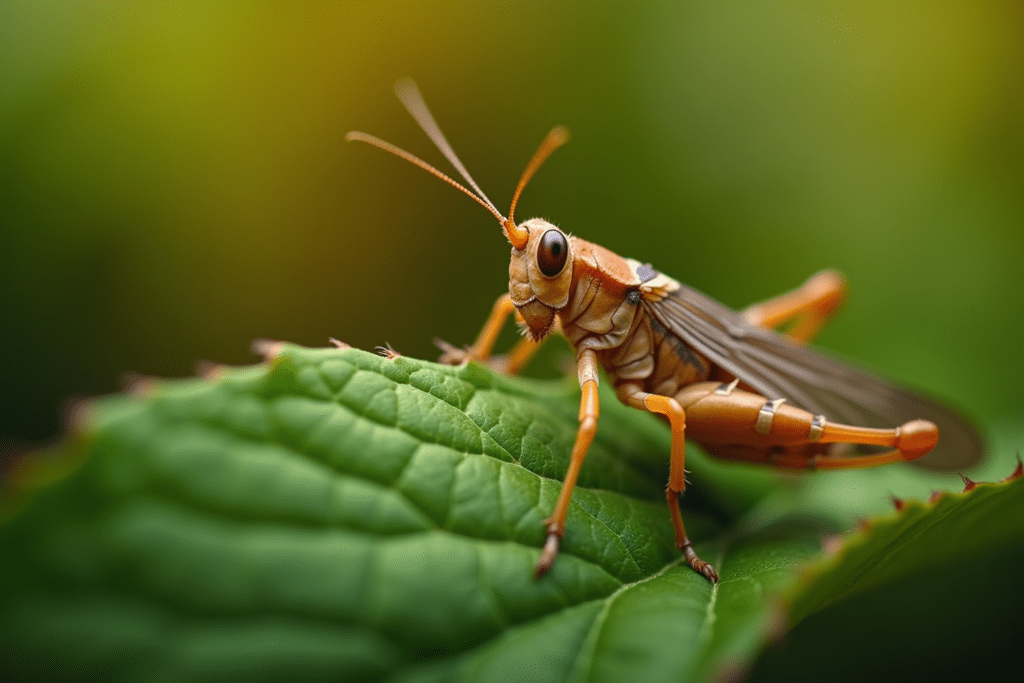
Encountering a large, oddly shaped insect with a bald head and powerful jaws can be startling. If you've stumbled upon a creature fitting this description, you've likely met a Jerusalem cricket. These fascinating insects, often mistakenly called "potato bugs," are a common sight in gardens and wild spaces across western North America. While their appearance might seem intimidating, understanding their unique biology and behavior reveals them to be mostly harmless, playing a vital role in their ecosystems. This guide will help you identify these intriguing creatures, understand their habits, and learn how to manage them if they appear too close to home.
Bottom line: Jerusalem crickets, often called potato bugs, look alarming but are not venomous and do not infest homes like roaches or termites.
- Identify them by the large smooth head, banded abdomen, and thick digging legs.
- Release indoor strays outside with a cup and card.
- Call for help only if bites, repeated indoor sightings, or structural pests are also involved.
Quick ID
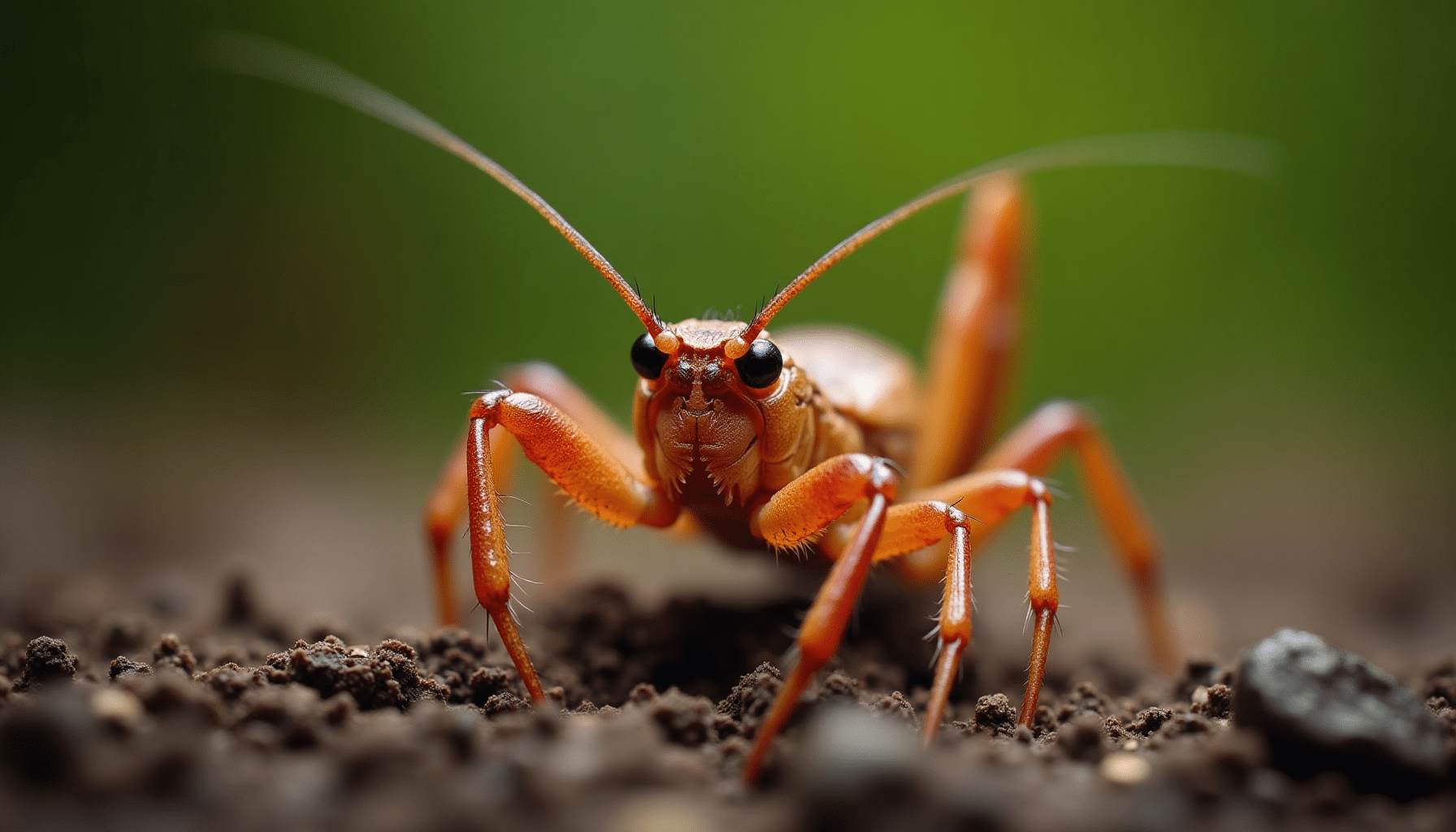
Identifying a Jerusalem cricket is straightforward once you know what to look for. These distinctive insects have several key features that set them apart from other garden dwellers.
- Size: Typically 1.2 to 2 inches (3–5 cm) long, though some species can reach up to 3 inches (7.6 cm).
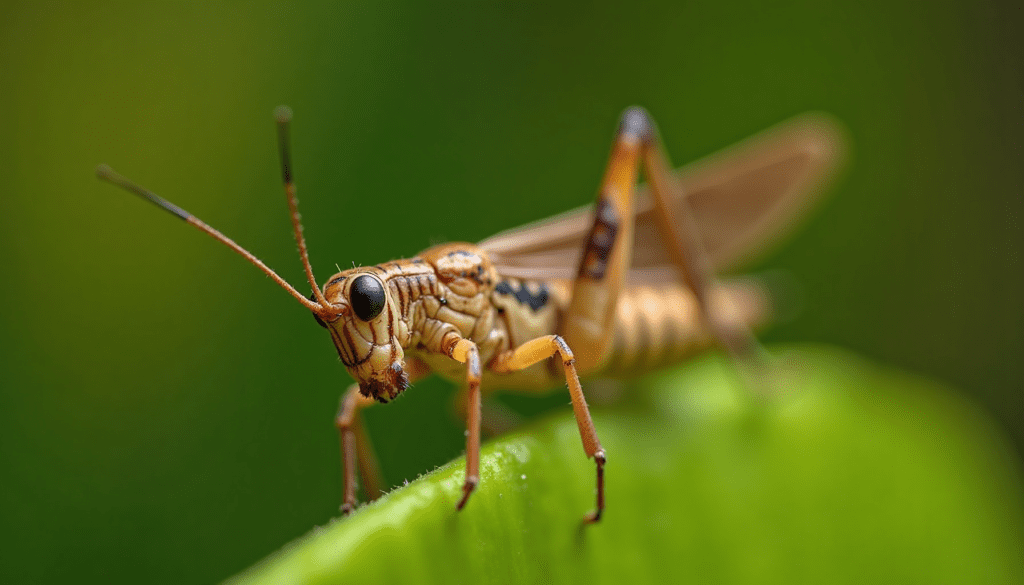
- Body Shape: They possess a large, rounded, amber to orange-brown abdomen often marked with dark bands or rings.
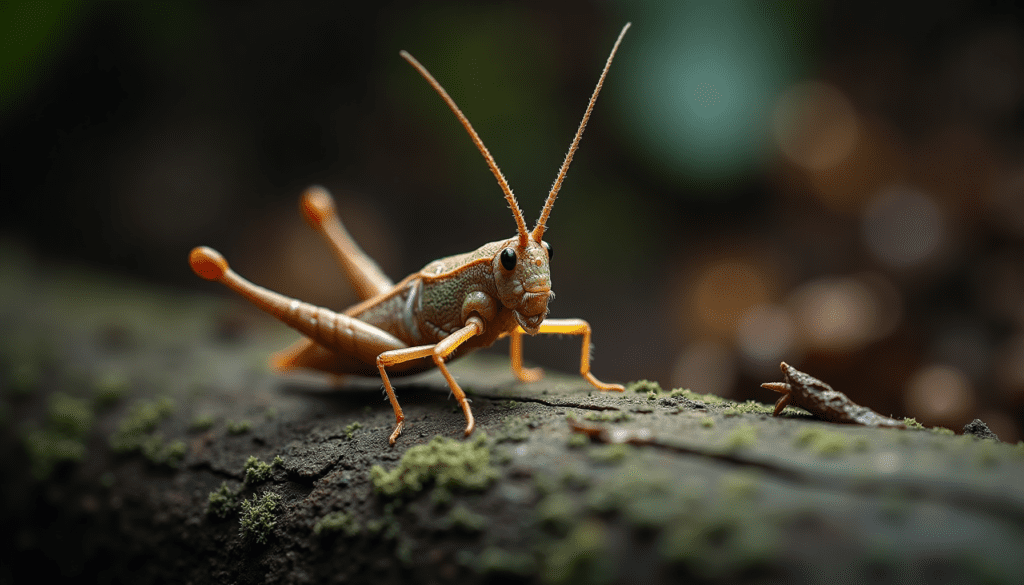
- Head: A prominent, smooth, and "bald" head, somewhat humanoid in appearance, with powerful, visible mandibles (jaws). Their eyes are small and simple.
- Legs: Six legs in total. The hind legs are strong and spiny, adapted for digging, but noticeably shorter than those of true crickets and not designed for long jumps.
- Wings: Jerusalem crickets are completely wingless, meaning they cannot fly.
- Color: Generally yellowish to orange-brown, with the head often a darker shade.
- Movement: They walk or shuffle rather slowly, often appearing clumsy, and do not leap or fly.
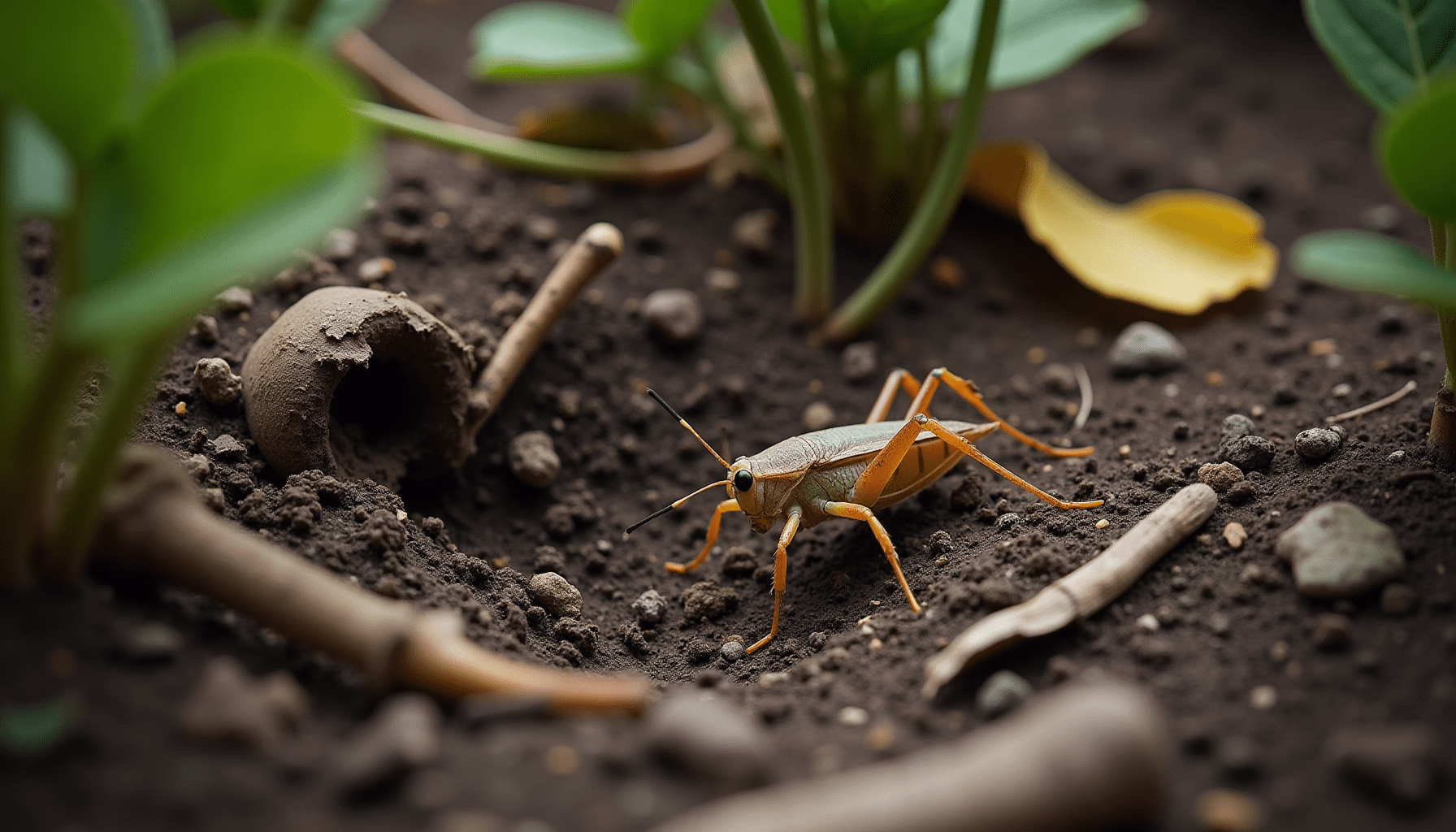
You'll most often spot these nocturnal insects after rainfall or irrigation, especially during spring or mild weather. They prefer to live in soil, under rocks, logs, leaf litter, and garden debris. Occasionally, they might wander into garages, basements, or even swimming pools, usually in search of moisture or shelter.
What they are
Jerusalem crickets, scientifically classified within the family Stenopelmatidae, are a unique group of insects with a rich history and an important ecological role. Despite their common name, they have no connection to the city of Jerusalem; their distribution is primarily in the Americas, particularly the western United States, Mexico, and Central America, with one species even found in Ecuador. They are not "true" crickets, which belong to a different family (Grylloidea), but they do share the same order, Orthoptera, alongside grasshoppers and katydids.
These insects are known by many names, including "potato bugs," "sand crickets," "stone crickets," and even "niñas de la tierra" ("children of the earth") in some Spanish-speaking regions, reflecting their subterranean habits. The genus Stenopelmatus is one of the main groups recognized as Jerusalem crickets, with species like Stenopelmatus fuscus being well-known in the U.S. There are at least 100 species of Jerusalem crickets across North and Central America, a testament to their diversity.
Their life cycle is notably slow compared to many other insects. Females lay saucer-shaped eggs in the soil, and the nymphs, which resemble small, wingless adults, remain largely subterranean. These nymphs undergo multiple molts—up to ten—before reaching adulthood, a process that can take 2 to 5 years depending on the species and environmental conditions. Once mature, adults typically live for only a few months. This slow reproductive rate means that seeing one or two Jerusalem crickets does not usually indicate a widespread infestation.
Jerusalem crickets are omnivores, primarily detritivores, meaning they feed on decaying organic matter. Their diet includes plant roots and tubers (hence the "potato bug" moniker), rotting plant material, other insects, and even carrion. This diet makes them valuable contributors to soil health, as they help break down organic matter and cycle nutrients. Their burrowing activities also aid in soil aeration and water infiltration. Predators such as bats, skunks, foxes, badgers, and birds rely on Jerusalem crickets as a food source, highlighting their role in the food web.
These solitary creatures communicate through unique means. They are known to produce hissing or drumming sounds by rubbing body parts or tapping their abdomen and legs on the ground. These substrate-borne vibrations and audible signals are believed to be used for courtship and possibly territorial defense. Unlike social insects, Jerusalem crickets do not form colonies. Their quiet, underground life makes them a fascinating, if sometimes startling, part of the natural world.
Are they dangerous?
One of the most common questions people have about Jerusalem crickets revolves around their potential danger. Given their large size, distinctive appearance, and powerful mandibles, it's natural to wonder if they pose a threat. The good news is that these insects are largely harmless to humans and pets.
To Humans:
Jerusalem crickets are not venomous, do not sting, and are not known to transmit any diseases. Their primary defense mechanism is their ability to bite if they feel threatened or are handled roughly. While their bite can be painful, similar to a strong pinch, it is not medically significant. If bitten, simply wash the area with soap and water and apply a mild antiseptic, just as you would for any minor cut or scrape. There's no need for concern about venom or toxins.
To Pets:
Curious pets, especially dogs or cats, might try to mouth or play with a Jerusalem cricket they encounter. If a pet is bitten, the experience would likely be startling and painful, but generally not medically serious. The same advice applies: monitor the pet, and if any unusual reaction occurs, consult a veterinarian, though such reactions are rare and typically not linked to the insect itself.
To Gardens and Homes:
While Jerusalem crickets are sometimes called "potato bugs" because they can feed on plant roots and tubers, including potatoes, their impact on gardens is usually minor. According to the University of California Integrated Pest Management (UC IPM), they are "harmless to people and woody plants" and "only occasionally damage turf and vegetables." Because they are solitary and have a slow reproductive rate, they rarely cause widespread or significant damage to crops. They are not considered a major agricultural pest.
In homes, Jerusalem crickets are simply wanderers looking for shelter or moisture. They don't infest homes, damage structures, or contaminate food. Finding one indoors is usually an isolated incident, not a sign of a larger problem.
Danger Level Summary
| Aspect | Assessment |
|---|---|
| Venom | None. |
| Sting | No stinger. |
| Bite | Painful but not medically dangerous; no venom injected. |
| Disease | No known disease transmission. |
| Garden | Minor, occasional damage to roots/tubers; not a serious pest. |
| Home | Do not infest or cause structural damage; usually solitary wanderers. |
| Pets | Bite can be painful if a pet mouths one, but not medically significant. |
Common myths
Jerusalem crickets are often misunderstood, largely due to their intimidating appearance and the various folk names associated with them. Let's clear up some of the most persistent myths surrounding these intriguing insects.
Myth 1: "Jerusalem crickets come from Jerusalem."
Fact: This is false. Jerusalem crickets have no connection to Jerusalem or the Middle East. Their natural range is exclusively in the Americas, predominantly the western United States, Mexico, and Central America. The origin of the name is uncertain, possibly stemming from an exclamation of surprise ("Jerusalem!") when people encounter them, or from old folk and religious associations.
Myth 2: "Potato bugs" are all the same.
Fact: The term "potato bug" is confusing because it's a common name applied to several unrelated organisms. While Jerusalem crickets are indeed called potato bugs in some regions, the name also refers to the Colorado potato beetle (Leptinotarsa decemlineata), a true beetle and a significant agricultural pest, and even to pillbugs and sowbugs (isopods, which are crustaceans, not insects). These creatures are only distantly related, if at all. For example, understanding the differences between various insects is key, much like identifying different types of cockroaches requires specific knowledge.
Myth 3: "Jerusalem crickets are highly destructive garden pests."
Fact: This is largely overstated. While they can feed on plant roots and tubers, including potatoes, the damage is typically minor and localized. As the University of California Integrated Pest Management (UC IPM) notes, they are "harmless to people and woody plants" and "only occasionally damage turf and vegetables." In fact, they contribute to soil health by breaking down decaying organic matter and serve as a food source for wildlife, making them beneficial in the ecosystem.
Myth 4: "They are venomous or can inject poison."
Fact: This is completely false. Jerusalem crickets lack any venom apparatus, meaning they have no stinger and no venom glands for injection. Their bite is purely mechanical, caused by their strong jaws designed for cutting food. It can break the skin and be painful, but it does not inject toxins. This is a common misconception, similar to the question of Do Cockroaches Bite?, where the answer often involves clarifying the nature of the bite.
Myth 5: "Finding one means you have an infestation."
Fact: Jerusalem crickets are solitary creatures and have a relatively slow life cycle, taking 2 to 5 years to reach adulthood. Seeing one or two in your garden or home is normal and does not indicate a colony or an infestation. Their low reproductive rate prevents rapid population booms.
Myth 6: "They can fly or jump like other crickets."
Fact: Jerusalem crickets are entirely wingless and cannot fly. While their hind legs are strong, they are adapted for digging and short-distance movement, not for the long, powerful jumps characteristic of true crickets or grasshoppers. They typically walk or shuffle.
Myth 7: "They scream or cry like babies."
Fact: This is an exaggeration often found in folklore. Jerusalem crickets can produce sounds by rubbing body parts together and by drumming with their abdomen and legs on the ground. These noises are used for communication, such as courtship or defense, and while they might be startling if heard unexpectedly, they are not "crying" or "screaming" in the human sense.

Control
While Jerusalem crickets are generally harmless and even beneficial in the garden ecosystem, finding one unexpectedly in your home can be unsettling. Fortunately, managing their presence is usually straightforward and doesn't require harsh chemical treatments. Most experts, including those at UC IPM and pest control services like Orkin, recommend environmental management and exclusion techniques.
What to Do if You Find One Indoors
If a Jerusalem cricket wanders into your house, the best approach is simple:
- Leave it alone: If it's in an out-of-the-way spot and not bothering anyone, you can simply monitor it.
- Relocate it: The most common and recommended action is to gently capture and release it outdoors. Use a container, such as a plastic cup or jar, and a stiff piece of paper or cardboard to scoop the insect without direct contact. Then, release it in a suitable outdoor area, like a garden bed or a wilder part of your yard, away from your home's foundation.
- Avoid bare-hand contact: To prevent a defensive bite, refrain from grabbing the insect directly. If you must handle it, wear thick gloves.
No chemical treatments are typically necessary or recommended for an occasional indoor Jerusalem cricket.
How to Discourage Them Around Your Home
Preventing Jerusalem crickets from entering your home involves making your property less attractive to them. Their presence often indicates they're seeking moisture, shelter, or food sources close to the foundation.
- Reduce Hiding Spots:
- Clear Debris: Remove or tidy woodpiles, stacked boards, rocks, leaf litter, and other debris from around your home's foundation. These provide ideal hiding and breeding locations.
- Manage Mulch: Thin heavy mulch layers in garden beds adjacent to your house. Create a dry, clear zone of a few inches between the mulch and the foundation.
- Manage Moisture:
- Fix Leaks: Repair any leaky outdoor faucets, irrigation pipes, or air conditioning units that create chronically damp spots near the house.
- Optimize Watering: Schedule sprinklers to run in the morning so that lawns and garden beds have ample time to dry out during the day. Avoid overwatering areas immediately next to your foundation.
- Improve Drainage: Ensure proper drainage around your home to prevent standing water.
- Exclusion:
- Seal Entry Points: Inspect your home's foundation, exterior walls, and around utility penetrations (pipes, wires) for cracks and gaps. Seal these openings with caulk or appropriate sealants.
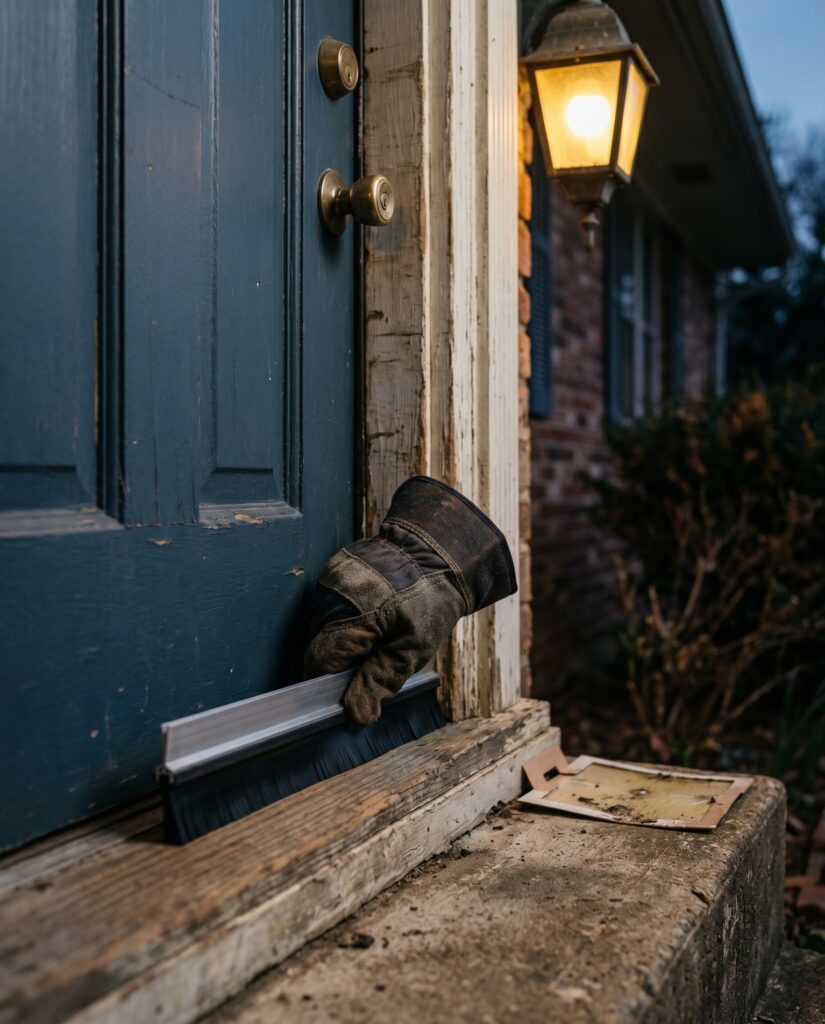
- Check Doors and Windows: Ensure that door sweeps and weatherstripping on exterior doors are intact and create a tight seal. Repair or replace damaged window screens.
- Foundation Vents: Make sure foundation vents are screened and in good repair.
These proactive measures can significantly reduce the likelihood of Jerusalem crickets, and many other common household pests, from finding their way inside. For persistent issues, professional pest control services can offer further advice, though they generally concur that habitat management is the most effective approach for these insects.
Final take
Jerusalem crickets, often called "potato bugs," are truly remarkable insects that play a valuable, albeit often unseen, role in our natural environment. While their unique appearance can be startling, it's important to remember they are not dangerous, venomous, or typically destructive pests. They are solitary, slow-reproducing creatures that contribute to soil health by breaking down organic matter and serving as a food source for local wildlife.
Understanding their biology and dispelling common myths allows us to appreciate these fascinating members of the Orthoptera order. If you encounter a Jerusalem cricket, the best course of action is usually to observe it, or if it's indoors, to gently relocate it back to its outdoor habitat. By reducing moisture and hiding spots around your home, you can effectively discourage unwanted indoor visits. Embracing these creatures as part of our ecosystem, rather than fearing them, enriches our understanding of the natural world.
For more information on identifying and understanding the insects around you, explore our guides on How to Identify Ladybugs or delve into the specifics of different types of cockroaches.