The idea of eating insects might seem novel to some, but for much of the world, edible crickets have been a staple food for centuries. These small, versatile insects are gaining global attention not just for their unique flavor and satisfying crunch, but also for their impressive nutritional profile and their potential as a sustainable protein source. Whether you're curious about their health benefits, looking for new ingredients, or simply exploring alternative foods, understanding what makes edible crickets a valuable addition to our diets is a fascinating journey into the future of food.
Bottom line: Edible crickets can be a high-protein, mineral-rich food when they come from farms that raise insects specifically for human consumption. Do not eat wild crickets from the yard.
- Choose food-grade whole crickets, powder, or flour.
- Cook them thoroughly and store them dry.
- Avoid them if you have a shellfish or dust-mite allergy unless your clinician says otherwise.
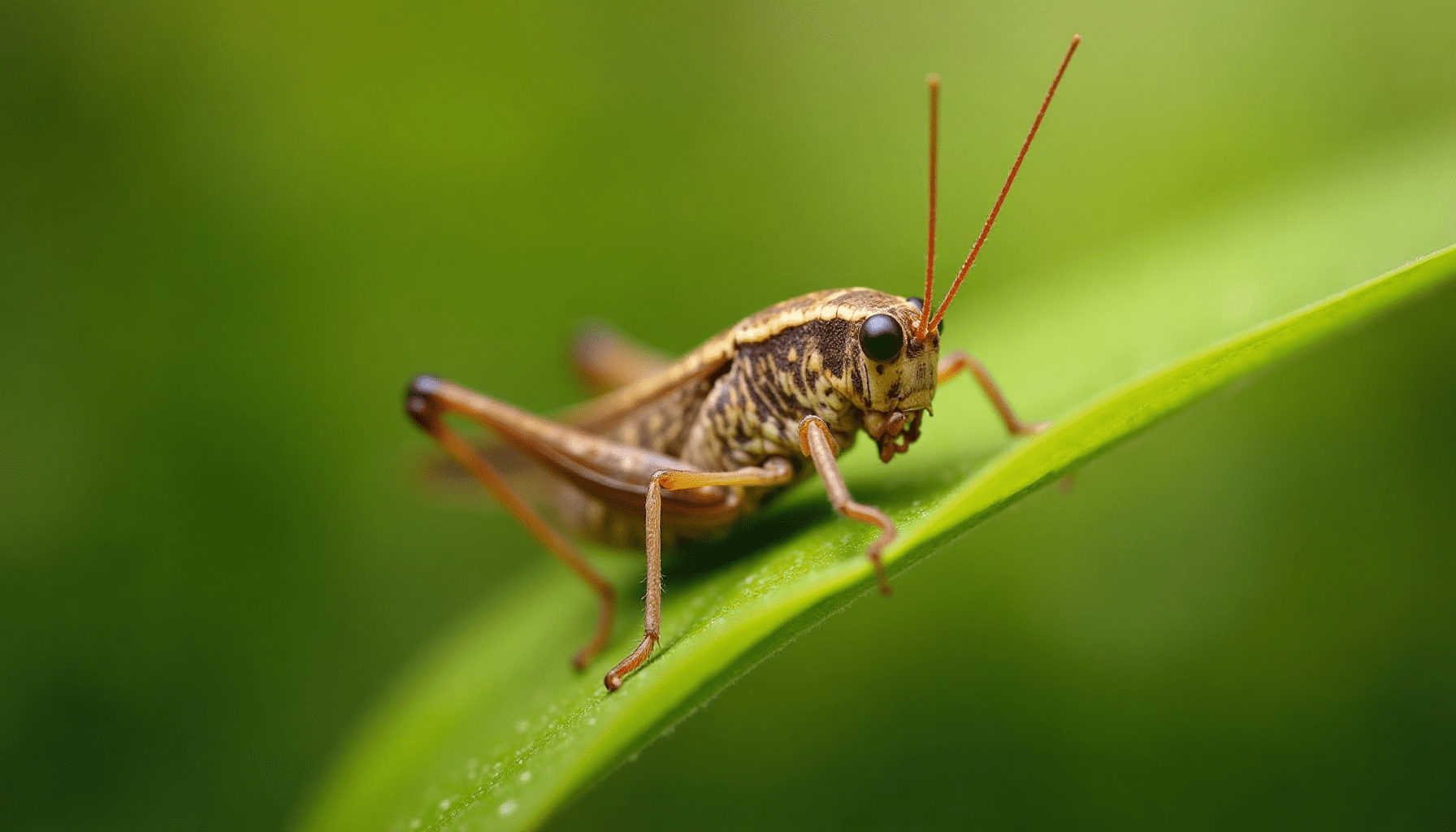
Nutrition
Edible crickets are far more than just a crunchy snack; they are a nutritional powerhouse, packing a significant punch of protein, healthy fats, and essential micronutrients. Their composition varies depending on the species, diet, and processing methods, but they consistently stand out as a highly beneficial food.
Crickets are renowned for their high protein content, which typically ranges from 55-70 grams per 100 grams of dry weight. This makes them a more concentrated protein source than many conventional meats, eggs, or even soy, as highlighted by Dietitians for Climate Action. This protein is considered "complete," meaning it provides all nine essential amino acids necessary for human health. While their protein digestibility (PDCAAS) might be slightly lower than eggs or milk, it often surpasses many plant-based proteins, making them a valuable option for diverse diets.
Beyond protein, crickets are a rich source of healthy fats. They contain a substantial amount of mono- and polyunsaturated fatty acids (MUFA and PUFA), including beneficial omega-6 and some omega-3 fatty acids. A common ratio of omega-6 to omega-3 in commercial cricket products is around 3:1, contributing to a favorable fat profile compared to some conventional meats. Their energy content can vary widely, but they are generally energy-dense, providing a good source of fuel.
One unique aspect of cricket nutrition is their fiber content, primarily from chitin, found in their exoskeleton. Depending on processing, chitin can make up 5-15% of their dry weight. Chitin and its derivatives have been shown to possess prebiotic properties, potentially supporting the growth of beneficial gut bacteria and contributing to overall gut health, as demonstrated in a randomized controlled trial in healthy adults.
Crickets are also micronutrient champions. They supply significant amounts of vital minerals such as iron, zinc, calcium, magnesium, phosphorus, and potassium. For example, some species like Gryllus bimaculatus can provide over 1,000 mg of phosphorus and potassium per 100g dry weight, along with impressive levels of zinc and iron. The Cleveland Clinic notes crickets as excellent sources of these and other important trace elements.
Furthermore, crickets are particularly notable for their B vitamin content. They are an exceptional source of vitamin B12, often containing far more per 100 grams than beef. They also provide riboflavin, niacin, folate, pantothenic acid, and biotin. This rich micronutrient profile makes crickets a promising food to address deficiencies in iron, zinc, or B12, especially in populations where these are common concerns. Their overall nutrient density and lower environmental impact also position them as a climate-friendly protein for global food security.
How to buy them
While the idea of eating crickets might be new to many in Western cultures, entomophagy – the practice of eating insects – has a long and rich history across the globe. Understanding where to find edible crickets and how to prepare them safely is key to incorporating them into your diet.
Traditionally, crickets have been a common food in many parts of Asia, Africa, and Latin America for centuries. They are often enjoyed as street food, deep-fried or roasted, or incorporated into soups and stir-fries. In recent years, Western markets have seen a surge in cricket-based products, driven by their nutritional benefits and sustainability. These products typically come in forms that are more palatable to new consumers, such as cricket flour (also known as cricket protein powder), whole roasted crickets (plain or seasoned), and cricket-infused snacks like protein bars, chips, and crackers. You can even find them in pasta or baked goods.
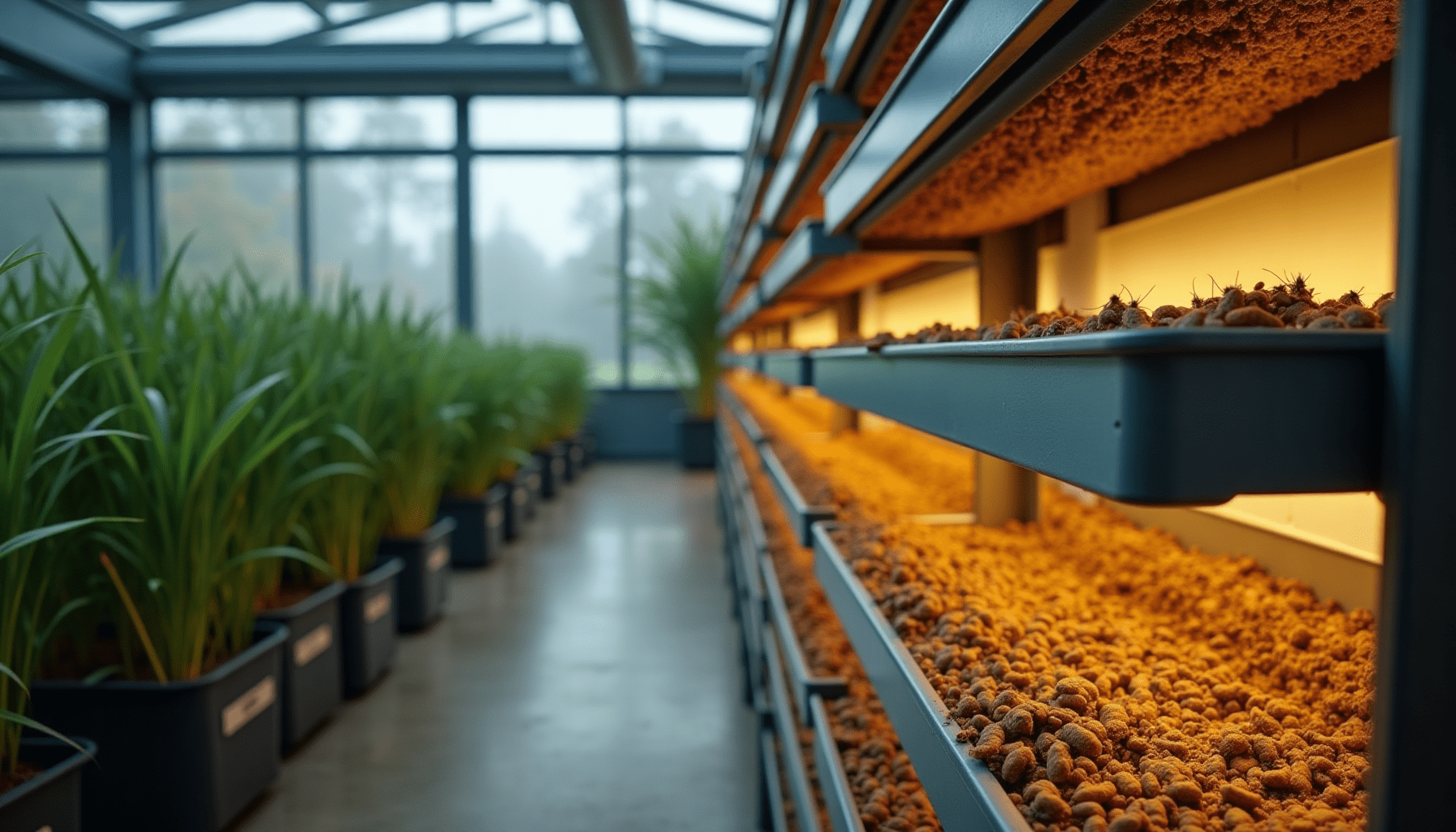
When purchasing edible crickets, safety and quality are paramount. It is crucial to buy from reputable suppliers who raise insects specifically for human consumption. These suppliers adhere to food safety regulations, such as HACCP (Hazard Analysis and Critical Control Points), and conduct regular testing for pathogens. Avoid consuming wild-caught crickets, as they may have been exposed to pesticides or environmental contaminants, and their diet cannot be controlled. Always check the ingredient list for potential allergens, as cricket products are often processed in facilities that also handle nuts or soy. Proper storage, typically in a cool, dry place, will ensure the shelf stability of dry cricket products.
Preparing crickets, whether live or frozen, always involves cooking them thoroughly. This step is essential to eliminate any potential pathogens and to enhance their flavor and texture. If you start with live crickets, a humane method for killing them is freezing, similar to preparing shellfish. After freezing, rinse the crickets briefly to remove any debris.
A common initial step is parboiling: boil the crickets for 3-5 minutes. This not only kills microbes but also firms up their texture. After boiling, drain them well and pat them dry. From there, various cooking methods can be used:
- Roasting: Toss the parboiled crickets with a little oil and your favorite seasonings (salt, paprika, garlic powder, chili flakes, etc.). Roast them in an oven at 175-200°C (350-400°F) for 10-20 minutes, stirring occasionally, until they are golden brown and crunchy.
- Pan-frying/Stir-frying: Sauté them in oil with aromatics like garlic and onion, or add them to stir-fries towards the end of cooking for a delightful crunch.
- Deep-frying: This method is popular in traditional street foods and yields a very crispy, chip-like snack.
The flavor of cooked crickets is often described as nutty, earthy, and slightly umami, with a satisfying crunch. Seasoning them well, much like you would roasted nuts or seeds, can make them more appealing, especially for those trying them for the first time.
How to eat them
Integrating edible crickets into your diet doesn't have to be daunting. With their versatile flavor and texture, crickets can enhance a wide array of dishes, from snacks to main courses. Starting with small amounts and experimenting with different preparations can help you discover new culinary favorites.
Here are some accessible and delicious ways to incorporate crickets into your meals:
Cricket Snack Mix
Combine whole roasted crickets with your favorite nuts, seeds, and dried fruits. Toss with a blend of spices like chili-lime, garlic-herb, or smoky BBQ for an extra flavor kick. This mix is perfect for a protein-packed, portable snack that offers a satisfying crunch.
Cricket Protein Smoothie
For a quick and easy nutritional boost, add 1-2 tablespoons of cricket protein powder to your morning smoothie. Blend it with a banana or mixed berries, milk (dairy or plant-based), a spoonful of nut butter, and a dash of cocoa powder. The earthy flavor of cricket powder pairs well with strong flavors like chocolate or peanut butter.
Cricket Flour Baked Goods
Cricket flour is an excellent way to boost the protein and mineral content of your baked goods without significantly altering their texture. Try substituting 10-25% of the regular flour in recipes for muffins, pancakes, cookies, or bread with cricket flour. For instance, chocolate cricket brownies can be a great way to introduce cricket flour, as the cocoa and sugar effectively mask any subtle earthy notes.
Cricket Taco Filling or Topping
Pan-fry parboiled crickets with a little oil, diced onion, minced garlic, chili powder, cumin, and a squeeze of lime juice. This creates a flavorful, crunchy mixture that can be used as a unique taco filling or a textural topping for nachos and salads.
Cricket Granola
After baking your homemade granola, stir in some roasted crickets for added protein and crunch. Alternatively, you can briefly bake the crickets with oats, nuts, and honey to infuse their flavor into the granola mixture.
When trying edible crickets for the first time, there's no standardized "serving size," but many commercial products suggest 10-30 grams of cricket flour or roasted crickets per serving. Given that cricket flour is typically 60-65% protein, just 15 grams can add 9-10 grams of high-quality protein to your meal. For newcomers, it's advisable to start with small amounts – perhaps a tablespoon of powder or a small handful of roasted crickets – to assess your tolerance and palate. You can gradually increase the quantity as you become more comfortable, especially if you're looking to boost protein intake for sports nutrition or specific dietary goals.
Safety notes
As with any food, understanding the safety aspects of edible crickets is crucial, especially for those new to entomophagy. Dispelling common misconceptions can also help foster a greater appreciation for these sustainable insects.
One of the most important safety considerations revolves around allergies. Crickets are arthropods, belonging to the same phylum as crustaceans like shrimp, lobster, and crab. Consequently, individuals with shellfish allergies may experience cross-reactive allergic reactions to crickets due to similar proteins, such as tropomyosin and arginine kinase. Similarly, those with dust mite allergies should be cautious. If you have any known allergies to shellfish or dust mites, it's wise to consult a healthcare provider before trying cricket products. Chitin, the fiber found in their exoskeleton, may also play a role in some allergic responses.
Regarding pathogens and parasites, farmed crickets intended for human consumption generally pose a low risk. The Cleveland Clinic notes that most cricket parasites do not infect humans, and the risk of parasitic infection from properly farmed and cooked crickets is comparable to, or even lower than, that of conventional meats. However, it is absolutely essential that crickets are properly cooked before consumption to kill any potential microbes. Avoid eating raw or underprocessed insects. Always prioritize buying from companies that explicitly state their insects are "raised for human consumption" to ensure they come from controlled, hygienic environments free from pesticides or environmental contaminants.
Several misconceptions often surround edible crickets:
- "Crickets are just a fad protein for hipsters." This couldn't be further from the truth. Entomophagy is an ancient and widespread practice, particularly across Asia, Africa, and Latin America. The current interest in cricket products in Western markets is about industrializing a traditional food source to address modern sustainability and nutritional needs, not merely a trend.
- "Cricket protein is inferior to meat or dairy." Nutritional analyses consistently show that cricket protein is a complete protein, rich in all essential amino acids, and possesses a high biological value (around 93%). While its PDCAAS (protein digestibility-corrected amino acid score) might be slightly lower than eggs or whey in some analyses, it is often superior to most cereal proteins and comparable to many other animal proteins, making it a high-quality option.
- "Insects are dirty and unsafe to eat." This is a common misconception rooted in unfamiliarity. Farmed edible crickets are raised under controlled, food-grade conditions with specific feed and hygiene standards, much like other livestock. As with chicken or pork, proper cooking is the key to safety. Peer-reviewed studies and clinical data indicate that cricket products are safe for healthy individuals when sourced appropriately.
- "You can't cook with cricket flour like normal flour." Cricket flour is high in protein and low in starch, so it's not a direct 1:1 substitute for wheat flour. However, substituting 10-25% of regular flour with cricket flour in recipes works very well, enhancing nutrition without compromising texture.
- "Crickets don't really help the environment." Life-cycle analyses consistently demonstrate that insects, including crickets, have a significantly lower environmental footprint compared to cattle, pigs, and poultry. They require less land, water, and feed, and produce fewer greenhouse gas emissions. They also hold potential for circular food systems, converting low-value biomass into high-value protein.
- "All insects are equally nutritious." Nutritional content varies widely across different insect species, their life stages, diets, and processing methods. Data reported for crickets, such as their impressive levels of iron and B12, cannot be automatically assumed for all other edible insects. Each species has its own unique nutritional profile.

Final take
Edible crickets represent a compelling and sustainable answer to many of today's dietary and environmental challenges. From their rich protein content and abundance of essential vitamins and minerals to their significantly lower ecological footprint compared to traditional livestock, crickets offer a nutrient-dense food source that can benefit both human health and the planet. By understanding their nutritional value, learning how to safely source and prepare them, and exploring diverse culinary applications, you can confidently incorporate these remarkable insects into your diet.
Whether you're adding cricket flour to your morning smoothie or experimenting with seasoned whole roasted crickets, you're embracing a food that is both ancient and innovative. Remember to prioritize reputable suppliers and proper cooking methods to ensure a safe and enjoyable experience. As you explore the world of entomophagy, you might also be interested in learning about other valuable insect-derived products or gaining a broader perspective on the diverse diets of insects and the broader ecological roles of insects in our natural world.