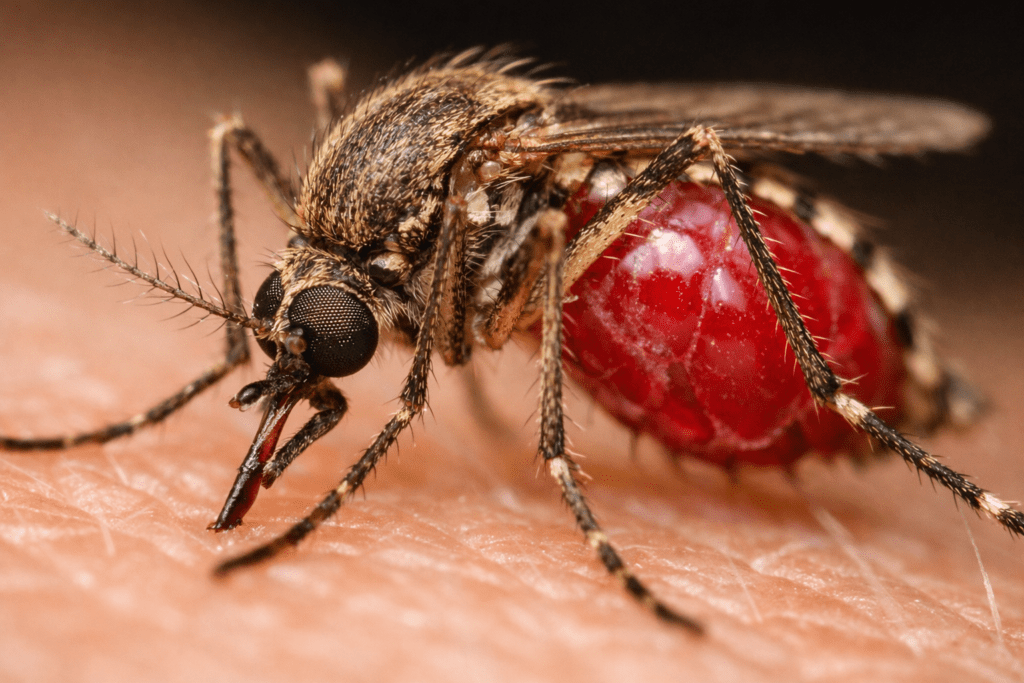
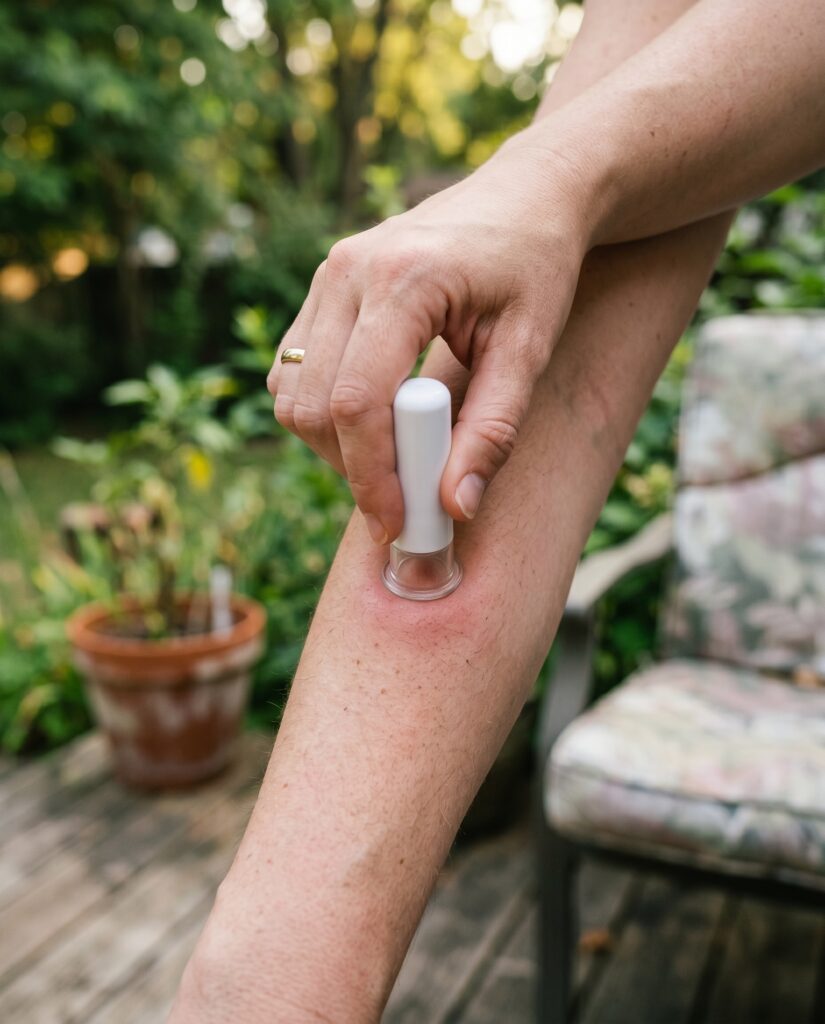
Ask most people whether mosquitoes serve any purpose in nature, and you’ll get a firm “absolutely not.” But ecologists paint a more complicated picture. Mosquitoes fill several ecological niches that, if suddenly emptied, would send ripple effects through food webs worldwide. That doesn’t make them pleasant – but it does make them ecologically significant.
Related guides worth having to hand: How to Kill Mosquito Larvae in Standing Water and The History of Mosquitoes: Evolution, Dinosaurs & Their Role in Human History.
The full set of mosquito guides is indexed on our mosquito page.
Quick Answer
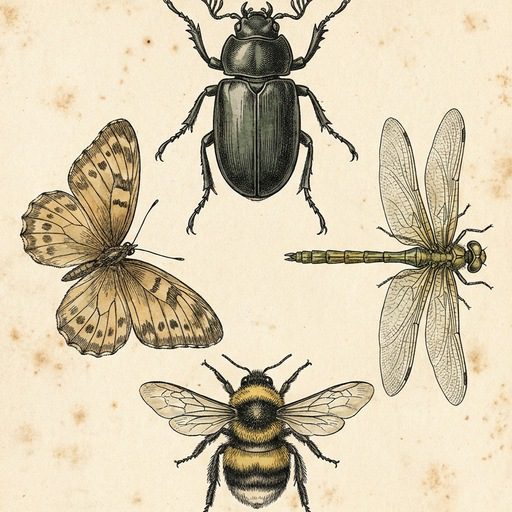
- Mosquitoes are food for thousands of species including bats, birds, dragonflies, fish, frogs, and spiders
- Mosquito larvae are critical food for freshwater fish and aquatic invertebrates in ponds, streams, and wetlands
- Some mosquito species pollinate plants – males and non-biting females feed on nectar and transfer pollen
- Larvae filter organic matter from standing water, recycling nutrients back into aquatic ecosystems
- If mosquitoes disappeared entirely, some ecosystems (particularly Arctic tundra and tropical wetlands) would face significant disruption
Mosquitoes as a Food Source
Mosquitoes occupy a critical position near the base of countless food chains. Their sheer abundance – estimated at 110 trillion individuals alive at any given time – makes them a reliable protein source for a wide range of predators.
| Predator Group | Feeds On | Dependency Level |
|---|---|---|
| Bats | Adult mosquitoes | Moderate – mosquitoes are part of a varied insect diet |
| Swallows & swifts | Adult mosquitoes | Moderate – important seasonal food source |
| Dragonflies | Adults and larvae | High – dragonfly larvae are voracious mosquito predators |
| Freshwater fish | Larvae | High in some species (mosquitofish, guppies) |
| Frogs & tadpoles | Larvae and adults | Moderate to high depending on habitat |
| Spiders | Adults caught in webs | Low to moderate |
In Arctic tundra regions, mosquitoes emerge in enormous synchronized swarms during the brief summer. These swarms are a primary food source for migratory birds that travel thousands of miles specifically to breed in areas with abundant mosquito populations. According to research from the journal Nature, Arctic mosquito populations have been declining with warming temperatures, raising concerns about cascading effects on bird migration patterns.
Pollination: The Overlooked Role
Both male and female mosquitoes feed on plant nectar for energy. While females also need blood for egg production, nectar is their primary caloric fuel. In the process of feeding on flowers, mosquitoes transfer pollen between plants.
Some plant species are particularly dependent on mosquito pollination, especially in wet, shaded habitats where bees and butterflies are less active. Orchids in the genus Platanthera (bog orchids) rely heavily on mosquito pollination. In northern wetlands, mosquitoes may be among the most abundant pollinators available.
The pollination contribution of mosquitoes is modest compared to bees, but in specific ecosystems – particularly northern bogs and tropical swamps – they fill a niche that few other pollinators occupy.
Nutrient Recycling in Aquatic Ecosystems
Mosquito larvae are filter feeders that consume algae, bacteria, and organic detritus in standing water. A single larva can filter several hundred milliliters of water per day, processing organic matter and recycling nutrients through the aquatic food web.
When larvae pupate and adults emerge from the water, they carry those aquatic nutrients into the terrestrial ecosystem. This transfer of biomass from water to land is an important ecological process called “aquatic subsidy.” The nutrients concentrated in mosquito bodies become available to terrestrial predators, effectively fertilizing land ecosystems with aquatic resources.
What Would Happen Without Mosquitoes?
Scientists have debated this question extensively. In 2010, Nature published an influential article exploring a world without mosquitoes. The consensus was mixed:
Ecosystems likely affected:
- Arctic tundra bird populations would decline significantly due to lost food source
- Freshwater ecosystems would lose a major food source for fish and amphibian larvae
- Some plant species dependent on mosquito pollination could decline
- The balance of competing insect species would shift unpredictably
Ecosystems that would likely adapt:
- Most temperate and tropical food webs have enough redundancy that other insects would fill mosquitoes’ niche over time
- Many bat and bird species have diverse enough diets to compensate
- Human disease burden would decrease dramatically
The bottom line: mosquitoes aren’t “useless” from an ecological perspective, but most scientists believe ecosystems would eventually adapt to their absence. The more immediate concern is targeted mosquito control that preserves beneficial species while reducing disease-carrying populations.
Key Takeaways
- Mosquitoes serve as food for thousands of species across both aquatic (larvae → fish, dragonflies) and terrestrial (adults → bats, birds, spiders) food chains.
- Both male and female mosquitoes pollinate plants while feeding on nectar, with some bog orchids and wetland plants particularly dependent on mosquito pollination.
- Mosquito larvae filter organic matter from standing water, recycling nutrients from aquatic to terrestrial ecosystems when adults emerge.
- If mosquitoes disappeared, Arctic bird populations and freshwater ecosystems would be most affected, though most habitats would likely adapt over time.
- The ecological value of mosquitoes doesn’t negate the harm they cause through disease – targeted control that reduces dangerous species while preserving ecosystem function is the balanced approach.