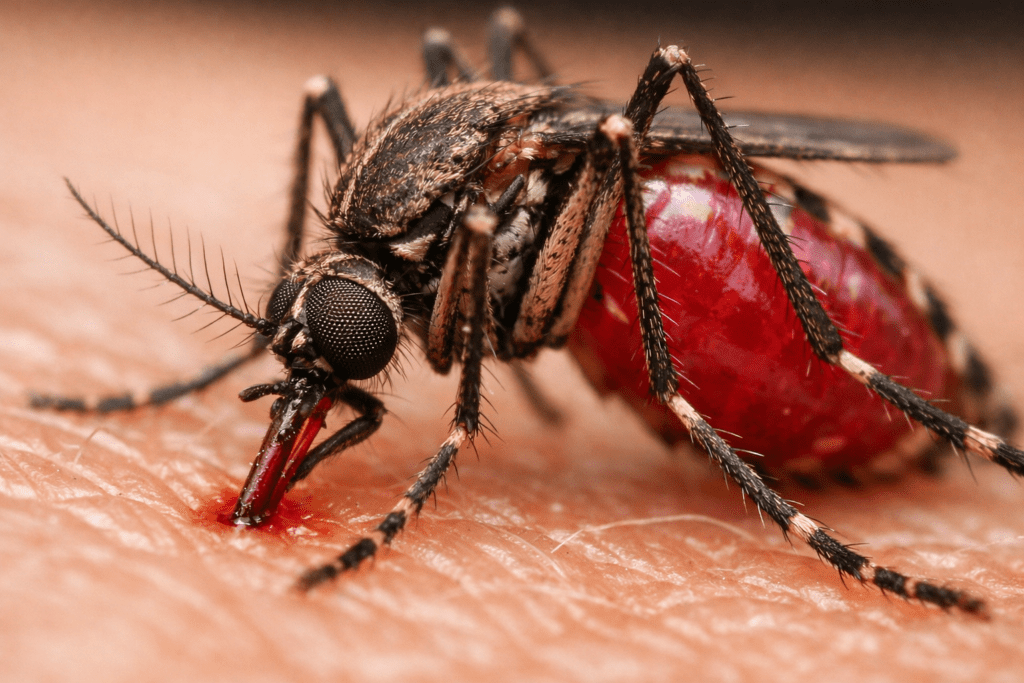
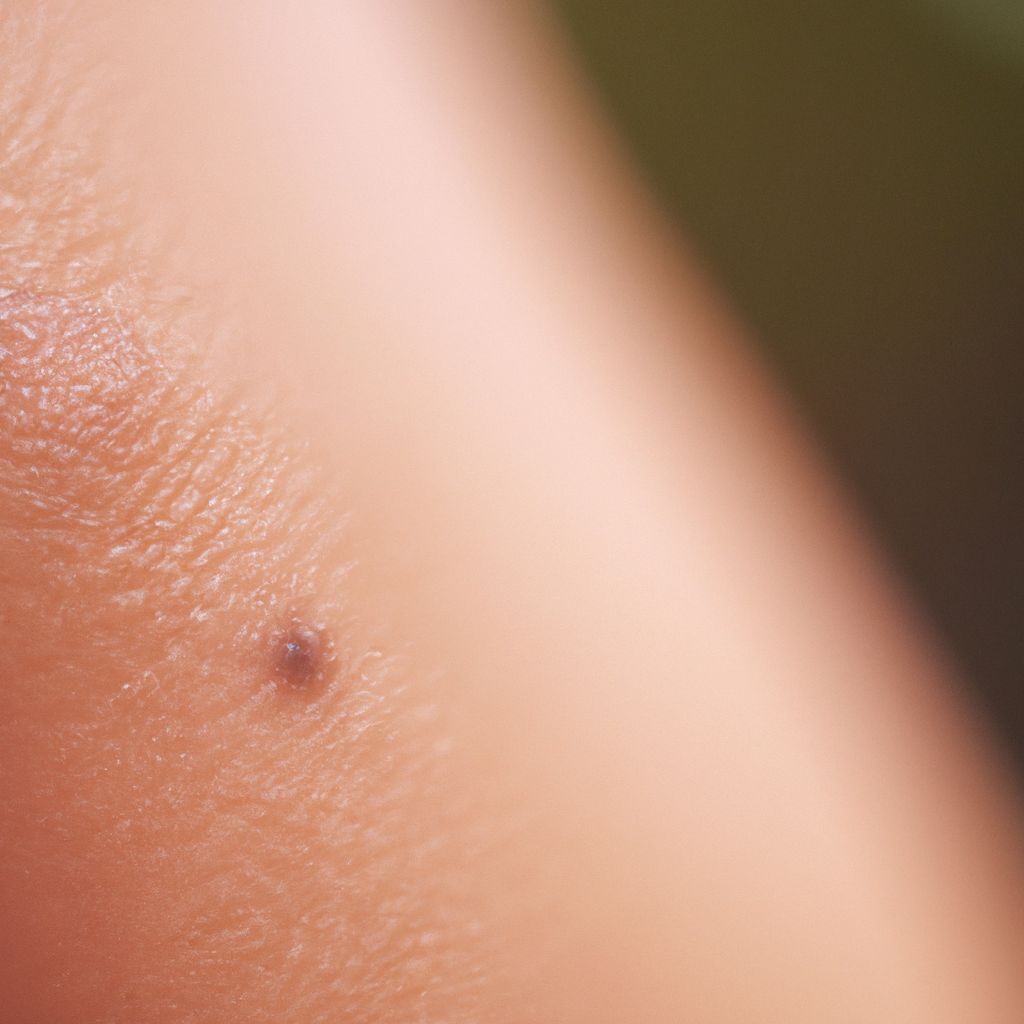
Calling mosquitoes “parasites” feels right, but the answer is more nuanced than you’d expect. Technically, female mosquitoes are ectoparasites during the brief period they feed on blood. But they don’t live on their hosts the way ticks or lice do. Here’s how entomologists actually classify them.
Quick Answer
- Female mosquitoes are classified as ectoparasites – organisms that feed on a host from outside the body
- But they’re “micropredators,” not true parasites, because they contact the host only briefly during feeding
- Males are not parasitic at all – they feed exclusively on plant nectar
- Mosquitoes are also vectors – organisms that transmit pathogens between hosts
Parasite vs. Micropredator vs. Vector
| Classification | Definition | Examples | Mosquito? |
|---|---|---|---|
| True parasite | Lives on/in host for extended period | Tapeworms, lice, ticks | No |
| Micropredator | Feeds briefly on host, then leaves | Mosquitoes, leeches, vampire bats | Yes |
| Ectoparasite | Feeds on host from outside the body | Fleas, ticks, mosquitoes | Technically yes |
| Disease vector | Transmits pathogens between hosts | Mosquitoes, ticks, tsetse flies | Yes |
The most accurate classification is that mosquitoes are intermittent ectoparasitic micropredators and disease vectors. That’s a mouthful, which is why most people just call them parasites and move on.
What separates mosquitoes from true parasites like tapeworms or head lice is the duration of host contact. True parasites depend on a single host for survival. Mosquitoes contact a host for 2-3 minutes per feeding, then fly away to live independently. They feed on multiple hosts and can survive without blood (males never feed on blood at all).
Key Takeaways
- Female mosquitoes are technically ectoparasites but more precisely classified as “micropredators” due to their brief host contact.
- Male mosquitoes are not parasitic at all. They feed only on plant nectar.
- Mosquitoes are also disease vectors, transmitting pathogens like malaria, dengue, and West Nile between hosts.