You’ve accidentally inhaled or swallowed a mosquito. Don’t panic. Eating a mosquito – intentionally or accidentally – is completely harmless. Your stomach acid destroys the insect instantly, and you can’t catch diseases from ingesting a mosquito. Here’s why.
Quick Answer
- Yes, you can safely eat mosquitoes. They’re non-toxic and are consumed by humans in some cultures.
- You CANNOT get diseases (malaria, Zika, West Nile) from eating a mosquito. Pathogens are destroyed by stomach acid.
- Nutritionally, mosquitoes are high in protein – but you’d need thousands of them for a meaningful meal
- Accidentally swallowing one while biking, running, or sleeping is completely harmless
Why You Can’t Get Diseases From Eating Mosquitoes
Mosquito-borne diseases require the pathogen to enter your bloodstream, which only happens through a bite. When you eat a mosquito, your digestive system destroys both the insect and any pathogens it might carry. Stomach acid (pH 1.5-3.5) rapidly denatures the proteins of viruses like Zika and West Nile. Plasmodium malaria parasites cannot survive the digestive environment.
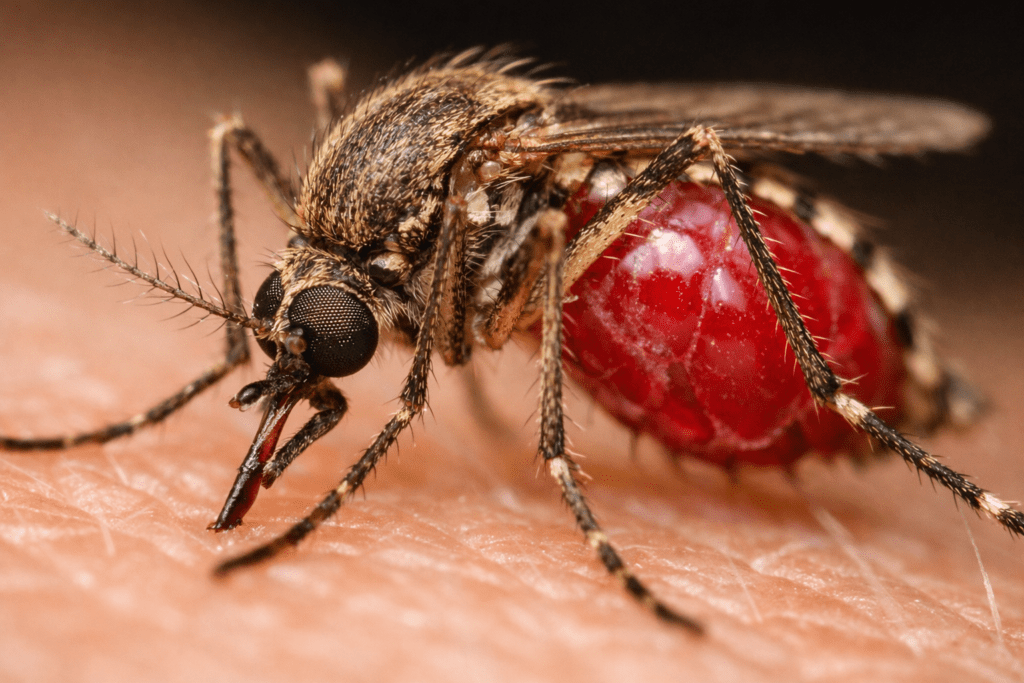
This is why mosquitoes can only transmit diseases through biting – the pathogens need to be injected directly into the bloodstream via saliva, bypassing the digestive system entirely.
Mosquitoes as Food Around the World
In some cultures and survival situations, mosquitoes and their larvae are consumed as food. Mosquito larvae are harvested from water in parts of Southeast Asia and Africa and cooked as a protein source. Adult mosquitoes contain approximately 6 calories per gram of body weight, with roughly 50-60% protein content by dry weight. In terms of protein efficiency, mosquitoes are comparable to many other edible insects like crickets and mealworms, just far more difficult to harvest in meaningful quantities.
Key Takeaways
- Eating a mosquito – accidentally or intentionally – is completely safe. Your stomach acid destroys the insect and any pathogens.
- You cannot contract malaria, Zika, West Nile, or any mosquito-borne disease through ingestion. These diseases require bloodstream entry through a bite.
- Mosquitoes are technically edible and high in protein, though impractical to harvest as a food source.