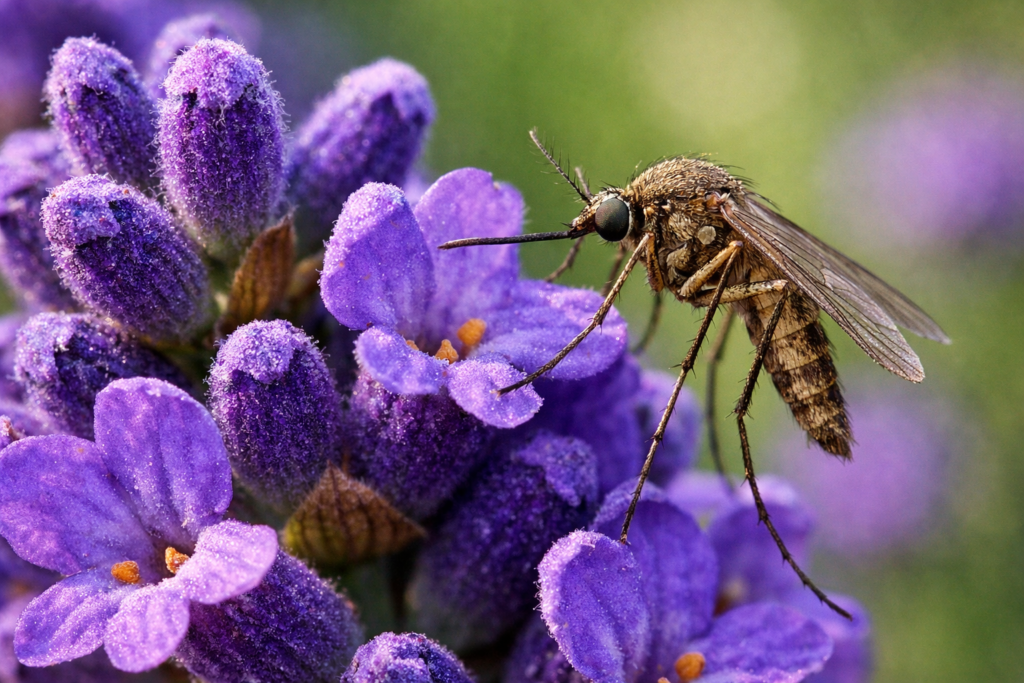
If you live near a lake, pond, stream, or even a drainage ditch, you’ve probably noticed the mosquito situation is worse than your neighbors a few blocks inland. That’s not your imagination. Mosquitoes depend on water for every stage of their early development, and proximity to standing or slow-moving water can increase local populations dramatically. Here’s how to enjoy waterfront living without becoming a mosquito buffet.
Quick Answer
- Mosquitoes need standing water to breed – females lay eggs in or near water, and larvae develop entirely in aquatic environments
- Any standing water works: ponds, puddles, clogged gutters, old tires, birdbaths, even bottle caps
- Moving water is generally safe – mosquito larvae can’t survive in flowing streams or wave-active water
- Living near water doesn’t mean accepting mosquitoes – targeted control methods dramatically reduce populations
Why Water Attracts Mosquitoes
Female mosquitoes need water to reproduce. After taking a blood meal, she seeks out standing water to lay her eggs – typically 100-300 at a time. Depending on the species, she deposits eggs directly on the water surface (forming floating “rafts”), on moist soil near water edges, or inside containers just above the waterline.
The larvae (called wigglers) are fully aquatic, breathing through siphons at the water surface while feeding on algae and organic matter. They go through four larval stages over 5-14 days before pupating and emerging as flying adults.
Ideal mosquito breeding water:
- Standing (not flowing) water
- Shallow and warm
- Rich in organic matter (decaying leaves, algae)
- Sheltered from wind and waves
- Undisturbed for at least 7-10 days
How to Reduce Mosquitoes Near Water
For your property (within your control):
- Eliminate all small standing water sources weekly – flower pot saucers, gutters, old tires, tarps, kids’ toys
- Treat water you can’t drain with Mosquito Dunks (BTI larvicide). Safe for ponds, birdbaths, rain barrels, and anywhere water collects. Each dunk lasts 30 days.
- Add a fountain or aerator to decorative ponds. Moving water prevents mosquito larvae from breathing at the surface.
- Stock ponds with mosquitofish (Gambusia affinis). A single fish can eat 100+ larvae per day. Check with your local mosquito abatement district – many provide free mosquitofish.
For personal protection near water:
- Use EPA-registered repellents: OFF! Deep Woods (DEET) or Sawyer Picaridin provide 8-12 hours of protection
- Set up a Thermacell device on your dock, patio, or lakeside seating area for a 20-foot mosquito-free zone
- Wear light-colored, loose-fitting clothing during dawn and dusk hours
- Install outdoor fans – mosquitoes can’t fly in wind speeds above 1 mph
Key Takeaways
- Mosquitoes breed exclusively in standing water. Eliminating or treating standing water within 200 yards of your home is the single most effective control measure.
- Moving water (fountains, aerators, streams) doesn’t support mosquito larvae. Add water movement to any decorative pond or water feature.
- Mosquito Dunks (BTI) safely treat water you can’t drain, killing larvae for 30 days without harming fish, pets, or wildlife.
- For waterfront properties, combine source reduction (treating standing water) with personal protection (repellent, Thermacell, fans) for best results.