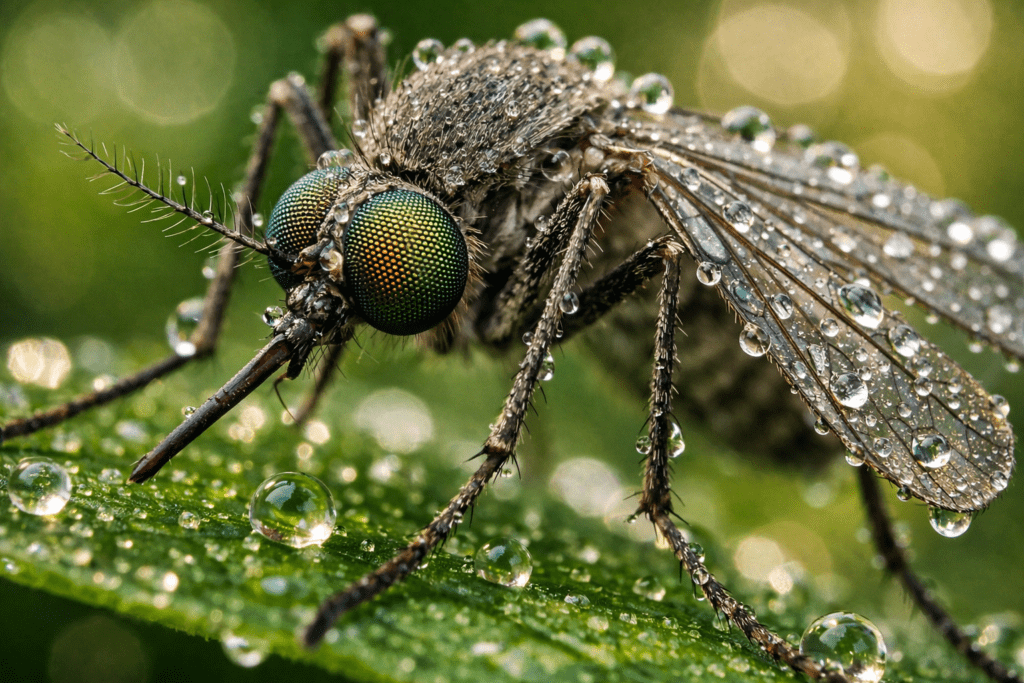
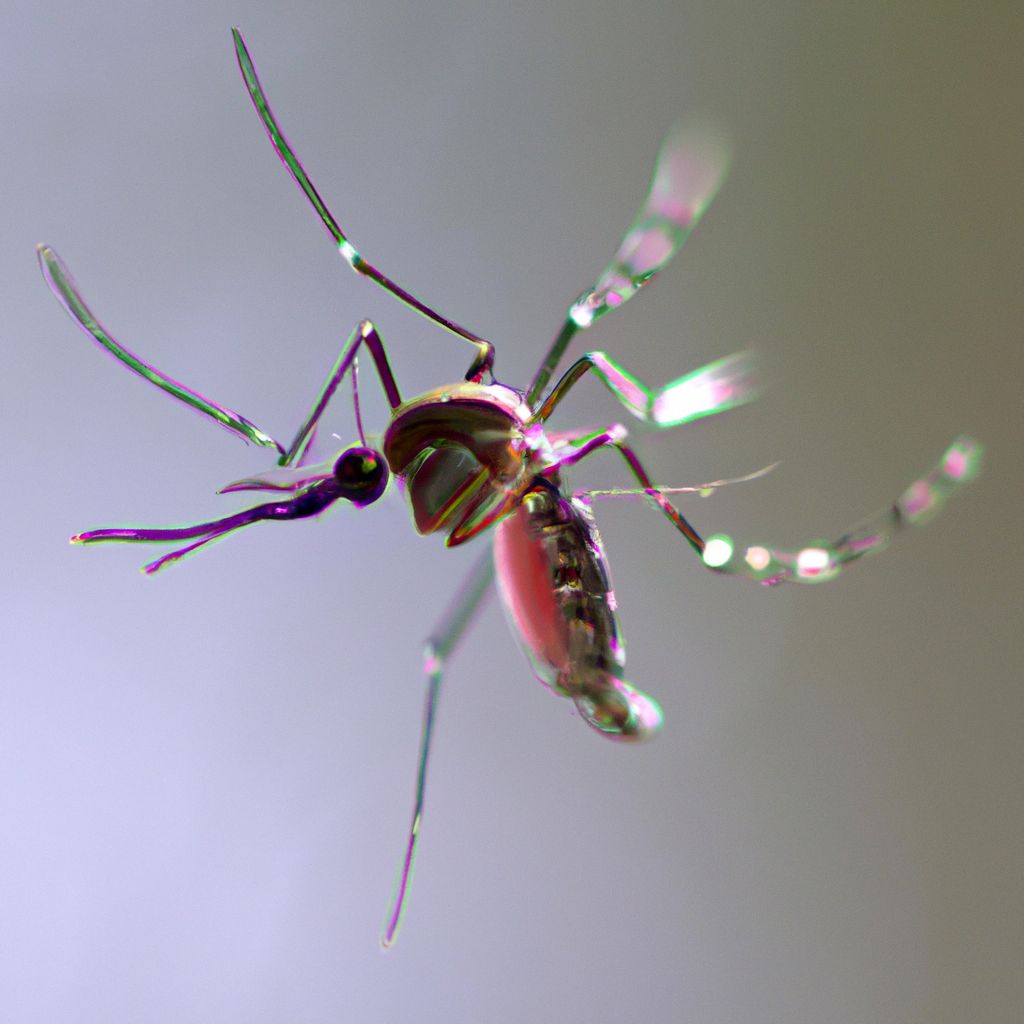
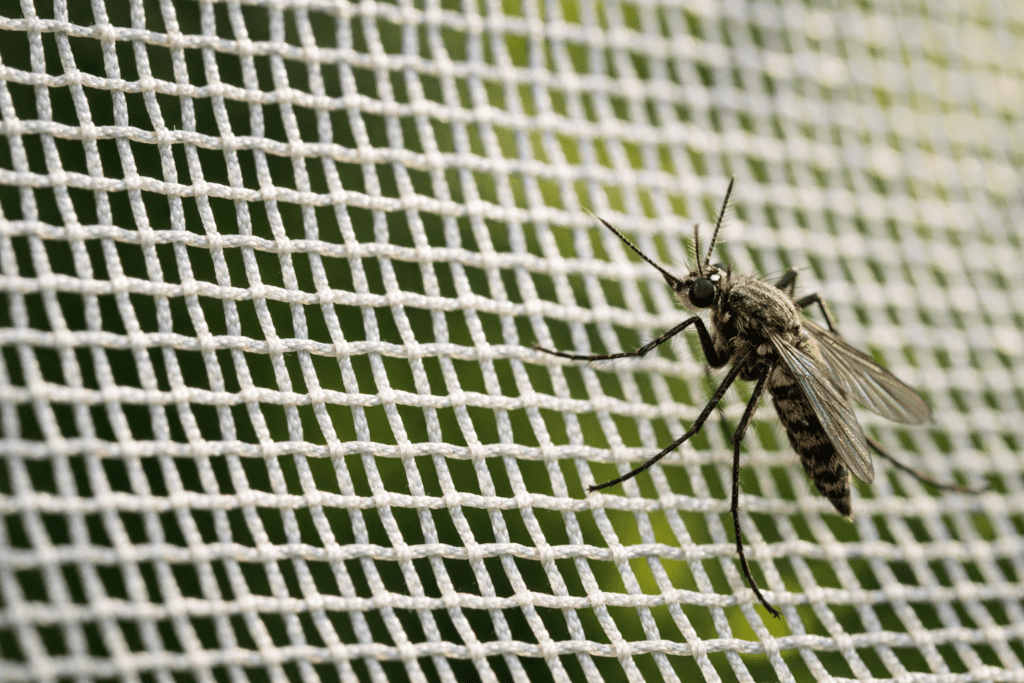
Mosquitoes live on every continent except Antarctica. With roughly 3,500 species spread across tropical, temperate, and even subarctic regions, they’re among the most geographically widespread insects on Earth. But their density varies enormously depending on climate, water availability, and urbanization. Here’s where mosquitoes thrive and what that means for you.
Quick Answer
- Mosquitoes are found worldwide on every continent except Antarctica, from sea level to mountain elevations of 10,000+ feet
- Highest concentrations: tropical and subtropical regions near the equator (Southeast Asia, Sub-Saharan Africa, Central/South America)
- In the US: Florida, Texas, Louisiana, and the Gulf Coast states have the highest mosquito populations year-round
- They need water and warmth: any region with standing water and temperatures above 50°F supports mosquito populations
Global Mosquito Distribution
Mosquito density follows two primary factors: temperature and water availability. The highest concentrations are found in tropical regions where warm temperatures and frequent rainfall create year-round breeding conditions.
| Region | Key Species | Peak Season | Disease Risk |
|---|---|---|---|
| Sub-Saharan Africa | Anopheles, Aedes | Year-round (rainy season peaks) | Very high (malaria, dengue) |
| Southeast Asia | Aedes aegypti | Monsoon season | High (dengue, Zika) |
| Central/South America | Aedes, Anopheles | Rainy season | High (dengue, Zika, malaria) |
| Southern US | Aedes, Culex | April-October | Moderate (West Nile) |
| Northern US/Canada | Culex, Aedes | June-September | Low (West Nile) |
| Northern Europe | Culex, Aedes | June-August | Very low |
US Mosquito Hotspots
In the United States, mosquito season length and intensity correlate strongly with latitude and humidity. The Gulf Coast states experience the longest seasons and highest populations.
Worst US states for mosquitoes: Florida (year-round in South Florida), Texas (March-November), Louisiana, Mississippi, and Georgia. These states combine warm temperatures, high humidity, and abundant standing water.
Best US states for low mosquitoes: Arizona, Nevada, and New Mexico have relatively low mosquito populations due to arid conditions. However, irrigated areas and monsoon rains can create temporary breeding sites even in desert states.
Protecting Yourself When Traveling
If you’re traveling to high-mosquito regions, especially tropical areas with disease risk, pack EPA-registered repellent containing DEET (25-30%) or picaridin (20%). Products like Sawyer Picaridin or OFF! Deep Woods provide 8-12 hours of protection. For stays in areas with malaria, consult your doctor about antimalarial medication before travel.
Key Takeaways
- Mosquitoes are found on every continent except Antarctica, with highest densities in tropical and subtropical regions.
- In the US, Gulf Coast states (Florida, Texas, Louisiana) have the most mosquitoes, while arid desert states have the fewest.
- Disease risk from mosquitoes varies dramatically by region – always check CDC travel health notices before visiting tropical destinations.
- Pack EPA-registered repellent (DEET or picaridin) when traveling to any high-mosquito region.